The Shocking Truth About Plastic: 5 Surprising Facts
Plastic has woven itself into virtually every corner of modern human civilization. From the containers that protect our food and beverages to the synthetic textiles in our wardrobes and the delicate housings of our consumer electronics, modern life runs on synthetic polymers. Manufacturers rely on these materials because they are remarkably lightweight, durable, highly versatile, and cheap to manufacture. Yet these exact attributes—the stability that makes plastic virtually indestructible and the low cost that makes it disposable—have turned a convenient material into an escalating global ecological disaster.
Because contemporary retail and municipal infrastructures were designed around single-use consumption, billions of tons of synthetic materials end up discarded into the environment. When discarded items escape waste streams, they do not quietly assimilate back into natural biological cycles. Instead, synthetic waste lingers on land and in waterways, accumulating at a pace that far outstrips our capacity to clean it up or recycle it, threatening ecosystems, economic systems, and human health across the globe.
Key takeaways
- Plastic does not biologically decompose; instead, it fractures into persistent microplastics found across the planet from the Arctic to the Antarctic.
- The Ellen MacArthur Foundation projects that without urgent intervention, the oceans will contain more plastic than fish by weight by 2050.
- Global plastic production surged from 1.5 million tons in 1950 to 322 million tons in 2015, and output is on track to double by 2050.
- Chemical additives such as phthalates and BPA, along with ingested microplastics, introduce documented health risks including inflammation and cellular stress.
- Traditional mechanical recycling faces severe economic, chemical, and energetic limitations, making reduced consumption the only viable primary solution.
The five core realities of the global plastic crisis
To grasp why synthetic materials present such an unprecedented environmental threat, it is essential to understand how plastic behaves across its entire lifecycle. The following five foundational facts illustrate the scope, trajectory, and biological ramifications of our reliance on synthetic polymers.
Plastic never really decomposes
Unlike organic substances such as wood, paper, or food scraps, synthetic plastic is formed from long chains of linked molecules called polymers. Engineered specifically for durability, these chemical bonds are alien to biological decomposers. In natural environments, bacteria, fungi, and other microorganisms do not possess the metabolic pathways needed to digest and break down these synthetic molecular chains into biological nutrients.
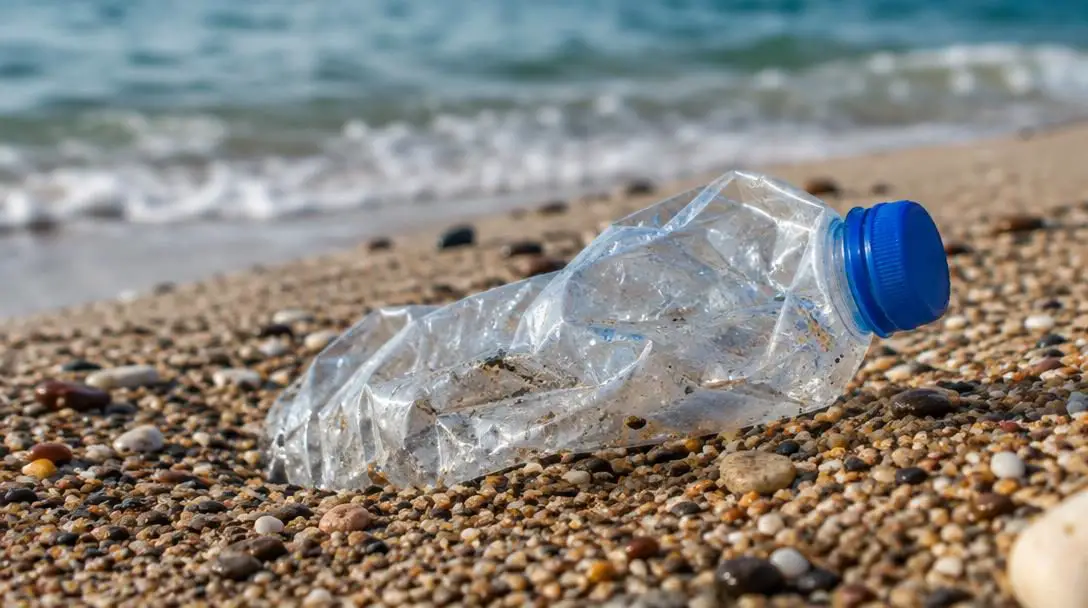
Consequently, plastic never truly undergoes biological decomposition. When discarded into landscapes or waterways, weathering forces like solar ultraviolet radiation, wind, and tidal action simply fracture large items into smaller and smaller fragments. These resulting specks, measuring less than five millimeters across, are classified as microplastics. Scientists have documented microplastic contamination in the most remote corners of the planet, including pristine alpine snowfields, deep ocean trenches, and the Arctic and Antarctic poles. Once these microscopic particles enter waterways, aquatic organisms readily swallow them, carrying synthetic polymers and their accompanying toxic residues directly through the global food web.
Plastic pollution affects marine life
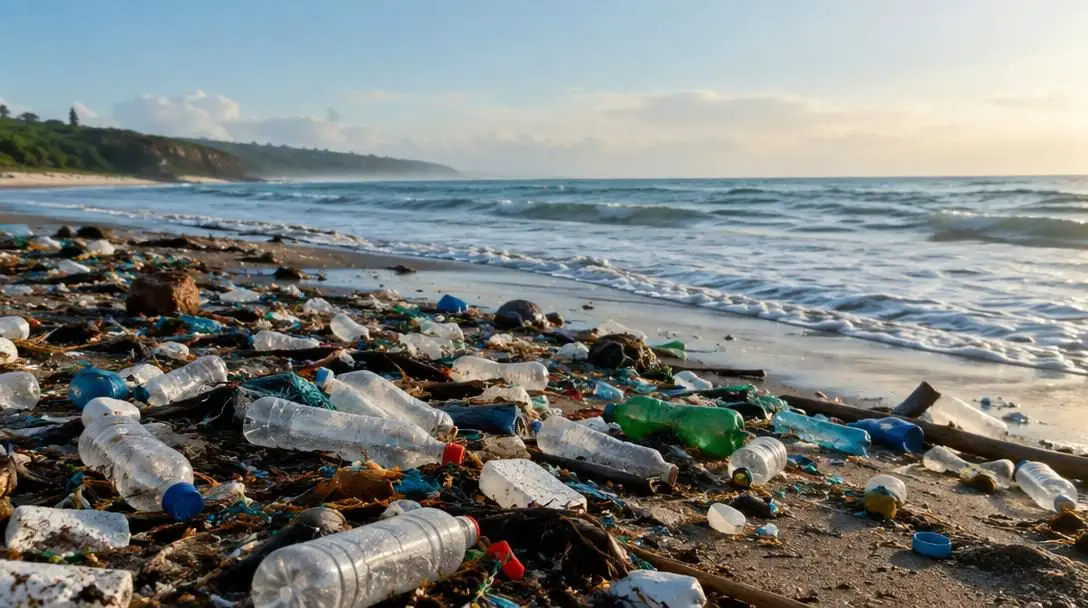
Marine environments bear the heaviest burden of synthetic waste disposal. Coastal runoff, untreated drainage, and river mouths steadily funnels synthetic trash into the world's oceans, where it wreaks havoc on marine species. A landmark report published by the Ellen MacArthur Foundation delivered a stark warning: without substantial systemic changes in consumption and waste handling, there will be more plastic in the ocean than fish by 2050.
The immediate physical damage to wildlife is catastrophic and diverse. Sea turtles frequently mistake translucent floating plastic bags for jellyfish, their preferred food source, leading to digestive tract blockages, starvation, and death. Discarded fishing gear, packing bands, and synthetic rings ensnare marine mammals, birds, and fish, creating severe entanglement hazards that result in physical mutilation, reduced mobility, and drowning. Because synthetic polymers do not biodegrade, a single floating fragment can drift on marine currents for hundreds of years, posing an ongoing hazard to generations of marine organisms.
Plastic production has increased rapidly over the years
The sheer scale of synthetic polymer manufacturing has accelerated at an astonishing rate over the past seven decades. In 1950, global industrial manufacturing yielded approximately 1.5 million tons of plastic. By 2015, worldwide output reached an extraordinary 322 million tons annually. This exponential rise reflects the transition from durable, repairable household goods to ephemeral, single-use consumer packaging.
Current industrial forecasts indicate that global plastic production is expected to double by 2050. This expansion not only generates unmanageable volumes of physical refuse, but it also accelerates the global climate crisis. The extraction of fossil fuels for petrochemical feedstocks, alongside the intensive refining and manufacturing processes required to assemble synthetic polymers, releases substantial quantities of greenhouse gases into the atmosphere while driving regional air and water pollution around production plants.
| Era / Milestone | Global Annual Output | Primary Ecological Concern | Systemic Trajectory |
|---|---|---|---|
| 1950 | 1.5 million tons | Emerging consumer adoption | Inception of widespread industrial petrochemical manufacturing |
| 2015 | 322 million tons | Global microplastic saturation | Rapid proliferation of single-use packaging and throwaway convenience |
| 2050 (Projected) | Expected to double 2015 levels | Plastic outnumbering marine fish | Severe strain on marine biodiversity, human health, and carbon budgets |
Plastic waste poses health risks to humans
The plastic crisis is not simply an aesthetic or conservation issue confined to remote shores; it represents a growing hazard to human physiology. Microplastics have permeated global food production and distribution channels. Laboratory research has identified microscopic polymer particles in common consumer seafood, commercial bottled water, municipal tap water, table salt, and even the ambient air circulating in our homes and cities.
Once microplastics enter the human body via ingestion or inhalation, they can lodge within biological tissues. Medical researchers have connected particle accumulation with chronic inflammation, oxidative stress, and potential cellular damage linked to cancer. Furthermore, plastics function like chemical sponges, absorbing environmental toxins while carrying synthetic additives used during manufacturing. These include endocrine disruptors such as phthalates and Bisphenol A (BPA), chemical compounds known to disrupt hormone function, impair metabolic regulation, and trigger developmental concerns.
Recycling is not a cure-all for plastic waste
For decades, commercial advertising and public waste campaigns framed municipal recycling as the definitive solution to synthetic trash. In practice, recycling is severely limited by basic chemistry, logistics, and market economics. Vast categories of post-consumer plastic cannot be mechanically recycled at all due to multi-layered laminates, colored dyes, or chemical contamination.
Even when sorting systems successfully recover clean polymers, the recycling process requires substantial energy, generates wastewater, and causes thermal degradation. Every round of mechanical remelting shortens the polymer chains, producing lower-quality materials that are typically "downcycled" into items like synthetic carpet or park benches rather than new food-grade bottles. Because these downcycled goods cannot be recycled a second time, they merely delay an item's arrival at a landfill or incinerator. Relying solely on recycling obscures the fundamental reality that reducing aggregate plastic consumption is the only effective way to curtail plastic pollution.
Because recycling processes degrade polymer chains into lower-quality materials, waste processing alone cannot reverse the environmental damage of disposable packaging.
How plastic moves from store shelves into the biosphere
To dismantle the plastic crisis, we must trace how an ordinary consumer item travels from retail checkout counters to the digestive systems of deep-sea marine animals. The journey reveals a linear, broken waste model that modern municipal systems are ill-equipped to contain.
The lifecycle begins with petrochemical extraction. Fossil fuels are extracted and processed through chemical cracking facilities to assemble polymers engineered to withstand bacterial degradation, heat, and moisture. These raw resins are molded into thin grocery sacks, beverage bottles, shrink wrap, and protective containers. Once an item fulfills its brief purpose—frequently lasting only minutes—it enters the waste management stream.
In countless communities, waste collection is incomplete or vulnerable to weather events. Light synthetic items easily escape garbage trucks, uncovered dumpsters, and landfill faces. Swept along by rainwater runoff and prevailing winds, these discarded materials tumble into curbside storm drains, creeks, and rivers. These inland waterways act as natural transport corridors, carrying discarded packaging through estuaries and directly into coastal oceans.
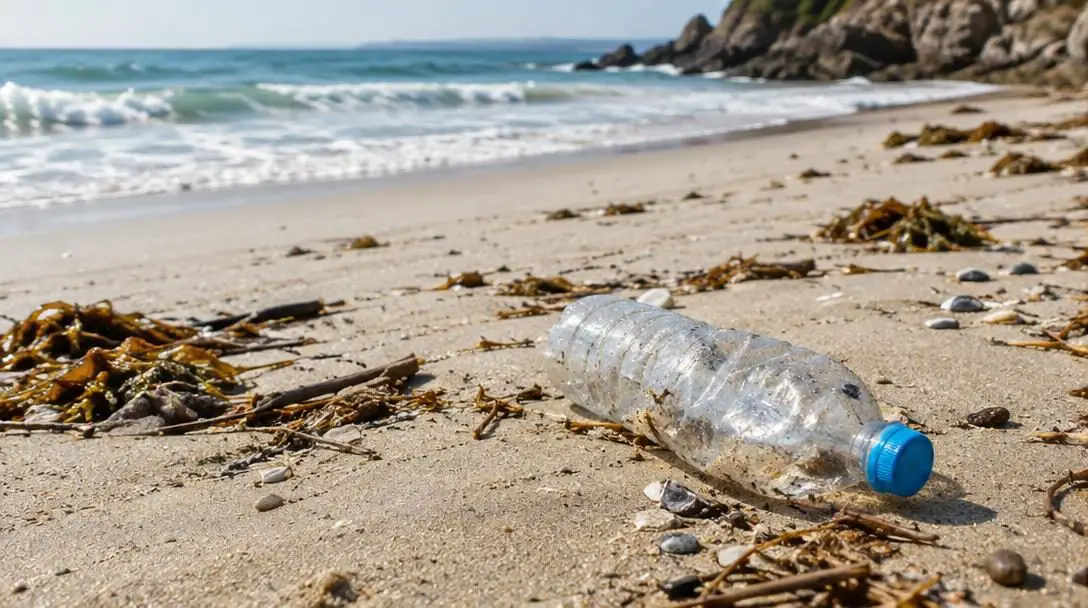
Once adrift in ocean waters, physical forces alter the debris. Strong ocean swells smash brittle containers against rocky shorelines, while solar ultraviolet rays weaken the polymer bonds through photo-oxidation. The materials crack into tiny shards without altering their basic chemical composition. Zooplankton and small filter-feeding organisms ingest these microplastics; intermediate prey fish consume the plankton; apex predators consume the prey fish; and ultimately, these accumulated microplastics and chemical additives travel directly onto plates served at our dining tables.
Practical steps to reduce your synthetic footprint
Stemming the flow of synthetic waste into global ecosystems requires intentional, daily adjustments to our shopping, eating, and domestic habits. By reducing initial demand for disposable polymers, individuals can ease pressure on overburdened waste management systems.
- Carry sturdy reusable bags, durable water bottles, and stainless steel or glass food containers whenever commuting, shopping, or packing daily lunches.
- Select products featuring minimal exterior packaging, or prioritize packaging manufactured from renewable, commercially compostable alternative materials.
- Inspect ingredient lists on personal care, cosmetic, and cleansing items to verify they are free from plastic microbeads that bypass municipal wastewater filtration.
- Separate recyclable polymers according to your regional municipal facility guidelines, taking care to discard non-recyclable multi-layered films into standard waste bins to avoid batch contamination.
- Buy dry pantry goods in bulk bins and choose loose, unwrapped produce over items sealed in disposable plastic wrapping.
- Maintain, clean, and repair household tools, fabrics, and equipment rather than routinely discarding and replacing them with cheap synthetic equivalents.
Frequent mistakes that undermine waste reduction
Even well-intentioned consumers often adopt habits that inadvertently exacerbate the plastic waste problem. Understanding these pitfalls ensures that your efforts generate meaningful environmental benefits rather than administrative complications for waste handlers.
- Assuming every plastic item can be processed curbside: Tossing greasy takeaway containers, disposable straws, plastic cling wrap, or multi-layered snack bags into recycling bins—a practice known as "wishcycling"—clogs sorting machinery, damages processing belts, and often forces recycling facilities to divert entire batches of valuable material to landfills.
- Using recycling access to justify buying single-use goods: Operating under the belief that purchasing single-use plastic is benign as long as the item reaches a blue bin overlooks the fossil fuels, water, and electrical energy consumed during both original manufacturing and subsequent reprocessing.
- Overlooking hidden sources of microplastic shedding: Focusing only on obvious litter like bottles and bags while ignoring synthetic apparel made from polyester or nylon allows millions of microfibers to escape down household washing machine drains directly into rivers and oceans.
- Failing to properly rinse food residue before binning: Placing unwashed containers covered in oils, dairy residues, or food scraps into recycling streams spoils adjacent paper and cardboard, rendering entire recovery loads unmarketable.
Long-term considerations: Economics, health, and policy
Resolving the global plastic crisis requires sustained coordination across consumer habits, corporate design choices, and national legal frameworks. Because market forces have historically favored cheap, virgin fossil-fuel-based resins over recycled alternatives, systemic changes must establish financial accountability for synthetic pollution.
Extended Producer Responsibility (EPR) laws represent a critical mechanism for reform. Under these frameworks, manufacturers must finance the end-of-life collection, sorting, and ecological disposal of the packaging they introduce into commerce. When manufacturers carry financial liability for their packaging waste, they face a direct incentive to redesign delivery systems, adopt standardized reusable containers, and eliminate unnecessary layers of plastic film.
At the personal level, mitigating synthetic exposure involves minimizing contact with leaching chemicals. Transitioning from plastic food storage containers to glass or ceramic alternatives—particularly when heating foods in microwave ovens—substantially curtails the transfer of BPA, phthalates, and plasticizers into hot food. Combining informed personal safeguards with support for municipal packaging limits and corporate reduction targets builds the multi-tiered defense needed to safeguard natural waterways and public health.
Frequently asked questions
Why doesn't plastic decompose naturally like organic materials?
Plastic is composed of petroleum-derived synthetic polymers held together by durable chemical bonds. Terrestrial and marine microorganisms lack the evolutionary adaptations and digestive enzymes required to break down these artificial molecular structures. Instead of biological decay, plastic merely fractures mechanically into microplastics under the influence of ultraviolet sunlight, wind, and water abrasion.
How do microplastics make their way into human food supplies?
Microplastics enter global food chains primarily through marine and freshwater habitats. Microscopic fragments are ingested by aquatic organisms, including zooplankton, shellfish, and fish, which are subsequently eaten by larger predators. Furthermore, microplastic specks have been detected in commercial bottled water, municipal drinking supplies, atmospheric dust, and sea salt, providing multiple pathways for human ingestion.
What health problems are associated with plastic additives like BPA and phthalates?
Bisphenol A (BPA) and phthalates act as endocrine-disrupting chemicals that interfere with the endocrine system. Medical studies have linked systemic exposure to these substances with cellular inflammation, oxidative stress, hormonal imbalances, developmental abnormalities, and elevated long-term risks for various forms of cancer.
Why is mechanical recycling insufficient to solve the plastic crisis?
Mechanical recycling faces strict chemical and economic barriers. Many composite plastics and colored films cannot be processed, recycling centers require significant energy and financial investment to sort contaminated materials, and each remelting cycle degrades polymer chain lengths. This progressive loss of strength means plastics can typically only be downcycled once or twice before ultimately being landfilled or incinerated.
How can consumers help stop the growth of plastic pollution?
Consumers can make an immediate difference by replacing disposable containers, shopping bags, and beverage bottles with reusable glass, metal, or fabric alternatives. Furthermore, avoiding personal care products that contain microbeads, properly sorting uncontaminated recyclables, buying pantry goods in bulk, and supporting legislative policies that hold manufacturers accountable can systematically reduce overall plastic demand.
The bottom line
The modern plastic crisis is not a distant environmental concern confined to remote oceanic gyres; it is an immediate issue affecting our climate, food supplies, and biological well-being. With global production projected to double by 2050 and ocean plastic on track to surpass fish populations by weight, the convenience of disposable plastics is vastly outweighed by their permanent ecological costs. Mechanical recycling alone cannot reverse this trajectory. Meaningful progress requires eliminating unnecessary single-use items, holding corporate producers accountable, and fundamentally reshaping our relationship with synthetic materials.