5 Special Ingredients to Add To Your Bread Recipe
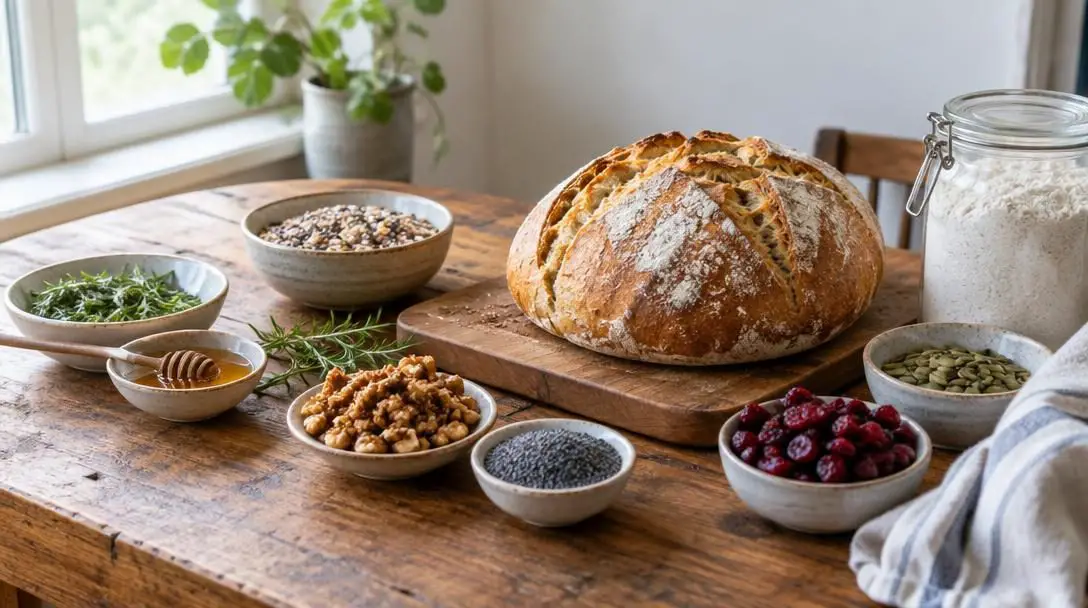
Bread has served as the foundational staple of human civilization for thousands of years, sustaining global populations across generations and cultures. In its most unadorned state, bread requires only four humble components: flour, water, yeast, and salt. When mixed together, these ingredients spark an ancient culinary transformation as flour hydrates, yeast feeds on starches to generate gas, and gluten proteins link together into an elastic network that traps those pockets of air. Yet while a basic loaf satisfies hunger and offers accessible nourishment, standard dough can easily turn out plain, functioning merely as a neutral vehicle for sandwich fillings or a quiet side dish for soups and stews.
To move past predictable loaves and elevate home baking, passionate cooks incorporate select flavor additions directly into their dough. Introducing targeted ingredients transforms the sensory appeal of bread, turning everyday kitchen experiments into artisan showpieces. Whether your goal is a deeply aromatic, savory loaf laden with roasted elements or a rich, sweet dessert bread, knowing how to layer flavors with foundational ingredients—specifically garlic, honey, spices, chocolate, and herbs—grants you complete creative command over your baking.
Key takeaways
- Adding purposeful mix-ins elevates standard flour-and-water dough into an artisan culinary centerpiece.
- Liquid sweeteners like honey alter dough hydration and speed up fermentation and crust browning.
- Chunky elements such as chocolate pieces and whole garlic cloves must be folded in late to protect gluten development.
- Aromatic herbs and savory spices introduce regional flair when whisked into dry flour or suspended in rich fats.
Five Special Ingredients to Transform Your Dough
Every home baker eventually reaches a crossroads where master recipes need a refreshing update. By selecting the right flavor additions, you can shift the moisture, texture, and aroma of your crumb. Below are five proven ingredients that introduce nuanced complexity to both lean and enriched bread doughs.
Garlic
- Flavor profile: Robust, pungent, savory, and aromatic
- Best suited for: Focaccia, pizza doughs, naan, and rustic dinner loaves
- Application formats: Raw minced, fried, roasted whole cloves, or compound butter
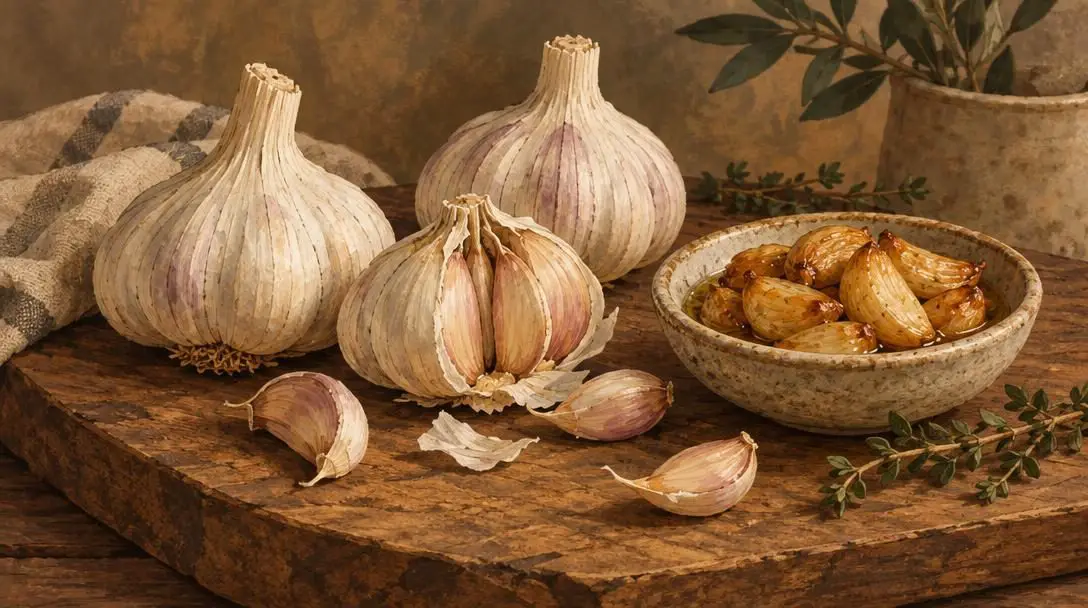
A cornerstone of global savory cooking, garlic provides a pungent, unmistakable punch that deepens the overall flavor profile of bread without overpowering its inherent grain character. In flatbreads like focaccia, naan, and classic pizza bases, garlic serves as a signature flavor. Bakers can use it in diverse formats: finely minced raw cloves yield a sharp and peppery kick; fried garlic brings a crisp texture and nuttiness; and slow-roasted whole garlic cloves collapse into soft, buttery morsels that melt into the crumb. Furthermore, whipping crushed garlic into softened butter or extra-virgin olive oil provides a fragrant wash for warm crusts.
Honey
- Flavor profile: Sweet, floral, earthy, and complex
- Best suited for: Enriched sandwich loaves, soft dinner rolls, and artisanal rounds
- Application formats: Dissolved in liquid base, brushed on crust, or whipped into butter
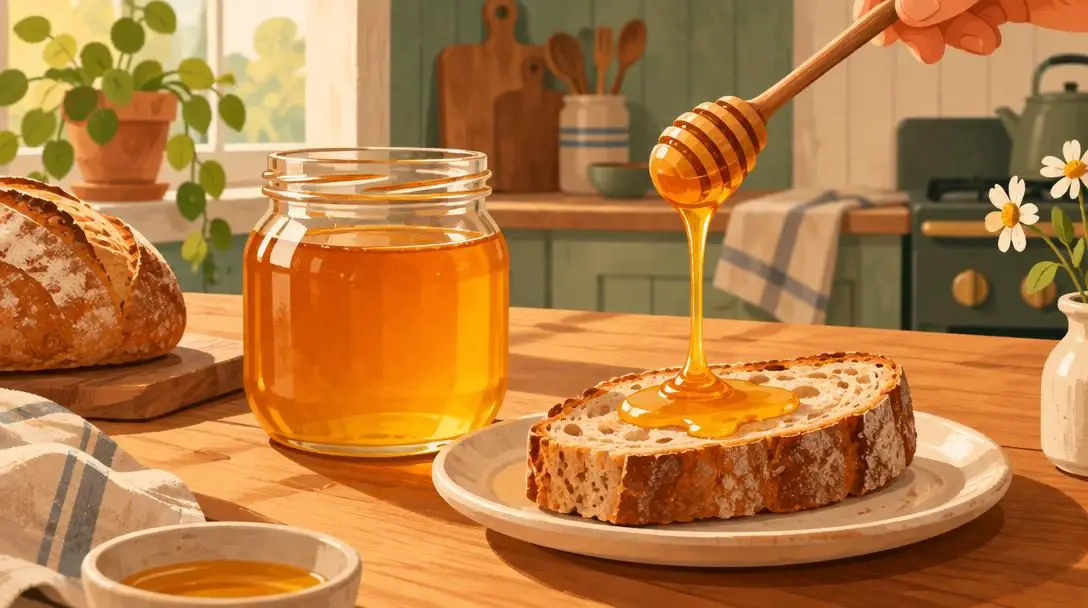
Unlike refined granulated white sugar, which provides straightforward sweetness, honey contributes an intricate spectrum of flavor ranging from delicate floral overtones to deep, earthy notes depending on its botanical source. Honey works effortlessly across both sweet and savory applications. It can soften the crumb of daily sandwich bread or introduce an unexpected contrast when paired with savory cheeses and cured meats. Bakers can opt for classic wildflower or clover varieties, or experiment with hot honey infused with chili peppers to lend a subtle heat to enriched dinner rolls and braided loaves.
Spices
- Flavor profile: Warm, pungent, earthy, or piquant depending on the blend
- Best suited for: Sweet breakfast braids, festive holiday loaves, and seasoned flatbreads
- Application formats: Whisked into dry flour, kneaded throughout, or dusted over crusts
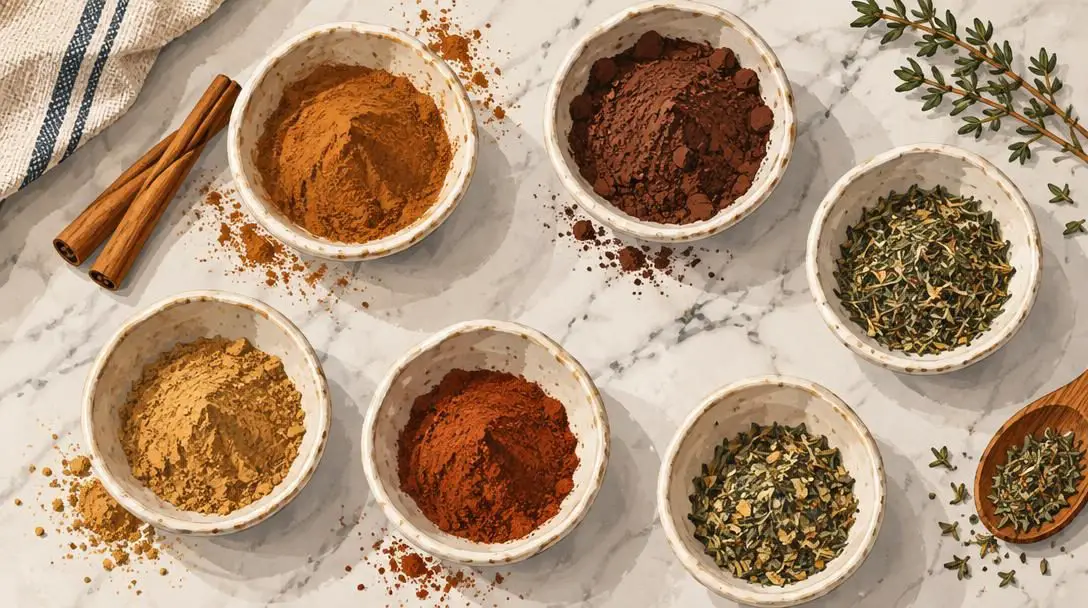
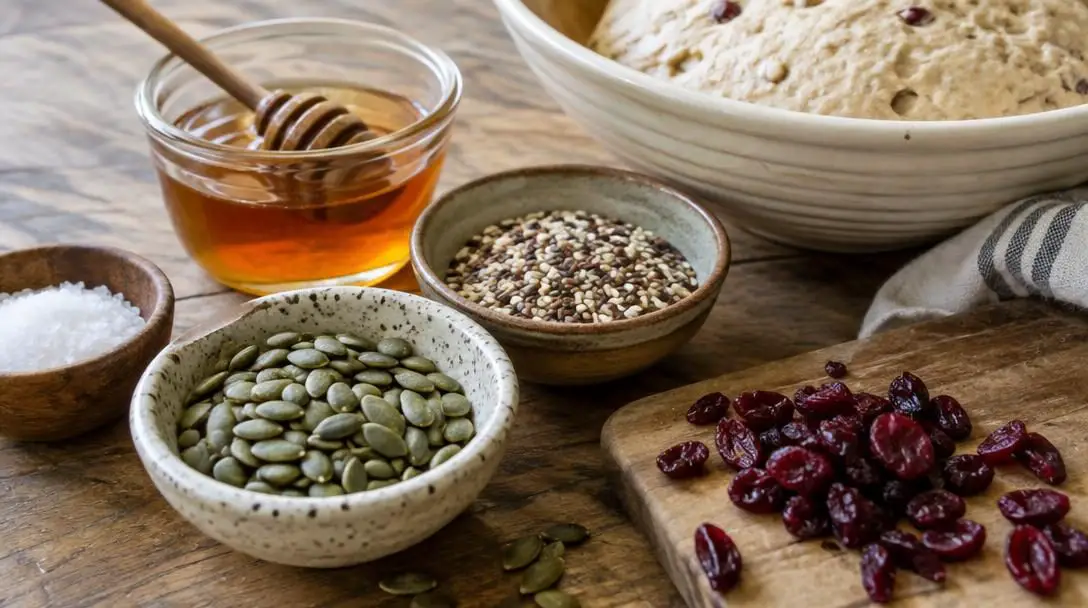
Spices capture centuries of international food heritage and provide nearly limitless potential when incorporated into bread dough. Sweet baking favorites like ground cinnamon, fragrant warm spice blends, and unsweetened cocoa powder fill the kitchen with cozy aromas and create stunning holiday breads. On the savory side, dried rosemary, parsley flakes, garlic salt, cracked black pepper, and spicy chili powders impart instant personality. Because spices are finely milled, they can be blended directly into dry flour, incorporated mid-knead, or dusted over proofed loaves alongside sea salt just prior to baking.
Chocolate
- Flavor profile: Deep, bittersweet, indulgent, and comforting
- Best suited for: Dessert breads, filled brioche, specialty rolls, and breakfast loaves
- Application formats: Cocoa powder in dry mix, folded chips, or smooth melted fillings
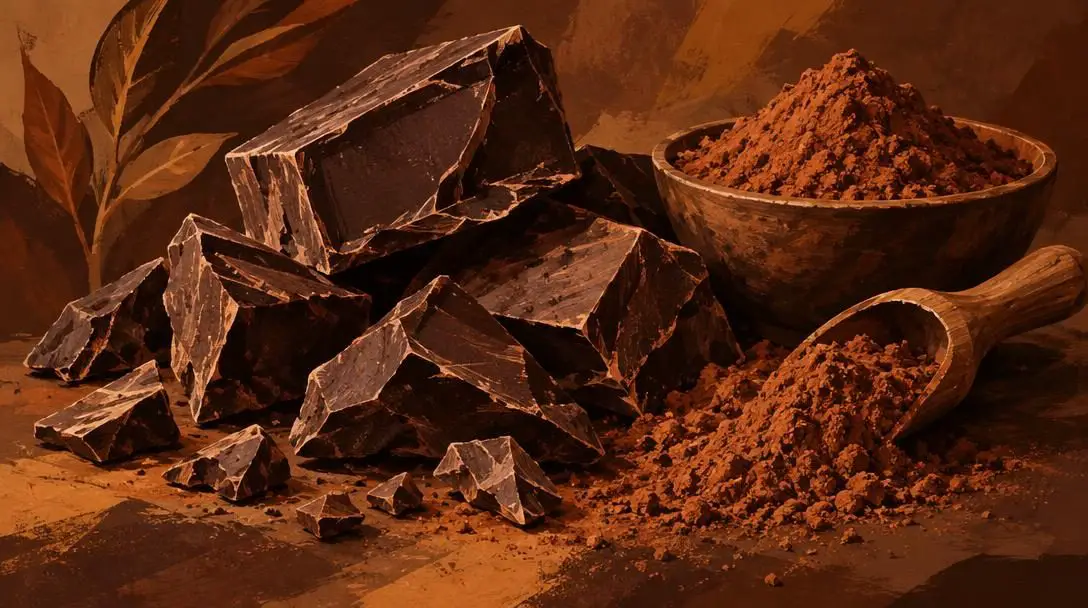
Adding chocolate turns ordinary bread dough into an indulgent, mood-lifting bake that appeals across all age groups. Depending on the desired visual presentation and mouthfeel, chocolate can be introduced in multiple ways. Whisking unsweetened cocoa powder into the dry flour creates a uniformly dark crumb with an earthy, complex undertone. Alternatively, folding in bittersweet, semisweet, or milk chocolate chips creates molten pockets that soften as the loaf bakes. For festive occasions, chocolate can also be swirled into sweet dough as a rich spread or bundled inside rolled buns as a molten surprise.
Herbs
- Flavor profile: Fresh, grassy, woodsy, and aromatic
- Best suited for: Italian crusty breads, focaccia slabs, breadsticks, and savory dinner rolls
- Application formats: Finely chopped fresh, dried flakes, or infused in warm fats
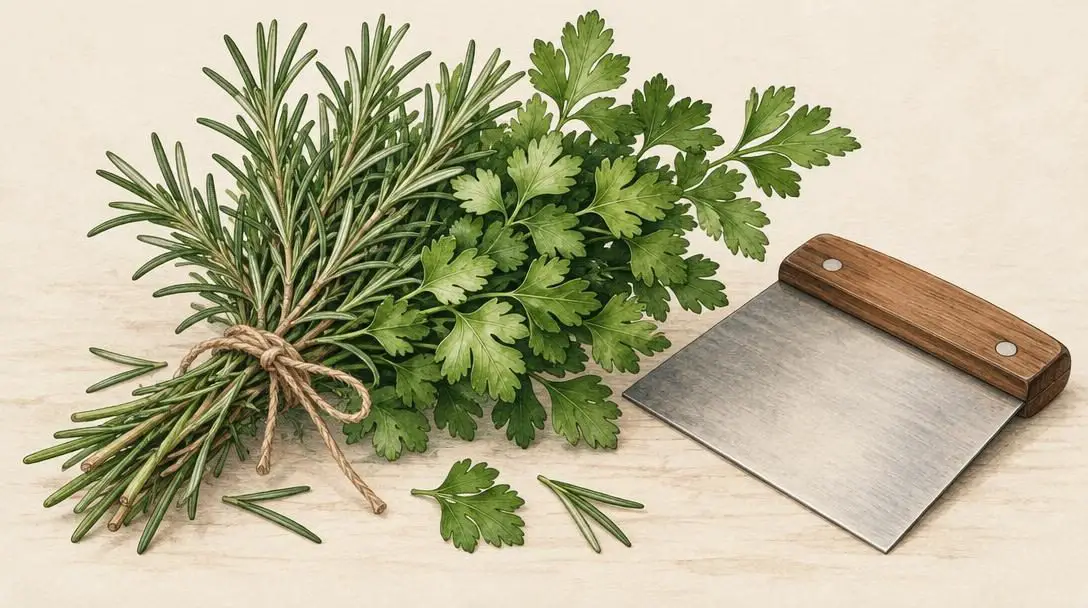
Herbs provide an immediate burst of aromatic freshness that transforms uninspired dough into an artisanal standout. Rosemary is particularly celebrated among bread bakers; its sturdy needles, piney fragrance, and resilient oils easily withstand high baking heat without turning bitter or losing flavor. Parsley serves as an all-around staple, integrating seamlessly into olive oil dips, garlic bread glazes, and finished crusts. Suspending chopped herbs within olive oil or melted butter before brushing them over shaped dough infuses every crevice with herbal flavor while promoting an appetizing, golden finish.
Adding purposeful ingredients into bread dough allows home bakers to transform basic pantry staples into customized culinary centerpieces.
Comparing the Five Bread Additions
Selecting an ingredient requires balancing moisture content, sweetness, and the timing of addition. The table below outlines how these five additions function inside a standard bread recipe.
| Ingredient | Primary Flavor Profile | Best Stage to Add | Key Structural Effect |
|---|---|---|---|
| Garlic | Savory, pungent, mellow when roasted | Late knead (chunks) or finishing glaze | Softens crumb when paired with oils; roasted cloves create moist pockets |
| Honey | Floral, delicate sweetness, complex | Initial wet ingredients mix | Attracts moisture to keep crumb tender; speeds up crust browning |
| Spices | Warm, piquant, or woodsy | Dry flour whisk or dough surface | Provides uniform color and aroma without disrupting hydration levels |
| Chocolate | Rich, sweet, slightly bitter | Late knead (chips) or dry mix (cocoa) | Chunks create molten interruptions; cocoa tightens gluten slightly |
| Herbs | Fresh, earthy, piney, aromatic | Late knead, pre-bake topping, or finish | Distributes aroma; fat suspensions tenderize exterior crust layers |
The Science of Dough Chemistry and Mix-Ins
Baking is an exact biochemical process steered by yeast fermentation and gluten formation. When water hydrates flour, two key wheat proteins—glutenin and gliadin—link together to construct an expandable, elastic mesh. This protein lattice traps carbon dioxide bubbles produced as yeast metabolizes fermentable carbohydrates. Introducing outside ingredients reshapes the internal microclimate of the dough, changing how that network expands and bakes.
Liquid and hygroscopic ingredients dramatically alter moisture movement and oven spring. Honey is naturally hygroscopic, meaning it absorbs and holds onto ambient water molecules. When mixed into dough, honey prevents the crumb from drying out, effectively prolonging the freshness and shelf life of the finished loaf. However, because honey is packed with simple sugars, it provides instant food for yeast cells, which can trigger unusually vigorous fermentation. Furthermore, these accessible sugars undergo caramelization and the Maillard reaction at noticeably lower baking temperatures, leading to rapid browning along the exterior crust.
Solid inclusions require careful handling to avoid disrupting dough structure. Dense items such as chopped chocolate, whole cloves of roasted garlic, or coarse dried herbs cannot bond with glutenin or gliadin. If introduced while gluten is actively developing, sharp edges can physically cut and shred delicate gluten strands. This disruption compromises the dough’s gas-holding capability, leading to dense pockets and poor oven spring. Additionally, ingredients rich in fat—such as garlic cloves sautéed in olive oil or herbs beaten into compound butter—coat the wheat proteins. This lubricating coating tenderizes the dough structure, yielding a soft, melt-in-your-mouth bite.
Step-by-Step Guide to Incorporating Add-Ins
Successfully integrating specialty ingredients requires thoughtful preparation, precise timing, and gentle handling. Follow this ordered procedure to ensure optimal gluten development and balanced flavor distribution throughout your loaf.
- Review your recipe profile: Decide whether your target loaf leans savory or sweet, and check your base dough’s hydration to accommodate your mix-ins.
- Prepare and dry your add-ins: Mince raw garlic, roast whole cloves until tender, or chop fresh herbs finely. Thoroughly pat washed herbs dry with paper towels to avoid introducing excess moisture.
- Dissolve wet flavorings: If using honey, whisk it completely into the recipe's warm water or milk before introducing the dry components.
- Blend fine dry seasonings: Whisk cocoa powder, finely ground spices, or garlic salt directly into the dry flour to avoid clumping and guarantee even dispersion.
- Establish initial gluten structure: Mix and knead your dough until it turns smooth, supple, and passes a preliminary stretch test before adding solid pieces.
- Fold in solid inclusions gently: Sprinkle in chocolate chunks, whole garlic cloves, or coarse herbs during the final two minutes of kneading, working just enough to distribute them evenly without tearing the dough.
- Ferment with care: Allow the dough to complete its bulk rise in a warm spot, keeping in mind that doughs enriched with honey may ferment slightly ahead of schedule.
- Shape and garnish: Form your dough into loaves, buns, or focaccia. If using topical toppings like coarse salt, rosemary needles, or roasted garlic cloves, gently press them into the surface.
- Bake and monitor coloration: Place the loaf into the preheated oven. Check the crust frequently during the second half of baking, tenting loosely with aluminum foil if honey or chocolate causes premature browning.
- Finish while warm: Brush the freshly baked bread straight out of the oven with melted herb butter, apply a drizzle of honey, or set it aside to cool before slicing.
Common Pitfalls and How to Avoid Them
Even seasoned home bakers encounter challenges when adding new components to established recipes. Keep these critical mistakes in mind to preserve both the structure and flavor balance of your bread:
- Adding bulky inclusions too early: Pouring large chocolate chunks, whole garlic cloves, or coarse seeds into the bowl at the start of mixing cuts fragile gluten strands, causing a heavy, flattened loaf.
- Burning honey-sweetened crusts: Honey caramelizes at lower temperatures than table sugar, which can lead to a blackened crust before the center of the bread reaches an internal doneness of 190 to 200 degrees Fahrenheit.
- Overdosing raw minced garlic: Raw garlic contains pungent, sulfurous compounds that can overwhelm subtle bread flavors and impart an unpleasantly harsh aftertaste; opt for roasted or sautéed garlic for a smoother balance.
- Introducing dripping-wet fresh herbs: Washing herbs like parsley or rosemary and chopping them while wet transfers unwanted water into the dough, upsetting the recipe's hydration and leaving the dough overly sticky.
- Dumping spices into wet dough: Tossing dry spices into already-hydrated dough makes uniform distribution nearly impossible, creating concentrated, bitter pockets of unblended seasoning.
- Friction-melting chocolate during the knead: Kneading chocolate pieces into warm dough or using an overheated stand mixer will melt the chocolate, smearing it into the dough rather than preserving defined pockets.
Creative Pairings and Flour Selection
Once you understand how individual ingredients behave in the oven, you can begin combining them to create memorable, multi-layered recipes. Traditional pairings like roasted garlic and rosemary suspended in olive oil can elevate classic Italian focaccia. For an unexpected sweet-and-savory profile, brush a spicy hot honey glaze over savory cheddar and herb dinner rolls. Similarly, blending ground cinnamon, dark chocolate chunks, and a touch of cocoa powder turns standard brioche dough into a decadent dessert center loaf.
It is equally important to match your flavor additions to the specific flour variety in your pantry. Whole grain flours—including stone-ground whole wheat, dark rye, and nutty spelt—possess earthy profiles that naturally complement robust ingredients like woodsy rosemary, pungent garlic cloves, and dark forest honey. Conversely, enriched doughs made with high-protein unbleached white bread flour provide a clean, blank slate that allows delicate clover honey, sweet milk chocolate chips, and aromatic parsley to shine with clarity.
Frequently asked questions
Can I substitute honey for granulated sugar in any bread recipe?
Yes, you can substitute honey for granulated sugar in most yeast breads. However, because honey is roughly 20 percent water, you should slightly decrease the total liquid in your recipe. Honey also accelerates yeast fermentation and crust browning, so monitor oven temperatures closely during baking.
When should I add chocolate chips to my bread dough?
Add chocolate chips during the final two minutes of kneading, once the gluten structure is already well-developed. Adding them earlier can tear the gluten strands, and friction from excessive kneading may melt the chocolate into the dough rather than keeping distinct, molten pockets.
Are fresh herbs better than dried herbs in homemade bread?
Both fresh and dried herbs work well, but they require different handling. Dried herbs are more concentrated and blend smoothly when whisked into dry flour. Fresh herbs offer vibrant aroma and color, but must be thoroughly washed, dried completely, and finely chopped before folding into dough or butter glazes.
Why did my garlic bread turn out dense and flat?
A dense loaf often occurs when bulky additions like whole garlic cloves are mixed in too early, cutting the developing gluten network. Alternatively, using excessive amounts of raw garlic can sometimes inhibit yeast activity. For best results, use roasted garlic and fold it in toward the very end of the kneading process.
How can I prevent my honey bread from burning on top?
Because the simple sugars in honey caramelize rapidly, tent your loaf loosely with a sheet of aluminum foil once the crust reaches your desired shade of golden brown. You can also reduce your oven baking temperature by 25 degrees Fahrenheit to allow the center of the loaf to bake thoroughly without scorching the exterior.
The bottom line
Baking exceptional bread is a balance of structural science and flavor intuition. By stepping beyond the standard formula of flour, water, salt, and yeast, you can use ingredients like garlic, honey, spices, chocolate, and herbs to craft custom, artisanal loaves tailored to your personal tastes. Respect the needs of your dough by controlling hydration, protecting delicate gluten strands, and monitoring oven temperatures, and you will consistently produce fresh loaves that serve as the undeniable highlight of any dining table.