5 Thought Leaders Who Are Helping To Make A Better Planet
Rising global temperatures continue to provoke environmental disruption across every continent, manifesting in record heatwaves, shifting agricultural patterns, intense droughts, and destructive storm events. These ecological changes demonstrate that planetary degradation is no longer a distant theoretical scenario, but an ongoing reality reshaping landscapes, natural habitats, human communities, and local economies.
Confronting this complex crisis requires dedicated leadership capable of translating scientific consensus into tangible policy, conservation, and civic organizing. By examining the work of five prominent environmental thought leaders—working across international diplomacy, biological preservation, humanitarian governance, grassroots advocacy, and youth mobilization—we can better understand how coordinated action functions across different sectors of society.
Key takeaways
- Effective climate action demands moving past distant mid-century targets to implement immediate policy accountability.
- Conserving biodiversity and rehabilitating ecosystems serve as fundamental biological solutions to climate instability.
- Environmental sustainability cannot succeed without addressing the stark inequities between major carbon producers and frontline communities experiencing water and resource scarcity.
- Progress relies on a multi-tiered approach that connects grassroots organizing, institutional governance, and widespread civic mobilization.
At a glance: Prominent environmental leaders and their focus areas
| Leader | Primary Role | Core Domain | Strategic Emphasis |
|---|---|---|---|
| Catherine McKenna | Former Canadian Minister & UN Group Chair | Policy & Governance | Near-term accountability over distant 2050 horizons |
| Elizabeth Mrema | Executive Secretary, UN Convention on Biological Diversity | Ecological Stewardship | Nature-based solutions, ecosystem protection, and biodiversity |
| Inger Andersen | Executive Director, UN Environment Programme | Environmental Economics | Climate justice, drought relief, and global resource equity |
| Osprey Orielle Lake | Founder, Women’s Earth and Climate Action Network | Frontline Organizing | Forest conservation and training women disproportionately affected |
| Greta Thunberg | Youth Climate Activist | Public Mobilization | Civic strikes, calling out institutional delay, and active hope |
Five thought leaders championing planetary solutions
Planetary stewardship takes many forms, ranging from multilateral treaty negotiations to frontline forest defense. The following five leaders demonstrate how diverse skill sets and distinct platforms contribute to global environmental protection.
Catherine McKenna

- Background: Canadian lawyer and politician
- Key positions held: Former Minister of Environment and Climate Change; Chair of UN climate group
- Strategic focus: Immediate operational targets and transparent accountability
Canadian lawyer and politician Catherine McKenna has long been at the center of institutional environmental decision-making. Having previously served as Canada’s Minister of Environment and Climate Change, McKenna transitioned into an international role appointed by the United Nations Secretary-General to chair a specialized group dedicated to raising public consciousness and producing direct blueprints for addressing the climate emergency.
McKenna’s core philosophy rejects the habit of kicking sustainability milestones far into the future. She consistently points out that setting goals decades away creates an illusion of progress while delaying difficult decisions that must occur immediately. As McKenna stated, “We can tackle climate change; we just have to change how we look at things. We have to stop looking at it as a 2050 problem.” By pressing governments, corporations, and financial entities to track progress year by year, her work transforms high-level rhetoric into binding, near-term operational standards.
Elizabeth Mrema

- Background: Conservation leader born in Tanzania, living in Canada
- Key positions held: Executive Secretary, UN Convention on Biological Diversity
- Strategic focus: Biological remedies, ecosystem restoration, and habitat integrity
Born in Tanzania and currently living in Canada, Elizabeth Mrema approaches the environmental crisis through the lens of natural systems. Serving as the Executive Secretary of the United Nations Convention on Biological Diversity, she advocates for biological solutions to global atmospheric warming, emphasizing that technological intervention alone cannot replace healthy ecosystems.
Her approach is rooted in direct, lived observations of ecological decline in East Africa. Mrema has noted how landscapes that were lush in her youth experienced rapid deforestation and habitat fragmentation over time: “I grew up seeing our villages full of trees. But as I continued to grow… the outlook began changing. The bush, the forest I was seeing, you see more holes and spaces, [and] the weather kept changing. And as I speak, even those rivers – when you hear the water flowing in the streams at the backyard – have completely dried up.” Her work reinforces the premise that safeguarding forests, wildlife, and natural waterways is an indispensable biological mechanism for stabilizing global weather patterns.
Inger Andersen
- Background: Danish economist
- Key positions held: Executive Director, United Nations Environment Programme
- Strategic focus: Climate inequality, drought management, and structural economic reform
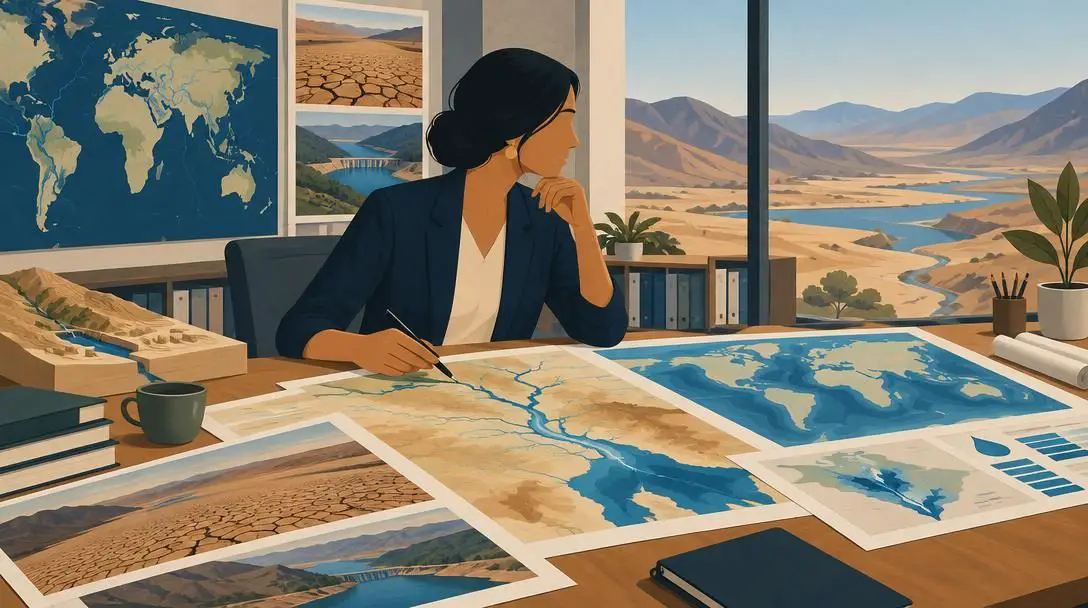
Danish economist Inger Andersen heads the United Nations Environment Programme (UNEP), bringing decades of international development and humanitarian experience to planetary governance. Andersen spent an extensive portion of her early career based in Sudan, where she concentrated on emergency famine and drought relief, observing firsthand the human cost of severe weather volatility.
In her current leadership capacity, Andersen centers climate equity, reminding the world that environmental degradation disproportionately strikes populations with minimal carbon output. Highlighting the sharp imbalances between emission producers and impacted communities, she observed: “When we know that one in three African citizens have faced water scarcity, then we understand climate inequality, then we understand that those folks who are my neighbors here in Nairobi are producing very, very low CO2 emissions.” Andersen’s governance framework argues that economic policies must integrate fair resource allocation, ensuring that international environmental mechanisms protect vulnerable populations from systemic harm.
Osprey Orielle Lake
- Background: Frontline environmental organizer and author
- Key positions held: Founder, Women’s Earth and Climate Action Network (WECAN)
- Strategic focus: Community empowerment, forest preservation, and grassroots defense
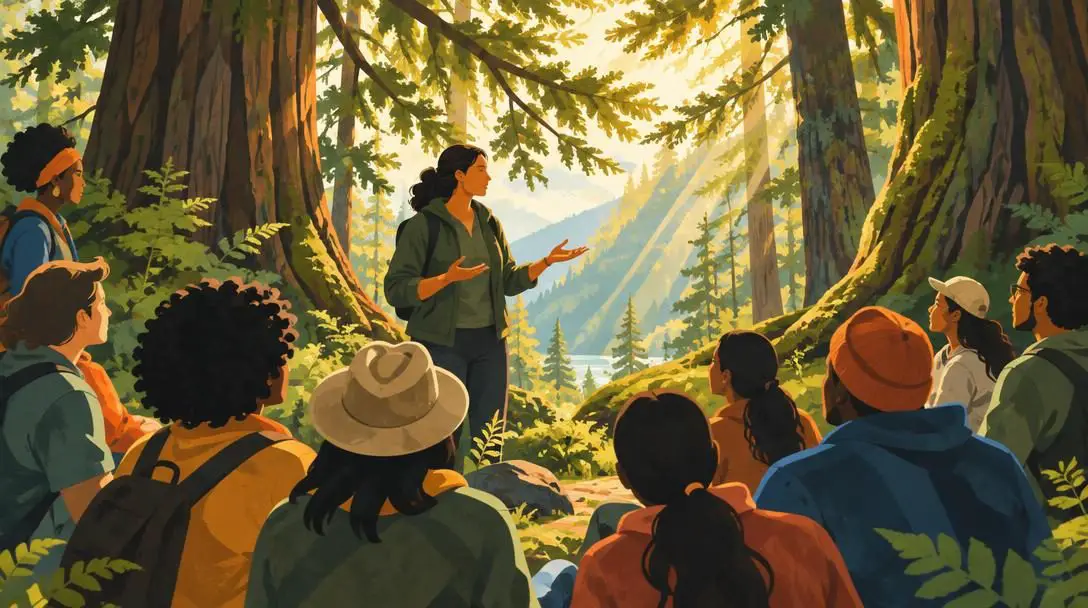
As the founder of the Women’s Earth and Climate Action Network (WECAN), Osprey Orielle Lake concentrates on the frontline intersection of human rights, social structures, and ecological survival. Recognizing that women around the globe are often impacted first and worst by climate disruption, WECAN organizes hands-on projects that range from community-based ecological education seminars to direct actions that protect endangered old-growth forests.
Lake addresses environmental devastation by targeting its institutional and economic roots. She has observed: “The climate crisis emerged from interlocking systems of capitalism, resource extraction, racism, patriarchy, and colonization. It’s beyond past time to end the tragic cycle of endless economic growth based on sacrificed peoples and sacrificed lands.” Through WECAN, she provides local leaders with the resources, training, and strategic networks necessary to defend ancestral lands, reverse environmental exploitation, and build regional ecological sovereignty.
Greta Thunberg
- Background: Swedish youth activist, born in 2003
- Key positions held: Initiator of the global school strike movement
- Strategic focus: Direct public communication, holding power to account, and ending complacency
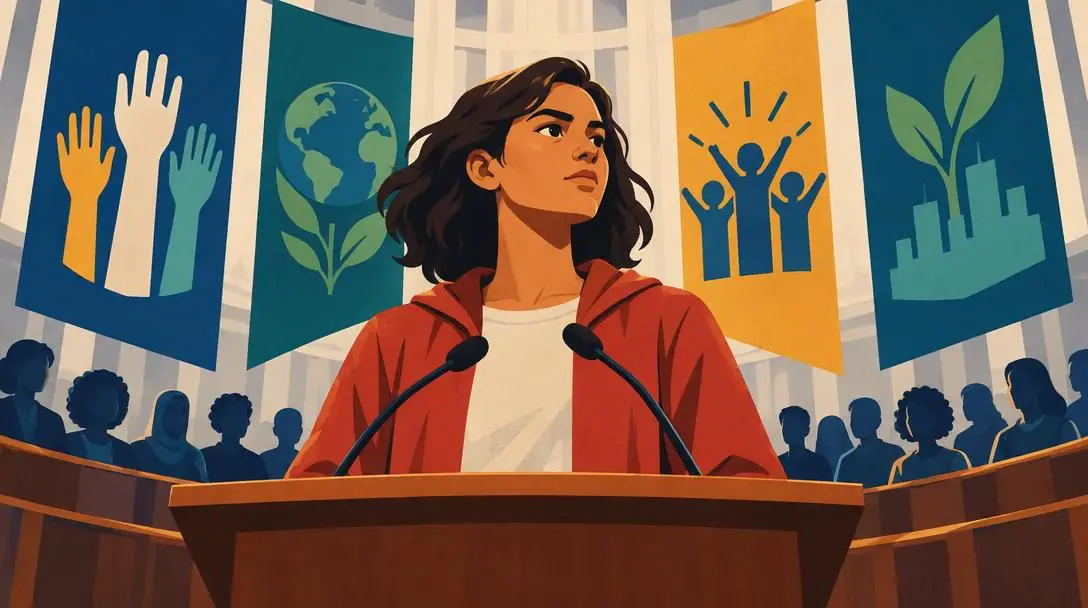
Born in 2003, Greta Thunberg became an internationally recognized advocate after organizing lone school strikes outside the Swedish parliament to demand urgent governmental response to environmental breakdown. Her platform gained global visibility during the 2018 plenary session of the United Nations Climate Change Conference, where her frank, unflinching address caught international attention and catalyzed millions of students worldwide to join the movement.
Real environmental hope is not an idle emotion; it demands sustained, active civic engagement rather than passive faith in political systems.
Thunberg’s contribution lies in her refusal to indulge in comfortable political compromises. She has persistently challenged institutional sluggishness, arguing: “We can no longer let the people in power decide what is politically possible. We can no longer let the people in power decide what hope is. Hope is not passive.” By using straightforward, unequivocal language, Thunberg created a worldwide youth mobilization that continues to apply pressure to international summits, legal proceedings, and municipal assemblies.

How diverse climate strategies reinforce one another
Meaningful planetary recovery does not depend on a single tool or perspective. Instead, it relies on complementary strategies that work across distinct sectors of civil society:
- Institutional policy and statutory guidelines: Leaders with legal backgrounds, like Catherine McKenna, establish binding rules that prevent institutions from deferring action to far-off target years.
- Natural ecosystem preservation: As Elizabeth Mrema demonstrates, living systems—including mature tree canopies, wetlands, and biodiversity corridors—are core biological defenses that purify water supplies and balance weather systems.
- Economic fairness and international governance: Inger Andersen’s leadership proves that environmental strategies must rectify disparities, making sure water-stressed regions receive proportional aid and clean development resources.
- Frontline defense and grassroots training: Osprey Orielle Lake’s work shows that environmental resilience requires direct, community-level capacity, empowering those directly tied to threatened landscapes to lead their defense.
- Uncompromising civic advocacy: Youth organizers such as Greta Thunberg shatter institutional complacency, shifting the boundaries of public discourse so leaders can no longer dismiss environmental issues as optional political talking points.
Step-by-step methods to apply these principles locally
While international leaders work within multilateral treaties and nationwide policies, individuals can adopt these identical principles within their local communities. Meaningful change emerges when practical everyday steps mirror global priorities.
- Identify regional biodiversity priorities: Begin by observing local watersheds, riverbeds, and urban tree canopies to understand where local habitat fragmentation is occurring, matching the conservation outlook promoted by biological stewards.
- Shift to near-term sustainability actions: Replace distant aspirations with measurable, immediate actions—such as minimizing single-use materials, auditing household power use, or using public transit—rather than viewing sustainability as something to address years down the road.
- Educate yourself on regional resource inequalities: Investigate which communities in your wider metropolitan area or region experience disproportionate pollution, heat-island effects, or limited clean water access.
- Support local educational and environmental workshops: Take part in seminars, community gardens, or restoration groups, adopting the grassroots knowledge-sharing models championed by frontline organizations like WECAN.
- Speak up across your professional and civic circles: Exercise your voice within school boards, tenant unions, workplaces, and town councils to demand transparent environmental policies, demonstrating that active civic engagement shapes community outcomes.
Mistakes to avoid when pursuing environmental change
Advocacy and sustainability initiatives frequently lose momentum because of predictable missteps. Being aware of these common traps helps ensure personal and collective efforts yield meaningful results:
- Postponing accountability to distant deadlines: Focusing entirely on targets set for 2050 without immediate, binding benchmarks allows institutions to avoid taking difficult steps right now.
- Separating climate policy from biological conservation: Addressing atmospheric emissions while permitting the clear-cutting of forests or the degradation of regional riverbeds undermines the earth’s natural life-support systems.
- Ignoring social and economic justice: Overlooking the reality that communities producing minimal emissions frequently suffer the harshest consequences produces inequitable, fragile environmental policies.
- Treating hope as a passive state: Assuming international agencies or future innovations will resolve environmental challenges without civic pressure inevitably produces stagnation.
- Relying on a single sector for total solutions: Assuming that governmental regulations, private enterprise, or individual choices alone can solve systemic environmental decline ignores the necessity of coordinated multi-sector action.
Frequently asked questions
Why is focusing on 2050 climate targets considered problematic by leaders like Catherine McKenna?
Focusing strictly on 2050 targets creates an excuse to postpone hard choices to future decades. As Catherine McKenna emphasizes, solving the climate crisis requires treating it as an immediate issue that demands concrete benchmarks and transparent accountability today rather than promises deferred to the middle of the century.
How does Elizabeth Mrema’s work connect biodiversity with climate action?
Elizabeth Mrema focuses on biological solutions, demonstrating that preserving plants, animals, forests, and waterways is essential to maintaining stable weather systems. Her observations of deforested landscapes and dried-up streams in East Africa underline that technological efforts alone are incomplete without healthy, intact natural ecosystems.
What is climate inequality according to UNEP Executive Director Inger Andersen?
Climate inequality describes the disparity where populations that generate minimal carbon emissions—such as citizens facing acute water scarcity across parts of the African continent—suffer the most devastating consequences of extreme weather. Inger Andersen emphasizes that international environmental solutions must incorporate economic justice and resource equity to remedy this gap.
What specific work does the Women’s Earth and Climate Action Network (WECAN) carry out?
Founded by Osprey Orielle Lake, WECAN engages women who are disproportionately impacted by environmental harm to take direct defensive action. The organization organizes educational seminars, conducts grassroots advocacy, and works directly on the ground to preserve vulnerable forests and protect ancestral lands.
What made Greta Thunberg’s 2018 United Nations speech so influential?
Thunberg challenged international political complacency directly during the 2018 UN Climate Change Conference plenary session. She stated that real hope is active rather than passive and insisted that youth must challenge leaders on what is politically possible, sparking a worldwide movement of school strikes and civic mobilization.
The bottom line
The global climate crisis is an interconnected problem that cannot be resolved through any single discipline. As demonstrated by Catherine McKenna, Elizabeth Mrema, Inger Andersen, Osprey Orielle Lake, and Greta Thunberg, lasting progress requires systemic action on every front: aggressive near-term policies, dedicated biological stewardship, equitable economic governance, frontline community organizing, and unrelenting public mobilization.
By connecting international diplomacy with local environmental realities, everyday individuals can transform awareness into practical impact. Meaningful progress begins by examining local tree canopies, monitoring regional waterways, advocating for equitable environmental protections, and holding local institutions accountable today rather than waiting for distant promises.