5 Times Comic Books Influenced International Relations
Comic books are frequently categorized as lighthearted entertainment, escapist literature, or adolescent fantasy. Over decades of widespread publication, however, graphic narratives have established an enduring presence on the international political stage. Because sequential art merges visual symbolism with sequential storytelling, it possesses an unusual ability to cross linguistic divides, influence political attitudes, and circulate across national borders far more rapidly than conventional state communications.
The convergence of popular culture and international affairs is nuanced and far-reaching. Illustrated narratives and heroic archetypes have been recruited by state institutions to build domestic consensus for foreign military engagements, repurposed by marginalized groups to champion universal human rights, and embraced by global readers seeking unvarnished glimpses into societies clouded by diplomatic tension. Rather than existing on the periphery of world events, graphic literature has continuously operated as a mirror of geopolitical shifts and an instrument of public diplomacy.
Key takeaways
- Sequential art transcends language barriers, allowing visual narratives to spread across borders and influence foreign policy debates faster than official state communications.
- Iconic superhero franchises like Captain America, Superman, and the X-Men have evolved from wartime messaging into allegories for international civil liberties, migration, and social justice.
- Autobiographical works like Marjane Satrapi's Persepolis provide critical cultural counter-narratives that humanize regions frequently flattened by hostile diplomatic discourse.
- Fictional representations such as Wakanda in Black Panther challenge historical colonial assumptions by projecting non-Western agency, independence, and technological leadership.
The Evolution of Graphic Narratives as Instruments of Soft Power
The modern comic book industry took shape in the late 1930s and early 1940s, arriving in the middle of worldwide ideological upheaval and military conflict. During this period, physical print served as a primary vehicle for mass public communication. Publishers and artists realized early on that combining striking visual motifs with dramatic plots created an effective mechanism for shaping public sentiment and translating complex geopolitical alliances into accessible stories.
Following the end of mid-twentieth-century global hostilities, the landscape of international relations pivoted toward ideological conflict and protracted diplomatic standoffs. Graphic literature adapted accordingly, shifting away from straightforward combat narratives toward deeper examinations of governance, global human rights, and systemic inequity. As international distribution networks expanded in the latter half of the twentieth century, illustrated stories developed from local periodicals into globally consumed media that actively influenced how foreign societies viewed one another.
| Work or Character | Historical Era | Core Geopolitical Focus | International Impact |
|---|---|---|---|
| Captain America | World War II to Cold War | National defense and democratic ideals | Mobilized domestic war support and projected democratic resolve abroad |
| Superman | Mid-20th Century to Present | Immigrant dignity, refugees, and civil rights | Fostered cross-cultural tolerance and addressed ethnic discrimination |
| Persepolis | Post-1979 Islamic Revolution | Everyday civilian life inside Iran | Challenged one-dimensional Western political depictions of Iranian society |
| X-Men | Civil Rights Movement to Present | Systemic discrimination and biological prejudice | Offered a universal metaphor for global civil liberties and minority equality |
| Black Panther | Post-Colonial Era to Present | Sovereignty, anti-colonialism, and African heritage | Reversed geopolitical tropes through an uncolonized, technologically advanced society |
Comic books have repeatedly functioned as instruments of public diplomacy, tools of ideological projection, and mirrors reflecting major historical turning points.
Five Landmark Comics That Shaped International Relations
From wartime propaganda drives to contemporary human rights advocacy, visual narratives have exerted a measurable impact on international discourse. The following five examples demonstrate how specific characters, creators, and graphic memoirs altered foreign policy discussions, dismantled entrenched stereotypes, and provided universal metaphors for global justice.
Captain America
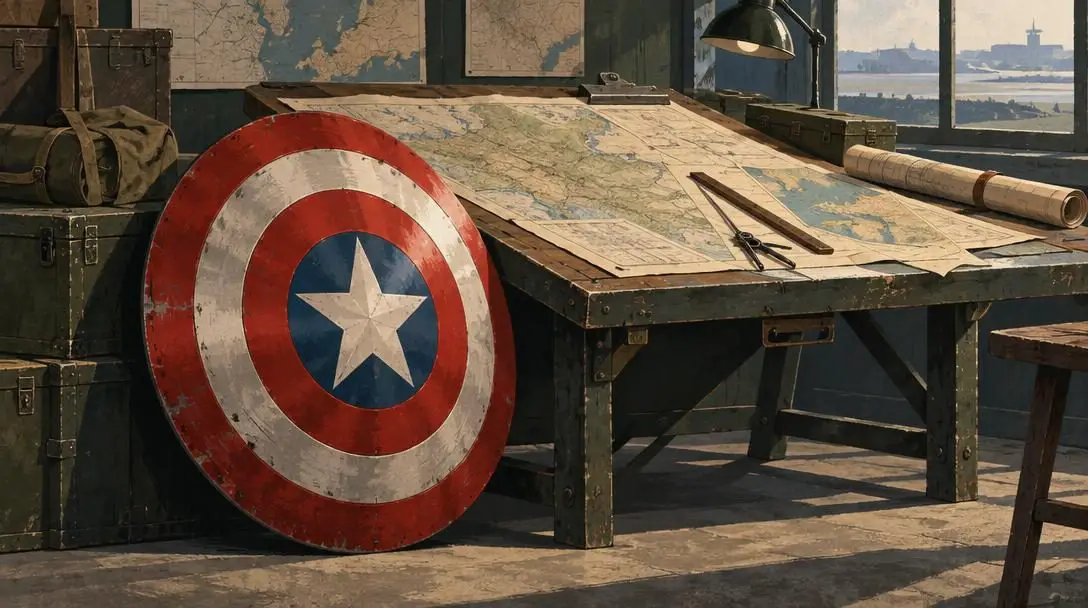
- Origin period: World War II
- Symbolic role: Embodiment of American patriotism, democracy, and national values
- Geopolitical scope: Wartime anti-totalitarian propaganda through Cold War ideological conflicts
Introduced during the height of the Second World War, Captain America was created specifically as an overt symbol of American patriotism and civic values. The character became an essential element of domestic propaganda initiatives, purposefully crafted to rally public backing for the nation's participation in foreign combat operations. The imagery of a costumed hero draped in national iconography striking against totalitarian adversaries gave ordinary readers a tangible visual anchor for the country's military resolve.
The geopolitical relevance of the character did not dissipate after the war concluded. Throughout the ideological confrontations of the Cold War, Captain America served as an ongoing cultural emblem of democratic governance and American values, regularly framing Western viewpoints against opposing political philosophies on the world stage.
Superman
- Guiding ethos: Champion of truth, justice, and human dignity
- Key publication: Superman Smashes the Klan (2017)
- International scope: Protection of refugees, immigrant rights, and tolerance for cultural minorities
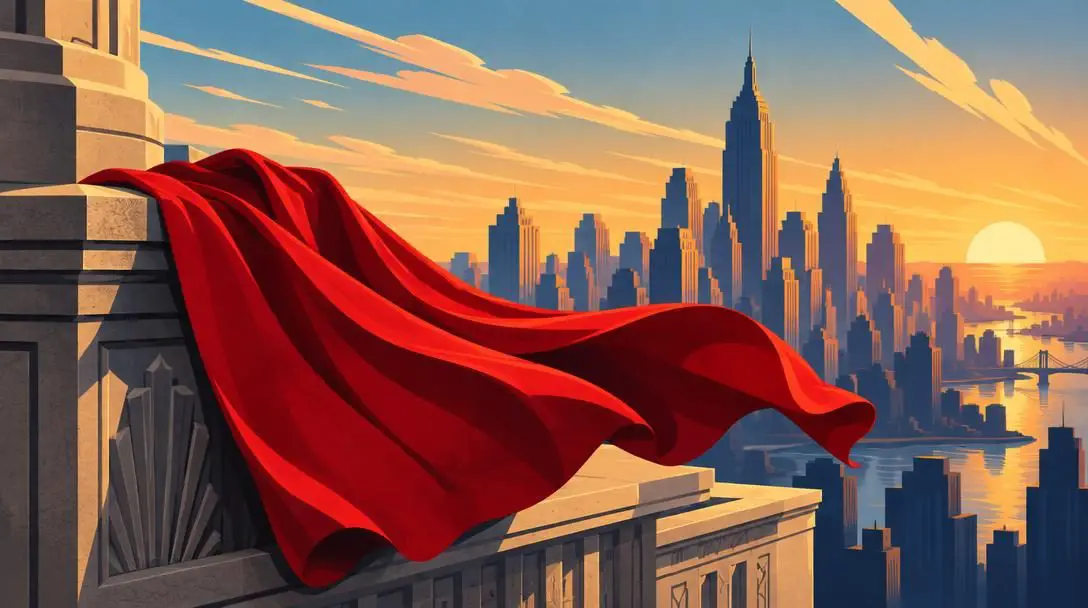
Although long heralded for defending truth, justice, and the American way, Superman progressively expanded in narrative scope to tackle broader international human rights and social justice crises. Because the character's core identity revolves around being an alien orphan taken in by a human family, his overarching narrative has naturally intersected with the real-world treatment of displaced persons, refugees, and immigrant populations seeking safety in unfamiliar lands.
In 2017, DC Comics published Superman Smashes the Klan, a storyline dedicated to confronting racism directed against Chinese Americans while asserting the necessity of cross-cultural tolerance and mutual respect. By confronting xenophobia and the marginalization of immigrant families head-on, the narrative demonstrated how a legacy superhero can be used to navigate complex international discussions surrounding human dignity, integration, and minority protection.
Persepolis
- Author and illustrator: Marjane Satrapi
- Historical backdrop: The 1979 Islamic Revolution and its aftermath in Iran
- Narrative style: Autobiographical black-and-white graphic memoir
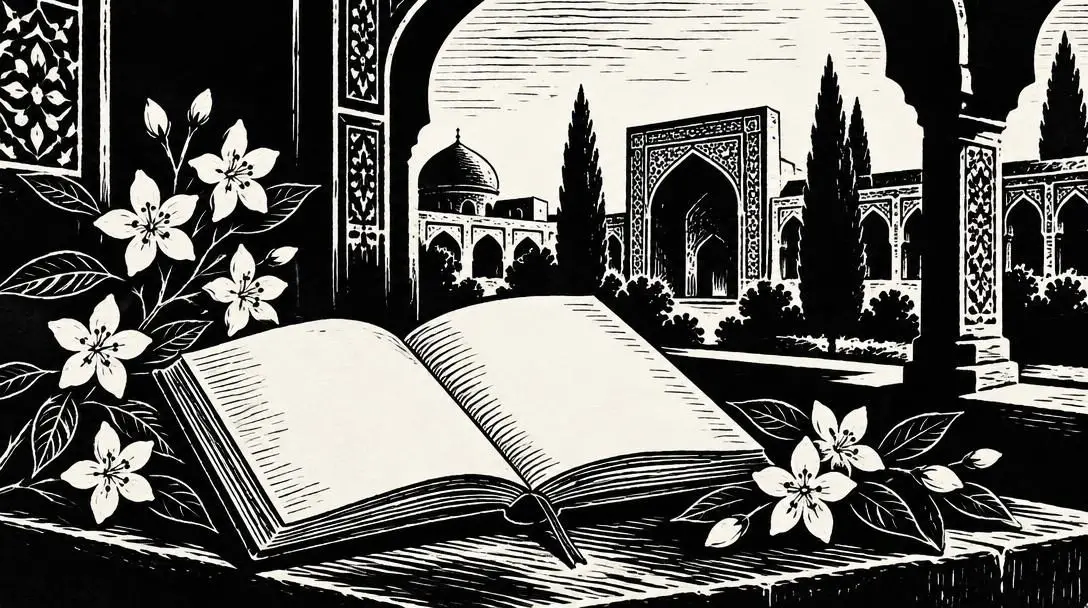
Written by Marjane Satrapi, the graphic memoir Persepolis documents her personal experiences growing up in Iran during and immediately following the Islamic Revolution. Through striking, minimalist black-and-white panels, Satrapi provides an intimate account of childhood, domestic family routines, and the profound cultural transformations reshaping Iranian society behind closed doors.
For audiences across the Western hemisphere, the graphic novel transformed common public perceptions of Iran. Rather than viewing the country solely through the lens of political estrangement, diplomatic standoffs, and hostile news coverage, readers were presented with a deeply human, multifaceted reality of everyday citizens navigating social upheaval. By fostering cross-border empathy, Satrapi's work offered an effective counterweight to one-dimensional state rhetoric.
X-Men
- Creation context: Mid-1960s Civil Rights Movement
- Core dynamic: Mutants subjected to prejudice, fear, and systemic exclusion
- Global application: Metaphor for racial equality, human rights, and LGBTQ+ advocacy
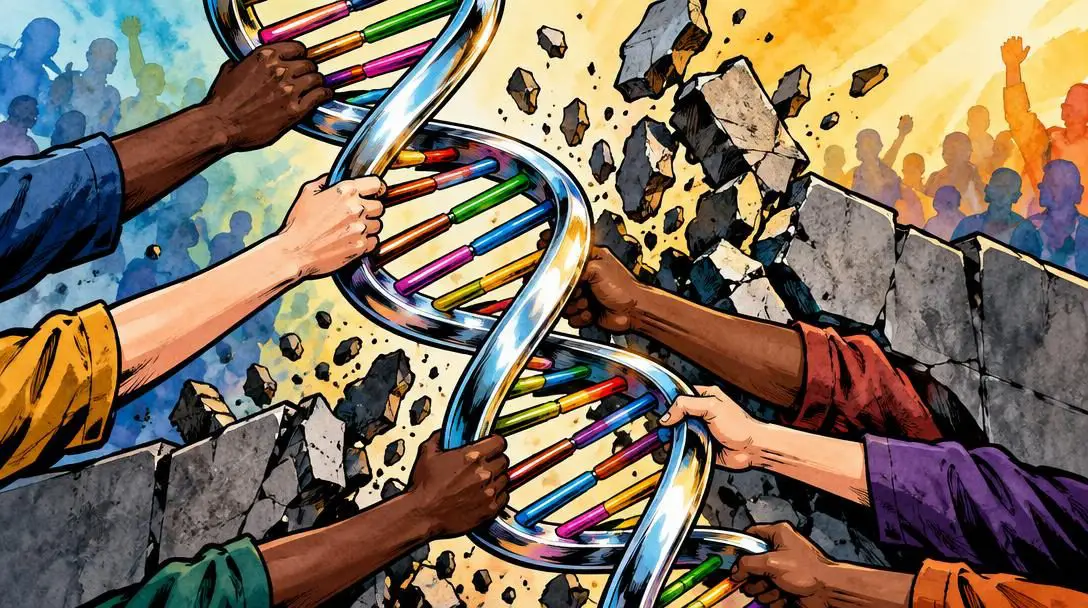
Debuting at the peak of the Civil Rights Movement, the X-Men were deliberately framed as an allegory for racial equality, systemic prejudice, and institutional discrimination. The central premise revolves around mutants—individuals born with genetic abnormalities that grant them extraordinary abilities—who face relentless hatred and exclusion from a fearful public simply due to their biology. This fundamental narrative dynamic allowed creative teams to address civil rights issues on a universal scale.
Over the decades, this mutant metaphor gained international traction, transcending its original mid-century American origins. The narrative framework became a recognized emblem of solidarity for marginalized communities around the globe fighting against structural oppression, including LGBTQ+ populations facing legal restrictions, social stigma, and violations of basic civil rights.
Black Panther

- Protagonist: King T'Challa of Wakanda
- Setting: Fictional, uncolonized African nation with peerless scientific technology
- Thematic influence: Reversal of colonial narratives and projection of African cultural sovereignty
From its groundbreaking inception in print to its historic global cinematic release, Black Panther shifted how African culture, heritage, and autonomy are perceived across the international landscape. Central to the mythos is T'Challa, who serves as both a costumed champion and the reigning sovereign of Wakanda, an isolationist African nation that avoided colonial exploitation and developed into the most technologically advanced civilization on Earth.
By showcasing an African society that preserved its cultural heritage while outstripping foreign powers in scientific innovation, the narrative shattered long-standing geopolitical tropes that historically depicted the continent through narratives of poverty, dependency, and external subjugation. The series elevated international recognition of African traditions, fostering cultural pride and reimagining regional authority in global speculative fiction.
How Popular Culture and Sequential Art Shape Global Affairs
To grasp the link between illustrated stories and statecraft, observers must evaluate the subtle channels through which popular culture affects international relations. Fictional works rarely operate as official diplomatic declarations, but their cumulative influence shapes the cultural and psychological environments in which foreign policy decisions are made.
- Fostering cross-border empathy: Illustrated personal memoirs allow readers to step directly into the lived experiences of individuals residing in foreign countries. By pairing visual facial expressions with honest personal narrative, sequential art breaks through official rhetoric and invites cross-cultural solidarity.
- Projecting national soft power: States regularly project their foundational philosophies, civil models, and cultural ideals through their creative publishing sectors. Internationally recognized figures act as informal cultural envoys, spreading specific values across foreign markets.
- Deploying allegory against censorship: In societies where direct political critique brings legal peril, fictional worlds and speculative narratives provide a secure medium for creators to address state overreach, civil liberties, and the persecution of minority groups.
- Dismantling entrenched geopolitical stereotypes: Nuanced international characters and rich speculative settings dismantle simplistic depictions commonly presented in foreign news broadcasts, enabling international readers to perceive distant nations through new lenses.
A Framework for Analyzing Political Themes in Graphic Literature
Students, educators, and foreign policy researchers seeking to investigate the geopolitical dimensions of comic books can use a structured analytical method to connect creative works with their broader historical backdrops.
- Examine the original publication context: Pinpoint the precise historical moment a comic was written and released. Identify the specific diplomatic confrontations, domestic policy debates, or armed conflicts taking place during that window.
- Investigate the creator's background and intentions: Study author interviews, background statements, and biographical histories to determine whether a narrative was conceived as state-sponsored messaging, independent political dissent, or straightforward commercial output.
- Decode visual iconography and allegorical markers: Scrutinize visual elements including costume designs, character morphology, depictions of foreign territories, and recurring visual motifs that could convey assumptions about cultural status or vulnerability.
- Track cross-border reception and localized adaptation: Research how a work was received outside its domestic market. Check whether foreign governments censored panels, altered translations, or banned the publication entirely.
- Compare fictional storylines to official foreign policy: Evaluate whether the plot reinforces, questions, or outright critiques the diplomatic goals maintained by the government of the country where the comic was created.
Analytical Pitfalls in Reading Comics as Diplomatic Artifacts
Assessing visual literature through an international relations framework requires care. Readers and analysts regularly stumble into common traps when interpreting graphic novels as political documents.
- Confusing commercial creative output with state policy: Assuming that a published comic automatically reflects the official diplomatic agenda of a creator's home government is inaccurate. The vast majority of graphic novels are commercial endeavors created by independent individuals holding varied political viewpoints.
- Applying anachronistic cultural standards: Judging mid-twentieth-century comic storylines exclusively through modern political expectations leads to distorted conclusions regarding a work's actual significance during its original historical era.
- Dismissing allegorical and speculative fiction: Treating narratives about costumed figures or extraterrestrial planets as mere fantasy overlooks how metaphor has routinely offered writers a way to critique volatile geopolitical situations safely.
- Equating modern screen adaptations with print originals: Assuming that a contemporary blockbuster movie communicates the exact same political ideas as the comic issue that inspired it can be misleading, as cinematic productions frequently modify themes to accommodate broader global box office expectations.
Digital Distribution and the Future of Graphic Diplomacy
As the international political environment shifts, the relationship between visual storytelling and global diplomacy continues to evolve. Several key developments will shape this intersection in the coming years.
The democratization and globalization of the graphic arts sector ensure that sequential storytelling is no longer anchored within a handful of Western publishing centers. The worldwide popularity of international graphic memoirs, manga, and independent digital comics introduces diverse cultural perspectives into international debates, enriching the global public square.
Furthermore, digital platforms enable independent artists living in politically restrictive environments to distribute their illustrated accounts to international audiences in real time. By circumventing domestic print oversight and state-controlled borders, these creators bring immediate attention to local civil struggles, making graphic literature an enduring resource for public diplomacy, human rights monitoring, and international media literacy.
Frequently asked questions
Can comic books be considered official instruments of foreign policy?
Comic books are rarely official diplomatic instruments, as most are commercial products created by independent writers and artists. However, governments have occasionally sponsored or encouraged comics for wartime propaganda, and cultural media often exerts indirect influence by shaping public perceptions and national soft power.
How did the graphic novel Persepolis alter Western views of Iran?
Authored by Marjane Satrapi, Persepolis challenged one-dimensional media depictions by providing an intimate, honest portrayal of ordinary family life and social shifts in Iran during and after the Islamic Revolution, building cross-cultural empathy among international readers.
Why were the X-Men used as a metaphor for international human rights?
Created during the Civil Rights Movement, the X-Men focus on mutants who experience fear, hatred, and social exclusion due to their biological differences. This narrative provided a versatile allegory that expanded globally to symbolize struggles against racial discrimination and advocate for marginalized groups, including the LGBTQ+ community.
What makes Black Panther significant in post-colonial geopolitical discussions?
Black Panther established Wakanda as an uncolonized, technologically advanced African nation governed by King T'Challa. This setting challenged historic colonial tropes that framed the African continent through poverty and external domination, instead highlighting cultural sovereignty and scientific achievement.
How did Superman address cross-cultural tensions involving minority groups?
While long tied to universal ideals of justice, Superman addressed minority rights and anti-immigrant sentiment directly in narratives like the 2017 release Superman Smashes the Klan, which focused on fighting racism against Chinese Americans and promoting cultural tolerance.
The Bottom Line
Comic books and graphic narratives have proven to be far more than disposable entertainment. Throughout the twentieth and twenty-first centuries, sequential art has continually intersected with the world of international affairs. Whether acting as tools of state-backed wartime messaging, providing metaphors for marginalized groups demanding human dignity, or presenting intimate autobiographical windows into misunderstood nations, graphic literature remains an influential medium through which societies explain, critique, and redefine their place in the world.