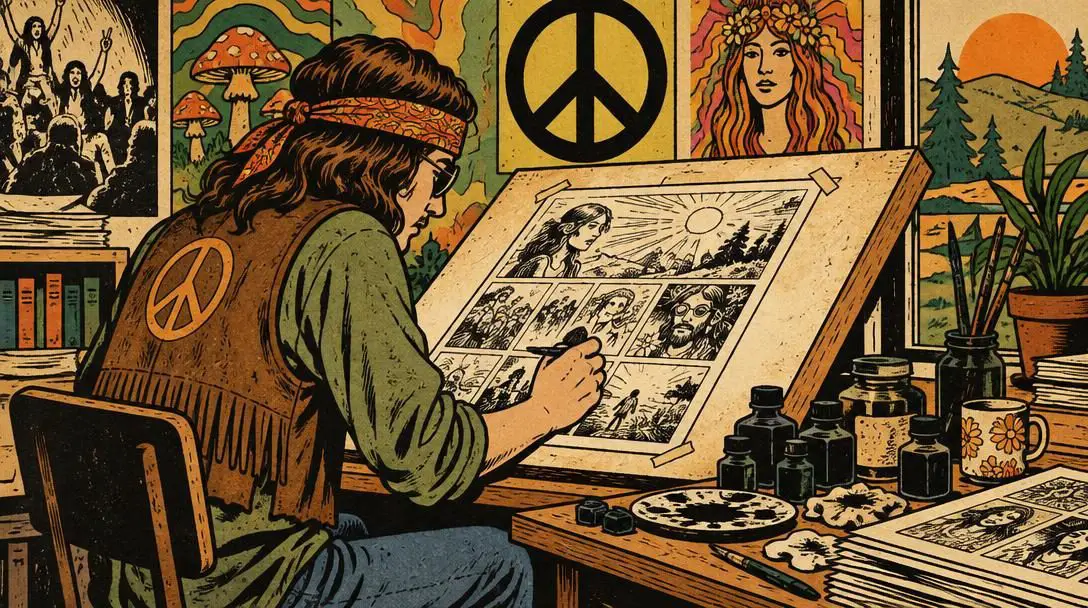
A Comprehensive Look at Adaptations of Classic Comics Stories
For generations, comic books served as the foundation for modern mythology, relying on sequential art and concise dialogue to spin epic sagas across monthly installments. What began as paper pamphlets evolved into sprawling fictional universes filled with complex moral dilemmas, unforgettable heroes, and groundbreaking visual designs. Today, those static panels have leaped off the printed page to conquer global entertainment, transforming into Hollywood blockbusters, serialized prestige television, and interactive digital experiences.
Adapting these intricate storylines requires far more than copying artwork onto a screen. Creative teams must negotiate the transition from static drawings to dynamic media, translating the pacing, tone, and emotional resonance of graphic literature into live-action choreography, computerized animation, and playable game mechanics. Examining the most celebrated comic adaptations reveals how different storytelling formats honor the spirit of their source material while pioneering new techniques in modern media.
Key takeaways
- Adapting classic comic stories demands a calculated balance between faithful visual reverence and the unique pacing requirements of film, television, or gaming.
- Long-form television provides serialized room for grounded character development, while interactive games transform passive narrative reading into active psychological immersion.
- Groundbreaking animated adaptations can integrate traditional print techniques, such as halftone dots and panel breaks, directly into modern digital motion.
- The most successful adaptations preserve core thematic questions—such as moral ambiguity and institutional corruption—rather than relying solely on literal panel-for-panel recreations.
Landmark adaptations across media formats
Different entertainment platforms provide distinct creative toolkits for translating print narratives. While movies must compress vast multiversal arcs into tightly edited runtimes, television series and video games can expand character psychology and world-building over many hours. Below is an overview of five definitive adaptations that captured the essence of their classic comic inspirations.
| Title | Release Year | Medium | Source Material or Arc | Key Creative Focus |
|---|---|---|---|---|
| Watchmen | 2009 | Feature Film | Watchmen graphic novel (Alan Moore) | Visual fidelity, moral ambiguity, deconstructed superheroes |
| Spider-Man: Into the Spider-Verse | 2018 | Animated Film | Spider-Verse comic storyline | Stylized print aesthetics, multiverse storytelling, emotional stakes |
| Batman: Arkham Asylum | 2009 | Video Game | Arkham Asylum, The Killing Joke | Atmospheric stealth, detective systems, psychological tension |
| Daredevil | 2015–2018 | Television Series | Marvel Comics (Stan Lee, Bill Everett) | Grounded crime drama, urban decay, legal and physical morality |
| X-Men: Days Of Future Past | 2014 | Feature Film | Days of Future Past, Age of Apocalypse | Time-travel mechanics, ensemble continuity, mutant survival |
Watchmen (2009)

- Director: Zack Snyder
- Original Author: Alan Moore
- Format: Live-action feature film
- Core Themes: Vigilante justice, government corruption, and moral ambiguity
Alan Moore's groundbreaking graphic novel Watchmen is widely considered one of the most significant works of graphic literature ever published. Zack Snyder's cinematic adaptation embraced a deliberate, visually reverent approach, recreating numerous panel compositions and lighting cues directly from the original illustrated pages. The narrative follows a disparate group of retired vigilantes who assemble after the sudden murder of one of their former colleagues, unraveling a high-stakes conspiracy that questions the ethical foundations of superhero mythology.
By retaining the period setting and exploring the corrosive psychological consequences of vigilantism, the film demonstrated that mature, deconstructive comic literature could find a home on the big screen without sanitizing its central moral dilemmas. Snyder's film highlights the friction between rigid ideological absolutism and pragmatic utilitarianism, cementing its status as an ambitious attempt to translate an uncompromising graphic masterwork.
Spider-Man: Into the Spider-Verse (2018)
- Format: Computer-animated feature film
- Accolades: Academy Award for Best Animated Feature
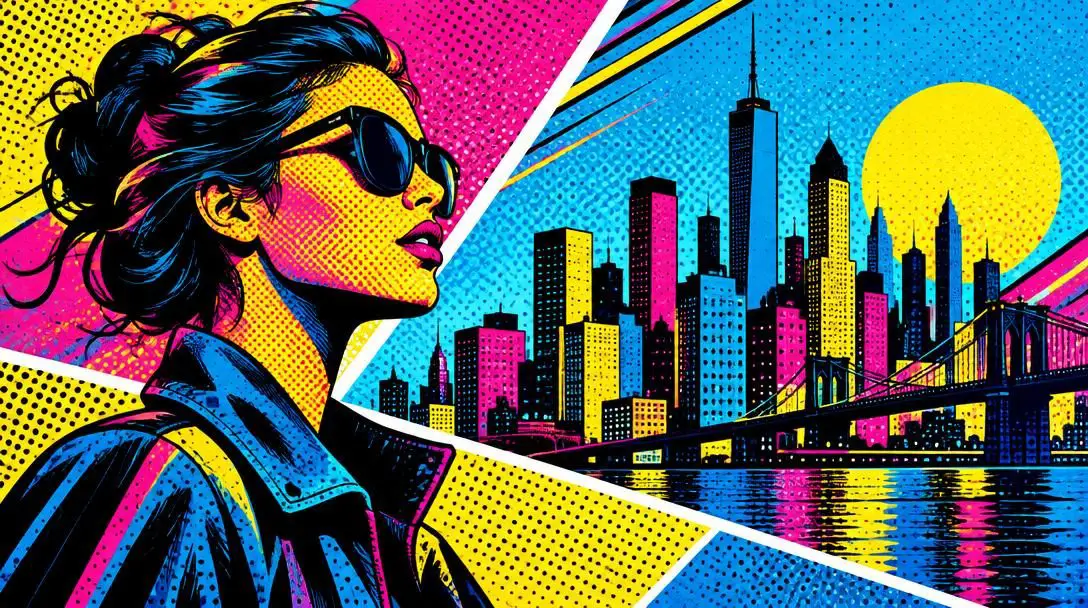
- Visual Techniques: Halftone print dots, panel breaks, and stylized lettering
When Sony Pictures released Spider-Man: Into the Spider-Verse, the film redefined the possibilities of comic-to-screen animation. By uniting diverse iterations of Spider-Man hailing from parallel dimensions, the film delivered a kinetic, heart-wrenching coming-of-age journey while pushing the boundaries of digital artistry. The production team chose not to hide the story's comic book heritage, instead foregrounding traditional print artifacts directly within the cinematic frame.
The film deliberately incorporated visual conventions like misaligned printing plates, hand-drawn line work, sound effect text, and on-screen panel dividers. This stylistic daring earned it the Academy Award for Best Animated Feature and proved that embracing the visual idiosyncrasies of comic books could elevate modern digital cinema rather than hold it back.
Batman: Arkham Asylum (2009)

- Format: Interactive video game
- Literary Influences: Arkham Asylum: A Serious House on Serious Earth, The Killing Joke
- Setting: Arkham Asylum, Gotham City
Developed by Rocksteady Studios, Batman: Arkham Asylum established a new gold standard for interactive superhero storytelling. Instead of simply guiding the Dark Knight through generic action scenarios, the game immersed players in a claustrophobic, psychological pressure cooker inspired by classic narratives such as Arkham Asylum: A Serious House on Serious Earth and elements of The Killing Joke. Trapped inside the notorious psychiatric facility after the Joker seizes control, Batman must utilize forensics, stealth, and bone-crunching martial arts to survive.
The title's success demonstrated that video games are uniquely equipped to capture comic book mechanics. By letting players execute intricate detective reconstruction and exploit predator tactics from the shadows, the game transformed passive comic admiration into active psychological immersion within Gotham's darkest corridors.
Daredevil (2015–2018)

- Distributor: Netflix
- Original Creators: Stan Lee and Bill Everett
- Setting: Hell's Kitchen, New York City
- Lead Character: Matt Murdock (Daredevil)
Marvel's television adaptation of Daredevil brought the gritty urban reality of Hell's Kitchen to life across three acclaimed seasons. Created in print by Stan Lee and Bill Everett, the blind attorney Matt Murdock fights institutional corruption through the judicial system by day, while donning a mask to battle criminal enterprises by night. The series earned widespread praise for its brutal, extended hallway fight sequences and thoughtful treatment of Catholic guilt, civic duty, and the limits of the law.
By leveraging an episodic television model, the show captured the serialized, slow-burn pacing of monthly comic runs. The expanded runtime gave breathing room to complex supporting characters and permitted an unvarnished examination of municipal decay, street crime, and personal faith.
X-Men: Days Of Future Past (2014)
- Director: Bryan Singer
- Storyline Inspirations: Days of Future Past, Age of Apocalypse
- Key Cast: Hugh Jackman (Wolverine), James McAvoy and Patrick Stewart (Professor X), Michael Fassbender and Ian McKellen (Magneto)
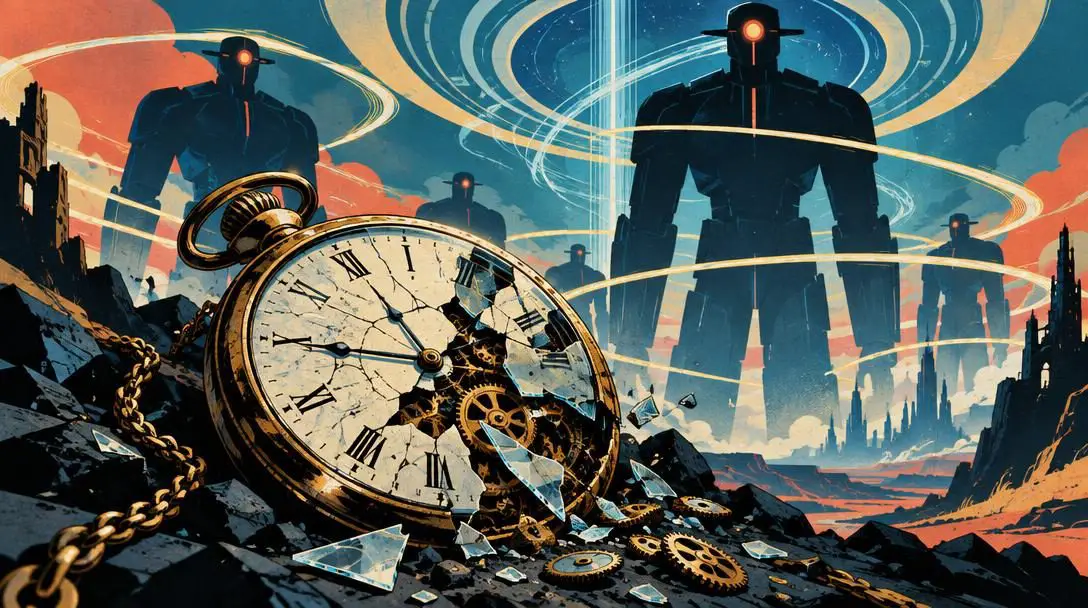
Directed by Bryan Singer, X-Men: Days Of Future Past tackled one of the most revered storylines in mutant history by synthesizing elements from the landmark Days of Future Past comic arc alongside nuances of Age of Apocalypse. The narrative sends Wolverine traveling backward through time to stop Mystique from assassinating industrialist Bolivar Trask, an inciting incident destined to trigger a dystopian future dominated by merciless Sentinel robots.
The film achieved a rare cinematic triumph by unifying two separate generations of screen actors, honoring decades of comic continuity while streamlining convoluted timelines into an accessible, emotionally resonant rescue mission. Its high-stakes plot underscored the eternal mutant struggle: whether humanity and mutantkind can ever truly coexist peacefully.
Adapting classic comic literature requires translating the quiet spaces between panels into purposeful motion, sound, and emotional truth.
How the adaptation process bridges different media
The fundamental challenge of any comic adaptation is structural translation. When reading a graphic novel, the reader dictates temporal progression. A reader can linger over an intricate splash page, reread an exchange of dialogue, or contemplate the metaphorical meaning between consecutive panels. Moving a comic into time-bound media like film, episodic television, or video games demands that creators rebuild how time, perspective, and space function.
In feature films such as Watchmen or X-Men: Days Of Future Past, directors and screenwriters assume total control over pacing. They must streamline sprawling continuity spanning decades into a focused two-hour narrative arc. Key thematic threads—whether they concern Cold War dread, government overreach, or biological prejudice—must be sharpened into crisp visual metaphors and kinetic set pieces.
In contrast, television series like Daredevil utilize an episodic blueprint that mirrors serialized comic publishing. Showrunners can introduce secondary subplots, dedicate full episodes to villain origin backstories, and build narrative tension gradually across ten or thirteen hours. This structure accommodates the dual life of the hero, balancing methodical legal investigations with visceral nighttime brawling.
Interactive video games redefine adaptation entirely by handing agency to the player. In Batman: Arkham Asylum, game designers had to turn comic tropes into functional gameplay loops. Detective vision mirrors Batman's deductive genius, the freeflow combat system embodies his peerless martial arts mastery, and predator challenges recreate the psychological dread he inflicts on criminals. Meanwhile, animated cinema like Spider-Man: Into the Spider-Verse utilizes modern computer technology to honor print aesthetics, blending halftone textures, dynamic line weights, and multi-frame animation to create a moving graphic novel.
Practical steps for exploring comic adaptations
Engaging deeply with both the original literature and its modern adaptations reveals the deliberate artistic choices made during the transition from page to screen. Following a structured method allows audiences to appreciate the craftsmanship behind these creative reinventions.
- Study the original print arcs first: Read the source material—such as Alan Moore's Watchmen, the original Days of Future Past issues, or landmark Batman graphic novels like Arkham Asylum: A Serious House on Serious Earth—to familiarize yourself with the original art style, dialogue patterns, and pacing.
- Examine the adaptation with an eye for format changes: Watch the film or television show, or play through the video game, noting how visual cues, background details, and specific camera angles pay direct tribute to the illustrated panels.
- Chart structural changes and consolidations: Take note of how timelines were condensed, characters combined, or secondary plots trimmed to fit the new medium's constraints, just as X-Men: Days Of Future Past merged multiple dystopian arcs into a unified time-travel story.
- Evaluate thematic continuity: Assess whether the new work preserves the core philosophical arguments of the source material, ensuring that gritty realities or moral ambiguities have not been stripped away for commercial convenience.
- Research the creative teams behind both versions: Investigate the visions of original authors and artists like Stan Lee, Bill Everett, and Alan Moore alongside directors and game designers to understand how differing perspectives transformed the final work.
Common pitfalls in comic-to-screen adaptations
Not every adaptation captures the magic of its printed source. The graveyard of comic book media is littered with projects that misjudged their source material or failed to exploit their new medium. Analyzing past missteps reveals several common artistic errors:
- Sacrificing narrative pacing for literal panel recreation: While visual fidelity can generate stunning imagery, rigidly duplicating comic panels without considering dramatic cinematic rhythm can result in wooden acting and disjointed pacing.
- Diluting core philosophical themes: Stripping out moral ambiguity, dark social commentary, or personal conflict to appeal to broader demographics undermines the very qualities that made the original comic iconic.
- Narrative overcrowding with excessive fan service: Attempting to force decades of comic continuity, multiple villains, and unrelated cameo appearances into a single feature film clutters the narrative and robs main characters of meaningful growth.
- Disregarding the unique mechanics of the new medium: A video game cannot rely purely on cinematic cutscenes; it requires engaging, responsive play systems. Likewise, animated adaptations must utilize the freedom of movement and color that live-action projects cannot achieve.
- Neglecting emotional stakes amid cosmic spectacle: When comic stories deal with alternate dimensions, time travel, or reality-altering events, adaptations must keep character motivations grounded and emotionally clear to prevent the audience from tuning out.
Frequently asked questions
Why do comic book adaptations frequently alter original comic storylines?
Comic books are written as open-ended, serialized monthly installments that can run for decades with dozens of interlocking subplots. Film, television, and video game adaptations must deliver self-contained, structurally cohesive stories tailored to standard runtimes, requiring creative teams to streamline continuity, consolidate characters, and focus on core thematic arcs.
How did Spider-Man: Into the Spider-Verse recreate comic book visuals on screen?
The filmmakers integrated traditional comic printing characteristics directly into their computer animation pipeline, utilizing techniques such as halftone printing dots, simulated color misregistration, split-screen panel framing, hand-drawn motion lines, and on-screen stylized sound effects.
Which classic comic books influenced Batman: Arkham Asylum?
The video game drew heavy inspiration from Grant Morrison and Dave McKean's psychological graphic novel Arkham Asylum: A Serious House on Serious Earth, along with character-defining elements and psychological depth derived from Alan Moore and Brian Bolland's The Killing Joke.
Why is television often considered a superior medium for comic book adaptations?
Television operates on an episodic schedule that closely mirrors the monthly release of comic issues. This serialized structure provides the necessary space to develop intricate legal and criminal subplots, explore secondary characters, and depict the gradual psychological cost of living a double life.
What two comic book arcs were combined to create X-Men: Days Of Future Past?
The feature film synthesized the core time-travel and Sentinel-dominated dystopia of the classic Days of Future Past storyline with thematic and narrative elements inspired by the Age of Apocalypse mutant saga.
The bottom line
The journey from the comic shop rack to the global cinematic stage has established graphic narratives as a vital cornerstone of contemporary entertainment. Far from being disposable pulp fiction, classic comic stories contain rich thematic depth, intricate visual languages, and profound character studies that thrive across diverse media formats. When creators approach these works with both deep reverence for their source material and an inventive commitment to their new medium, static comic panels evolve into unforgettable cultural milestones that honor the past while pioneering the future of visual storytelling.