5 Tips for Making the Best Shrimp Boil
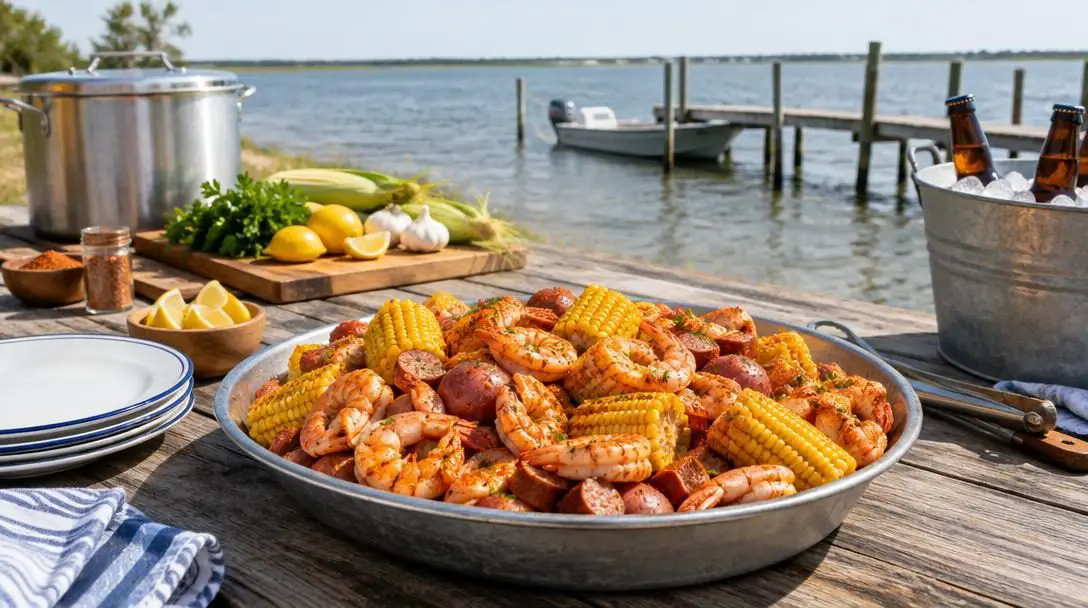
Few culinary traditions bring people together quite like a classic shrimp boil. While often celebrated as an outdoor staple for warm spring and summer afternoons, a well-seasoned boil makes an equally satisfying, hearty centerpiece for crisp autumn evenings and cold winter dinners. Brimming with aromatic vegetables, robust cured sausage, sweet corn, and tender shellfish, it transforms ordinary dining into an interactive, communal feast that can easily be adapted from an outdoor patio burner to an indoor kitchen range.
The beauty of a shrimp boil lies in its simplicity, yet achieving the right texture and depth of flavor requires attention to timing and seasoning. Because every component cooks inside a single large stockpot, executing the dish flawlessly comes down to respecting individual ingredient cook times, choosing high-quality seafood, and building an assertive spice profile that carries through from the broth to the finishing sauce.
Key takeaways
- Choosing 16/20 count shrimp with peels intact protects the delicate meat from drying out while simmering.
- Staggering ingredients into a 2 1/2-gallon liquid base ensures that vegetables soften properly without overcooking the seafood.
- Combining Old Bay in the pot with an unctuous, spiced clarified finishing butter delivers multi-layered flavor.
- Serving the entire boil inside its warm broth keeps every ingredient moist, flavorful, and evenly coated.
The rich tradition and enduring appeal of the seafood boil
The practice of boiling freshly caught seafood with cured meats, hearty vegetables, and regional spices has deep roots in coastal communities, particularly across the American South. Developed historically as an efficient, economical way to feed large crowds of neighbors and laborers, the traditional boil was designed around whatever fresh catch was readily available alongside ingredients that could withstand prolonged exposure to rolling liquid. Over generations, what began as a functional coastal gathering evolved into a cherished social ritual celebrated nationwide.
Unlike formal plated dinners, a boil fosters an egalitarian dining culture. The cooked ingredients are customarily poured out across large platters or communal tables, encouraging guests to roll up their sleeves, peel their own shellfish, and customize their plates with their favorite bites of sweet corn, peppery sausage, and savory aromatics. Because the entire meal is prepared in one oversized stockpot, the host avoids the headache of balancing multiple sauté pans or complex kitchen equipment, leaving more time to enjoy the gathering.
A proper shrimp boil transforms simple coastal ingredients into a vibrant, communal experience where the shared table matters just as much as the meal itself.
Five essential tips for the ultimate shrimp boil
Whether you are hosting an expansive backyard gathering in July or crowding around a dining table in December, five core strategies will guarantee tender seafood, balanced heat, and maximum flavor.
1. Source 16/20 peel-on shrimp with pristine freshness
The shrimp is the undisputed centerpiece of the pot, making ingredient quality vital. When shopping, 16/20 count shrimp—meaning there are sixteen to twenty shrimp per pound—provide the ideal balance of size and tenderness. They are large enough to peel effortlessly at the table without becoming tough or leathery during cooking. Fresh shrimp is always the gold standard, but high-quality frozen options work well if fresh seafood is unavailable.
Carefully inspect your shellfish before it touches the heat. Healthy shrimp feature bright color, firm flesh, and a fresh, clean ocean brine scent. Discard any specimens that give off even a faint hint of ammonia or feel slippery and slimy to the touch, as these are clear indicators of spoilage. If working with whole shrimp, cut off the heads before cooking, but leave the peels on. The shell acts as a protective shield against the hot broth and locks in natural sweetness.
2. Pick your sausage to define the flavor profile
The choice of cured meat establishes the foundational savory tone of your broth. In traditional southern cooking, andouille sausage is the classic choice, celebrated for its coarse grind, heavy smoking process, and fiery pepper seasoning. It infuses the cooking liquid with a distinctive, sharp heat that complements shellfish naturally.
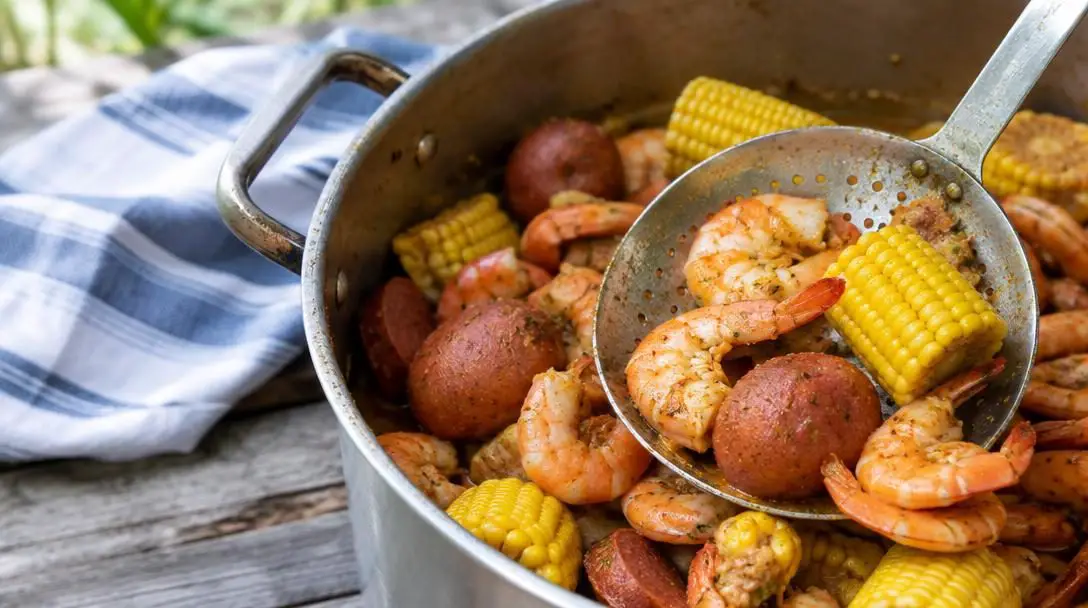
Alternatively, many home cooks prefer kielbasa, a Polish-style pork sausage known for its garlic-forward seasoning and milder, well-rounded smokiness. Many people find that kielbasa gives the entire shrimp boil a fuller, more robust flavor profile that appeals broadly to groups with varying spice tolerances. Slicing either variety into generous, bite-sized rounds allows the fat and seasoning inside the casing to render directly into the boiling liquid.
3. Stagger ingredient cook times in a generous volume of water
Crowding your pot with inadequate liquid will drop cooking temperatures and cause uneven results. For a standard four-person boil, you need approximately 2 1/2 gallons of water to give vegetables and proteins sufficient room to circulate freely. Because dense root aromatics and delicate shellfish cook at completely different speeds, dumping everything into the stockpot at once is the quickest way to ruin the dish.
Begin by simmering the sturdier aromatics—yellow onions, celery, and red bell peppers—alongside your sliced sausage. These ingredients require sustained heat to soften and release their aromatic oils into the broth. Add the halved or thirded ears of corn next, allowing them to turn tender and absorb seasoning. Only after all other components are fully cooked should you drop in the shrimp. Cooking them for just a few minutes until they flash to vibrant pink or orange guarantees plump, melt-in-your-mouth tenderness.
4. Layer the spices using a custom clarified butter blend
Achieving deep, explosive flavor requires a two-step seasoning approach rather than relying on a single spice dump. The first layer goes directly into the rolling water: generous measures of Old Bay seasoning and salt create a fragrant, spiced poaching bath that penetrates the vegetables and proteins from the inside out.
The real secret weapon, however, is a customized finishing butter that coats every single bite before serving. While plain melted butter is traditional for dipping, a compound sauce made from clarified butter delivers unparalleled cling and savory complexity. Blend softened salted butter with blackened fish seasoning (such as Badia redfish seasoning), savory nutritional yeast, and your favorite hot sauce until it forms a uniform paste. Stirring this paste into warm clarified unsalted butter creates a silky, umami-rich emulsion that clings tenaciously to shells, corn, and sausage rounds.
5. Dress and present the boil in its seasoned broth
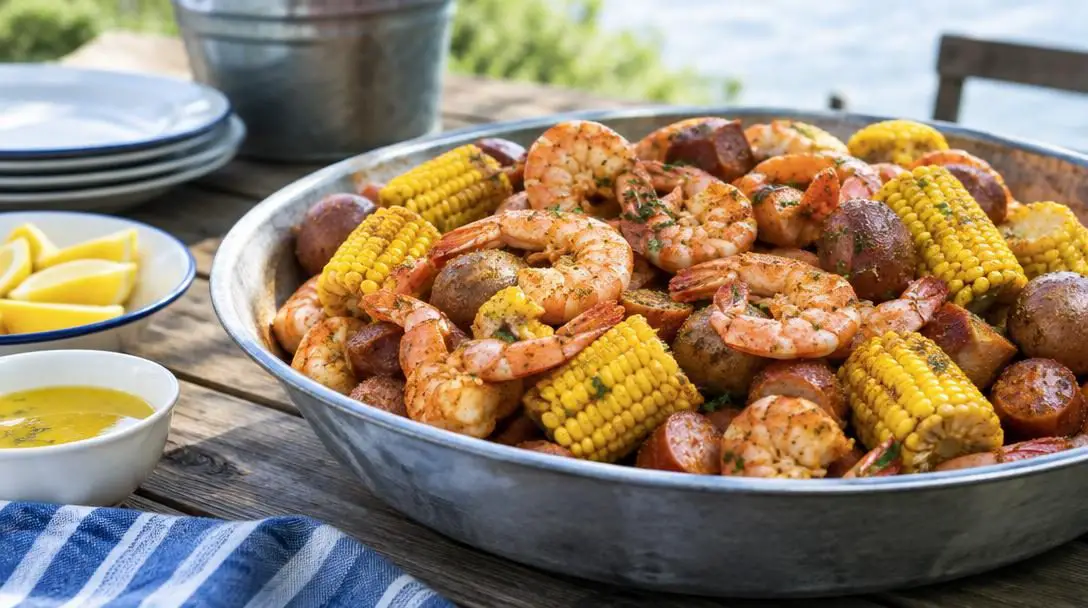
Plating a seafood boil requires a vessel that embraces the communal nature of the feast. While some cooks prefer to scoop dry ingredients onto individual plates, the best approach is to pour the entire boil—along with a generous measure of its hot, fragrant cooking liquid—into a wide, deep serving bowl or expansive tray. Make sure the container is large enough to comfortably accommodate the 2 1/2 gallons of cooking liquid and ingredients without overflowing, or divide the batch across two matching trays.
Once transferred, immediately pour the prepared spiced clarified butter mixture directly over the top and gently toss. Bathing the tender shrimp, sweet corn, and savory meats in the seasoned broth alongside the melted butter keeps every piece glistening, piping hot, and uniformly coated with bold spice from the first serving to the last.
At a glance: ingredient timeline and preparation guide
Managing the boil comes down to precise pacing. This reference table breaks down each core component, how to prep it, and when it should enter the boiling pot.
| Ingredient | Preparation Details | Addition Order | Primary Role |
|---|---|---|---|
| Old Bay and Salt | Pre-measured to taste | First (into boiling water) | Forms the aromatic, savory seasoning base |
| Aromatics (Onion, Celery, Bell Pepper) | Cut into large, sturdy chunks | Second (with sausage) | Infuses deep vegetable sweetness into broth |
| Sausage (Andouille or Kielbasa) | Sliced into bite-sized segments | Second (with aromatics) | Renders rich, smoky fat and savory protein |
| Corn-on-the-Cob | Husked, cut into halves or thirds | Third (after aromatics simmer) | Absorbs spicy liquid while maintaining crunch |
| Shrimp (16/20 count) | Heads off, shells left intact | Final (last minutes of cooking) | Tender, delicate seafood centerpiece |
| Spiced Butter Mixture | Clarified butter, spices, yeast, hot sauce | Post-cook (poured over platter) | Emulsified finishing glaze that clings to food |
Step-by-step master method for a four-person boil
Follow this orderly workflow to orchestrate a seamless shrimp boil from preparation to table presentation:
- Prepare workspace and tools: Set out an oversized stockpot capable of holding 2 1/2 gallons of water alongside all raw ingredients, and position a large, deep rimmed tray or wide basin for serving.
- Prep the produce and cured meat: Chop the yellow onions, celery ribs, and red bell peppers into broad chunks so they remain intact during cooking. Cut the ears of fresh corn into halves or thirds, and slice your chosen sausage into bite-sized coins.
- Clean and inspect the seafood: Examine the 16/20 count shrimp, confirming there is no ammonia smell or slimy residue. Remove the heads using a sharp knife or firm pinch, keeping the outer shells and tails attached. Return the shrimp to the refrigerator until needed.
- Whip up the finishing butter: In a mixing bowl, combine 2 tablespoons of blackened redfish seasoning, 2 tablespoons of nutritional yeast, and 3 tablespoons of hot sauce. Mix in 1 tablespoon of softened salted butter to create a smooth paste, then whisk this mixture thoroughly into 3/4 cup of warm clarified unsalted butter until fully melted and unified.
- Boil the aromatics and sausage: Bring 2 1/2 gallons of fresh water to a rolling boil over high heat. Add the Old Bay seasoning and salt directly to the pot. Stir in the chopped celery, yellow onions, red bell peppers, and sausage pieces, letting them simmer vigorously until the vegetables begin to soften and the broth smells deeply savory.
- Simmer the corn: Add the prepared corn segments directly into the bubbling pot. Allow the corn to cook until the kernels become plump, vibrant yellow, and tender.
- Poach the shrimp: Drop the chilled, head-off shrimp into the bubbling pot last. Watch the pot continuously and cook only until the shells transition to a vibrant pink or bright orange hue.
- Assemble, dress, and serve: Carefully transfer the boiled ingredients and their flavorful broth into your wide serving basin. Pour the prepared spiced clarified butter evenly across the surface and gently mix so every bite is coated before serving immediately.
Serving logistics, drinks, and tableside accompaniments
Because an authentic seafood boil is inherently messy, thoughtful table setup makes the meal enjoyable for everyone. Protect your table with butcher paper or newspaper, and set out plenty of paper towels, napkins, and designated empty basins or buckets so diners have a convenient place to discard spent shrimp peels and corn cobs.
To complement the richness of the finishing butter and the heat of the broth, supply plenty of side accompaniments:
- Extra spiced dipping butter: Prepare a double or triple batch of the seasoned clarified butter blend and divide it into individual ramekins for guests who want an extra dip with every bite.
- Fresh lemon wedges: Distribute platters of cut lemons around the table so guests can squeeze bright, acidic citrus over rich sausage slices and shellfish.
- Ice-cold beer: Crisp, cold lagers, pilsners, or pale ales serve as the quintessential beverage pairing, cutting through the richness of the butter and extinguishing the lingering heat of blackened seasoning and hot sauce.
Common pitfalls that ruin a seafood boil
While the boiling process is straightforward, neglecting basic culinary fundamentals can derail an otherwise spectacular dinner. Watch out for these frequent mistakes:
- Overcooking the delicate shrimp: Leaving the seafood in the pot for even two or three minutes too long turns tender meat rubbery and causes shells to fuse obstinately to the flesh. Always drop the shrimp in last and pull the pot from heat the instant they turn color.
- Peeling the shrimp ahead of time: Stripping shells before boiling removes their protective shield, letting the water leach out natural sweetness and drying out the exterior meat.
- Under-seasoning the poaching water: The ingredients in a boil have dense skins, thick casings, and outer shells. A timid pinch of salt will result in waterlogged, bland vegetables; do not hesitate to use liberal amounts of Old Bay and salt in the water.
- Neglecting quality checks: Never attempt to cook shrimp that smell of ammonia or feel unnaturally slippery. A single spoiled shrimp can ruin the aroma and flavor of the entire 2 1/2 gallons of broth.
Frequently asked questions
Can I make a shrimp boil during the winter months?
Yes. While outdoor boils are popular in spring and summer, a shrimp boil works equally well indoors on a standard stovetop during the fall and winter. The rich, warming spices, hot broth, and hearty sausage make it a comforting meal for cold-weather gatherings around the kitchen table.
Should I use andouille or kielbasa sausage in my boil?
Both are excellent options. Andouille is traditional and provides a smoky, peppery heat that enhances the spicy coastal character of the dish. Kielbasa offers a rich pork-and-garlic flavor with milder spice, which many cooks find gives the overall broth a fuller, more rounded profile.
What is the best shrimp size for a seafood boil?
The ideal size is 16/20 count shrimp (sixteen to twenty per pound). This size provides generous, succulent bites that peel easily at the table without the rubbery texture often associated with oversized prawns.
Why is nutritional yeast included in the finishing butter?
Nutritional yeast adds a savory, umami-rich depth that balances the hot sauce and blackened fish seasoning, while helping the melted clarified butter emulsify and cling to the smooth surface of the shrimp shells and vegetables.
Why must shrimp shells be left on during the boil?
Leaving the shells on insulates the delicate shrimp meat against the direct heat of the boiling water, preventing it from turning tough and dry while adding extra seafood flavor to the surrounding cooking liquid.
The bottom line
A memorable shrimp boil does not rely on complicated cooking equipment or culinary wizardry; rather, it hinges on fresh ingredients, thoughtful timing, and layered spices. By sourcing properly sized, shell-on shrimp, pacing your ingredients through a rolling 2 1/2-gallon boil, and tossing the finished dish in a decadent, spiced clarified butter sauce, you can deliver an authentic, coastal-style feast right to your table no matter the season.