5 Tips You’ll Need To Know When You Buy Your Next Car

Purchasing a motor vehicle is one of the most substantial financial investments most consumers will ever make. Deciding to enter the modern car market is frequently an exhilarating milestone, but the sheer volume of choices can quickly trigger confusion and anxiety. Prospective car buyers find themselves balancing countless shifting variables, from contrasting body styles and exterior paint options to complex mechanical components, trim packages, and fluctuating sticker prices. Navigating the modern vehicle landscape demands an understanding that buying an automobile is rarely a simple, one-off retail transaction.
Instead, securing the right car requires a balanced dual approach that combines disciplined financial calculation with an honest assessment of your everyday lifestyle. Too many consumers make the mistake of fixating entirely on aesthetic appeal or focusing exclusively on a single monthly payment estimate while overlooking the broader reality of ownership. Establishing a structured, methodical approach allows you to transform an intimidating sales environment into a clear series of logical steps, guiding you smoothly from early research to driving off the dealer lot.
Key takeaways
- Calculate a comprehensive vehicle budget that factors in recurring fuel or electricity, insurance premiums, and ongoing mechanical maintenance alongside the purchase price.
- Select vehicle dimensions, drivetrains, and interior features that reflect your genuine daily routine, climate, and passenger demands rather than impulse or styling.
- Determine whether leasing or buying offers the superior path by assessing your long-term ownership horizon and current liquid down-payment reserves.
- Compare inventory, asking prices, and promotional incentives across multiple dealerships, using negotiation to secure substantial savings.
- Protect your investment by conducting a rigorous visual and mechanical inspection paired with a comprehensive, multi-road test drive before finalizing contracts.
Five Core Strategies for Navigating the Car Market
To remain firmly in command of your vehicle acquisition, anchor your purchasing strategy around five foundational principles. Each of these core tips builds upon the previous one, ensuring that you maintain clear leverage and objective focus throughout the entire selection and purchasing cycle.
1. Establish a Complete Financial Picture
Before setting foot in a showroom or browsing digital inventory listings, you must establish an uncompromising ceiling on what you can realistically afford to spend. Defining an unwavering budget upfront immediately filters out hundreds of unsuitable options, preventing you from developing an emotional attachment to an automobile that sits comfortably outside your financial boundaries.
Arriving at an accurate spending limit requires looking far beyond the initial window sticker price or the isolated monthly loan payment. A complete vehicle ownership budget must incorporate several ongoing operating expenses:
- Fuel or Electricity Costs: Recurring expenditures required to keep the vehicle powered based on your estimated weekly mileage and powertrain efficiency.
- Automotive Insurance Premiums: Ongoing coverage costs, which vary substantially based on vehicle safety records, replacement component pricing, and vehicle categorization.
- Routine Upkeep and Repairs: Expected preventative servicing schedules, tire replacements, fluid changes, and unexpected long-term mechanical repairs.
When you candidly assess these cumulative operating factors, you may realize that your true financial target requires shifting to a lower price bracket or selecting an alternative trim level to keep your broader financial health secure.
2. Match Vehicle Capabilities to Daily Needs
Because an automotive purchase represents a major capital commitment, selecting a vehicle that actively supports your actual living requirements is essential. A sleek, open-top convertible or aggressive performance coupe may capture your imagination, yet fail completely when tasked with daily utility demands. Identifying your non-negotiable functional requirements quickly directs your focus toward the proper automotive segment.

Consider your personal living environment and transportation demands:
- Family Space: Growing households require adequate passenger rows and ample cargo capacity to manage car seats, strollers, sports gear, and grocery hauls without frustration.
- Severe Climate Readiness: Drivers facing harsh winter conditions require dependable all-wheel capability, superior snow traction, and cold-weather amenities like heated seats to maintain safety and comfort.
- Long-Distance Travel: Motorists managing extensive daily highway commutes must prioritize high fuel efficiency to ensure recurring fuel bills do not overwhelm their monthly cash flow.
3. Weigh the Choice Between Leasing and Buying
One of the most defining crossroads in any vehicle search is choosing between signing a lease agreement and purchasing the car outright through financing or cash. Neither option is universally superior; the proper route depends upon your expected timeline and liquid capital reserves.
Examine two central dynamics when evaluating these pathways:
- Ownership Duration: Consider the number of years you plan to operate the car. If you only anticipate needing or wanting a vehicle for a short duration, leasing frequently provides the superior, lower-commitment arrangement. Conversely, if you plan to keep the car for several years, buying serves as a stronger long-term financial investment.
- Upfront Cash Reserves: Assess your current liquid funds. If you possess a healthy cash reserve ready for a down payment, buying outright or making a large loan down payment makes strong practical sense. If you find yourself low on liquid funds, leasing can offer a pathway into a reliable vehicle with lower initial upfront requirements.
4. Compare Dealerships and Negotiate Pricing
Securing a competitive, fair deal on an automobile can preserve thousands of dollars in your bank account, provided you approach the shopping phase with patience and market data. By utilizing online automotive platforms to study going market rates for identical makes, models, and trim packages, you establish a reliable benchmark of what transactions actually cost in current conditions.
Armed with this market research, reach out to multiple competing dealerships to evaluate their asking prices, dealer incentives, and overall transaction terms directly. Never feel pressured to accept the very first proposal presented across a sales desk. Dealerships routinely anticipate haggling and are frequently open to negotiating final vehicle costs. Making a polite, persistent effort to request a lower price is always worthwhile and often results in direct financial savings.
Purchasing an automobile is rarely a simple transaction; it is a dual process involving both financial calculation and lifestyle assessment.
5. Perform Rigorous Road Testing and Mechanical Inspection
Never conclude an automotive purchase based entirely on marketing photographs, polished showroom presentations, or vehicle paperwork. Once you find an automobile that aligns with your lifestyle checklist and falls squarely within your predefined price parameters, you must conduct a thorough physical evaluation and an exhaustive road test.
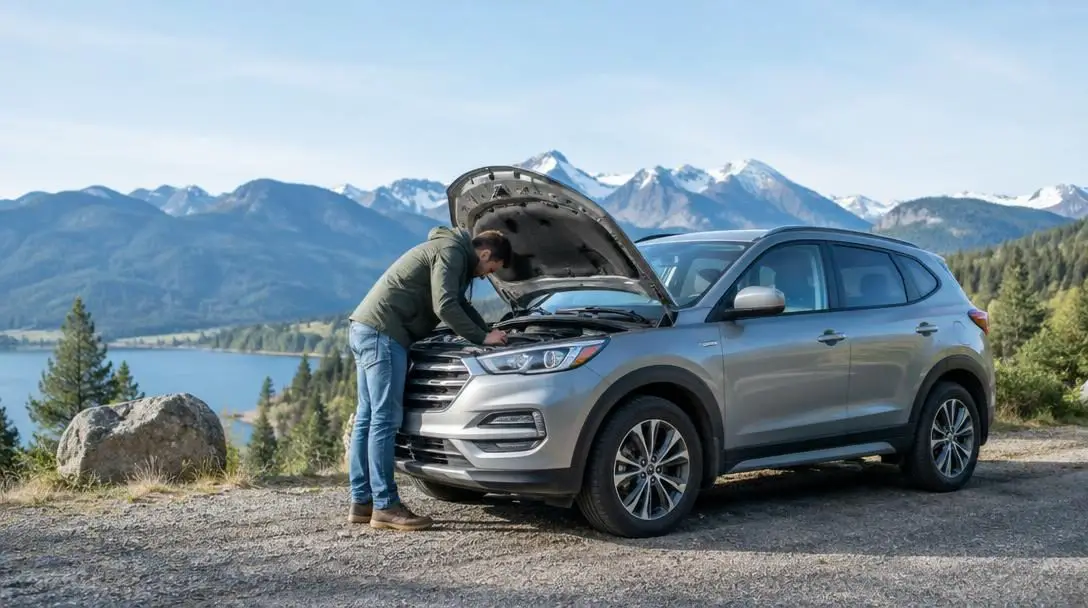
A rigorous physical inspection uncovers whether underlying mechanical problems exist that will demand urgent, costly repairs shortly after purchase. It also provides an objective assessment of the physical condition of the cabin and exterior panels. Following the stationary inspection, driving the vehicle across diverse road settings allows you to observe firsthand how the car steers, brakes, handles road imperfections, and accelerates in live traffic situations.

Assessing Lifestyle Profiles and Vehicle Demands
Choosing an automobile requires aligning practical engineering features with real-world travel habits. The following overview details how specific lifestyle scenarios dictate vehicle attributes and long-term financial focus.
| Lifestyle Profile | Primary Daily Demand | Recommended Vehicle Features | Financial Priority |
|---|---|---|---|
| Growing Family | Multi-passenger and cargo flexibility | Generous cabin seating, expansive cargo hold for gear, strollers, and groceries | Long-term cabin durability and versatile cargo utility |
| Severe Winter Climate | Navigating snow, ice, and freezing weather | All-wheel capability, dependable snow traction, heated seats | Safety and mechanical reliability in adverse conditions |
| Long-Distance Commuter | Extended daily highway travel and high mileage | High fuel efficiency, ergonomic cabin comfort | Controlling recurring fuel expenditures and operational costs |
The Eight-Stage Car Acquisition Workflow
Understanding how a vehicle purchase moves from initial financial planning to driving home with keys in hand keeps you organized, objective, and calm throughout every stage of the transaction.
- Financial Self-Assessment: Analyze your broad financial picture, establishing an absolute spending boundary that factors in recurring monthly loan or lease payments, projected insurance adjustments, fuel consumption, and routine maintenance.
- Lifestyle Analysis: Document your non-negotiable vehicle requirements based upon family size, cargo volume, regional winter weather patterns, and everyday commuting distances.
- Market and Inventory Research: Search digital automotive platforms to compare multiple makes, trim levels, and regional asking prices, identifying vehicles that fulfill your criteria.
- Dealership Visits and Comparison: Contact and visit competing regional dealerships to review their available vehicle stock, evaluate ongoing dealer incentives, and obtain itemized pricing quotes.
- Vehicle Inspection: Thoroughly inspect candidate vehicles inside and out to evaluate overall physical condition, wear and tear, and potential underlying mechanical issues.
- The Test Drive: Drive the car across a blend of local surface streets and high-speed highways to evaluate visibility, steering response, brake feel, acceleration, and interior comfort.
- Negotiation: Present polite counteroffers grounded in your digital market research, working actively with the sales team to lower the vehicle price and eliminate unnecessary charges.
- Contract Review and Delivery: Finalize your chosen financing or leasing terms, inspect the fine print on all closing paperwork, verify agreed-upon figures, and accept delivery of the automobile.
Preparatory Actions to Take Before Visiting Showrooms
Walking onto a dealership lot without doing your homework leaves you vulnerable to high-pressure sales tactics and poor terms. Completing practical preparation before engaging sales representatives ensures you retain full leverage throughout discussions.
- Gather Insurance Quotes in Advance: Contact your insurance agent with prospective vehicle identification details or specific model names to establish exact rate estimates before negotiating final terms.
- Verify Fuel Economy Metrics: Research verified miles-per-gallon figures for the exact engine and drivetrain combinations you are considering, especially if your routine involves high-mileage highway travel.
- Establish Firm Boundaries: Settle on an uncompromising maximum spending ceiling while reviewing finances at home, and commit to walking away if pricing exceeds that threshold.
- Schedule Dedicated Driving Time: Plan sufficient time during your dealer visit to take the vehicle through diverse driving environments, simulating the road conditions of your daily commute.
Critical Missteps That Undermine Buyers
Even conscientious shoppers can fall into predictable traps during the vehicle acquisition process. Being mindful of these common missteps will protect you from unnecessary stress and long-term financial strain.
- Ignoring Ancillary Operating Expenses: Focusing strictly on the base vehicle price while disregarding the recurring impacts of insurance coverage, fuel consumption, and routine upkeep leads directly to budget strain.
- Selecting the Wrong Vehicle Category: Allowing visual styling or novelty to override practical utility requirements—such as trunk volume, seating count, or all-weather traction—results in severe buyer remorse.
- Settling on the Initial Offer: Signing an agreement with the first dealership you visit without cross-referencing offers from regional competitors routinely leaves significant savings on the table.
- Skipping Price Negotiation: Treating the dealer's initial asking price as a fixed, non-negotiable figure prevents you from securing legitimate price reductions that dealers routinely accommodate.
- Rushing Past the Physical Inspection: Skipping an extensive visual and mechanical examination before signing final contracts risks saddling you with costly mechanical failures immediately after taking delivery.
Frequently asked questions
How do operating costs impact my vehicle budget?
A vehicle's total financial impact extends far beyond the initial purchase price or monthly loan payment. Recurring fuel or charging costs, model-specific insurance premiums, routine servicing, and unexpected mechanical repairs all contribute to the true cost of ownership. Overlooking these factors can cause severe monthly budget strain even if the base purchase price seems affordable.
When does leasing make more sense than buying a car?
Leasing is generally the superior option if you only plan to keep the vehicle for a short duration or if you have limited liquid funds for an initial down payment. Conversely, if you intend to drive the vehicle for many years and possess healthy cash reserves, purchasing the car serves as a stronger long-term investment.
Why should I get auto insurance quotes before choosing a car?
Insurance premiums vary dramatically between makes, models, and safety profiles. Requesting quotes from your insurance carrier in advance prevents unpleasant financial surprises at the dealership, ensuring the vehicle's total ongoing cost fits neatly into your planned budget.
Are dealership asking prices actually negotiable?
Yes. Dealerships routinely expect buyers to negotiate and will frequently haggle over vehicle prices. Gathering market pricing data from online resources and obtaining quotes from competing dealerships gives you the leverage needed to request lower prices and secure direct savings.
What should I evaluate during an automotive test drive?
Use the test drive to assess the vehicle across a mix of local streets and high-speed highways. Pay close attention to acceleration, braking smoothness, steering responsiveness, visibility, cabin ergonomics, and how the suspension manages road imperfections, ensuring the vehicle feels comfortable and mechanically sound.
The Bottom Line
Securing the right motor vehicle does not require succumbing to high-pressure showroom tactics or taking on unmanageable debt. By approaching the car market with a clear, systematic plan, you can protect both your everyday lifestyle needs and your long-term financial stability. Start by calculating your honest cost of ownership, accounting for fuel, insurance, and maintenance alongside the primary vehicle price.
From there, align your vehicle choice with your actual daily demands, whether you require all-weather capability for harsh winters, extra seating for a growing family, or high fuel efficiency for extensive highway commuting. Take the time to compare offers across competing dealerships, weigh whether leasing or buying fits your timeline, and never finalize paperwork without an in-depth mechanical check and a thorough road test. Following these structured steps will ensure you drive away with complete confidence in your purchase.