5 Ways to Rejuvenate Your Living Room
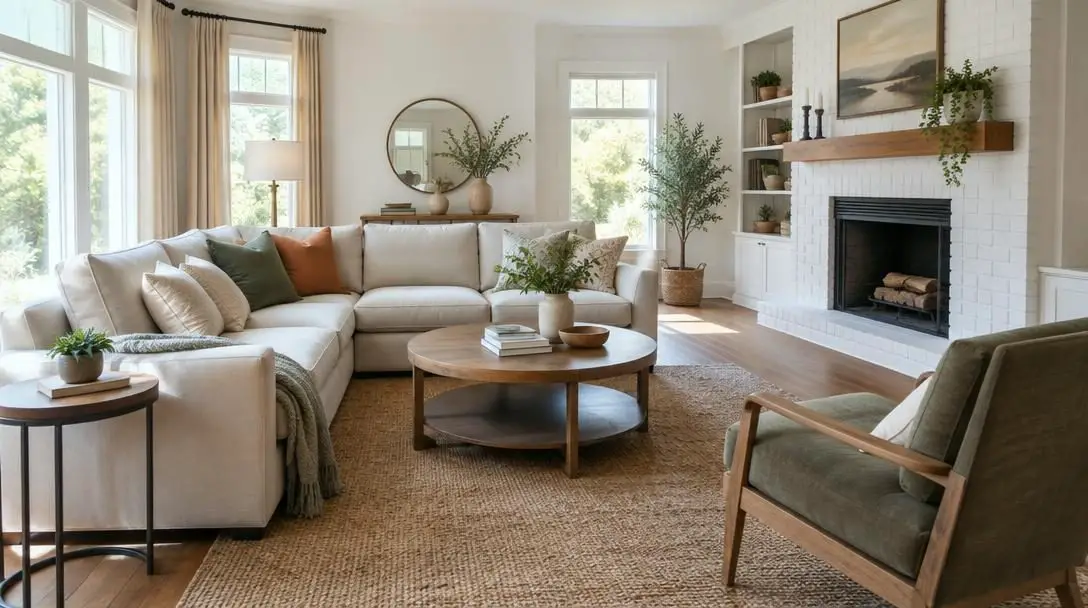
For most households, the living room is the central hub of daily existence. It serves as the primary venue for relaxing movie nights, lively family gatherings, and quiet personal decompression after a demanding workday. Because this single interior zone endures constant foot traffic and shoulders an array of varied household responsibilities, it frequently begins to feel visually static, cluttered, or physically worn down over time. When familiar surroundings become disconnected from practical household habits, the comforting atmosphere that once made the space feel special begins to fade.
Rejuvenating a tired living room does not necessitate structural demolition or an exorbitant remodeling budget. By focusing on sensory balance, visual contrast, organic elements, and functional spatial planning, you can dramatically shift the mood and utility of your living space. Exploring deliberate updates—ranging from energetic color updates and living greenery to curated wall displays, smart utilities, and reorganized layouts—allows you to fashion an adaptable, stylish sanctuary tailored to everyday life.
Key takeaways
- Refreshing a living room relies on targeted visual, natural, and layout adjustments rather than expensive structural renovations.
- Introducing bold accent colors, metallic finishes, and textured textiles breaks visual monotony and introduces tactile depth.
- Incorporating indoor greenery such as hardy succulents balances synthetic textures while naturally purifying indoor air quality.
- Deploying voice-activated smart assistants and energy-efficient lighting streamlines everyday routines without compromising interior aesthetics.
- Rearranging existing seating into purposeful conversation clusters and functional activity zones improves circulation without costing anything.
The Principles of Living Room Transformation
Every interior environment functions as an ecosystem where visual, tactile, and spatial elements interact to shape how occupants feel and move. When you alter any individual decorative component, you adjust the room's overarching balance, depth, and ease of use. A room that feels uninspiring is often simply suffering from monochromatic stagnation or awkward physical layout, both of which can be remedied through targeted styling interventions.
Visual anchors guide the gaze and establish order within an open interior. Introducing energetic shades breaks up static walls, while metallic sheens and woven textiles inject physical dimension. Simultaneously, biological additions provide dynamic vitality that manufactured furnishings cannot duplicate. Pairing these design decisions with deliberate physical layout planning transforms an underutilized or cluttered floor plan into a harmonious living environment.
Rejuvenating a living room does not require a total architectural overhaul or a massive construction budget.
5 Ways to Rejuvenate Your Living Room
Revitalizing an interior requires selecting strategies that align with your aesthetic goals and personal lifestyle. The following five methods offer distinct approaches to enhancing comfort, utility, and visual interest.
1. Upgrade Your Color Palette
Altering your room's color scheme provides an immediate visual impact, turning an uninspired or flat interior into an expressive, vibrant environment. Monochromatic spaces can easily feel lifeless without intentional contrast. Incorporating energizing hues brings freshness to walls and furnishings, lifting the perceived energy of the entire gathering area.
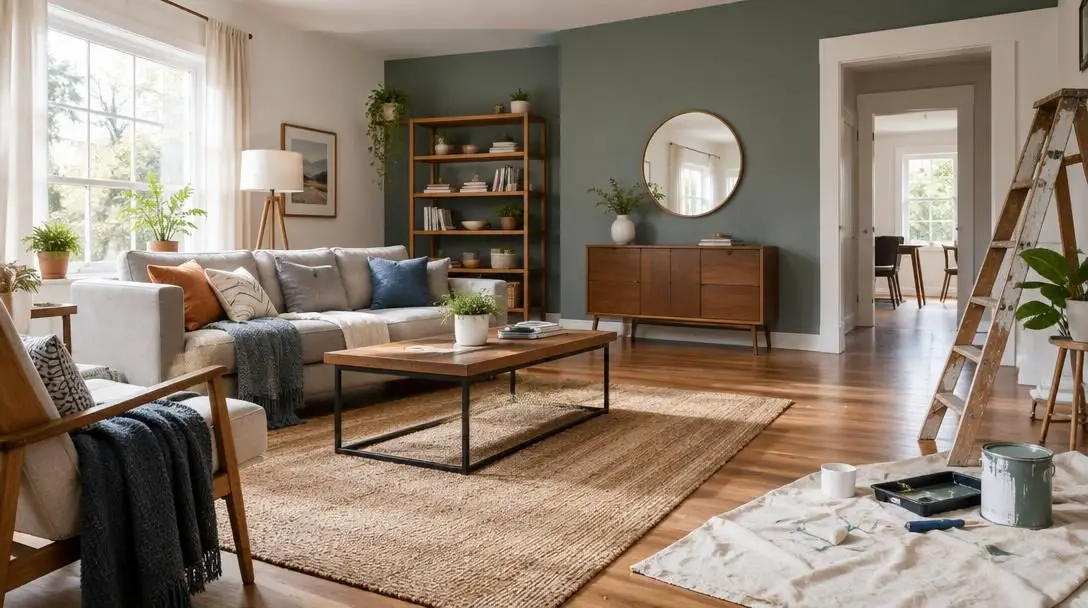
Consider introducing vibrant shades such as teal, navy blue, mustard yellow, or coral. These rich colors work exceptionally well on accent walls, statement area rugs, or decorative throw pillows. To maintain sophistication, pair bold tones with metallic accents—such as brass, chrome, or gold finishes on floor lamps, lighting fixtures, and decorative trays. Layering in soft, textured throws across sofas and chairs softens the intensity of deep colors while contributing tactile comfort. To prevent visual fatigue, always balance these striking hues against neutral surfaces.
2. Add Some Greenery
Indoor plants provide biological balance to living spaces that are otherwise dominated by manufactured materials, electronics, and synthetic fabrics. Unlike static ornaments, living plants introduce organic shapes, rich foliage, and an evolving natural dynamic that continuously enlivens a room's atmosphere.

Beyond aesthetic value, indoor greenery serves as a natural air filter. Plants actively produce oxygen while absorbing household toxins and purifying indoor air quality. If you have open floor areas or empty corners, introduce larger potted plants to soften rigid architectural angles. For tabletops, side tables, and floating bookshelves, low-maintenance succulents offer an ideal solution. Succulents feature diverse geometric shapes and varied sizes while requiring minimal watering and upkeep. Group small pots together on open shelving to establish natural focal points, and house them in ceramic, stone, or metallic planters that complement your overall design scheme.
3. Get Creative With Wall Art
Bare, under-decorated walls can leave an otherwise well-furnished room feeling unfinished and cavernous. Hanging deliberate art displays instantly alters the personality of a room, creating focal anchors that draw the eye and reflect your unique personal history.
A gallery wall is an effective method for introducing visual variety. Combine framed family photographs from special milestones with original artwork discovered at local markets. You can also explore online catalogs to source customized art prints that match your chosen color palette. To create dimension within an art cluster, mix diverse frame finishes, alternating between varying materials and matting widths. Alternatively, if you prefer minimalist clarity over a gallery cluster, suspend a single, large-scale printed art piece above the mantelpiece or main sofa to serve as an authoritative visual statement.
4. Invest in Smart Home Technology
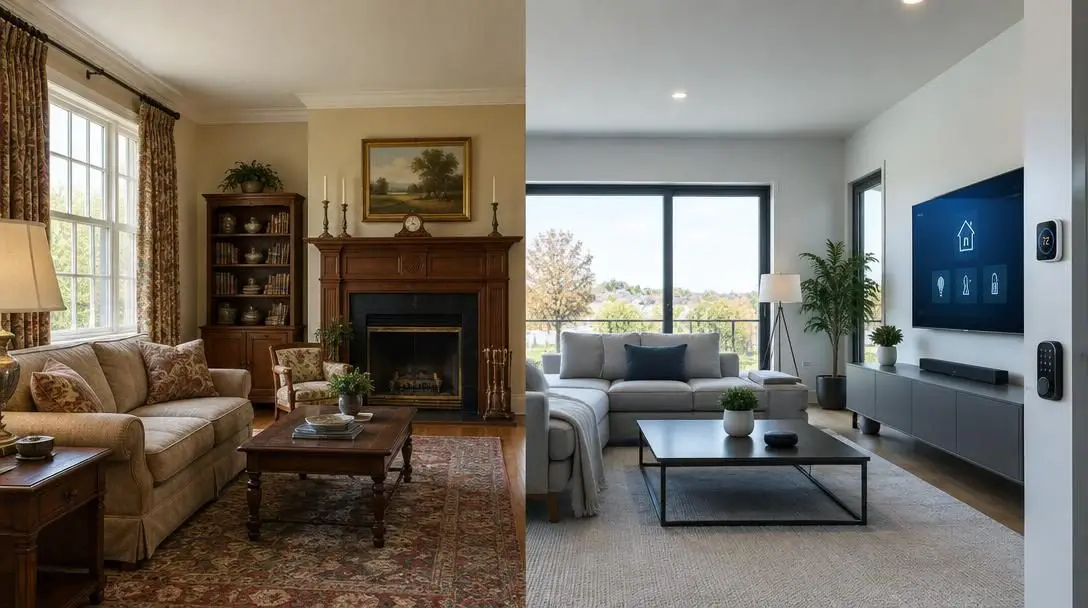
Transforming a modern living room involves more than superficial styling; everyday functional convenience fundamentally influences how comfortable you feel in the space. Contemporary smart home devices combine structural utility with sleek, compact housings that blend effortlessly into clean interior decor.
Upgrading standard lighting to energy-efficient LED lights allows you to fine-tune brightness and mood for different occasions, from family game nights to subdued evening movie viewings. Complement your lighting setup with hands-free, voice-activated smart assistants like the Amazon Echo Dot or Google Home Mini. These compact hubs allow you to streamline daily routines, play media, dictate reminders, and control other connected home accessories without leaving your seat. To maintain a clean visual aesthetic, tuck all connection hubs and power cables neatly out of sight so modern hardware enhances rather than clutters your tabletops.
5. Rethink Furniture Arrangements
A dramatic living room transformation does not require buying brand-new furniture. By simply reconsidering the physical arrangement of your existing pieces, you can dramatically improve foot traffic, eliminate spatial bottlenecks, and highlight previously underappreciated corners of the room.
Begin by moving bulky sofas, armchairs, and credenzas away from entryways, ensuring that family members and guests never feel restricted when stepping inside. If you have an open or elongated layout, divide the floor space into distinct functional zones. For example, you can set an armchair and a side table aside to create a dedicated reading nook or library corner. Avoid pushing all your seating flat against the perimeter walls, as this creates a disconnected, hollow center. Instead, pull seating toward the interior to establish an intimate conversation circle, angling chairs toward prominent architectural features or scenic exterior views.
At a Glance: Comparing Rejuvenation Strategies
Each rejuvenation technique delivers distinct aesthetic benefits and practical advantages. The following table outlines how each method enhances your living environment.
| Strategy | Primary Decorative Impact | Functional Benefit | Recommended Elements |
|---|---|---|---|
| Color Palette Upgrade | Adds visual contrast and vibrant energy | Breaks up monochromatic boredom and defines zones | Teal, navy blue, mustard yellow, coral, and metallic accents |
| Indoor Greenery | Softens harsh structural edges with organic texture | Naturally purifies air and generates oxygen | Low-maintenance succulents, leafy floor plants, stone or ceramic pots |
| Creative Wall Art | Establishes distinct focal anchors and personal flair | Fills empty wall expanses and frames sightlines | Gallery walls, mixed frame finishes, local art, oversized prints |
| Smart Home Tech | Introduces minimalist, contemporary accents | Provides hands-free control and energy efficiency | Amazon Echo Dot, Google Home Mini, energy-efficient LED lighting |
| Furniture Rearrangement | Opens sightlines and activates unused spaces | Improves walking paths and establishes social zones | Conversation circles, reading nooks, clear entry clearances |
Step-by-Step Implementation Guide
Tackling an interior refresh without a structured plan can lead to unnecessary expenditure, cluttered surfaces, and stalled progress. Approaching the rejuvenation systematically ensures cohesive, satisfying results.
- Assess the room and declutter: Remove unnecessary items, miscellaneous clutter, and decor pieces that no longer serve a functional or aesthetic purpose. Viewing the space cleared of accessories allows you to accurately evaluate the room's proportions and architectural lines.
- Plan the layout on paper: Before lifting heavy furniture, sketch a few spatial concepts. Plot clear walking pathways, address entry clearances, and decide whether your space benefits most from a unified gathering layout or distinct zones like a reading corner.
- Rearrange primary furnishings: Position your primary sofas, tables, and display shelving according to your diagram. Ensure all large pieces stay clear of door frames and high-traffic pathways so entering the room feels natural and unhindered.
- Select and apply your color strategy: Determine where to introduce your chosen shades—such as mustard yellow, coral, navy, or teal. Paint designated accent walls or layer in the colors via new throw blankets, pillows, area rugs, and metallic decorative trays.
- Mount your wall art: Measure the targeted wall areas carefully. If building a gallery wall, arrange the framed personal photos and market art on the floor first to test spacings and balance before drilling or hammering nails into the wall.
- Position plants and greenery: Distribute hardy succulents onto coffee tables, consoles, or bookshelves. Set larger potted plants into vacant corners to soften perimeter lines, taking local lighting levels into consideration.
- Install and configure smart tech: Replace outdated bulbs with energy-efficient LEDs. Place your Amazon Echo Dot or Google Home Mini in a discreet, centralized location, manage trailing cables neatly, and test voice commands for seamless everyday operation.
Common Mistakes to Avoid
When updating a living space, small oversights can counteract your hard work. Avoiding these frequent missteps will keep your room balanced, functional, and visually appealing.
- Blocking natural circulation pathways: Placing bulky armchairs, ottomans, or occasional tables directly adjacent to doorways disrupts room flow. Always leave main entryways and transit corridors clear.
- Neglecting visual balance with bold colors: Saturating every surface with vivid shades like coral or teal can overwhelm the eye. Bold hues require grounding alongside neutral backdrops, metallic hardware, and textured woven textiles.
- Choosing high-maintenance plants without proper care routines: Bringing delicate, demanding botanical species into an environment without adequate natural lighting or consistent watering leads to wilted leaves. Choose resilient options like succulents if you require low-maintenance greenery.
- Hanging art without measuring: Setting frames too high, too low, or at irregular intervals creates visual tension. Always map out wall arrangements carefully prior to installation.
- Cluttering surfaces with electronics: Compact devices like the Google Home Mini or Amazon Echo Dot are designed for discreet modern utility. Letting power cords tangle across open consoles detracts from their sleek profiles.
- Pushing all seating flat against the walls: Lining couches and chairs exclusively along exterior walls produces a hollow, disconnected center. Pull pieces inward to define natural conversation areas.
Extending the Refresh Throughout the Home
After completing your living room rejuvenation, live with the new configuration for several weeks to observe how it performs during normal routines. Take note of whether the walking paths feel intuitive and whether household members are utilizing designated activity zones, such as the newly created reading nook.
Consider how your updated living room coordinates with adjacent spaces, such as entry hallways or the dining room. Repeating accent colors like teal, navy, or coral in subtle touches throughout neighboring corridors builds seamless visual continuity across your home. Finally, monitor your indoor plants as natural seasonal lighting shifts, ensuring your greenery continues to thrive and purify your indoor air effectively.
Frequently asked questions
How can I refresh my living room without spending a lot of money?
You can achieve a significant transformation without purchasing new furniture by rearranging your existing pieces, moving seating away from walls to form conversation clusters, clearing out clutter, and creating a dedicated reading nook. Testing new arrangements on paper first allows you to optimize circulation pathways at zero cost.
Which colors are best for energizing a dull living room?
Shades such as teal, navy blue, mustard yellow, and coral provide immediate energy and visual interest. To maintain balanced aesthetics, integrate these bold tones through accent walls, area rugs, or throw pillows, and pair them with metallic brass, chrome, or gold accents alongside textured fabrics.
What are the best indoor plants for low-maintenance living room decor?
Succulents are among the best low-maintenance options for living rooms. They feature diverse shapes and sizes, require very little watering, and fit comfortably on coffee tables, side tables, or bookshelves. Larger leafy potted plants can also be used in open floor corners to soften rigid architectural angles and purify indoor air.
How does smart home technology improve living room design?
Smart home devices like the Amazon Echo Dot and Google Home Mini blend compact structural design with everyday functional utility. Paired with energy-efficient LED lights, they allow you to customize room brightness and atmosphere hands-free, eliminating tabletop clutter while modernizing household routines.
What is the most effective way to arrange a gallery wall?
An effective gallery wall combines meaningful personal photos from special occasions with distinctive artwork from local markets or online catalogs. To build visual depth, mix different frame finishes and matting widths. Laying all your frames out on the floor beforehand ensures balanced spacing before driving nails into the wall.
The Bottom Line
Rejuvenating a living room does not demand major construction or an excessive budget. By thoughtfully integrating energetic colors, low-maintenance indoor plants, personalized wall art, streamlined smart utilities, and an intentional furniture layout, you can easily reshape your environment. With small, deliberate changes, your living room can evolve into a balanced, comfortable, and functional gathering space that supports your household for years to come.