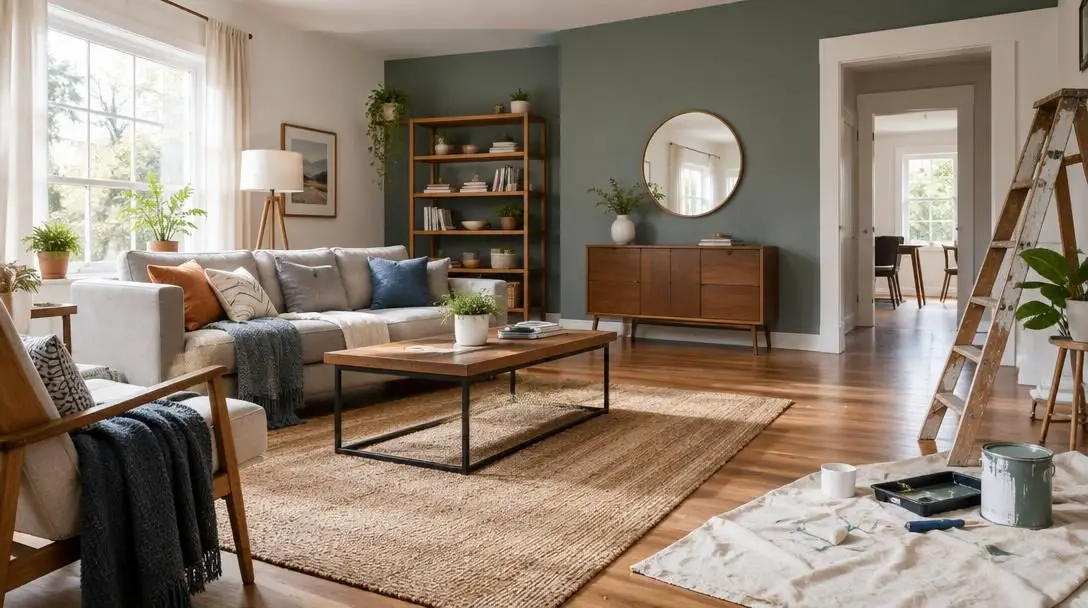
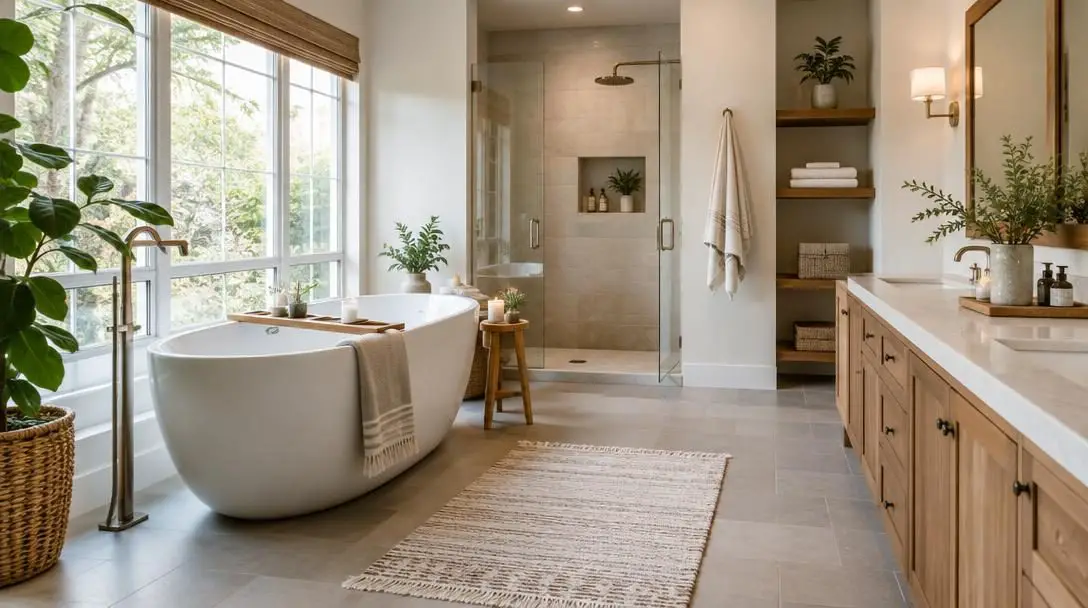
Top 5 Home Decor Mistakes – Avoid These If You Want To Sell Your Home
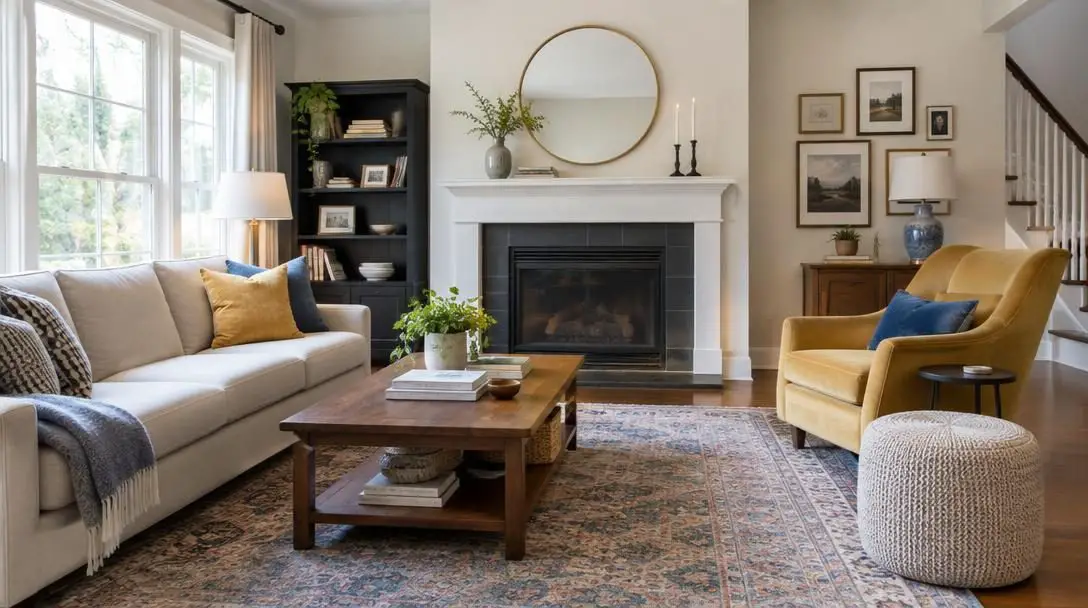
For several seasons, the residential property market moved at a breakneck speed that allowed sellers to bypass traditional preparation. In that hyper-competitive climate, eager purchasers regularly overlooked uninspired paint choices, awkward floor layouts, and crowded living rooms in their rush to secure a contract before competing offers drove the final price out of reach. Extensive pre-listing renovations and meticulous interior staging were rarely required to spark a bidding war.
As market conditions cool and inventory normalizes, however, the real estate landscape has evolved into a far more demanding environment. Buyers now enjoy greater leverage, more inventory to evaluate, and heightened discernment during open houses and private showings. In this deliberate market, achieving a successful transaction demands strategic planning, aesthetic discipline, and a thorough understanding of the interior decorating missteps that quietly erode perceived property value.
Key takeaways
- Shifting market conditions mean buyers are far more discerning, making thoughtful interior presentation essential for securing top dollar.
- Overly intense wall colors, busy tile installations, and fad-driven finishes distract prospective buyers from a home's foundational square footage and natural light.
- Heavy, dark furnishings visually compress smaller living spaces unless they are softened with light-toned neutral slipcovers or scaled down.
- Harsh overhead bulbs flatten architectural character, while warm, layered illumination creates an inviting ambiance during walkthroughs.
- Undersized area rugs fragment living zones, whereas appropriately proportioned 8x10 or 9x12 rugs establish cohesion and visual breadth.
The Psychology of Buyer Perception During Home Tours
When prospective buyers step across the threshold of a residence, their evaluation occurs largely on an instinctual, subconscious level. To an existing owner, a property represents a curated sanctuary layered with personal memories, sentimental possessions, and lifestyle adjustments accumulated over years of occupancy. For a prospective buyer, however, the tour represents an exercise in cognitive projection. The buyer is assessing structural volume, daylight trajectories, traffic flow, and whether their own furnishings and daily routines fit naturally within the space.
When an interior is dominated by hyper-specific style choices, intense color saturation, or disproportionate furniture, it introduces immediate cognitive friction. Instead of noticing the condition of the flooring, the height of the ceilings, or the expanse of wall space, the visitor's focus locks onto the aesthetic noise. They mentally tally the labor, disruption, and financial expense required to strip wallpaper, repaint vivid accent walls, or haul away oversized items.
Rather than appreciating structural square footage and natural daylight, prospective buyers become fixated on the mental and financial cost required to undo a seller's personal decor.
Strategic staging eliminates these visual barriers. By curating an environment characterized by proportion, breathability, and subtle harmony, you liberate the buyer's imagination. Neutralizing distractors allows the home's intrinsic architectural qualities to take center stage, easing the psychological leap from visiting a stranger's house to envisioning a permanent home.
At a Glance: The 5 Critical Decor Mistakes
To help navigate these presentation pitfalls, the following breakdown contrasts common decor missteps with their spatial consequences and recommended corrections.
| Decor Mistake | Visual Consequence | Recommended Solution |
|---|---|---|
| Overly Bold Finishes | Dominates rooms and demands high effort to repaint or replace. | Apply muted, cohesive neutrals with subtle accents. |
| Dark Furniture in Small Rooms | Creates visual heaviness and shrinks perceived square footage. | Introduce light slipcovers and downsize oversized pieces. |
| Overdoing Designer Trends | Dated or overwhelming themes distract from architecture. | Focus trends on single focal walls or refined accents. |
| Washed-Out, Harsh Lighting | Flattens architectural depth and creates a sterile mood. | Install soft-white bulbs and layered secondary lamps. |
| Undersized Area Rugs | Fragments the floor plan and makes living areas look small. | Lay 8x10 or 9x12 rugs that anchor key furniture legs. |
The Top 5 Home Decor Mistakes to Avoid
Even properties that have been scrupulously deep-cleaned and depersonalized can stumble due to subtle styling errors. Addressing the five primary decorating pitfalls outlined below will immediately elevate your listing's competitive stature.
Mistake 1: Going Too Bold
Every homeowner wants their property to make an indelible impression, yet reaching for bold visual drama often backfires during a sale. When finishes cross the boundary from memorable to overwhelming, prospective purchasers feel alienated rather than inspired. Saturated accent walls, high-contrast wallpaper in small powder rooms, and aggressively patterned kitchen backsplashes pull the eye away from broader structural virtues.
While an entirely sterile white box can feel uninviting, vibrant hues must be applied with extreme restraint. When staging for market entry, the operative rule is tasteful moderation. Reserve dynamic color or geometric pattern for minor accessories—such as a textured throw pillow, a ceramic vase, or a folded linen runner—rather than permanent structural surfaces. Softening backsplashes and feature walls into calming, tonal palettes preserves architectural depth without commanding the entire room's visual energy.
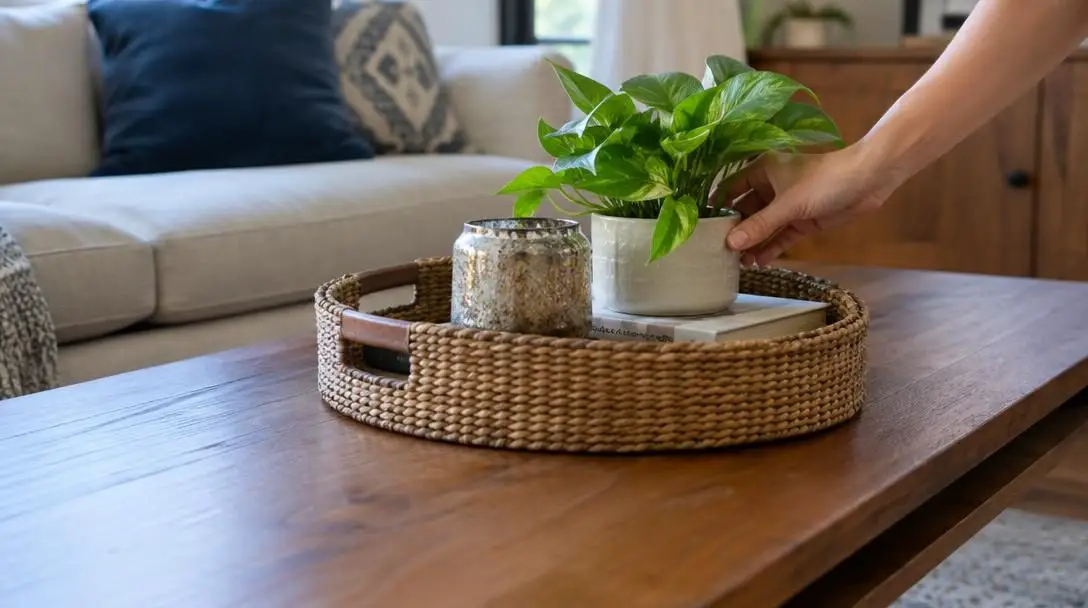
Mistake 2: Using Dark Furniture in a Small Space
Not every listing boasts open-concept living rooms or double-height ceilings. Many charming houses and condominium units feature cozy, compact room footprints. Furnishing these intimate areas with hefty, dark-toned furniture creates substantial visual drag, causing the walls to feel closer than they actually are.
Heavy dark-stained woods, black leather sofas, and deep navy upholstery absorb available daylight and visually shrink perceived floor space. To restore an open, airy feeling, lean toward lighter furnishings in soft gray, warm beige, or clean white. If purchasing replacement furniture is impractical, fitted neutral slipcovers offer an inexpensive workaround to disguise imposing upholstery.
Proportion is equally critical. A majestic, king-sized four-poster bed may offer supreme comfort, but if it blocks nightstand clearances and reaches nearly to the ceiling in a standard bedroom, it highlights spatial limitations. Substituting a tailored queen or full-size frame immediately demonstrates usable floor space and better balances the room.
Mistake 3: Overdoing Designer Trends
Interior design fads change rapidly across social feeds and television programs, but plastering a residence with every fleeting motif rarely leads to an executed contract. Flooding an interior with high-concept trends—such as whole-room shiplap paneling, faux industrial hardware, or aggressive geometric floor tiles—dates a property quickly and risks clashing with a buyer's personal tastes.
Seasoned interior stylists agree that restraint yields the highest return on presentation. If you appreciate a specific rustic or contemporary concept, execute it as a subtle nod rather than an exhaustive installation. Limit shiplap to an understated fireplace focal point, or incorporate a trend through modern brushed cabinet pulls rather than replacing an entire suite of surfaces. Emphasizing clean lines, simple textures, and timeless architectural clarity broadens appeal across diverse buyer demographics.
Mistake 4: Relying on Washed-Out, Harsh Lighting
Illumination dramatically shapes how a home feels during an in-person tour. In an effort to ensure every corner of a property is visible, sellers frequently install excessively bright, high-kelvin bulbs or rely exclusively on high-powered central ceiling fixtures. This approach floods rooms with an unflattering, sterile glare that washes out surface textures and strips away warmth.
To cultivate an inviting, sophisticated environment, sellers must establish layered lighting schemes. Move away from lone overhead fixtures and incorporate ambient, task, and accent light sources. Add elegant table lamps to sideboards, install floor lamps in shadowy corners, and wire in dimmer switches where possible to adjust brightness to time of day.
Furthermore, inspect the color temperature of your lighting elements throughout every fixture. Cool daylight and clinical blue-tinted fluorescent bulbs belong in utility spaces, not primary living quarters. Replacing these with warm, soft-white alternatives (typically around 2700K) produces a hospitable glow that flatters architectural details and makes living spaces feel restful.
Mistake 5: Laying Down Undersized Area Rugs
Area rugs serve as fundamental anchors in interior design: they delineate living zones, introduce organic texture, and tie upholstery together. However, selecting a rug that is too small for its setting is among the most damaging aesthetic errors a seller can commit. An undersized rug looks like a floating postage stamp, visually subdividing the floor and making the surrounding room appear restricted.
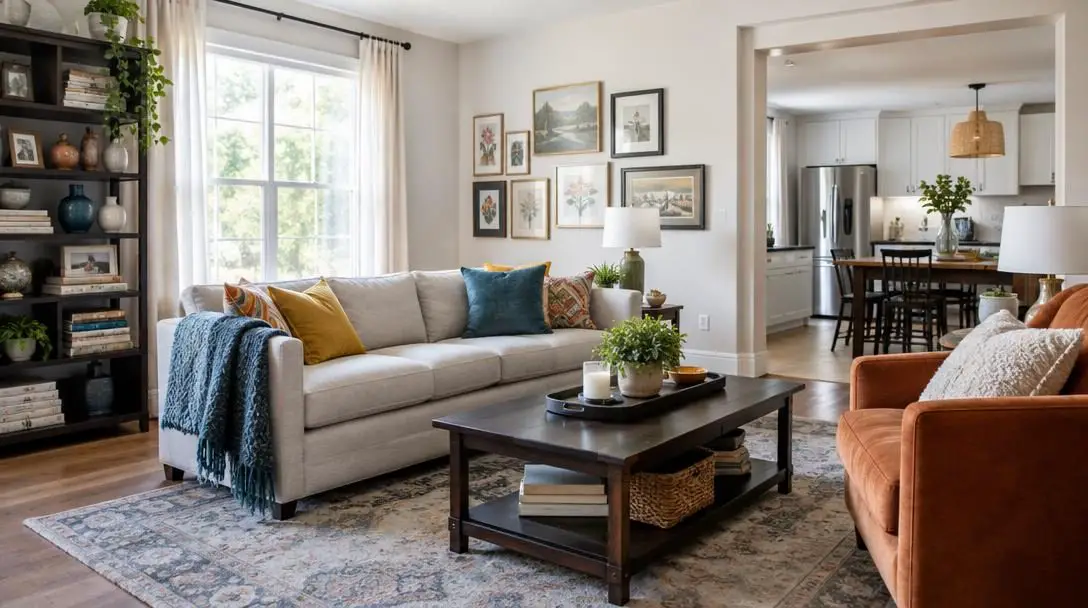
In formal living rooms, great rooms, and family gathering spaces, the baseline standard calls for generous proportions, such as 8x10 feet or 9x12 feet. Compact mats and tiny runners should be reserved exclusively for transitional zones, mudrooms, and compact entryways. A properly scaled rug must be expansive enough to allow at least the front legs of all major seating pieces—sofas, armchairs, and side tables—to sit comfortably on its surface, while still maintaining an even border of exposed hardwood or tile along the perimeter of the room.
Step-by-Step Guide to Refreshing Your Interior
Resolving decorative misalignment does not require extensive structural remodeling. By following a structured room-by-room methodology, property owners can systematically refine their interiors prior to marketing.
- Conduct an entryway assessment: Stand squarely in the primary threshold of each room, pause, and identify the initial three elements that grab your attention. If your gaze fixes immediately on a bold wall color, an intricate wallpaper print, or an awkward piece of furniture instead of the room's proportions, flag that item for editing.
- Audit and standardize illumination: Remove harsh, high-kelvin fluorescent and cold daylight bulbs from all visible fixtures. Replace them with warm, soft-white light elements, and stage secondary illumination sources such as table lamps on consoles and credenzas to eliminate shadowy recesses.
- Neutralize heavy upholstery: Evaluate your seating inventory for dark tones like charcoal, dark brown, or solid black. Wrap these pieces in tailored, neutral slipcovers in linen, beige, or soft gray tones to instantly lift the room's visual weight.
- Upsize floor coverings: Measure living and dining zones to ensure your floor coverings span sufficient surface area. Remove undersized accent mats from primary living spaces and substitute 8x10 or 9x12 area rugs that comfortably accommodate seating legs.
- Temper hyper-specific focal features: Paint over aggressive, deeply saturated accent walls with warm, light-reflective neutrals. Scale back full-room wallpaper applications or overwhelming decorative paneling to clean, balanced surfaces that showcase the home's baseline architecture.
- Reconfigure sleeping quarters: Disassemble massive four-poster canopies or imposing king-sized bedroom groupings if they crowd floor clearances. Replace them with scaled queen or full-size ensembles dressed in crisp, light bedding to emphasize open square footage.
Secondary Staging Traps to Avoid
In addition to addressing the primary decor pitfalls, sellers frequently fall into subtle arrangement traps during preparation. Remaining watchful against these secondary blunders ensures your investment of time and effort translates into a polished, market-ready presentation:
- Perimeter furniture pushing: Lining all seating flush against exterior walls in hopes of expanding central floor area produces an awkward, disconnected arrangement. Float furniture into conversational clusters instead.
- Hospital-grade sterility: Assuming that neutral staging requires bleached, clinical finishes throughout. Completely removing warmth, texture, and natural wood tones leaves a property feeling cold and lifeless.
- High-hung artwork: Fastening modest artwork near the ceiling rather than eye level visually disconnects wall decor from the furniture below it, distorting vertical room balance.
- Surface over-accessorizing: Filling open bookshelves, coffee tables, and kitchen counters with miniature collectibles and knickknacks. Grouping items in sparse, deliberate trios prevents visual clutter.
- Light-blocking drapery: Leaving heavy, opaque window hangings drawn across windows. Swap these out for airy, sheer window panels or open them fully to maximize incoming daylight.
Preparing for Your Market Launch
Once interior adjustments and spatial corrections are complete, shift focus toward aligning visual presentation with marketing execution. Staging creates the backdrop; strategic digital capture and expert validation convert property browsers into signed offers.
Because nearly all contemporary buyers experience their first property showing on computer screens and handheld devices, securing high-end professional photography is paramount. How your well-proportioned rugs, soft lighting schemes, and muted wall finishes translate through a camera lens determines whether a prospective purchaser schedules an in-person tour. Work with your real estate agent to schedule photography during optimal daylight hours, ensuring sun angles illuminate interiors without generating excessive window glare or harsh shadows.
Finally, obtain objective third-party evaluation before publishing the listing. Invite an experienced listing agent, a professional home stager, or an honest acquaintance to conduct a walkthrough. A fresh, unbiased set of eyes can quickly pinpoint lingering visual bottlenecks, awkward furniture clearances, or overlooked dark zones that you might miss after weeks of preparation. Addressing these final details ensures your property enters the market with a refined, irresistible presentation.
Frequently asked questions
Why is home staging more critical in the current real estate market?
As the market shifts away from ultra-hot, low-inventory conditions, buyers face fewer bidding wars and enjoy more inventory choices. Consequently, they are much less likely to overlook aesthetic flaws, cramped furniture, or jarring colors, making disciplined visual staging vital for commanding top market value.
What is the standard rug size recommended for living rooms?
For primary living rooms and formal seating zones, designers recommend rugs sized at least 8x10 feet or 9x12 feet. A proper rug should allow at least the front legs of the sofa and surrounding accent chairs to sit on top of the fibers while leaving an even border of exposed floor around the perimeter.
How can I tone down dark furniture without purchasing new pieces?
You do not need to buy an entirely new furniture set. Dark sofas and armchairs can be covered with fitted neutral slipcovers in shades of cream, warm beige, or gentle gray. Pairing them with light-toned throw pillows and lightweight woven throws helps soften visual heaviness.
What light bulb color temperature works best for selling a house?
Soft white bulbs rated at approximately 2700K are ideal for staging residential interiors. They provide a warm, hospitable glow that softens wall transitions and flatters furnishings, avoiding the cold, sterile appearance created by harsh daylight or high-kelvin fluorescent bulbs.
Should all interior walls be painted stark white prior to listing?
No. Painting an entire home in blinding, hospital-grade white can leave rooms feeling sterile and devoid of character. The goal is to use soothing, warm neutrals—such as soft greiges, creamy whites, or subtle taupes—that reflect natural light while still providing visual warmth.
The Bottom Line
Marketing a home successfully in a cooling, normalized real estate climate requires an intentional departure from personal design preferences in favor of universal appeal. Bold wall graphics, bulky dark furnishings, trend saturation, unflattering illumination, and poorly scaled area rugs all introduce subconscious barriers that divert buyer attention from a property's fundamental value.
By stepping back, viewing each space through the eyes of an objective purchaser, and methodically applying foundational staging principles, sellers can transform distracting interiors into open, harmonious showcases. When visual friction is eliminated, buyers are empowered to focus on the structure's enduring merits, see their own future within the walls, and deliver competitive offers.