Best Practices For Running An Educational Word-making Session With Kids

Building a robust vocabulary is one of the most critical stepping stones in early childhood development. When young learners discover how letters, sounds, and meanings connect, they unlock the tools needed for fluid reading comprehension, clear written expression, and confident verbal communication. Yet moving past passive memorization requires an intentional, dynamic framework that treats language as something to be actively constructed rather than merely drilled.
Word-making sessions provide this structured environment, offering educators, private tutors, and parents an interactive method to cultivate language mastery. Whether conducted in a bustling elementary classroom, a focused small-group tutoring space, or around a kitchen table at home, these guided sessions transform abstract spelling lists into hands-on exploration. By pairing tactile materials and visual references with meaningful real-world context, adults can guide children toward lasting literacy gains.
Key takeaways
- Word-making sessions replace rote repetition with multi-sensory activities, visual tools, and contextual application.
- An active, well-organized word wall serves as a permanent anchor that fosters student autonomy and spelling accuracy.
- Grounding unfamiliar terms in real-world scenarios enables children to link abstract letter strings to concrete concepts.
- Long-term retention depends on recurring structured reviews, cooperative teaching partnerships, and genuine celebration of learning milestones.
How Word-Making Sessions Build Language Skills
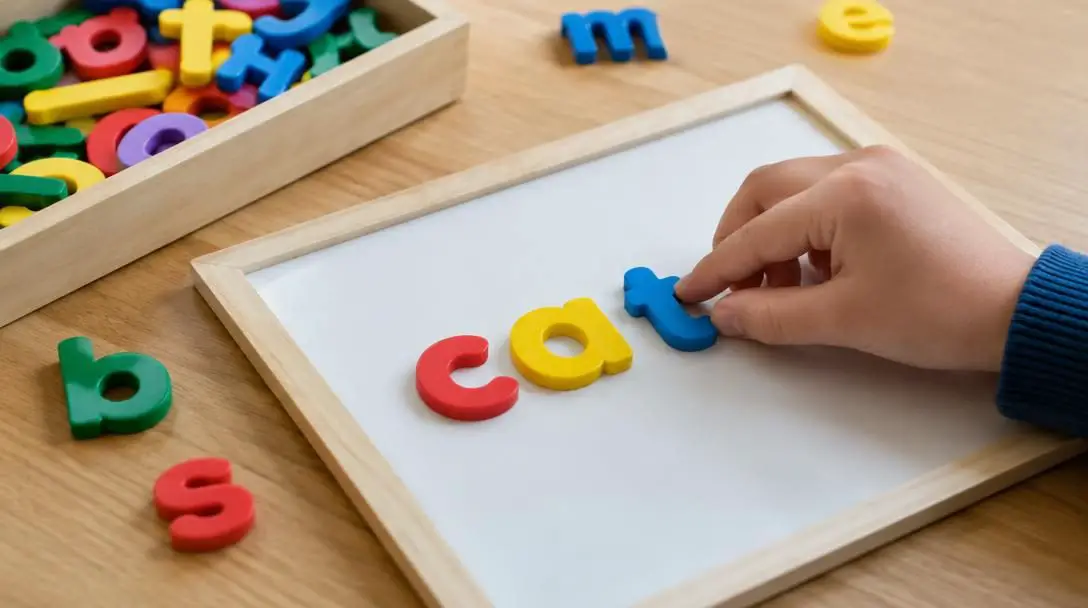
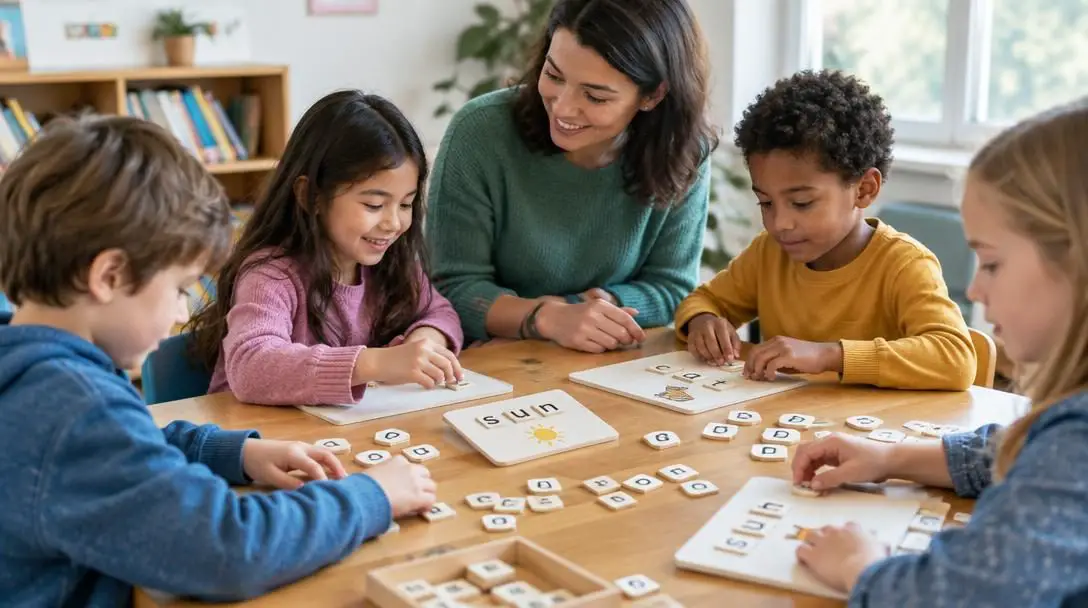
At their foundation, word-making sessions function by merging sensory interaction, visual organization, and cognitive reinforcement. Rather than forcing children to stare at isolated word lists, an effective session engages multiple senses simultaneously. Children manipulate letter tiles, trace shapes on printed worksheets, hear pronunciations in educational media, and verbally test words in spontaneous dialogue. This varied instructional delivery ensures that children with distinct cognitive styles—whether visual, auditory, or kinesthetic—encounter concepts in formats that align with their developmental needs.
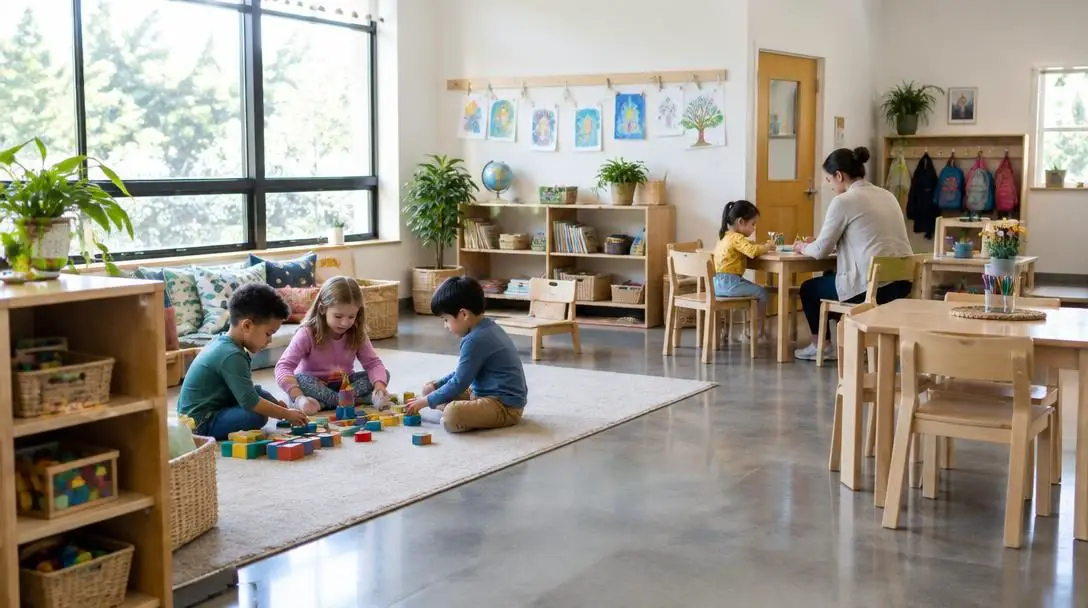
A central pillar of this methodology is the implementation of an interactive word wall. Functioning as a living reference library within the learning space, the word wall displays target terms on a bulletin board or an eye-level wall section. When children encounter an unfamiliar term during reading or struggle with spelling in a creative writing exercise, instructors prompt them to scan the wall rather than simply handing them the answer. Over time, navigating this visual index builds independent research habits and reinforces word patterns through recurring visual exposure.
Equally critical is the transition from abstract definitions to concrete comprehension. Young minds often struggle to internalize complex or detached dictionary phrasing. Word-making bridges this divide by tethering each new term directly to familiar personal experiences. For instance, explaining the verb hatch becomes instantly memorable when paired with the image or narrative of a baby bird cracking out of an egg. By anchoring novel sounds to vivid imagery, the brain forms durable conceptual pathways.
Finally, these sessions rely heavily on continuous reinforcement and community. Language acquisition is neither immediate nor solitary. When educators coordinate with parents to align classroom themes with home practice, children experience a unified linguistic environment. Frequent low-stakes reviews and affirmative celebrations convert fleeting short-term recognition into deeply ingrained, automatic recall.
| Instructional Format | Primary Medium | Sensory Modality | Role in Learning Session |
|---|---|---|---|
| Print Resources | Flashcards and worksheets | Visual and tactile | Provides foundational structure, handwriting practice, and focused letter tracing. |
| Digital Media | Apps, videos, and web games | Visual and auditory | Injects dynamic multimedia examples, animated explanations, and auditory pronunciation modeling. |
| Word Walls | Wall-mounted cards and charts | Visual and spatial | Functions as an ongoing reference hub to support independent spelling and thematic categorization. |
| Hands-On Games | Card sets, tiles, and puzzles | Kinesthetic and social | Reinforces peer collaboration, problem-solving, and spontaneous contextual usage. |
Eight Practical Steps for Running an Effective Session
Designing an organized, engaging word-making routine requires deliberate pacing and structured transitions. By taking a systematic approach, instructors can maintain high energy, prevent distractions, and guide children smoothly from introduction to independent mastery.
- Gather and organize diverse learning materials. Before welcoming learners into the workspace, assemble both physical and digital resources. Pull together flashcards, themed handwriting sheets, tactile letter cards, and vocabulary-building board or card games. Queue up educational tablet apps, video clips, or interactive online games so transitions remain seamless and downtime is minimized.
- Set up an accessible word wall. Designate a prominent wall, partition, or bulletin board dedicated entirely to vocabulary development. Group words based on the instructional objective, choosing either strict alphabetical sorting or thematic clusters such as science topics, action verbs, or nature terms. Ensure the display is uncluttered and clear enough for children to scan effortlessly from their seats.
- Introduce target words with concrete real-life examples. Present new vocabulary items individually rather than overwhelming learners with long lists. Avoid dry, mechanical recitations of definitions; instead, anchor each term to a tangible, relatable occurrence. When introducing a term such as hatch, illustrate how a chick emerges from an eggshell, prompting children to describe the moment in their own words.
- Conduct multi-sensory learning activities. Guide children through rotational exercises utilizing the prepared tools. Have them trace letter forms on textured worksheets, sort flashcards into matching sound families, play small-group card games, and complete targeted digital phonics challenges. Shifting between physical and multimedia formats prevents fatigue and keeps engagement steady.
- Prompt active reliance on the word wall. Integrate the word wall directly into reading and writing exercises. Whenever a learner hesitates over a spelling or forgets a concept, gently steer them toward the wall rather than giving immediate verbal answers. Guiding children to consult reference tools instills valuable self-monitoring skills.
- Incorporate structured reviews and peer puzzles. Dedicate scheduled portions of every session to revisit previously introduced terms. Challenge students with playful review quizzes, matching contests, or sentence-generation activities. Having children craft their own word puzzles or fill-in-the-blank challenges for their classmates deepens comprehension and showcases mastery.
- Collaborate with teaching partners and parents. Share lesson themes, printable resources, and successful approaches with fellow educators and family members. Trading leadership roles or inviting a parent to co-lead an activity exposes children to diverse conversational cadences, preventing lessons from becoming monotonous.
- Celebrate progress and showcase accomplishments. Conclude instructional blocks by formally acknowledging effort and progress. Reward milestones with tangible tokens such as colorful stickers, progress badges, or achievement certificates. Maintain an adjoining recognition space or wall of fame where completed work and mastered word families are publicly displayed.
Common Pitfalls That Stall Vocabulary Growth
Even the most well-intentioned sessions can falter if instructors fall into mechanical or rigid instructional habits. Recognizing and addressing these frequent missteps keeps lessons invigorating, inclusive, and educationally sound.
Treating language as a dynamic puzzle rather than a memorization test transforms reluctant readers into enthusiastic word builders.
- Relying on a single teaching medium: Overusing a solitary resource—such as drilling flashcards for twenty minutes or assigning endless worksheets—leads rapidly to cognitive fatigue and boredom. Children require a lively blend of tactile items, cooperative games, and digital media to maintain enthusiastic focus.
- Allowing the word wall to become passive decor: Affixing words to a board and never pointing to them renders the display useless. When instructors fail to reference the wall during reading, writing, and spelling activities, children learn to ignore it completely.
- Delivering abstract, context-free definitions: Presenting a word solely through formal definitions divorces language from lived reality. Without a concrete narrative, image, or sensory cue, young learners end up memorizing meaningless strings of letters that fade quickly from memory.
- Isolating instructional planning: Running every session in complete isolation risks instructional burnout and limits creative variety. Failing to coordinate with parents or co-teachers prevents useful strategies from extending into the child's home life.
- Skipping cumulative reviews: Racing through new word lists without allocating time to revisit past lessons causes older vocabulary to erode. Consistent, playful review sessions are necessary to shift vocabulary into long-term recognition.
- Neglecting positive reinforcement and celebration: Vocabulary development takes persistent cognitive effort. Overlooking achievements, failing to offer encouraging tokens, or ignoring personal milestones can diminish a child's intrinsic motivation to tackle difficult words.
Adapting and Refining the Strategy Over Time
As learners mature and their linguistic fluency deepens, the organizational structures supporting them must adapt. Re-evaluating your approach on a regular basis ensures the materials remain appropriately challenging and aligned with children's evolving cognitive capacities.
One primary area for refinement is the physical arrangement of the word wall display. In early sessions, an alphabetical layout often helps emerging readers grasp letter-sound correspondences and initial phonics rules. However, as the volume of terms grows and classroom wall space fills up, thematic grouping may prove significantly more useful. Organizing words around specific academic subjects—such as weather phenomena, community workers, or emotional adjectives—helps older learners select expressive vocabulary for creative writing and expository reports. Pruning older, universally mastered terms prevents visual clutter while leaving space for higher-level terminology.
Instructors should also monitor how different cohorts respond to the balance between digital tools and physical materials. While interactive apps and animated video explanations provide invaluable phonetic audio modeling, excessive screen reliance can diminish interpersonal verbal exchange. Observing whether a student demonstrates stronger focus during hands-on tile manipulation or digital gamified sorting allows tutors and parents to fine-tune the resource mix for maximum personal engagement.
Finally, keeping open communication channels between school educators, private tutors, and parents creates a continuous learning loop. When parents know which words are being introduced in class, they can naturally weave those terms into dinnertime discussions, bedtime reading, and weekend outings. This community-wide synergy solidifies word comprehension across diverse real-world environments.
Frequently asked questions
How many words should be introduced in a single word-making session?
For most early learners, introducing three to five new words per session is ideal. Focusing on a small set allows children to thoroughly explore letter patterns, practice handwriting, and grasp real-life context without feeling cognitively overwhelmed.
Should a word wall be organized alphabetically or thematically?
Both approaches are effective depending on lesson goals. Alphabetical arrangements work exceptionally well for teaching letter recognition, initial phonics sounds, and basic dictionary navigation. Thematic arrangements, which cluster words by subject or category, are particularly helpful for creative writing, science units, and contextual storytelling.
How can parents replicate word-making activities at home without school supplies?
Parents can easily create a home word-making station using simple household items. A refrigerator door or magnetic dry-erase board can serve as a word wall, index cards work well as flashcards, and tablet educational apps or library books provide multimedia context and structured practice.
What should I do if a child repeatedly mispronounces or misspells a target word?
Avoid punitive correction; instead, return to multi-sensory reinforcement. Have the child trace the word while vocalizing individual letter sounds, direct their attention back to the word wall, and reconnect the term to a familiar real-world example to ground their understanding.
How often should structured review sessions take place?
Review should occur during every session, even if only for five to ten minutes. Beginning or concluding an activity block with a rapid matching game, peer-created puzzle, or sentence challenge ensures that older vocabulary remains active in long-term memory.
The bottom line
Word-making sessions turn language acquisition into an active, rewarding discovery process. By blending multi-sensory materials, interactive word walls, real-life contextual anchors, and recurring collaborative reviews, educators and parents can provide children with the essential building blocks of literacy. When learners are empowered to construct words with confidence and receive meaningful recognition for their progress, they build communicative skills that support their academic and personal growth for years to come.