Caring for Your Garden in the Summer Heat: Expert Tips
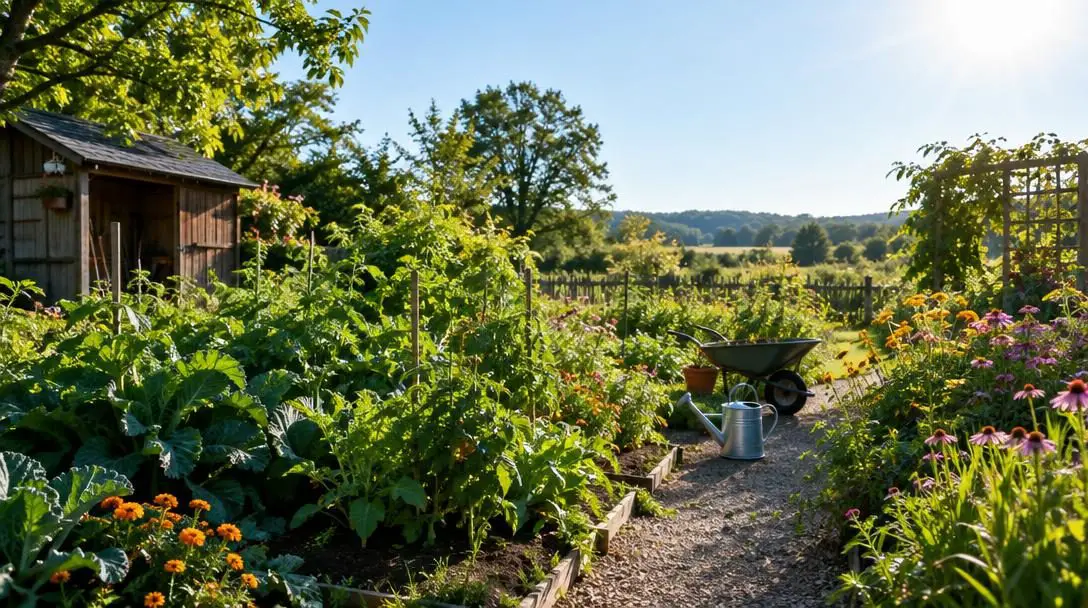
Summer brings long daylight hours, vibrant blossoms, and lush plant growth, transforming yards into inviting outdoor retreats. However, the season also introduces intense environmental challenges, from persistent drought and scorching midday heat to aggressive insect populations and fungal pathogens. When temperatures peak, landscape plants experience accelerated moisture loss and nutritional strain, turning everyday maintenance into an essential survival strategy for your beds.
Sustaining a thriving garden through midsummer requires a clear understanding of the biological relationship between root systems, soil composition, and foliage. By adopting targeted watering habits, applying protective organic mulch, feeding the soil microbiome, and using the correct cutting tools for pruning, you can protect your perennials, annuals, and edible crops from harsh seasonal extremes while keeping the landscape healthy and resilient.
Key takeaways
- Water deeply two to three times a week during the cool early morning or late evening hours using a soaker hose rather than spraying overhead.
- Apply organic mulches like wood chips or grass clippings to regulate soil temperatures, leaving a clear gap around plant stems to stop rot and insect infestation.
- Replenish soil nutrients with compost, well-rotted manure, or worm castings instead of chemical fertilizers that can harm earthworms and microbial life.
- Maintain plant vigor by pairing proper cutting tools with deliberate pruning, deadheading spent blooms to redirect energy toward new flowers.
How Plant and Soil Systems React to Extreme Heat
When summer temperatures rise, the rate of water loss from both topsoil and plant tissue accelerates dramatically. Plants rely on internal moisture pressure to keep their cellular structures upright, drawing water through root networks to supply stems and leaves. When the surrounding earth dries out rapidly under direct sunlight, root systems struggle to pull up sufficient hydration. If gardeners wet only the foliage during hot periods, much of that water evaporates immediately into the atmosphere before ever soaking into the ground. Wet foliage combined with high heat also produces an ideal microclimate for opportunistic fungal spores to multiply, compounding the stress on already vulnerable plants.
Beneath the surface, heat significantly alters the biological activity of the soil. Frequent watering combined with elevated temperatures speeds up the breakdown and leaching of essential nutrients, quickly leaving garden vegetation undernourished. An active community of earthworms and microscopic organisms works constantly to decompose organic matter into bioavailable plant food, but bare topsoil exposed to direct sun can bake into an impenetrable crust. This hardened layer blocks oxygen, water, and fresh organic matter from filtering downward, stalling biological activity. Routine aeration and surface protection keep the underground ecosystem active and responsive throughout the hottest months.
Watering Strategies for High Temperatures
Keeping garden beds properly hydrated during heat waves requires careful attention to frequency, timing, and distribution methods. Light daily sprinkling moistens only the top fraction of an inch of earth, encouraging roots to linger near the hot surface where they remain prone to drying out. Instead, experts recommend providing deep watering sessions two to three times a week, adjusting slightly based on individual plant varieties and soil texture. Deep applications train root systems to extend downward into cooler, more stable subsoil reserves.
Timing your watering routine makes a measurable difference in moisture efficiency. The most effective windows are early in the morning or late in the evening when ambient temperatures are cooler and the sun sits low on the horizon. Watering during midday hours is inefficient because intense heat triggers rapid surface evaporation before moisture can soak down to root level.
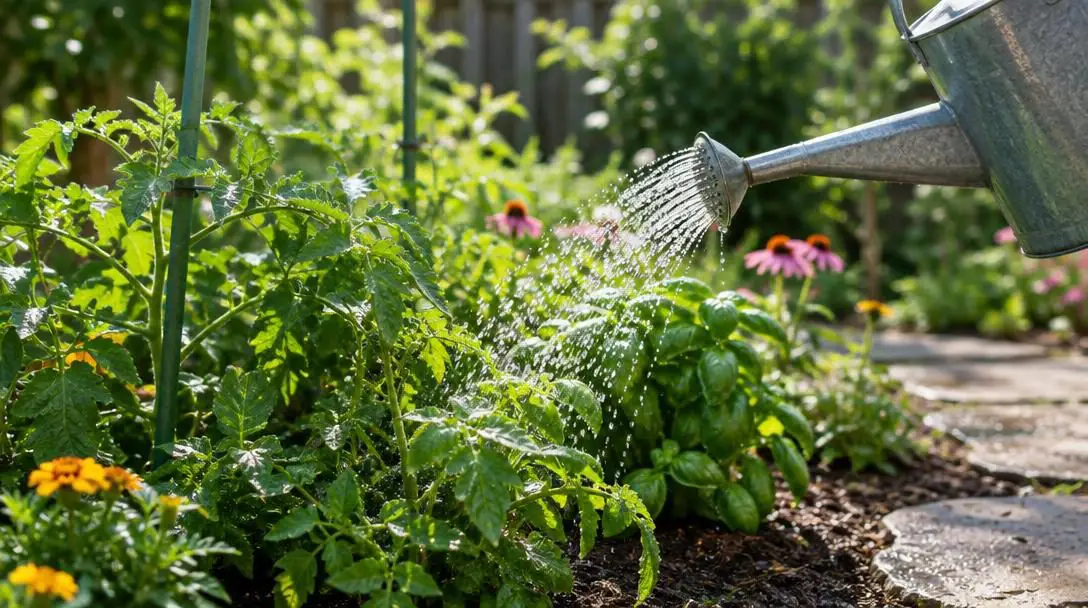
Delivering water slowly and directly to the ground shields moisture from drying winds and targets the root zone where absorption actually occurs.
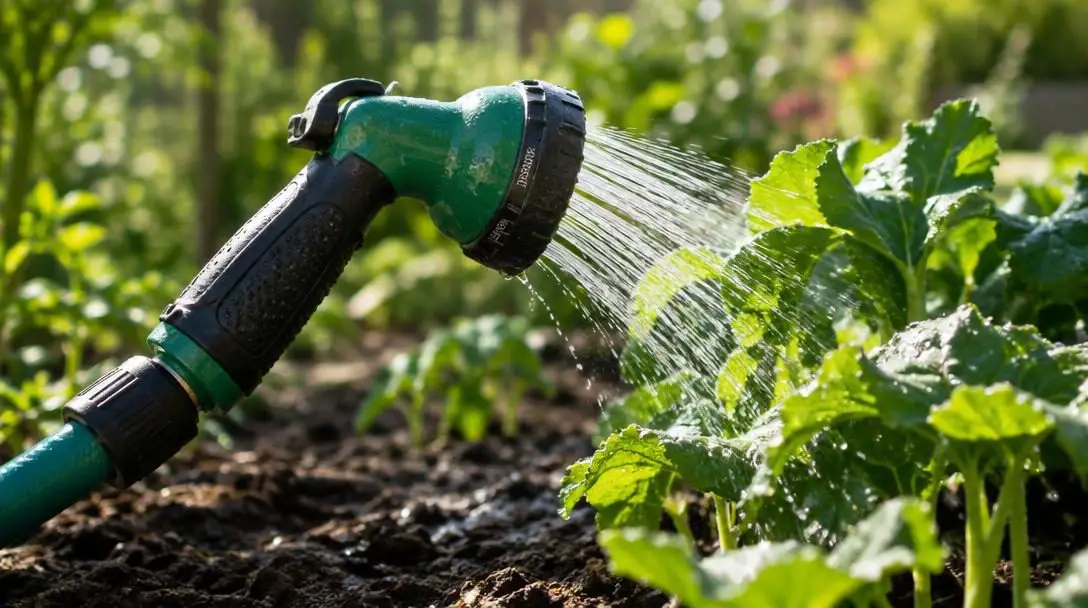
To achieve direct, low-waste hydration, consider installing a soaker hose throughout your beds. Unlike overhead sprinklers that blast water into the air, a soaker hose weeps moisture directly into the dirt at a controlled rate. This steady delivery minimizes waste from wind drift, prevents soil compaction from heavy water droplets, and keeps upper foliage dry to mitigate fungal outbreaks.
Mulching to Protect and Replenish the Soil
Mulch acts as a protective barrier between harsh weather conditions and the living soil below. A well-maintained mulch layer addresses several environmental pressures at once by slowing evaporation, regulating soil temperature fluctuations, and shading out opportunistic weed seeds that compete with cultivated plants for water and nutrients.
Organic materials make the best summer mulches because they decompose gradually, continuously returning valuable organic matter and nutrients to the earth. Excellent options include:
- Grass clippings: Readily available from untreated lawns, these break down relatively quickly to supply a light dose of nutrients to the upper soil layers.
- Wood chips: Slower to decompose, wood chips provide long-lasting shade over the soil, stabilize surface temperatures, and suppress persistent weeds effectively.
Fertilizing and Soil Conditioning
Because intense summer heat and frequent irrigation deplete soil nutrients rapidly, plants require supplemental feeding to sustain their foliage, blossoms, and fruit. However, using high-salt chemical fertilizers during hot spells can cause root burn and damage delicate underground life, including earthworms and beneficial bacteria. Experts recommend relying strictly on organic fertilizers, such as well-rotted manure, finished compost, or worm castings, which feed the soil biology without chemical shock.
Spreading a gentle top-dressing of compost or worm castings over your garden beds replenishes trace elements and improves moisture retention naturally. In addition to surface feeding, heavily compacted ground benefits from periodic core aeration. Heat, foot traffic, and repeated watering can compress soil particles tightly together. Core aeration opens physical channels in dense earth, allowing irrigation water, dissolved nutrients, and oxygen to reach deep root networks easily.
Essential Cutting Tools for Summer Pruning and Deadheading
Pruning during the growing season keeps garden plants healthy by eliminating dead, cracked, or diseased wood, which discourages pests and stimulates fresh vegetative shoots. Removing tangled interior branches also improves air circulation, lowering humidity levels inside the plant canopy where diseases often take hold. Meanwhile, deadheading—the practice of snipping off spent, fading blossoms—redirects plant energy away from seed production and channels it back into forming new buds, significantly extending the blooming window.
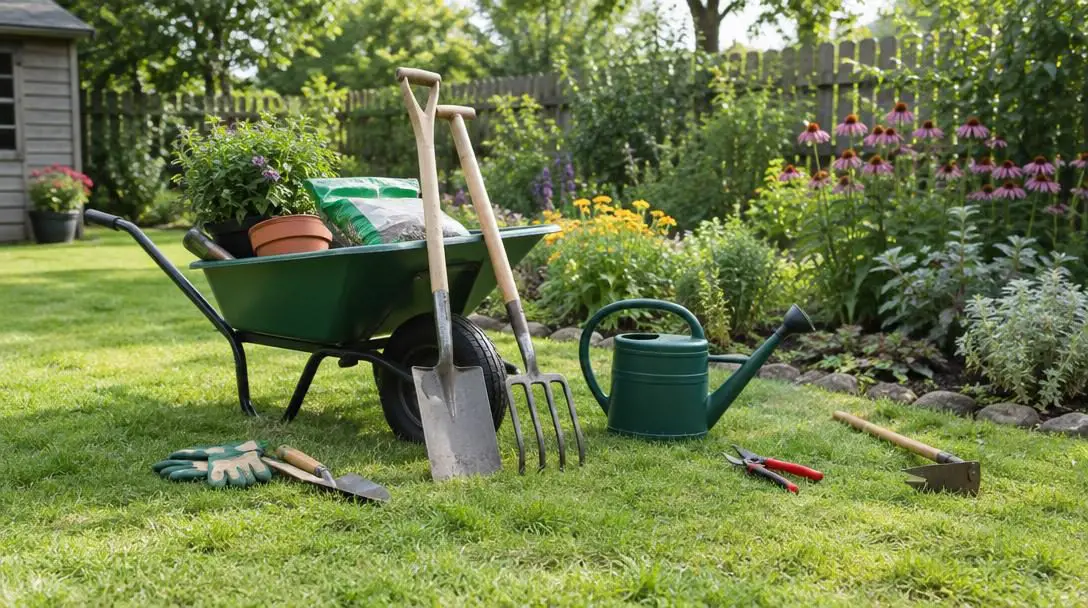
Selecting the right implement for each cut protects plant tissue from crushing or tearing. Matching the tool to the stem thickness ensures clean, quick-healing wounds that resist infection.
| Tool | Primary Use | Best Stem Type |
|---|---|---|
| Hand Pruners | Routine trimming and shaping | Small green stems, soft shoots, and thin branches |
| Loppers | Heavy leverage cutting | Thicker woody branches |
| Pruning Saws | Removing mature limbs | Large branches that cannot be cut with shears |
| Scissors or Secateurs | Deadheading and light tidying | Wilted or dead flower heads |
Hand Pruners
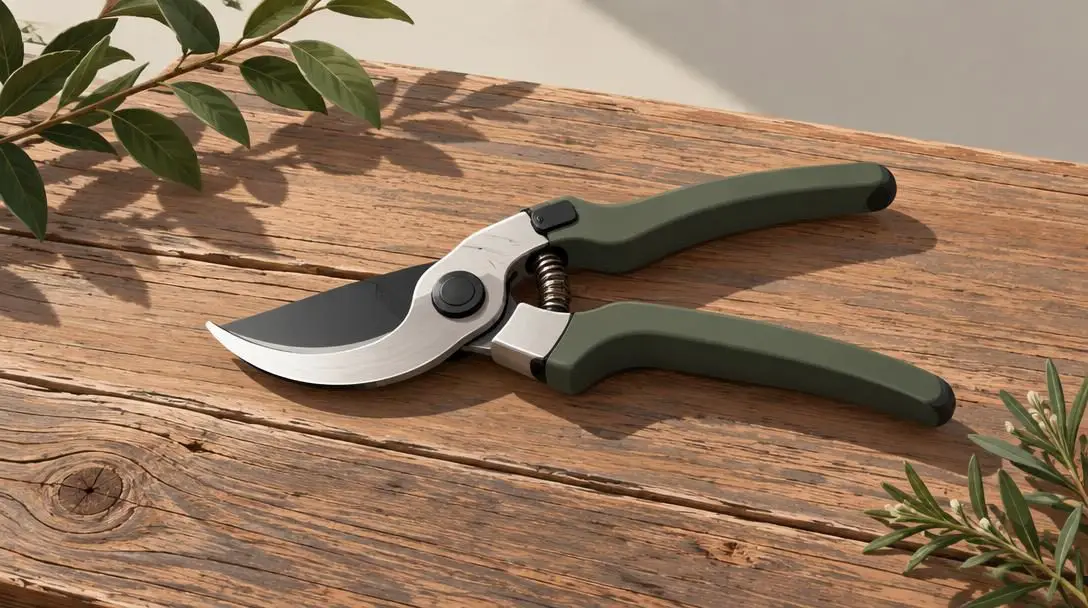
- Best For: Soft shoots and thin green stems
- Key Advantage: Compact maneuverability for precise shaping cuts
Hand pruners are the workhorse tool of the summer garden, designed for one-handed operation among dense foliage. They provide the precision needed to slice cleanly through small green stems, fresh tender growth, and thin lateral branches without bruising surrounding tissue.
Loppers
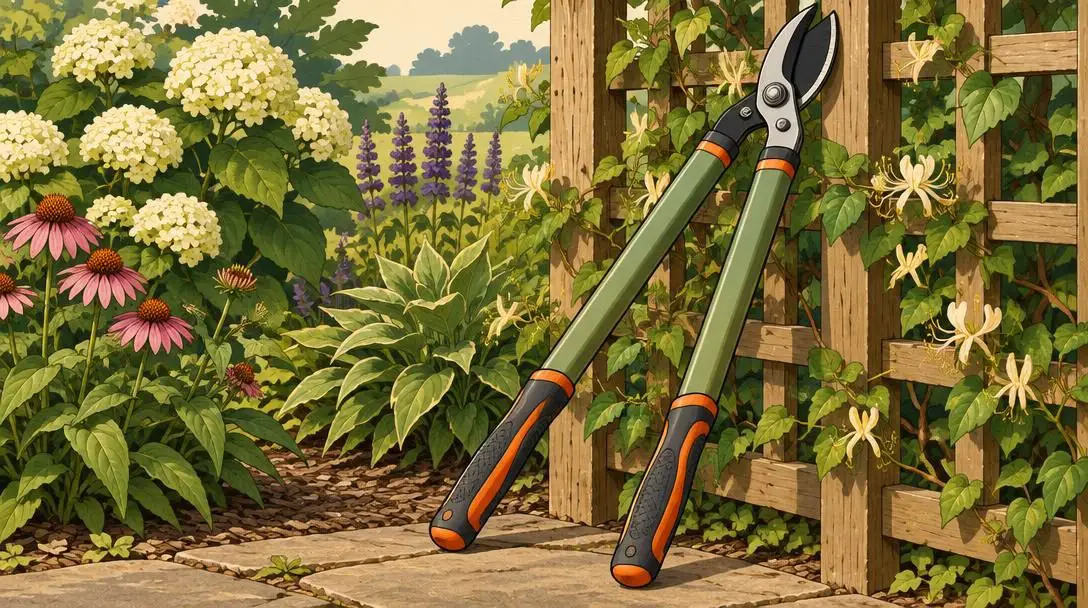
- Best For: Thicker woody branches
- Key Advantage: Long handles providing substantial mechanical leverage
When stems are too dense for single-handed shears, loppers provide the mechanical advantage required to make clean cuts. Their extended handles allow gardeners to reach deep into woody shrubs and remove thicker branches without tearing the bark or straining their hands.
Pruning Saws
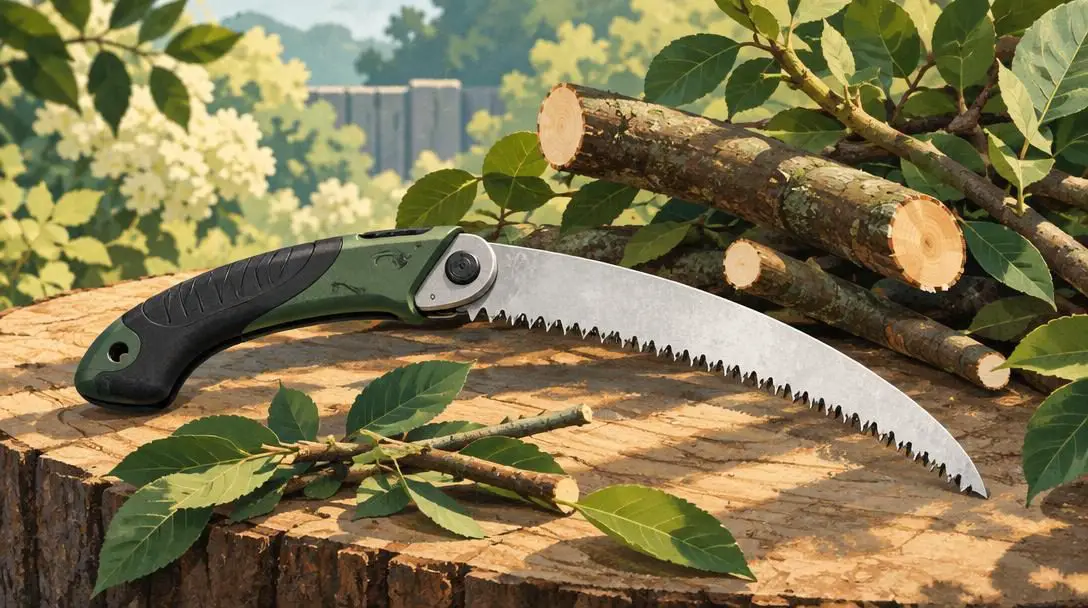
- Best For: Large, mature tree and shrub limbs
- Key Advantage: Tempered pull-cut teeth that sever heavy wood
For mature branches that exceed the jaw capacity of loppers, a specialized pruning saw is necessary. These saws feature sharp, alternating teeth that slice cleanly through thick wood on the pull stroke, leaving a flat surface that sheds water and heals rapidly.
Scissors or Secateurs
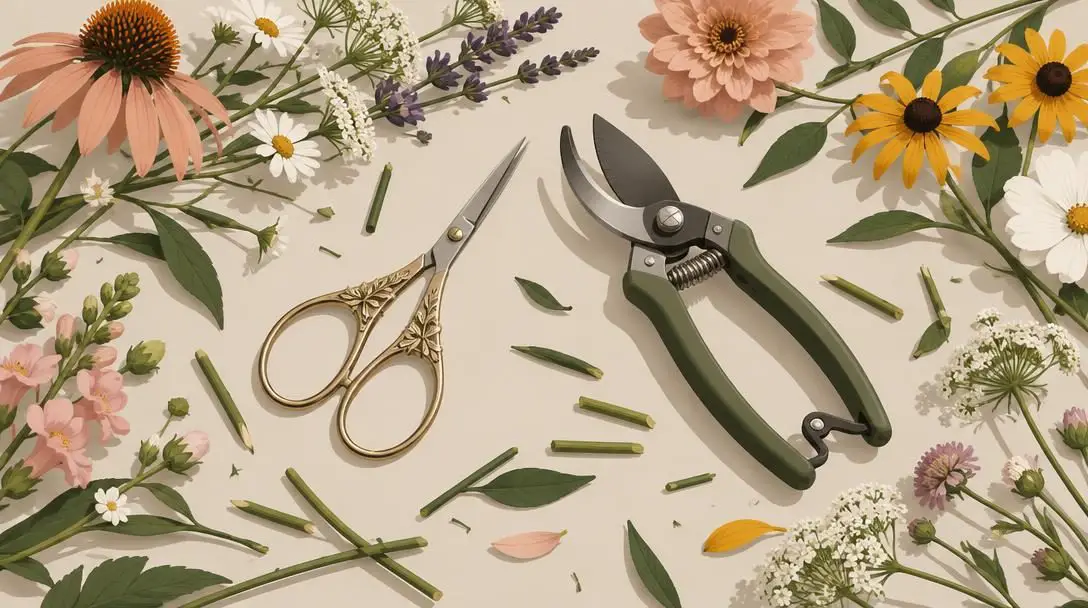
- Best For: Fading flower blossoms and delicate stems
- Key Advantage: Lightweight agility for repetitive deadheading tasks
Carrying a pair of light secateurs or garden scissors makes short work of daily deadheading. These blades snip cleanly through thin flower pedicels, stripping away spent blooms quickly while preserving newly developing flower buds underneath.
Natural Pest Control and Garden Sanitation
Warm summer weather shortens insect breeding cycles, allowing minor pest populations to expand into damaging infestations within days. Catching pest activity early prevents widespread foliage damage. Inspect the undersides of leaves, tender growth tips, and soil lines frequently for signs of feeding or egg clusters.
Rather than turning to harsh broad-spectrum chemicals that disrupt natural garden ecology, implement natural control strategies:
- Beneficial predators: Encourage or introduce natural allies like ladybugs and praying mantises, which consume large numbers of destructive soft-bodied insects.
- Pest-repelling plants: Interplant aromatic herbs and companion flowers known to deter common feeding insects from vulnerable crops.
- Crop rotation: Alternate where annual vegetables and flowers grow each season to interrupt soil-dwelling pest life cycles.
- Targeted treatments: Use insecticidal soap directly on active infestations to manage outbreaks without leaving persistent toxic residues.
- Strict sanitation: Remove and dispose of weak, damaged, or heavily diseased plants immediately so they do not act as breeding reservoirs for surrounding beds.
Step-by-Step Summer Garden Maintenance Routine
Organizing summer chores into an orderly workflow ensures every corner of the landscape receives attention before environmental stress causes lasting harm. Work through these maintenance steps systematically:
- Check soil moisture: Insert a finger into the soil beneath the surface layer in the early morning to gauge moisture depth before deciding whether to irrigate.
- Water deeply: Run a soaker hose across garden beds two to three times per week during early morning or late evening hours, soaking root zones while keeping leaves dry.
- Replenish mulch: Check beds for exposed earth and spread an even layer of organic mulch, such as grass clippings or wood chips, ensuring you leave an open gap around plant stems.
- Feed the soil: Top-dress depleted soil around heavy-feeding plants with a layer of compost, well-rotted manure, or worm castings to restock nutrients safely.
- Deadhead spent blooms: Snip off fading or dried flower heads with secateurs or scissors to prevent seed setting and encourage a continuous cycle of blossoms.
- Prune damaged growth: Remove diseased, cracked, or crowding branches using hand pruners, loppers, or a pruning saw depending on branch thickness.
- Scout and manage pests: Inspect foliage undersides for insects, spot-treating outbreaks with insecticidal soap and pulling out failing plants that harbor pests.
Common Summer Gardening Mistakes to Avoid
Even dedicated gardeners can undermine their plants' health by practicing well-intentioned habits that run counter to seasonal plant biology. Watch out for these widespread mistakes:
- Midday watering: Running hoses under the blazing sun loses valuable water to instant evaporation before it can soak downward.
- Spraying overhead: Wetting the upper foliage instead of the soil deprives roots of deep moisture and encourages fungal diseases.
- Applying chemical fertilizers: Synthetic high-nitrogen feeds during heat waves can scorch roots and destroy beneficial soil microbes and earthworms.
- Smothering stems with mulch: Piling mulch volcanoes against plant crowns traps dampness against bark, inviting pest entry and decay.
- Neglecting early pest scouting: Ignoring minor insect presence allows populations to explode into severe infestations that are difficult to manage.
- Mismatched pruning tools: Using dull shears or forcing small pruners onto thick limbs crushes stems, creating jagged wounds that attract infection.
- Retaining dying plants: Leaving struggling or diseased vegetation in place gives pests and pathogens a permanent base to spread to healthy neighbors.
Frequently asked questions
How often should I water my garden during the summer?
Experts recommend watering your plants deeply two to three times a week, depending on specific plant varieties and soil type. This deep, periodic schedule encourages roots to grow downward toward cooler moisture reserves, rather than lingering near the dry surface.
When is the best time of day to water outdoor plants?
Water your garden in the early morning or late in the evening when the sun is low and temperatures are cool. Avoid midday watering, as the intense heat causes rapid evaporation before moisture can soak down to the root system.
Why should I leave a gap between mulch and plant stems?
Leaving a gap allows the soil and crown to breathe while keeping excessive moisture from sitting directly against stems and bark. Piling mulch against stems creates a humid environment where insects and fungal diseases easily take hold.
What is the difference between pruning and deadheading?
Deadheading specifically refers to removing old, spent flowers so the plant redirects its energy into producing fresh blooms rather than seeds. Pruning involves cutting away diseased, dead, or overgrown stems and branches to improve structure, airflow, and plant health.
Why are organic fertilizers better than chemical fertilizers in the summer?
Chemical fertilizers contain salts that can damage plant roots during hot spells and harm beneficial soil organisms like earthworms and microbes. Organic options like compost, well-rotted manure, and worm castings nourish the soil biology gently without burning stressed plants.
The bottom line
Managing a thriving landscape through peak summer heat is a matter of working with seasonal biology rather than fighting it. By switching to deep, targeted watering with soaker hoses, shielding the ground with organic mulch, and feeding the earth with compost and worm castings, you sustain the living underground network that fuels plant growth. Paired with regular deadheading, clean pruning cuts, and natural pest suppression, these straightforward techniques will keep your garden vibrant, lush, and productive straight through the dog days of summer.