Getting Started With Gardening – Growing An Organic Garden
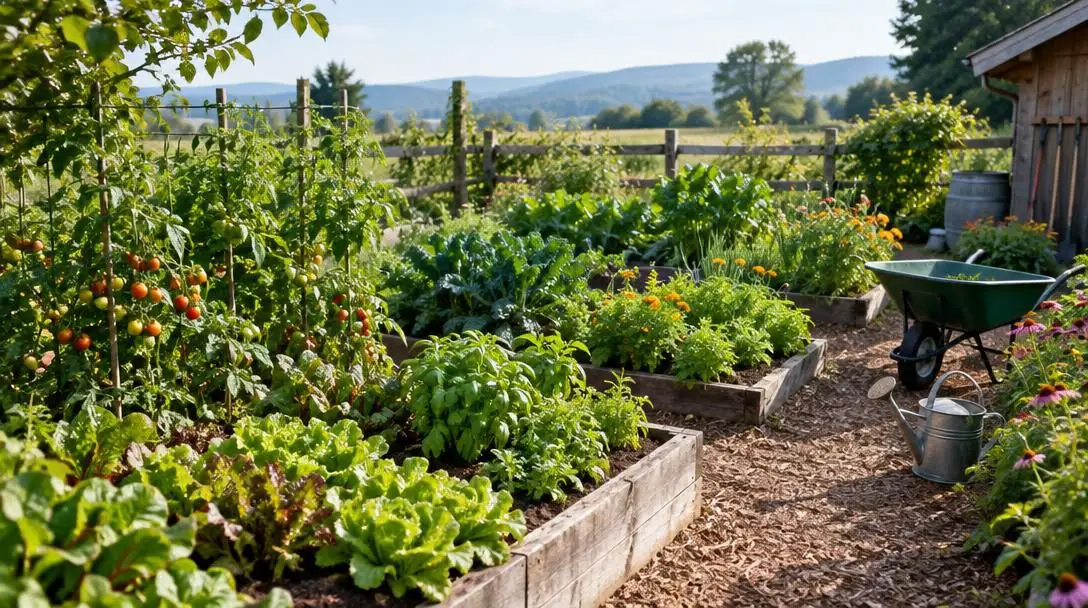
Growing an organic garden transforms an ordinary outdoor space into a dynamic biological sanctuary that yields fresh, wholesome produce and vibrant flowers. By relying on natural ecosystems rather than artificial additives and synthetic chemicals, gardeners gain absolute certainty over how their food is grown. For many home growers, knowing their harvest is completely free from mystery chemical residues offers profound peace of mind and makes the entire gardening process deeply satisfying.
While cultivating an organic plot demands patience, physical dedication, and thoughtful planning, the foundational methods are straightforward enough for novice gardeners to master. Whether you are assembling a modest collection of potted herbs on an apartment balcony, constructing a backyard raised bed for vegetables, or establishing a landscape of native flowers, the underlying approach remains identical: you work in harmony with natural cycles to feed the earth, nurture plant life, and enjoy clean harvests.
Key takeaways
- Organic gardening treats the entire growing area as an interconnected biological community rather than relying on synthetic chemical fixes.
- Adding compost and organic matter annually preserves soil aeration, improves moisture retention, and delivers essential micronutrients.
- Sunlight availability dictates crop placement, with most vegetables requiring six to eight hours of direct light while native flowers tolerate more shade.
- Companion planting and beneficial predators like ladybugs offer proven, chemical-free methods for managing common garden pests.
The Organic Difference: Natural Systems Versus Chemical Fixes
Conventional gardening often treats problems like nutrient-depleted dirt and insect outbreaks in isolation. When crops show signs of distress, conventional practices routinely call for synthetic fertilizers, chemical herbicides, and chemical sprays. While these quick-fix measures may temporarily mask the symptoms, they frequently trigger long-lasting negative consequences for soil vitality, local waterways, and native insect populations.
Organic gardening, by contrast, takes a holistic view of the growing environment. Instead of viewing crops as standalone items that require ongoing chemical interventions, organic growers recognize that the garden is a living community. When you nourish the soil with compost and natural amendments, you foster an active microscopic ecosystem beneath the surface. This subterranean biological activity breaks down organic materials and feeds plant roots in a balanced, sustained manner.
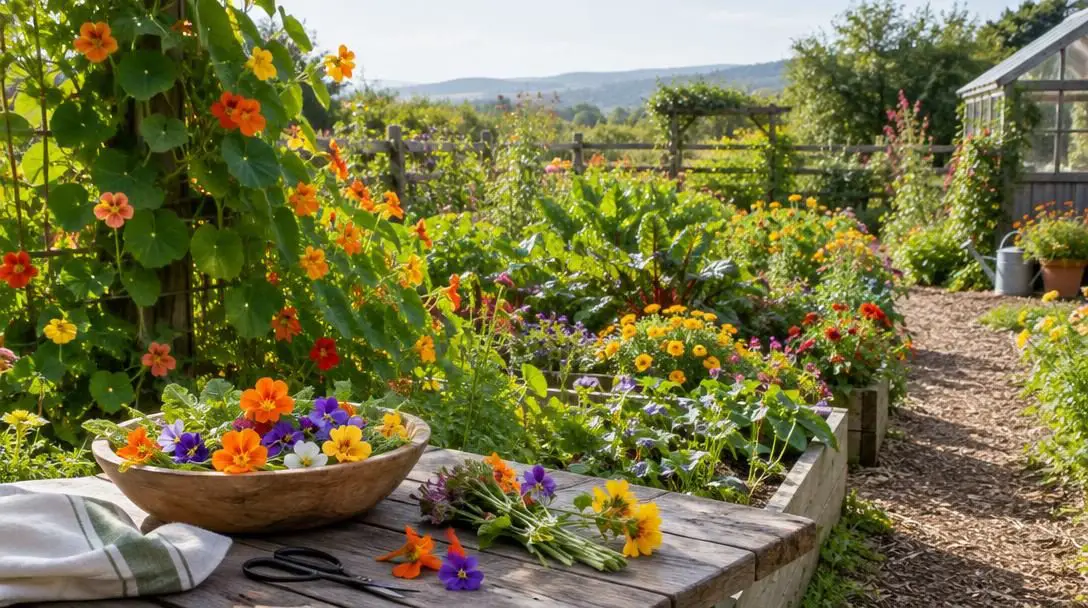
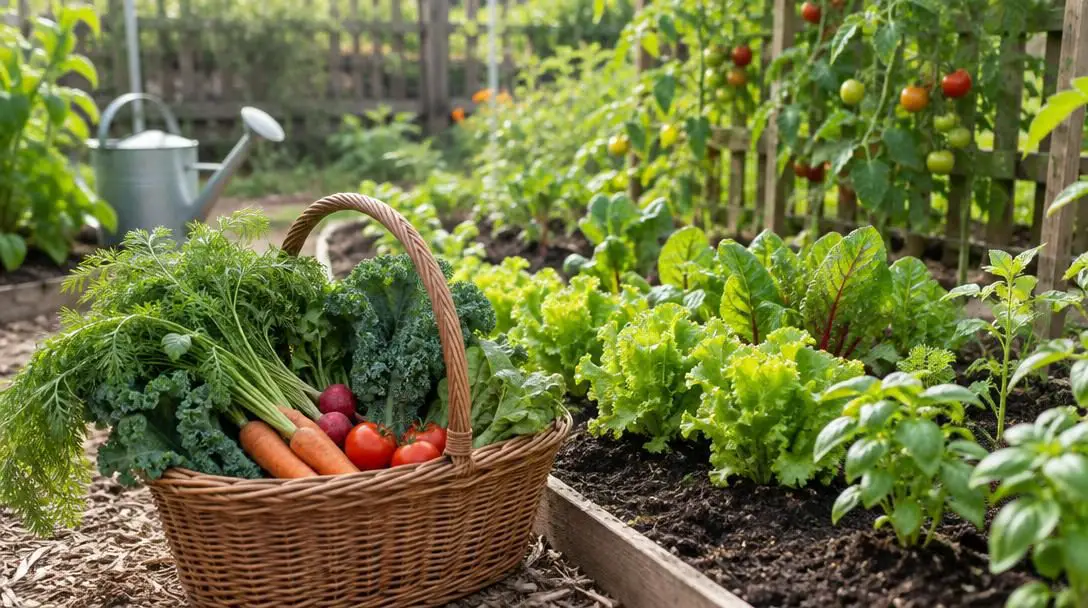
Organic gardening succeeds by working alongside natural cycles to nourish the earth rather than depending on synthetic chemicals.
Pest management follows a similarly balanced philosophy. Damaging insects are controlled through natural predators, physical barriers, manual removal, or mild soapy sprays rather than broad-spectrum poisons. By selecting plants adapted to your regional climate, integrating companion planting configurations, and prioritizing soil fertility, you create a self-regulating garden that experiences less environmental stress and demands less artificial intervention over time.
Core Principles of Organic Cultivation
To cultivate a resilient garden, you must understand the basic ecological mechanics that drive wild habitats. Nature produces lush forests and thriving grasslands without synthetic inputs, and mirroring these natural dynamics inside your garden beds leads to sustainable, long-term success.
Soil as a Living Habitat
Healthy garden soil is not an inert medium that simply anchors root systems; it is a complex, active biological habitat. Soil requires a delicate balance of moisture retention and proper aeration so roots can breathe without suffocating. Amending your beds annually with rich compost or decomposing organic material replenishes vital micronutrients, restores fertility, and preserves a loose, crumbly soil structure that enables roots to penetrate deep into the ground.
Local Plant Adaptation
Every fruit, vegetable, herb, and flower evolves to flourish within specific environmental conditions. Varieties that are native to your distinct geographical area are naturally adapted to local temperatures, seasonal shifts, and rainfall patterns. Because native species have developed natural defenses against local climate extremes, incorporating them into your landscape lowers routine maintenance demands and reduces the need for supplemental care.
Companion Planting Partnerships
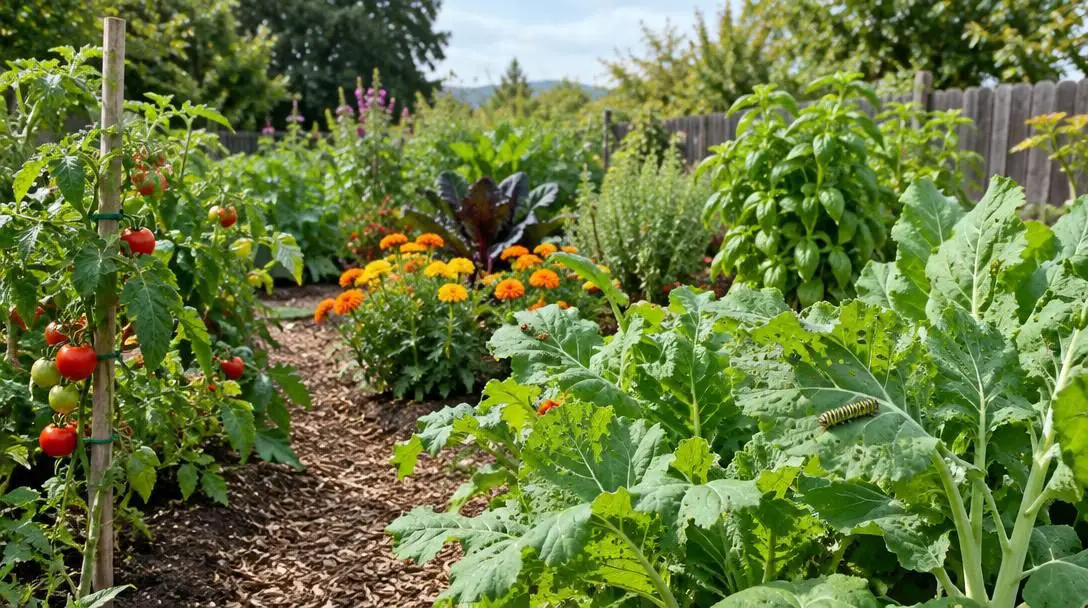
In wild ecosystems, plant varieties rarely grow in segregated monocultures. Companion planting is the strategic practice of growing complementary plant species side by side in the garden bed. These deliberate pairings can optimize space, boost yields, and deliver natural pest control benefits without chemical aids, creating a productive micro-environment where neighboring plants actively assist one another.
Integrated Pest Management
An organic approach treats insects as a natural component of the garden ecosystem rather than an immediate threat requiring eradication. Many insects, such as ladybugs, serve as beneficial predators that consume damaging bugs before infestations spread. When harmful pests do establish a foothold, non-toxic tactics—such as hand picking insects from leaves or applying mild soaps—protect your plants without wiping out helpful pollinators or upsetting ecological balance.
Choosing the Right Plants for Your Space
Selecting what to plant requires balancing your household culinary preferences against the physical realities of your garden site. Sunlight levels, available surface space, and local weather conditions should all guide your seed and nursery selections.
| Plant Category | Sunlight Requirements | Space Adaptability | Primary Garden Benefit |
|---|---|---|---|
| Vegetables and Fruits | Full sun (6 to 8 hours daily) | Raised beds, garden plots, or deep planters | Yields fresh, nutrient-dense homegrown food |
| Culinary and Medicinal Herbs | Moderate to full sun (4 to 6+ hours) | Containers, window boxes, and bed margins | Provides kitchen seasonings and natural pest deterrence |
| Native Flowers | Variable (thrives in partial shade to full sun) | Garden borders, dedicated plots, and open yard spaces | Supports local pollinators and stabilizes native ecosystems |
Vegetables and Fruits
Cultivating edible produce allows you to harvest exceptional, nutrient-rich food right outside your door. However, fruiting crops have demanding environmental requirements. Most garden vegetables demand six to eight hours of direct sunlight every single day to flower and set fruit properly. Before situating an edible garden, observe how sunlight and shadows track across your property throughout the day so you do not locate sun-loving crops beneath trees or roof eaves.
Culinary and Medicinal Herbs
Herbs provide intense flavor, visual charm, and pleasant aromas while occupying minimal square footage. They are particularly well suited to compact container gardens, patio pots, balcony planters, and the open edges of larger vegetable beds. Furthermore, many aromatic herbs double as fantastic companion plants, emitting scents that confuse or repel common vegetable pests when interspersed throughout your primary growing beds.
Native Flowers
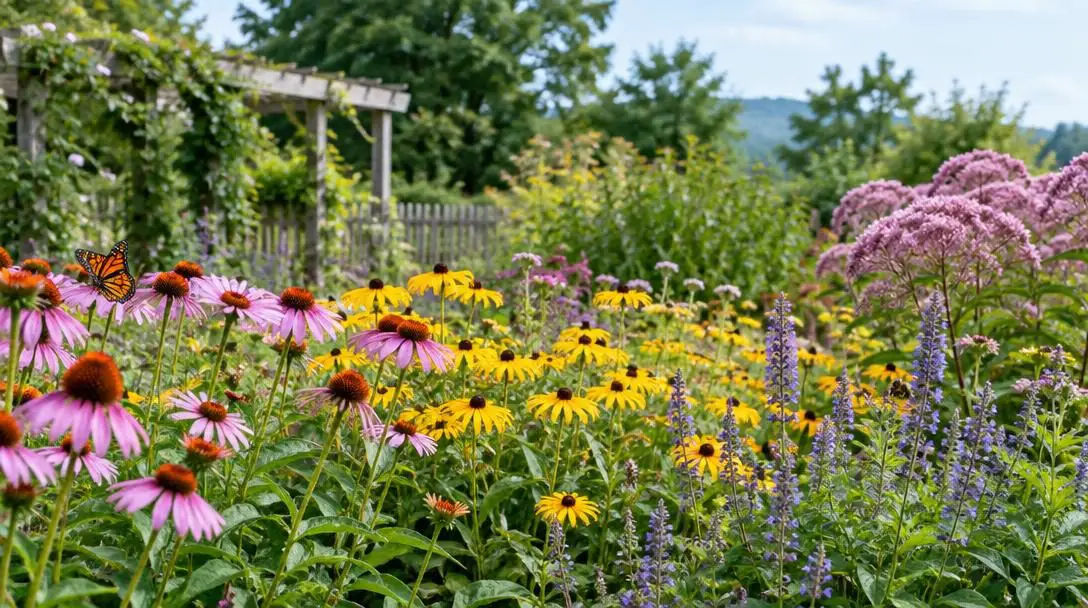
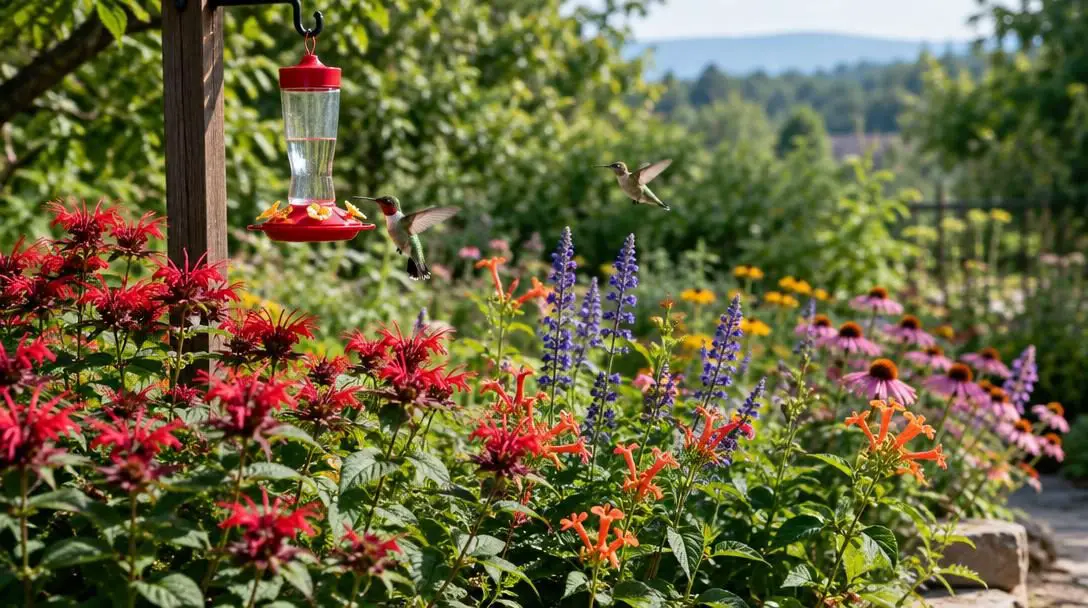
Native flowers are ideal for filling landscape borders, beautifying garden perimeters, and welcoming local pollinators. Unlike edible crops that typically require intense, uninterrupted sunlight, many native flowers originate in meadow or woodland settings and tolerate partial shade throughout the day. Integrating native flowering species introduces continuous color across the seasons while demanding far less supplemental water and attention than exotic decorative plants.
Step-by-Step Guide to Establishing Your Organic Garden
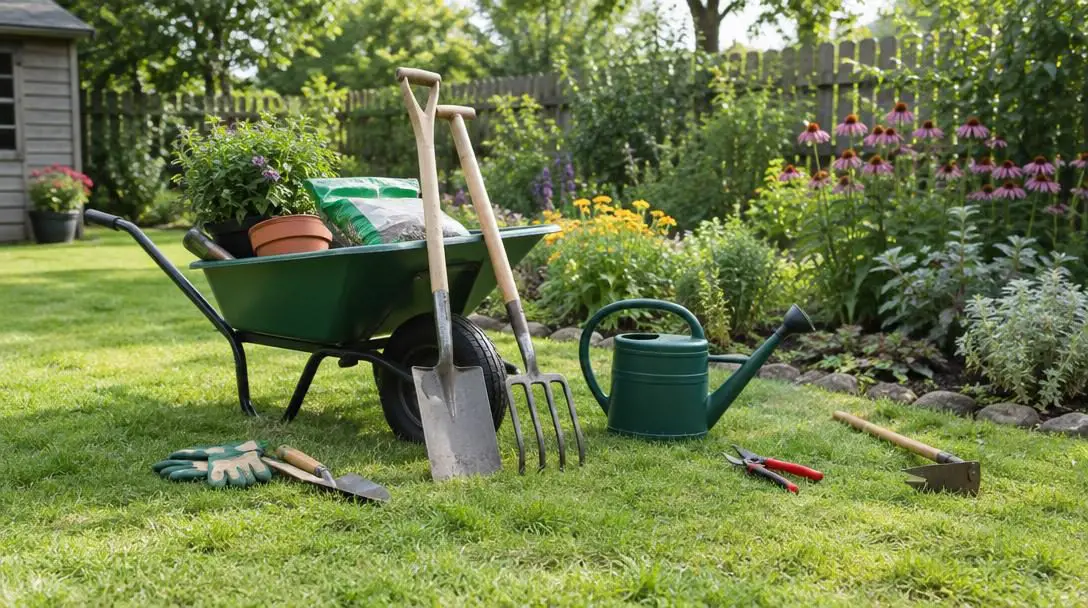
Building an organic garden from scratch requires methodical preparation. Proceeding through these practical steps ensures that your plants enter an environment structured for immediate growth and long-term vitality.
- Research your regional environment: Determine which vegetables, herbs, fruits, and flowers are suited to your regional climate and growing zone. Map your yard to identify which locations receive intense, direct sunlight and which areas remain cast in partial or full shade throughout the day.
- Select your growing format: Decide whether to plant directly into native ground soil, construct raised beds, or arrange free-standing containers. If using planters or raised boxes, obtain pre-made soil blends that incorporate peat moss, perlite, or vermiculite to maximize water drainage and prevent compacted, waterlogged root zones.
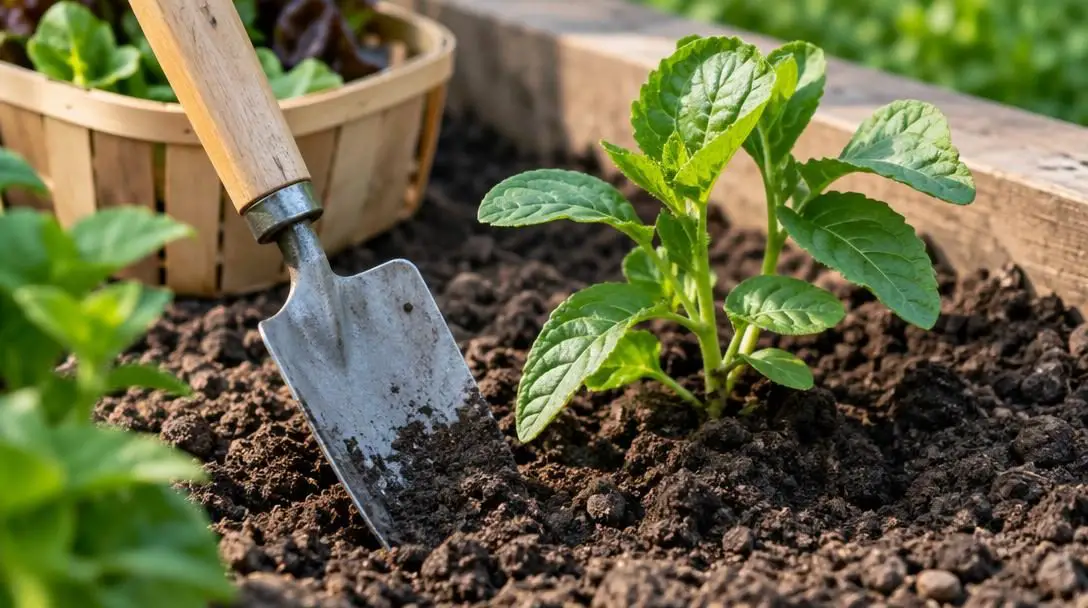
- Amend and prepare the soil: For in-ground gardens, work generous quantities of compost or organic material into the top layers of dirt. This foundational practice breaks up hard ground, restores vital fertility, balances soil moisture retention, and infuses essential micronutrients.
- Map out a companion planting scheme: Diagram your garden beds before picking up a trowel. Group plants according to their daily sun and water needs, and position complementary companions alongside one another to foster natural pest resistance and maximize space efficiency.
- Sow seeds and transplants to proper specifications: Follow the detailed instructions on seed packets regarding seed depth coverage and spacing. Sowing at the correct depth ensures adequate moisture and darkness for germination, while proper plant spacing prevents mature crops from competing for sunlight and airflow.
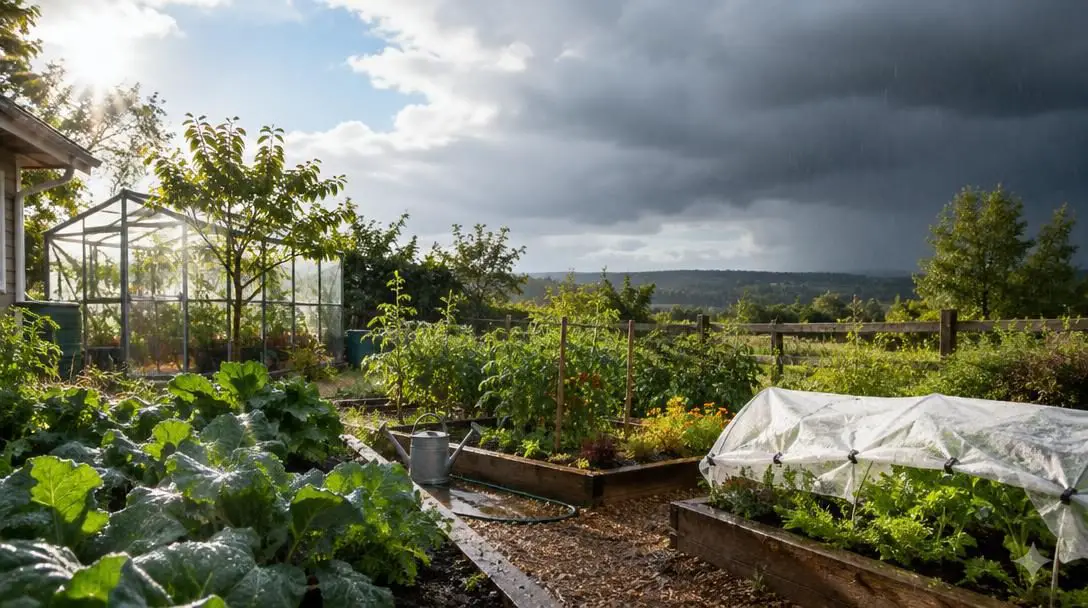
- Establish a responsive watering routine: Water your plants based on actual environmental conditions rather than adhering strictly to a rigid calendar. Most garden plants require watering every few days during warm, sunny spells. If natural rainfall has been steady, avoid adding supplemental water, as saturated soil suffocates root systems.
- Perform consistent manual weeding: Make pulling weeds an ongoing habit. Removing weeds eliminates invasive competitors that steal soil nutrients, available moisture, and physical space from your crops. Consistent removal also stops weeds from flowering and casting seeds across the garden via the wind.
- Monitor plants and manage pests naturally: Walk your garden beds regularly to check the undersides of leaves for unwanted pests. Allow beneficial predators like ladybugs to address minor bug populations, remove larger problem pests by hand picking them from foliage, and apply gentle soaps for stubborn infestations.
Common Organic Gardening Mistakes to Avoid
New gardeners often encounter preventable challenges during their initial growing seasons. Keeping these common pitfalls in mind helps you sidestep frustrating losses and maintain healthy, vigorous crops.
- Neglecting upfront soil conditioning: Sowing directly into depleted, hard-packed earth without working in compost or organic amendments restricts root penetration and starves crops of micronutrients, leading to stunted foliage and poor yields.
- Overlooking direct sunlight requirements: Locating full-sun vegetables in shaded areas causes leggy, weak stems and prevents plants from setting fruit. Edible crops must receive their required six to eight hours of direct sunlight daily.
- Ignoring seed depth and spacing guidelines: Sowing seeds too deeply exhausts their stored energy before shoots can break through the soil surface. Conversely, crowding seedlings too closely together forces plants to fight for moisture, light, and root space.
- Overwatering during periods of heavy rain: Supplemental irrigation during damp, rainy stretches can waterlog garden beds, drowning root hairs and encouraging deadly fungal rot. Always assess soil moisture beneath the surface before watering.
- Allowing weeds to establish seed heads: Delaying weeding allows unwanted weeds to rob valuable soil nutrients and moisture from desirable plants. If weeds mature and set seeds, the wind will disperse them throughout your entire garden plot.
- Reaching for synthetic chemical sprays: Spraying artificial insecticides at the first sign of bug damage disrupts the garden's biological equilibrium, kills off beneficial predators like ladybugs, and introduces toxic residues to food crops.
Long-Term Strategies for Sustainable Garden Health
Once your initial garden plot is established and productive, you can shift your attention toward maintaining long-term vitality. Organic gardening relies on compound benefits: the care and organic amendments you invest into the earth today create richer, more resilient soil for subsequent growing seasons.
Establish a regular plan for sourcing and applying compost every year. Because annual crops draw nutrients out of the earth as they mature, replenishing the beds each spring or autumn ensures that future plantings have immediate access to essential micronutrients and healthy soil structure. Developing a steady compost routine keeps soil spongy, aerated, and microbiologically active year after year.
Take time to observe and document how different plant varieties perform throughout the season. Keep a garden journal to track planting dates, spacing successes, pest occurrences, and watering adjustments. Over time, these records will reveal which companion planting configurations deliver the highest yields in your specific microclimate. You can gradually introduce a wider array of native perennial flowers along border areas, enhancing visual appeal in partially shaded zones and sustaining a permanent population of beneficial insects to protect your harvest.
Frequently asked questions
How many hours of sunlight do edible garden crops require?
Most edible vegetables and fruits require between six to eight hours of direct, unfiltered sunlight every day to grow vigorously, flower, and produce fruit. Be sure to track the sun's path across your yard before planting edible beds.
How can I eliminate garden pests without using synthetic chemical sprays?
You can manage pest populations naturally by encouraging predatory insects like ladybugs, hand picking larger bugs directly off foliage, and applying mild soaps to target localized infestations without harming the broader ecosystem.
What type of soil is recommended for raised beds and container gardens?
Raised beds and containers perform best with specialized potting mixes that contain organic matter alongside drainage-enhancing ingredients such as peat moss, perlite, or vermiculite to keep the soil loose, aerated, and free from compaction.
How often should an organic garden receive water?
As a baseline, plants typically need watering every few days during warm, sunny periods. However, watering should always respond to real-time conditions; if rainfall is regular and the soil feels moist, supplemental watering is not necessary.
Why is companion planting beneficial in an organic garden?
Companion planting groups mutually supportive species together to deter pests naturally, optimize available soil and sun space, and improve overall crop yields without needing artificial fertilizers or chemical insect deterrents.
The bottom line
Starting an organic garden is one of the most rewarding ways to interact with the natural world while putting clean, delicious food on your family table. Success does not hinge on complex chemical formulas or expensive synthetic interventions; it depends on thoughtful observation, regular soil nourishment, and respect for natural biological processes.
By investing in your soil with regular compost additions, placing crops where their sunlight needs are met, and partnering with beneficial wildlife for pest defense, you cultivate an outdoor space that grows more self-sustaining with every passing season. Take the process one step at a time, observe how your garden responds, and enjoy the clean, wholesome harvest that comes from working alongside nature.