Classes in DnD: Get To Grips With This Basic Concept

In Dungeons & Dragons, building an adventurer begins with selecting a class. Your chosen class serves as the core blueprint for everything your character accomplishes at the gaming table, dictating how you overcome unexpected obstacles, fight dangerous monsters, and converse with allies or non-player characters. The standard rules present 12 basic classes, each engineered with distinct strengths, vulnerabilities, and specialized roles across exploration, diplomacy, and tactical combat.
Because no single archetype can master every dimension of the game, adventuring parties rely on teamwork. While some characters charge into the front lines to absorb punishment and trade physical blows, others manipulate magical energies from afar or use silver-tongued charm to resolve tense disputes. Understanding the fundamentals of these 12 archetypes ensures you can easily find an option that matches your personal interests and preferred playstyle.
Key takeaways
- Your class dictates your capabilities in combat encounters, exploration tasks, and social interactions.
- No individual class excels at everything, making party balance and mutual support essential for survival.
- Front-line warriors prioritize physical resilience, while support and ranged casters rely on positioning and tactical spell selection.
- Beginners can narrow their choices by evaluating preferred combat distances, party needs, and mechanical complexity.
At a glance: comparing the 12 D&D classes
To help you decide which archetype fits your intended playstyle, review this summary comparing combat positioning, tactical strengths, and core trade-offs across all 12 classes featured in the primary rules.
| Class | Primary Position | Key Strengths | Primary Trade-off |
|---|---|---|---|
| Barbarian | Front line | Massive hit points, raw strength, heavy melee damage | Lower intelligence and charisma |
| Bard | Flanks and support | High charisma, team morale support, versatile spells | Low direct damage, fragile defenses |
| Cleric | Front line or ranged | High constitution, divine magic, durable defenses | Requires balancing casting with physical engagement |
| Druid | Flexible / Mid-line | Beast shape-shifting, high wisdom, potent offensive damage | Lacks the heavier armor worn by clerics |
| Fighter | Front line or ranged | High tactical adaptability, intelligent combat, deep development | Smaller physical frame than a barbarian |
| Monk | Mobile skirmisher | Unarmed martial strikes, poison immunity, hazard resistance | Avoids conventional weapons and heavy plating |
| Paladin | Front line | Heavy armor, divine power, commanding charisma | Requires high strength and presence to excel |
| Ranger | Long range | High dexterity, arrow precision, wilderness wisdom | Relies on staying at a distance from melee brawls |
| Rogue | Hit-and-run mobile | Precision sneak strikes, lockpicking, trap disarming | Vulnerable when trapped in extended melee combat |
| Sorcerer | Long range | High charisma, versatile offensive and healing magic | Restricted total selection of known spells |
| Warlock | Long range | Potent offensive output, high constitution, durable resilience | Must maintain steady positioning to maximize long-range power |
| Wizard | Back line / Flexible | Extensive arcane skill points, adaptable combat or social builds | Requires careful tactical preparation and study |
A complete guide to the 12 basic character classes
Every archetype brings distinct mechanical features and thematic flavor to an adventure. Exploring each class in detail highlights what makes them thrilling to play and where they face notable vulnerabilities.
Barbarian
- Combat Role: Front-line physical damage dealer and tank
- Core Strengths: Massive hit point pool and high physical strength
- Key Weakness: Reduced intelligence and charisma
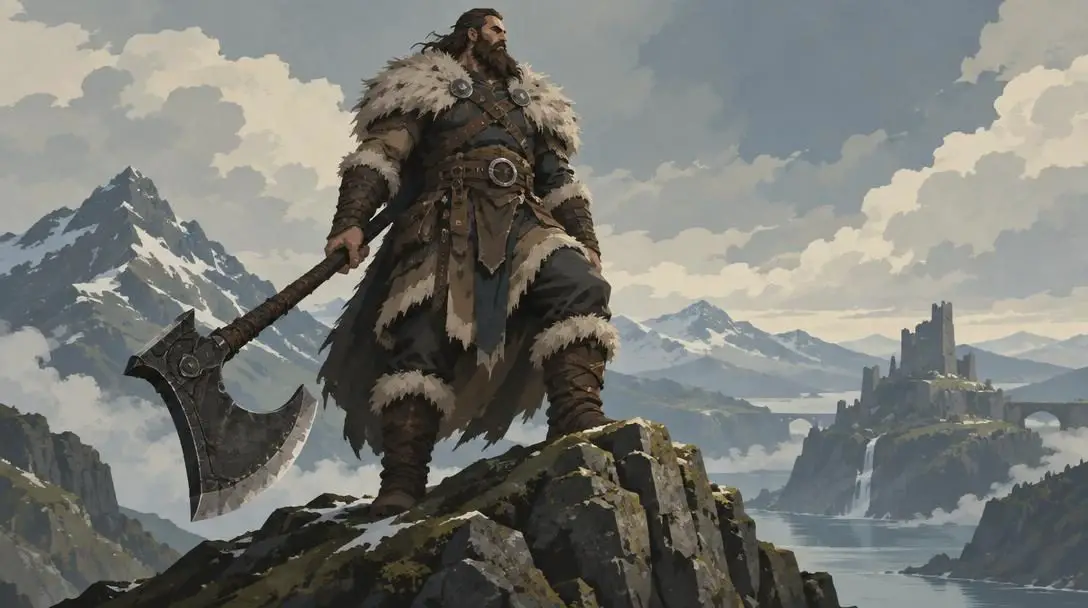
The barbarian is a large, lumbering combatant who relies on unmatched physical presence to dominate battles. Endowed with exceptional strength and an enormous reserve of hit points, barbarians can sustain tremendous punishment while dealing massive melee damage to hostile creatures. They serve as the quintessential physical anchor for any adventuring party, providing dependable brute force when combat turns chaotic.
However, that raw physical power comes with obvious intellectual trade-offs. Barbarians typically possess low charisma and intelligence, meaning they rarely shine during subtle diplomatic discussions, historical research, or tasks demanding deep academic study. Even so, their unmatched durability makes them formidable front-line warriors.
Bard

- Combat Role: Sideline support and crowd control
- Core Strengths: High charisma and versatile morale-boosting magic
- Key Weakness: Fragile defenses and low direct damage output
Bards are iconic traveling entertainers and musicians who use song, poetry, and charm to bolster their companions. Naturally charismatic, a bard uses magic to lift the spirits of the party and cast spells that extract friends from hazardous predicaments. They are versatile team players who ensure everyone else performs at their peak.
Direct combat is where bards must tread carefully. They generate minimal damage on their own and can be quickly eliminated if caught unprotected by enemy forces. When operating safely from the periphery of a skirmish, however, their tactical support is invaluable.
Cleric

- Combat Role: Durable divine caster and front-line warrior
- Core Strengths: High constitution, divine spells, and strong ranged attacks
- Key Advantage: Greater intelligence and wisdom than purely martial classes
A cleric represents the holy spirit in battle, merging substantial physical constitution with divine magic. While sharing the barbarian's capacity to deal significant damage in close quarters, the cleric offers superior intellectual depth, high wisdom, and effective ranged magical capabilities. They can trade blows with fierce enemies while using divine power to assist the team from afar.
Because they possess both protective durability and diverse magical options, clerics represent one of the safest and most well-rounded choices for beginners. They rarely find themselves useless in an encounter, transitioning effortlessly between offense, defense, and long-range utility.
Druid

- Combat Role: Shape-shifting nature caster and damage dealer
- Core Strengths: Beast form transformations, high wisdom, and constitution
- Key Weakness: Lacks the heavy armor worn by clerics
Druids share many core traits with clerics, focusing their capabilities through wisdom and constitution. However, druids forgo the heavy metallic armor found on clerics, leaving them more susceptible to incoming damage when direct strikes land. They compensate for this vulnerability by dealing formidable offensive damage and commanding the powers of the natural world.
Their most defining feature is the power to change forms during combat. By transforming into various beasts, druids can adapt to evolving battlefield conditions, gaining temporary physical strength, speed, or utility to overcome sudden obstacles.
Fighter
- Combat Role: Adaptable tactical warrior
- Core Strengths: Dual close-range and distance combat proficiency
- Key Advantage: Greater intelligence and broad character development pathways
Fighters are disciplined masters of martial conflict. Though generally smaller in physical stature than the towering barbarian, fighters are much more intelligent and knowledgeable regarding the art of war. They demonstrate remarkable flexibility, transitioning seamlessly between melee weapons and long-range archery depending on what tactical circumstances require.
A major benefit of playing a fighter is the vast potential for personal growth and character development. Players can mold a fighter's combat style throughout an extended campaign, crafting a disciplined specialist tailored precisely to their mechanical preferences.
Monk

- Combat Role: Unarmed mobile combatant
- Core Strengths: High unarmed damage, solid defense, and speed
- Key Advantage: Inherent immunity to many poisons and non-combat damage
The monk provides an alternative for players who want to dish out significant punishment without swinging heavy swords or wielding shields. Masters of unarmed martial arts, monks use disciplined hand-to-hand strikes to inflict high damage while maintaining dependable natural defenses.
Monks possess rare physical resilience, featuring built-in immunities to various poisons and certain types of non-combat damage. This grants them exceptional survivability in environments filled with toxic hazards or traps that would otherwise incapacitate their armored peers.
Paladin
- Combat Role: Armored holy vanguard and party leader
- Core Strengths: Maximum armor protection, divine powers, and high strength
- Key Advantage: Commanding charisma that excels in social situations
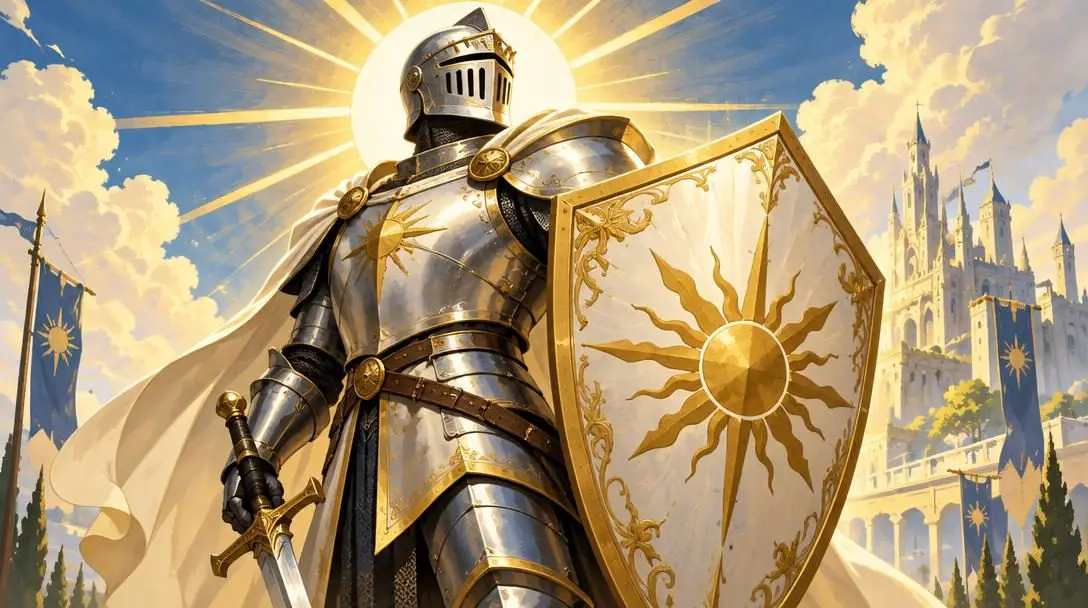
Paladins are holy champions clad in heavy armor, functioning as luminous forces of light on the battlefield. Blessed by divine spirits, they rival the strongest martial classes in close combat while wielding sacred magic to vanquish evil foes. They are natural front-line anchors who draw the attention of dangerous threats.
While paladins share similarities with clerics, paladins feature higher overall strength and charisma. This blend of martial might and commanding presence makes them equally dangerous in physical combat and persuasive during critical social interactions.
Ranger
- Combat Role: Long-range scout and skirmisher
- Core Strengths: Exceptional dexterity and accurate bowmanship
- Key Advantage: High wisdom and wild terrain navigation
While modern definitions of a ranger might evoke mounted patrols carrying firearms, the fantasy archetype is a wilderness scout wise beyond their years. Rangers rely on superior dexterity to loose arrows with pinpoint accuracy from distant vantage points and traverse perilous, untamed terrain without losing their bearings.
Because of their reliable ranged combat options and wilderness utility, rangers are exceptionally friendly to newcomers. They allow beginners to contribute consistently in battle from a safe distance while providing essential exploration support between encounters.
Rogue
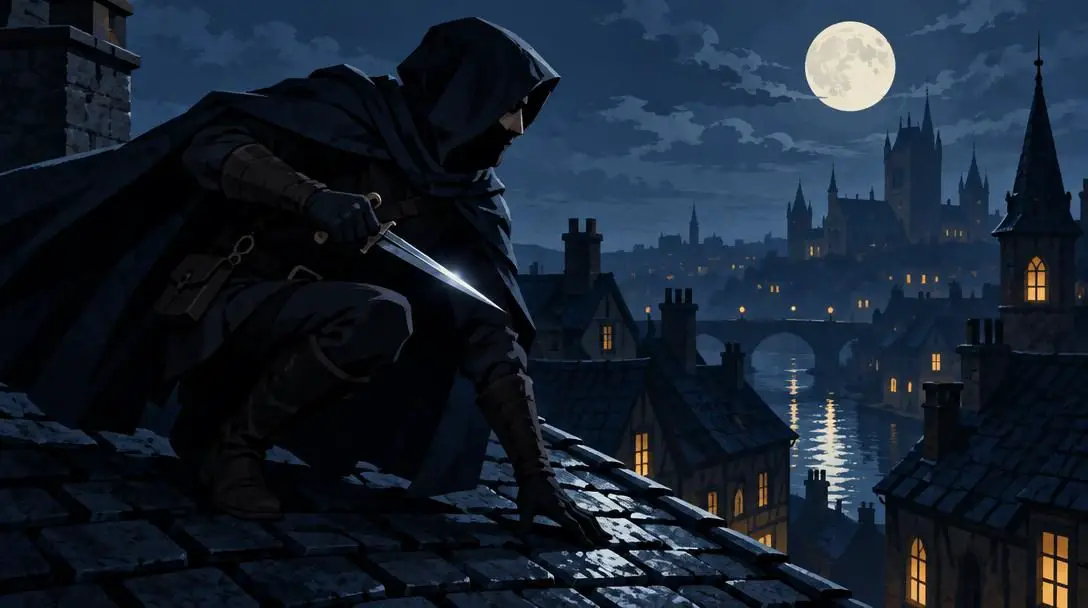
- Combat Role: Precision assassin and infiltrator
- Core Strengths: Hit-and-run strikes and social charisma
- Key Non-Combat Utility: Lockpicking, trap disarming, and stealth scouting
Operating from the shadows, the rogue relies on precision, timing, and finesse rather than standing toe-to-toe in protracted melee brawls. Similar to monks in their reliance on mobility, rogues feature higher charisma and excel at striking vulnerable points before rapidly retreating out of retaliatory reach.
Outside of battle, rogues provide peerless utility. Whenever the party encounters locked iron doors, deadly mechanical traps, or secret passageways requiring silent reconnaissance, the rogue steps forward to solve the problem.
Sorcerer
- Combat Role: Long-range magical artillery and utility
- Core Strengths: High charisma, high intelligence, and flexible spell output
- Key Limitation: Restricted total repertoire of learnable spells
While rangers strike from distant perches using bows, sorcerers deliver devastating offensive power through innate magic. Combining high intelligence and innate charisma, sorcerers can cast versatile spells capable of damaging clustered enemies or mending allied wounds when danger strikes.
The essential limitation of the sorcerer is their narrow spell selection. Sorcerers cannot learn every spell in existence, demanding that players choose their known magical repertoire carefully to avoid missing crucial tactical tools during key adventures.
Warlock
- Combat Role: Resilient long-range spellcaster
- Core Strengths: High constitution and devastating ranged attacks
- Key Advantage: Superior physical durability compared to typical casters
Warlocks elevate offensive spellcasting to extreme levels, delivering sustained, heavy damage across long distances. They are generally sturdier than sorcerers, backing up their offensive magic with impressive constitution scores that allow them to endure tough fights.
This balance of endurance and offensive firepower makes the warlock an intimidating combatant. They hold their ground under pressure without collapsing as easily as more fragile magical archetypes.
Wizard

- Combat Role: Arcane specialist and utility caster
- Core Strengths: Vast skill point distribution and deep arcane knowledge
- Key Advantage: Extreme versatility across combat and social encounters
The wizard represents the ultimate scholar of magic, backed by a wide distribution of skill points and vast arcane libraries. Depending on how a player structures their spellbook, a wizard can be shaped into an aggressive battlefield combatant or an insightful social charmer capable of manipulating complex interactions.
Because of this incredible flexibility, wizards reward strategic thinking and thoughtful preparation. Their deep reservoir of magical knowledge allows them to adapt to almost any challenge a dungeon master presents.
No single class can master every single element of the game, making adventuring party balance essential.
How class mechanics function during an adventure
Every class interacts with the rules of Dungeons & Dragons through three fundamental pillars: ability scores, battlefield positioning, and non-combat problem-solving.
Ability scores dictate your strengths. Barbarians and paladins demand superior strength to overpower enemies, whereas rangers and rogues depend upon dexterity for precision and stealth. Clerics, druids, and rangers utilize wisdom to read their environments and cast spells, while bards, sorcerers, paladins, and rogues leverage charisma to influence non-player characters. Constitution remains vital across all classes to maintain hit points, especially for durable warriors like clerics and warlocks.
Positioning shapes tactical survival. Barbarians, paladins, and fighters naturally form a protective frontline barrier using heavy armor and deep health reserves. Monks and rogues use speed to strike exposed targets before repositioning behind cover. Meanwhile, bards, rangers, sorcerers, and warlocks remain stationed at a distance to fire projectiles or cast spells without being swarmed.
Non-combat utility determines exploration success. When combat ends, classes shine in different ways. Bards and paladins take the lead during social disputes, rogues neutralize mechanical traps and pick locks, and druids and clerics interpret environmental omens or divine clues.
Step-by-step: choosing your first character class
Selecting from 12 distinct archetypes can be daunting for a beginner. Following a structured decision-making process will help you find the right match for your first campaign.
- Identify your ideal combat style: Decide whether you want to face monsters head-on with heavy weapons like a barbarian or fighter, strike from afar with a bow like a ranger, fight hand-to-hand like a monk, or cast spells from the side like a wizard, sorcerer, or warlock.
- Consider your role in the party: Examine what choices your fellow players are making. If the group already features multiple front-line warriors, bringing a supportive bard or a balanced cleric can provide vital team synergy.
- Evaluate mechanical complexity: If you prefer straightforward mechanics, well-rounded classes like the cleric or ranger are easy to integrate into your first session. Spellcasters like wizards and sorcerers require reading through spell catalogs and managing resources.
- Match your roleplaying preferences: Select a class whose narrative concept excites you. If you want to embody a charming entertainer, pick the bard; if you prefer an imposing holy warrior, choose the paladin.
Common mistakes new players make with classes
Navigating the rules for the first time can lead to tactical errors. Watching out for these common missteps will keep your adventurer alive:
- Ignoring defenses on fragile classes: Positioning lightly armored characters like bards in front of dangerous monsters often leads to them being knocked unconscious early in a fight.
- Misjudging armor limitations: While druids share high constitution and wisdom with clerics, they do not wear heavy metal armor and will take significant damage if exposed to direct melee assaults.
- Overextending with hit-and-run characters: Rogues are designed to deliver targeted precision damage and withdraw; lingering in extended melee trades with enemy bruisers quickly proves fatal.
- Expecting high damage from support roles: Bards shine by bolstering party spirits and casting utility magic; judging them purely on direct attack damage leads to frustration.
- Overlooking spell restrictions: Sorcerers cannot learn every spell in the game, so choosing an unbalanced or redundant spell list during character creation can handicap your party later.
Next steps after picking your class
Once you have selected your character class, take time to complete the remaining aspects of character creation to ensure you are ready for session one:
- Assemble proper equipment: Make sure your adventurer carries the specific weapons, armor, holy focuses, or specialized tools required to activate their class abilities.
- Develop a personal backstory: Connect your profession—whether you are a holy champion, wilderness tracker, or travelling performer—to the history and lore of the game world.
- Coordinate with your adventuring party: Discuss tactical roles and communication with your fellow players so your unique abilities mesh smoothly with their talents.
Frequently asked questions
Which D&D class is the easiest for beginners?
Clerics and rangers are two of the safest and most well-rounded choices for new adventurers. Clerics offer high durability and straightforward spellcasting, while rangers provide safe, reliable ranged attacks with simple wilderness navigation mechanics.
What is the difference between a sorcerer, warlock, and wizard?
Sorcerers rely on innate charisma and intelligence to cast flexible spells from a restricted list, warlocks use high constitution and resilience to unleash potent long-range attacks, and wizards use vast skill points to study and prepare a diverse selection of arcane spells.
Can a monk use weapons in combat?
Monks are specifically designed as masters of unarmed combat, utilizing bare-handed martial arts to deal heavy damage without relying on conventional weapons or shields.
Why should a party avoid having a rogue stay in melee combat?
Rogues are built for hit-and-run strikes relying on precision and timing. Unlike barbarians or paladins, they lack the defensive health pools and heavy armor required to survive extended toe-to-toe brawls.
How do druids differ from clerics defensively?
Although both classes share high constitution and wisdom scores, druids do not possess the heavy metallic armor options available to clerics, making druids more vulnerable to direct physical hits when outside their beast forms.
The bottom line
Every class in Dungeons & Dragons provides a unique lens through which to experience the game's shared storytelling and tactical challenges. Whether you decide to charge ahead as an imposing barbarian, mend wounds and smite foes as a cleric, or navigate shadows as a cunning rogue, your choice shapes how you interact with the fantasy world. By recognizing the strengths and limitations inherent to all 12 basic archetypes, you can assemble a well-balanced team, support your fellow adventurers, and embark on your campaign with complete confidence.