Companion Planting for Pest Control: Natural Solutions for Garden Problems
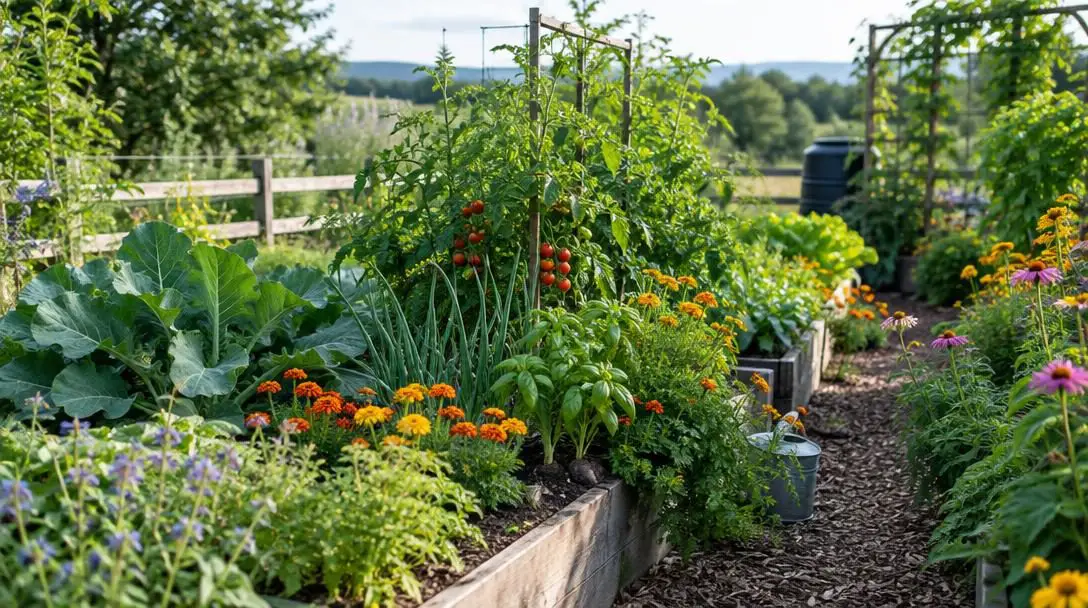
Maintaining a flourishing garden is a rewarding endeavor, yet keeping destructive pests from decimating your hard work remains one of the greatest obstacles gardeners face. Unchecked insect infestations can strip tender leaves, weaken vital stems, and damage fragile roots, leaving vegetables and ornamental plants struggling to mature or yield a harvest. In response, many home growers turn to synthetic chemical pesticides in search of a rapid fix, only to introduce toxic residues that linger on food crops, drift into neighboring spaces, and degrade the biological health of the soil.
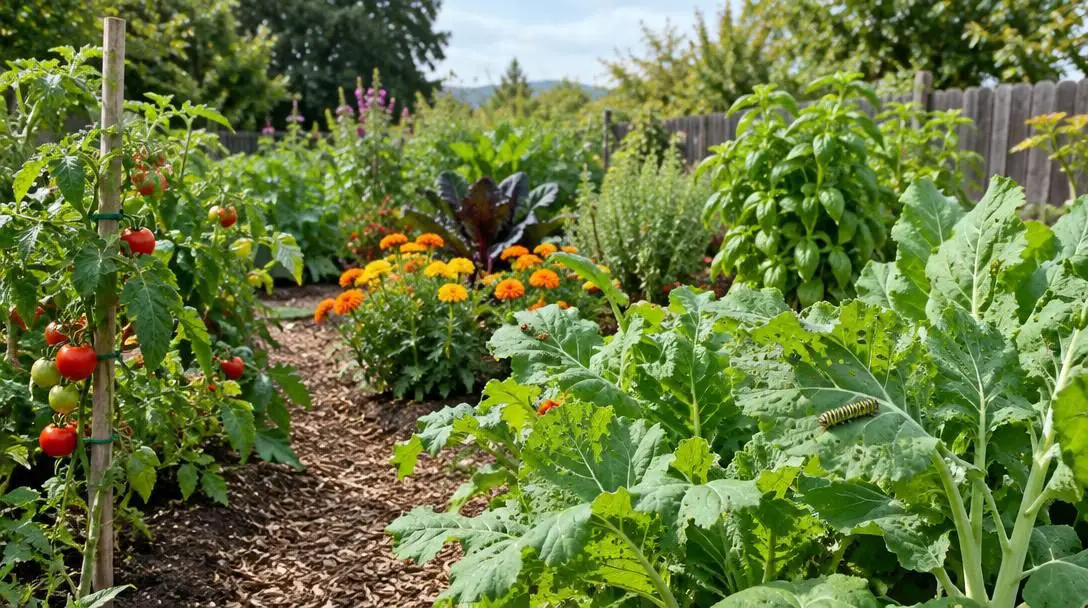
Fortunately, an ecological alternative exists that works in harmony with the environment: companion planting. By arranging complementary plant species alongside one another, growers can build a self-regulating garden ecosystem. This traditional horticultural technique uses natural plant scents, root exudates, and diverse floral structures to suppress destructive insects, attract voracious beneficial predators, and improve overall crop vitality without relying on chemical interventions.
Key takeaways
- Companion planting creates natural biological balance by pairing crops that deter pests, foster beneficial insects, or improve neighboring soil conditions.
- Aromatic herbs and flowers mask vulnerable vegetables from pests while below-ground root systems can suppress soil-borne organisms like nematodes.
- Flowering plants such as dill, parsley, fennel, alyssum, and yarrow provide critical nectar and pollen to sustain natural predators like ladybugs and lacewings.
- Vigorous spreaders like mint should be kept in containers to prevent underground runners from choking out adjacent vegetable roots.
- Achieving long-term pest management requires seasonal crop rotation and an acceptance of small, non-damaging pest populations to feed beneficial hunters.
How Companion Planting Works for Natural Pest Defense
Companion planting is fundamentally the practice of growing different plant varieties close together so they can exchange environmental benefits. Rather than cultivating vast, continuous monocultures of a single vegetable crop—which act as visual and aromatic beacons for specific pests—companion planting introduces physical and biological diversity into the garden bed. This practice relies on several distinct natural mechanisms to keep harmful organisms under control.
The first line of defense is scent masking and pest deterrence. Many herbs and flowering companion plants synthesize pungent essential oils and volatile compounds. When grown near target crops, these strong aromas confuse wandering insect pests that locate food sources through scent, masking the presence of vulnerable vegetables or driving pests away altogether.
A second crucial mechanism involves biological control through habitat creation. Destructive bugs like aphids, whiteflies, and spider mites have natural predators in the insect world. By interplanting nectar-rich and pollen-heavy companion flowers, gardeners provide an essential food supply and harborage for predatory species. These beneficial allies establish resident populations in your beds, patrolling leaves and stems for early infestations.
Companion planting relies on ecological balance rather than total extermination, using nature's own dynamics to manage pests.
Finally, companion plants offer below-ground biochemical advantages. Certain species produce natural root exudates that deter soil-dwelling parasites, including root-knot nematodes. Diverse root architectures also improve soil aeration, allow adjacent crops to access moisture more effectively, and build structural resilience against secondary stresses brought on by pest attacks.
Recognizing Common Garden Pests and Their Predators
Successful non-chemical pest management begins with close observation. Understanding which pests are feeding on your plants—and knowing which beneficial insects hunt them—allows you to select the most effective companion pairings for your garden beds.
| Pest Name | Feeding Behavior & Damage | Primary Natural Predators | Effective Companion Strategies |
|---|---|---|---|
| Aphids | Clusters of small, soft-bodied insects sucking sap on new growth and leaf undersides | Ladybugs, lacewing larvae | Mint, dill, parsley, fennel, alyssum |
| Spider Mites | Microscopic pests thriving in dry weather, causing stippled leaves and delicate webbing | Ladybugs | Yarrow, alyssum, diverse flowering borders |
| Whiteflies | Tiny, winged insects that flutter when disturbed, draining sap and weakening foliage | Lacewing larvae | Dill, fennel, flowering umbellifers |
| Caterpillars | Voracious moth and butterfly larvae that chew large, irregular holes in foliage and fruit | Praying mantises | Aromatic herb borders, companion shelter plantings |
Beneficial insects act as an organic defense system throughout the entire growing season. Ladybug adults and their larvae are active hunters that feed heavily on soft-bodied aphids and mites. Lacewings, particularly in their larval stage (often referred to as aphid lions), consume vast numbers of aphids, whiteflies, and other small soft-bodied insects. Meanwhile, large generalist hunters like the praying mantis camouflage themselves in foliage to ambush larger pests, including destructive caterpillars.
Proven Companion Plants for Vegetable Gardens
Selecting specific companion species allows you to target recurring insect problems while optimizing space in your raised beds and garden plots. The following plants offer well-documented benefits when integrated alongside vulnerable vegetable crops.
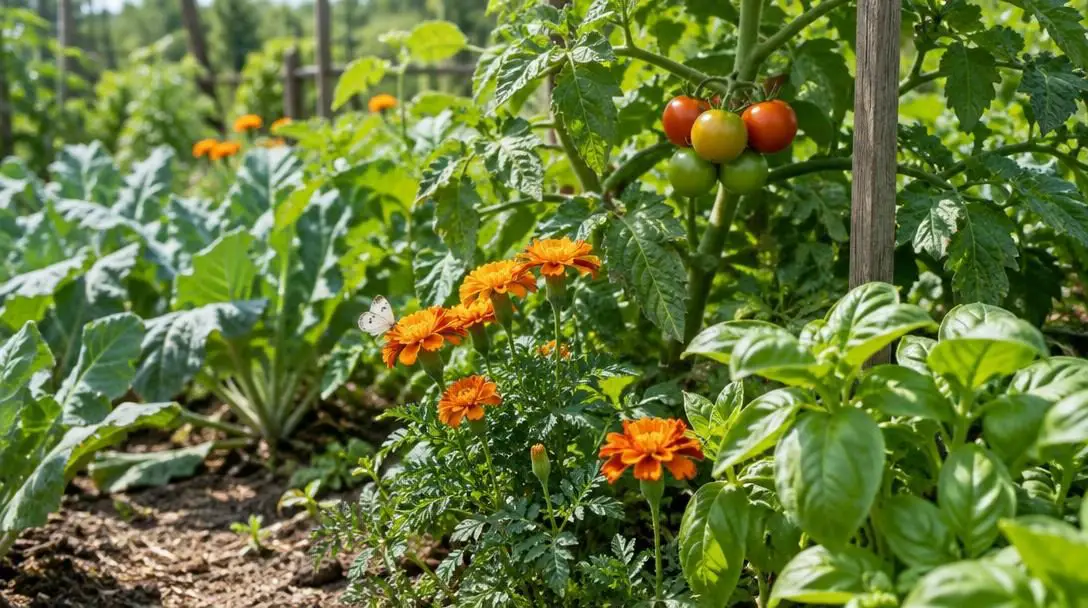
Marigolds
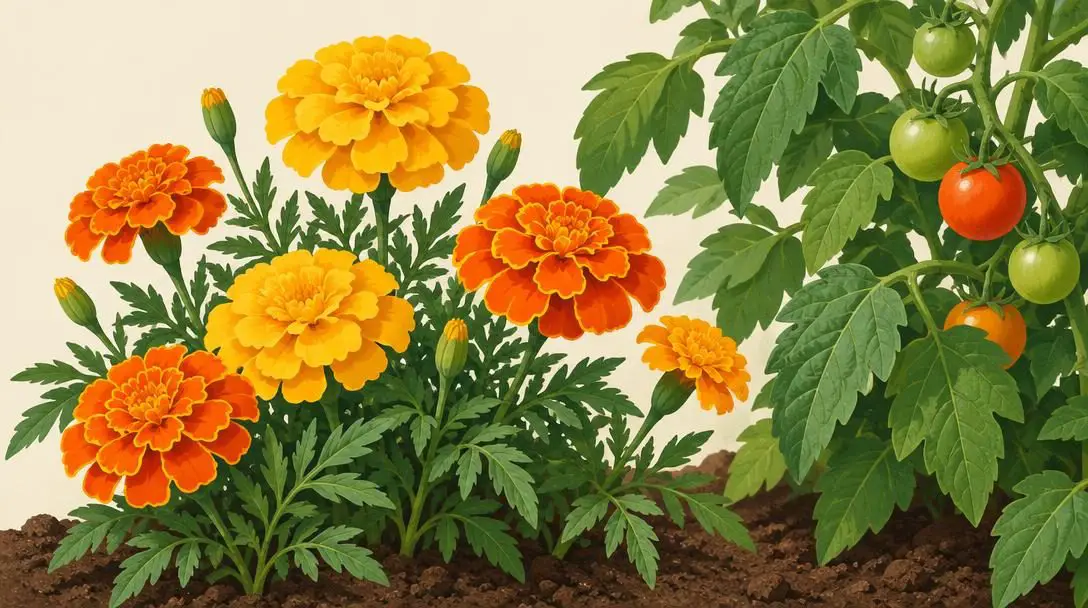
- Target Pests: Root nematodes
- Best Plant Partners: Tomatoes, eggplants, peppers
- Primary Mechanism: Soil-borne biochemical suppression
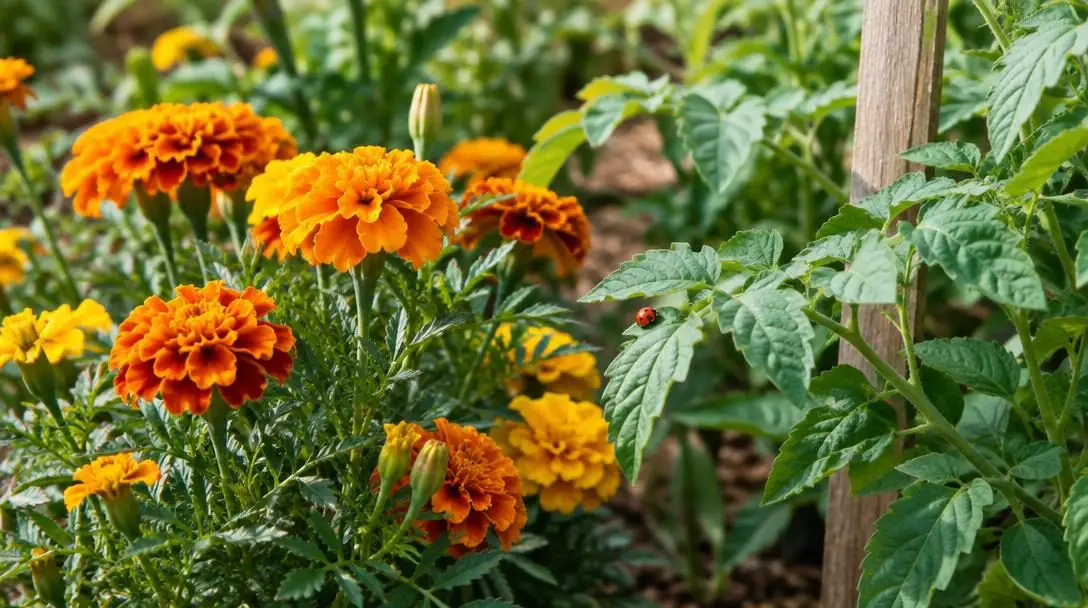
Bright and resilient, marigolds are celebrated garden companions, especially when grown around solanaceous vegetables such as tomatoes, eggplants, and peppers. Beyond their cheerful color, marigolds are prized for their unique ability to suppress parasitic root nematodes within the soil. Nematodes attack the root structures of sensitive crops, compromising their ability to draw up water and nutrients; interplanting marigolds creates an underground environment that shields developing vegetable roots from these destructive microscopic worms.
Basil
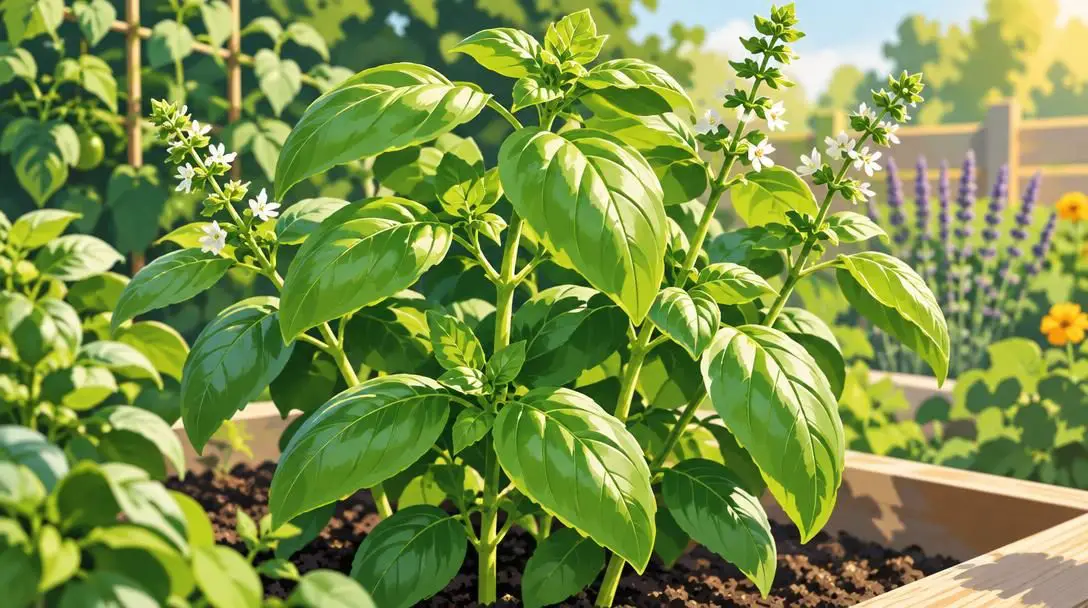
- Target Pests: Flies, mosquitoes, and sap-feeding pests
- Best Plant Partners: Tomatoes, peppers, eggplants
- Primary Mechanism: Aromatic deterrence and flavor enhancement
Basil is far more than a kitchen culinary staple; it serves as a powerful aromatic deterrent in the garden. When tucked alongside tomatoes, eggplants, and peppers, basil helps repel common nuisance insects like flies and mosquitoes while confusing foliage-eating pests. Gardeners also value the time-tested pairing of basil and tomatoes for its ability to reduce overall insect damage on maturing fruits while notably enhancing the flavor of the tomato harvest.
Mint
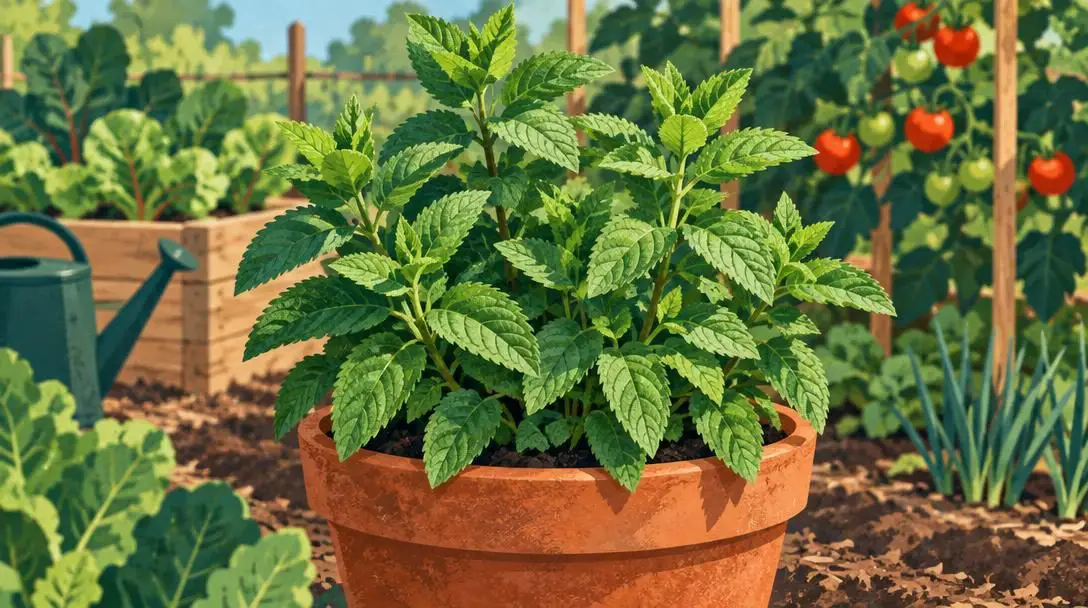
- Target Pests: Aphids and recurring harmful insects
- Best Plant Partners: Cabbage, tomatoes, peppers
- Primary Mechanism: Pungent scent masking
Mint possesses one of the most intense scent profiles in the garden, making it a formidable tool against aphids and other sap-sucking pests. Its volatile oils create an olfactory barrier that disrupts pest feeding on susceptible leafy vegetables. Planting mint near cabbage, peppers, or tomatoes delivers exceptional defensive results against recurring insect pressures.
Dill

- Target Pests: Aphids and soft-bodied foliage pests
- Best Plant Partners: General vegetable garden beds
- Primary Mechanism: Attracting lacewings and ladybugs
Dill belongs to the umbelliferous plant family, characterized by broad, umbrella-like flower heads. When allowed to bloom, dill's exposed floral clusters offer shallow, easily accessible pools of nectar and pollen. These flower heads serve as prime feeding stations for predatory lacewings and ladybugs, drawing them into the garden where they naturally hunt soft-bodied garden pests.
Parsley
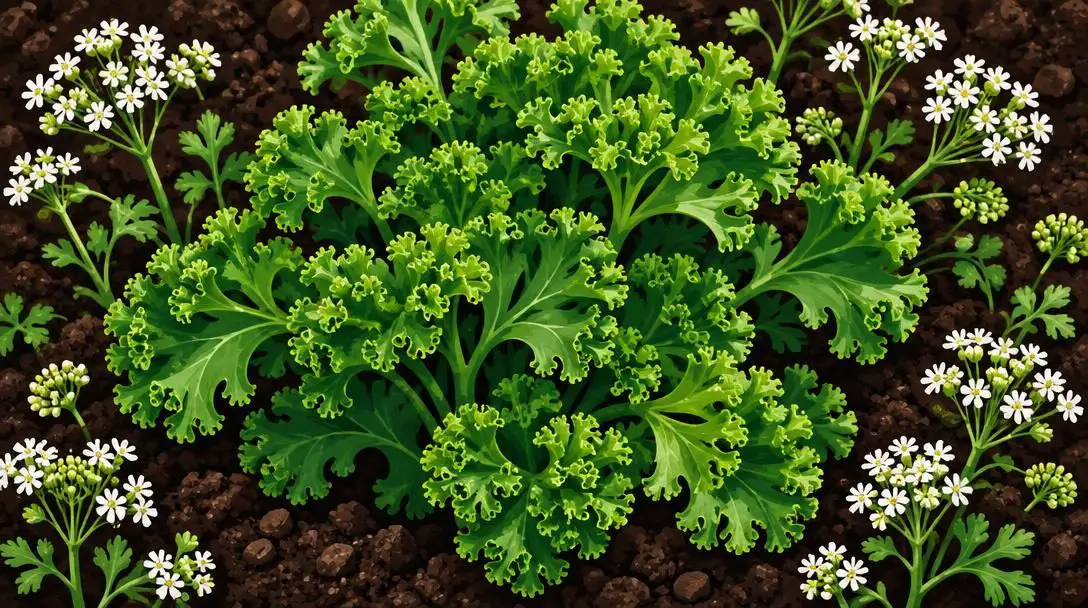
- Target Pests: Whiteflies, aphids, and mites
- Best Plant Partners: Vegetable borders and bed margins
- Primary Mechanism: Providing predatory insect forage
Like its relative dill, parsley develops wide, open floral blooms that attract essential beneficial insects. Planting parsley along the edges of vegetable beds ensures that adult lacewings and ladybugs have a steady supply of carbohydrates from nectar, encouraging them to lay eggs nearby so their predatory larvae can feast on whiteflies and aphids.
Fennel

- Target Pests: Aphids, caterpillars, and small destructive bugs
- Best Plant Partners: Insectary borders and perimeter beds
- Primary Mechanism: Pollen and nectar resource for beneficial insects
Fennel produces tall, yellow umbels that are magnets for predatory beneficial insects. Ladybugs and lacewings flock to flowering fennel, using its blooms as reliable sustenance between pest-hunting rounds. Positioning fennel strategically around your growing area bolsters natural biological control across all neighboring garden rows.
Practical Steps to Incorporate Companion Planting
Transitioning from conventional pest sprays to an ecological companion planting strategy requires deliberate planning and ongoing garden monitoring. Follow these steps to establish a productive, biologically balanced garden layout.
- Research and select compatible varieties: Determine which companion pairings suit your regional climate and native soil. Ensure that companion candidates share identical environmental requirements for full sunlight, soil pH, and watering schedules so that neither crop is stressed.
- Map your garden layout: Sketch a planting blueprint that intermingles vegetables with aromatic herbs and flowers instead of placing crops in isolated monoculture rows. Situate taller companions where they will not cast unwanted shade over low-growing, sun-loving vegetables.
- Stagger planting for continuous blooms: Plant flowering companions like alyssum, yarrow, dill, and parsley in successive intervals. Having nectar sources in bloom from early spring through late autumn ensures that predatory insects have continuous food and shelter.
- Implement annual crop rotation: Rotate crop families to fresh garden beds each year. Shifting tomatoes, brassicas, and their respective companions breaks the reproductive lifecycles of soil-borne pests and keeps nutrients balanced.
- Monitor pest and predator activity: Routinely inspect your plants, checking the undersides of leaves, tender growth tips, and the soil line. Look for beneficial hunters before deciding to intervene, and promptly remove any severely diseased foliage to prevent pathogens from spreading.
Mistakes to Avoid with Companion Gardening
While companion planting offers substantial organic benefits, specific missteps can hinder your garden's performance. Keep these common pitfalls in mind when organizing your growing space:
- Overcrowding the beds: Cramming companion plants too tightly around vegetables restricts airflow. Dense, wet foliage creates stagnant conditions where powdery mildew and other fungal diseases quickly take hold. Always respect mature plant spacing requirements.
- Allowing invasive roots to roam free: Planting aggressive spreaders like mint directly into your vegetable soil allows vigorous underground runners to tangle with and starve out vegetable roots. Confine aggressive herbs to pots or sunken planters.
- Mismatching cultural requirements: Pairing plants with incompatible moisture or sunlight needs leads to failure. Group drought-tolerant culinary herbs together, rather than planting them alongside water-thirsty crops where their roots risk rot.
- Expecting instantaneous pest eradication: Companion planting is designed to cultivate long-term biological equilibrium rather than total, immediate insect annihilation. Natural predators require a short buffer period to discover pests and bring their populations into check.
Frequently asked questions
How does companion planting reduce the need for synthetic chemical pesticides?
Companion planting minimizes reliance on chemicals by utilizing natural plant defenses. Aromatic plants mask or repel harmful insects, certain root systems suppress soil parasites like nematodes, and diverse flowering species attract predatory insects that naturally consume pests such as aphids and spider mites.
Why must mint be contained when used as a companion plant?
While mint is an exceptional deterrent against aphids and other insects, it spreads vigorously via underground runners. If planted directly in garden soil, it will quickly invade neighboring root systems and outcompete vegetables for nutrients and moisture. Keeping mint in pots solves this issue.
How do umbelliferous herbs like dill, parsley, and fennel help control pests?
These herbs produce umbrella-shaped flower clusters that feature open, accessible nectaries. The exposed nectar and pollen attract beneficial predatory insects, such as ladybugs and lacewings, which feed on the flowers and subsequently hunt garden pests like aphids and whiteflies.
Can companion planting completely eliminate all garden pests?
No, companion planting aims for ecological balance rather than total eradication. A minor baseline population of pests is necessary to serve as a food source that attracts and sustains beneficial predators like ladybugs, lacewings, and praying mantises in your garden.
Why is crop rotation necessary if companion planting is already being practiced?
Crop rotation is essential because insect pests and soil-borne diseases often overwinter in the soil near their host plants. Moving crop families and their companions to different beds each season disrupts pest lifecycles and prevents pathogens from accumulating year after year.
The bottom line
Companion planting represents a sustainable, ecologically sound approach to vegetable gardening that replaces harsh chemical sprays with nature's own defensive partnerships. By pairing vulnerable crops with scent-masking herbs, nematode-suppressing marigolds, and beneficial-attracting flowering plants, you create a dynamic ecosystem capable of defending itself. While this method requires patience, thoughtful planning, and regular observation, the reward is a healthier garden, vibrant biological diversity, and a bountiful, chemical-free harvest season after season.