Creating a Butterfly Garden: Tips for Attracting Beautiful Butterflies
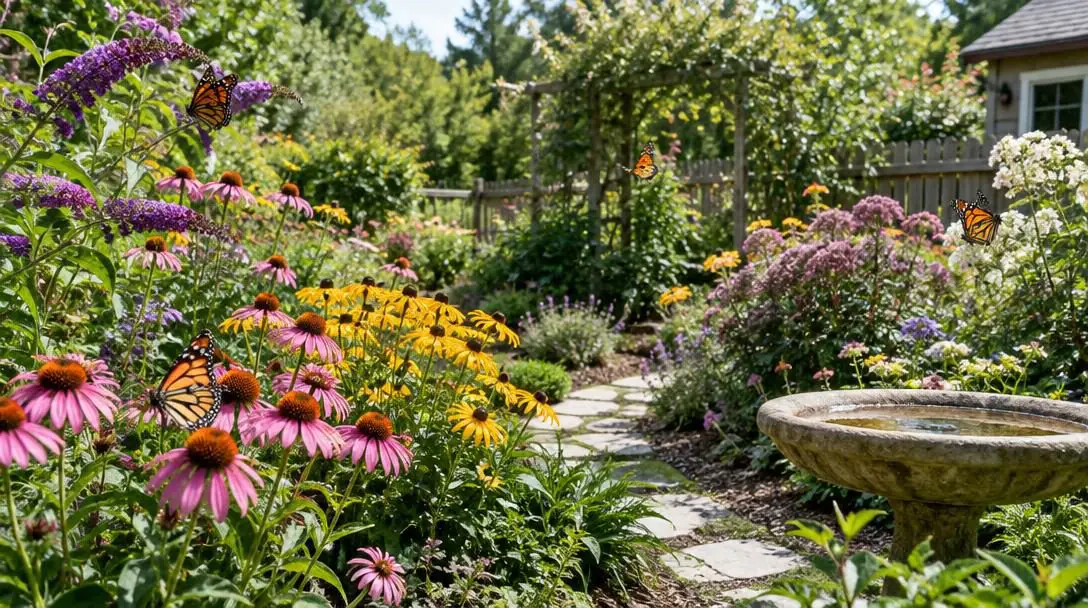
Creating a butterfly garden transforms an ordinary outdoor space into a dynamic sanctuary full of color, motion, and vital ecological activity. Because butterflies are ectothermic insects that rely entirely on environmental warmth and possess strict biological requirements across every life stage, intentional garden planning provides critical support for local biodiversity amid changing natural habitats.
A thriving sanctuary does more than simply display pretty blooms. By integrating the exact host and nectar resources these pollinators need, home gardeners can establish miniature ecosystems that sustain winged adults, growing caterpillars, and fragile chrysalises across multiple generations.
Key takeaways
- Butterflies undergo complete metamorphosis through four stages—egg, larva, pupa, and adult—requiring distinct resources for each phase.
- A complete habitat must balance caterpillar host plants with adult nectar sources rather than focusing solely on flowering blooms.
- Gardens require at least six hours of direct sunlight daily alongside wind protection from trees or nearby structures.
- Limiting chemical pesticides and avoiding sterile modern hybrids preserve the natural nutrition butterflies need to survive.
- Chewed foliage on host plants indicates success, signaling that caterpillars are actively feeding and developing.
Understanding the four stages of the butterfly life cycle
To build an effective habitat, a gardener must understand that butterflies undergo complete metamorphosis across four separate stages: egg, larva (caterpillar), pupa (chrysalis), and adult. A garden that supplies only nectar blossoms satisfies adult insects while leaving caterpillars to starve, cutting the reproductive cycle short.
Adult butterflies spend their days seeking energy in the form of liquid nectar. They unfurl a specialized, straw-like feeding tube known as a proboscis to sip sugar and carbohydrates from open blossoms, fueling flight, territorial defense, and courtship routines. Adults also need water and trace minerals, which they typically absorb from damp earth or shallow pools.
When the adult female prepares to reproduce, she seeks out distinct host plants. This botanical specificity is absolute: butterfly caterpillars are anatomically incapable of digesting foliage outside their designated plant families. Once eggs hatch, the ravenous larvae feed continuously on these host leaves to accumulate proteins and fuel rapid growth before forming a chrysalis, rearranging their cellular structure, and emerging as winged adults.
A garden that only feeds adult butterflies is only half a habitat.
Step-by-step guide to building a butterfly garden
Constructing a dependable butterfly sanctuary requires balancing solar exposure, layout dimensions, plant types, and ongoing maintenance into a coherent design.
- Choose the right location: Select a site that receives a minimum of six hours of direct sunlight daily so ectothermic butterflies can warm their flight muscles, while using nearby trees or structures as shelters to break heavy winds.
- Determine the size of your garden: Assess your available square footage, maintenance schedule, and financial budget, sketching a layout plan that incorporates pathways, basking surfaces, and planting zones without crowding mature vegetation.
- Choose the plants for your garden: Divide your plant list deliberately into host plants for egg-laying caterpillars and nectar plants for feeding adults to sustain the complete life cycle.
- Add water features: Install shallow pools or clean bird baths where delicate insects can take in essential moisture without the danger of drowning in deep water.
- Implement maintenance routines: Establish ongoing protocols for deep watering, organic soil building, responsible fertilizing, natural pest suppression, and deadheading spent blossoms.
Essential plants for the butterfly garden
Balancing both caterpillar nursery plants and adult feeding stations ensures your garden serves as a permanent residence rather than a fleeting rest stop. The plants below represent core selections across both categories.
Milkweed
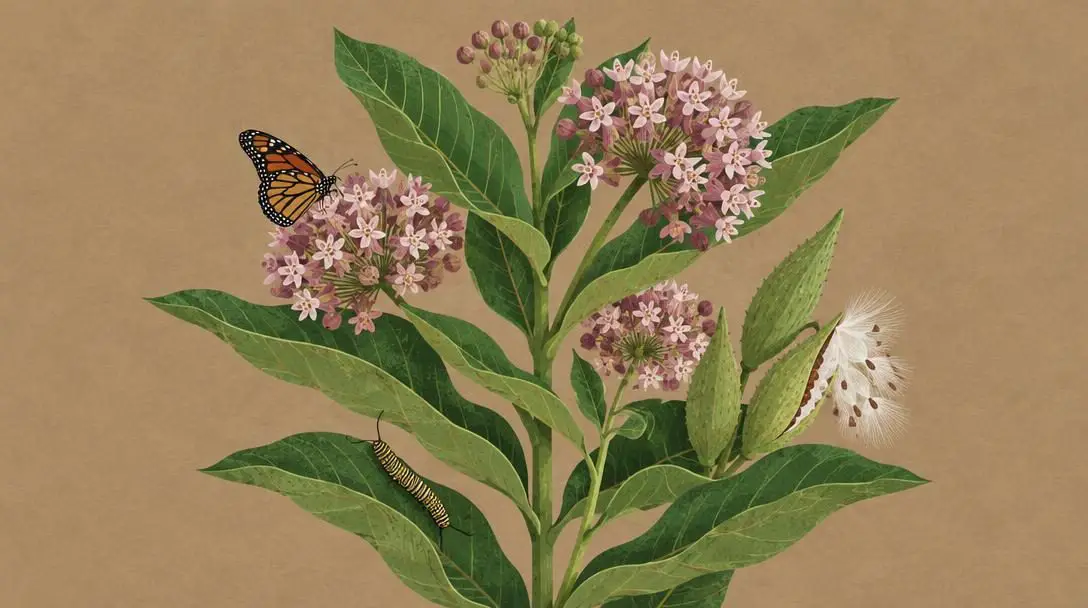
- Plant role: Host plant
- Target stage: Egg and larva (caterpillar)
- Function: Foliage feeding for developing caterpillars
Milkweed serves as a foundational host plant within the butterfly garden. Female butterflies target its leaves specifically for egg deposition, and emerging caterpillars rely directly on its vegetative foliage to supply the primary proteins needed to fuel their development.
Parsley
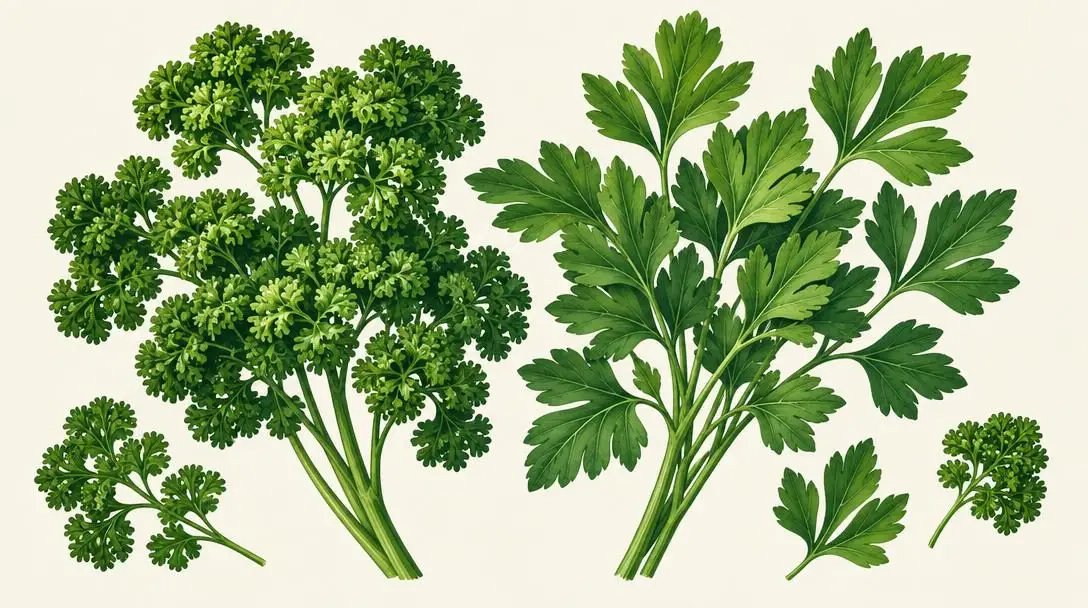
- Plant role: Host plant
- Target stage: Egg and larva (caterpillar)
- Function: Dietary source for growing larvae
Parsley is an accessible, herb-garden staple that acts as a vital host plant for specific caterpillar species. Incorporating generous patches of parsley gives breeding females reliable locations to place their eggs and ensures young larvae have immediate nourishment upon hatching.
Fennel
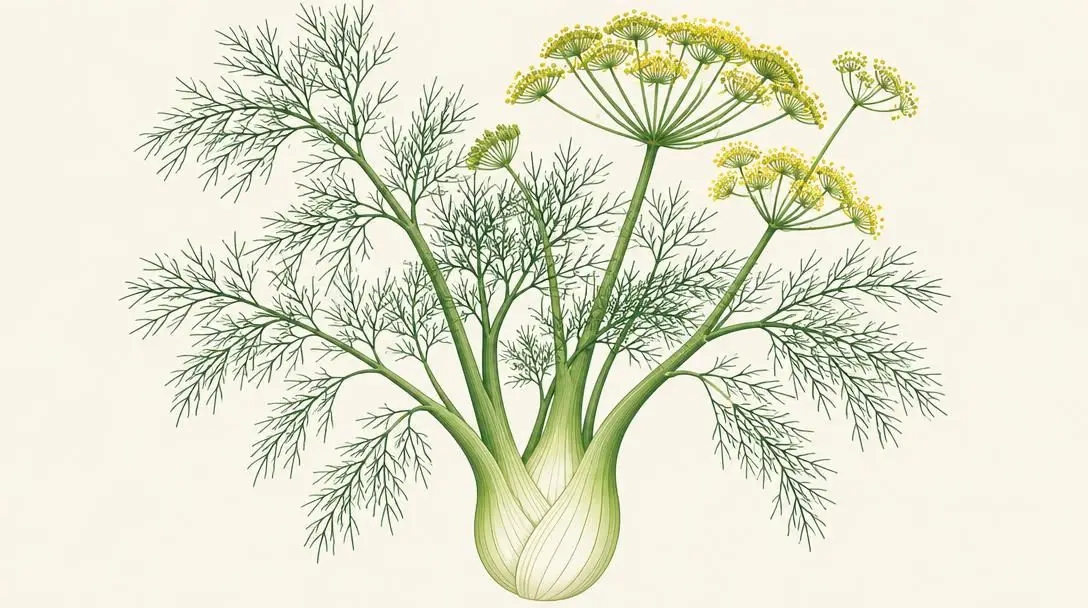
- Plant role: Host plant
- Target stage: Egg and larva (caterpillar)
- Function: Nutritious foliage for feeding larvae
Fennel provides feathery, nutrient-dense foliage that functions as an essential host food source. Its distinctive leaves host growing caterpillars through multiple molts, supporting the critical transition toward pupation and chrysalis formation.
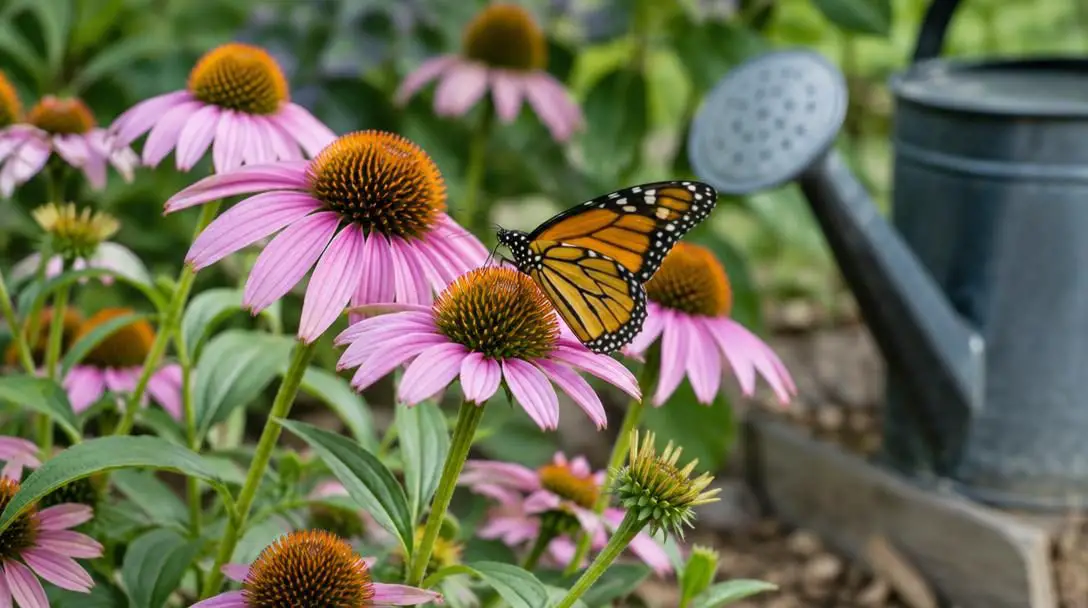
Black-eyed Susan

- Plant role: Nectar plant
- Target stage: Adult butterfly
- Function: Carbohydrate-rich liquid fuel
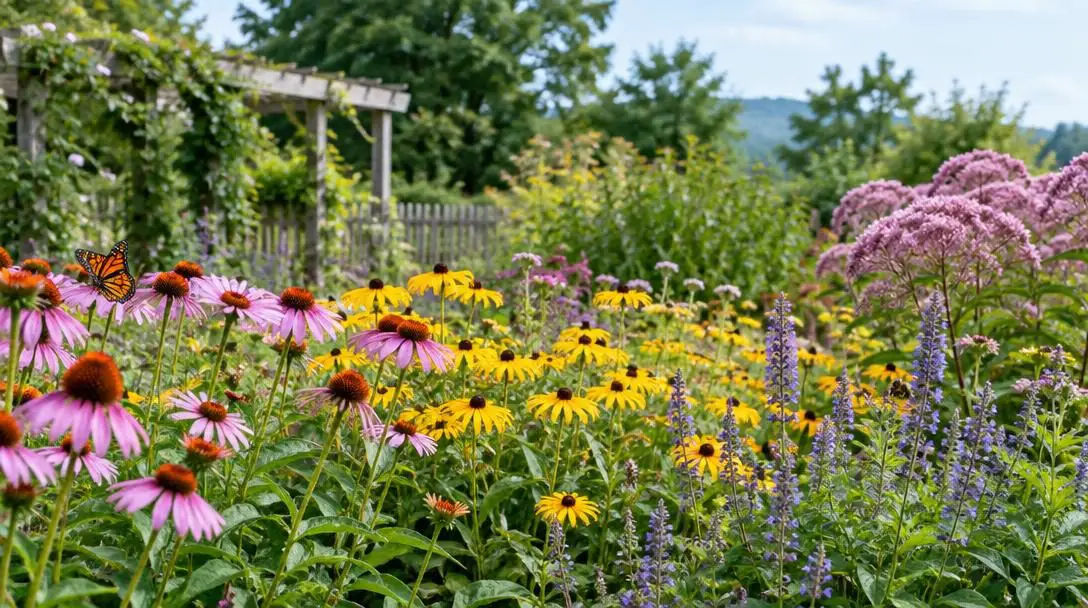
Black-eyed Susans offer open, accessible platforms rich in nectar that allow adult butterflies to land easily and feed via their proboscis. Their cheerful composite blossoms supply vital simple sugars needed to sustain daily flight and energetic mating rituals.
Zinnia

- Plant role: Nectar plant
- Target stage: Adult butterfly
- Function: Continuous adult energy supply
Zinnias are prolific flowering annuals renowned for providing an abundance of nectar across an extended blooming window. Their vibrant flower heads act as reliable feeding stations that fuel adult butterflies throughout the warmest months of the year.
Lavender
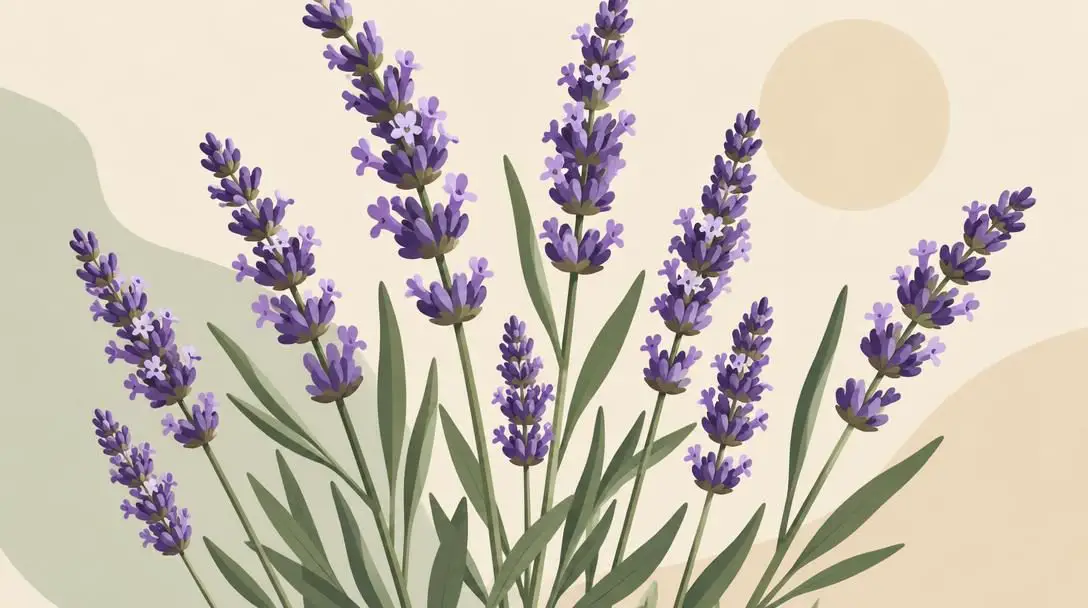
- Plant role: Nectar plant
- Target stage: Adult butterfly
- Function: Aromatic, nectar-filled perches
Lavender provides clustered floral spikes packed with liquid nectar. The structured stems create stable perches where adult butterflies can rest, bask in the surrounding warmth, and draw the moisture and sugars required for flight.
Plant role comparison
Every planting decision should reinforce either the developmental requirements of the caterpillar or the high-energy demands of the adult butterfly. The following table highlights the functional divisions among key butterfly garden species.
| Plant Name | Functional Category | Primary Life Stage Supported | Biological Contribution |
|---|---|---|---|
| Milkweed | Host plant | Egg and caterpillar | Foliage consumed for rapid larval growth |
| Parsley | Host plant | Egg and caterpillar | Nourishing leafy tissue for emerging larvae |
| Fennel | Host plant | Egg and caterpillar | Host greenery sustaining development before pupation |
| Black-eyed Susan | Nectar plant | Adult butterfly | Accessible floral nectar powering flight muscles |
| Zinnia | Nectar plant | Adult butterfly | High-volume sugar source through summer heat |
| Lavender | Nectar plant | Adult butterfly | Concentrated nectar spikes and sturdy perching sites |
Proven strategies to attract butterflies to your yard
Drawing butterflies into your landscape requires intentional visual cues and thoughtful environmental design. Butterflies rely heavily on keen vision and distinct foraging patterns to locate suitable habitat patches.
- Use bright, vibrant colors: Butterflies possess advanced color vision and respond quickly to high-visibility tones. Incorporating generous groupings of red, orange, yellow, and purple blooms creates a visual signal visible across long flight distances.
- Plant in clusters: Rather than scattering individual plants across large beds, mass identical species in close groupings. Dense clusters make feeding more efficient and increase the likelihood that adults will intersect and mate.
- Provide a variety of heights: Butterflies display distinct flight habits depending on their species; some forage along the ground while others frequent elevated perches. Layering low ground covers, mid-sized perennials, and taller flora establishes vertical micro-habitats that attract diverse species.
- Offer nectar-rich plants across seasons: Stagger bloom times from early spring through summer and into late autumn. A continuous sequence of blossoms prevents nutritional gaps during seasonal migrations and breeding surges.
- Limit pesticide use: Butterflies and caterpillars are fragile organisms vulnerable to chemical treatments. Replacing broad-spectrum synthetic pesticides with natural tactics like companion planting safeguards beneficial insects.
- Avoid sterile hybrids and cultivars: Many modern show cultivars are bred solely for double blooms or larger petals, frequently losing their natural nectar and pollen reserves. Choosing true varieties and native plants ensures authentic nutritional value.
Long-term habitat management and care
Sustaining a butterfly garden over many seasons requires practical maintenance habits that nurture plant health while safeguarding delicate insect populations from accidental harm.
Establish a watering routine focused on deep, infrequent irrigation instead of superficial daily spraying. Deep moisture penetration urges roots downward, producing resilient perennials capable of sustaining vibrant blossoms through dry spells. When irrigating near host plants like parsley and fennel, take care not to direct high-pressure streams onto stems or the undersides of leaves, which can dislodge eggs and small caterpillars.
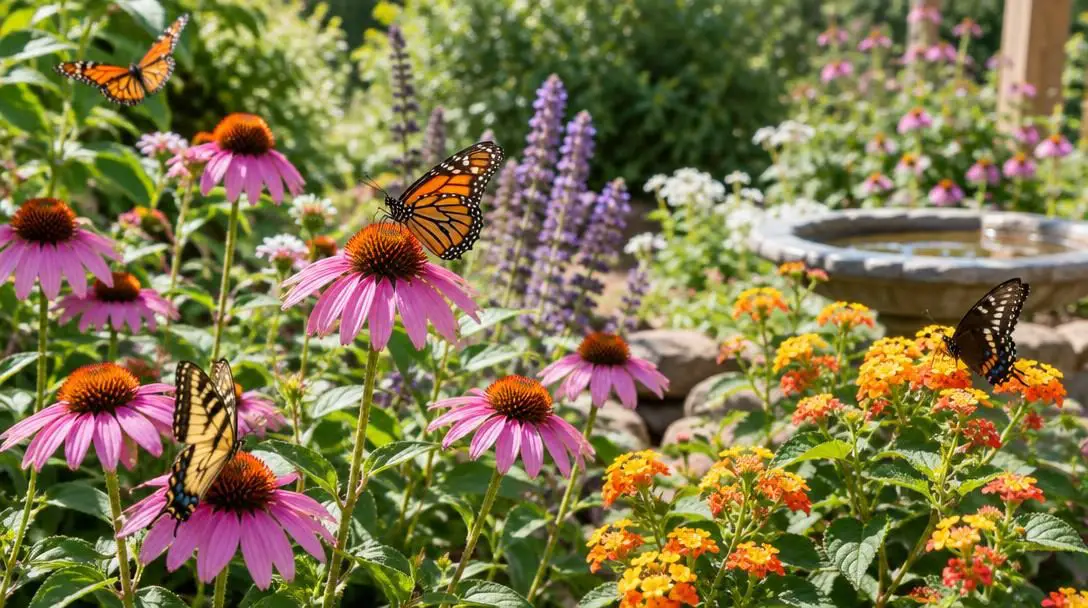
Soil stewardship should center on organic amendments. Working balanced compost into the upper soil profile introduces beneficial biology and enhances moisture retention without triggering rapid vegetative flushes. Heavy applications of synthetic, high-nitrogen fertilizers cause soft, watery growth that invites garden pests while lowering the overall nectar concentration within the flowers.
Prune selectively throughout the growing season. Deadheading spent blossoms on nectar producers such as zinnias and black-eyed Susans prevents premature seed set and stimulates fresh waves of colorful flowers. In contrast, avoid pruning host plants like milkweed during the active breeding months, as clipped foliage may contain unhatched eggs or camouflaged chrysalises.
Common butterfly gardening mistakes to avoid
Even conscientious gardeners sometimes misinterpret butterfly biology, unintentionally disrupting the very ecosystem they set out to build. Watching for these standard pitfalls ensures a productive environment.
- Treating caterpillar damage as a pest infestation: A ragged, defoliated host plant is not a gardening disaster—it proves your habitat is fulfilling its biological function. Never spray or hand-pick caterpillars off designated host plants.
- Providing deep or turbulent water basins: Butterflies cannot swim and drown rapidly in standard bird baths with deep water. Keep water reserves very shallow so visitors can hydrate safely.
- Positioning the plot in an unprotected, windblown spot: High winds exhaust butterfly flight muscles and tear fragile wings. Always provide sheltered alcoves using structural windbreaks or adjacent trees.
- Over-sanitizing garden beds in autumn: Raking every fallen leaf and cutting dead stems down to ground level in autumn removes the protective material where pupae and overwintering adults shelter from freezing temperatures.
- Failing to balance host and nectar plants: Planting only nectar blossoms turns your yard into a temporary rest stop, while providing only host plants leaves adult butterflies without the caloric energy to reproduce.
Expanding your pollinator sanctuary over time
Once your initial butterfly habitat matures and attracts local species, you can take meaningful steps to expand its ecological value and connect with the broader community.
Begin by keeping an observational field journal. Note the specific butterfly varieties that visit, their preferred nectar sources, current weather conditions, and seasonal arrival dates. Tracking this data across multiple growing cycles reveals subtle microclimates and feeding preferences, highlighting which plants to expand in future seasons.
Next, consider broadening the physical footprint of your garden beds. If your primary plantings sit in full sun, explore partially shaded borders suitable for woodland species. Adding new regional host plants allows your yard to welcome a wider spectrum of butterflies while knitting together fragmented neighborhood greenspaces into safe travel corridors.
Finally, turn your garden into an educational tool. By sharing extra seeds, home-grown host divisions, and pollinator-friendly gardening strategies with neighbors, schools, and local groups, you transform a private garden into a catalyst for community-wide conservation.
Frequently asked questions
How much daily sunlight does a butterfly garden need?
A butterfly garden requires at least six hours of direct sunlight every day. Because butterflies are ectothermic creatures, they rely on environmental warmth from the sun to heat their flight muscles before they can fly and feed.
Why must I plant both host plants and nectar plants?
Nectar plants provide liquid sugars to fuel adult butterflies, but host plants are where females lay eggs and caterpillars feed. Because caterpillars are biologically restricted to eating specific host plants, omitting them prevents butterflies from completing their life cycle in your yard.
Is chewed-up foliage on my host plants a bad sign?
No, defoliation on host plants like milkweed, parsley, or fennel is a clear indicator that your garden is working. Hungry caterpillars must consume substantial amounts of foliage to gain the nutrients needed to form a chrysalis and mature into adult butterflies.
How can I supply drinking water safely without drowning butterflies?
Offer extremely shallow water features, such as shallow pools or bird baths with very low water levels. Butterflies cannot navigate deep or turbulent water, so keeping levels minimal allows them to absorb moisture and minerals safely.
Why are modern hybrid flower cultivars discouraged in butterfly gardens?
Many modern ornamental hybrids have been selectively bred strictly for larger flower heads or distinct petal shapes, often sacrificing their natural nectar and pollen production. As a result, they offer little to no real nutritional sustenance for visiting butterflies.
The bottom line
Cultivating an impactful butterfly garden means thinking beyond simple aesthetic appeal and actively managing a complete ecological system. By providing dedicated host plants for developing caterpillars, abundant nectar flowers for flying adults, shallow hydration stations, and pesticide-free shelter, you establish a vibrant haven that supports these delicate pollinators through every phase of their life cycle.