Creating a Garden Oasis: Tips for Designing Your Ideal Outdoor Space
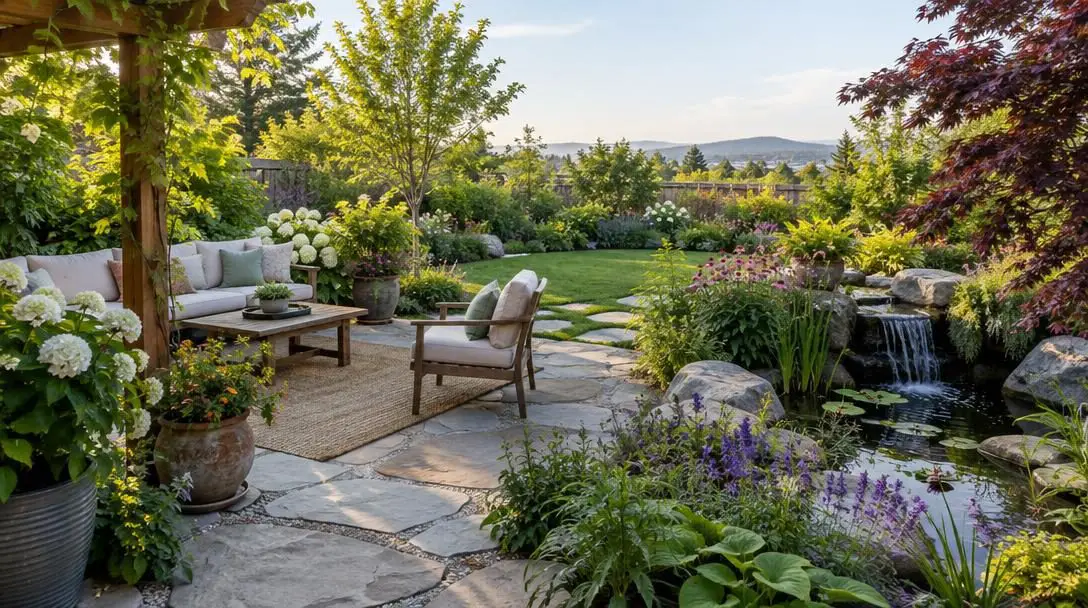
Modern daily life often confines people to indoor environments dominated by screens, artificial lighting, and relentless noise. Establishing an intentional connection with natural surroundings provides an essential counterweight to this digital fatigue, transforming an underutilized patch of yard into a restorative private sanctuary. Transformative landscaping bridges the gap between interior architecture and the natural world, extending domestic living space directly into the open air to enhance personal well-being, hospitality, and daily comfort.
Creating an ideal outdoor retreat can feel intimidating for beginners confronted by endless design philosophies, unfamiliar plant varieties, and technical site preparation demands. Successful landscaping does not depend on luck or trial and error; it relies on clear principles of sun exposure, soil health, spatial flow, and deliberate design. Approaching the transformation systematically turns an overwhelming outdoor chore into an organized and deeply rewarding home improvement project.
Key takeaways
- Assessing environmental factors such as sunlight patterns, soil drainage, and spatial dimensions provides the essential baseline for all plant and structural choices.
- Defining the primary purpose of your garden—whether for lively entertaining or quiet relaxation—dictates spatial zoning, furniture selection, and layout flow.
- Layering plantings by height, from background structural trees to foreground ground coverings, creates visual depth and builds a resilient ecosystem.
- Water features must be scaled to the proportion of the yard, placed on a level foundation, and maintained regularly to prevent algae growth and stagnation.
- Designing with seasonal evolution in mind ensures the outdoor space remains visually compelling and functional as plantings mature throughout the year.
The Core Mechanics of Landscape Design
Landscaping is fundamentally an exercise in coordinating environmental conditions with human needs. Rather than imposing an arbitrary aesthetic onto a parcel of land, an effective design works in tandem with natural forces such as light, wind, and hydrology. When these natural systems are aligned with functional human requirements, the garden operates as a balanced, self-sustaining ecosystem that looks attractive and serves daily domestic routines.
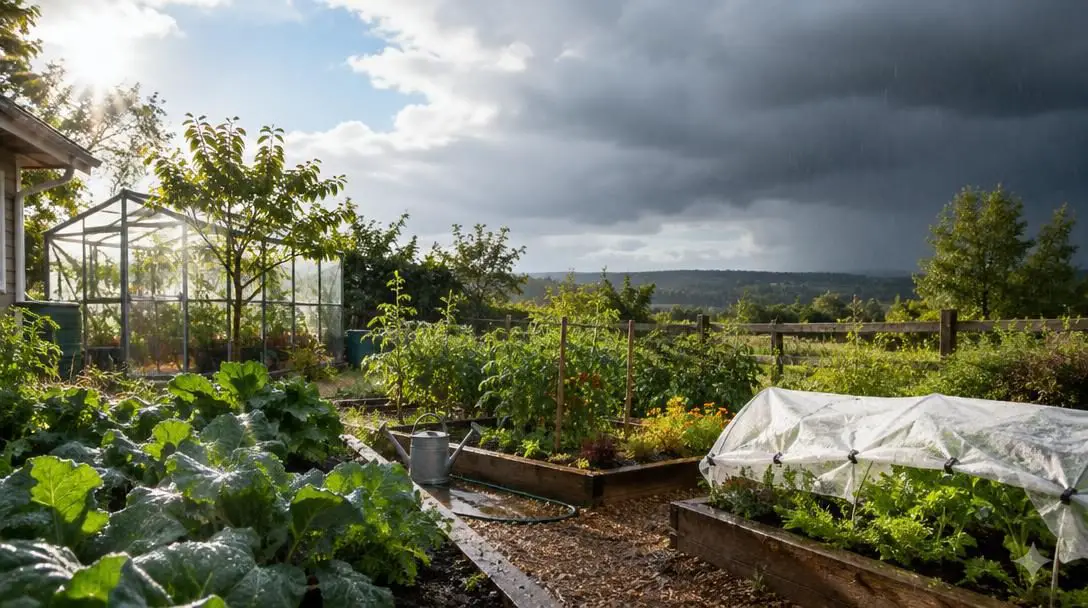
Sunlight dynamics govern where every element in the garden should live. The movement of the sun creates distinct microclimates across a single property throughout the day. An area shaded by a house or fence during the early morning hours may experience intense, scorching heat by mid-afternoon, while a sheltered eastern alcove remains cool and gentle. Mapping these sun and shade transitions prevents the common frustration of placing shade-tolerant foliage in baking heat or sun-hungry specimens in perpetual shadows.
Beneath the surface, soil composition forms the physical and biological foundation for the entire living landscape. Different plant species require distinct underground conditions: some demand rapid, well-draining aeration to protect tender roots from rot, while others flourish in dense, moisture-retentive earth rich in organic matter. Soil provides necessary anchorage, moisture reservoirs, and essential nutrients. When the physical structure of the earth matches the biological needs of your plants, root systems develop the strength needed to endure seasonal weather fluctuations.
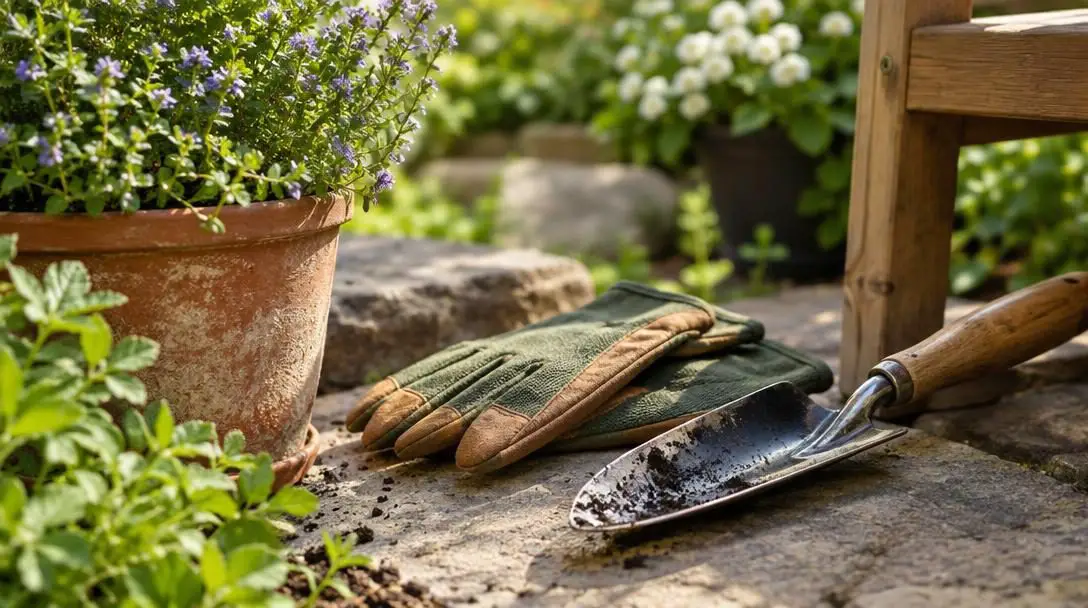
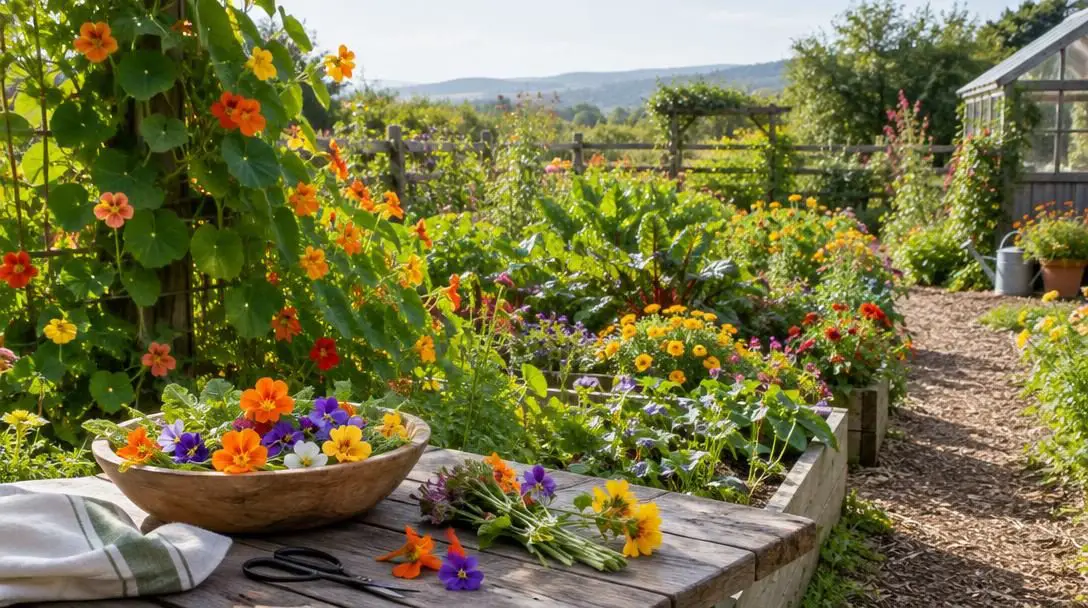
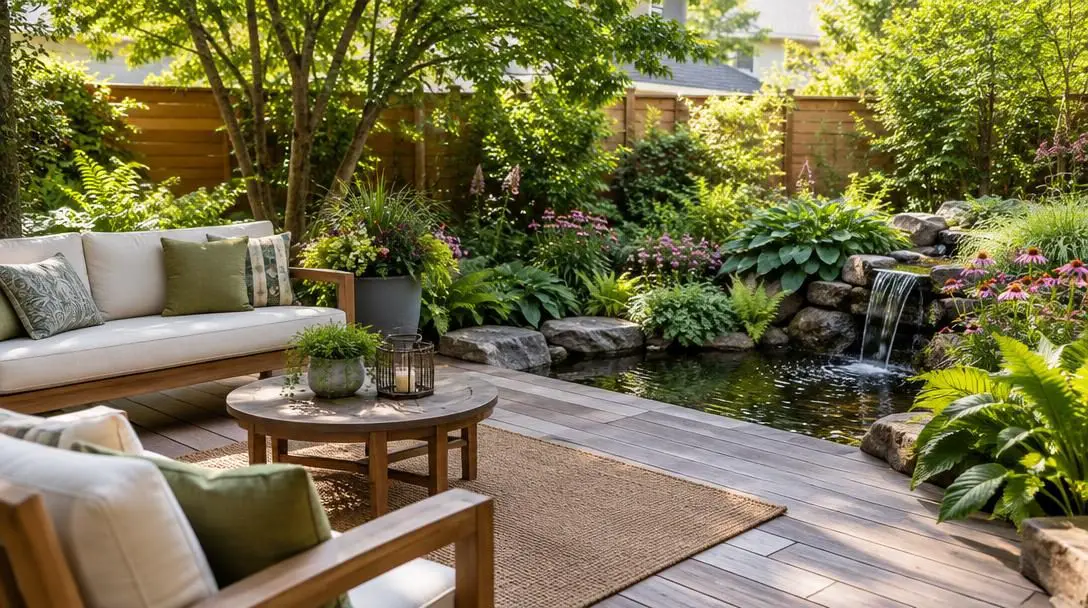
Transformative landscaping bridges the gap between domestic architecture and the natural world, extending everyday life into the open air.
On a spatial level, effective garden design relies on purposeful movement and visual balance. Organizing a property into designated functional zones allows different activities—such as cooking, dining, playing, and resting—to occur simultaneously without feeling chaotic or cramped. Establishing contrast through varying plant heights, colors, and foliage textures introduces depth, while clearly defined pathways guide the eye and direct foot traffic smoothly from one destination to the next.
Aligning Garden Styles with Outdoor Purpose
Before buying materials or digging garden beds, you must determine your garden's primary function and design language. Clarifying how you intend to use the space creates an objective filter for every choice that follows. A homeowner seeking a personal sanctuary to unwind after work requires an environment vastly different from one meant for hosting weekend dinner parties or large family gatherings.
Stylistic choices also establish visual harmony between the home's architecture and the garden perimeter. A modern, minimalist aesthetic favors clean lines, geometric layouts, uncluttered surfaces, and a restrained color palette. Conversely, traditional or cottage-inspired designs lean into soft curves, dense and varied flower beds, and layered, elaborate finishes. Determining your design direction early prevents discordant combinations that make an outdoor space feel fragmented.
| Garden Style & Purpose | Primary Objective | Signature Features | Planting Approach |
|---|---|---|---|
| Relaxation Retreat | Solitude, stress reduction, and quiet reading | Plush seating, gentle water fountains, ambient lighting | Calming greenery, subtle textures, fragrant foliage |
| Entertainment Hub | Social gatherings, dining, and hospitality | Outdoor dining tables, cooking grills, open layout | Durable border plantings, resilient turf, clear perimeter paths |
| Modern Minimalist | Sleek order, architectural symmetry, and simplicity | Clean geometric hardscaping, built-in benches, stone finishes | Monochromatic palettes, structured ornamental grasses, clipped hedges |
| Traditional & Elaborate | Lush visual interest and classical charm | Curved pathways, decorative trellises, multi-tiered fountains | Dense perennial borders, mixed heights, varied flowering varieties |
Step-by-Step Implementation Guide
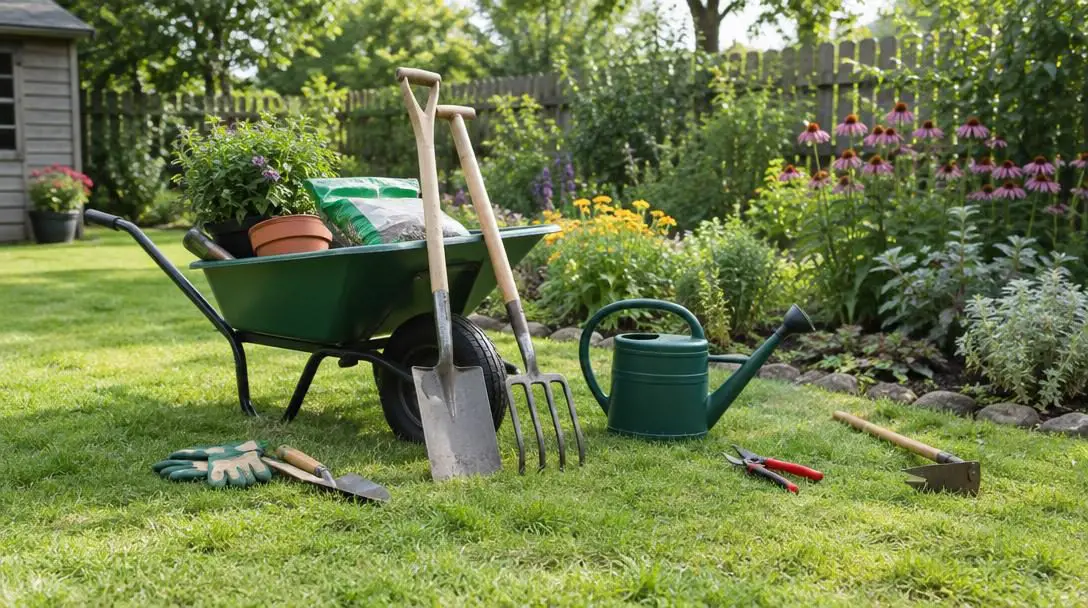
Transforming an empty or overgrown yard into an organized oasis requires a logical sequence of construction and planting. Skipping foundational site work to rush into decorative elements often leads to structural settling, poor plant health, and costly adjustments later. Follow this methodical implementation plan to build a durable outdoor living space:
- Conduct a thorough site analysis: Walk your property across different hours of the day to track sunlight exposure and drainage behaviors. Note areas where water pools after heavy rainfall, record the overall square footage, note existing elevation changes, and examine soil texture to see whether it holds excessive moisture or drains quickly.
- Formulate a spatial master plan: Sketch an overarching design that organizes the yard into dedicated functional zones. Establish designated perimeters for dining, comfortable lounging, and active planting beds. Plan wide, intuitive circulation paths between these zones to guarantee smooth navigation without trampling garden borders.
- Prepare the foundation and soil: Clear out persistent weeds, rocks, construction debris, and failing vegetation from designated planting areas. Amend the soil based on your preliminary findings, incorporating compost, organic matter, or targeted nutrients to optimize fertility, improve moisture retention, and encourage deep root growth.
- Select and position plants deliberately: Choose flora tailored to your region's hardiness zone, moisture levels, and sun patterns. Prioritize native or regionally adapted species, which naturally require less supplemental water, fertilizer, and routine pest management. Arrange plantings in hierarchical layers: place anchor trees and tall structural shrubs at the back, intermediate perennials in the middle, and low groundcovers along front edges.
- Incorporate proportional water features: Select a water feature that matches the scale of your yard, such as a compact bubbling urn for a patio or a larger pond for an expansive lawn. Position the feature on a level, compacted base within easy reach of outdoor electrical and water supplies to support circulation pumps without visible cables or hoses.
- Add finishing touches and durable furniture: Introduce comfortable outdoor furniture constructed from weather-resistant materials that complement your chosen aesthetic. Install layered illumination, such as low-voltage path lights and warm accent spotlights, to highlight architectural trees, extend evening usability, and cultivate a welcoming mood.
- Establish ongoing maintenance routines: Protect your investment by setting consistent maintenance schedules. Monitor soil moisture, provide deep and infrequent watering, replenish mulch layers, and prune dead growth systematically. Clean water feature basins and filters regularly to prevent stagnation, keep pumps clear, and suppress algae growth.
Common Design and Gardening Mistakes to Avoid
Even well-intentioned landscaping projects can falter if basic horticultural and spatial principles are ignored during planning. Sidestepping these frequent missteps will keep your project on schedule, within budget, and visually cohesive:
- Ignoring light and soil requirements: Choosing plants purely for their showroom look at the nursery without verifying their cultural needs is a recipe for failure. Placing shade-loving plants in direct sun causes foliage scorch, while planting species that require sharp drainage in damp, heavy soil quickly triggers root rot.
- Neglecting scale and spatial balance: Installing elements that do not match the size of the yard creates visual discord. Massive outdoor sectionals or oversized water installations easily overpower a modest courtyard, while delicate planters and narrow flowerbeds get lost in a large backyard.
- Overcomplicating the layout: Cramming every trending landscape feature into a single property produces visual clutter. Without distinct boundaries and clear transitions between social spaces and planted beds, the garden feels disjointed and difficult to navigate.
- Underestimating maintenance demands: Failing to plan for the upkeep required by complex layouts can cause a yard to decline quickly. Invasive weeds, untrimmed canopies, nutrient deficiencies, and algae-choked water basins will rapidly degrade an otherwise attractive design.
- Overlooking seasonal variations: Building a layout designed exclusively for midsummer performance leaves the yard barren and bleak throughout the rest of the year. Relying solely on deciduous plants means losing privacy and color during late autumn and winter.
Planning for Long-Term Garden Evolution
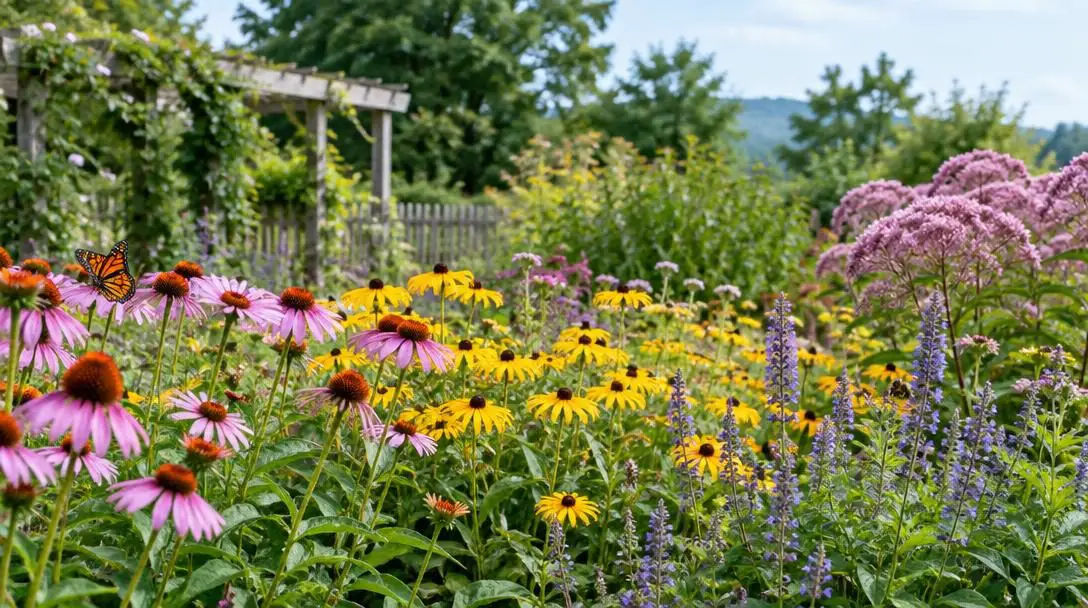
A garden is not a static piece of architecture; it is a dynamic, living ecosystem that changes over weeks, seasons, and decades. What feels open and sun-drenched during the initial installation will inevitably shift as canopy trees mature and large structural shrubs expand outward. These maturing plants cast broader shadows, gradually altering the microclimates across your beds and transforming once-bright borders into dappled or dense shade zones.
Successful landscape stewardship means embracing these environmental shifts rather than fighting them. As your tree canopies fill in, you can gradually swap out sun-loving perennials for shade-tolerant foliage, hostas, and woodland groundcovers. Watching how natural precipitation moves across the yard as the soil settles will also reveal opportunities to adjust drip irrigation lines, deepen mulch layers, or add supplemental organic amendments.
Your own lifestyle requirements will also change over time. An outdoor sanctuary initially arranged for solo reading and quiet contemplation may later need to accommodate growing family gatherings, requiring wider pathways, additional seating clusters, or dedicated cooking stations. By prioritizing durable foundations, maintaining healthy soil chemistry, keeping water features clean, and choosing adaptable plantings, your outdoor oasis will mature gracefully alongside your changing needs.
Frequently asked questions
How do I choose the right water feature for my garden size?
Scale the water feature to your space's physical footprint and aesthetic balance. A compact patio or townhouse courtyard benefits from a wall-mounted fountain or self-contained bubbling pot, which introduces soothing sound without eating up floor space. Expansive yards can support open ponds, multi-tiered stone fountains, or naturalized streams. Always make sure the feature sits on a level foundation within reach of utility connections.
Why are native plants preferable to exotic varieties?
Native and climate-adapted plants have evolved alongside regional weather extremes, pests, and soil types. Because they are naturally suited to your local environment, they require significantly less supplemental watering, minimal chemical fertilization, and far less routine maintenance than delicate exotic imports, making your garden more resilient and self-sustaining.
How can I keep my garden attractive outside of the summer months?
Incorporate structural evergreen shrubs, ornamental grasses, and trees with striking bark or branching patterns. Layering evergreen foliage alongside deciduous species guarantees your garden keeps its shape, screening, and visual depth during late autumn, winter, and early spring when perennial flowers go dormant.
What is the best way to handle varied sun and shade conditions in one yard?
Map your yard's sunlight patterns across morning, midday, and late afternoon to pinpoint distinct microclimates. Once mapped, group plants according to their specific light preferences: locate shade-tolerant varieties under tree canopies or fence shadows, and save exposed, south-facing areas for sun-loving species that handle sustained heat.
What routine maintenance does a garden water feature require?
Regular maintenance includes skimming out fallen leaves, topping off water lost to evaporation, checking mechanical pump intake filters, and periodically scrubbing basin surfaces to curb algae growth. Keeping the water circulating smoothly prevents stagnation, keeps water clear, and prevents the feature from becoming a mosquito breeding ground.
The bottom line
Designing a personal garden oasis is an ongoing partnership with nature that pays dividends in comfort, hospitality, and overall well-being. By taking the time to understand your property's baseline conditions, establishing dedicated functional zones, and selecting plants suited to your regional climate, you avoid common landscaping pitfalls and establish a flourishing landscape. A well-designed outdoor environment does not require expert gardening skills—only thoughtful planning, scaled features, and consistent long-term care.