Creative Storage Solutions That Won’t Break The Bank
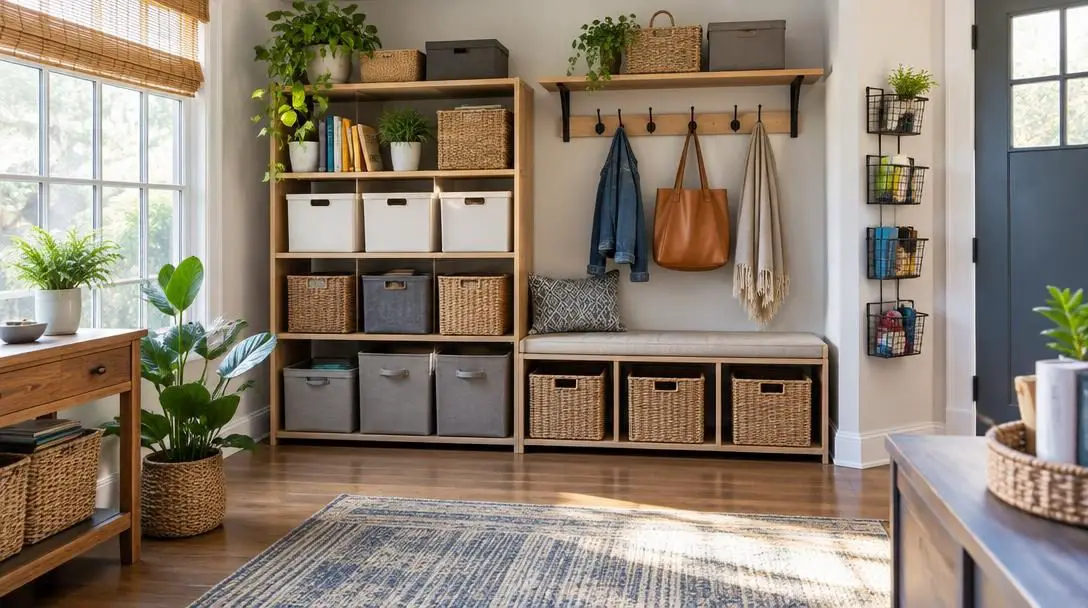
Finding adequate storage around the house is a constant challenge as households naturally accumulate possessions over the years. When floor area is limited, keeping rooms organized often feels impossible without investing in expensive custom installations, luxury cabinetry, or full-scale residential renovations. However, living with excess clutter detracts from personal comfort, workplace productivity, and the general utility of the home, causing everyday items to spill across hallway floors, kitchen counters, and shared work surfaces.
A tidy and functional home environment does not require spending an arm and a leg. The real challenge rarely stems from a lack of square footage; rather, it comes from relying too heavily on footprint storage that eats up primary walking and living areas. By shifting to an inventive planning approach that emphasizes vertical capacity, modular accessories, and dual-purpose furnishings, homeowners and renters can establish a dedicated place for every item without exceeding their budget.
Key takeaways
- Shifting storage off primary floor surfaces and onto unused vertical walls or high ceilings immediately preserves valuable living space.
- Dual-purpose furnishings like lift-up ottomans and deep-drawer dressers combine everyday utility with hidden storage capacity.
- Subdividing empty voids within existing cabinets using folding adapter shelves doubles usable shelf volume without structural modifications.
- Budget-friendly outdoor materials like upcycled wooden planks and adjustable wire racks expand storage into sheds and covered exterior zones.
Core Principles of Low-Cost Organization
Creative, budget-friendly organization relies on four fundamental mechanical principles rather than expensive retail purchases. When applied systematically, these concepts turn standard architectural features into valuable, space-saving assets.
- Vertical Elevation: Rather than allowing possessions to spread outward across floors and counters, vertical storage directs belongings upward onto bare wall areas, the backs of interior doors, and overhead ceiling perimeters.
- Functional Layering: Selecting furnishings that perform two jobs at once ensures that rest, seating, or work surfaces share the exact same structural footprint as your storage compartments.
- Internal Subdivision: Empty vertical cavities inside deep cabinets and wardrobes often hold empty air; introducing secondary levels ensures full cubic utilization.
- Custom Adaptability: Storage hardware should adapt to items of varying dimensions, allowing users to modify shelf heights and bin positions as household needs shift across seasons.
Storage success is not measured by how much cabinetry you buy, but by how effectively every cubic inch of open air is put to work.
Multi-Purpose Furniture Strategies
Investing in or repurposing furnishings that serve multiple roles prevents a home from becoming congested with single-purpose pieces. Evaluating the internal capacity of a furniture piece is just as critical as measuring its footprint and exterior aesthetic.
Lift-Up Ottomans
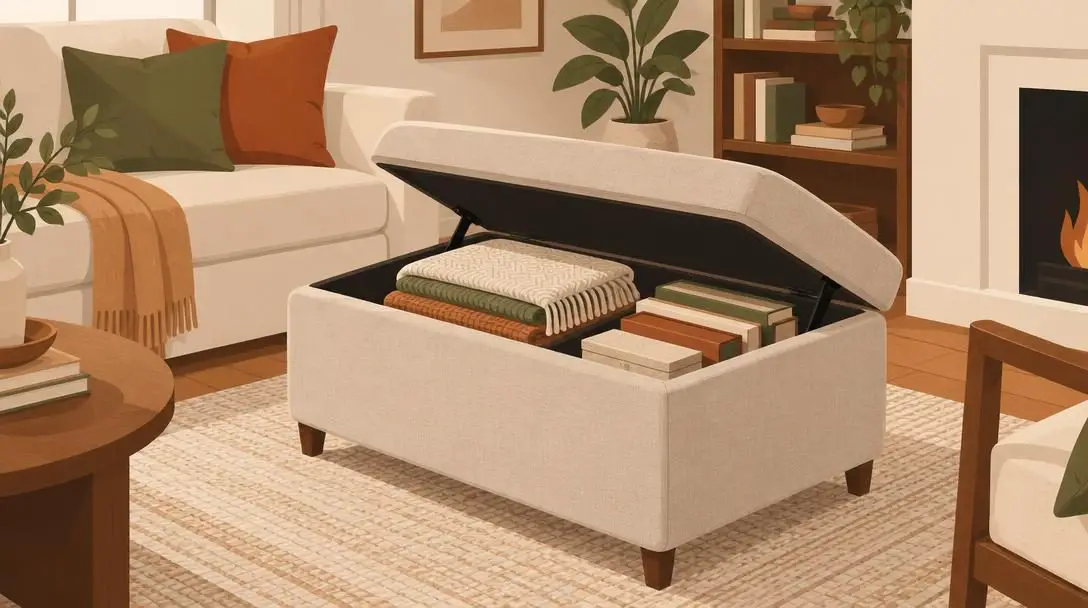
An ottoman with a lift-up lid embodies the principle of functional layering. In living rooms and bedrooms, this single piece acts as a comfortable footrest, supplementary guest seating, or an improvised coffee table, while concealing a deep internal compartment. It offers a secure, out-of-sight location for bulky textiles, seasonal blankets, board games, books, and children's toys, keeping communal spaces neat without requiring standalone storage chests. Compact ottoman cubes provide similar flexibility in tighter floor plans, tucking away beside armchairs while keeping unsightly everyday clutter off adjacent surfaces.
Deep-Drawer Dressers
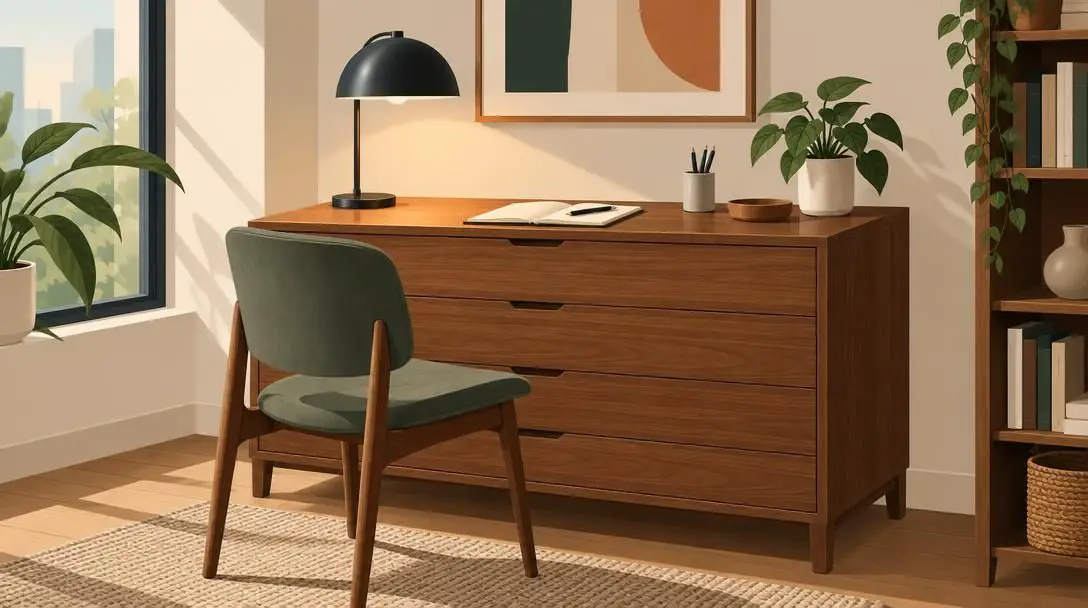
While dressers are traditionally relegated to clothing storage inside bedrooms, pieces featuring deep, wide drawers can serve dual roles throughout the home. A sturdy chest of drawers can easily double as a bedroom nightstand or provide the structural support and tabletop surface for a home office desk. By selecting dressers with generous internal depth, you consolidate storage for office paperwork, spare linens, and personal garments into the exact same floor area occupied by your work or bedside surface, saving money by eliminating the need to purchase separate desks and tables.
Storage Window Seats

Window seats maximize architectural alcoves that frequently sit idle beneath windows. By installing or arranging a bench unit with internal storage directly under a window, you gain a bright reading nook and scenic seating area while creating significant cubic capacity underneath. The enclosed cavity beneath the seating platform is particularly well-suited for bulky linens, extra pillows, off-season wardrobe items, and hobby supplies, effectively delivering two functional pieces of furniture in a single footprint.
Utilizing Wall Space and Overhead Areas
In congested homes, floor real estate is often choked with clutter while square feet of vertical wall space remain untouched. Moving storage upward preserves floor space while keeping frequently handled belongings within arm's reach.
Wall-Mounted Shelves
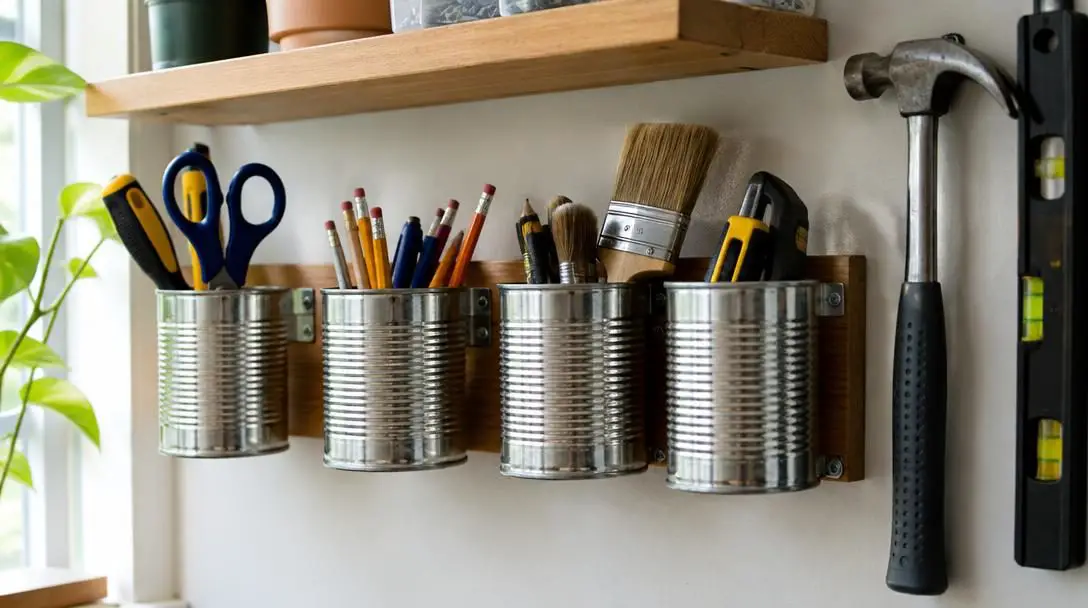
Wall-mounted shelving converts flat, empty drywall into dedicated zones for books, media, DVDs, and decorative collections. By staggering floating shelves at alternating heights, you clear out low-lying coffee tables and entertainment consoles without making walls feel monolithic. Shelving installed above eye level is particularly valuable in tight bedrooms and living rooms, maintaining a clear path for foot traffic while handling secondary display items.
Hanging Baskets
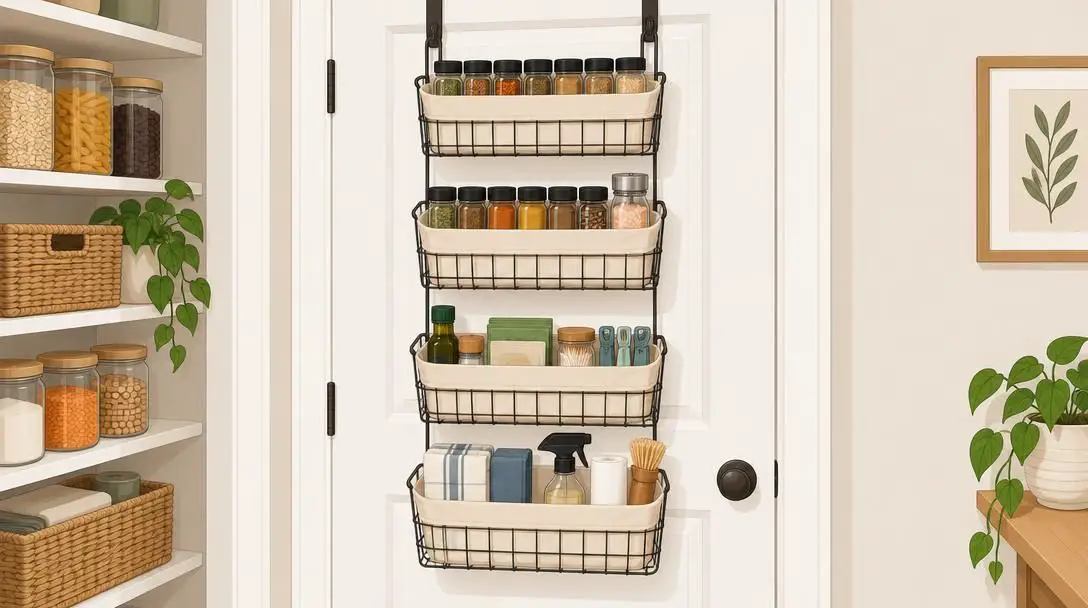
Affixing lightweight baskets to interior walls or hanging them over the backs of doors provides immediate sorting capacity for smaller household goods. Door-mounted hanging baskets excel in entryways, pantries, and bathrooms, where small, loose items—such as toiletries, spices, keys, mail, and accessories—often generate persistent disarray. Utilizing door backs exploits architectural clearance that would otherwise be wasted.
Entryway and Hallway Hooks
A simple row of hooks represents one of the most cost-effective storage additions available. Mounted in entryways, hallways, or behind bedroom doors, durable hooks provide an immediate resting place for coats, bags, hats, umbrellas, and towels. Keeping everyday outerwear suspended prevents the habitual dumping of garments onto chairs, banisters, and floors.
Overhead Cubbies and Bins
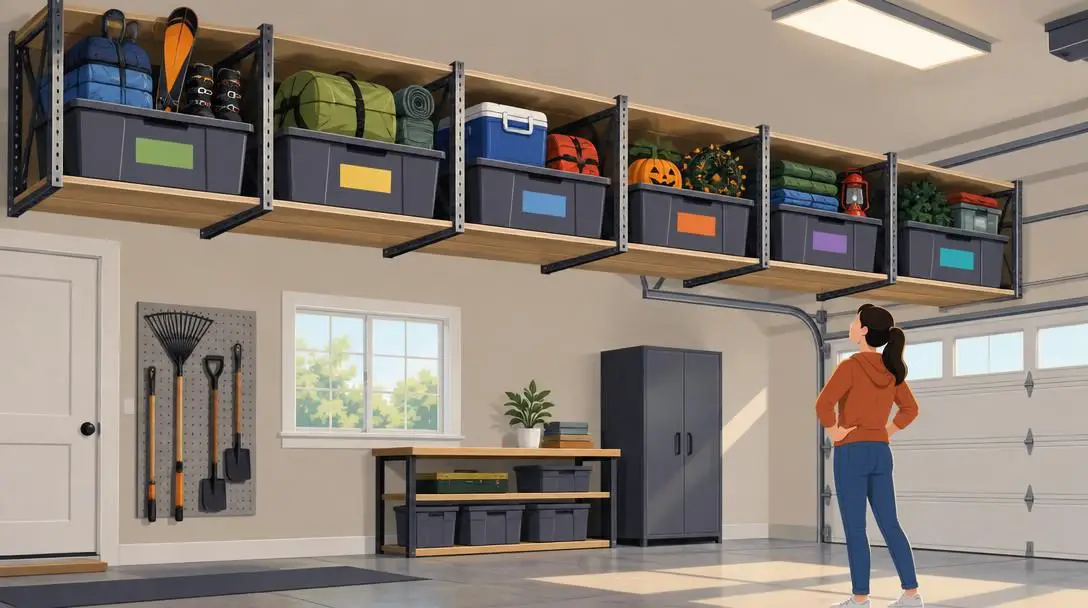
For heavier or bulkier objects that are seldom used, overhead storage bins and cubbies installed along high ceiling perimeters offer substantial capacity. Positioned beneath tall wall cabinets or directly along the ceiling lines of garages and utility kitchens, these installations keep bulky seasonal supplies, overflow pantry dry goods, and specialty cooking gear completely out of primary walking routes.
Outdoor and Shed Solutions on a Budget
Expanding storage capacity beyond the interior walls allows backyards, garden sheds, and covered patios to absorb seasonal overflow without the expense of commercial storage units.
Upcycled Wooden Plank Shelves

Homeowners can significantly reduce material costs by repurposing leftover construction lumber or salvaged wooden planks into rustic outdoor shelves. Mounted against an exterior residential wall, boundary fence, or garden shed facade, plank shelves provide sturdy, weather-appropriate perimeters for flowerpots, hand trowels, watering cans, and outdoor supplies. Utilizing existing wood eliminates purchase fees while tailoring shelf depth to the precise dimensions of available outdoor wall space.
Adjustable Wire Shelving
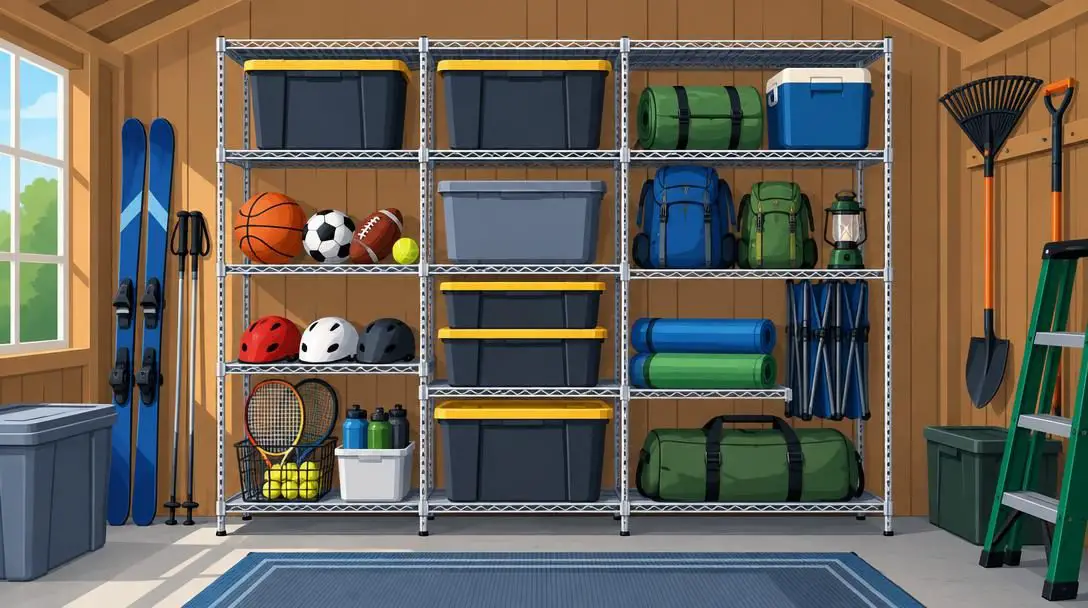
Standard garden sheds often include basic shelves, but installing customizable wire shelving introduces essential adjustability for dynamic outdoor gear. Wire shelves allow you to adjust spacing as seasons change, accommodating bulky items like barbecues, coolers, and lawn tools during winter, or housing sports equipment and gardening pots during the spring and summer. The open wire mesh design prevents dust, water, and debris from settling on shelves, promoting air circulation and resisting the moisture accumulation common to outdoor structures.
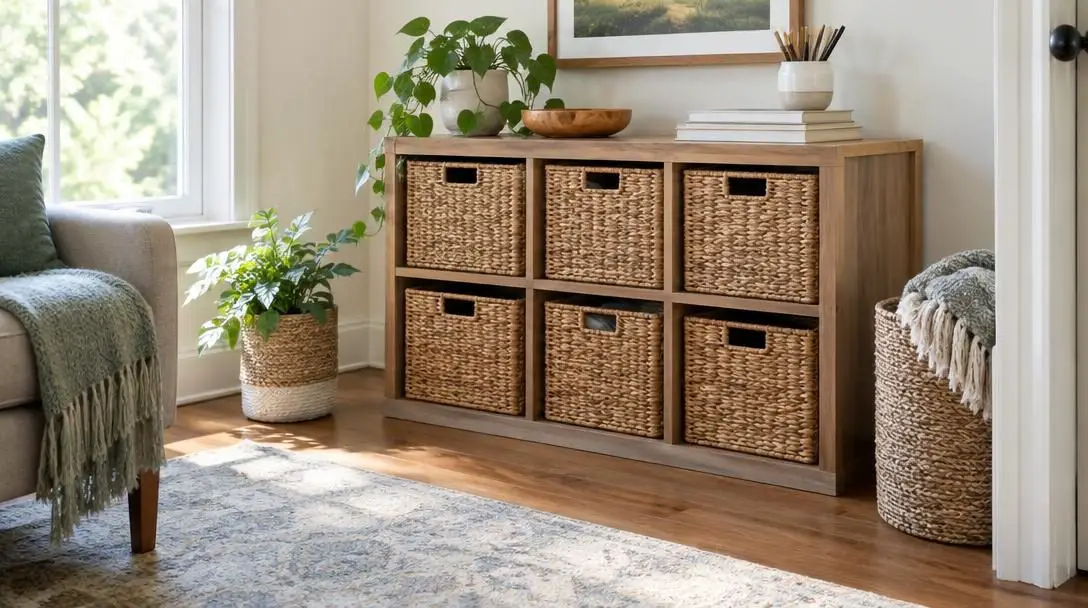
Maximizing Space Within Existing Furniture
Many closets, pantries, and kitchen cupboards feature spacious vertical openings that are mostly wasted because loose items cannot be safely stacked without tumbling down. Subdividing these internal voids unlocks massive capacity without buying new furniture.
Multi-Tier Folding Adapter Shelves
Adapter shelves sit directly inside existing drawers, cupboards, and deep pantry cabinets to split tall, single-tier spaces into multiple accessible levels. These modular inserts function as secondary platforms, separating canned foods, dishes, or tools so that lower items can be accessed without disturbing the top layer. Because many adapter shelves fold away flat when not required, they can be inserted, relocated, or removed without permanent structural modifications to cabinetry.
Portable Closet Shoe Racks
Closet floors are frequently compromised by uncontrolled piles of footwear that spill outward into bedroom living zones. Adding a portable shoe rack elevates footwear directly off the closet floor, aligning pairs in compact vertical tiers. This setup keeps the entire family's shoes visible and accessible, simplifies morning routines, and preserves the floor area beneath hanging garments for storage bins or luggage.
Storage Solutions at a Glance
| Storage Solution | Primary Placement | Ideal Items to Store | Structural Advantage |
|---|---|---|---|
| Lift-Up Ottomans | Living room, foot of bed | Blankets, books, toys, linens | Adds seating while fully concealing bulky clutter |
| Deep-Drawer Dressers | Bedroom, home office | Clothing, office files, bedside essentials | Provides work surface and drawer capacity in one piece |
| Storage Window Seats | Window alcoves, breakfast nooks | Seasonal goods, hobby gear, spare cushions | Converts dead architectural recesses into cozy storage |
| Wall-Mounted Shelves | Living room, study, hallways | Books, media collections, small decor | Frees up side tables by elevating items above eye level |
| Hanging Door Baskets | Pantries, bathrooms, entryways | Toiletries, cleaning bottles, mail, spices | Utilizes vertical door swing clearance without floor use |
| Overhead Cubbies | Garages, utility rooms, high kitchens | Heavy tools, seasonal decor, bulky gear | Keeps infrequently used bulk outside daily pathways |
| Upcycled Plank Shelves | Shed exteriors, covered patios | Flowerpots, trowels, garden chemicals | Zero-cost lumber repurposing for exterior walls |
| Adjustable Wire Shelving | Garden sheds, basements, workshops | Barbecues, lawn gear, sports equipment | Permits airflow and moisture resistance with custom heights |
| Folding Adapter Shelves | Kitchen cabinets, deep drawers | Dishes, pantry items, craft supplies | Subdivides vertical interior air voids without tools |
| Portable Shoe Racks | Wardrobes, closet floors | Family footwear, casual shoes, boots | Clears wardrobe floors and arranges pairs vertically |
Step-by-Step Implementation Guide
Executing an affordable organization overhaul is easiest when approached systematically, ensuring you do not waste time or money on unnecessary organizers.
- Audit the Space: Walk through your living space and identify underutilized vertical real estate, noting bare walls, door backs, open cabinet air voids, and high ceiling perimeters.
- Group Items by Category: Consolidate related belongings—such as footwear, gardening supplies, linens, or tools—to gauge the exact volume needing dedicated storage.
- Repurpose What You Own: Gather salvageable household items, like scrap wooden planks or unused containers, that can be upcycled into useful shelving before making new purchases.
- Assign Dual Roles to Core Furniture: Reposition furniture so that deep-drawer dressers act as work desks or nightstands, and place lift-up ottomans where extra seating is needed.
- Install Simple Wall Hardware: Anchor rows of wall hooks in entryways and hang tiered wire baskets along door backs to keep small daily clutter off countertops.
- Maximize Overhead Margins: Mount sturdy cubbies and bins along the ceiling perimeters of garages or utility kitchens to safely secure seasonal and rarely handled goods.
- Subdivide Interior Compartments: Insert folding adapter shelves into deep kitchen and bathroom cupboards, and place portable shoe racks onto closet floors.
Critical Pitfalls to Avoid in Budget Organization
Even with good intentions, low-cost organization plans can unravel if practical realities are ignored. Avoid these common mistakes during your project:
- Overloading Wall and Ceiling Hardware: Fastening heavy equipment to basic floating shelves or adhesive wall hooks can rip drywall or pull anchors loose. Always check anchor weight ratings, using structural studs for heavy overhead cubbies.
- Ignoring Daily Item Accessibility: Stashing daily essentials in deep ottoman bases or tall overhead ceiling bins creates friction. Keep everyday tools and accessories on low hooks or adapter shelves, reserving high bins for seasonal items.
- Buying Organizers Before Measuring: Purchasing portable shoe racks, wire units, or drawer inserts without measuring cabinet depths leads to unusable accessories that only worsen household clutter.
- Neglecting Outdoor Weather Exposure: Using untreated indoor wood planks outdoors causes rapid warping, mildew, and rot. Ensure outdoor planks and hardware can withstand dampness and temperature swings.
- Treating Multi-Purpose Furniture as Catch-Alls: Deep cavities in window seats and lift-up ottomans can quickly turn into chaotic junk drawers. Assign strict categories—such as spare linens or toys—to keep contents organized.
Frequently asked questions
How can I organize my home when floor space is extremely limited?
Focus on vertical elevation and functional layering. Shift storage off the ground by installing wall-mounted shelves, hanging door baskets, and high ceiling cubbies. Simultaneously, swap single-use items for dual-purpose pieces, like ottomans with internal storage or dressers that serve as desks.
What are the most cost-effective multi-purpose furniture pieces?
Ottomans with lift-up lids and ottoman cubes are among the most economical choices, providing seating, footrests, and hidden storage for toys or blankets. Deep-drawer dressers also save money by combining clothing storage with a functional nightstand or desk surface.
How do adapter shelves improve existing cabinet storage?
Adapter shelves sit inside deep cupboards and drawers to split open vertical space into multiple accessible tiers. This enables you to store items on two levels without stacking them directly on top of each other, and they fold away flat when no longer needed.
Why is wire shelving recommended for outdoor sheds?
Customizable wire shelving allows you to alter shelf heights to accommodate irregularly shaped equipment like barbecues and sports gear. Furthermore, the open wire construction encourages airflow and resists the moisture accumulation common in outdoor environments.
What is the best way to prevent clutter from returning?
Assign every belonging to a specific category and designated location, matching accessibility to frequency of use. Keep daily essentials on hooks and accessible adapter shelves, while storing seasonal or rarely used items in high ceiling cubbies or outdoor sheds.
The Bottom Line
Creating an orderly, functional home does not require an extravagant budget or custom architectural work. Effective home organization is simply a matter of looking at available space through a different lens—moving past crowded floor surfaces to reclaim blank walls, door backs, and open overhead perimeters. By incorporating dual-purpose furniture like lift-up ottomans, subdividing deep cupboards with adapter shelves, and organizing outdoor equipment on adjustable wire racks, you can maximize every square foot of your living environment while keeping costs completely under control.