Do You Really Need An SUV? 5 Things To Consider
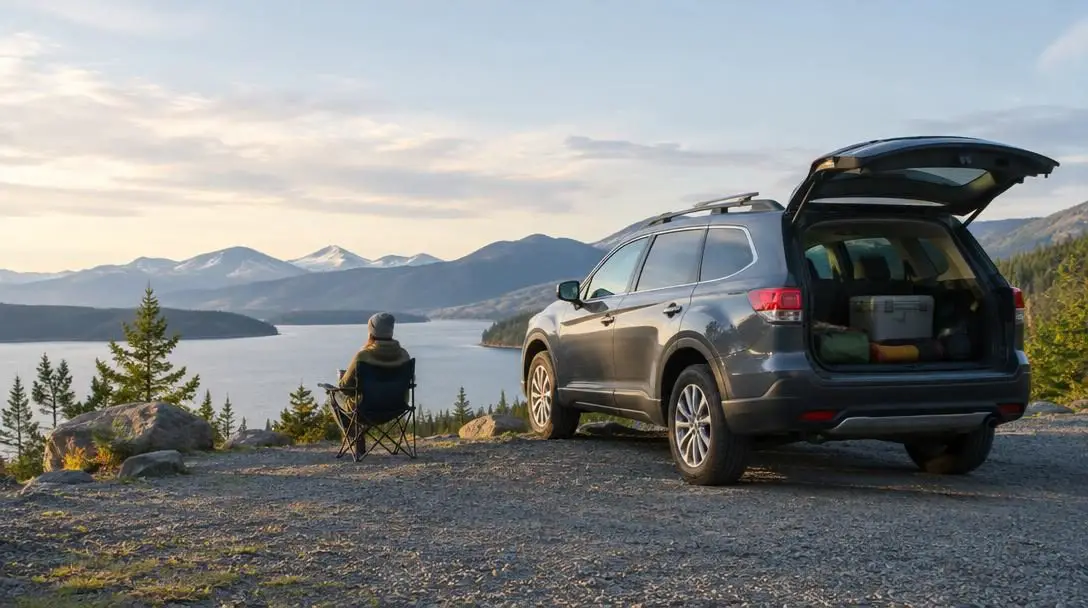
Sport utility vehicles have completely transformed the automotive landscape over the last few decades. What once began as specialized utility machinery has turned into the default choice for millions of drivers worldwide. Motorists of all backgrounds gravitate toward sport utility vehicles because they offer spacious interiors, rugged styling, elevated seating, and perceived road durability. In contemporary car culture, driving an SUV has evolved into a prominent lifestyle statement, projecting preparedness, family convenience, and an appetite for weekend adventure.
Yet, despite their overwhelming popularity and genuine practicality, sport utility vehicles are not automatically the optimal solution for every driver or household. Choosing personal transportation requires balancing aesthetic preferences with practical daily demands, fluctuating fuel costs, environmental considerations, and long-term ownership expenses. Before following the market trend, prospective buyers should look closely at how these vehicles are engineered and evaluate whether a sport utility vehicle genuinely aligns with their daily commute and personal budget.
Key takeaways
- Sport utility vehicles deliver superior passenger and cargo volume, but their heavier curb weight compromises rapid acceleration and everyday maneuverability.
- Due to a bulkier profile and reduced aerodynamic efficiency, conventional SUVs generally consume more fuel than smaller sedans or hatchbacks.
- An elevated seating position grants a commanding forward view of the road, though a higher center of gravity fundamentally alters steering response and handling dynamics.
- Upfront purchase prices, maintenance, tires, licensing fees, and insurance rates are typically higher for SUVs, though strong resale value can offset some long-term depreciation.
- Drivers concerned about tailpipe emissions and natural resource consumption can consider hybrid or fully electric SUV models to mitigate environmental impacts.
The Mechanics of Size: How SUV Engineering Shapes the Drive
To evaluate whether a sport utility vehicle makes sense for your lifestyle, it helps to understand the engineering choices that define the platform. Unlike lower passenger cars built on compact footprints, an SUV relies on a taller structural frame, broader track, and elevated ground clearance. These mechanical elements work together to deliver distinct driving dynamics, changing everything from acceleration and emergency braking to forward visibility and cabin packaging.
The defining physical characteristic of any SUV is its elevated cabin height. Lifting the vehicle chassis higher off the asphalt positions the driver well above regular traffic lines, providing a broad sightline over passenger cars, median barriers, and low-slung road hazards. However, raising the vehicle also moves its physical center of gravity higher off the pavement. When a vehicle carries its mass further from the road surface, body roll increases during turns, and rapid evasive maneuvers require a more composed driving approach than would be necessary in a grounded passenger car.
Vehicle mass represents another core engineering differentiator. The reinforced chassis, taller pillars, and expanded body panels of an SUV add substantial curb weight. Because moving a heavier physical object requires greater mechanical force, the engine must work harder during initial acceleration, hill climbing, and passing maneuvers. When it comes time to stop, that same momentum places greater demands on the braking system. While the expanded footprint yields generous legroom, headroom, and versatile luggage room throughout the interior, it inherently demands mechanical trade-offs in efficiency, braking distances, and cornering agility.
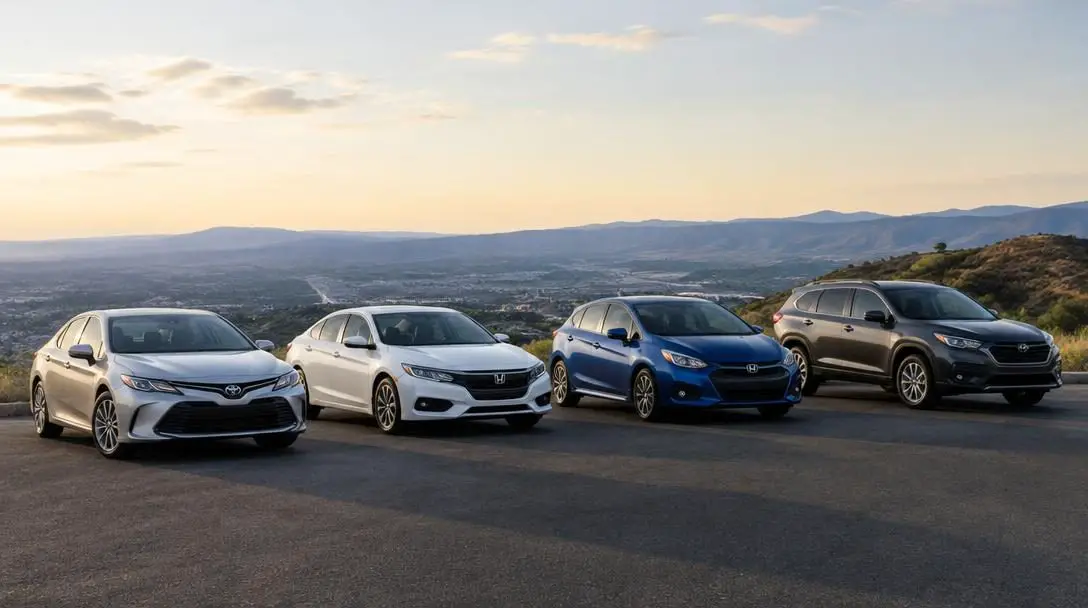
Selecting a personal vehicle requires weighing aesthetic and lifestyle desires against practical everyday needs.
Five Crucial Factors to Weigh Before Choosing an SUV
Committing to a new vehicle requires balancing everyday convenience against ongoing ownership compromises. When reviewing the sport utility vehicle market, prospective buyers should thoroughly evaluate five primary considerations.
1. Passenger and Cargo Space
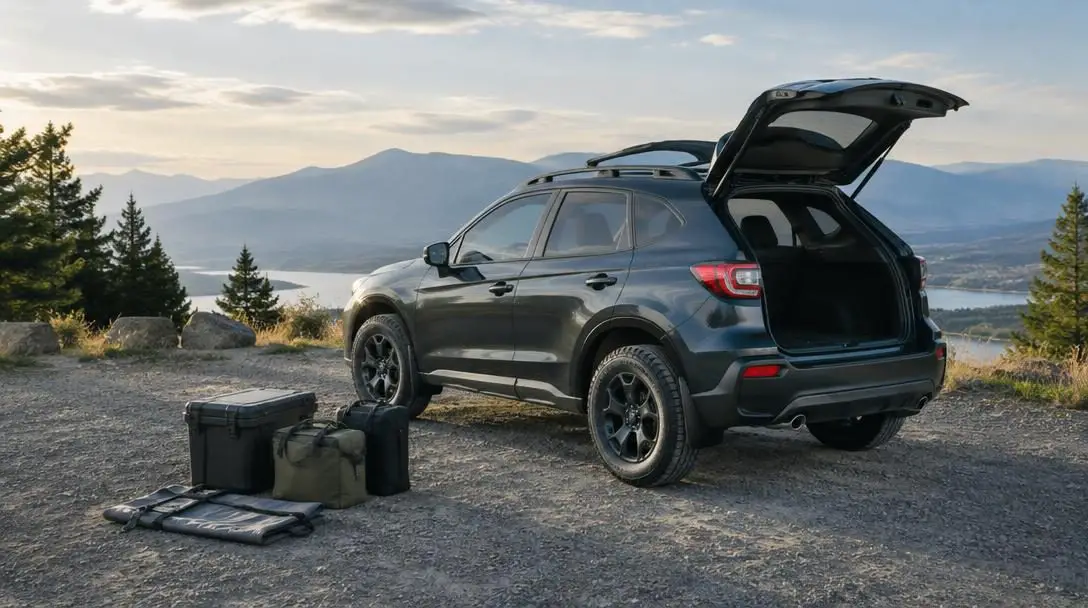
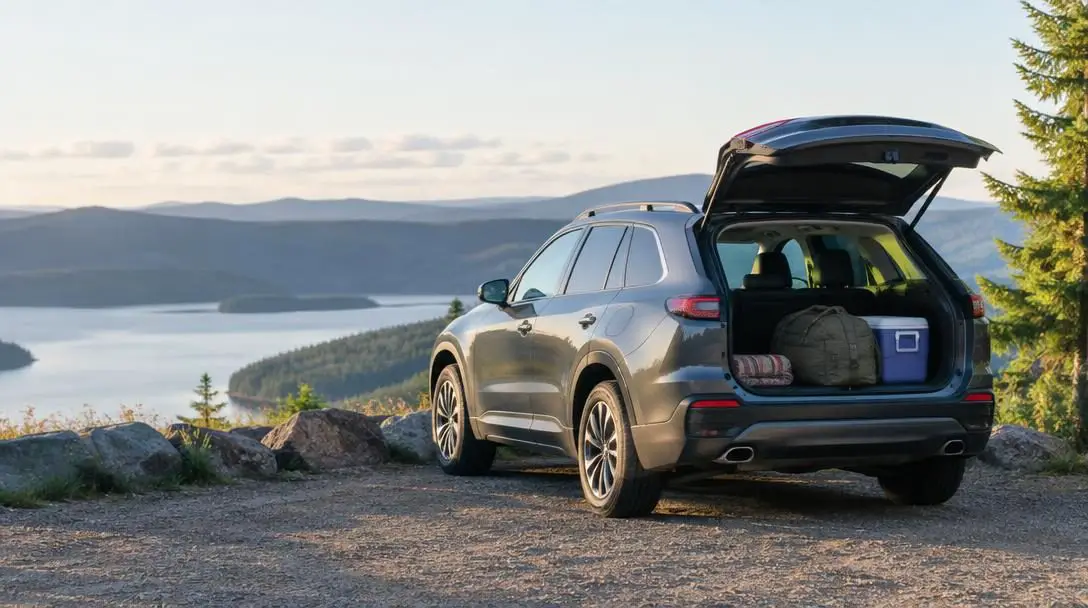
Interior volume remains the most persuasive selling point for the SUV segment. For growing families, motorists who transport bulky sports gear, or drivers who frequently pack multiple suitcases for long-distance travel, the cabin flexibility of an SUV is difficult to match. Flat-folding rear rows, split-seat configurations, and wide rear hatch openings make loading oversized boxes, recreational gear, and hardware supplies straightforward. Passengers also enjoy generous headroom and legroom across both rows, making long road journeys significantly more comfortable.
Nonetheless, expansive interior proportions inevitably introduce mechanical compromises. The sheer bulk of an SUV makes it slower to accelerate and noticeably trickier to park in narrow urban parking garages or parallel spots on congested avenues. Hauling an empty three-row interior on a solo daily commute means expending extra mechanical energy for space that sits unused most of the workweek. If your lifestyle relies on frequent multi-passenger transport or serious cargo hauling, an SUV pays dividends; if your transport needs are modest, the unused capacity simply becomes dead weight.

2. Fuel Efficiency
Fuel consumption has long been a defining topic in automotive ownership debates, and sport utility vehicles remain on the demanding side of the spectrum. As a rule of physics, an SUV requires more energy to operate than a compact car, sedan, or hatchback. The vehicle's bluff front end, upright windshield, and boxy silhouette generate greater aerodynamic drag at highway speeds, forcing the powertrain to burn more fuel simply to overcome atmospheric resistance.
In addition to aerodynamic drag, moving heavy curb weight during repetitive stop-and-go city driving steadily drains the fuel tank. With energy and gasoline prices prone to volatility, frequent trips to the fuel pump can strain monthly household budgets. Drivers who log high annual mileage, commute long distances across open highways, or spend hours in gridlocked traffic should carefully review the fuel efficiency penalty before trading a traditional passenger car for a large SUV.
3. Road Visibility and Handling
The elevated seating position in an SUV provides a unique perspective that many motorists actively prefer. Sitting higher than standard sedans allows drivers to see over intermediate traffic, track slow-moving congestion ahead, and survey pedestrian crossings and roadway intersections with greater ease. For motorists who feel vulnerable in low-riding compact vehicles, the feeling of commanding the road from an elevated cabin delivers genuine peace of mind.
However, an elevated driving posture changes how the vehicle responds to steering inputs. An SUV does not transition through tight curves or swift lane changes with the light-footed precision of a sedan or hatchback. Steering feedback can feel heavier, and sudden braking requires managing greater forward momentum. While many drivers find the solid, stable feel of an SUV reassuring, motorists who feel nervous piloting a wide, heavy machine through narrow corridors may find the driving experience more stressful than rewarding.
4. Overall Cost of Ownership
Acquiring an SUV involves a higher baseline financial commitment than purchasing an equivalent passenger sedan. Building a physically larger frame, reinforcing suspension components, and outfitting a cavernous interior requires more raw materials and extended assembly labor, which directly inflates the initial retail price. That higher upfront sticker price generates a cascading chain of downstream expenses, including steeper sales taxes, elevated vehicle registration fees, and higher insurance premiums based on vehicle value and potential collision liabilities.
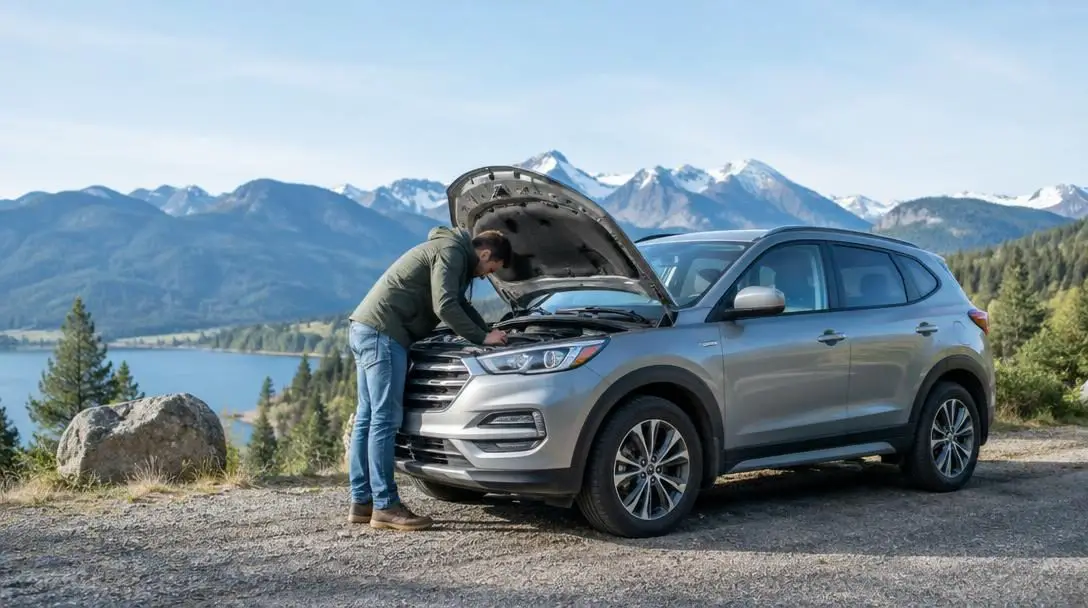
Routine upkeep also carries a price premium. Heavy vehicles wear through brake pads and specialized, large-diameter tires faster than lightweight cars, and replacement components generally command higher price points. On the financial bright side, sport utility vehicles have historically maintained strong resale values due to steady consumer demand and their reputation for rugged durability. If you plan to sell or trade the vehicle after several years, that residual value can recover a notable portion of your investment, provided your monthly budget can support the higher ongoing ownership expenses.
5. Environmental Impact
The ecological footprint of personal transportation is an increasingly important factor for modern car buyers. Due to their higher fuel consumption and bulkier dimensions, conventional gas-powered SUVs generate more greenhouse gas emissions per mile than lighter passenger vehicles, contributing disproportionately to urban air quality challenges and broader climate concerns.
The environmental footprint of an SUV also extends beyond tailpipe emissions into raw material extraction. Manufacturing larger, heavier vehicles demands more steel, plastics, and fluids. In electric and hybrid variants, larger vehicle masses require bigger battery packs containing more lead, lithium, and rare earth minerals compared to compact electric cars. Fortunately, the expanding market of hybrid and fully electric SUVs offers a practical middle ground, allowing drivers to secure cabin volume and tall ride height while noticeably reducing their direct operational carbon footprint.
Comparing Popular Vehicle Body Styles
Before locking in a purchase decision, it is helpful to see how an SUV stacks up against traditional passenger car categories across core practical attributes.
| Vehicle Category | Cabin & Cargo Space | Fuel Efficiency | Ride Height & Visibility | Relative Ownership Cost | Maneuverability |
|---|---|---|---|---|---|
| Sport Utility Vehicle (SUV) | Maximum; high ceiling with expandable cargo area | Lower; higher aerodynamic drag and curb weight | Elevated; excellent forward horizon view | Higher; steeper purchase, insurance, and tire costs | Moderate to challenging in tight parking |
| Midsize Sedan | Moderate; comfortable seating with enclosed trunk | High; streamlined profile cuts air resistance | Standard; lower eye level relative to traffic | Moderate; lower baseline retail and upkeep prices | Good; predictable steering and balanced agility |
| Compact Hatchback | Flexible; practical cargo hold on small footprint | Very High; light mass maximizes energy economy | Low; positioned close to the road surface | Low; accessible maintenance, tires, and insurance | Excellent; effortless navigation in tight spaces |
Step-by-Step: How to Determine if an SUV Fits Your Routine
If you are debating whether an SUV is a genuine necessity or merely an attractive luxury, walking through a structured assessment process will help clarify the right vehicle choice for your needs.
- Track your passenger and cargo frequency: Document your transport patterns over a standard month. Note how many seats are occupied during your weekday commute and how often your cargo hold is filled to capacity, distinguishing between daily habits and rare seasonal outings.
- Audit your regular driving environment: Examine your daily transit routes. If your day involves navigating narrow urban alleys, squeezing into cramped parking garages, or navigating crowded school drop-off zones, a compact footprint offers practical daily advantages over a full-sized SUV.
- Calculate total monthly ownership costs: Look beyond the base vehicle financing payment. Build a comprehensive budget spreadsheet that includes estimated monthly fuel expenses, insurance premium quotes, registration brackets, and scheduled maintenance for an SUV versus a comparable passenger car.
- Schedule direct back-to-back test drives: Drive a sport utility vehicle and a passenger sedan or hatchback on the same day over identical road surfaces. Pay close attention to vehicle blind spots, braking distance, body lean during cornering, and how confident you feel parking the larger chassis.
- Review your household fleet: If your household already owns a multi-passenger vehicle or truck that handles family road trips and oversized cargo, selecting a smaller, fuel-efficient secondary vehicle can balance your total transportation costs.
- Evaluate alternative powertrains: If your lifestyle genuinely demands the spacious seating and ground clearance of an SUV, research hybrid, plug-in hybrid, and battery-electric models to minimize continuous fuel expenses and tailpipe emissions.
Frequent Mistakes Car Shoppers Make With SUVs
Because SUVs are marketed heavily around capability and freedom, prospective buyers frequently make purchasing decisions based on romanticized expectations rather than actual usage patterns. Watching for these common missteps can save thousands of dollars over the lifespan of a vehicle.
- Buying for worst-case scenarios: Many drivers purchase heavy three-row SUVs to accommodate an extended family visit once a year, while driving alone for the remaining 360 days and paying high fuel penalties year-round.
- Focusing solely on the monthly payment: Buyers often secure financing terms that fit their monthly budget while overlooking the steeper expenses of heavy-duty replacement tires, pricier brake jobs, elevated insurance tiers, and higher fuel consumption.
- Assuming elevated ride height guarantees safety: While sitting high gives an expansive forward view, taller vehicles have longer stopping distances, broader lateral blind spots, and a higher center of gravity that requires smoother handling in emergency swerves.
- Ignoring cumulative fuel costs: Underestimating how volatile gas prices impact a low-efficiency vehicle over five or ten years can lead to sudden budget strain when energy markets spike.
- Overlooking versatile hatchbacks and sedans: Many modern hatchbacks and wagons offer clever fold-flat seating systems that swallow luggage and recreational gear with ease, while offering superior fuel efficiency, lower prices, and crisper road handling.
Frequently asked questions
Why are SUVs generally more expensive to insure than sedans?
Sport utility vehicles typically carry higher baseline retail values, which elevates replacement costs for insurance providers in the event of a total loss. Furthermore, their larger physical mass, specialized body panels, and complex components make collision repairs and replacement parts more costly compared to standard passenger sedans.
Do all SUVs consume significantly more fuel than passenger cars?
While traditional gas-powered SUVs are inherently less aerodynamic and heavier than sedans or compact cars, modern engineering has narrowed the gap. The availability of hybrid, plug-in hybrid, and fully electric SUVs allows drivers to enjoy the cabin room and ride height of an SUV without incurring the heavy fuel consumption typical of conventional combustion models.
Does sitting higher in an SUV make driving easier?
An elevated seating position improves forward road visibility by letting you look over standard passenger cars and better anticipate traffic flow. However, it also changes vehicle handling dynamics, increases body roll during turns, and expands blind spots immediately around the vehicle, which can make tight parking maneuvers more challenging for some drivers.
Do sport utility vehicles maintain their resale value well?
Yes. Strong consumer demand and a widespread reputation for durability have helped SUVs maintain favorable resale values across the secondary market. While initial purchase prices are higher, a well-maintained SUV can often recoup a respectable portion of its value when it comes time to trade or sell.
Can a hatchback or sedan substitute for an SUV for family needs?
In many cases, yes. Modern sedans and hatchbacks provide generous passenger comfort and fold-flat cargo configurations capable of handling strollers, sports equipment, and luggage. Unless your household routinely transports more than five passengers or requires substantial towing capabilities, a smaller vehicle can often fulfill daily family routines at a lower operating cost.
The bottom line
The sport utility vehicle earned its position at the top of the automotive market by delivering a practical blend of passenger space, cargo flexibility, commanding road visibility, and strong resale value. For large families, regular road trippers, and drivers navigating varied lifestyle demands, an SUV remains an exceptional and versatile tool that justifies its financial and operational compromises.
However, an SUV is not an absolute necessity for every garage. If your daily routine consists primarily of solo commuting, navigating tight city streets, and running simple local errands, the trade-offs of reduced fuel economy, pricier maintenance, higher upfront costs, and cumbersome parking may outweigh the benefits. By honestly assessing your weekly cargo requirements, reviewing your complete ownership budget, and test-driving alternative body styles or hybrid powertrains, you can select a vehicle that serves your genuine needs rather than simply following a showroom trend.