Exploring The Current Achievements Of Women Within The Democratic Party
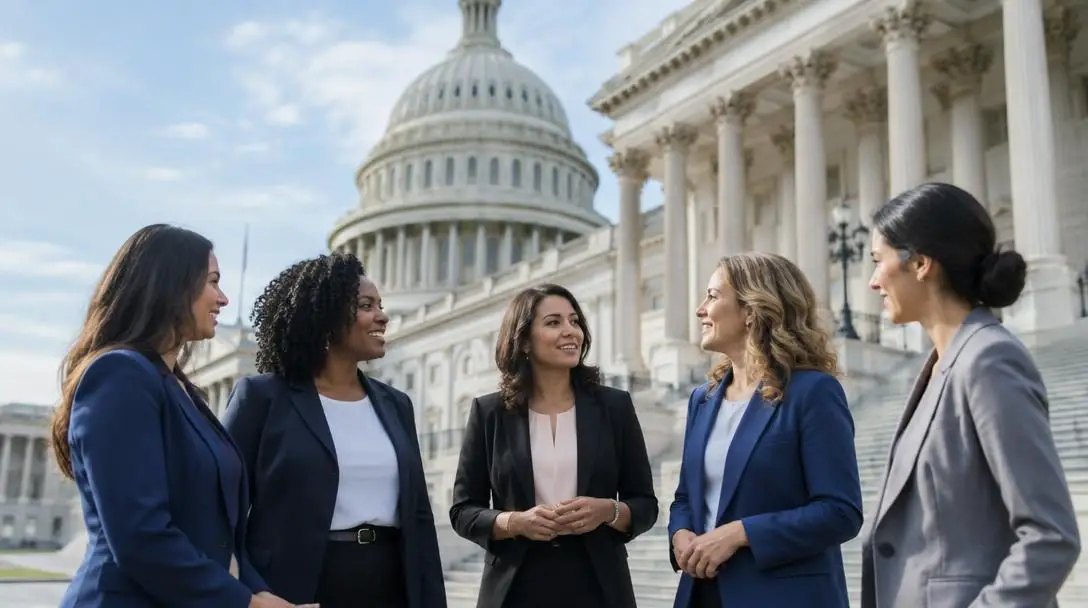
The Democratic Party has maintained a foundational commitment to expanding gender equality and civil rights throughout modern political history. From the early grassroots efforts of the suffrage movement to high-stakes legislative sessions in the Capitol, women have fundamentally altered party priorities, elevated marginalized voices, and steered national policy discussions toward progressive reform. Today, their presence is felt not only at the ballot box as a decisive voting bloc, but also at the pinnacle of executive governance, within congressional chambers, and throughout grassroots campaign headquarters across the country.
This enduring push for representation reached unprecedented heights with landmark executive victories and record numbers of lawmakers taking office. Yet the ongoing evolution of female leadership also highlights structural hurdles that persist across American civic life. By examining the leaders, institutions, policy goals, and organizational pipelines that sustain female participation, observers gain a clearer understanding of how representation translates into substantive policy and what remains necessary to achieve true gender parity.
Key takeaways
- Women have achieved historic executive and legislative milestones, notably Kamala Harris serving as Vice President and 89 Democratic women holding seats in Congress.
- Leadership from figures like Nancy Pelosi has driven significant legislative battles surrounding healthcare access, pay equity, and reproductive rights.
- Crucial campaign infrastructure, including field organizing, digital strategy, and organizations like Emily's List, powers the candidate pipeline from local communities to national office.
- Persistent economic disparities, illustrated by women earning 82 cents for every dollar earned by men, remain central to policy platforms and advocacy efforts.
The historical evolution of women in party politics
The prominent role women enjoy within the modern Democratic Party is the product of generations of deliberate, strategic struggle. In the era of the constitutional suffrage campaigns, female activists concentrated their energies primarily on winning the right to vote. Securing the franchise, however, was only the first threshold. Once inside the electorate, women quickly recognized that casting a ballot alone could not guarantee that their priorities would be treated with urgency by party leaders.
Throughout the middle decades of the twentieth century, female political participation within the party was frequently relegated to auxiliary roles. Women routinely staffed phone banks, organized local fundraising teas, typed correspondence, and managed neighborhood canvassing operations without being granted seats at executive decision-making tables. Dissatisfied with mere volunteer status, civic organizers began forming independent clubs, demanding proportional representation on platform drafting committees, and running for municipal and state offices.
Over time, these internal efforts transformed the party's formal platform. Female leaders pressured party committees to adopt concrete stances on equal pay, workplace safety, healthcare availability, labor protections, and reproductive freedom. The contemporary Democratic Party reflects this decades-long transition from auxiliary volunteerism to executive leadership, establishing a political framework where female officials routinely direct the legislative agenda and command major national coalitions.
Women inside the party pressed beyond auxiliary volunteer roles to claim formal decision-making power, permanently transforming the national legislative agenda.
Pioneering figures and leadership organizations
The rise of female leadership within the party is anchored by individual trailblazers who demonstrated the ability to unite disparate factions, win highly competitive races, and govern under intense national scrutiny. Alongside these leaders, dedicated political action networks have built the institutional backing necessary to sustain future generations of candidates.
Kamala Harris
- Historic Milestone: First woman, Black, and South Asian American Vice President
- Executive Nomination: 2020 Democratic ticket
- Impact: Shattered federal executive barriers and elevated representation for women of color
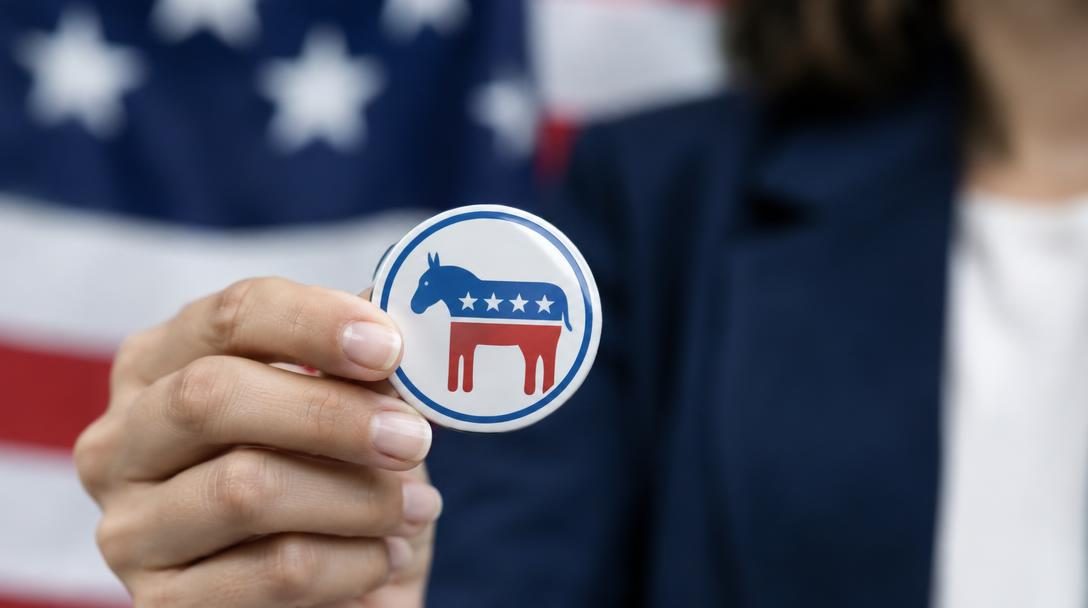
The nomination and election of Kamala Harris as Vice President in 2020 marked a monumental milestone in the nation's political trajectory. By ascending to the second-highest office in the federal executive branch, Harris broke through barriers that had stood for more than two centuries. As the first woman, the first African American, and the first South Asian American to occupy the vice presidency, her presence at the pinnacle of power carries deep symbolic and practical resonance. Her trajectory demonstrates that women of diverse racial backgrounds can reach the absolute peak of executive power, inspiring expanded participation among communities that historically faced institutional exclusion from national politics.
Nancy Pelosi
- Historic Milestone: First woman Speaker of the House of Representatives
- Speakership Terms: Selected in 2007; reclaimed the gavel in 2019
- Policy Focus: Healthcare reform, reproductive rights, and equal pay legislation
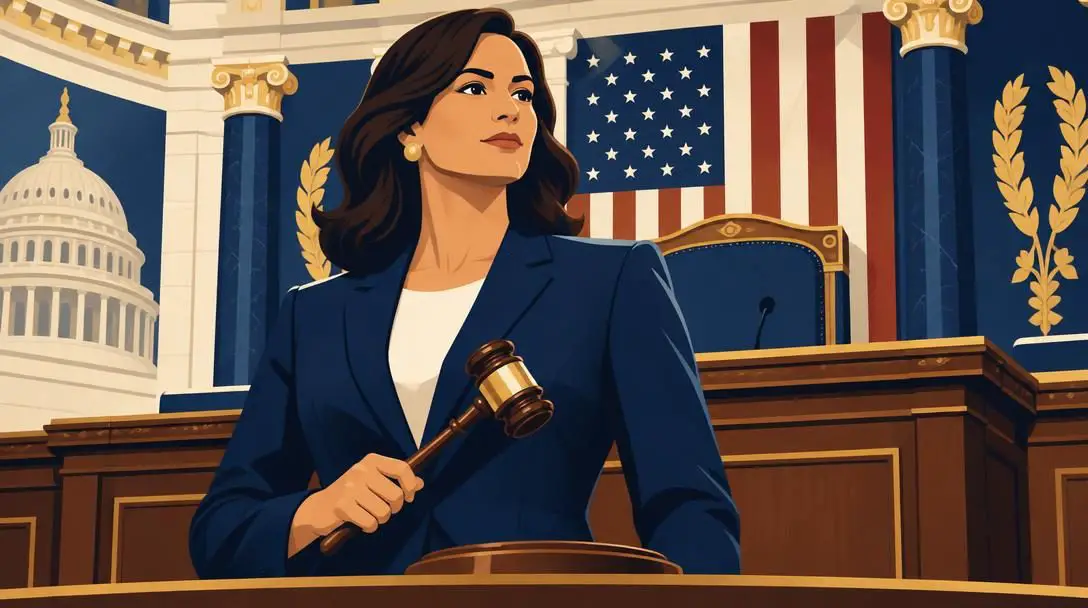
Few legislators in American history have exerted as profound an influence on national policymaking as Nancy Pelosi. When she made history in 2007 by becoming the first female Speaker of the House—a position she reclaimed in 2019—Pelosi demonstrated exceptional strategic and legislative discipline. Throughout her tenure in congressional leadership, she steered complex caucuses through landmark legislative battles. Pelosi consistently championed core Democratic initiatives, prioritizing expanded healthcare access, comprehensive reproductive rights, and strong legal remedies to combat the gender wage gap. Her career demonstrated that female leadership at the highest levels of the legislative branch could effectively marshal majorities and deliver historic statutory reforms.
Emily's List
- Foundational Mission: Supporting pro-choice Democratic women candidates
- Core Programs: Candidate recruitment, message training, and campaign finance support
- Strategic Role: Cultivating the political candidate pipeline from municipal to federal levels
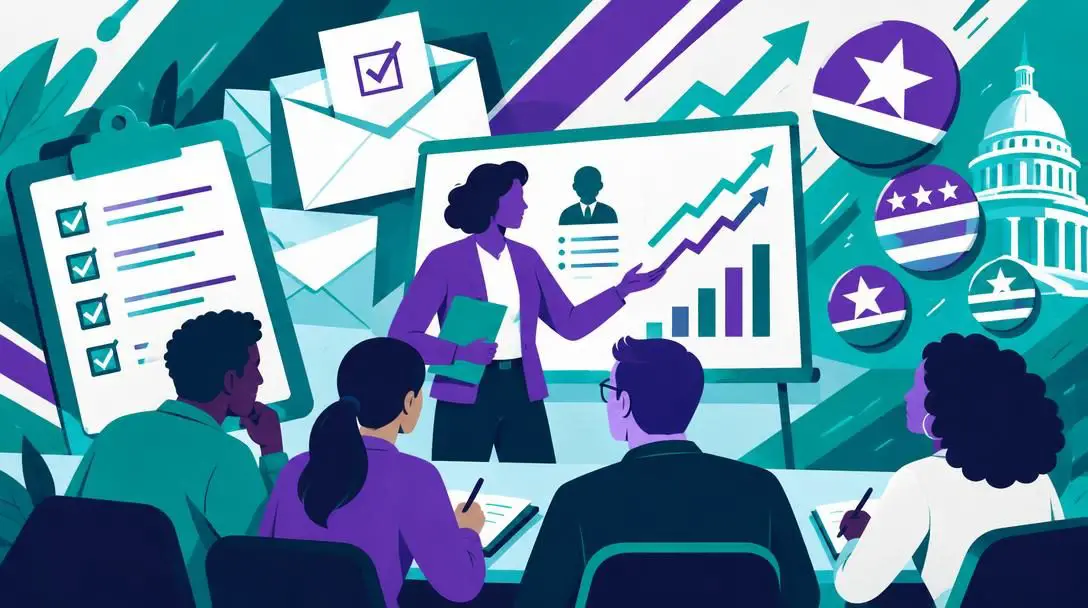
Individual candidates rarely succeed without robust institutional support, and Emily's List has functioned as one of the most critical engines of female political advancement in the United States. Founded to back pro-choice Democratic women, the organization identifies prospective contenders early in their careers and provides the structural resources necessary to wage viable campaigns. Through intensive candidate academies, fundraising networks, and tactical advising, Emily's List works to mitigate the historical funding disparities that often discourage women from entering competitive political contests. Their persistent organizational work has been instrumental in growing the ranks of female lawmakers in statehouses and on Capitol Hill.
Comparative snapshot of female political leadership
The expanding presence of women throughout the party takes many forms, ranging from single historic executive offices to collective congressional ranks and institutional recruitment organizations. The table below outlines how these roles and institutions differ across the political landscape.
| Leader or Institution | Institutional Arena | Key Milestone or Membership | Primary Policy and Political Focus |
|---|---|---|---|
| Kamala Harris | Executive Branch | First woman, Black, and South Asian American Vice President (2020) | Executive governance, racial equity, and national representation |
| Nancy Pelosi | Legislative Branch (House) | First woman Speaker of the House (2007, 2019) | Healthcare access, reproductive rights, and pay equity |
| Democratic Women in Congress | Federal Legislature | Record cohort of 89 representatives and senators | Federal legislation, committee oversight, and progressive policy |
| Emily's List | Campaign Infrastructure | National candidate recruitment and training network | Pro-choice candidate development, fundraising, and campaign strategy |
How campaign infrastructure and candidate pipelines work
Winning elected office is the final stage of a lengthy, complex institutional process. Long before an election day victory, candidates rely on professional campaign personnel, strategic training, and robust voter contact networks. Within the Democratic apparatus, women perform crucial labor across every phase of this operational pipeline.
- Identification and Recruitment: Party organizations, local committees, and groups like Emily's List continuously monitor community activists, municipal leaders, legal professionals, and educators to recruit promising talent for upcoming electoral cycles.
- Campaign Mechanics and Skill Training: Aspiring candidates attend structured workshops to learn essential political skills, including public speaking, media relations, platform development, and compliance with intricate campaign finance regulations.
- Building Financial Viability: Modern campaigns require extensive resources to reach voters. Professional female fundraisers coordinate donor events, manage online grassroots outreach, and partner with political action committees to secure early venture funding for candidates.
- Field Operations and Digital Engagement: Female campaign staffers serve extensively as field organizers and digital strategists. They coordinate door-to-door canvassing, run digital communication campaigns, and mobilize neighborhood volunteers to ensure strong turnout at the polls.
- Legislative Coalition Management: Once elected, lawmakers join bodies like the House of Representatives or the Senate, where senior leaders manage committee assignments, negotiate legislative language, and align caucus members behind priority bills.
Key policy priorities driven by Democratic women
The substantive impact of having women in public office is most evident in the policy battles they choose to lead. When women participate directly in legislative negotiations, they consistently highlight issues that touch on family economic stability, bodily autonomy, and equal opportunity.
At the forefront of these priorities is pay equity. In modern American society, women continue to earn an average of only 82 cents for every dollar earned by men. This ongoing wage disparity compounds over a career, depressing retirement savings, widening the racial wealth divide, and leaving families economically vulnerable. Democratic women in Congress and state legislatures continually advocate for robust legal mechanisms to prohibit wage discrimination, increase pay transparency, and penalize workplace retaliation against employees who discuss compensation.
Similarly, the defense and codification of reproductive rights serves as a unifying touchstone for female Democratic leaders. Officials prioritize safeguarding access to comprehensive family planning services, reproductive healthcare, and bodily autonomy. These efforts are closely tied to broad-based healthcare initiatives. Championed by leaders like Nancy Pelosi, women lawmakers have worked systematically to expand access to affordable healthcare, protect patients with pre-existing conditions, and strengthen public health programs that support vulnerable families.
Finally, women of color within the party have championed comprehensive agendas connecting economic and racial justice. By underscoring how race, gender, and economic status intersect, these leaders focus public attention on safeguarding voting rights, ending discriminatory lending and housing practices, and reforming legal systems to ensure fair treatment for historically marginalized populations.
Grassroots engagement and entry points for advocates
Cultivating a representative democracy requires continuous participation outside of formal election cycles. Citizens interested in advancing women's leadership and supporting progressive policies can engage through multiple practical avenues.
- Participate in Local Precinct Committees: Grassroots political organizing begins in municipal and county party organizations. Attending these regular meetings provides direct access to candidate endorsements, platform drafting, and neighborhood organizing strategies.
- Volunteer on Field Campaigns: Direct voter engagement remains the most effective form of political communication. Contributing personal time to knock on doors, make phone calls, or manage precinct voter rolls directly strengthens a candidate's ground game.
- Enroll in Specialized Candidate Training: Women interested in pursuing public office or campaign management can apply to dedicated candidate incubators, such as those provided by Emily's List, to learn strategic messaging and fundraising.
- Direct Advocacy on Core Legislation: Grassroots organizers regularly contact their elected representatives—including the 89 Democratic women currently serving in Congress—to demand swift action on equal pay protections and healthcare funding.
Common pitfalls in gender parity advocacy
While the political influence of women continues to expand, advocacy groups and campaign strategists frequently run into strategic mistakes that can slow or complicate progress. Avoiding these missteps is vital for building enduring representation.
- Assuming Forward Momentum Is Automatic: Celebrating major milestones, such as Nancy Pelosi's speakership or Kamala Harris's vice presidency, can create a false sense of final victory. Representation fluctuates across election cycles, and without deliberate retention and recruitment, hard-won gains can be lost.
- Viewing Female Voters as a Monolith: Women are not a uniform demographic. Differences in race, income, geography, and age produce distinct policy perspectives. Failing to center the specific economic and social realities of women of color undermines coalition durability.
- Ignoring Down-Ballot Contests: Excessive focus on congressional and presidential elections causes organizations to neglect city councils, school boards, and county commissions. These lower-profile seats serve as the training grounds where future national candidates learn to govern.
- Overlooking Behind-the-Scenes Professionals: Focusing solely on the candidate on the debate stage neglects the essential contributions of campaign managers, digital strategists, field directors, and donors who make electoral victories possible.
- Divorcing Representation from Material Realities: Parity efforts that celebrate symbolic firsts while ignoring systemic economic realities—such as the persistent 82-cent wage gap—risk alienating working-class voters who need immediate legislative relief.
Frequently asked questions
How many Democratic women currently serve in Congress?
There are currently 89 women serving as representatives or senators within the Democratic ranks in the United States Congress, representing a record level of female legislative participation for the party.
What historic barrier did Kamala Harris break in 2020?
Kamala Harris shattered multiple historic glass ceilings when nominated and elected Vice President in 2020, becoming the first woman, the first African American, and the first South Asian American to hold the office.
When did Nancy Pelosi serve as Speaker of the House?
Nancy Pelosi first made history as the nation's first female Speaker of the House in 2007. She later reclaimed the leadership gavel for a second tenure beginning in 2019.
What is the primary mission of Emily's List?
Emily's List is a political organization dedicated to recruiting, training, and funding pro-choice Democratic women candidates running for public office across local, state, and federal levels.
What is the current gender wage gap cited by advocates?
According to economic data highlighted by Democratic lawmakers, women currently earn approximately 82 cents for every dollar earned by men, making pay equity a primary legislative priority.
The bottom line
The achievements of women within the Democratic Party represent decades of sustained grassroots mobilization, institutional reform, and individual political determination. From groundbreaking executive triumphs to legislative leadership and essential campaign operations, women have redefined the boundaries of political authority. During national observances such as Women's History Month in March, these milestones offer valuable perspective on the road traveled since the suffrage movement.
Yet symbolic milestones cannot obscure the work that remains. Women continue to encounter institutional barriers to campaign financing and senior leadership, while socioeconomic challenges like the 82-cent wage gap require urgent statutory solutions. By continuing to expand campaign pipelines, invest in diverse candidates, and translate electoral victories into tangible policies, women within the party continue to forge a more equitable civic future for the nation.