Exploring The Political Commentary In Comic Books
Comic books have long existed as far more than disposable pulp entertainment or flashy escapism filled with punchy sound effects and costumed vigilantes. Throughout their history, illustrated narratives have operated as dynamic mirrors of modern society, providing creators with a versatile visual canvas to engage directly with pressing cultural, social, and political disputes. From early Golden Age stories to contemporary serialized runs, writers and artists have positioned fictional heroes as symbols of fairness, hope, and justice during historical moments defined by global warfare, institutional tension, and civic unrest.
Rather than remaining insulated within safe, fantasy-bound storylines, mainstream and independent comics have repeatedly confronted the real-world anxieties of their eras. Early superheroes fought totalitarian regimes abroad and corrupt authorities at home, setting a precedent that graphic literature should engage with the human condition and the exercise of power. Over the decades, this tradition expanded into sophisticated critiques of systemic inequality, state overreach, and the moral ambiguities of governance, solidifying sequential art as a vital vehicle for cultural analysis.
Key takeaways
- Comic narratives have reflected real-world sociopolitical struggles since their inception, addressing subjects like fascism, civil rights, and institutional corruption.
- Both major publisher superhero serials and independent graphic novels use sequential art to examine systemic racism, poverty, imperialism, and state authority.
- Graphic literature employs visual allegory, genre subversion, and long-term serialization to convey ideological arguments without relying solely on prose exposition.
- Critical analysis of graphic texts requires examining artistic framing, publishing eras, real-world parallels, and the treatment of institutional power.
Historical Roots: From Wartime Morality to Structural Critique
The relationship between sequential storytelling and public discourse began in earnest during the turbulent decades of the early-to-mid twentieth century. In times of profound crisis, fictional champions served an immediate ideological function. During global conflicts, iconic figures like Superman were depicted fighting Nazis, translating widespread geopolitical anxieties into moral narratives that championed democratic resolve and directly rebuked fascism. These early depictions offered readers clear, unambiguous moral clarity while public institutions were locked in existential conflict.
As the medium matured, however, the depiction of power transformed. Superhero narratives steadily moved away from uncritical alignment with national governments. Storylines featuring Captain America began depicting the hero confronting corrupt government officials, creating a sharp thematic contrast between pure patriotic ideals and the compromised institutions tasked with running the state. This distinction showed audiences that loyalty to ethical principles often required resisting institutional authority when that authority strayed into abuse or self-interest.
Over time, sequential art broadened its focus from external wartime threats to internal, structural dilemmas. Creators recognized that graphic storytelling possessed the narrative subtlety needed to address complicated topics such as systemic sexism, persistent poverty, and racial inequality. By transitioning from simple moral parables to complex systemic critiques, comics evolved into an enduring platform for social commentary across both mainstream superhero universes and creator-owned releases.
Landmark Works of Political and Social Commentary
Both major corporate publishers and indie creators have pushed the boundaries of sequential art to address historical trauma, international foreign policy, and domestic inequality. The following titles illustrate how varied the medium's critical gaze can be across genres, settings, and visual formats.
| Work | Publisher / Creator | Core Themes | Narrative Format |
|---|---|---|---|
| Black Panther | Marvel | Racial politics, imperialism, sovereignty, and power dynamics | Mainstream superhero universe |
| The Green Lantern | DC Comics | Systemic oppression, institutional overreach, and police brutality | Mainstream superhero universe |
| Captain America: Sam Wilson | Marvel | Immigration debates, police brutality, and domestic polarization | Mainstream superhero universe |
| The Flintstones | DC Comics | Consumerism, corporate greed, and social dysfunction | Satirical animated adaptation |
| Watchmen | Alan Moore and Dave Gibbons | State corruption, Cold War paranoia, and unchecked vigilantism | Standalone graphic novel |
| Maus | Art Spiegelman | The Holocaust, generational trauma, survival, and identity | Biographical graphic memoir |
Black Panther

- Publisher: Marvel
- Primary Themes: Imperialism, race, and national sovereignty
Marvel's exploration of Wakanda through the Black Panther mythos serves as an extended inquiry into the dynamics of global dominance and self-determination. The series directly examines the politics of race and the long-lasting global effects of imperialism, asking difficult questions about what an uncolonized, technologically advanced African nation owes to the rest of the world. Rather than presenting Wakandan isolationism as entirely noble or entirely mistaken, the narrative explores the complicated ethical responsibilities tied to sovereignty, natural resources, and military independence.
The Green Lantern
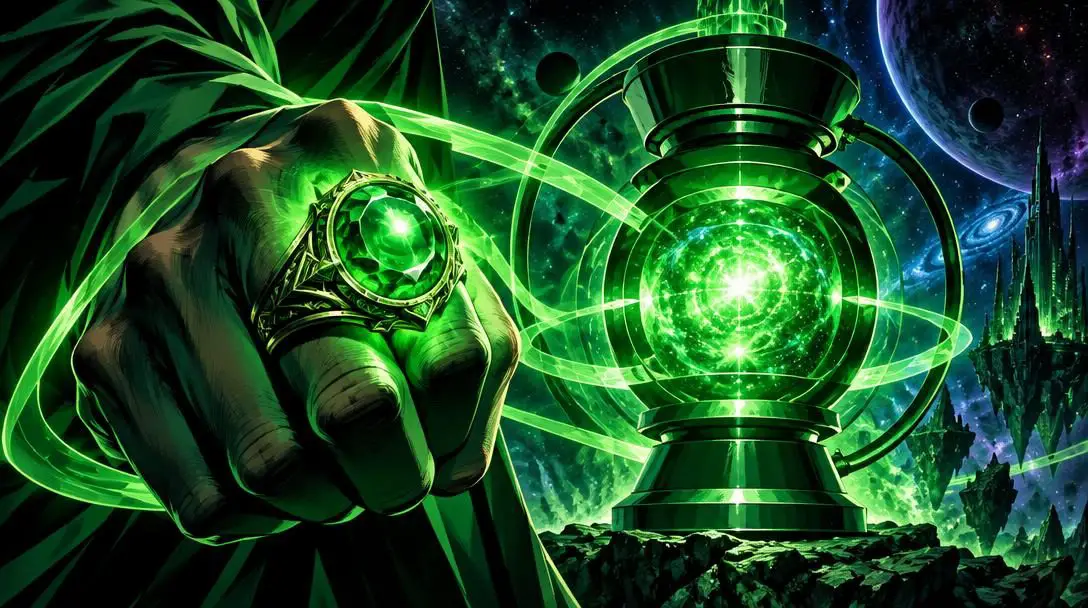
- Publisher: DC Comics
- Primary Themes: Institutional overreach and systemic oppression
Within DC Comics, The Green Lantern has regularly served as an entry point for confronting institutional injustices. Moving away from standard space-faring adventures, historic runs brought the intergalactic peacekeeper down to street level to address systemic oppression, institutional overreach, and police brutality directly. By juxtaposing cosmic authority against domestic social neglect, the series demonstrated how institutional enforcement bodies often fail the very marginalized populations they claim to protect.
Captain America: Sam Wilson
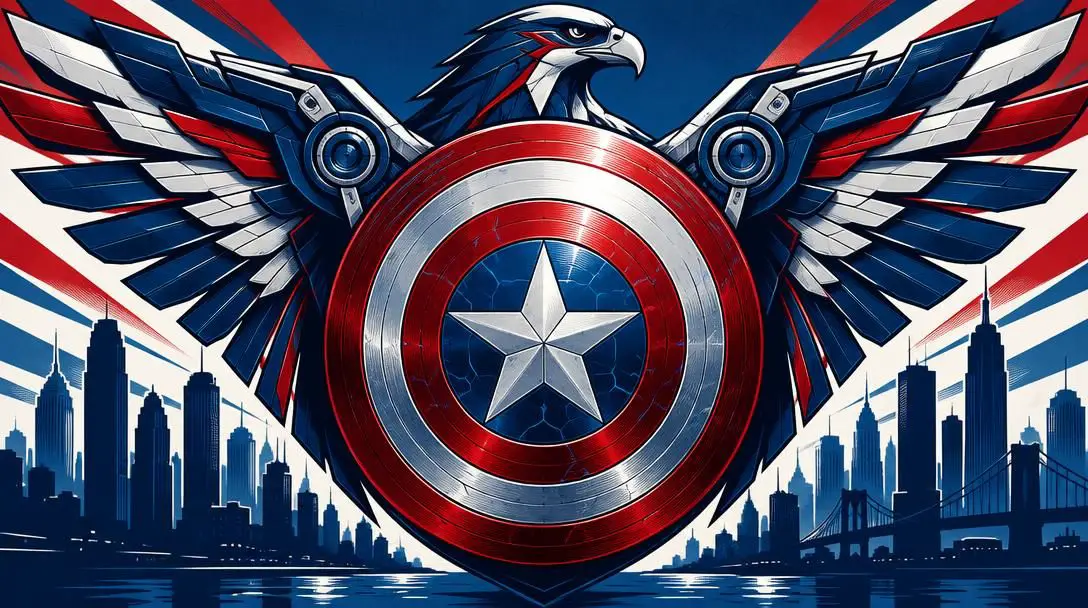
- Publisher: Marvel
- Primary Themes: Contemporary domestic policy and civic division
When Sam Wilson stepped into the role of Captain America, Marvel grounded the iconic mantle in modern cultural friction. The series engaged with immediate domestic crises, explicitly tackling immigration controversies and police brutality. By presenting a Black hero operating under the star-spangled banner while facing political pushback from conservative pundits and state apparatuses, the title held up a mirror to real-world ideological polarization and racial tension in contemporary America.
The Flintstones
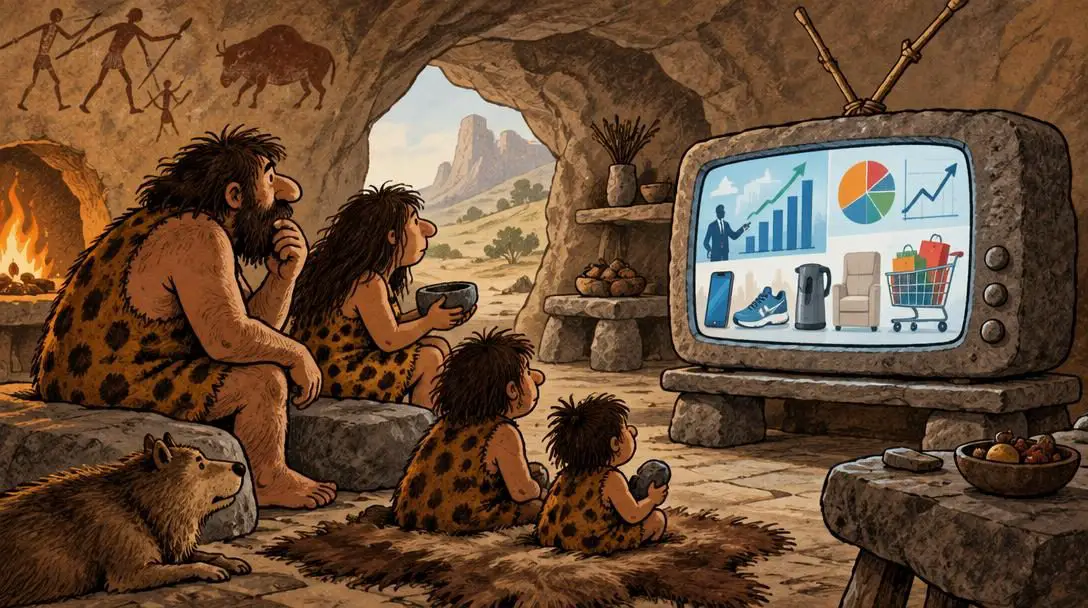
- Publisher: DC Comics
- Primary Themes: Modern consumerism and institutional absurdity
DC Comics’ reimagining of The Flintstones used an established pop culture brand to execute a biting social critique. The run transformed the classic animated stone-age cartoon into a pointed satire dissecting modern societal dysfunctions, economic arrangements, and cultural absurdities. Through the lens of Bedrock’s prehistoric civilization, the creators systematically mocked workplace exploitation, corporate consumerism, religious dogma, and political hypocrisy.
Watchmen
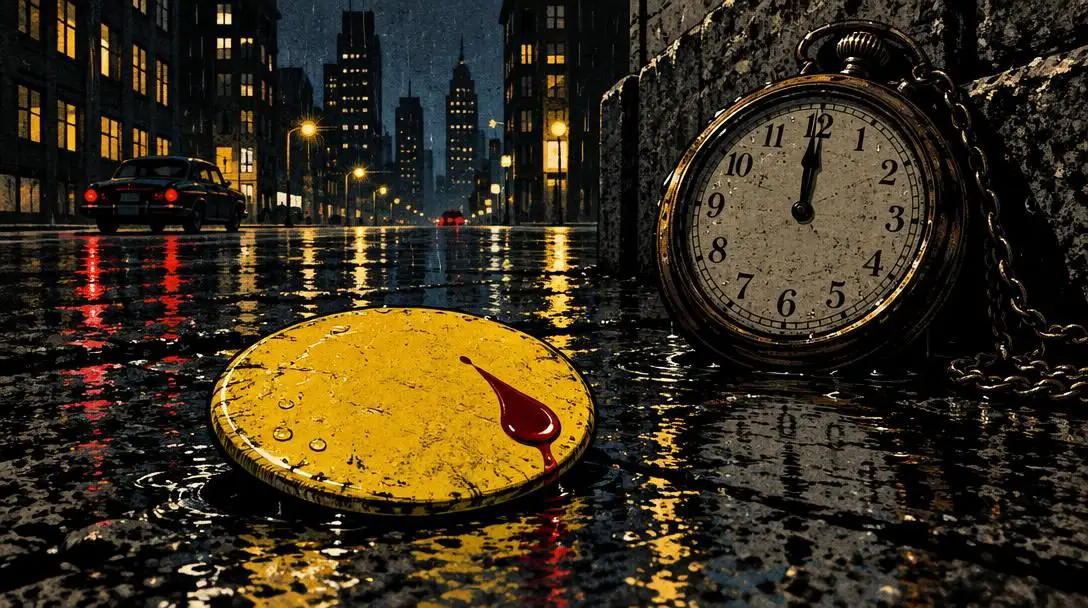
- Creators: Alan Moore and Dave Gibbons
- Primary Themes: Vigilante ethics, Cold War anxiety, and state power
Widely regarded as one of the most significant works of graphic literature ever produced, Watchmen takes place in an alternate version of the United States where costumed vigilantes altered the path of twentieth-century history. Creators Alan Moore and Dave Gibbons delivered a rigorous critique of state-level corruption, concentrated political authority, and the moral hazards of unchecked vigilantism. The graphic novel deconstructs the superhero fantasy, illustrating how individuals driven by absolute righteousness or geopolitical utilitarianism can easily slide into authoritarian violence.
Maus
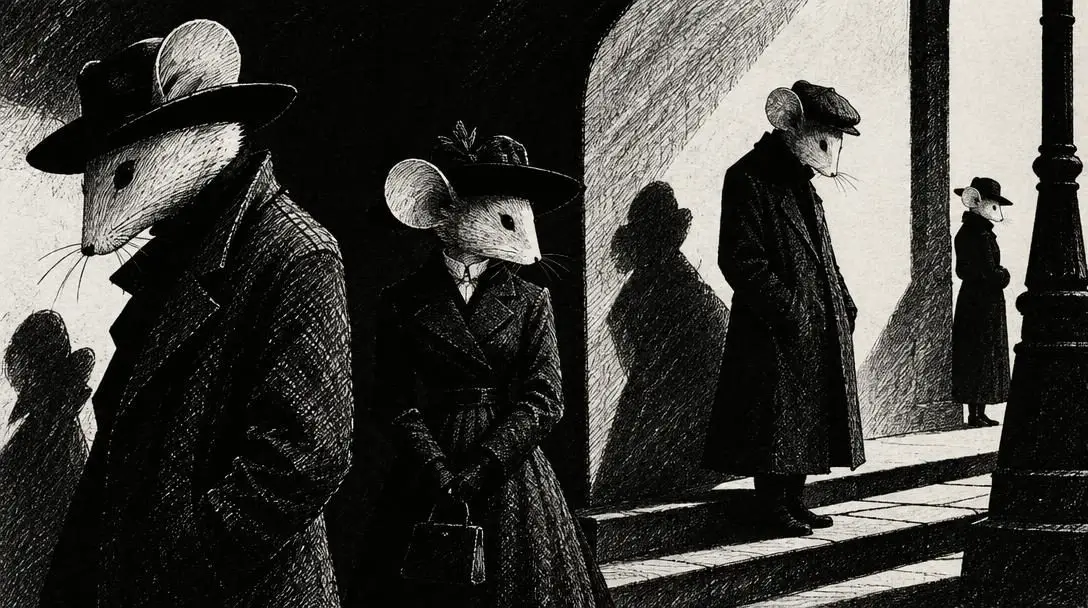
- Creator: Art Spiegelman
- Primary Recognition: 1992 Pulitzer Prize winner
Art Spiegelman's landmark graphic novel recounts his father's harrowing experiences as a Polish Jewish survivor of the Holocaust. Illustrated through an intentional visual hierarchy where distinct groups are depicted as anthropomorphic animals, Maus documents the unspeakable realities of the Holocaust while examining personal identity, generational trauma, and the enduring mental burden of survival. By earning the Pulitzer Prize in 1992, the work proved decisively to literary critics worldwide that sequential art is capable of handling profound historical trauma with honesty and unmatched emotional resonance.
Comic books have consistently dismantled the illusion of moral simplicity, demonstrating that genuine justice frequently stands in opposition to state authority.
Storytelling Mechanics: How Graphic Literature Conveys Ideology
Sequential art communicates ideological perspectives through narrative and aesthetic tools unique to the comic medium. Rather than relying on wall-to-wall text, creators use visual framing, character deconstruction, and ongoing publication schedules to craft nuanced social arguments.
One primary tool is visual allegory and symbolism. Because comics operate in a visual space, creators can personify abstract societal dynamics. In Maus, Art Spiegelman's choice of anthropomorphic animals highlights the absurdity and cruelty of racial categorization, forcing readers to confront the dehumanizing nature of anti-Semitic propaganda on an immediate, visual level.
Another crucial technique is the deconstruction of heroic archetypes. As seen in Watchmen, questioning the psychological motivations and moral consequences of vigilantes disrupts the idea that absolute force equates to moral righteousness. Showing costumed heroes as neurotic, politically compromised, or detached from ordinary human sympathy invites readers to question real-world figures who claim total authority in the name of safety.
Finally, serialized comics benefit from direct engagement with contemporary events and ongoing character arcs. Because mainstream titles are written and published month after month, storylines can immediately address emerging public debates. When Captain America: Sam Wilson brought modern controversies over immigration enforcement into its run, it demonstrated how long-running heroic identities can shift to confront the urgent moral choices facing each new generation.
How to Analyze Political Commentary in Graphic Literature
Readers who want to move beyond basic plot mechanics to unpack the cultural commentary embedded within comic narratives can follow a clear, structured analytical process.
- Identify real-world parallels: Examine the primary conflict driving the storyline and consider what historical or contemporary events it mirrors. Determine whether an intergalactic dispute or local street-level confrontation is drawing on issues like imperialism, systemic oppression, poverty, or institutional corruption.
- Evaluate the setting and publication era: Contextualize the story within its release date and geographic backdrop. An alternate-history environment, such as the Cold War setting in Watchmen, reveals the exact anxieties, governmental pressures, and foreign policy fears that dominated the period when the creators sat at their drawing boards.
- Analyze the creator's artistic choices: Study how panel layouts, character designs, and visual metaphors work in tandem with the dialogue. Notice how specific visual devices, such as the animal heads in Maus, construct arguments about identity, power, and historical memory.
- Examine the representation of authority: Pay close attention to how governments, law enforcement, corporate leaders, and international bodies are framed within the narrative. Consider whether institutions are portrayed as neutral guardians of public well-being, or if the text critiques them as conduits for corruption, overreach, and violence.
- Assess the moral framework: Trace how the narrative defines right, wrong, and civic responsibility. Look for whether vigilante acts are presented as unvarnished heroism, or if the narrative challenges the ethical validity of individuals working outside the law to enforce their personal vision of justice.
Frequent Missteps When Reading Socially Conscious Comics
Interpreting graphic literature without understanding the history of the medium can lead to flawed conclusions. Readers frequently run into several common misunderstandings when engaging with politically engaged comics:
- Assuming political commentary is a recent trend: Readers sometimes imagine that social critiques in graphic storytelling are a modern addition. In reality, the comic medium has engaged with politics from its inception, dating back to Golden Age characters combating fascism and subsequent storylines interrogating government authority.
- Believing mainstream superhero titles are purely escapist: Assuming that only independent graphic novels tackle serious topics overlooks the history of mainstream publishers. Landmark runs in properties like Black Panther, The Green Lantern, and Captain America have spent decades dissecting systemic racism, police brutality, and institutional corruption.
- Overlooking visual rhetoric: Focusing exclusively on written dialogue causes readers to miss the thematic work carried out by panel composition, coloring, perspective, and visual metaphor. The artwork carries substantial ideological weight.
- Expecting universal audience agreement: Political commentary in sequential art is meant to provoke thought, which naturally leads to debate. A narrative does not fail as commentary simply because portions of the audience prefer purely escapist storytelling or disagree with its perspective.
- Ignoring the historical context of classic works: Reading landmark releases without understanding their historical moment—such as approaching Watchmen without Cold War context or Maus without the history of the Holocaust—strips the works of their core thematic power.
Frequently asked questions
When did comic books start including political commentary?
Comic books have featured political and social commentary since their earliest days. During the Golden Age of comics, mainstream characters like Superman were illustrated fighting Nazis, directly addressing the rise of fascism and World War II before expanding into internal critiques of state corruption and domestic inequality in subsequent decades.
Why do creators use superheroes to critique real-world institutions?
Superheroes operate as heightened symbols of justice, authority, and power. By placing these larger-than-life figures against corrupt government officials or within broken civic systems, writers can explore the tension between abstract moral ideals and the flawed realities of institutional law enforcement.
What makes Maus unique among political graphic novels?
Created by Art Spiegelman, Maus depicts the horrors of the Holocaust and generational survival trauma using anthropomorphic animals to represent different groups. Its narrative depth and historical honesty earned it the Pulitzer Prize in 1992, proving the literary and artistic legitimacy of the graphic novel medium.
How can a humorous comic like The Flintstones offer serious commentary?
DC Comics' reimagining of The Flintstones uses satire to comment on modern life. By superimposing contemporary issues—such as corporate exploitation, consumer culture, and systemic inequality—onto a prehistoric stone-age civilization, the series highlights the absurdity and dysfunction of modern economic and social arrangements.
The Bottom Line
Comic books and graphic novels have never been detached from the world that creates them. By blending sequential visual art with serialized storytelling, creators across generations have tackled complex topics like imperialism, civil rights, police overreach, and wartime trauma. As global political landscapes shift, the medium will continue to adapt, proving that sequential art remains an essential mirror for modern society and an enduring arena for cultural debate.