Gardening for Kids: Teaching Children the Joy of Growing Their Own Food
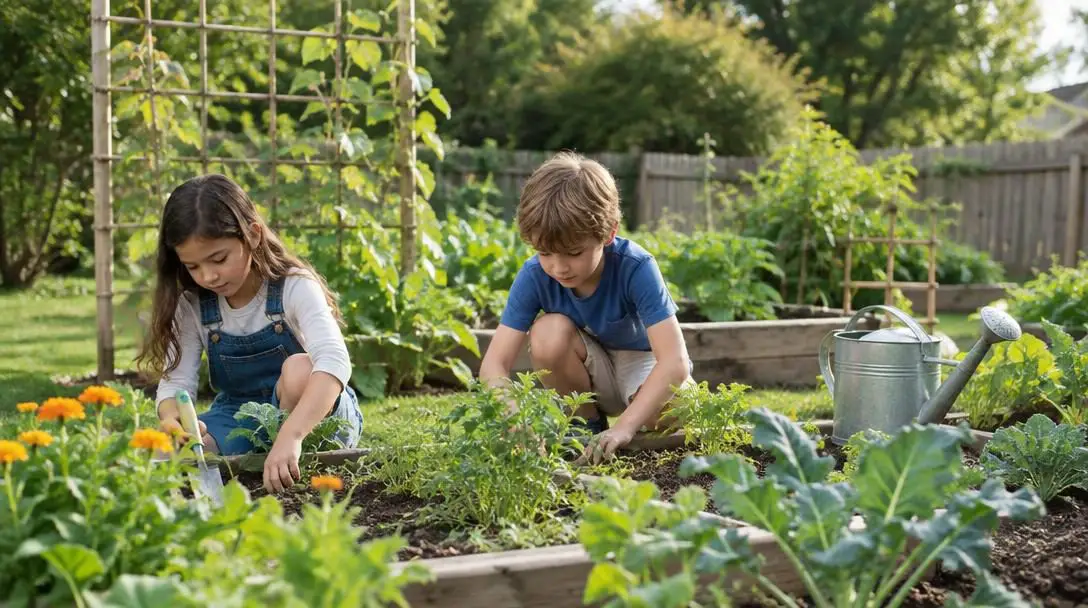
Gardening is frequently viewed as a quiet pastime reserved for adults, yet it is equally powerful as an interactive, educational, and joyful experience for children. In an era where daily routines gravitate toward indoor spaces and glowing digital screens, introducing young learners to the garden builds an authentic bridge to the outdoor world. By directly handling seeds, nutrient-rich soil, and living greenery, kids uncover the biological rhythms that sustain life and discover where their food truly comes from.
Working in the garden transforms abstract environmental lessons into tangible reality. Children observe firsthand how sunlight, water, and earth cooperate to produce edible plants, developing an early appreciation for ecology and healthy eating. Tending a plot demystifies grocery store shelves, showing children that fresh vegetables and aromatic herbs require deliberate care, seasonal awareness, and patient stewardship.
Key takeaways
- Gardening engages all five senses while encouraging children to enthusiastically eat fresh vegetables and herbs they grew themselves.
- Understanding plant biology—from seed dormancy to photosynthesis—turns daily outdoor chores into an exciting scientific investigation.
- Outfitting young growers with appropriately scaled hand tools prevents fatigue, minimizes physical frustration, and ensures safety.
- Hands-on projects like seed bombs, decorated terra cotta pots, and observation wormeries make ecological cycles approachable and fun.
- Sustainable practices such as composting, rainwater harvesting, and companion planting instill lifelong habits of environmental stewardship.
The developmental and physical benefits of gardening
Inviting children into the garden yields benefits that extend well beyond harvesting homegrown snacks. As an outdoor sensory laboratory, the garden supports early childhood development across physical, cognitive, and emotional domains, establishing healthy behaviors that endure into adulthood.
- Direct connection to nature: Managing outdoor beds allows children to notice subtle seasonal rhythms, track changing weather patterns, and appreciate how ecosystems function in real time.
- Promotion of nutritious dietary choices: Children who plant, tend, and pick their own produce show far greater willingness to try diverse vegetables and herbs, eagerly welcoming fresh flavors at family mealtimes.
- Hands-on educational experience: Gardening demystifies basic botany and life sciences, illustrating the fundamental needs of living organisms through tactile learning that school textbooks cannot match.
- Physical activity and motor development: Planting requires dynamic physical movement, including bending, lifting, and balancing, while delicate tasks like weed pulling and seed placement hone fine motor skills.
- Patience and accountability: Waiting days for sprouts to emerge and weeks for fruit to ripen teaches children the value of delayed gratification, steady effort, and reliable daily care routines.
Cultivating edible plants demystifies the food supply chain, helping children recognize that fresh produce does not simply materialize on store shelves.
Demystifying plant growth: How seeds become food
To keep young minds genuinely invested in their garden beds, it helps to explain what occurs beneath the soil in straightforward terms. Children often wonder how a dry speck of material transforms into an expansive vine or leafy bush. Breaking down this transformation turns gardening into a continuous biological adventure.
The journey starts with the seed, a self-contained biological capsule holding a dormant plant embryo and a supply of stored energy. When settled into warm, moist soil, the seed takes in water, swells, and breaks open its tough outer skin. This moment marks germination: a pale initial root burrows downward to anchor the plant and drink moisture, while a pale shoot reaches upward against gravity toward natural light.
Once the emerging shoot breaks the surface and spreads its first true leaves, the young plant turns into an independent energy producer. Through photosynthesis, green foliage absorbs sunlight, carbon dioxide, and water to manufacture sugars that feed stem growth, new leaves, flowers, and fruit. Simultaneously, roots branch out beneath the surface like underground plumbing, collecting moisture and dissolved soil minerals. Explaining that plants require hydration, balanced nutrients, and light just like people do helps kids understand why regular garden maintenance is essential.
Essential garden implements scaled for children
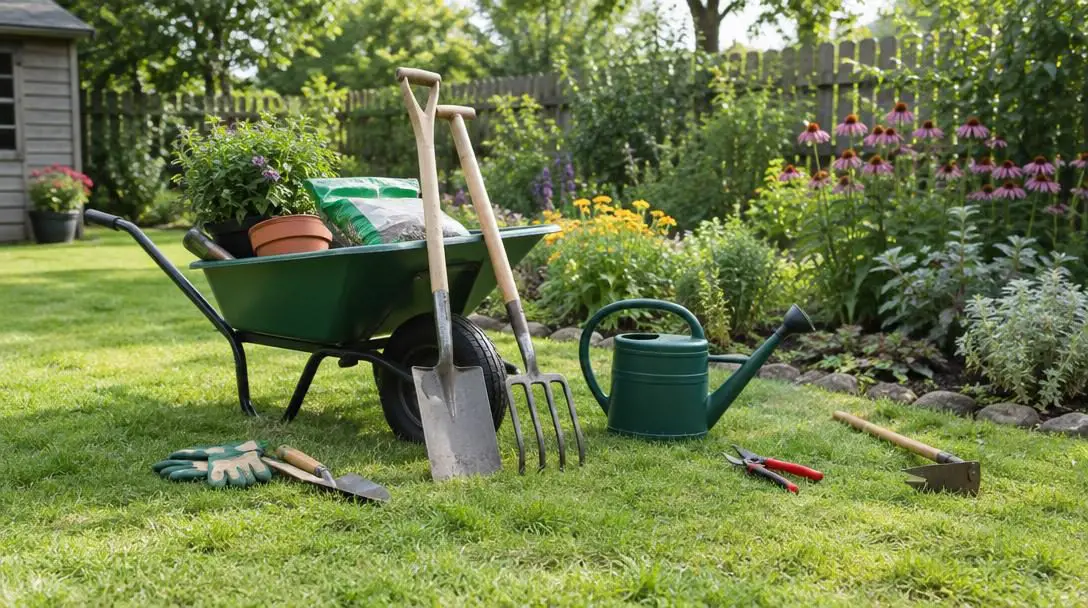
Equipping young gardeners with properly sized equipment is critical for both safety and sustained enthusiasm. Providing oversized, heavy tools designed for adults quickly causes physical strain and discourages participation. Durable, compact tools allow small hands to dig, transport, and water effectively.
Fitted Gardening Gloves
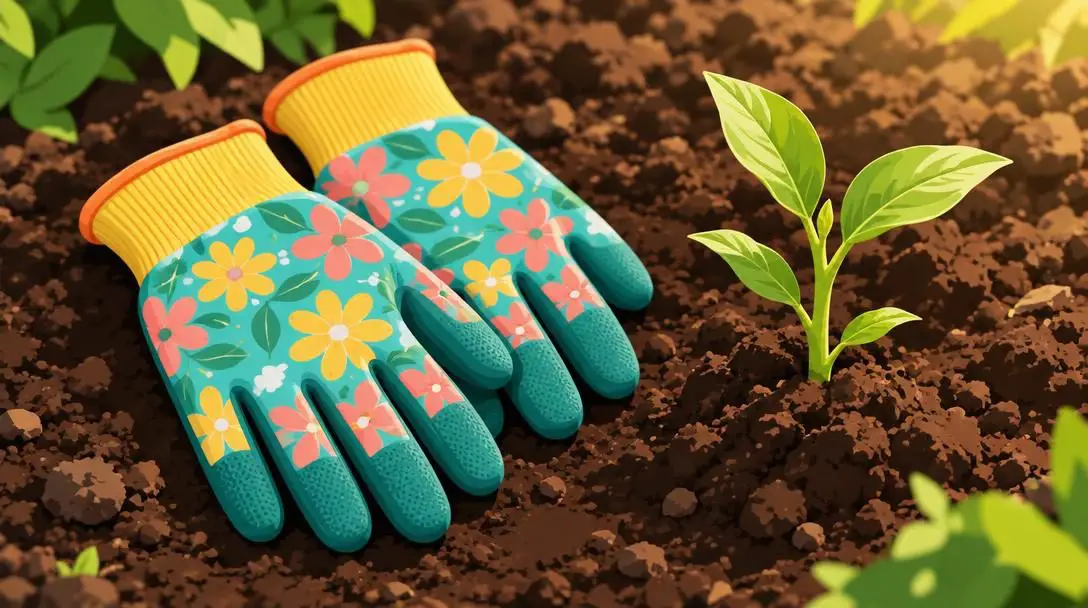
A pair of well-fitting work gloves protects tender skin from splinters, sharp twigs, rough stones, and thorny stems. Sized correctly, gloves provide a secure, non-slip grip on wet tools and muddy containers, keeping hands clean and safe during vigorous bed preparation.
Hand Trowel
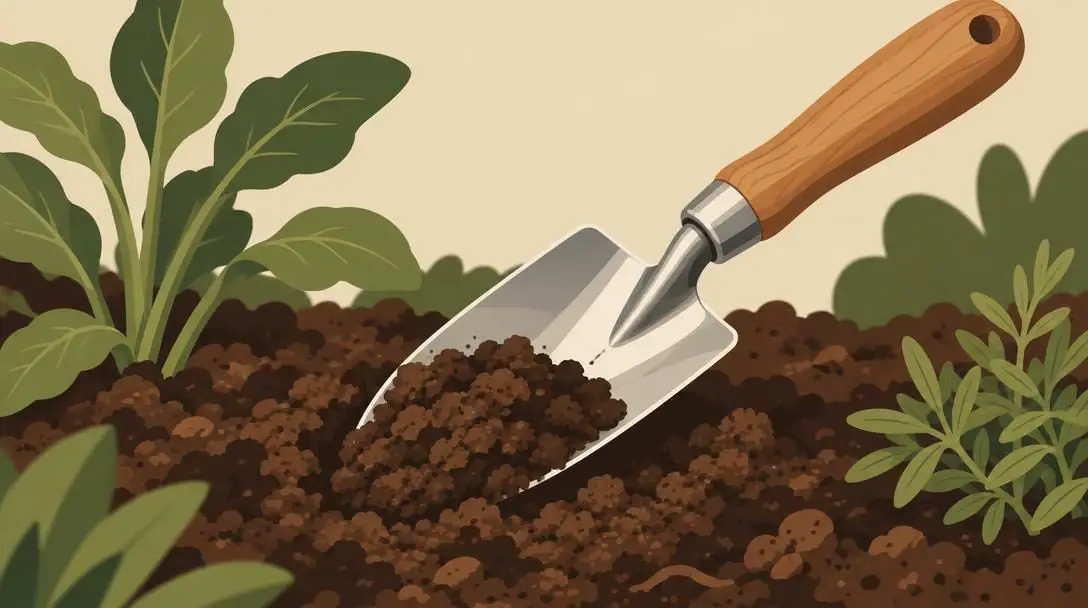
A durable, small hand trowel serves as the cornerstone of every young gardener's kit. Featuring an easy-to-grip handle and a narrow metal or hardened composite blade, it allows kids to scoop compost, carve out planting holes, and carefully loosen weeds without damaging adjacent root networks.
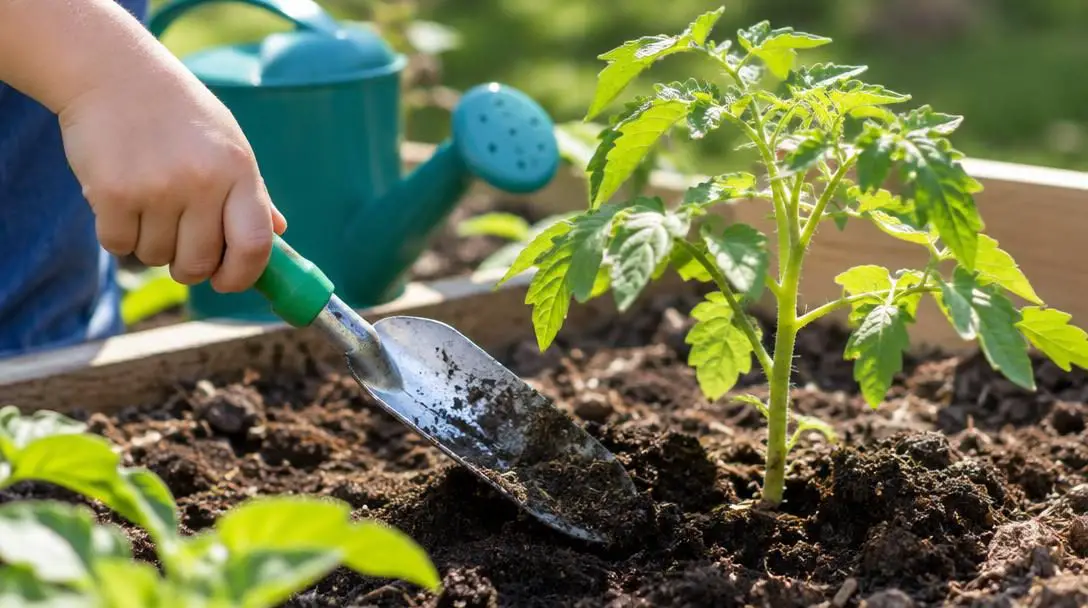
Watering Can with a Gentle Nozzle
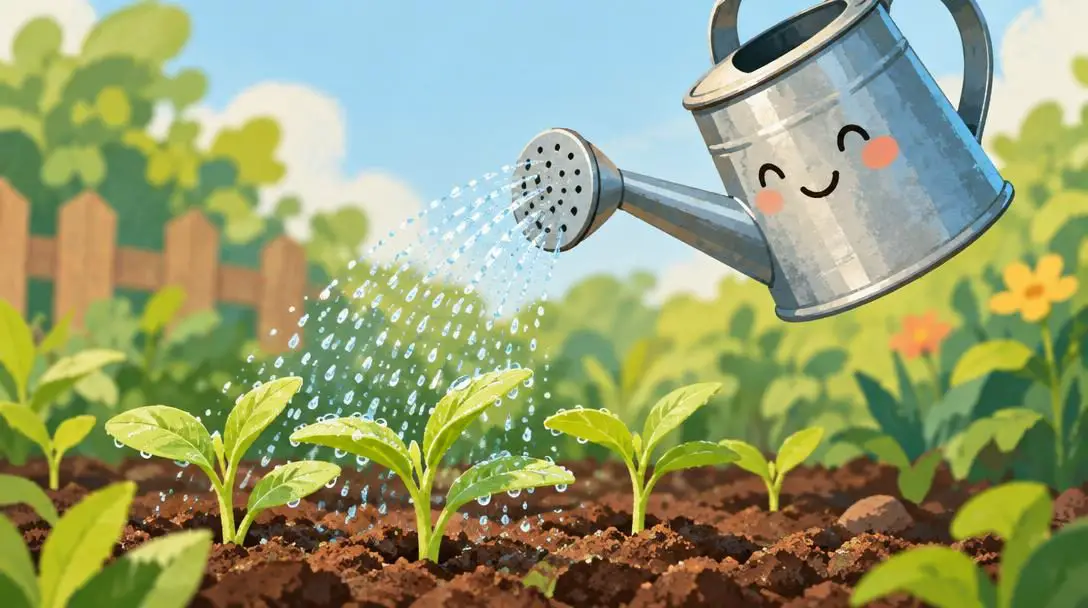
Hydrating young plants requires a gentle touch. A lightweight watering can or an adjustable hose attachment equipped with a fine rose nozzle delivers a soft spray that hydrates delicate sprouts without dislodging seeds, packing down the topsoil, or snapping fragile young stems.
Child-Sized Shovel or Spade
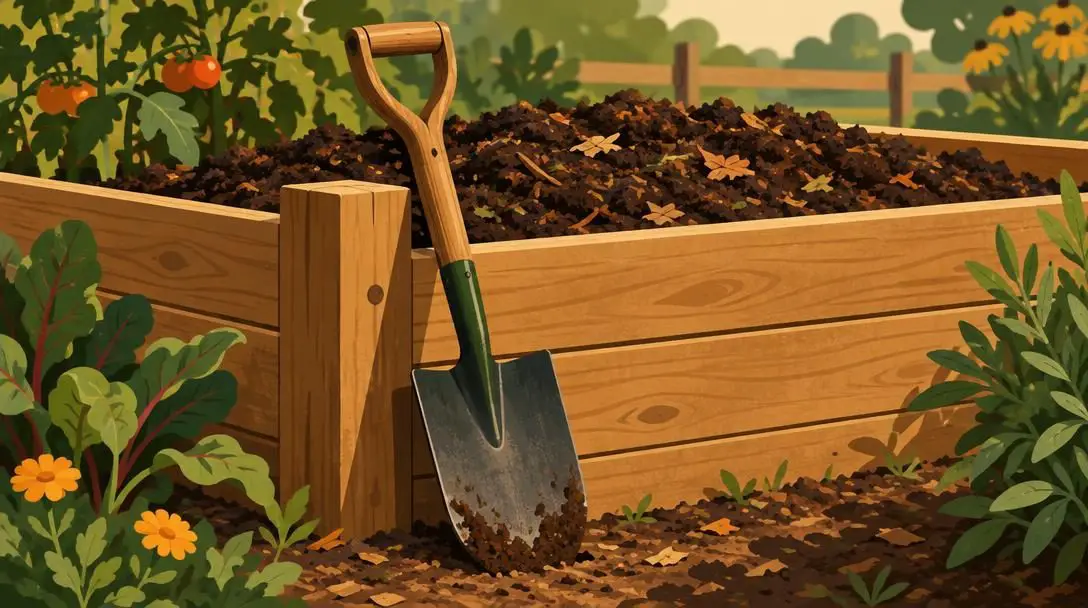
A short-handled shovel or miniature border spade gives older children the leverage needed to turn compost into planting plots, blend soil amendments, and dig broad trenches independently. The reduced shaft length keeps balance centered and minimizes muscle fatigue during bed preparation.
Soil preparation and resilient starter crops
Healthy soil is the foundation of any flourishing garden. Involving young learners in conditioning the ground sets them up for success, protecting them from the disappointment of weak or failed crops.
Soil preparation should always be a collaborative effort. Children can walk the plot to clear away stray rocks, sticks, and invasive weed roots that could obstruct tender root networks. Once the area is clear, children can help fold in decomposed compost, well-rotted manure, or balanced organic fertilizer. Mixing these organic amendments creates a soft, crumbly earth structure that retains moisture while allowing excess water to drain freely.
| Plant Category | Recommended Varieties | Key Advantages for Children |
|---|---|---|
| Fragrant Herbs | Sweet basil, mint, chives, parsley | Stimulate sense of smell; offer continuous, repeated harvests all season long. |
| Fast Vegetables | Radishes, bush beans, cherry tomatoes, loose-leaf lettuce | Rapid seed-to-table timelines that align well with shorter attention spans. |
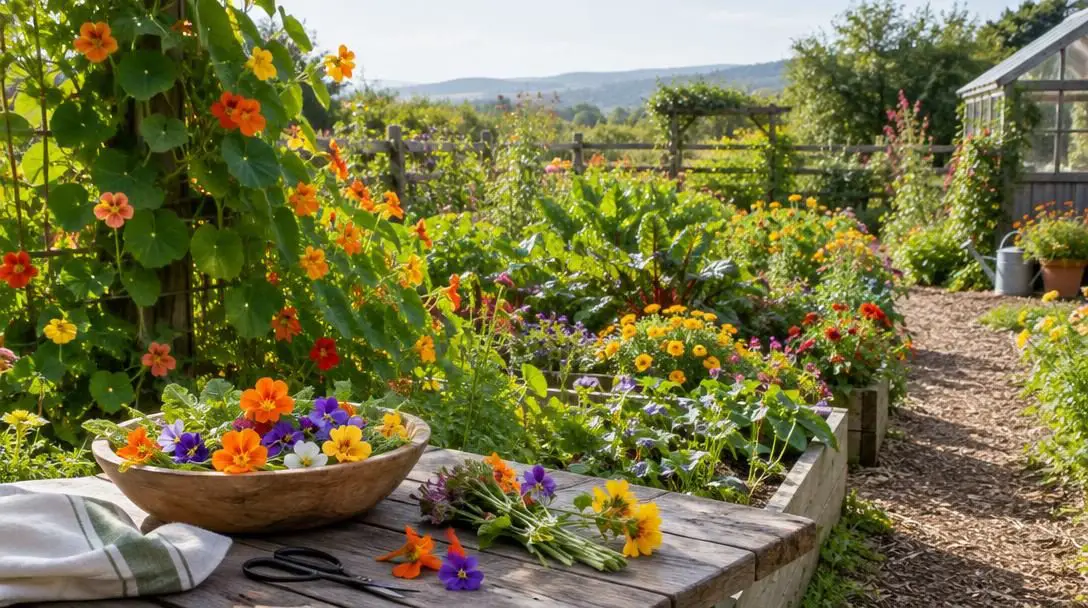
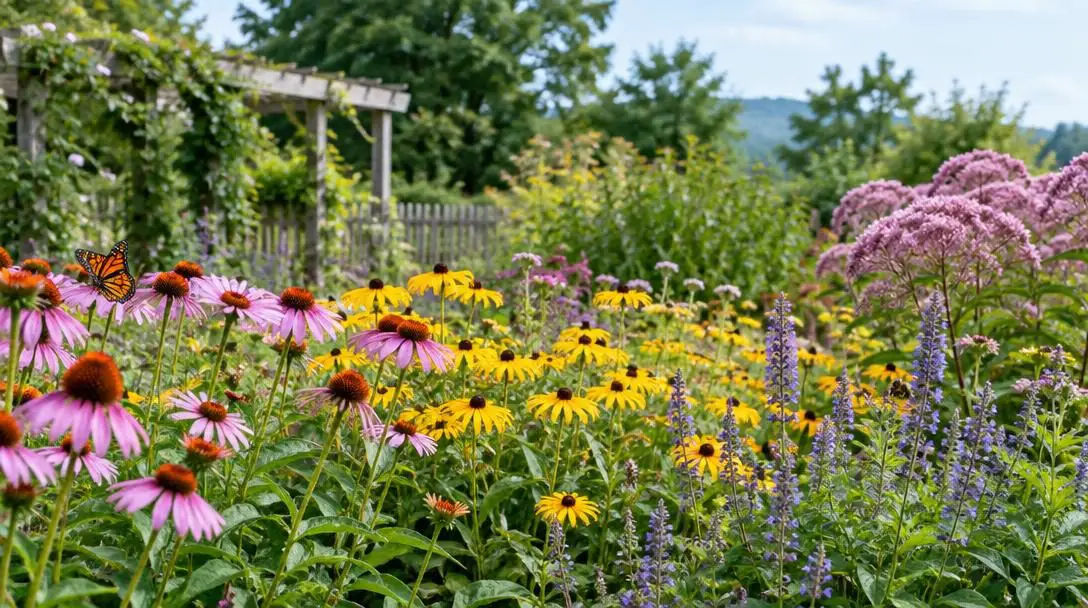
| Vibrant Flowers | Sunflowers, marigolds, nasturtiums | Display dramatic colors; attract beneficial insects and illustrate pollinator roles. |
Interactive garden projects for children
Structuring outdoor time around creative, tactile activities keeps children engaged while uniting basic ecological science with art and craftwork.
Seed Bomb
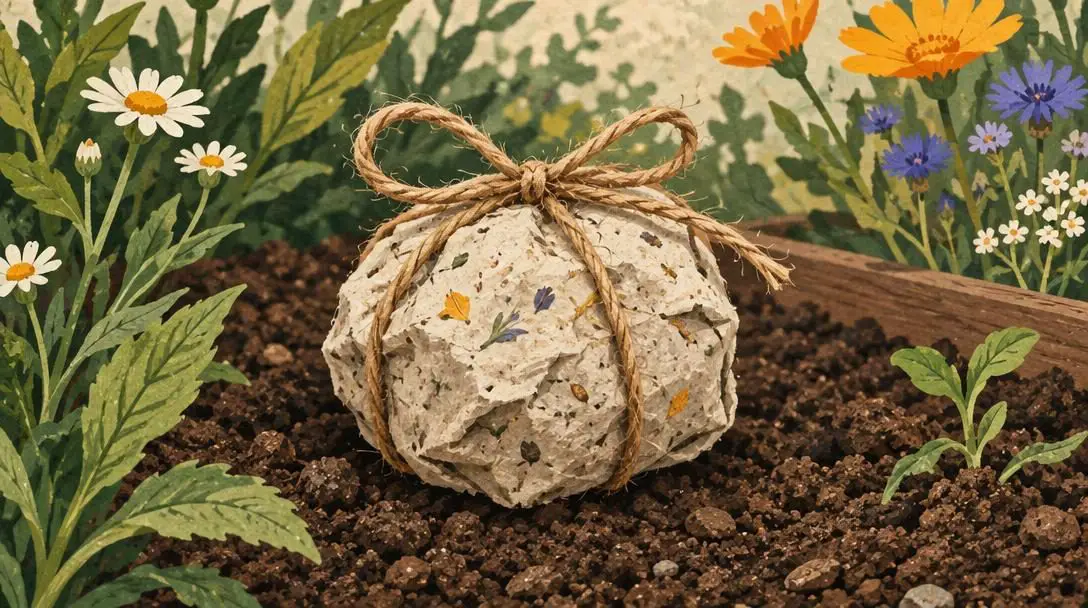
Seed bombs provide a clean, simple way to sow seeds without labor-intensive trenching. They work remarkably well for wild garden borders, raised beds, or patio planters.
- Gather biodegradable materials such as recycled paper scraps, soft tissue paper, or unbleached coffee filters.
- Moisten the paper lightly so it forms a workable wrap, or lay the filter flat on a clean table.
- Spoon a layer of nutrient-rich potting soil directly onto the center of the paper base.
- Sprinkle a pinch of hardy flower or vegetable seeds directly over the soil mound.
- Gather the edges upward and twist the top, securing it with a small snippet of natural twine to form a closed parcel.
- Place the seed bomb into an open garden bed or planter, then water it thoroughly until the outer casing dissolves into the soil.
Decorated Terra Cotta Pot
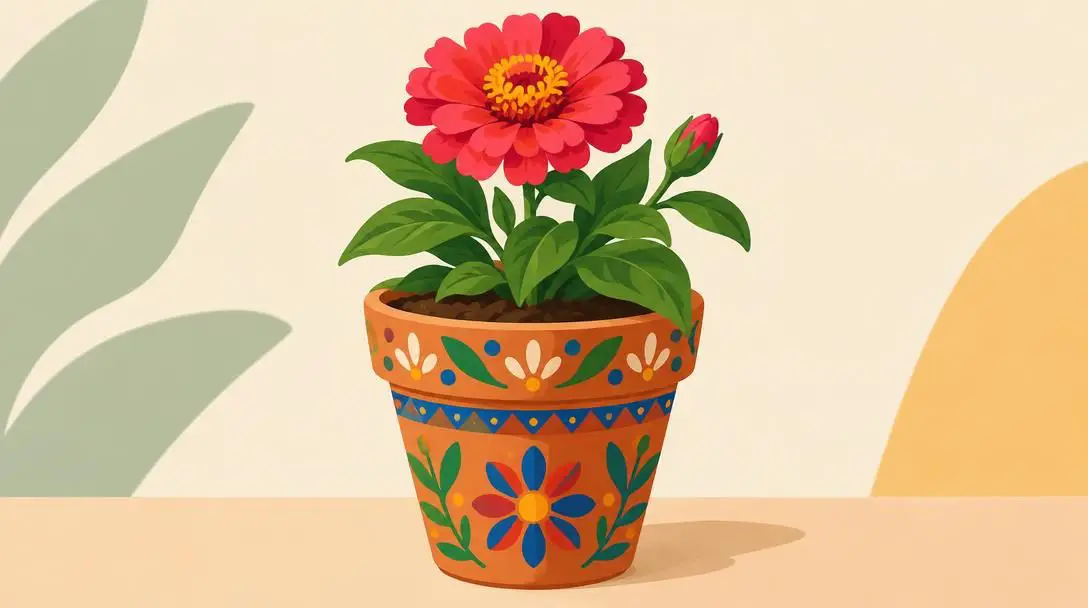
Painting planters gives children artistic ownership over their personal garden spaces, transforming standard clay pots into customized growing vessels.
- Provide an unglazed terra cotta pot, verifying that the drainage hole at the bottom is free of debris.
- Decorate the exterior surfaces using safe acrylic paints, water-resistant craft pens, or colorful stamps.
- Set the decorated container aside in a warm, dry area until all paint layers dry completely.
- Fill the interior with quality potting mix, leaving roughly an inch of space beneath the top rim.
- Gently dig a shallow pocket, set in a hardy flowering transplant, firm the surrounding mix, and water lightly.
Observation Wormery
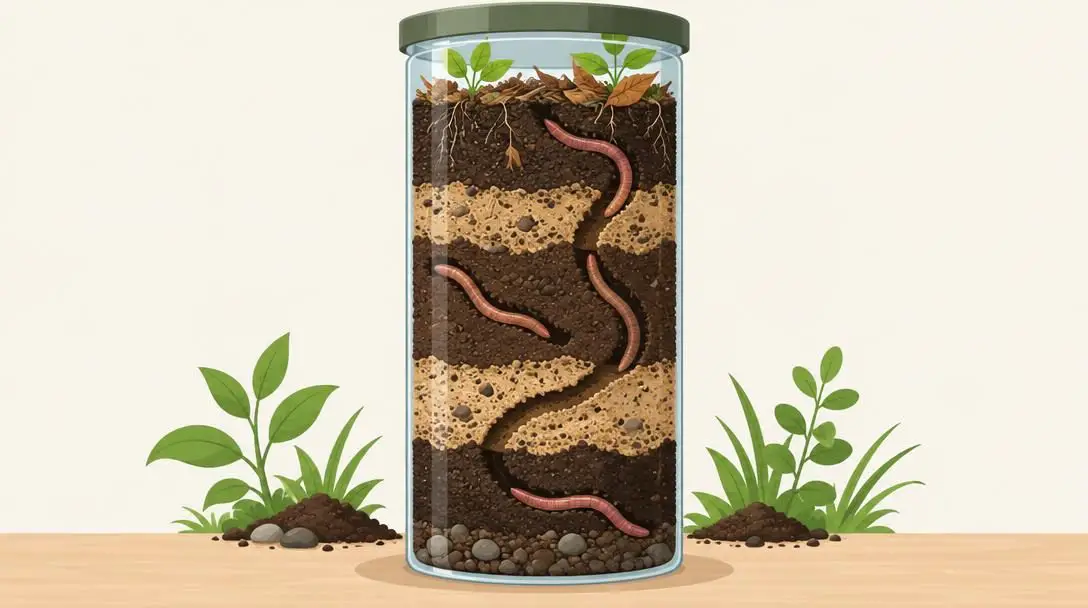
Building a transparent worm habitat introduces young learners to subterranean decomposers, demonstrating how organic waste transforms into rich topsoil.
- Select a clean, clear plastic or glass container so underground movement remains visible, and ensure air holes are drilled near the rim.
- Spread an initial layer of damp, loose garden soil across the bottom without compacting it too tightly.
- Place several healthy earthworms on top of the soil and watch as they instinctively burrow away from ambient light.
- Add small scraps of raw vegetable ends, lettuce leaves, or used coffee grounds over the top surface.
- Keep the wormery in a dark, cool spot, maintaining mild moisture and observing how the worms shift organic layers over time.
Teaching environmental stewardship in the garden
A family garden serves as an accessible classroom for teaching sustainability. Introducing simple conservation habits helps children recognize how their daily actions influence broader ecosystems.
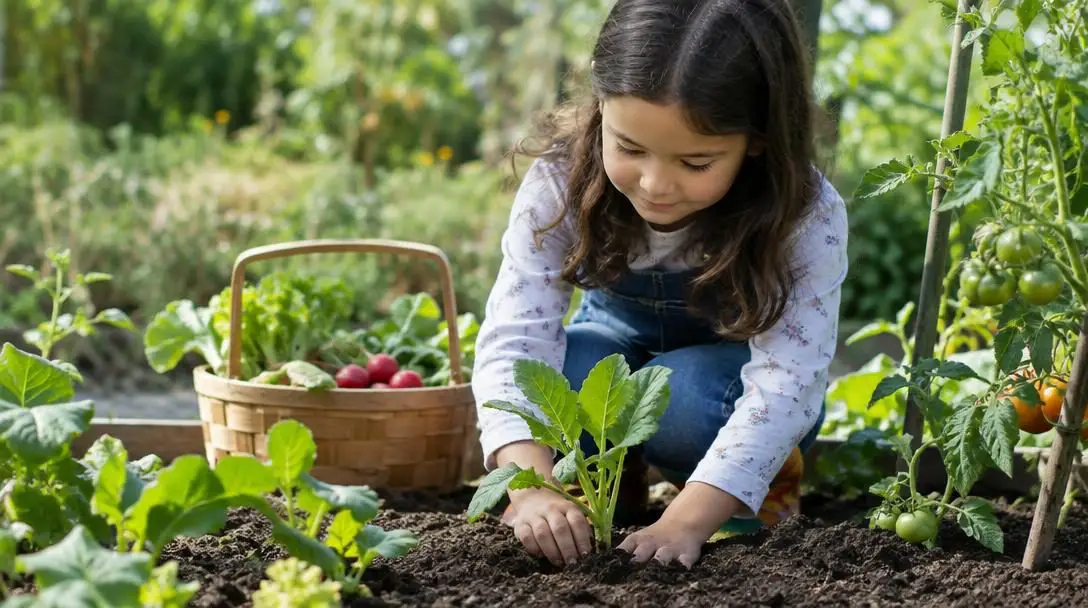
Building a compost pile: Composting demonstrates that kitchen trimmings and garden waste are valuable resources rather than trash. Involve children in sorting fruit peels, crushed eggshells, and dried leaves. Watching these scraps decompose into rich, dark compost shows them how organic matter renews the earth naturally.
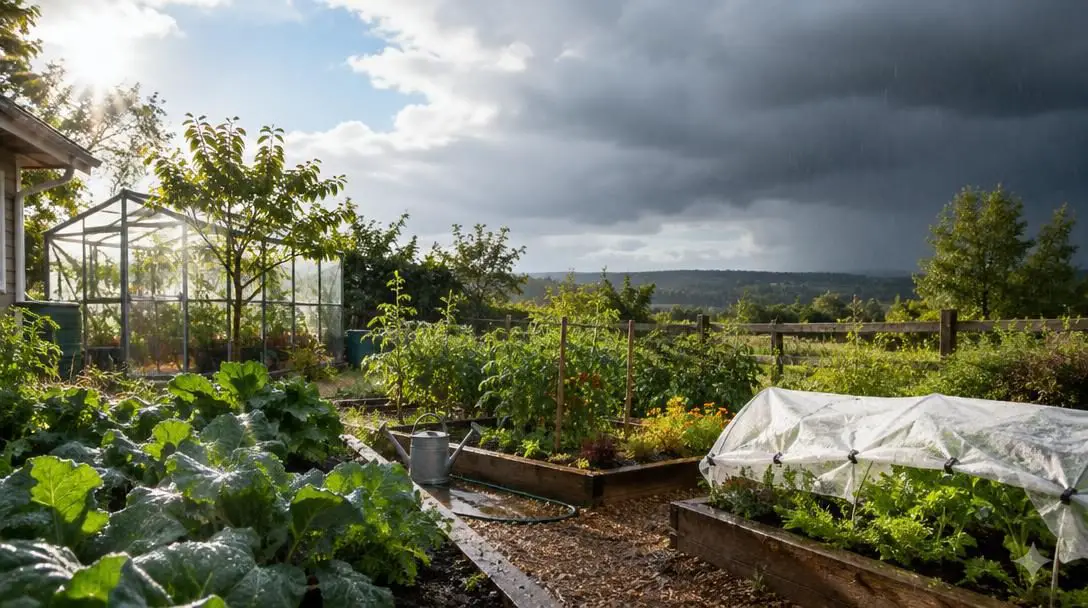
Harvesting rainwater: Position a rain barrel or clean catchment tubs beneath roof downspouts to collect untreated rainwater. Kids can dip their watering cans directly into these reserves, learning firsthand how capturing natural precipitation conserves municipal tap water during dry stretches.
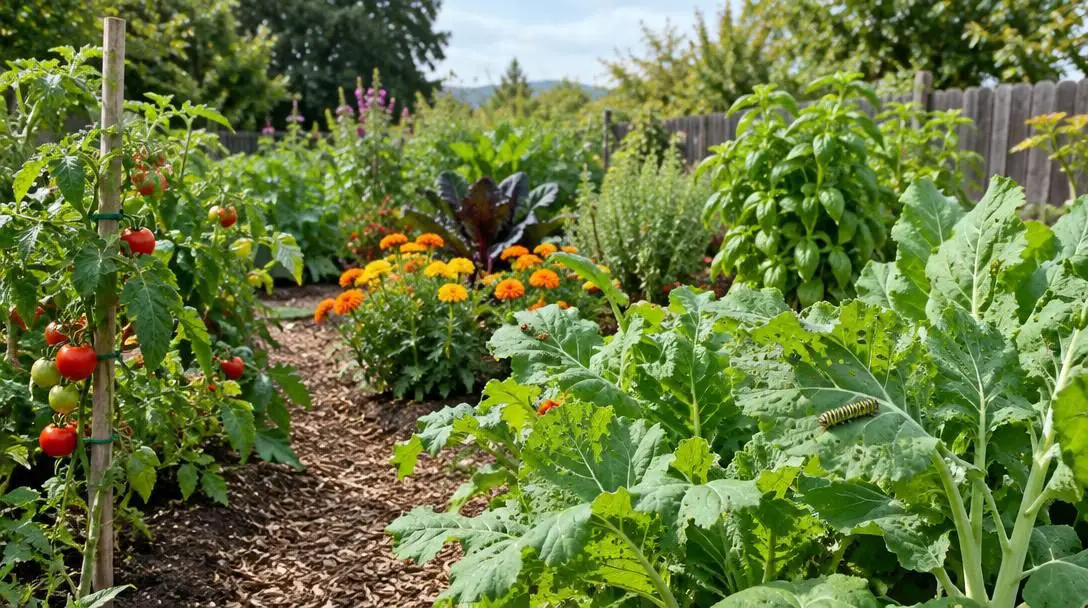
Adopting natural pest control: Rather than applying chemical sprays to eliminate insects, introduce kids to biological controls and companion planting. Growing pest-repelling plants alongside vulnerable vegetables illustrates how nature maintains its own balance without synthetic inputs.
From plot to plate: Simple harvest recipes
Bringing homegrown crops into the kitchen completes the food cycle, reinforcing the link between caring for plants and preparing delicious, wholesome meals.
Homemade Fresh Pizza
Baking pizza gives children a tactile kitchen project where homegrown toppings take center stage on a familiar favorite.
- Key garden ingredients: Ripe, sweet garden tomatoes sliced thin, accompanied by whole or torn fresh basil leaves picked straight from the garden patch.
- Preparation steps: Spread prepared pizza dough on a flat baking sheet. Let kids spoon on a light layer of tomato sauce, place fresh tomato slices across the surface, sprinkle shredded mozzarella, and scatter fresh basil leaves over top before baking until golden and bubbling.
Vibrant Garden Salad
A fresh salad offers children full culinary independence, letting them combine distinct textures, colors, and flavors they pulled from the soil themselves.
- Key garden ingredients: Crisp lettuce varieties, tender baby spinach, sliced garden radishes, crunchy bush beans, and selected culinary herbs.
- Preparation steps: Guide children in rinsing their harvest in cool water, gently patting the produce dry, and tearing leafy greens into bite-sized pieces. Toss the ingredients in a large bowl and dress lightly with olive oil and fresh lemon juice to highlight the vegetables' natural flavors.
Common mistakes to avoid when gardening with children
Working outdoors with children requires flexibility, patience, and realistic expectations. Avoiding these frequent missteps keeps the experience enjoyable and encouraging for young growers:
- Planning an overly large garden: Starting with a vast plot quickly becomes overwhelming and exhausting. Begin with a single raised bed, a collection of patio pots, or a small garden corner.
- Selecting difficult or fussy crops: Plants that take several weeks to germinate or demand strict pruning schedules can lead to boredom and disappointment. Rely on fast-germinating, forgiving varieties for early wins.
- Overwatering fragile seedlings: Enthusiastic young helpers often overwater their plots. Saturated soil starves root systems of oxygen and rots buried seeds. Teach kids to test soil dampness with their fingertip before watering.
- Prioritizing perfection over exploration: Expect uneven planting lines, crowded seeds, and accidental trampling. Prioritize sensory discovery and learning over pristine landscaping aesthetics.
- Neglecting safety supervision: Always oversee the handling of garden snips, heavy stakes, and bagged soil additives to ensure young growers remain safe at all times.
Frequently asked questions
What are the easiest vegetables for small children to grow?
Radishes, bush beans, loose-leaf lettuce, and cherry tomatoes are ideal. Radishes and lettuce sprout within days, while beans and cherry tomatoes yield bountiful, finger-friendly harvests that kids can eat straight from the vine.
How can I keep my child interested while waiting for seeds to sprout?
Pair slower-sprouting crops with lightning-fast options like radishes, create interactive markers, or build an observation wormery. Involving them in daily tracking tasks, such as measuring sprout height and checking soil moisture, keeps enthusiasm steady.
Can we start a successful children's garden without a backyard?
Yes. Many crops thrive in window boxes, terra cotta pots, and hanging baskets on balconies or sunny windowsills. Herbs, compact lettuces, and dwarf cherry tomatoes are well-suited for container gardening in small spaces.
At what age can children start participating in garden chores?
Toddlers as young as two or three can help drop large seeds into soil, carry miniature watering cans, and rinse harvested produce. As coordination improves around ages five to seven, children can handle trowels, weed beds, and sow smaller seeds independently.
The bottom line
Gardening alongside children offers far more than a fun weekend activity; it serves as a lifelong bridge to nature, healthy nutrition, and practical science. By providing appropriately scaled tools, selecting dependable starter crops, and celebrating every small sprout, parents and educators create a setting where curiosity flourishes. The patience, responsibility, and wonder nurtured in the soil will yield rewards long after the final harvest is gathered.