Gardening for Wildlife Conservation: Creating Habitats for Endangered Species
As urban boundaries push outward and modern developments replace natural landscapes with concrete, roadways, and monoculture turf grass, the native ecosystems that once supported diverse wildlife have suffered extensive fragmentation. Crucial nesting sites, reliable forage, and protective cover have vanished across vast areas, leaving resident and migratory birds, beneficial insects, and vulnerable animals struggling to navigate disrupted environments. Conservation is no longer an effort confined to remote wilderness areas or dedicated nature preserves; our residential yards, community plots, and even balcony planter boxes hold real potential to serve as vital ecological lifelines.
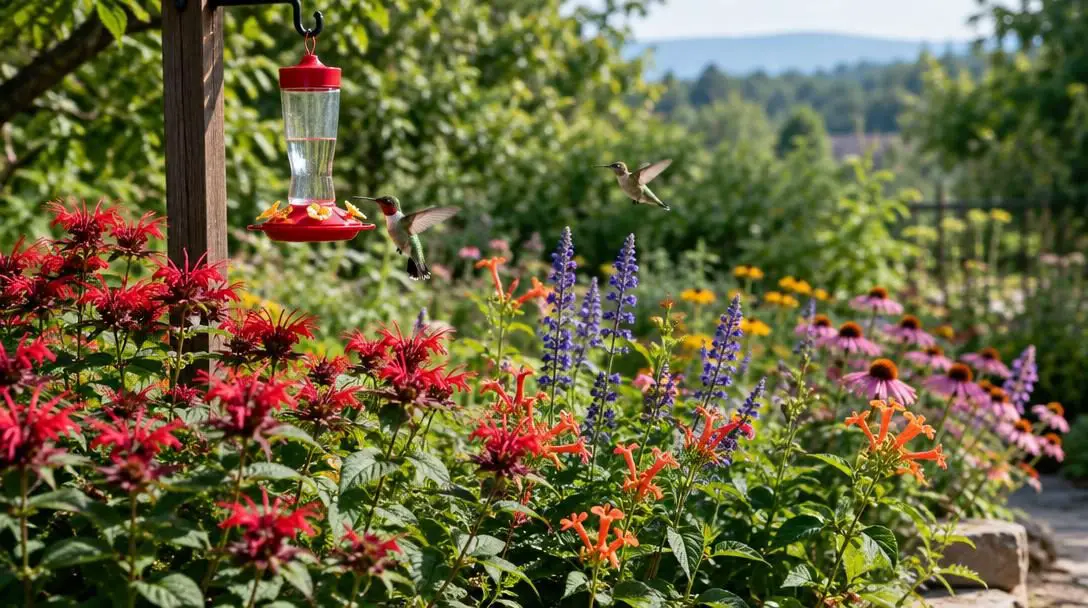
Gardening for wildlife conservation approaches landscaping through a biological lens, viewing outdoor space as a functioning sanctuary rather than a strictly decorative showcase. By purposefully reintroducing indigenous flora, accommodating natural lifecycles, and eliminating toxic maintenance habits, everyday growers can transform fragmented urban zones into stepping stones of continuous habitat. Cultivating a haven for threatened wildlife not only aids species facing intense environmental pressures, but also rewards the gardener with a vibrant, living ecosystem right outside their door.
Key takeaways
- Domestic and suburban gardens provide essential stepping stones that bridge fragmented ecosystems across expanding urban environments.
- Native vegetation forms the cornerstone of wildlife survival by supplying evolutionary compatible food sources, reliable cover, and secure reproductive habitats.
- Embracing natural imperfections, such as foliage browsed by larvae, signals that a conservation landscape is actively nourishing local food webs.
- Adopting chemical-free pest control and implementing rainwater harvesting safeguards vulnerable pollinators while conserving critical regional water reserves.
The biological necessity of native plant selections
Every functioning ecosystem is anchored by complex evolutionary relationships developed across countless millennia. Native fauna—ranging from microscopic soil organisms and pollinating insects to reptiles, amphibians, and wild birds—evolved directly alongside indigenous plants. As a result, native wildlife depends upon specific chemical compositions, physical leaf structures, bloom timings, and nutritional profiles that non-native ornamental vegetation rarely provides. When exotic ornamentals replace indigenous species, local wildlife often fails to recognize these foreign introductions as viable sources of food or suitable repositories for eggs.
A conservation-focused garden repairs this disrupted connection by delivering the three indispensable resources required to sustain animal life: nutritional sustenance, structural shelter, and secure breeding sites. When standard manicured turf replaces native woodlands or meadows, these three fundamentals are erased simultaneously. Incorporating native plants replenishes them immediately, restoring the initial tier of the biological food web. Native perennials and shrubs produce seed heads, energy-dense berries, and nectar precisely synchronized with the migration and breeding patterns of indigenous animal populations.
A garden designed for wildlife conservation repairs natural food chains from the ground up by prioritizing ecological relationships over sterile visual perfection.
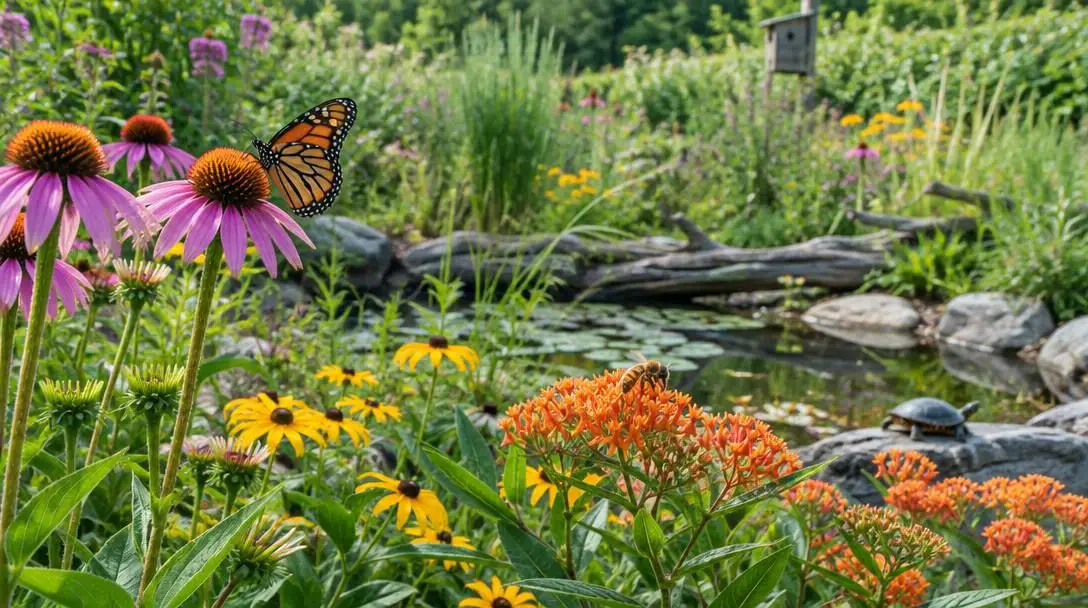
The profound bond between the Monarch Butterfly and its host plant, Milkweed, perfectly illustrates why targeted plant choices matter. Monarch caterpillars cannot consume generic nursery plants; their survival depends exclusively on the foliage of Milkweed species. Because agricultural expansion and urbanization have severely diminished natural Milkweed habitats, Monarch populations have experienced steep, alarming declines. Planting Milkweed directly in home beds and border rows immediately supplies these butterflies with the exact chemical requirements they need to complete their reproductive cycle. Generic nectar flowers may sustain adult butterflies temporarily, but without Milkweed, the species cannot reproduce.
How wildlife gardens function through structural layers
Conventional landscaping emphasizes human convenience and rigid uniformity, often mandating leveled earth, razor-sharp lawn edges, and the prompt eradication of any organism that nibbles a petal. In direct contrast, wildlife gardening functions by honoring natural microhabitats and multi-tiered vertical structures. In wild environments, creatures do not reside in flattened, hyper-controlled spaces; they depend on layered complexity to escape harsh weather, hide from predators, and locate microclimates that suit their immediate physiological needs.
A conservation habitat creates biological depth by establishing varying structural elevations:
- The Canopy and Shrub Tier: Woody native shrubs and taller understory plantings block intense winds, create safe roosting sites for birds, and generate shaded, cool pockets during hot summer afternoons.
- The Herbaceous Perennial Layer: Mid-height flowering plants, ornamental native grasses, and structural stems provide hunting grounds for predatory insects and vital perches for foraging songbirds.
- The Groundcover and Litter Layer: Undisturbed soil, decaying leaf mulch, and prostrate groundcovers maintain soil moisture, insulate subterranean pupae, and shelter ground-dwelling beetles and small amphibians.
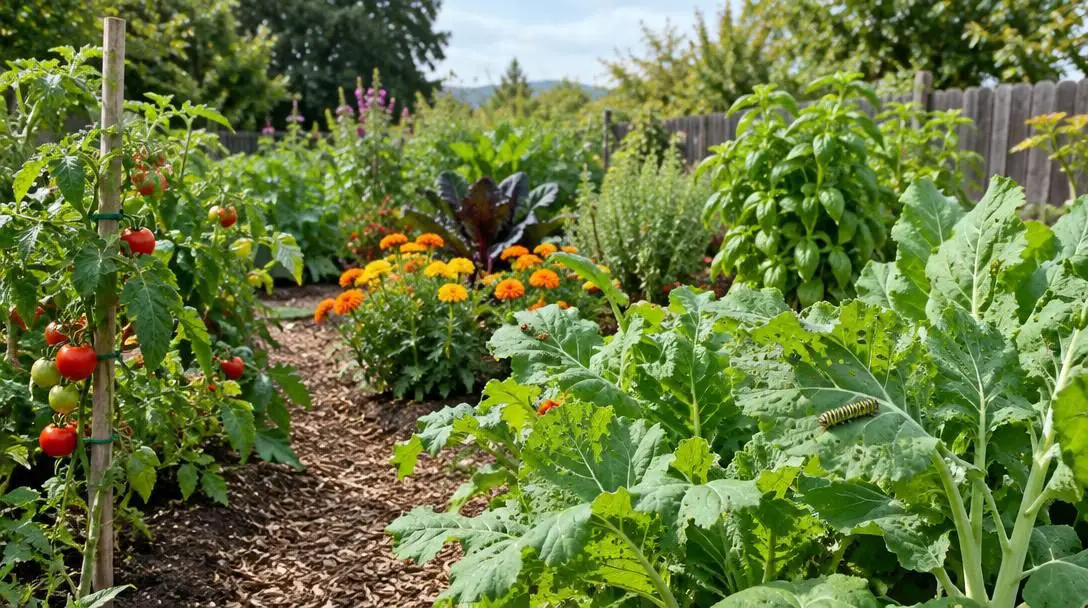
Wildlife-friendly gardening also requires a fundamental shift in how we evaluate landscape vitality. In a decorative plot, a leaf riddled with holes is deemed a failure of maintenance. In a wildlife sanctuary, chewed foliage represents operational success. Foliage serves as fuel for caterpillars and herbivorous insects, which subsequently feed nesting songbirds and their broods. Tolerating browsed leaves acknowledges that natural cycles are operating effectively.
Essential design elements for wildlife sanctuaries
Crafting a resilient habitat requires assessing the unique environmental characteristics of your parcel before introducing a single shovel to the soil. Soil moisture, sun exposure, and prevailing topography dictate which native plant communities will naturally flourish without continuous artificial intervention.
| Habitat Type | Key Physical Conditions | Primary Wildlife Value | Recommended Structural Features |
|---|---|---|---|
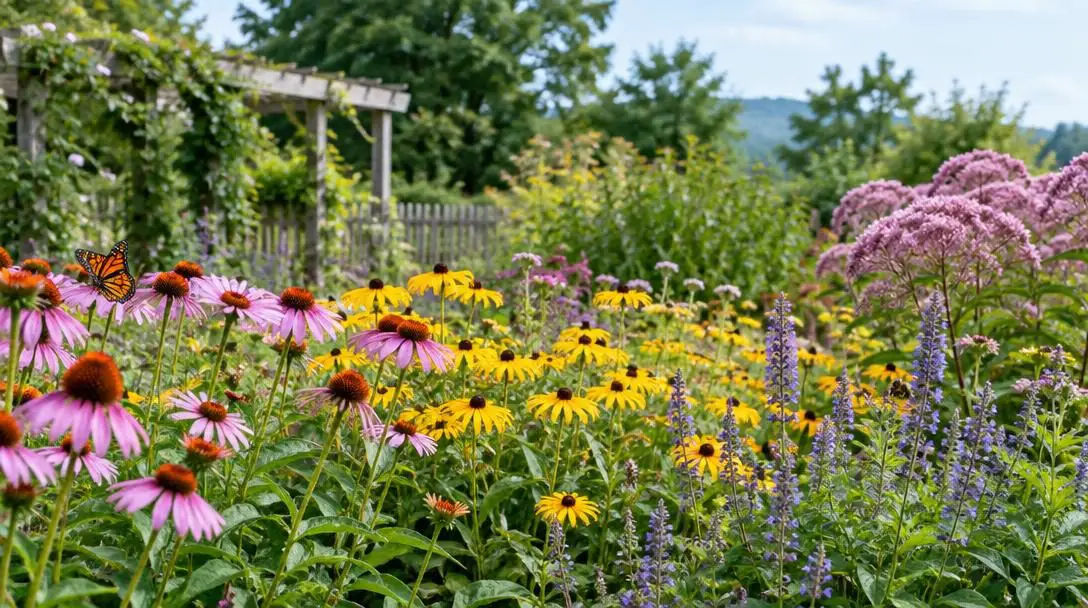
| Wildflower Meadow | Full sun, southeast-facing exposure, moderate to dry soils | Continuous nectar, pollen, and host foliage for pollinators and butterflies | Dense native perennial sweeps, unclipped bunchgrasses, sunny basking stones |
| Wetland Margin | Low-lying depressions, poorly drained or moisture-retentive soils | Critical hydration and breeding microclimates for amphibians and moisture-loving insects | Shallow marsh edges, sponge-like organic beds, emergent damp foliage |
| Shaded Understory | Partial to deep shade, moisture-retaining organic matter | Overwintering insulation, leaf litter foraging, predator shelter | Layered native shrubs, undisturbed fallen leaves, decaying branch piles |
Sunny Wildflower Meadows
Positioning a diverse meadow in an open, southeast-facing location harnesses morning warmth, raising the ambient temperature of pollinators when they emerge to forage. Sunny exposures facilitate maximum floral development and nectar production, ensuring that adult bees, butterflies, and nectar-feeding insects have constant access to high-energy food reserves from spring through late autumn.
Dedicated Wild Zones
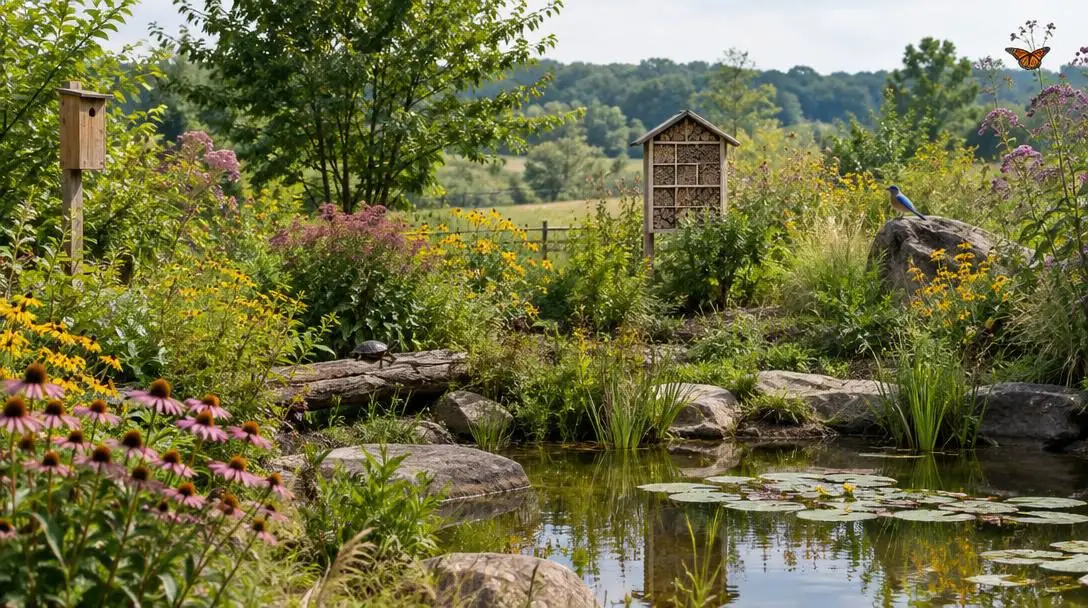
Every wildlife garden requires designated spaces entirely free from human intervention. Allowing patches of turf to grow into unmanicured tall grass, piling fallen twigs into brush shelters, and letting autumn leaf fall remain undisturbed creates essential microhabitats. These unpruned zones provide secretive nesting territories and secure retreats where small animals and ground birds can rear their young away from foot traffic, pets, and lawn equipment.
Larval Host and Nectar Buffers
A comprehensive planting plan pairs targeted larval host plants with long-blooming nectar sources. While larval hosts nourish the juvenile feeding stages of specialized insects, nectar-rich flowers sustain adult winged pollinators. Grouping these selections in dense drifts rather than single, isolated specimens makes it significantly easier for foraging insects to conserve energy while traveling between blooms.
Step-by-step practices for maintaining a healthy habitat
Managing an ecological garden requires a shift from chemical inputs and mechanical disruption toward gentle, biological stewardship. Follow these clear steps to establish and preserve a thriving refuge:
- Eliminate synthetic pesticides and herbicides: Immediately cease the application of commercial chemical sprays. These synthetic compounds act indiscriminately, wiping out beneficial predatory bugs, pollinators, and soil microbes alongside nuisance pests, while introducing persistent toxins into the food chain.
- Encourage natural biological controls: Allow natural predator-prey dynamics to self-regulate nuisance insects. Welcome ladybugs, lacewings, predatory wasps, and insectivorous birds, which naturally suppress pest spikes without chemical contamination. Hand-pick major infestations if necessary.
- Preserve damaged foliage and spent stems: Resist the urge to shear back plants that exhibit structural damage from feeding caterpillars. Native perennials possess the resilience to regenerate rapidly, and leaving their foliage undisturbed ensures larvae can mature into reproductive adults.
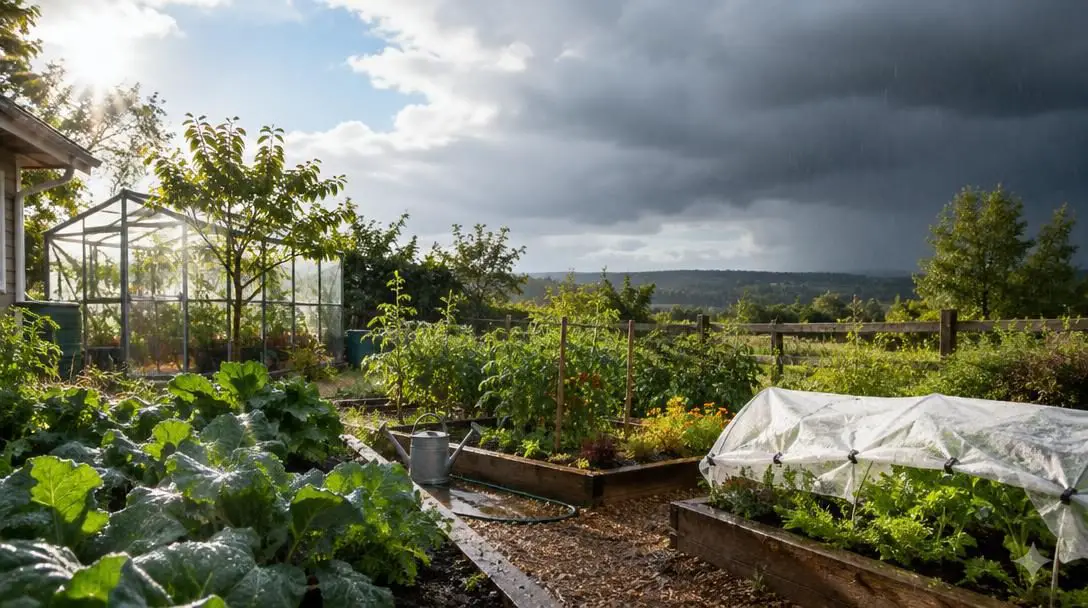
- Install rainwater harvesting systems: Position durable rain barrels beneath household downspouts to capture natural precipitation. Utilizing harvested rainwater protects precious municipal resources, avoids the treatment additives found in tap water, and yields naturally soft water that native plants prefer.
- Provide shallow, accessible water features: Position shallow basins, birdbaths, or stone-filled saucers throughout the garden. Ensure the water edge slopes gently or contains resting stones, enabling small birds, solitary bees, and butterflies to drink and bathe safely without risk of drowning.
Five common wildlife gardening mistakes to avoid
Transitioning from traditional property maintenance to wildlife stewardship can lead to common stumbling blocks if conventional practices are applied to conservation plots.
Over-cleaning and clearing winter debris
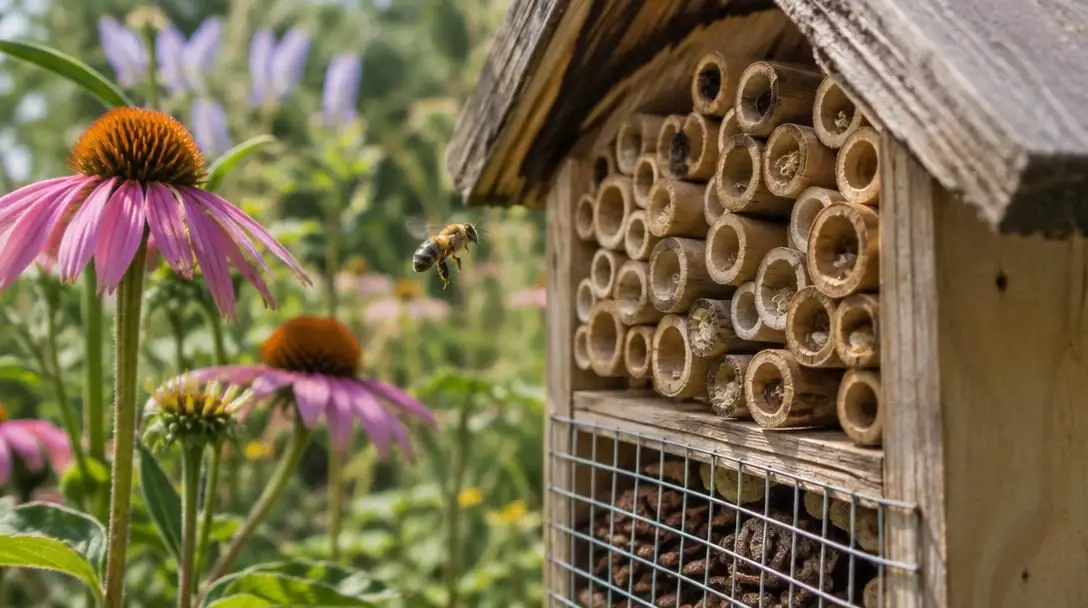
Tidying flower beds late in the autumn by removing every dead stalk, raking away all leaf litter, and carting off deadwood destroys the exact microhabitats where native insects overwinter. Dried seed heads supply vital winter nutrition for resident songbirds, while hollow stems shelter dormant native bees until spring temperatures reliably warm.
Relying on non-native ornamental cultivars
While exotic nursery ornamentals are frequently prized for vivid colors and oversized double blooms, they often possess sterile reproductive organs that offer no pollen, or flower structures so convoluted that native insects cannot reach the nectar. Always prioritize indigenous plant species that share an evolutionary history with local wildlife.
Deploying broad-spectrum chemical sprays
Attempting to eradicate a single nuisance insect with chemical sprays triggers catastrophic collateral damage throughout the local ecosystem. Chemical drift poisons caterpillars, contaminates pollen supplies, and concentrates toxins in the bodies of birds and small mammals that consume the weakened prey.
Enforcing rigid landscape symmetry
Geometric plantings, hard borders, and barren expanses of wood mulch create sterile environments that wildlife actively avoids. Animals depend on irregular growth, overlapping foliage, and concealed pathways to navigate their surroundings without being completely exposed to predators.
Neglecting water sustainability
Relying exclusively on treated municipal tap supplies places unnecessary strain on urban reservoirs during seasonal droughts. Overlooking rainwater catchment systems squanders free, mineral-balanced precipitation, diminishing the garden's overall sustainability.
Building corridors beyond the fence line
A single wildlife-friendly backyard or apartment balcony provides immediate, localized relief, but its ecological impact expands exponentially when integrated into a larger matrix of green spaces. Isolated islands of habitat present genetic risks for small creatures unable to travel across vast expanses of asphalt and sterile turf. By establishing your garden as a thriving hub, you create an anchor for an expansive network of neighborhood wildlife corridors.
Monitor your garden thoughtfully across the changing seasons to identify which microhabitats yield the greatest biodiversity. Observe which native shrubs attract nesting birds, which flowering species host the densest pollinator activity, and how efficiently your soil absorbs heavy rain. As your knowledge deepens, scale your efforts by introducing additional specialized host plants, extending wild zones, or helping neighbors convert their lawn margins into native corridors. Connecting backyards, community gardens, and public parks weaves a resilient safety net capable of sustaining endangered and threatened species for generations to come.
Frequently asked questions
Can a small balcony or tiny patio really help endangered wildlife?
Yes. Migrating pollinators and birds travel through densely developed urban areas and desperately need stepping stones to rest and feed. A modest collection of native container plants—such as Milkweed for Monarch Butterflies alongside a shallow water dish—delivers critical resources in areas where natural ground is scarce.
Will planting a wildlife garden attract unwanted garden pests?
Wildlife gardens foster balanced ecological mini-systems. While nuisance pests like aphids may appear, leaving them alone attracts natural predators like ladybugs, lacewings, and small songbirds that naturally regulate their numbers without synthetic chemicals.
Why is Milkweed essential for Monarch Butterfly conservation?
Monarch Butterflies have an obligate evolutionary relationship with Milkweed. While adult butterflies can sip nectar from many different flowers, their caterpillars can consume only Milkweed leaves to grow and undergo metamorphosis.
When is the right time to clean up dead stems and leaves?
Postpone major garden cleanup until late spring, when ambient temperatures consistently rise and native pollinators have had sufficient time to emerge from their overwintering shelters in hollow stems and leaf litter.
Do I have to let my entire yard turn into an unmanaged jungle?
No. Wildlife conservation gardening does not require complete abandonment of aesthetics. You can maintain clean borders, defined walkways, and neat lawn seating areas while reserving dedicated zones, rear beds, and structural corners for native wild habitats.
The bottom line
Transforming domestic outdoor spaces into functioning sanctuaries represents an effective, tangible response to habitat loss and urban fragmentation. By replacing sterile turf with native plant selections, eliminating broad-spectrum chemicals, and accommodating natural lifecycles, gardeners of all experience levels can offer direct protection to endangered species. Every native blossom planted, rain barrel installed, and wild brush pile preserved bridges the divide between urbanization and the natural world, restoring resilience to our shared environment.