Growing a Garden on a Budget: Tips and Tricks
Gardening has endured for centuries as one of the most rewarding pursuits a person can undertake, offering a wealth of physical, mental, and environmental rewards. Tending to a living plot provides gentle, low-impact exercise, clears the mind, reduces everyday stress, and encourages meaningful time spent outdoors in the fresh air. Cultivating your own patch of earth also rewards you with crisp, homegrown produce while simultaneously improving your immediate environment through vibrant greenery and increased local biodiversity.
Despite these clear advantages, entering the gardening world can feel prohibitively expensive when viewed through the lens of retail commerce. Commercial garden centers frequently showcase designer raised beds, specialized equipment, pristine bagged soil blends, and expensive mature starter plants that quickly inflate initial expenses. However, starting a productive plot does not require a luxury budget. By embracing resourcefulness, circular household habits, and community networks, anyone can cultivate an abundant garden without draining their bank account.
Key takeaways
- Frugal gardening relies on circular practices, turning household waste and salvaged materials into productive growing assets.
- Second-hand tools and reclaimed building supplies like pallets, cinder blocks, and recycled wood provide low-cost alternatives to commercial kits.
- Starting crops from seeds, saving seed stock from past harvests, and participating in local plant swaps eliminate the need for expensive nursery stock.
- Everyday kitchen scraps, home composting, collected rainwater, and companion planting supply fertility, hydration, and pest defense without costly store-bought chemicals.
The Core Mechanics of Budget Gardening
Budget gardening is not simply about cutting corners; it is an intentional approach grounded in resourcefulness and ecological cycles. Conventional consumer gardening encourages growers to purchase single-use plastic pots, commercial liquid fertilizers, imported soil conditioners, and chemical pesticides. By contrast, a budget-conscious garden functions like a closed-loop ecosystem where materials are repurposed, organic waste is transformed into plant food, and new crops are propagated through community sharing and seed preservation.
By moving away from retail dependency and toward basic biological principles, growers gain a deeper understanding of soil dynamics, moisture retention, and seasonal rhythms. Instead of spending money on synthetic amendments, you look to your own kitchen, recycling bin, and neighborhood for functional substitutes. This approach significantly reduces initial overhead while teaching gardeners how to build a resilient growing space that sustains itself season after season.
Gardening does not require luxury supplies when you treat everyday waste as an asset and let natural cycles do the heavy lifting.
Sourcing Garden Tools and Bed Materials on a Shoestring
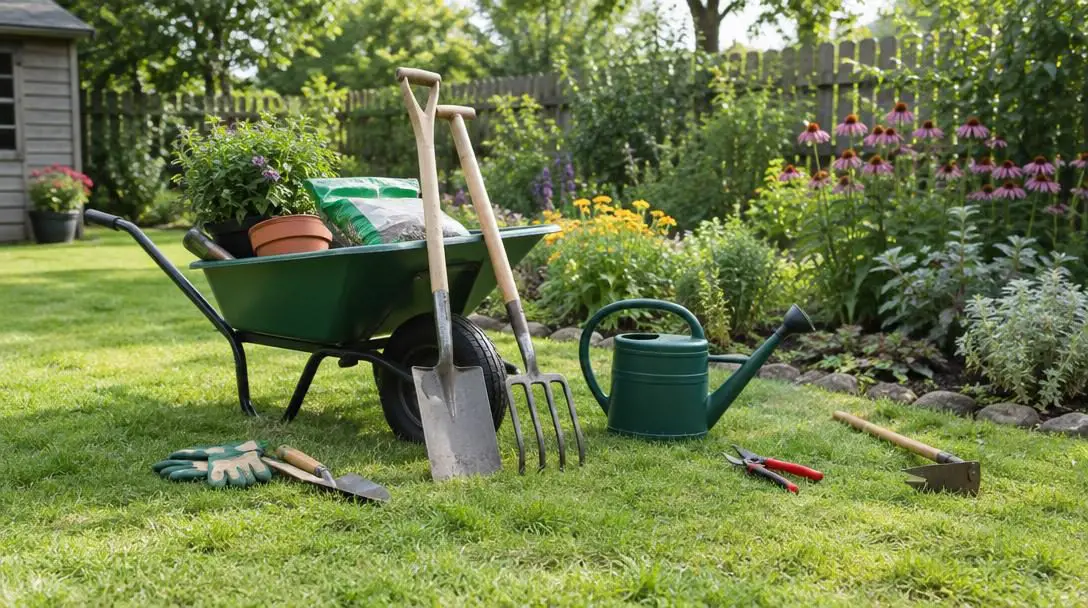
Outfitting a garden plot with brand-new equipment from home improvement stores can quickly become expensive. High-end shovels, hand trowels, pruning shears, and wheelbarrows carry hefty retail markups. Fortunately, durable gardening tools rarely lose their fundamental utility over time, making second-hand shopping one of the most reliable ways to build your equipment kit.
Online classifieds and neighborhood exchange networks such as Facebook Marketplace, Craigslist, and local buy-and-sell groups frequently feature quality tools at a fraction of their original cost. You can also explore local thrift stores, garage sales, and pawn shops, where neglected hand tools are often priced to clear. Most second-hand metal implements simply require a quick scrubbing, basic rust removal, and occasional sharpening to function as well as brand-new retail items for years to come.
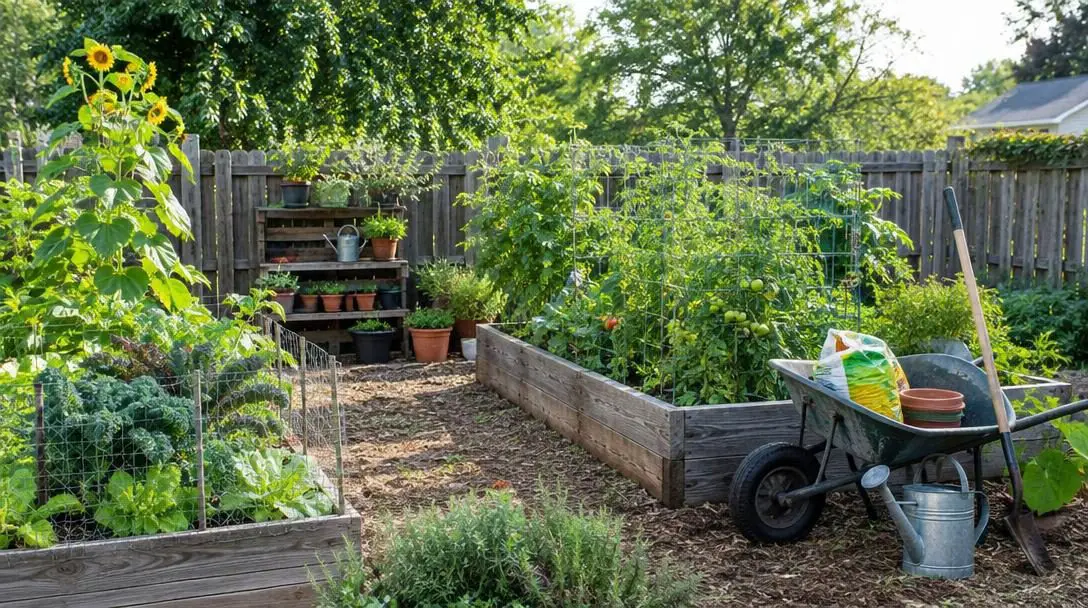
Constructing garden beds presents another significant expense, especially if you look at prefabricated raised bed kits sold at retail nurseries. Gardeners can bypass these costs by using salvaged construction materials. Cinder blocks, old wooden pallets, and recycled timber make durable, functional borders for raised garden beds. Look around your neighborhood or monitor local online boards for free materials discarded after home remodeling or building projects. Residents and local businesses frequently offer excess stone, untreated wood scraps, and pallets for free simply to avoid disposal fees.
Your recycling bin provides an immediate supply of functional seed-starting and irrigation supplies. Before throwing packaging away, evaluate how its shape and material can support young seedlings:
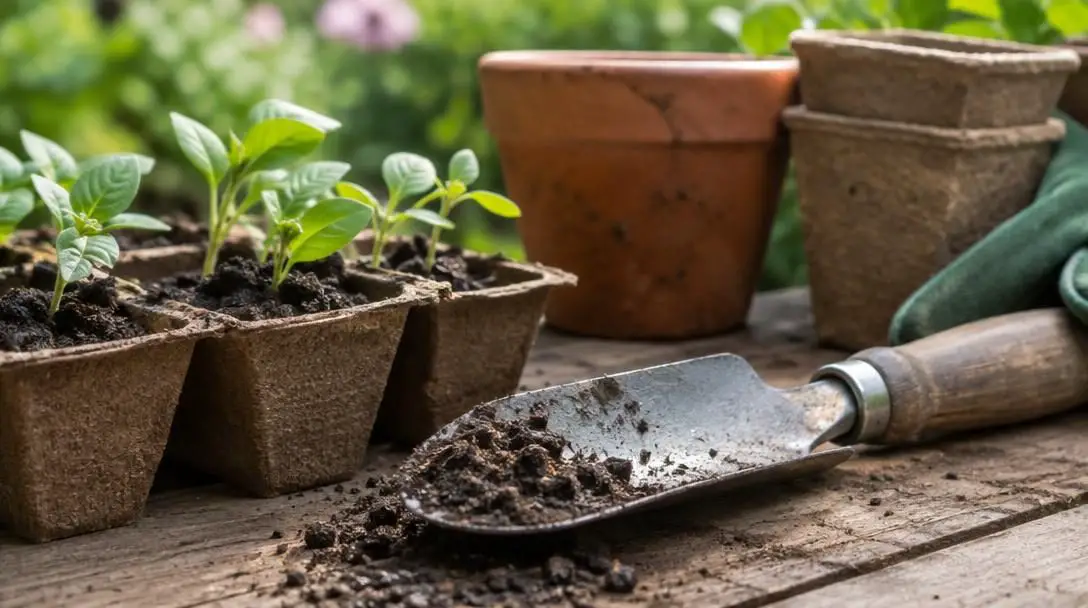
- Old Tupperware containers: Sturdy plastic food tubs make durable, reusable seed-starting trays when washed thoroughly and fitted with bottom drainage.
- Cardboard egg cartons: Individual carton cups hold just enough soil to start seeds indoors, serving as biodegradable cells or handy plant markers.
- Plastic soda bottles and milk jugs: Clean beverage containers can be turned into gentle watering cans by using a hot pin or small drill bit to pierce tiny holes across the screw caps.
Securing Seeds and Plants Without Nursery Price Tags
Many prospective gardeners assume that filling a plot requires purchasing mature plants in plastic containers from retail nurseries. These starter specimens carry significant markups because growers pay for the commercial nursery's labor, heating, potting soil, and transportation costs. There are several dependable ways to acquire vigorous plants without paying retail prices.
One of the most effective methods is simply tapping into existing social circles. Ask family members, friends, and neighbors who garden if they have extra plant stock. Established gardeners routinely divide their perennial herbs, flowers, and vegetable crowns each spring or autumn to prevent overcrowding, and they regularly end up with surplus seedlings that would otherwise be discarded. Gardening enthusiasts are generally eager to pass along these divisions to someone who will appreciate them.
You can also connect with gardeners outside your immediate circle by exploring online community boards, regional gardening forums, and social media platforms. In many areas, enthusiasts host organized plant swaps where growers gather in parks, community centers, or driveways to exchange rooted cuttings, surplus seedlings, and division clumps without money changing hands.
Growing plants directly from seed offers unmatched financial efficiency. A single seed packet typically costs a small fraction of the price of a single potted nursery plant while yielding dozens of healthy crops. You can purchase seed packets economically from local garden centers or online suppliers to establish your foundation. Once your garden begins producing, you can save seeds from your own crops at the end of the season. Collecting and drying viable seeds from mature vegetables provides you with a completely free supply of planting material for subsequent growing seasons, while also giving you valuable trading stock for community seed exchanges.
Low-Cost Soil Health, Pest Defense, and Irrigation
Once your beds are built and planted, ongoing maintenance expenses can quickly add up if you rely on commercial fertilizers, chemical pesticides, and municipal tap water. Using simple household items allows you to provide comprehensive plant care while keeping ongoing maintenance costs at zero.
Synthetic fertilizers represent an unnecessary recurring cost. Everyday organic household waste contains valuable minerals that can enrich your soil when returned to the earth. Used coffee grounds contribute organic matter and minor nutrients; crushed eggshells supply slow-release calcium to strengthen cell walls; and soaked or buried banana peels provide potassium to support flowering and fruiting. Setting up a basic compost pile to break down kitchen scraps and yard clippings produces rich, dark organic matter that replaces costly commercial soil conditioners and improves moisture retention.
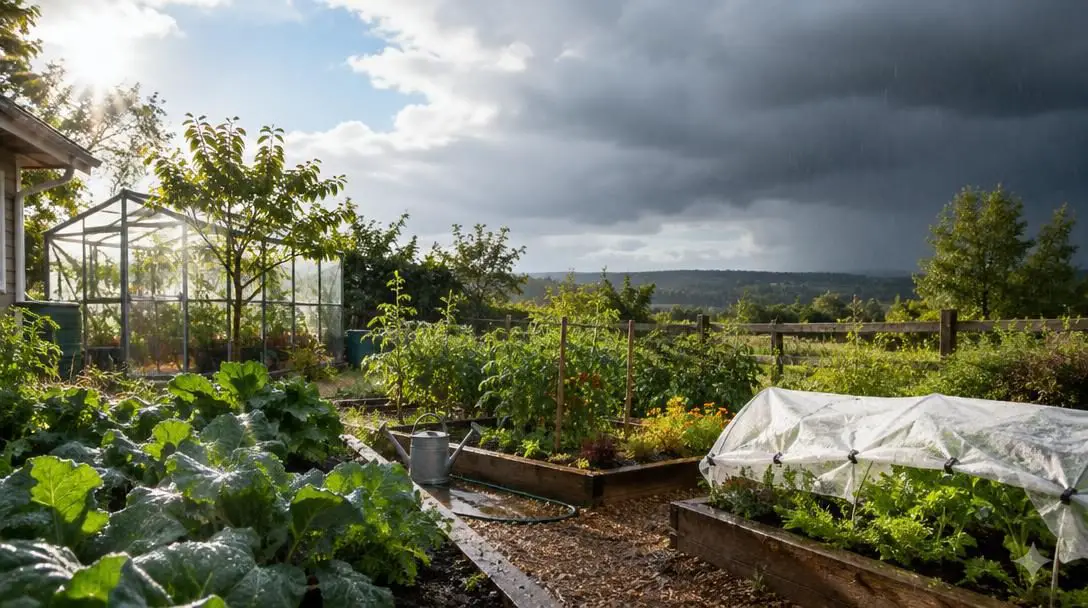
Irrigation costs can also strain a budget, particularly during dry summer stretches when municipal water meters run continuously. By upcycling rainwater, you can capture free, chlorine-free moisture for your plants. Position clean storage vessels—such as food-grade barrels, utility buckets, or recycled plastic drums—beneath downspouts and roof runoff valleys. Collecting rainwater keeps your garden hydrated through extended dry spells without increasing your utility bills.
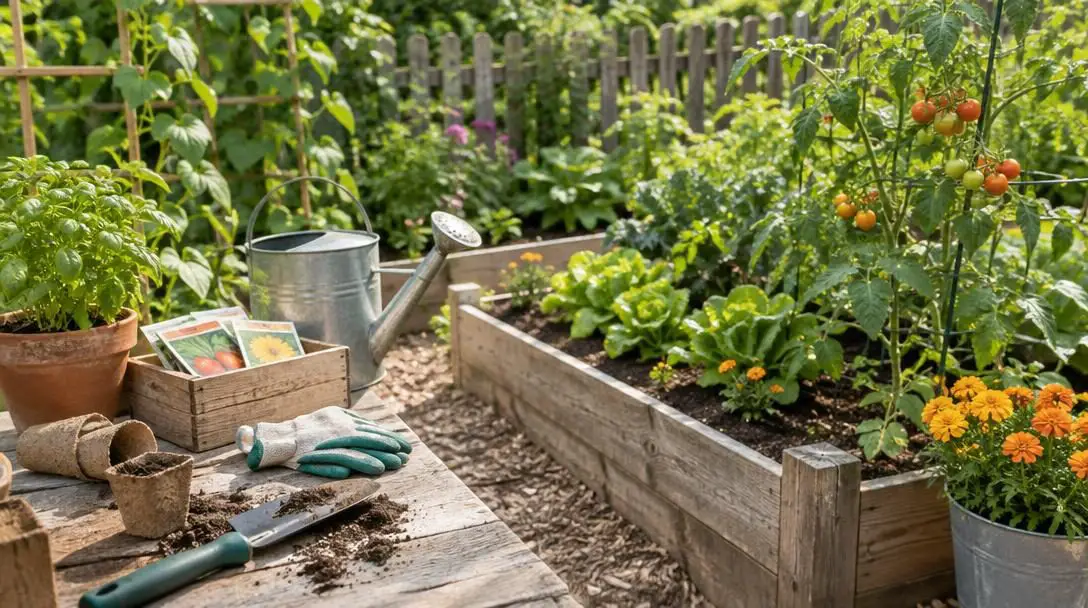
Pest infestations can devastate crops, forcing gardeners to spend money on chemical treatments or replacement plants. You can bypass chemical sprays entirely through thoughtful planting and homemade remedies:
- Companion planting: Interspersing aromatic herbs and pest-repelling plants alongside vulnerable crops disrupts insect flight paths and discourages pests naturally.
- Homemade garlic spray: Blending crushed garlic cloves with water creates an aromatic barrier that deters soft-bodied garden pests.
- Hot pepper spray: Pureed pungent peppers mixed with water create a natural foliar deterrent against chewing insects and leaf foragers.
- Mild soapy water solutions: A few drops of plain liquid soap diluted in water suffocates small garden pests like aphids upon direct contact without toxic residues.
Comparing DIY Garden Inputs and Store-Bought Equivalents
The table below highlights how common household resources replace commercial retail products, detailing their primary garden benefits and budget impact.
| DIY Resource | Commercial Equivalent | Primary Garden Function | Cost Advantage |
|---|---|---|---|
| Composted food and yard waste | Bagged soil conditioner and compost | Improves soil structure and feeds beneficial microbes | Free; eliminates continuous purchases of heavy soil bags |
| Crushed eggshells and coffee grounds | Synthetic granular fertilizers | Supplies calcium, organic bulk, and trace nutrients | Zero-cost byproduct of everyday kitchen meals |
| Collected barrel rainwater | Treated municipal tap water | Provides pure, ambient-temperature hydration | Cuts household utility bills during dry summer months |
| Pierced milk jugs and soda bottles | Retail plastic watering cans | Delivers gentle, controlled moisture to tender seedlings | Repurposes everyday single-use plastics without retail markup |
| Garlic, hot pepper, and soap sprays | Commercial chemical pesticides | Repels foliage-munching pests and insects | Uses pantry ingredients, avoiding expensive synthetic chemicals |
Step-by-Step Guide to Establishing Your Low-Cost Plot
Constructing a thriving garden on a shoestring requires careful preparation and methodical setup. Follow these practical steps to build your low-cost growing space from scratch:
- Assess your growing site: Survey your available yard, patio, or balcony space, clear away unwanted rubble and debris, and identify locations that receive adequate daily sunlight for your intended crops.
- Construct structural bed borders: Arrange collected cinder blocks, recycled lumber, or untreated pallets to form the perimeter of your raised beds, or demarcate a flat area of ground for direct in-soil planting.
- Prepare repurposed seed containers: Gather clean plastic goods such as egg cartons and old Tupperware tubs, puncturing small drainage holes through the bottom of each container.
- Acquire your plant inventory: Gather low-cost seed packets, collect saved seeds from previous seasons, request perennial divisions from friends and neighbors, or attend a regional plant swap.
- Assemble homemade watering tools: Rinse empty plastic soda bottles or gallon milk jugs thoroughly, and carefully poke small, uniform holes across the caps to create gentle irrigation jugs.
- Deploy rainwater collection vessels: Place buckets, barrels, or large plastic storage tubs directly beneath roof runoff points and downspouts to capture rainwater for upcoming irrigation needs.
- Establish a designated composting area: Choose an outdoor corner to combine vegetable scraps, coffee grounds, and dry yard trimmings, beginning the decomposition process for future bed nourishment.
- Sow seeds and maintain moisture: Plant your seeds into the repurposed starter containers, keeping the soil damp with your homemade watering jugs until seedlings germinate and are strong enough to transplant into the garden.
Common Frugal Gardening Pitfalls to Sidestep
While cutting costs is rewarding, taking shortcuts without understanding the underlying principles can lead to poor plant health and frustrating setbacks. Watch out for these common budget mistakes:
- Skipping safety checks on salvaged materials: Reclaimed pallets and demolition lumber may have been treated with toxic industrial preservatives or exposed to chemical spills. Inspect pallet stamps carefully to ensure wood was heat-treated rather than chemically treated before using it near edible crops.
- Overusing raw homemade soil additives: Dumping excessive amounts of uncomposted coffee grounds, raw eggshells, or fresh banana peels directly around plant stems can upset soil pH and attract scavengers. Incorporate these inputs in balanced quantities or allow them to decompose in a compost pile first.
- Neglecting container drainage: Forgetting to punch drainage holes in the bottom of repurposed Tupperware, plastic cups, or egg containers leads to stagnant water accumulation, rapidly rotting fragile seedling roots.
- Spraying undiluted homemade pest solutions: Concentrated garlic, pepper, or soap solutions can scorch delicate leaf surfaces in hot sun. Always dilute homemade mixtures thoroughly and test them on a single leaf before spraying entire plants.
- Leaving rainwater containers uncovered: Storing water in open, unmonitored buckets invites falling debris and provides a breeding ground for mosquitoes. Secure fine mesh screens or loose lids over collection vessels to keep water clean.
- Failing to label saved seed stock: Stashing seeds away in unmarked envelopes or jars makes it impossible to identify varieties, germination ages, or proper planting windows when spring arrives. Label all saved seeds with the crop name and collection date.
Long-Term Sustainability: Seed Banks and Community Ties
As your garden matures through its initial season, you can shift your focus toward long-term independence. The most effective way to eliminate future costs is to establish an organized home seed bank. Dedicate a shoebox, metal tin, or repurposed airtight container to store seeds collected from your healthiest, most productive crops. Divide the seeds into small paper envelopes, labeling each package with the plant variety, date harvested, and any relevant growing observations. Over two or three seasons, your seed bank will supply a dependable inventory of acclimatized crops tailored specifically to your microclimate, ending your reliance on retail seed racks.
Equally valuable is your continued involvement in the local gardening community. Gardening is inherently social, and experienced growers are often remarkably generous. By remaining active in local buy-and-sell groups, neighborhood online forums, and community plant exchanges, you establish a two-way pipeline of resources. You can share your surplus seeds, rooted cuttings, and extra produce in exchange for new cultivars, salvaged building supplies, and localized growing advice. Over time, these community relationships transform frugal gardening from a series of money-saving tricks into a self-sustaining, fulfilling lifestyle.
Frequently asked questions
Where can I find reliable second-hand gardening tools?
You can find durable, pre-owned garden tools by searching online classified platforms like Facebook Marketplace, Craigslist, and local buy-and-sell groups. In person, visit neighborhood garage sales, thrift stores, and pawn shops, where quality steel implements are often sold at low prices and need only basic cleaning and maintenance.
How can I build raised beds without buying expensive timber?
You can construct raised bed borders using free or low-cost salvaged materials such as cinder blocks, discarded wooden pallets, and recycled construction lumber. Check neighborhood forums and local building sites for excess materials that homeowners and contractors are giving away to avoid disposal costs.
What household items make good seed-starting containers?
Clean egg cartons and old plastic Tupperware containers make effective seed-starting trays. You can also poke small holes in the caps of empty soda bottles or milk jugs to turn them into gentle watering dispensers for your delicate young seedlings.
Which kitchen scraps work best as natural garden fertilizer?
Used coffee grounds, crushed eggshells, and banana peels provide valuable nutrients and organic material to garden soil. Combining these scraps with yard waste in a dedicated compost pile breaks them down into rich organic matter that substitutes for commercial bagged soil conditioners.
How do I make a safe, low-cost pest control spray at home?
You can create effective, chemical-free pest deterrents by blending water with crushed garlic, spicy hot peppers, or a few drops of mild liquid soap. Always dilute your mixture properly and test it on a single leaf before applying it across your crops to prevent scorching the foliage.
The bottom line
Growing a productive, beautiful garden does not require expensive tools, prefabricated beds, or costly nursery plants. By leaning into circular practices—repurposing household plastics, building beds from salvaged lumber, producing homemade fertilizers from kitchen scraps, and gathering rainwater—you can eliminate retail markups entirely. Connect with your local gardening community to swap seeds and perennial divisions, keep a watchful eye on material safety and drainage, and enjoy the physical and mental rewards of an abundant, budget-friendly garden.