Growing a Medicinal Garden: A Guide to Healing Herbs
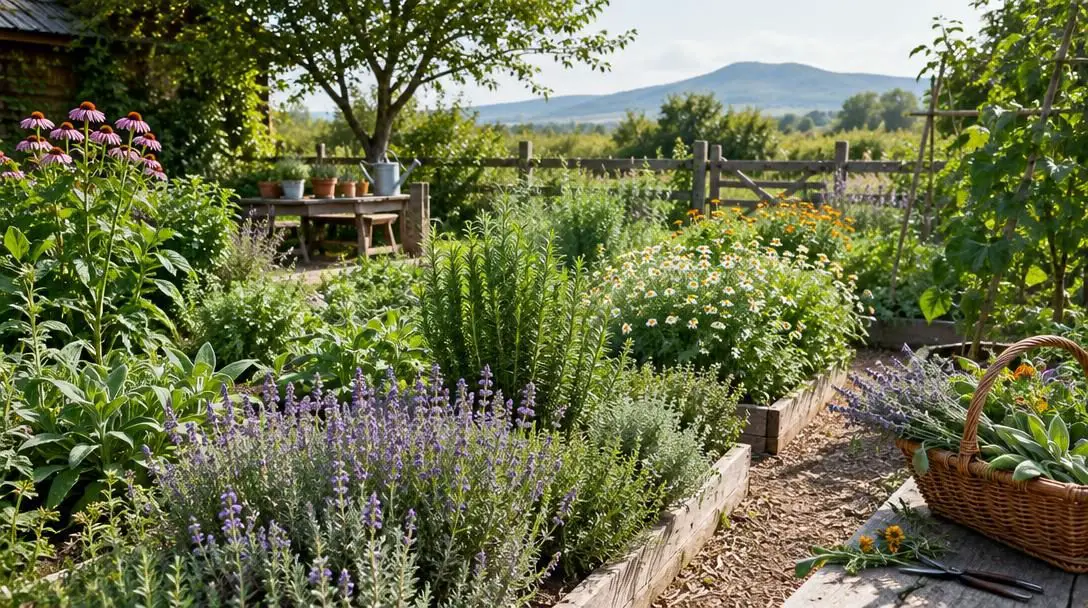
Cultivating a dedicated medicinal garden bridges the gap between functional horticultural craft and personal wellness. Plants grown for home remedies generate naturally occurring biochemical compounds that offer specific, targeted physiological support. By mastering the fundamental steps required to nurture, harvest, and process these botanical species, you can establish an accessible, dependable, and affordable home apothecary directly from a backyard plot, raised bed, or container patio.
For centuries before commercial pharmaceutical products dominated global healthcare, household gardens served as primary defense systems against common ailments, fatigue, and minor injuries. Reviving this tradition requires a grounded understanding of botanical actions, soil science, and mindful garden stewardship. Merging foundational botanical taxonomy with hands-on cultivation techniques allows home growers to produce a sustainable, chemical-free bounty of health-supporting botanicals.
Key takeaways
- Medicinal plants are systematically classified by their bodily actions, ranging from calming relaxants and nervines to restorative tonics and adaptogens.
- A productive medicinal plot relies on rich, well-draining soil maintained at a neutral pH reading between 6 and 7, alongside ample direct sunlight.
- Harvesting early in the morning immediately after dew evaporates ensures the highest possible concentration of therapeutic volatile oils.
- Raw botanical harvests can be easily processed into diverse homemade preparations, including teas, infused salves, topical poultices, and tinctures.
- Preventing root rot and maintaining chemical potency requires careful water management and cool, dark, moisture-free storage conditions.
Understanding Herbal Actions: The Five Functional Categories
Selecting the right species for your home plot begins with understanding how botanical compounds interact with human physiology. Rather than choosing plants at random, herbalists organize therapeutic flora into five functional categories based on their primary physiological effects. This organizational framework allows you to design a personalized garden plot that aligns with your specific household wellness priorities.
Relaxant herbs soothe physiological tension, soften everyday stress, and quiet mild nervous agitation throughout the musculoskeletal system. Plants in this category—such as fragrant lavender blossoms, delicate chamomile flowers, and passionflower—help gently release tight muscles and calm overstimulated somatic responses. In contrast, stimulating herbs work in the opposite direction by invigorating sluggish physiological functions. Botanicals such as pungent garlic cloves, spicy cayenne peppers, and warming ginger rhizomes bring targeted internal heat to bodily tissues, stimulating sluggish gastrointestinal motility and encouraging healthy cardiovascular circulation.
For individuals facing acute cognitive or emotional demands, nervine herbs act directly upon both the central and peripheral nervous systems. These therapeutic plants—exemplified by restorative ginseng, earthy valerian root, and grounding skullcap—calm overactive mental chatter while fortifying baseline neurological equilibrium. For broader constitutional resilience, tonic herbs provide gentle, sustained nutritional and preventative reinforcement. Botanicals such as nutrient-rich dandelion greens, deep burdock taproots, and astragalus are traditionally consumed over extended periods to fortify organ systems and sustain vitality.
Finally, adaptogenic herbs serve as versatile biological regulators that help human physiology adapt to physical, biological, and environmental stressors. Powerful adaptogens such as ashwagandha, high-altitude rhodiola, and aromatic holy basil modulate adrenal function, strengthen natural immune defenses, and assist the body in restoring internal biological balance during periods of prolonged exertion.
Foundational Plants for the Home Apothecary
Beginning a medicinal garden becomes far more manageable when you focus on durable, well-documented species that provide dependable results across everyday applications. The following five botanicals represent the backbone of an accessible healing garden, offering clear therapeutic functions alongside resilient growth habits.
| Herb | Primary Category | Key Therapeutic Focus | Preferred Growing Conditions |
|---|---|---|---|
| Peppermint | Stimulating / Relaxant | Digestive discomfort, fullness, cooling relief | Moist, rich soil; full sun to partial shade |
| Echinacea | Tonic / Immune Support | Infection resistance, bodily inflammation | Well-drained soil; full sun exposure |
| Lavender | Relaxant / Nervine | Acute anxiety, nervous agitation, insomnia | Lean, dry, well-draining soil; full sun |
| Sage | Tonic / Antimicrobial | Antibacterial defense, inflammation, menopause relief | Arid to moderate moisture; full sun |
| Chamomile | Relaxant / Nervine | Nervous anxiety, restlessness, digestive distress | Even moisture, well-aerated soil; full sun to light shade |
Peppermint
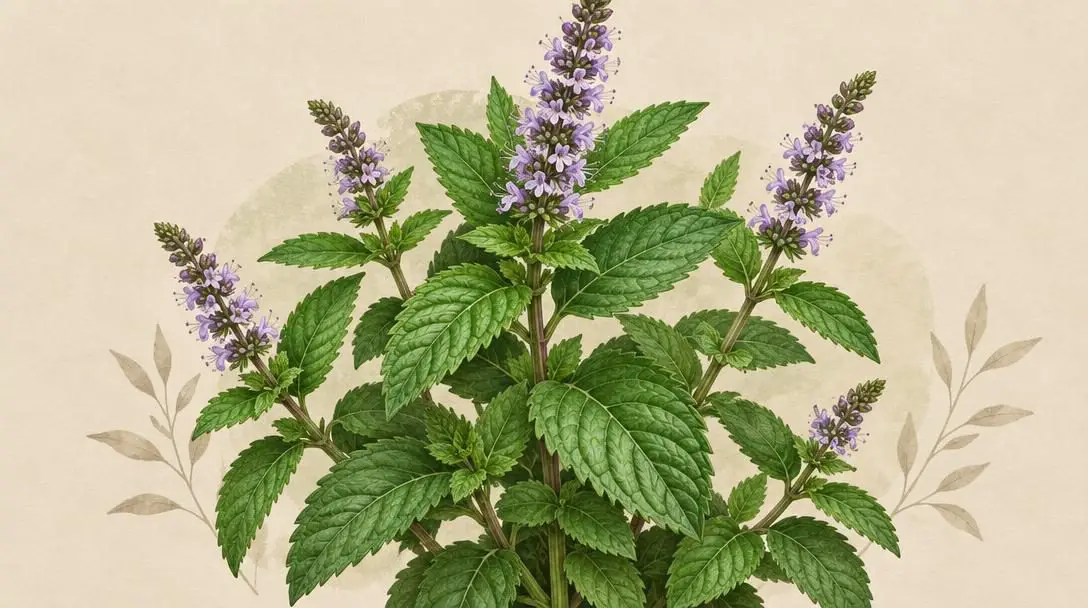
- Primary Active Compound: Menthol
- Therapeutic Action: Cooling relaxant and digestive stimulant
- Soil Preference: Rich, consistently moist soil
Containing dense concentrations of naturally occurring menthol within its aromatic foliage, peppermint provides a sharp cooling sensation paired with reliable antispasmodic qualities. This perennial herb is particularly effective for soothing sudden digestive discomfort, releasing the sensation of abdominal fullness, and calming general internal distress. Because of its vigorous root runners, peppermint thrives best when given ample room to spread or when contained within wide patio planters.
Echinacea
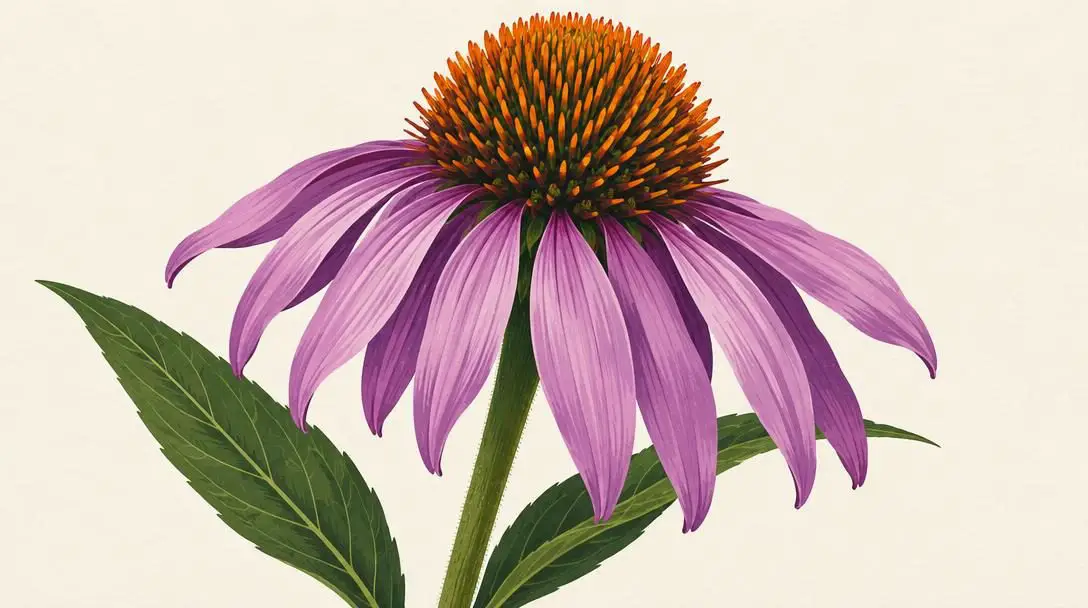
- Botanical Class: Purple coneflower
- Therapeutic Action: Immune fortifier and anti-inflammatory
- Sun Requirement: Full direct sunlight
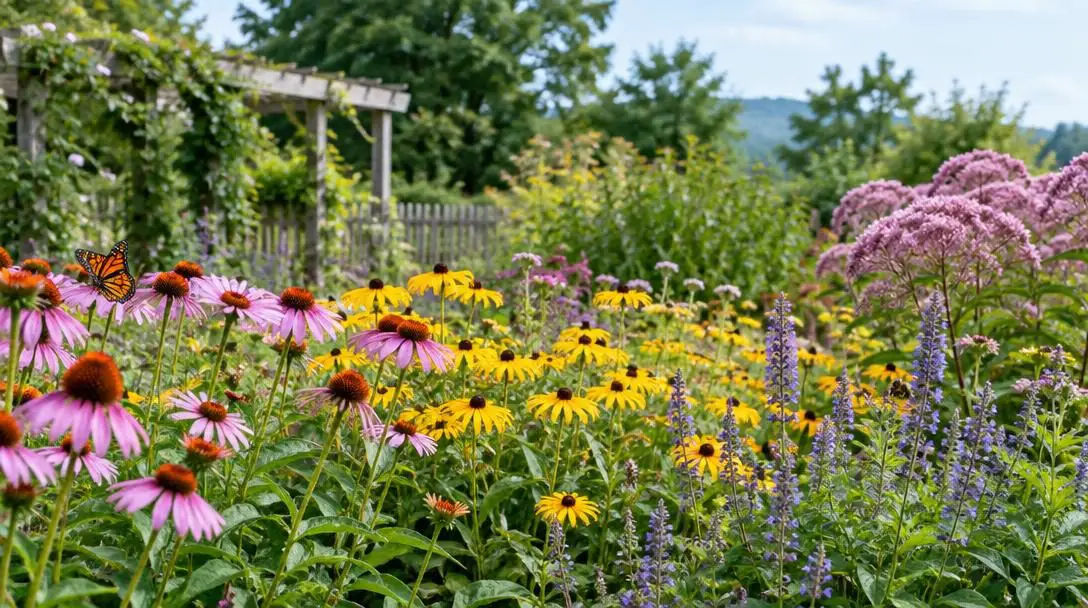
Widely celebrated in traditional and modern botanical practice, echinacea is an essential perennial for seasonal wellness. Its striking daisy-like purple blossoms and textured cones yield active compounds that actively reinforce human immune defenses. In addition to bolstering the body against oncoming infections, echinacea acts to diminish systemic bodily inflammation, making both its aerial petals and deep taproots highly prized by home herbalists.
Lavender
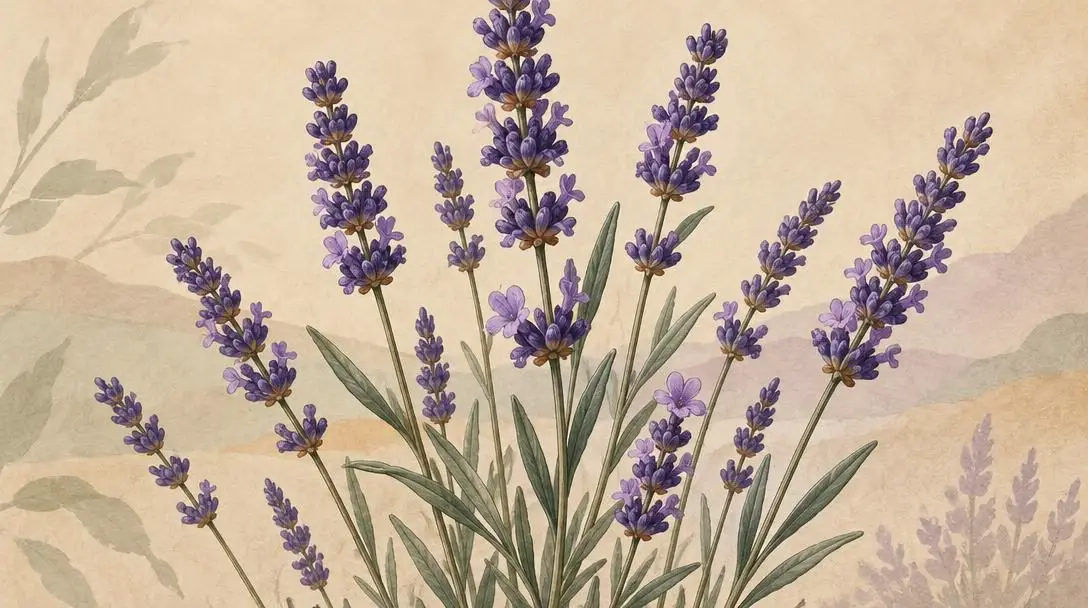
- Aroma Profile: Sweet, camphoraceous floral
- Therapeutic Action: Nervine relaxant and sleep aid
- Moisture Needs: Low; highly drought-tolerant
Renowned for its fragrant purple floral spikes, lavender is an indispensable garden relaxant. The volatile oils distilled from its blooms help alleviate acute bouts of situational anxiety, soothe a hyper-reactive nervous system, and gently ease the onset of restorative sleep. Originating in arid Mediterranean regions, lavender demands coarse, gritty soil and will rapidly decline if subjected to waterlogged roots or prolonged dampness.
Sage
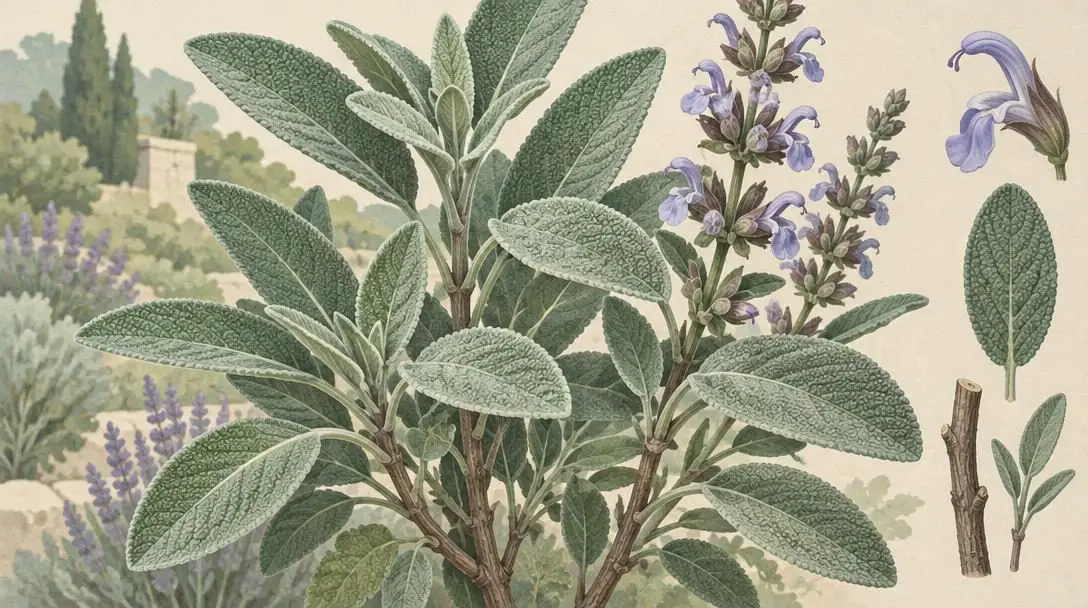
- Primary Properties: Potent antibacterial and antifungal
- Therapeutic Action: Astringent anti-inflammatory
- Key Application: Topical relief and menopausal symptom support
With its velvety, silver-green leaves, sage represents one of the most potent natural disinfectants available to home gardeners. The herb contains robust antimicrobial substances that actively suppress bacterial and fungal proliferation. Beyond its utility for treating topical scrapes and oral inflammation, sage is widely utilized to balance hormonal fluctuations and relieve uncomfortable menopausal symptoms, including hot flashes and night sweats.
Chamomile
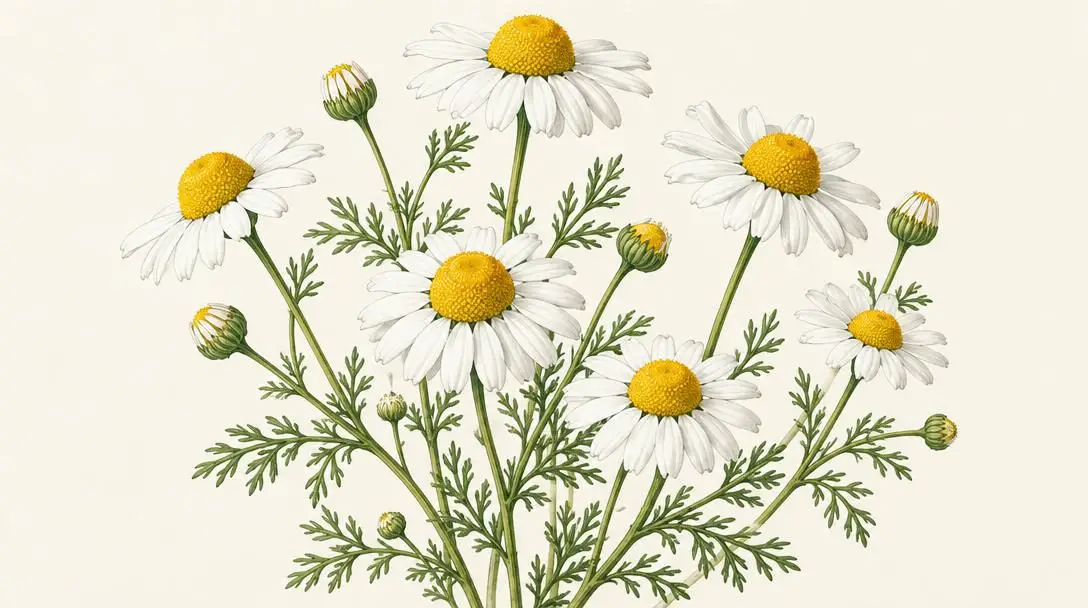
- Growth Form: Delicate flowering annual or perennial
- Therapeutic Action: Gentle nervine and mild digestive bitter
- Target Symptoms: Insomnia, nervous tension, and upset stomach
Producing miniature, apple-scented, daisy-like blossoms, chamomile offers gentle yet profound therapeutic benefits suitable for individuals of all ages. It acts simultaneously as a mild nervine and a calming carminative, making it the premier botanical remedy for persistent insomnia, nervous apprehension, and stress-induced digestive irritation. Chamomile blossoms should be plucked regularly throughout the blooming period to encourage continuous flower production.
Planning and Planting Your Medicinal Plot
Establishing an abundant medicinal herb garden requires deliberate groundwork before the first seedling enters the earth. Medicinal species synthesize their valuable therapeutic resins, essential oils, and bitter compounds in response to specific environmental cues. Following a structured preparation routine ensures your botanicals develop high concentrations of active principles.
- Select an Optimal Location: Map out an outdoor space that receives direct sunlight throughout the day. Steady exposure to solar energy is essential for medicinal botanicals to manufacture their aromatic volatile oils and protective phytochemicals.
- Test and Condition the Soil: Herbs demand fertile, loose, and well-draining soil so their root systems can absorb balanced nutrition without suffocating. Use a soil test kit to verify that your bed falls within an ideal pH range between 6 and 7. Amend heavy, compacted clay or thin, sandy soil with plenty of well-rotted organic compost.
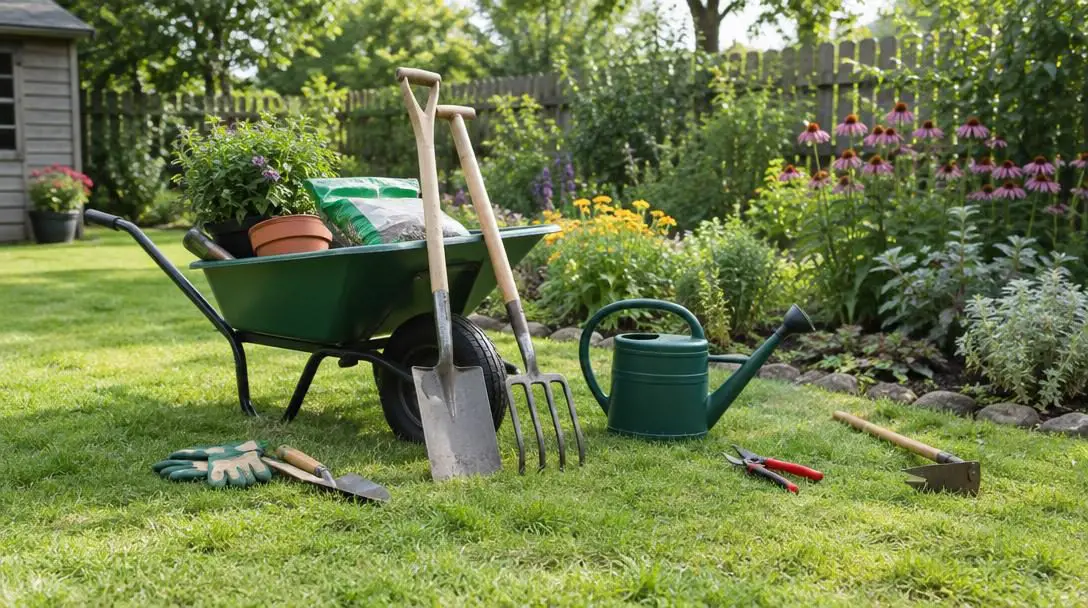
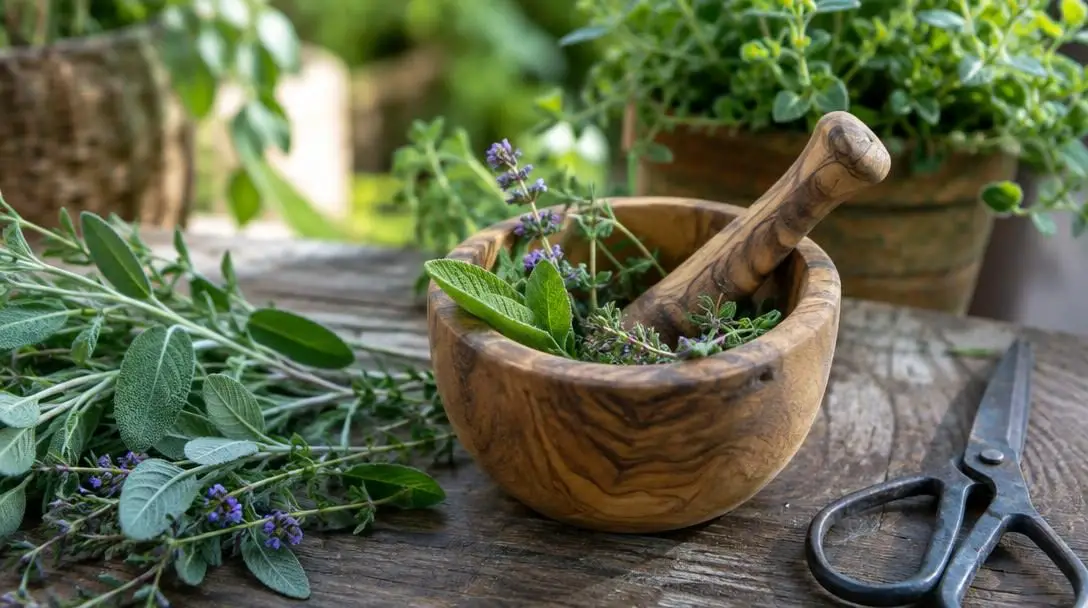
- Assemble Essential Tools: Gather reliable, durable implements prior to ground preparation. You will need a sturdy garden hoe or rake for grading the soil beds, sharp bypass pruners for clean harvesting cuts, heavy-duty gloves, a soft-spray watering can or drip hose, and an active compost bin.
- Plan Your Layout: Arrange plants according to their mature dimensions, light preferences, and moisture tolerances. Cluster drought-tolerant species like lavender and sage in well-drained, sunny corners, keeping moisture-loving plants like peppermint separated to avoid destructive overwatering.
- Plant with Care: Install your chosen seeds or nursery transplants during mild weather windows. Ensure nursery root balls sit perfectly level with the surrounding soil surface and sow fine seeds at their recommended shallow depths. Irrigate gently and thoroughly immediately after planting to collapse air pockets around delicate feeder roots.
From Garden to Remedy: Traditional Preparation Methods
Once your garden matures, transforming raw leaves, roots, and flowers into stable home remedies makes their therapeutic properties accessible whenever needed. Depending on whether your goal is immediate internal relief, long-term tonic support, or soothing topical care, several traditional extraction methods can be practiced safely at home.
Homegrown herbs offer exceptional freshness, clear origins, and reliable potency when grown and processed with care.
Brewing herbal tea remains the most universal and straightforward extraction method for water-soluble plant compounds. To make an active herbal infusion, measure out one teaspoon of dried herbs (or two to three teaspoons of chopped fresh material) into a mug, pour one cup of boiling water directly over the plant matter, and cover the vessel with a lid. Covering is critical, as it prevents delicate volatile oils from escaping with the rising steam. Allow the infusion to steep undisturbed for 5 to 10 minutes before straining and sipping.
For treating aching joints, minor muscular pain, or reactive skin conditions, handcrafted balms and salves provide concentrated topical relief. You can create a salve by first infusing harvested dried botanicals into a neutral carrier oil (such as olive, jojoba, or sweet almond oil) over several weeks. Once the infused oil is strained clean of plant debris, gently warm it alongside melted pure beeswax until thoroughly blended. Poured into clean tins, this mixture solidifies into a shelf-stable topical ointment.
When rapid relief is required for localized swelling, insect stings, or bruised tissues, a fresh poultice or compress provides rapid external support. A poultice is made by mashing, bruising, or finely chopping fresh plant leaves or roots into a moist paste, which is applied directly against the irritated skin surface. The botanical paste can be held in place with clean gauze or a warm towel to allow direct absorption of fresh plant enzymes and antimicrobial juices.
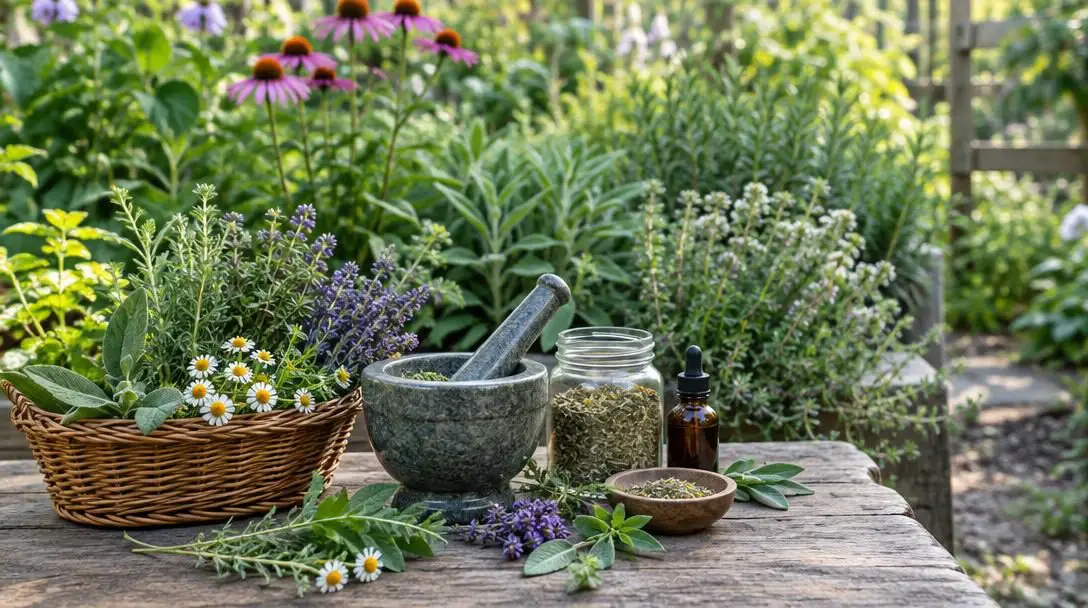
For concentrated, long-lasting remedies, tinctures and extracts provide maximum shelf stability and swift physiological absorption. Tinctures are made by steeping fresh or dried botanical material in food-grade alcohol or raw vinegar inside a sealed glass jar for several weeks. This extended maceration extracts both water-soluble and alcohol-soluble phytochemicals. The resulting dark liquid is strained and stored in amber dropper bottles, allowing for precise, portable dosage drops taken under the tongue or diluted in water.
Finally, simple culinary preparations offer an effortless way to integrate healing botanicals into your everyday nutrition. Integrating therapeutic leaves such as sage, rosemary, and thyme directly into slow-simmered broths, salad dressings, and roasted dishes delivers steady, low-dose therapeutic properties while enhancing the flavor of everyday meals.
Harvesting and Preserving for Peak Potency
The clinical efficacy of any botanical preparation relies almost entirely on the timing of the harvest and the conditions under which the harvested material is cured. Plants do not produce uniform levels of active compounds throughout the day; their biochemical potency fluctuates according to temperature, light, and humidity cycles.
Always perform cutting work with sharp, sterilized pruners. Rather than stripping an entire plant bare, make clean cuts just above leaf nodes to encourage lateral branching and continuous vegetative growth. Once harvested, protect the cut plant material from direct sunlight, excess humidity, and elevated temperatures. Excessive heat evaporates volatile essential oils, while residual surface water encourages rapid fungal decay.
To dry your harvest naturally, gather cut stems into loose bundles with twine and suspend them upside down in a well-ventilated, dim, and dry room. Alternatively, arrange individual blossoms and leaves on flat, breathable mesh drying screens away from direct air drafts. For herbs intended for immediate kitchen or apothecary use over the coming days, chilling fresh sprigs wrapped in dry towels inside the refrigerator will maintain crisp freshness and prevent premature wilting.
Common Pitfalls in Medicinal Herb Gardening
Cultivating medicinal botanicals introduces challenges distinct from standard ornamental flower gardening or vegetable production. Avoiding these frequent missteps will protect the health of your plants and ensure the safety and potency of your home apothecary:
- Overwatering Mediterranean varieties: Herbs such as sage and lavender naturally evolve in dry, rocky soils. Saturating these plants with daily irrigation causes root suffocation, encourages fungal pathogens, and measurably dilutes the concentration of therapeutic oils in their leaves.
- Ignoring soil drainage: Heavy soils that hold stagnant moisture deprive roots of oxygen. Whether planting in ground beds, raised cedar boxes, or terracotta pots, verify that excess moisture drains rapidly away from the root zone.
- Harvesting late in the afternoon: Waiting until the late afternoon sun to harvest means gathering foliage after midday heat has baked away a significant portion of delicate volatile aromatics, resulting in remedies with diminished therapeutic strength.
- Improper botanical identification: Many unrelated plants share similar common folk names. Always verify the precise botanical Latin name of every nursery plant or seed packet you acquire to ensure you are cultivating the exact species that holds proven therapeutic benefits.
- Storing dried harvests in direct sunlight: Placing cured dried herbs into clear glass jars on sunny windowsills exposes fragile plant tissues to ultraviolet light and heat. This radiation rapidly bleaches natural pigments and breaks down active chemical constituents.
Frequently asked questions
What is the ideal soil pH for growing healing herbs?
Most medicinal herbs perform best in rich, well-draining soil with a near-neutral pH reading between 6 and 7. This specific range allows roots to absorb necessary minerals and moisture without experiencing nutrient lockup or root rot.
Why should herbs be harvested early in the morning?
Harvesting early in the morning—immediately after the morning dew evaporates but before the heat of the midday sun warms the garden—captures the plant when its volatile essential oil concentrations are at their absolute peak.
How do adaptogenic herbs differ from nervine herbs?
Nervine herbs act specifically upon the central and peripheral nervous systems to soothe active mental chatter, reduce anxiety, and promote neurological calm. Adaptogens, meanwhile, work more broadly across the whole body, regulating adrenal pathways, bolstering immunity, and helping the physical system adapt to chronic mental and environmental stress.
How long should medicinal herbal tea be steeped?
To extract therapeutic water-soluble compounds from leaves and flowers, steep one teaspoon of dried herbs in a covered cup of boiling water for 5 to 10 minutes. Keeping the vessel covered prevents volatile essential oils from evaporating with the steam.
How should dried medicinal herbs be stored to maintain potency?
Dried botanicals should be stored in airtight containers placed in an environment that remains consistently cool, dark, and dry. Exposing cured herbs to moisture, high temperatures, or direct sunlight accelerates the breakdown of active chemical compounds.
The bottom line
Cultivating a personal medicinal garden transforms passive wellness into an active, sustainable lifestyle habit. By starting with versatile, proven species like peppermint, echinacea, lavender, sage, and chamomile, you establish a resilient foundation for long-term health support. Success rests on respecting the unique cultural requirements of each botanical: giving Mediterranean natives lean, well-draining soil, ensuring ample daily sunlight, and harvesting gently when essential oils reach peak concentration.
As your plot matures across changing seasons, maintain an ongoing garden log or home apothecary journal. Record precise planting dates, seasonal weather patterns, drying times, and the personal efficacy of your tea blends, salves, and tinctures. Through steady observation and thoughtful practice, your garden will evolve into an enduring, reliable sanctuary for natural healing and botanical self-sufficiency.