Growing a Sustainable Garden: Tips for Reducing Waste and Saving Water
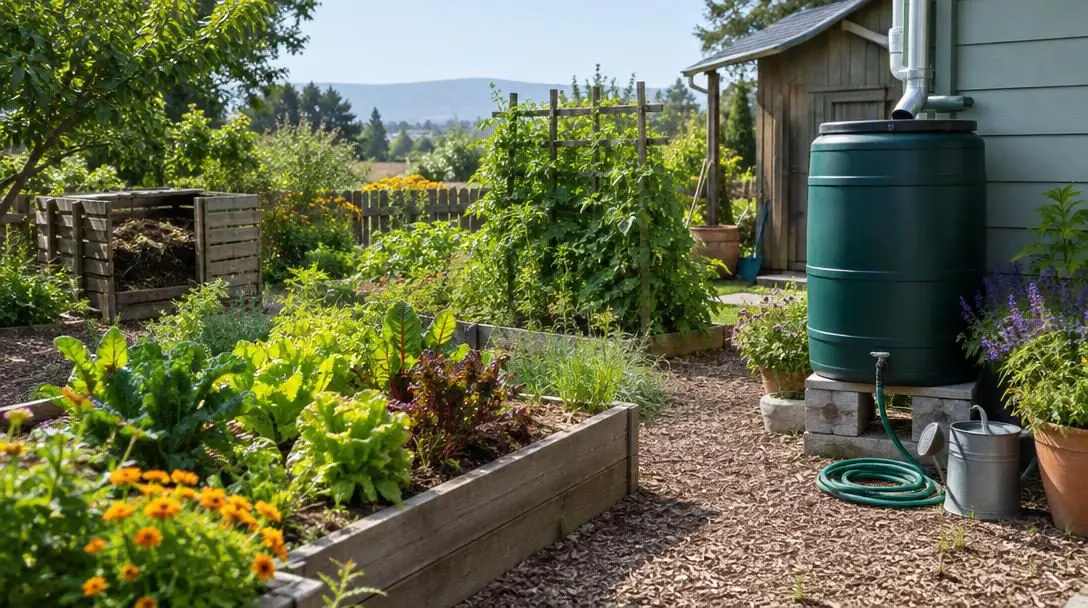
Tending a backyard garden is one of the most rewarding ways to interact with the outdoors, offering fresh harvest, physical activity, and a relaxing refuge from daily routines. Yet beneath the greenery, conventional gardening routines often rely on practices that deplete natural resources and disrupt local ecosystems. Standard practices regularly consume vast quantities of municipal water, rely heavily on synthetic chemicals, and generate steady streams of non-recyclable solid waste.
Adopting a sustainable approach reorients the garden from an artificial landscape dependent on external supplies into an interconnected, self-sustaining system. By mimicking natural cycles, capturing moisture, reducing plastic and organic refuse, and working alongside native biology, gardeners can cultivate thriving landscapes that give back to the surrounding environment rather than taking from it.
Key takeaways
- Sustainable gardening functions by mirroring natural nutrient cycles and treating outdoor spaces as interconnected living ecosystems.
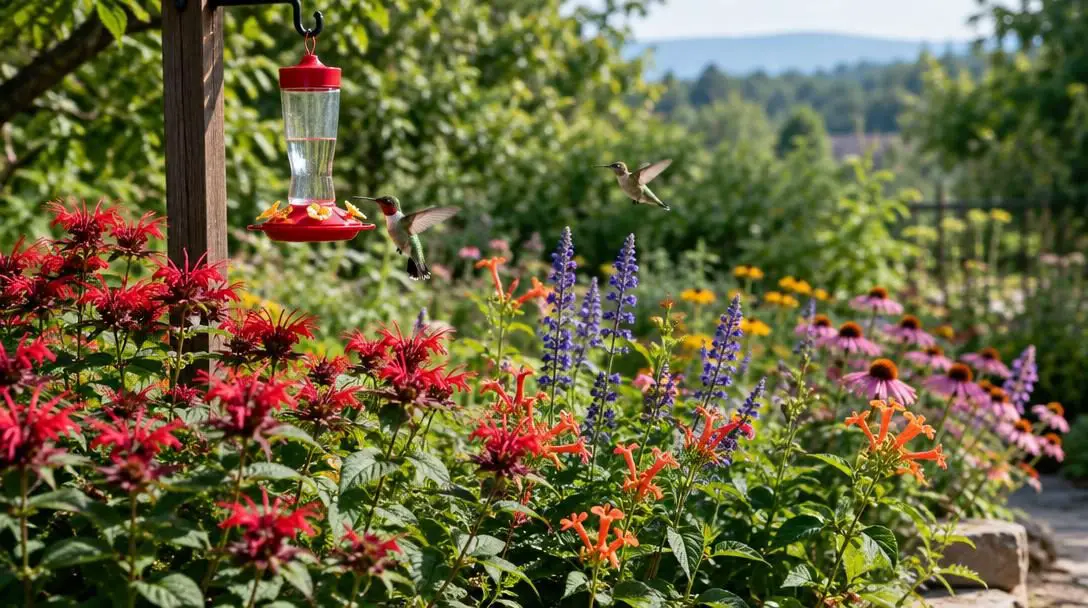
- Eliminating broad-spectrum chemical inputs protects essential pollinators, beneficial predatory insects, and downstream aquatic habitats.
- Localized moisture retention methods, such as drip lines and organic mulching, sharply reduce water loss from midday evaporation and runoff.
- Routine household and garden castoffs can be completely repurposed through dedicated composting, eliminating organic waste from landfills while conditioning native soil.
The Environmental Impact of Traditional Gardening
While cultivating flowers and vegetables feels intrinsically green, standard horticultural methods often carry an unexamined ecological footprint. A primary concern is the heavy reliance on synthetic chemical inputs. Commercially manufactured fertilizers and broad-spectrum chemical pesticides do not stay confined to targeted garden beds. During sudden rainstorms or excessive watering sessions, these compounds wash off the land and flow into local storm drains, eventually polluting streams, rivers, and coastal waterways. Furthermore, synthetic sprays indiscriminately impact non-target organisms, harming native bees, butterflies, parasitic wasps, and predatory ground beetles that keep natural ecosystems balanced.
Conventional yards also generate surprising amounts of solid waste. Every growing season, residential gardens discard cracked plastic nursery pots, single-use soil bags, synthetic ties, broken tools, and miles of damaged irrigation tape. Even more concerning is the volume of organic material—such as grass clippings, discarded autumn leaves, and pruned limbs—that homeowners collect in plastic bags and send off to municipal landfills. Deprived of oxygen in compressed landfill environments, this valuable organic mass decomposes improperly, losing all utility as a soil builder.
Water inefficiency remains another severe challenge. Open aerial sprinklers throw water high into the dry air, losing substantial moisture to atmospheric evaporation and wind drift before a single drop touches the soil. Spraying water across non-native lawns and unmulched decorative beds leads to fast surface runoff over hardened ground and adjacent paved driveways, placing unnecessary strain on domestic water reservoirs during dry seasons.
How Sustainable Gardening Works
At its foundation, sustainable gardening functions by viewing a cultivated yard as a miniature, self-contained ecosystem. In wild ecosystems like native prairies and old-growth forests, plant life thrives without synthetic chemical applications, imported soil amendments, or supplemental domestic watering. These natural landscapes endure because natural biological cycles remain unbroken: what is cast off by one organism provides food, moisture, or shelter for another.
Sustainable gardening replaces artificial inputs with natural biological cycles, turning domestic yards into self-renewing living systems.
In a standard yard, organic materials such as fallen leaves and spent garden vines are swept away, gradually starving the soil of essential biological components. A sustainable model closes this loop on-site. Decomposers—including microscopic soil bacteria, fungal networks, and burrowing earthworms—metabolize dead plant tissue into rich, dark humus. This natural humus dramatically improves soil aggregation, allowing the ground to sponge up rainfall and deliver balanced, slow-release nutrition to plant roots without synthetic assistance.
Hydrologically, sustainable practices favor targeted moisture retention over high-volume irrigation. By applying water directly at the root zone and shielding the ground with organic cover, water slowly infiltrates deep into the subsoil where plant root systems can access it long after the surface has dried out. Ground covers and natural surface layers physically slow water runoff, giving rainfall time to soak into the property rather than escaping into storm sewers.
Essential Sustainable Techniques: A Closer Look
Transforming a garden into a resource-conscious space relies on five primary techniques. When used in harmony, these methods build resilient soil, dramatically lower municipal water needs, and drastically curtail physical waste.
Composting and Soil Building
Composting forms the cornerstone of residential waste reduction. Kitchen prep trimmings, fruit rinds, coffee grounds, fallen autumn leaves, and chemical-free yard trimmings can be collected inside a dedicated backyard enclosure. Within the pile, aerobic microorganisms process these diverse elements into a crumbly, dark soil amendment. Incorporating finished compost into planting areas revitalizes damaged soil structures, enhances water-holding capacity, and provides a full spectrum of natural nutrition to food crops and landscape plantings.
Targeted Irrigation and Rainwater Harvesting
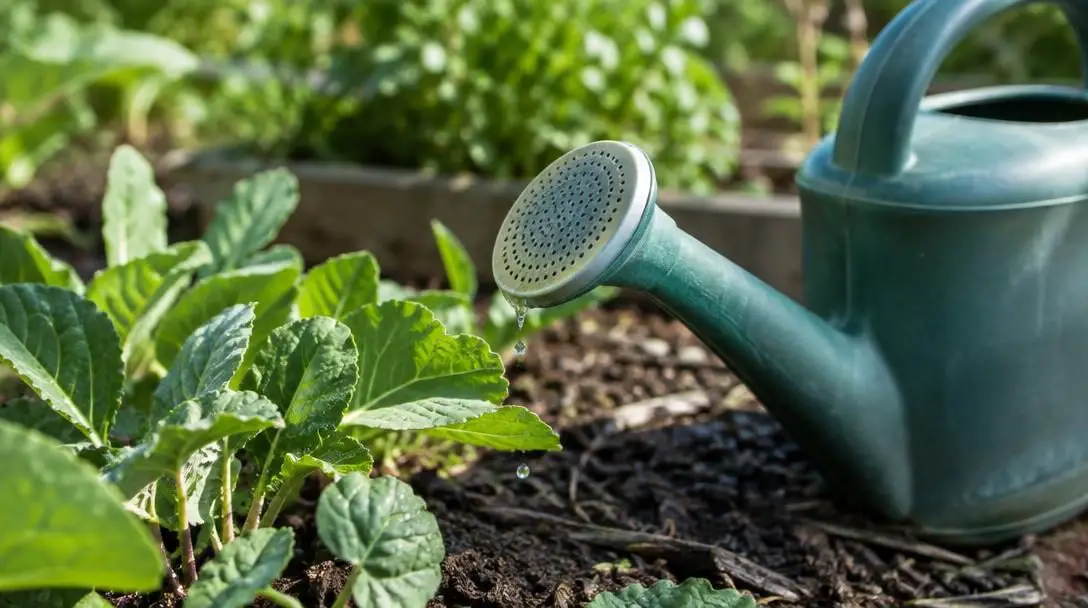
Delivering moisture efficiently protects water supplies and optimizes plant health. Replacing aerial sprinklers with drip irrigation lines or porous soaker hoses directs water directly into the soil profile beneath plant foliage. Coupling these delivery lines with automated timing systems prevents accidental overwatering. To complement efficient delivery, rainwater harvesting captures natural rooftop runoff through downspouts and storage barrels, securing a free, unchlorinated water supply for use during seasonal dry spells.
Protective Organic Mulching
Exposing bare soil to direct sun accelerates evaporation, bakes the surface into an impenetrable crust, and stimulates dormant weed seeds. Applying a generous blanket of organic mulch replicates the natural leaf litter found on forest floors. Mulch acts as an insulating barrier against harsh temperature shifts, slows evaporation, prevents wind and water erosion, and decomposes gradually to nourish beneficial subterranean micro-organisms.
| Mulch Material | Best Application | Primary Benefit | Management Considerations |
|---|---|---|---|
| Coarse Wood Chips | Permanent shrub borders, perennial beds, and walking pathways | Long-lasting weed suppression and exceptional soil temperature buffering | Keep away from soft annual stems; allow to weather before deep incorporation |
| Clean Straw | Vegetable beds, strawberry patches, and annual crops | Reflects extreme heat, retains moisture, and breaks down quickly | Ensure material is certified weed-seed-free before spreading |
| Shredded Leaves & Grass Clippings | Mixed flower borders, woodland gardens, and active compost layers | Rapidly enriches the soil food web with bioavailable carbon and nitrogen | Avoid using clippings treated with chemical herbicides; spread loosely to prevent matting |
Native and Climate-Adapted Plant Selection
Selecting plants well-matched to your regional climate eliminates the continuous struggle to keep fragile imports alive. Native plant species have spent thousands of years adapting to local rainfall volumes, temperature extremes, and native insect populations. Because they fit naturally within the local climate, established native plants rarely demand supplemental watering outside of severe droughts and do not require chemical treatments to stave off native pests.
Biological Pest Management
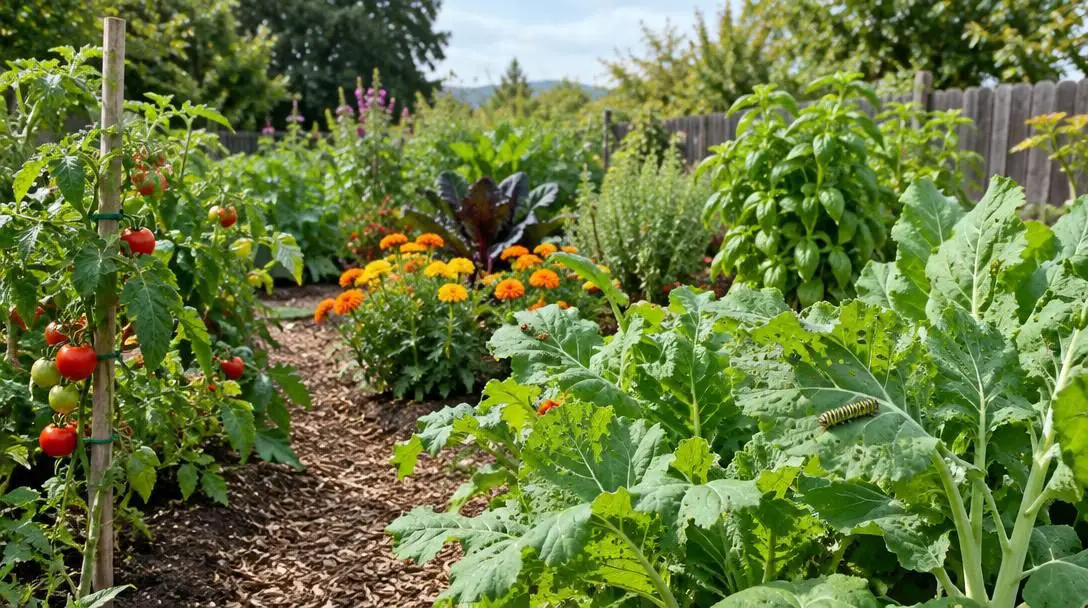
Conventional pest control relies on broad-spectrum sprays that temporarily eradicate pest outbreaks while destroying the predatory insects that prevent future infestations. Sustainable gardening relies on companion planting, annual crop family rotation, and habitat creation for beneficial wildlife. Interplanting herbs and flowering species among vegetables lures ladybugs, lacewings, and hoverflies, which naturally control destructive insect colonies. When an intervention is unavoidable, mild, targeted insecticidal soaps treat localized infestations without leaving persistent chemical residues.
Practical Steps to Transform Your Garden
Adopting an eco-friendly gardening model does not require razing your existing beds or investing in expensive commercial hardware. Following a deliberate, step-by-step process allows you to gradually reshape your garden into a sustainable, low-waste sanctuary.
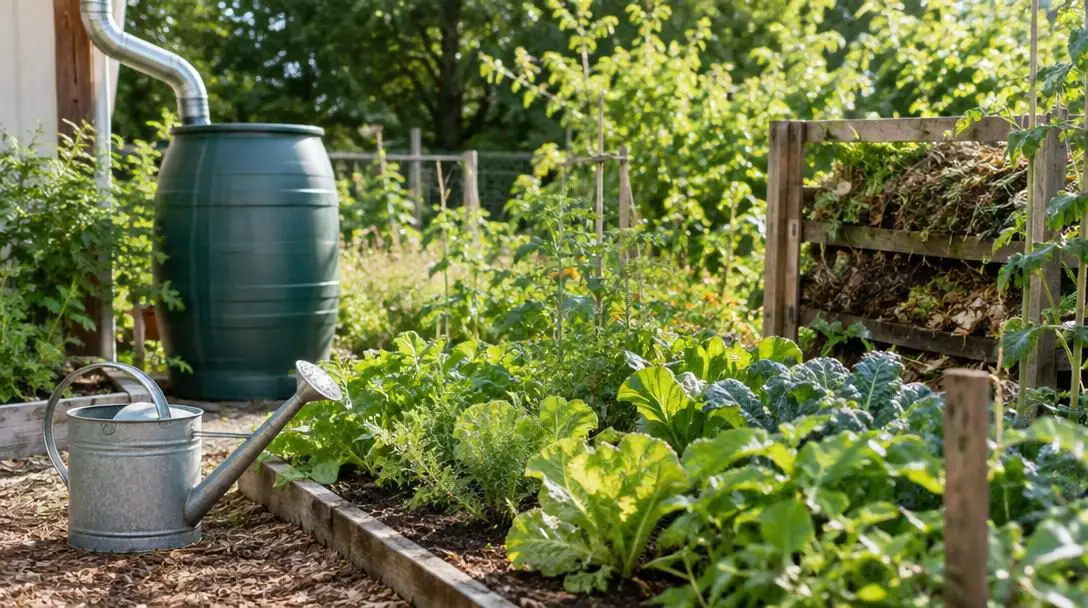
- Establish an on-site compost station: Select a well-drained, accessible area in your yard to set up an enclosed compost tumbler, open wire pen, or bin constructed from recycled wooden pallets. Begin collecting green kitchen trimmings and balancing them with dry leaves and shredded paper.
- Inspect and optimize your irrigation hardware: Check outdoor spigots, garden hoses, and nozzles for hidden leaks. Install low-pressure drip irrigation or soaker hoses throughout your vegetable plots and permanent beds, securing an automated timer to maintain structured watering schedules.
- Set up rooftop rainwater collection: Position a secure rain barrel beneath a primary gutter downspout. Cover the intake opening with fine screening to exclude airborne debris and mosquitoes, and connect an overflow hose pointed toward deep landscape beds.
- Shift your watering schedule to off-peak hours: Program your irrigation timers or perform manual watering sessions exclusively during early morning or late afternoon hours to prevent immediate water loss through solar evaporation.
- Apply protective mulch over exposed soil: Spread a two- to three-inch layer of organic mulch across your garden. Use coarse wood chips for landscape trees and footpaths, clean straw over vegetable plots, and shredded leaf litter across flower beds.
- Audit and diversify your plant collection: Identify high-water, struggling exotic plants in your yard and gradually replace them with hardy native perennials, shrubs, and drought-tolerant groundcovers adapted to your regional climate.
- Integrate companion plants and natural pest deterrents: Interplant aromatic companions—such as sweet basil alongside tomatoes—to confuse pest insects, rotate vegetable crops across beds each season, and stock mild insecticidal soaps for localized outbreaks.
Common Mistakes to Avoid
The transition toward an eco-friendly landscape can be derailed by well-intentioned missteps. Avoiding these frequent pitfalls will help you establish a vibrant, productive system with minimal frustration.
- Imbalancing compost components: Loading a compost bin with moist, nitrogen-rich kitchen scraps without adding sufficient dry, carbon-rich "brown" materials (such as dried leaves or cardboard) suffocates aerobic microbes, resulting in a soggy, slow-decaying, and foul-smelling pile.
- Overwatering established native plantings: Native species adapted to dry conditions often fail when treated with the same irrigation volume as traditional lawns. Excessive supplemental watering easily induces fatal root rot in drought-adapted root systems.
- Piling mulch directly against plant crowns and trunks: Creating steep "mulch volcanoes" against tree bark or herbaceous stems traps excessive moisture against soft tissues, welcoming fungal infections and destructive boring insects. Always leave an unmulched ring of bare soil immediately surrounding the base.
- Spreading the wrong mulch material: Spreading dense, fresh wood chips onto shallow-rooted, tender annual vegetable beds can tie up available nitrogen near the soil surface. Use lighter straw or shredded leaves in food production areas.
- Watering during midday heat: Irrigating during the hottest hours wastes substantial volumes through rapid evaporation before the water can penetrate down to the root zones.
- Introducing aggressive invasive species: Neglecting to research exotic ornamentals before purchase can result in planting invasive specimens that escape garden borders and outcompete indigenous plant species in nearby natural areas.
- Overusing broad-spectrum biological sprays: Even naturally derived remedies like insecticidal soaps must be used sparingly. Spraying entire plants indiscriminately rather than targeting isolated pest colonies can harm predatory insects that offer ongoing pest control.
What to Consider Next
As your sustainable practices mature and your yard finds its biological rhythm, you can take your environmental stewardship even further. Developing a resilient outdoor space is an ongoing journey of observation, adjustment, and steady improvement.
A rewarding next step involves monitoring long-term soil health. After several seasons of applying homemade compost and maintaining consistent mulch blankets, inspect the soil's physical properties. You should observe a looser crumb structure, darker soil coloration, improved water infiltration, and widespread earthworm activity. These positive indicators confirm that your soil food web is thriving, demonstrating that synthetic fertilizers are entirely unnecessary to sustain lush plant growth.
You can also consider expanding rainwater storage capacity. If a solitary rain barrel fills to capacity during an early season storm, link secondary and tertiary barrels together using overflow tubes. Alternatively, explore passive earthworks: shape shallow landscape depressions, bioswales, or rain gardens to slow and direct surplus rooftop runoff into deep subsoil layers where long-rooted trees and shrubs can draw upon it during dry spells.
Finally, examine the year-round ecological diversity of your property. Look for gaps in your blooming calendar, introducing regionally native plants that offer early spring nectar for emerging queen bees as well as late-autumn seed heads for foraging birds. Viewing the garden as an evolving sanctuary allows you to build an outdoor environment that conserves resources, eliminates waste, and enriches local biodiversity.
Frequently asked questions
Can a sustainable garden produce the same yields as a chemically fertilized one?
Yes. Soil enriched with organic matter, compost, and diverse microbial life delivers balanced, steady nutrition that promotes vigorous plant growth and heavy yields without the rapid nutrient leaching associated with synthetic fertilizers.
How do I prevent my compost bin from producing bad odors?
Unpleasant odors occur when a compost pile becomes oxygen-deprived and overly wet. Maintain an active balance by mixing moist green kitchen scraps with dry, carbon-rich brown elements such as fallen leaves, dry trimmings, or shredded cardboard, and aerate the pile periodically.
Is rainwater collected from asphalt shingle roofs safe for vegetables?
Rainwater harvested from standard asphalt shingle roofs is generally suitable for ornamentals, shrubs, and fruit trees. If used on leafy greens or root vegetables, apply the water directly to the soil at the base of the plants using drip lines or watering cans rather than sprinkling it over edible foliage.
Why are wood chips discouraged for annual vegetable beds?
Fresh, coarse wood chips take a long time to break down and can temporarily tie up bioavailable nitrogen at the surface of the soil, starving fast-growing annual vegetables. Lighter, quick-decomposing materials like clean straw or shredded leaves are better suited for vegetable patches.
Do I need to replace all non-native plants immediately to be sustainable?
No. Transitioning a landscape works best as a gradual process. Focus first on eliminating aggressive invasive species and water-thirsty specimens, gradually replacing them with well-adapted native alternatives as older plantings reach the end of their lifespan.
The bottom line
Cultivating an eco-friendly garden does not demand an all-or-nothing overhaul; it begins with simple changes in how you view everyday yard resources. By turning kitchen scraps and leaves into dark compost, directing water straight to root zones, blanketing beds with organic mulch, and selecting plants attuned to your regional climate, you break the cycle of high consumption and waste. Over time, your garden transforms into a resilient, dynamic ecosystem that sustains wildlife, saves water, and thrives with minimal intervention.