Growing a Vegetable Garden: Tips for Planning and Success
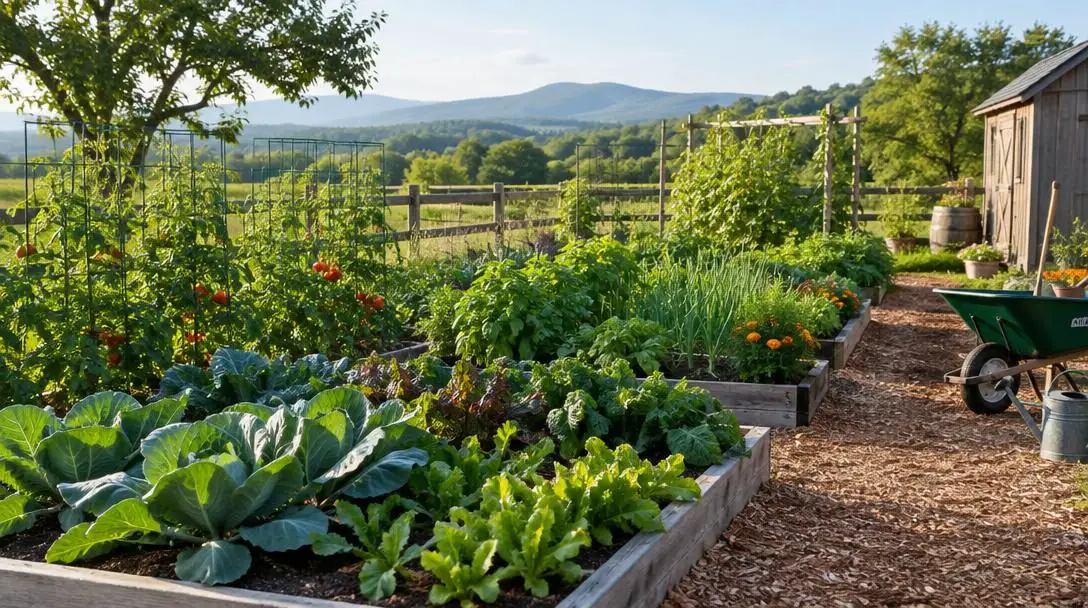
Starting a home vegetable garden has surged in popularity as more people seek to take control of their food sources, embrace outdoor living, and adopt sustainable daily habits. Harvesting fresh, crisp vegetables right outside your door creates an immediate and satisfying connection to what is on your plate, while simultaneously supporting your physical health through wholesome nourishment and time spent working in the fresh air. Beyond the nutritional value and positive environmental footprint, vegetable gardening serves as an engaging, educational, and deeply rewarding activity for individuals and families alike, teaching hands-on life skills that yield tangible, delicious rewards.
Despite its appeal, jumping into gardening without adequate planning often leads to swift frustration. Novice growers frequently encounter poor harvests, dry or suffocated root systems, rampant weeds, and sudden pest invasions simply because they bypassed the foundational mechanics of the plot. A vegetable garden is not an assortment of separate plants sitting in dirt; it is an active, living biological system where sunlight, soil structure, water movement, and organic life interact constantly. Taking the time to evaluate your site, enrich your soil, and respect the spacing and environmental needs of each crop ensures that your initial investment of effort translates into an abundant, thriving harvest season after season.
Key takeaways
- Vegetable gardens require a minimum of six hours of direct sunlight each day along with well-drained, nutrient-dense soil.
- Careful upfront bed preparation, including debris clearing and organic matter incorporation, prevents severe compaction and root rot.
- Spacing crops appropriately and staggering tall varieties prevents unwanted shading, disease outbreaks, and nutrient competition.
- Relying on natural pest management, companion planting, and garden hygiene protects beneficial insects and preserves ecological balance.
How a Vegetable Garden Works as an Ecosystem
To cultivate a productive harvest, gardeners must view their plots through the lens of basic plant biology and environmental balance. Vegetables are dynamic organisms that rely on four vital cornerstones to complete their growth cycle: sunlight, water, soil structure, and biological biodiversity. When these four elements are balanced, plants easily generate the energy necessary to yield lush foliage, strong stems, and flavorful fruits.
Sunlight serves as the primary engine powering the garden through the process of photosynthesis. Plant leaves contain chlorophyll, which absorbs radiant light energy and uses it to convert carbon dioxide from the air and water from the soil into simple sugars. These sugars fuel every stage of development, from building resilient root structures to swelling ripening tomatoes. Without sufficient direct sun, plants turn leggy and pale, stretching toward the light and depleting their energy reserves before they can produce an edible yield.
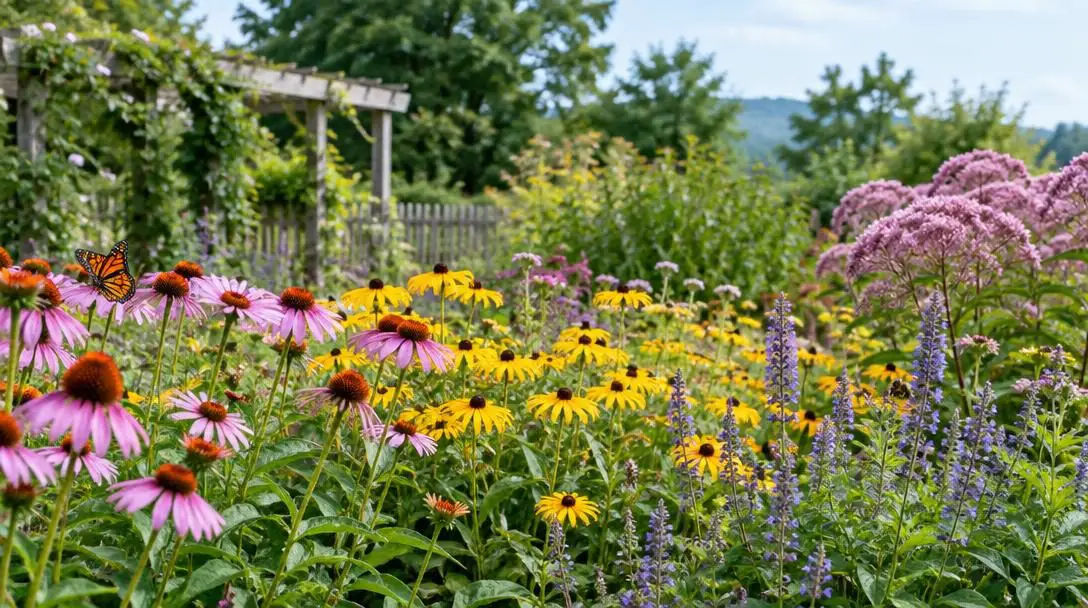
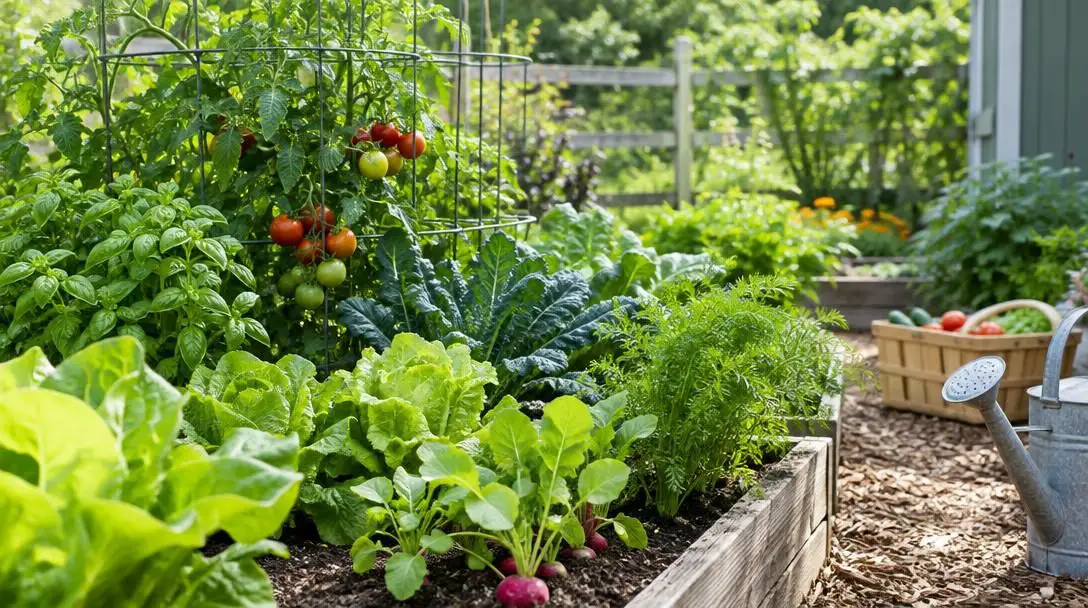
A patch of earth is an active living system that demands careful thought before a single seed is dropped into the ground.
Water acts as the internal highway for the vegetable plant. As roots absorb moisture from the earth, they take up dissolved minerals and essential nutrients, carrying them upward into the plant's vascular tissues. Water pressure within individual cells, known as cell turgor, provides structural support, keeping leaves crisp and stems upright against gravity and wind. Too little moisture causes wilting and nutrient starvation, while excessive water eliminates air pockets in the ground, suffocating root tips and inviting lethal fungal pathogens.
Beneath the surface, the soil functions as a living matrix composed of mineral particles, moisture, microscopic air channels, and decomposing organic matter. Plant roots must breathe oxygen to absorb minerals and expand outward. When earth is tightly compacted or drowned by poor drainage, roots quickly rot. In contrast, well-aerated ground enriched with compost behaves like an absorbent sponge, holding onto valuable moisture while allowing excess water to drain freely away from delicate roots.
Essential Factors When Planning Your Garden Plot
The success of your growing season is largely decided before you ever plant a seed. Careful planning prevents common mistakes such as placing sun-loving vegetables in heavy shade or choosing varieties that do not suit your regional climate.
When selecting your garden location, aim for a space that receives at least six hours of direct sunlight daily. Accessibility is equally critical: choose an area located near a reliable water source so that hydrating your beds does not become an exhausting chore. Inspect the slope and natural water movement of the yard, ensuring the site does not pool standing water for extended periods after heavy storms.
Evaluating your soil quality is another indispensable planning task. Testing your soil identifies its current pH balance and baseline nutrient availability, revealing whether the ground leans too acidic or too alkaline for vegetable cultivation. Incorporating compost and well-rotted organic matter directly into the earth enhances its physical texture, improving sandy ground so it retains hydration while loosening dense, heavy clay.
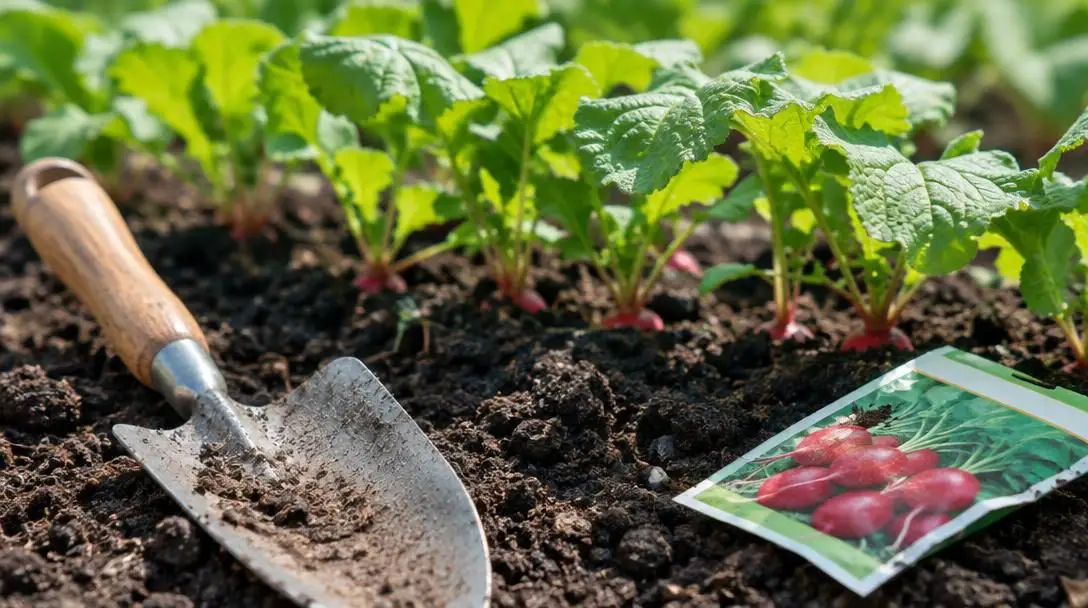
Selecting your crops requires matching varieties with your local growing season, available bed dimensions, and soil conditions. Gardeners must account for the specific spacing footprint and hydration demands of each vegetable. Integrating companion planting—the practice of situating complementary crops alongside each other—can deter nuisance insects, maximize spatial efficiency, and encourage vigorous, harmonious growth across the entire bed.
How to Prepare Your Garden Bed Step-by-Step
Establishing clean, fertile, and aerated ground gives young seeds and fragile transplants the best possible environment to root deeply. Rushing past bed preparation forces young root systems to struggle against hard dirt, competing weeds, and nutrient voids.
- Clear the planting area of debris: Remove surface rocks, fallen sticks, root clumps, and trash. Dig deep to pull up persistent, stubborn weed roots entirely so they cannot re-emerge and rob your upcoming crops of valuable soil moisture and space.
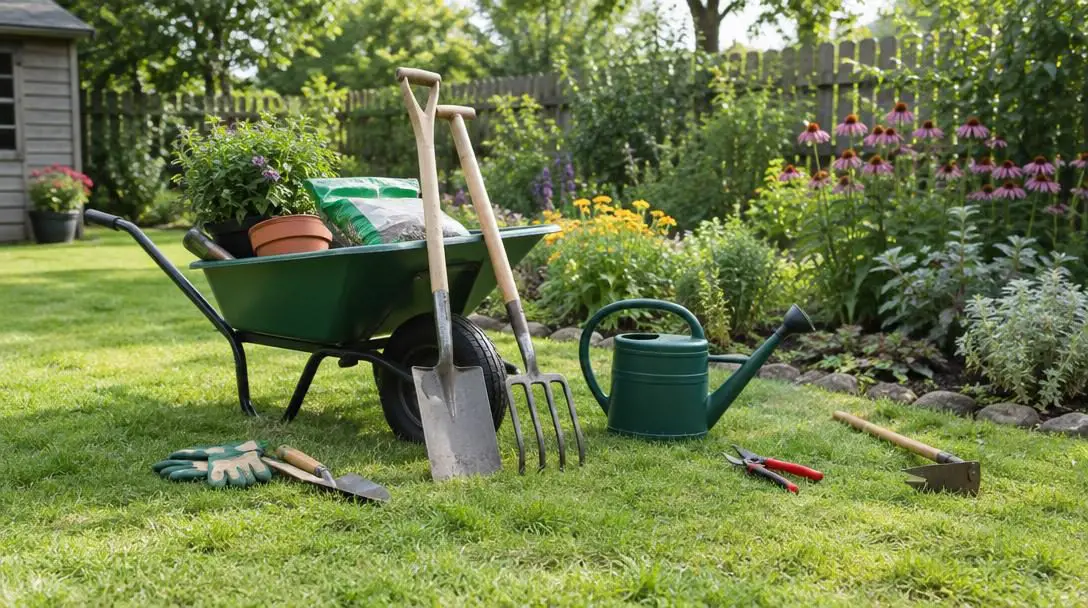
- Till the soil gently to aerate the top layer: Use a fork or tiller to break up dense dirt clods and incorporate fresh air into the bed. Take care not to over-till, as overworking the soil destroys natural aggregates and can cause severe long-term compaction below the tilled depth.
- Incorporate compost and rich organic material: Spread a thick layer of organic compost across the plot and turn it into the top several inches of dirt. This organic matter builds soil fertility, feeds beneficial organisms, and balances moisture retention.
- Test the soil pH and nutrient concentrations: Conduct a soil test to determine specific mineral deficiencies. Use targeted, natural amendments based on your test results to establish the ideal growing conditions required by your intended vegetables.
- Correct drainage conditions: Examine the bed after watering to confirm moisture drains steadily downward. If you notice persistent puddles, work sand or gravel into the soil structure to enhance permeability and protect root systems against rot.
Planting Techniques and Ongoing Maintenance
Once your beds are enriched and loose, focus shifts to placing your crops and nurturing them through the vegetative, blooming, and fruiting phases. Meticulous day-to-day care ensures steady development and prevents stress-induced setbacks.
Begin with vigorous, high-quality seeds or starter seedlings acquired from reputable growers. Strong starter stock with thick stems and healthy root structures adapts to garden beds far faster than weak, leggy starts. Plant each variety at its recommended depth and observe mandatory spacing instructions. Crowding seedlings together limits air movement, invites fungal spores to take hold on damp leaves, and creates unnecessary competition underground.
Hydration and feeding should remain consistent throughout the season. Provide enough water so moisture penetrates the lower root profile without leaving the top layer continually waterlogged. Apply a suitable fertilizer according to plant needs to maintain uninterrupted nutrient access during high-demand flowering and fruiting cycles.
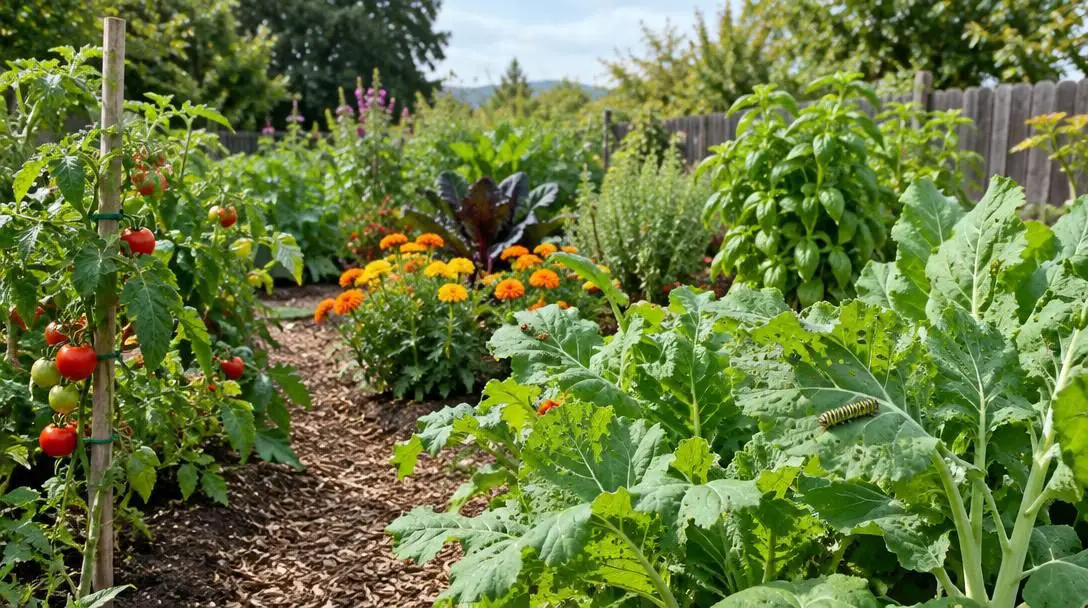
Managing weeds and pests without resorting to harsh synthetic chemicals keeps your harvest clean and protects local pollinator populations. Pull weeds as soon as they break the surface so their root systems never mature. Inspect the undersides of leaves frequently, hand-picking larger caterpillars and beetles, or utilizing companion herbs to naturally confuse and deter common pests. Finally, practice regular pruning to direct the plant's circulatory energy toward productive fruiting stems, harvesting produce promptly at its peak for optimal sweetness, texture, and nutrient value.
Troubleshooting Common Vegetable Garden Challenges
Even seasoned gardeners face occasional weather swings, nutrient imbalances, and biological pressures. Identifying the symptoms early and applying natural, measured solutions will preserve your yields and protect your plants.
| Garden Challenge | Primary Symptoms | Underlying Cause | Effective Solution |
|---|---|---|---|
| Common Plant Diseases | Spotted, yellowing, or powdery leaves and wilting foliage | Fungal pathogens, poor airflow, and wet leaf surfaces | Clean tools regularly, plant disease-resistant varieties, and water at ground level |
| Nutrient Deficiencies | Stunted growth, pale foliage, and lack of fruit set | Imbalanced soil pH or depleted essential minerals | Top-dress beds with organic compost and apply balanced organic soil amendments |
| Insect Infestations | Chewed leaf margins, curled foliage, and visible bug colonies | Unchecked insect populations lacking natural predators | Practice companion planting, hand-pick pests, and introduce beneficial predator insects |
| Extreme Weather | Scorched foliage, root rot, fallen blossoms, or frost damage | Intense sun, sudden late frost, or pounding rainstorms | Deploy protective shade cloths, row covers, and ensure proper soil drainage |
When plant diseases like blight or powdery mildew strike, immediate intervention is necessary to keep spores from traveling to adjacent rows. Avoid watering late in the evening when moisture sits on leaf tissue for hours in the dark. Instead, direct water straight to the soil around the base of the plant. If nutrient deficiencies show up as pale, chlorotic leaves, rely on finished compost to replenish micronutrients without burning fragile root structures.
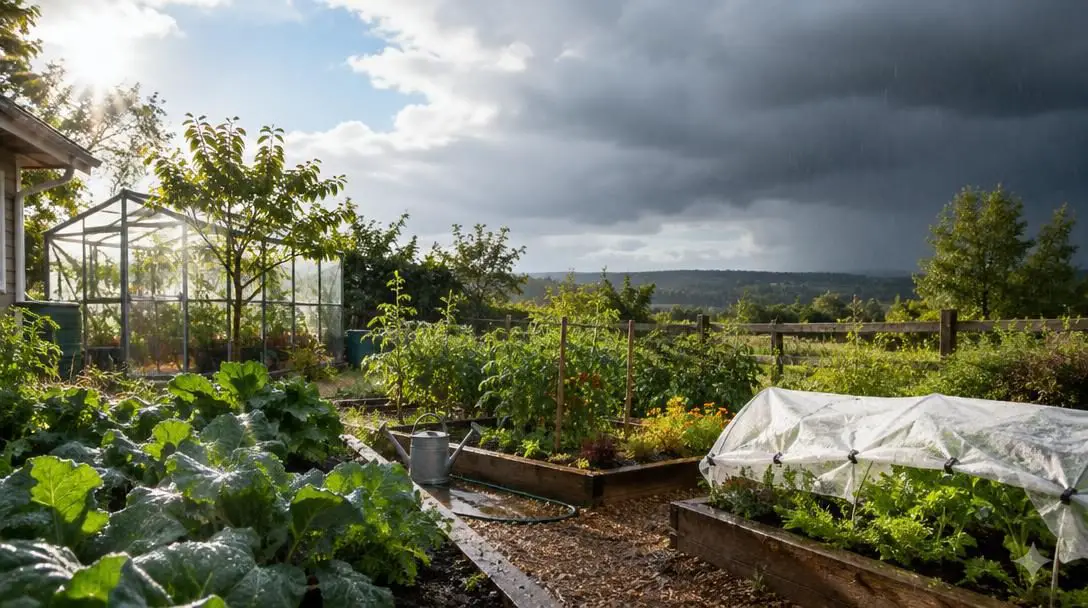
Dealing with insect pests requires monitoring rather than panic. Small populations of aphids or beetles rarely kill healthy, established plants. Encouraging beneficial insects, such as predatory beetles and ladybugs, helps keep pest numbers in check naturally. When unseasonal heat waves or severe early frosts threaten your garden, temporary row covers and shade fabrics act as shields against the elements, stabilizing the microclimate until normal seasonal weather returns.
Common Mistakes to Avoid in the Garden
Many garden failures stem from easily avoidable missteps during the early enthusiasm of the season. Being mindful of these pitfalls helps you save time, reduce labor, and protect your plants:
- Starting with too large a plot: Beginning with an overly ambitious plot can quickly turn gardening into an exhausting, stressful chore. Maintaining a modest, well-managed raised bed or compact in-ground plot ensures you have the time to water, weed, and harvest consistently without feeling overwhelmed.
- Ignoring recommended crop spacing: Seedlings appear deceptively tiny when first set out. Ignoring mature spacing guidelines forces plants to fight for underground root space and restricts air circulation, setting off fungal outbreaks and diminishing overall fruit size.
- Watering erratically: Giving plants quick, daily sips of water leads to shallow root systems that burn out quickly under hot summer sun. Conversely, drowning the garden until the earth turns to mud suffocates root systems. Maintain deep, consistent moisture levels.
- Excessive soil tilling: Running a mechanical tiller through your garden beds too frequently pulps the soil structure, damages beneficial earthworm networks, and creates a dense hardpan layer below the surface that blocks root expansion.
- Relying on chemical quick fixes: Spraying harsh synthetic pesticides and weed killers destroys helpful soil biology, eradicates pollinating insects, and disrupts the natural balance of your garden, often resulting in worse pest outbreaks later.
Looking Ahead: Long-Term Strategies for Sustainable Growth
Once your initial garden is thriving, you can begin implementing long-term management strategies that improve soil fertility, simplify planning, and expand your yields year after year.
One of the most practical long-term habits you can adopt is maintaining a detailed garden journal. Record what varieties you planted, exact sowing and harvest dates, pest outbreaks, weather anomalies, and overall yields. This personalized record removes the guesswork from future seasons, helping you quickly identify which vegetable cultivars thrive in your local microclimate and which ones are not worth replanting.
Another fundamental practice for sustained success is crop rotation. Avoid planting the same botanical plant family in the exact same location during consecutive growing cycles. Continuously planting crops like tomatoes or squash in the same dirt year after year strips away family-specific nutrients and allows soil-borne diseases and overwintering pests to build to destructive levels. Shifting plant locations breaks pest cycles and naturally preserves balanced nutrient reserves throughout your beds.
Finally, building an active home composting system creates a self-sustaining cycle for your garden. Diverting kitchen vegetable trimmings, pulled weeds, and end-of-season plant debris into a compost pile transforms yard waste into rich, dark organic food for next season's crops. This closed-loop approach reduces household waste, cuts down on the need for purchased fertilizers, and continuously enriches your soil with the organic matter essential for healthy root growth.
Frequently asked questions
How many hours of sunlight does a vegetable garden really need?
A productive vegetable garden requires at least six hours of direct sunlight every day. This level of light exposure fuels photosynthesis, giving fruiting crops the energy they need to expand root systems and ripen produce.
Why is over-tilling harmful to garden soil?
While light tilling loosens dirt and aerates root zones, excessive tilling destroys the natural aggregates in the soil, harms earthworm populations, and forms a dense, compacted layer below the surface that prevents water drainage and stops root growth.
How does companion planting benefit my vegetables?
Companion planting pairs mutually beneficial crops together to optimize space, create protective microclimates, and deter pest insects naturally without relying on chemical pesticides.
What should I do if my garden bed retains standing water?
If water pools on the soil surface after rain, improve its drainage by working sand, gravel, and organic compost into the earth to increase porosity and keep roots from rotting.
Why is crop rotation necessary in small vegetable gardens?
Rotating vegetable families to different beds each season stops soil-dwelling pests and fungal pathogens from establishing permanent populations while preventing the targeted depletion of specific soil nutrients.
The bottom line
Cultivating a thriving vegetable garden requires more than dropping seeds into dirt and hoping for the best. By viewing your plot as a living ecosystem dependent on balanced light, structured soil, regular hydration, and natural pest control, you lay the groundwork for long-term agricultural success. Taking the time to properly clear beds, amend soil with organic compost, and avoid common missteps like overcrowding will pay dividends at harvest time. As your experience expands, adopting practices like garden journaling, crop rotation, and home composting will ensure your garden remains productive, manageable, and deeply rewarding for seasons to come.