Growing Your Own Cut Flowers: A Guide to a Beautiful Garden and Bouquets
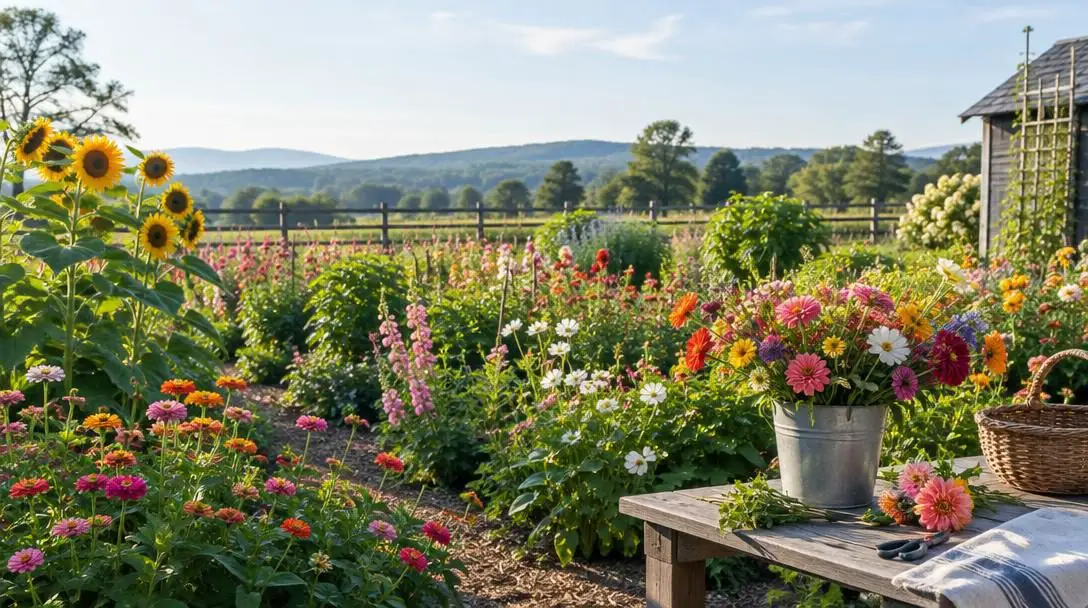
Fresh-cut flowers possess an unmistakable ability to revitalize an indoor living space, bringing natural warmth, vibrant color, and an uplifting atmosphere to any room or gathering. However, routinely purchasing arrangements from commercial florists can rapidly become an expensive habit. Furthermore, commercially sourced blooms are typically transported through lengthy domestic or international supply chains, spending days or weeks in transit before reaching a vase. By the time these stems arrive in your home, their natural hydration and vase life have often been substantially compromised.
Cultivating your own dedicated cut flower garden provides an accessible, cost-effective alternative that turns fresh floral decor into an everyday delight. Harvesting stems directly from your backyard allows you to gather blooms at their exact point of perfection, maximizing their freshness, fragrance, and durability indoors. Beyond providing an endless supply of colorful bouquets, working the soil and caring for living plants offers meaningful physical and mental health rewards through active outdoor engagement.
Key takeaways
- Cutting gardens function like productive agricultural plots, where regular harvesting stimulates secondary growth and prevents plants from setting seed.
- Reliable annuals such as zinnias, marigolds, and sunflowers offer dependable germination and high stem yields for first-time growers.
- Thorough soil preparation, at-home nutrient testing, and raised beds resolve poor native drainage and establish strong root systems.
- Harvesting stems during the cooler parts of the day and storing them in cool, dark quarters preserves hydration and significantly extends indoor vase life.
The Biological Mechanics of a Cut Flower Garden
A cut flower garden operates on principles distinct from those of traditional ornamental landscaping. In an ornamental display bed, plants are chosen and arranged to remain intact throughout the growing season, preserving a static visual balance in the yard. In contrast, a cutting patch functions much like an edible vegetable plot: individual stems are actively cultivated, nurtured, and harvested for display elsewhere.
Understanding how flowering plants respond to harvest is essential for sustaining a continuous yield throughout the spring, summer, and autumn. In nature, the primary biological purpose of a flower is reproduction. When an unharvested blossom is fertilized, the plant shifts its metabolic resources away from vegetative growth and bud formation to channel energy into seed development.
When you cleanly remove mature stems before seed set can occur, the plant's root system redirects moisture, nitrogen, and carbohydrates into latent nodes and secondary shoots. This hormonal shift activates dormant auxiliary buds, prompting prolific branching and the formation of replacement flower buds. By combining balanced soil structure, steady root hydration, ample sunlight, and consistent harvesting, you maintain an ongoing vegetative cycle that keeps the garden blooming for months on end.
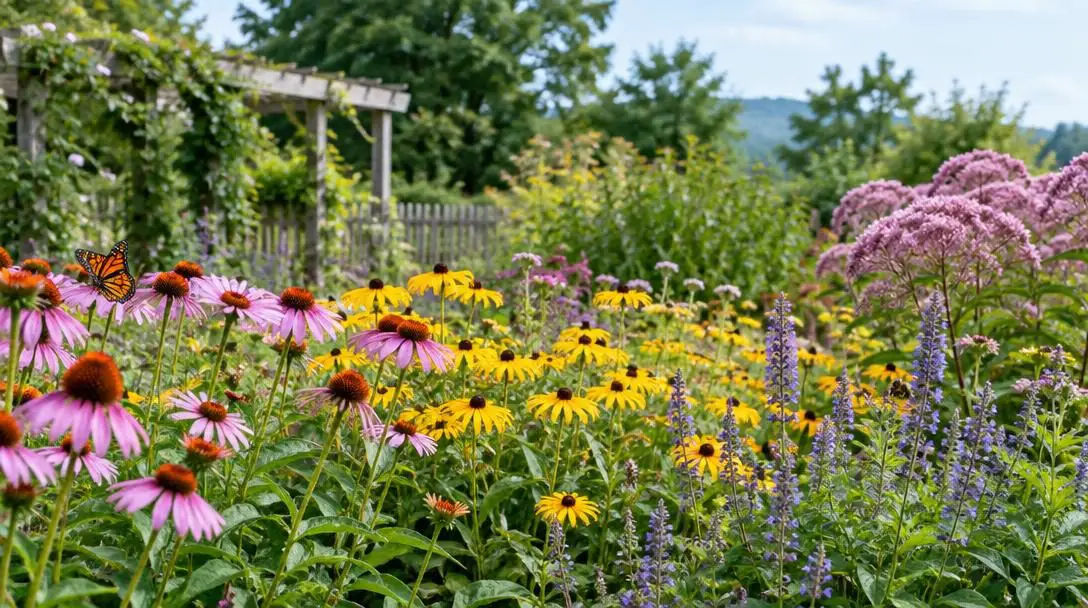
Regular harvesting prevents flowering plants from expending precious energy on seed production, triggering a continuous cycle of fresh stems and replacement buds.
Selecting Beginner-Friendly Flower Varieties
Selecting the right varieties is critical to building a rewarding and low-maintenance flower patch. Successful planning involves assessing your regional climate, seasonal temperature swings, frost schedules, and available yard space. Beginners can minimize frustration by starting with durable, prolific species known for vigorous germination and steady stem production.
Zinnias
- Plant type: Warm-season annual
- Key advantage: Rapid germination and prolific reblooming
- Growth habit: Branching upright stems
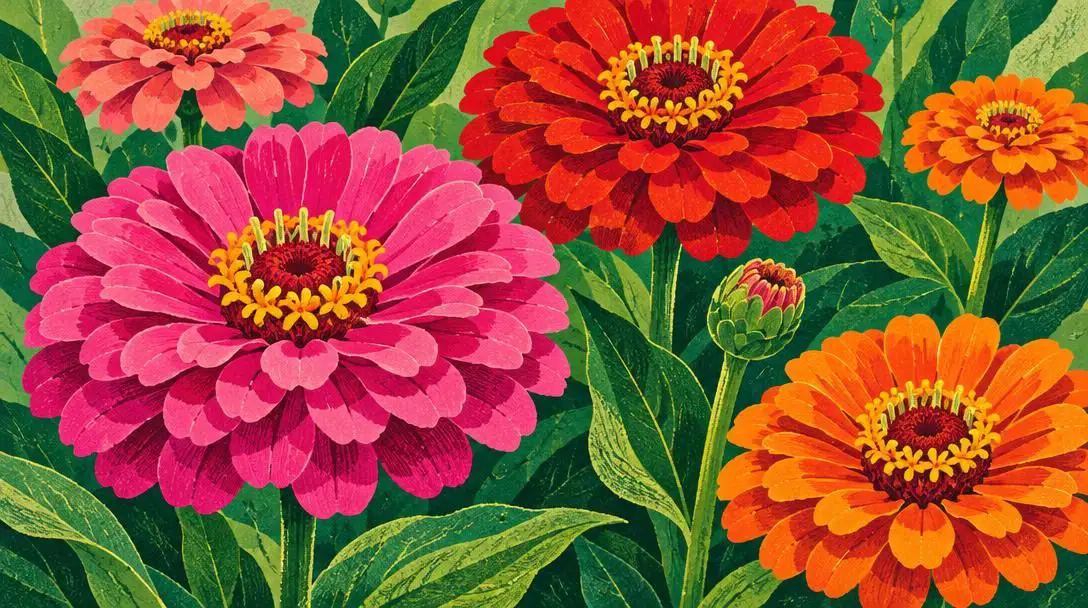
Zinnias are widely considered an essential crop for novice growers due to their fast germination and remarkable heat tolerance. Available in an extensive spectrum of vivid colors, zinnias respond aggressively to frequent cutting. The more flowers you remove from a healthy zinnia plant, the more branching stems and fresh buds it produces throughout the summer months.
Marigolds
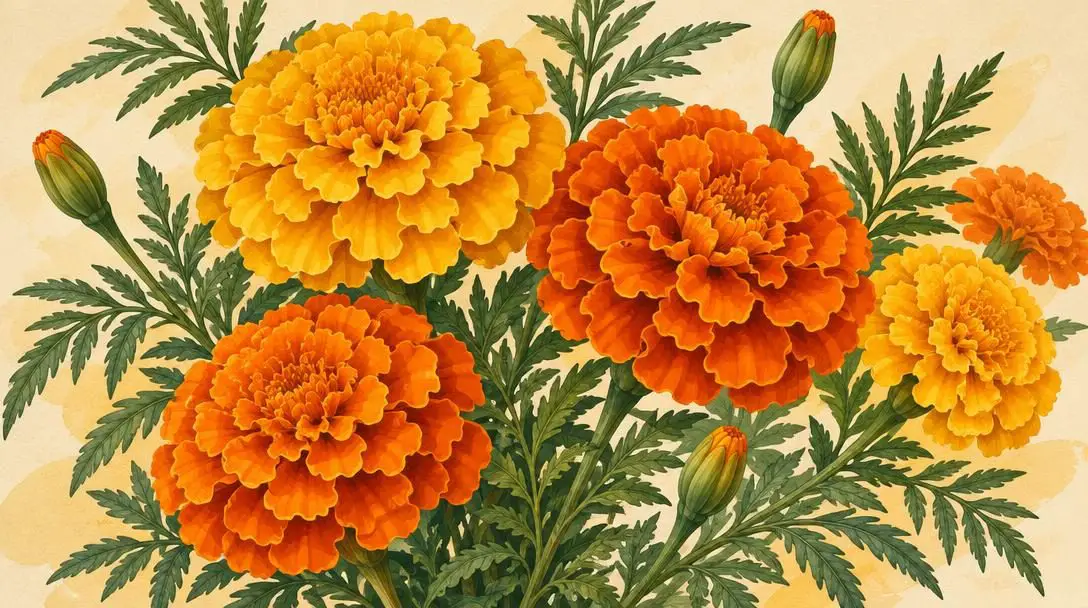
- Plant type: Hardy warm-season annual
- Key advantage: Natural pest resistance and sturdy blooms
- Growth habit: Bushy, dense branching
Marigolds deliver exceptional reliability, thriving across a wide array of soil conditions with minimal intervention. In addition to providing rich golden, orange, and bronze tones for interior arrangements, marigolds feature rugged petals and tough stems that hold up remarkably well in vases. Their distinctive scent and biological characteristics also make them invaluable partners in garden beds, where they help repel destructive insects.
Sunflowers
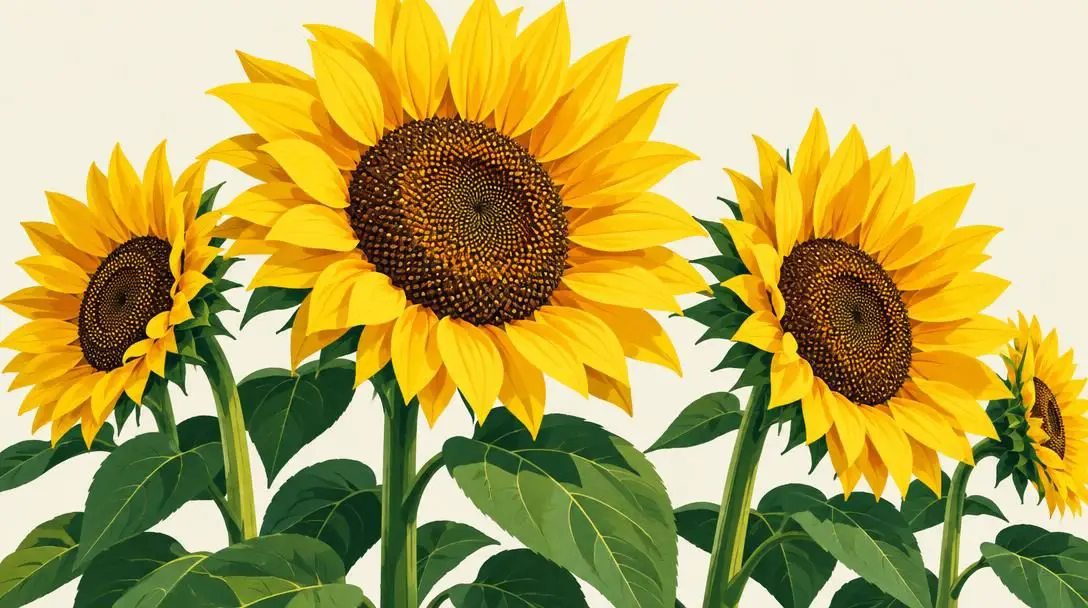
- Plant type: Fast-growing annual
- Key advantage: Sturdy structural focal flowers
- Growth habit: Tall, strong single or branching stalks
Sunflowers bring dramatic architectural height and cheerful presence to both the cutting border and the vase. Modern cutting varieties have been cultivated specifically for floral design, offering manageable flower heads and straight, thick stems. Sunflowers germinate quickly in warm soil and establish deep root networks that can tolerate drying surface conditions once established.
| Flower Variety | Primary Growing Requirement | Arrangement Role | Key Performance Benefit |
|---|---|---|---|
| Zinnias | Full direct sun and warm soil | Secondary or filler flower | Exceptional reblooming speed after cutting |
| Marigolds | Well-drained moderate soil | Textural base or accent bloom | Natural pest deterrence and long vase endurance |
| Sunflowers | Deep soil and full sun exposure | Primary structural focal bloom | Robust stem strength and dramatic visual scale |
In addition to individual cultivars, mixed flowering seed packets present an economical way to secure a diverse color palette and staggered flowering windows from a single sowing. Growers with sufficient space may also choose to organize their beds into distinct seasonal quadrants, dedicating individual areas to spring, summer, or autumn harvests to guarantee an uninterrupted supply of blooms.
Site Preparation and Soil Optimization
The productivity of any cutting patch depends heavily on the condition of the soil underneath it. Beginning ground preparation several weeks prior to planting allows the soil biology to stabilize before seeds or transplant roots are introduced.
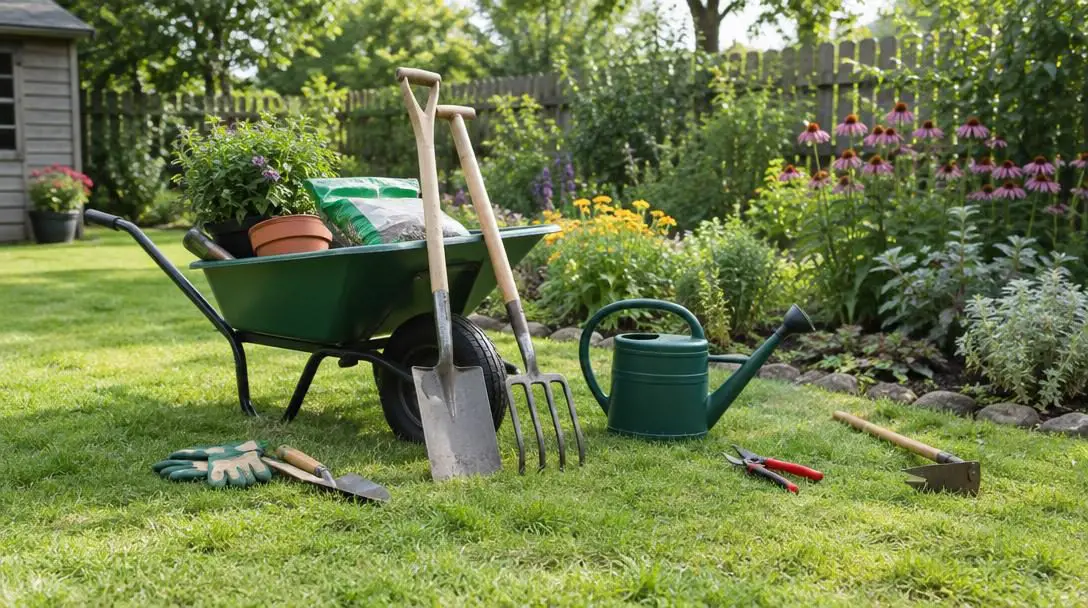
The first step in site preparation is meticulous weed eradication. Invasive weeds compete aggressively with developing flower seedlings for critical root space, water, and soil nutrients. Once cleared of competing vegetation, the ground should be thoroughly tilled or loosened with a garden fork to shatter dense clods, eliminate compaction, and improve subsurface aeration.
Before introducing amendments, test the native soil using an at-home soil test kit, widely available at local garden centers. Testing provides clear data on existing pH levels and macro-nutrient concentrations, removing the guesswork from fertilization. Most cut flowers demand rich, well-aerated soil that allows surplus water to percolate away freely. In areas burdened by heavy native clay or rocky subsoils, plant roots can easily suffocate or develop rot.
Step-by-Step Planting for Cut Flowers
Once the soil is prepared, aerated, and amended, systematic planting ensures that seeds, bulbs, and tender nursery starts establish robust root systems without unnecessary transplant shock.
- Evaluate regional planting timing: Review your local climate zone and expected frost dates. Never plant into cold, saturated ground; wait until soil temperatures warm sufficiently to support biological activity and root expansion.
- Determine your propagation method: Decide whether to start seeds indoors under controlled conditions for an early seasonal head start, or sow seeds directly into outdoor beds. Dormant bulbs and healthy nursery transplants can also be set out according to seasonal requirements.
- Plant to proper seed depth: Review the seed packet instructions carefully. Sow seeds only as deep as recommended, as sowing too deeply can exhaust a seedling's internal energy reserves before it reaches the surface.
- Implement recommended plant spacing: Space your plants strictly according to packaging or grower guidelines. Proper spacing guarantees critical airflow through the foliage, reducing fungal pressure and preventing stems from becoming thin and spindly as they compete for light.
- Situate in direct sunlight: Position the beds where they receive full, direct sun throughout the day. Ample solar energy fuels the photosynthesis required to build sturdy, upright stems and abundant floral buds.
- Establish a gentle watering routine: Water newly planted seeds or starts gently and thoroughly. Deliver enough moisture to settle the amended soil firmly around the root zone without causing soil erosion or surface puddling.
Ongoing Care and Garden Maintenance
Maintaining a cut flower garden requires disciplined cultural practices to keep plants producing high-grade stems across several months. Inconsistent management can stress plants, leading to stunted stems, dropped buds, or premature senescence.
Water management demands careful balance. Soil moisture should remain consistently damp to the touch without swinging into bone-dry drought or standing water saturation. Prolonged dry spells force the plant into survival mode, shortening stem lengths and degrading petal formation, while soggy conditions drown root tips and invite fungal pathogens.
Because cut flower beds are continuously harvested, they rapidly deplete soil nutrition. Adding a fresh top-dressing layer of organic compost every few weeks replenishes vital nutrients gradually, nurturing beneficial soil microorganisms and feeding root systems without causing chemical leaf burn.
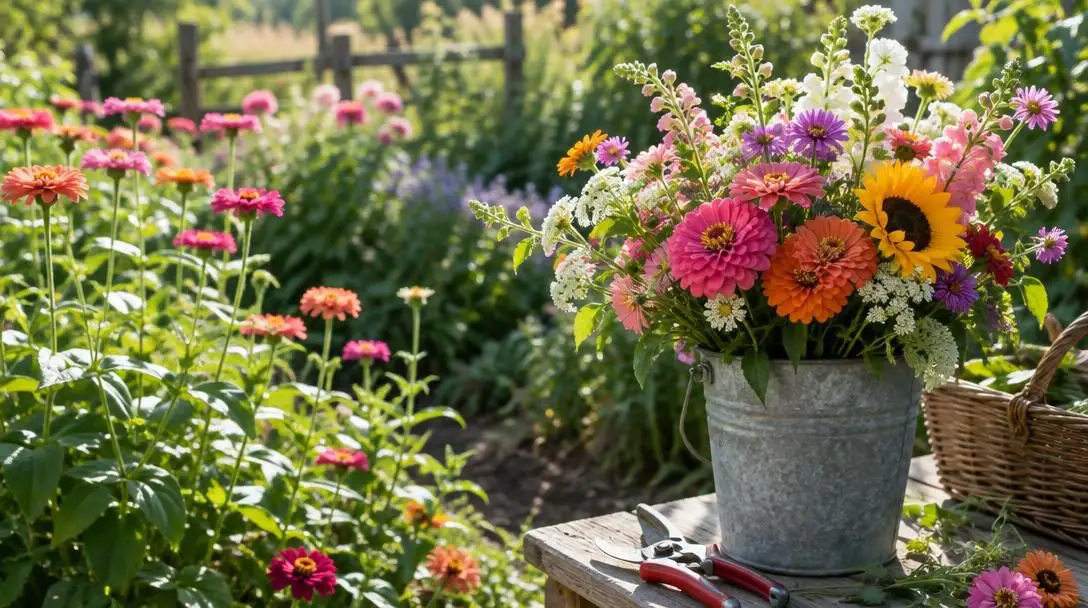
Proactive pest and disease management protects the visual quality of your harvest. Inspect stems and the undersides of leaves regularly for signs of aphids, mites, or mildew. When harmful insects appear, treat them quickly using targeted organic insecticide sprays to limit damage. Additionally, interplanting companion species throughout the beds serves a dual purpose: they draw beneficial pollinators to boost flower set while naturally repelling or confusing destructive pests.
Techniques for Harvesting and Arranging
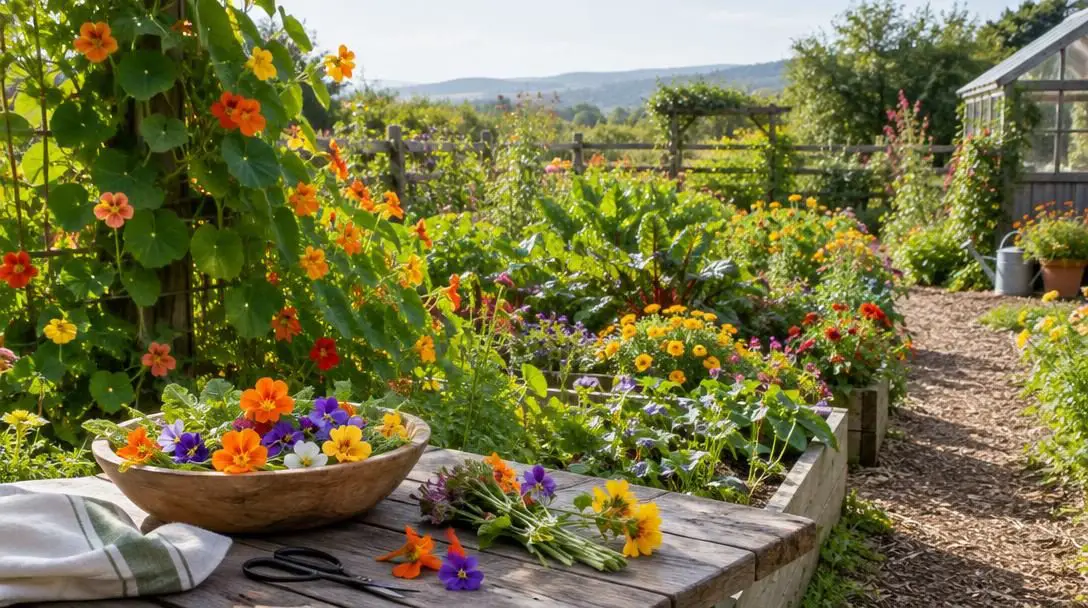
Harvesting cut flowers requires thoughtful timing to ensure maximum vase life indoors. You must avoid harvesting during the heat of midday, when direct overhead sunlight places plants under intense transpiration stress. Stems severed in hot sun are already moisture-depleted and will wilt almost immediately.
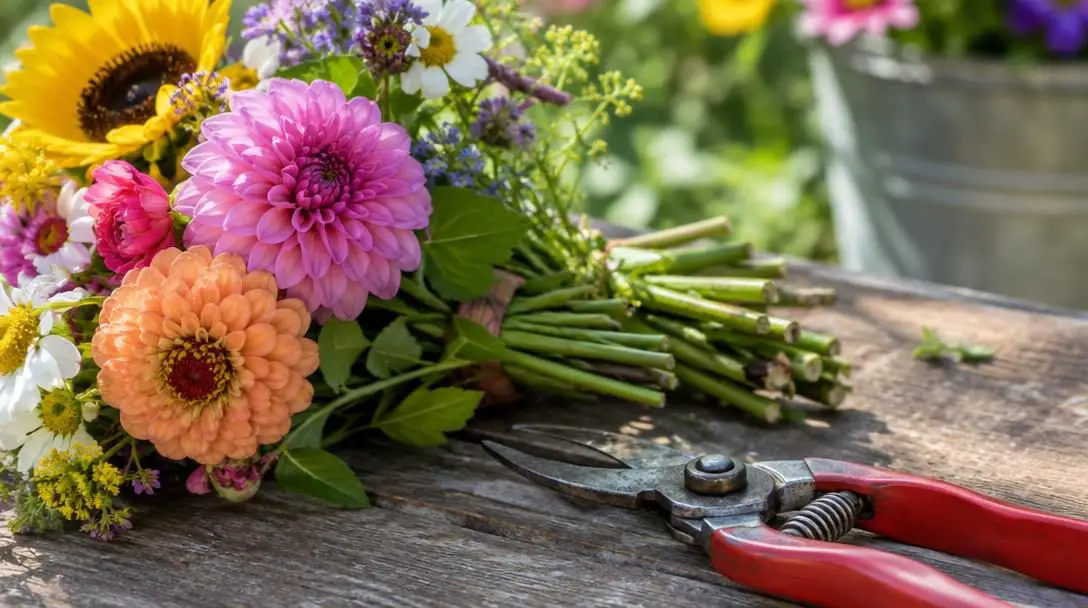
Instead, harvest your stems during the early morning or late evening hours when ambient temperatures are low and plant tissues are fully hydrated. Using clean, sharp shears, sever stems at an angle to maximize water uptake surface area. Immediately plunge the harvested stems into a bucket of clean water, then move them to a cool, dark location for several hours. This resting period slows plant respiration, stabilizes cellular hydration, and conditions the blooms before they are handled for display.
When assembling your indoor arrangements, rely on three foundational design elements to create balanced, visually captivating displays:
- Color: Coordinate harmonious hues for a calm, serene aesthetic, or employ contrasting complementary tones to establish dramatic, energetic focal points that match your interior space.
- Texture: Combine diverse tactile features, juxtaposing smooth, broad petals with delicate feathery blooms, coarse greenery, and architectural seed heads to create visual depth.
- Height: Layer stems deliberately, utilizing tall varieties to build structural outlines and shorter stems to conceal the container rim and establish a dense, grounded base.
Common Mistakes to Avoid in the Cutting Garden
Even motivated gardeners occasionally make basic mistakes that undercut the yield and longevity of their cut flowers. Avoiding these standard pitfalls will preserve your investment of time and resources:
- Neglecting soil testing: Sowing directly into native, unamended dirt without checking pH or nutrient balance often leads to stunted growth, nutrient lockup, or poor drainage.
- Midday harvesting: Cutting stems while the sun is intense rapidly accelerates moisture loss, causing newly picked blossoms to droop and fail prematurely in the vase.
- Erratic watering schedules: Alternating erratically between parched earth and waterlogged soil shocks root hairs and encourages root rot.
- Ignoring spacing guidelines: Crowding plants too tightly restricts vital air movement, inviting powdery mildew and producing weak, floppy stems unable to support heavy blossoms.
- Skipping compost replenishments: Failing to apply organic compost periodically leaves heavily cropped beds nutrient-starved halfway through the growing season.
Planning for Long-Term Production and Succession
As you gain experience with your first cutting season, you can optimize your plot for long-term productivity. At the close of each growing year, review cultivar performance carefully. Record which varieties produced straight, durable stems and exceptional vase longevity, and identify which suffered from pest infestations or required cumbersome staking.
To avoid harvest gaps during midsummer, develop a succession planting schedule. Sowing smaller batches of seeds every two to three weeks ensures that young, energetic plants are constantly coming into maturity just as older plantings begin to decline. Furthermore, planning ahead for seasonal weather shifts enables smooth transitions between cool-season spring blooms, heat-loving summer varieties, and hardy autumn flora, keeping your home filled with homegrown bouquets year-round.
Frequently asked questions
Why do homegrown cut flowers last longer than store-bought bouquets?
Store-bought flowers frequently travel through extended global supply chains over several days or weeks, losing hydration and cellular vigor before purchase. Homegrown flowers are cut at peak hydration and freshness directly outside your door, eliminating transit stress and maximizing indoor vase life.
How does cutting flowers encourage the plant to produce more blooms?
Harvesting blooms removes the plant's developing seed structures, halting reproductive seed formation. In response, the plant's root system redirects moisture and energy into dormant nodes, prompting the development of new lateral shoots and replacement flower buds.
What is the best time of day to harvest cut flowers?
The optimal harvest window is during the cooler hours of the early morning or late evening. Cutting during these periods ensures that stems are fully charged with moisture, whereas cutting under direct midday sun causes rapid wilting and shortened vase life.
Why are raised beds recommended for cut flower gardens?
Raised garden beds provide superior drainage and prevent soil compaction, which is especially critical in areas with heavy clay or rocky native ground. They also warm up earlier in the spring and allow complete control over compost and soil composition.
How often should I fertilize or amend my cut flower garden?
Because cut flower beds are harvested continuously, they expend nutrients rapidly. Adding a fresh top-dressing layer of organic compost every few weeks provides a steady, safe supply of macro- and micronutrients without risking chemical fertilizer burn.
The bottom line
Establishing your own cut flower garden transforms floral decor from an expensive, fleeting luxury into an ongoing, accessible source of personal satisfaction. By choosing dependable varieties like zinnias, marigolds, and sunflowers, investing in well-drained, compost-rich soil, and harvesting during the cool hours of the day, you can produce stunning, long-lasting bouquets right outside your door all season long.