Growing Your Own Fruit Trees: Tips and Tricks
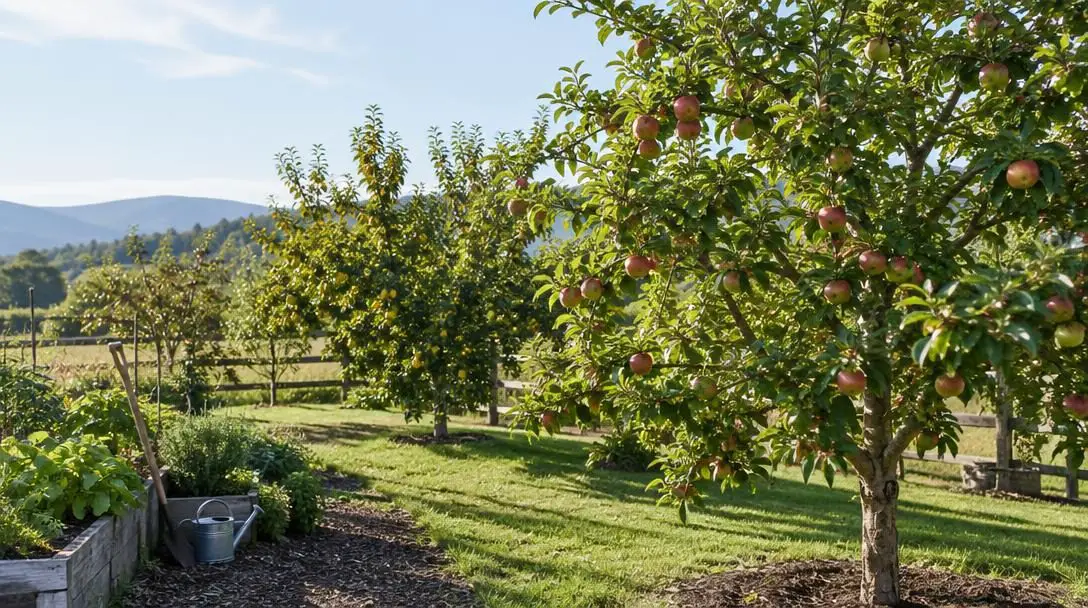
Growing fruit trees in a home landscape is one of the most fulfilling investments a gardener can make. Unlike seasonal vegetable gardening, planting fruit trees establishes a living, perennial asset that yields fresh, flavorful produce year after year while enhancing property value and outdoor beauty. Beyond providing access to tree-ripened crops that easily outshine supermarket offerings, cultivating your own orchard lowers your household carbon footprint by curbing transportation, commercial packaging, and industrial refrigeration demands.
Because fruit trees represent a multi-decade commitment, starting with sound horticultural knowledge is critical. Navigating the journey from a vulnerable nursery sapling to an abundant, mature producer requires an understanding of tree biology, thoughtful variety selection, meticulous site preparation, and attentive seasonal care. With deliberate planning and routine maintenance, any home gardener can transform an open yard or sunny patio into a thriving source of fresh food.
Key takeaways
- Fruit trees are long-lived woody perennials that demand careful long-term planning regarding site, soil, and species selection.
- Tree varieties must match regional climate realities, with temperate species requiring winter transitions and citrus demanding frost-free warmth.
- Planting at the proper depth in well-draining soil enriched with organic matter protects root systems from fatal rot and nutrient starvation.
- Consistent monitoring, balanced fertilization, structural pruning, and proactive orchard sanitation form the frontline defense against pests and diseases.
- Gentle harvesting at peak ripeness combined with proper chilling preserves harvest quality and extends post-harvest shelf life.
Understanding Tree Biology and the Fruit Production Cycle
To provide effective care, growers must understand the biological systems governing a fruit tree's life cycle. Unlike annual crops like lettuce, tomatoes, or beans that complete their full cycle within a single season, fruit trees are woody perennials that establish complex, permanent underground and above-ground networks. The subterranean root system performs two vital functions: securely anchoring the tree's heavy framework against wind and mechanical load, and absorbing water and dissolved mineral nutrients from the surrounding soil profile.
Above the ground, the leafy canopy serves as the tree's photosynthetic engine. Foliage captures direct sunlight and carbon dioxide to generate sugars and starches, fueling vegetative wood expansion, structural branch thickening, and the development of blossoms and fruit. Sunlight and thermal energy directly influence the concentration of natural sugars within ripening fruit; trees deprived of full solar exposure often struggle to produce vigorous blossoms or set a flavorful crop.
A fruit tree must maintain a delicate balance between vegetative foliage and reproductive growth to sustain annual harvests without exhausting its reserves.
Maintaining balance between wood production and crop load is essential. If a tree directs excessive energy toward vegetative foliage and water shoots, fruit yields suffer. Conversely, if a tree attempts to mature an excessive crop load beyond its carrying capacity, its overall vigor declines, leaving the branches structurally weak and vulnerable to insect infestations and pathogenic infections. Systematic pruning and balanced nutrient feeding maintain this internal equilibrium.
Selecting the Ideal Fruit Trees for Your Climate and Space
Successful orchard management begins with selecting varieties that naturally match local environmental conditions. Gardeners must account for regional temperature swings, seasonal duration, native soil chemistry, and physical spatial boundaries. A tree poorly matched to its climate zone will consistently struggle to thrive, setting little to no usable fruit.
| Tree Variety | Ideal Climate Profile | Primary Growing Space | Key Production Characteristic |
|---|---|---|---|
| Apples | Temperate with cold seasons | Standard backyard | Crisp deciduous pome fruit adapted to seasonal transitions |
| Pears | Temperate with cooler weather | Standard backyard | Dependable seasonal bloom cycles and sweet fruit yields |
| Peaches | Temperate with distinct transitions | Standard to medium yard | Vigorous stone fruit requiring warm summer maturation |
| Plums | Temperate and cooler regions | Standard to compact yard | Prolific seasonal producer with stone fruit genetics |
| Cherries | Temperate with seasonal cycles | Standard backyard | Early-season stone fruit dependent on cooler winter rest |
| Citrus Trees | Warm and frost-free | Sunny yards and warm landscapes | Evergreen canopy producing oranges, lemons, and grapefruits |
| Dwarf Fruit Trees | Adaptable based on scion variety | Small gardens, courtyards, patios | Compact miniature architecture suitable for tight spaces |
Apples
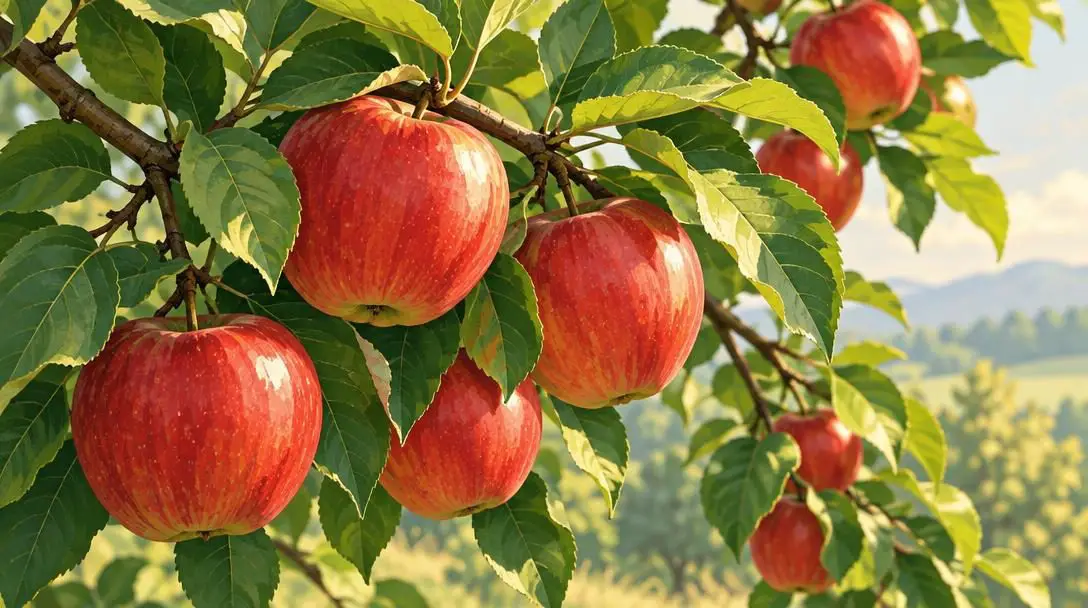
- Climate: Temperate regions with distinct seasonal transitions
- Fruit classification: Deciduous pome fruit
- Growth habit: Standard to managed garden tree
Apples thrive in temperate regions marked by distinct seasonal changes and cooler weather patterns. Their biological dormancy cycle requires cool winter conditions to break bud rest properly in spring. When grown under open sunlight in rich ground, apples establish robust branches capable of supporting abundant, crisp fruit crops across decades of continuous growth.
Pears
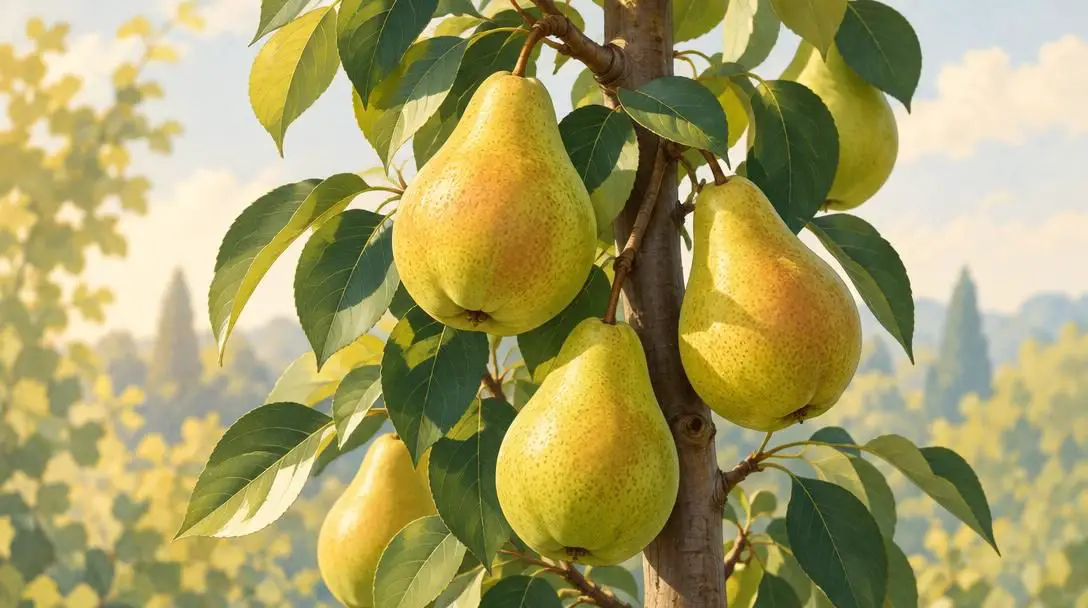
- Climate: Temperate cooler climates
- Fruit classification: Deciduous pome fruit
- Growth habit: Upright woody canopy
Like apples, pears are well-suited to temperate climates characterized by seasonal cooling and reliable moisture. They develop sturdy upright scaffolding that channels ground nutrients into luscious, sweet fruit. Proper canopy management ensures that sunlight reaches interior fruiting spurs, preserving productive fruiting wood throughout the tree's lifespan.
Peaches
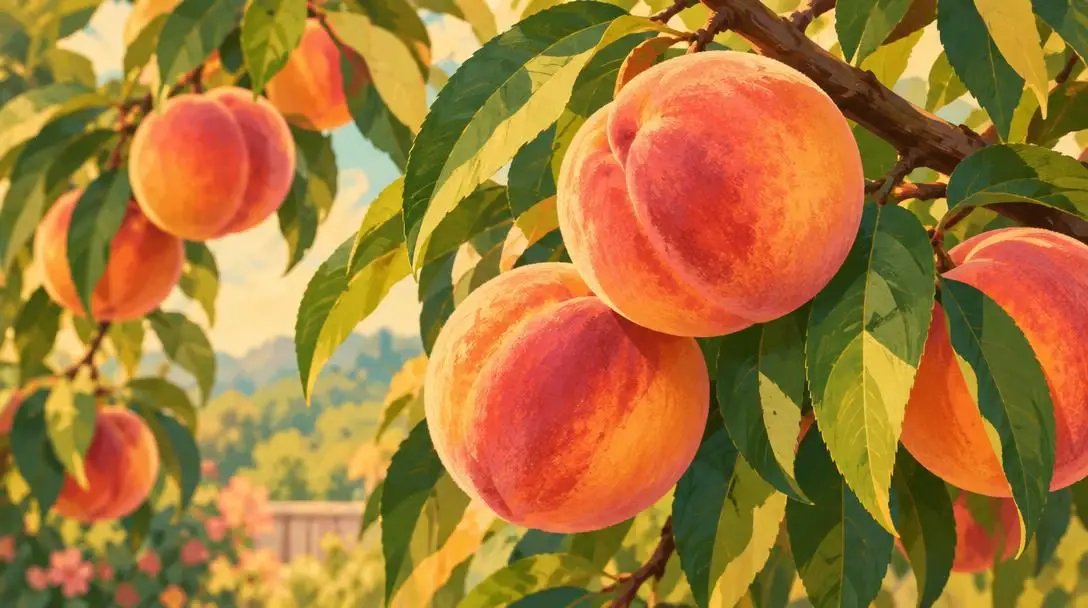
- Climate: Temperate regions with warm summers
- Fruit classification: Deciduous stone fruit
- Growth habit: Spreading open-center tree
Peaches demand temperate conditions with clear seasonal demarcations, using cooler winter temperatures for rest before bursting into early-spring blossoms. They require generous heat and direct sun exposure through early summer to develop maximum sugar concentration and signature soft texture within their juicy flesh.
Plums
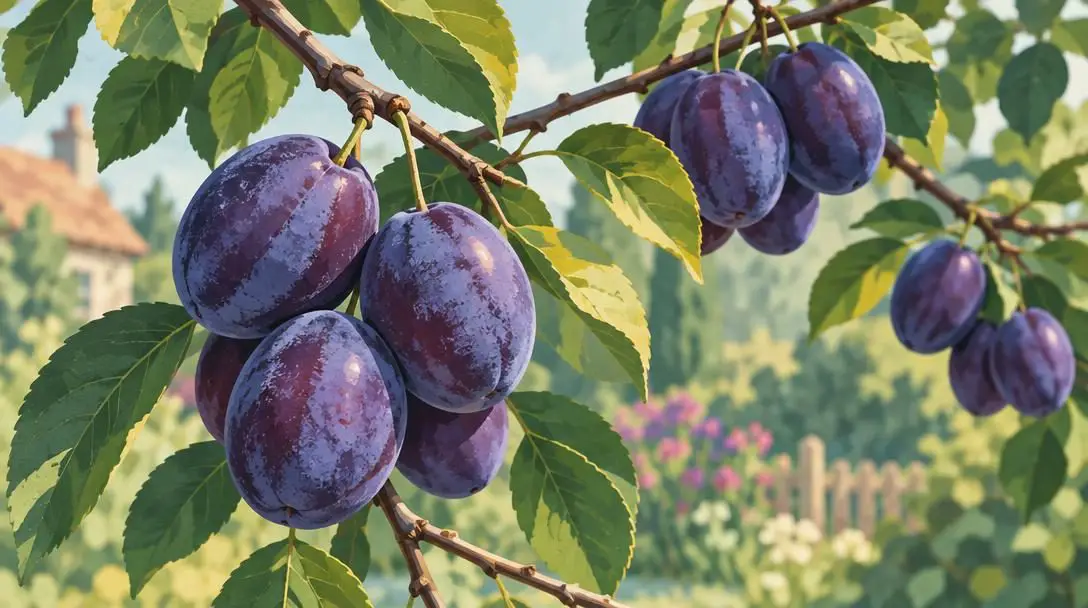
- Climate: Temperate and cooler weather zones
- Fruit classification: Deciduous stone fruit
- Growth habit: Compact to spreading canopy
Plums offer exceptional adaptability in cooler temperate gardens, setting heavy crops of colorful, stone-centered fruit. Their vigorous spring flowering cycles rely on consistent winter dormancy. Regular structural attention keeps plum trees from overbearing, which protects branches from physical stress and breakage.
Cherries
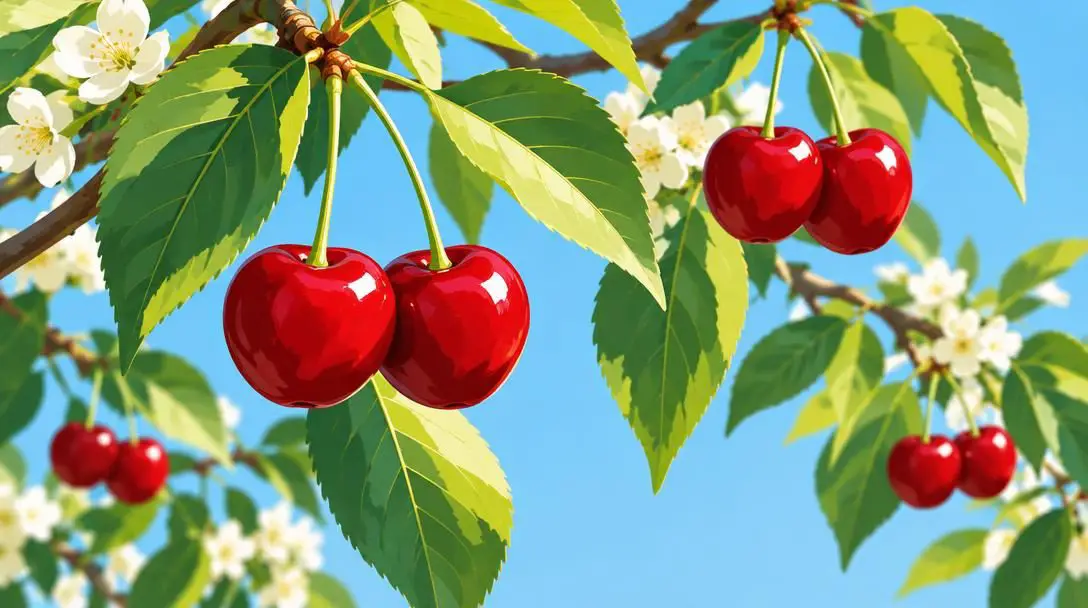
- Climate: Temperate regions with distinct winters
- Fruit classification: Deciduous stone fruit
- Growth habit: Upright to spreading canopy
Cherries are prized temperate fruit trees that benefit from cooler winter conditions followed by bright, sunny growing seasons. Whether grown for sweet fresh eating or culinary processing, cherries reward the grower with high-value seasonal yields when protected from stagnant moisture and canopy overcrowding.
Citrus Trees
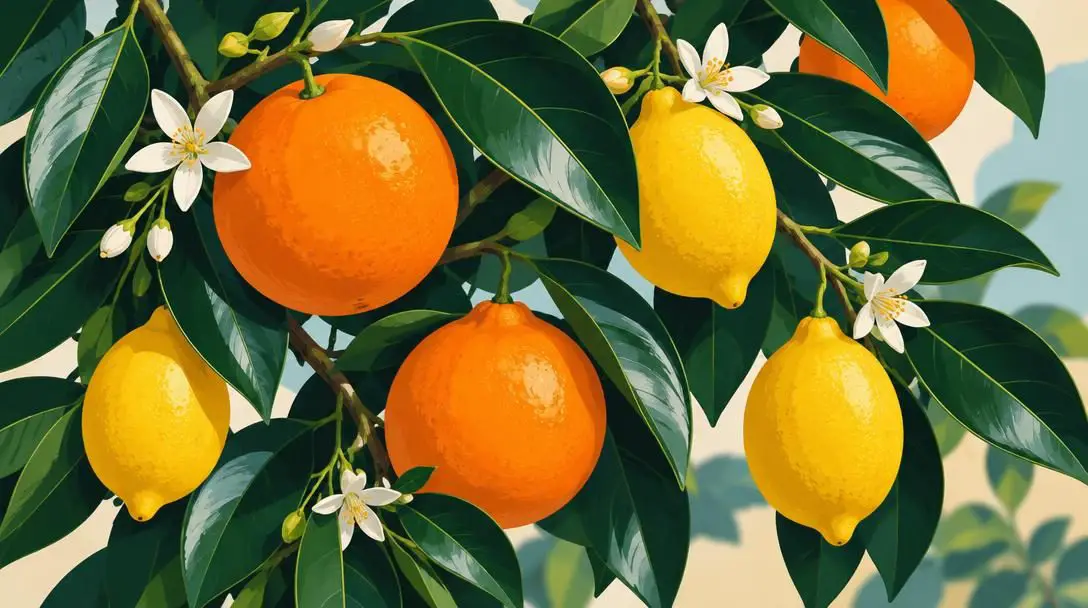
- Climate: Warm, frost-free, and mild environments
- Common varieties: Oranges, lemons, and grapefruits
- Growth habit: Broadleaf evergreen producer
Gardeners living in mild, frost-free zones can grow productive citrus trees, including sweet oranges, tart lemons, and robust grapefruits. Citrus varieties demand ample warmth, mild conditions, and prolonged sun exposure throughout the year. Because they lack the cold tolerance of deciduous temperate species, exposure to freezing weather can severely damage their evergreen leaves and sensitive fruit skins.
Dwarf Fruit Trees

- Climate: Variable depending on grafted cultivar
- Common names: Miniature fruit trees
- Ideal setting: Small gardens, compact backyards, and patio spaces
For gardeners facing strict space constraints, dwarf fruit trees—often referred to as miniatures—provide an outstanding solution. These specialized miniature trees are grafted onto restrictive rootstocks specifically tailored for small yards, compact urban lots, and container cultivation on sunlit patios. They deliver full-sized fruit yields without requiring the expansive physical footprint of standard orchard trees.
Soil Preparation and Step-by-Step Planting
Long-term orchard success depends on the condition of the ground at planting. Fruit trees require nutrient-rich, structurally sound soil that promotes deep root penetration. While naturally fertile earth allows trees to establish with minimal interference, sub-optimal soils should be conditioned beforehand. Incorporating decomposed organic amendments, such as well-rotted compost, enhances aeration, facilitates vital microbial activity, and improves moisture retention without causing stagnation.
Executing proper planting mechanics ensures that young saplings make a seamless transition into their permanent location without undergoing severe transplant shock.
- Evaluate site drainage: Inspect the proposed orchard area to verify that rainwater drains away freely and does not pool around the root zone.
- Excavate the planting hole: Dig a hole wide enough to accommodate the full spread of the sapling's root network comfortably without bending, cramping, or circling the roots.
- Check root collar depth: Position the tree in the hole so that the nursery soil line sits perfectly level with the surrounding ground grade. Planting too deep suffocates root tissue, while planting too shallowly leaves root structures vulnerable to desiccation.
- Backfill with soil: Fill the excavated soil back around the root system, gently tamping it down to eliminate trapped air pockets without over-compacting the earth.
- Saturate with water: Provide a slow, thorough watering immediately following backfilling to collapse microscopic air spaces and ensure intimate contact between soil particles and roots.
- Apply protective mulch: Spread an even blanket of organic mulch across the soil surface around the tree base to suppress moisture evaporation and block weed competition, keeping the material pulled several inches away from direct trunk contact.
Ongoing Care: Watering, Nutrition, and Canopy Pruning
Establishing young fruit trees demands a sustained maintenance routine centered on hydration, nutrient delivery, and structural pruning. Inadequate moisture creates acute drought stress, resulting in wilting leaves, stunted branch extension, and premature crop drop. Water requirements fluctuate based on local climate patterns, natural soil texture, and tree size. Light, sandy soils shed moisture rapidly and require more frequent irrigation, whereas heavy soils retain moisture longer. Furthermore, nearby aggressive vegetation—such as surrounding lawn turfgrass, garden perennials, and shrubs—can rapidly deplete soil moisture reserves around the tree's root perimeter.
Applying fertilizer supplies essential macro- and micronutrients necessary for vigorous development, but precision is critical. Excessive fertilization can burn delicate feeder roots, encourage weak vegetative wood, and suppress blossom formation, while nutrient deficiencies stunt canopy growth and reduce harvest volume. Growers must match nutrient additions to the specific developmental stage and species requirements of their trees.
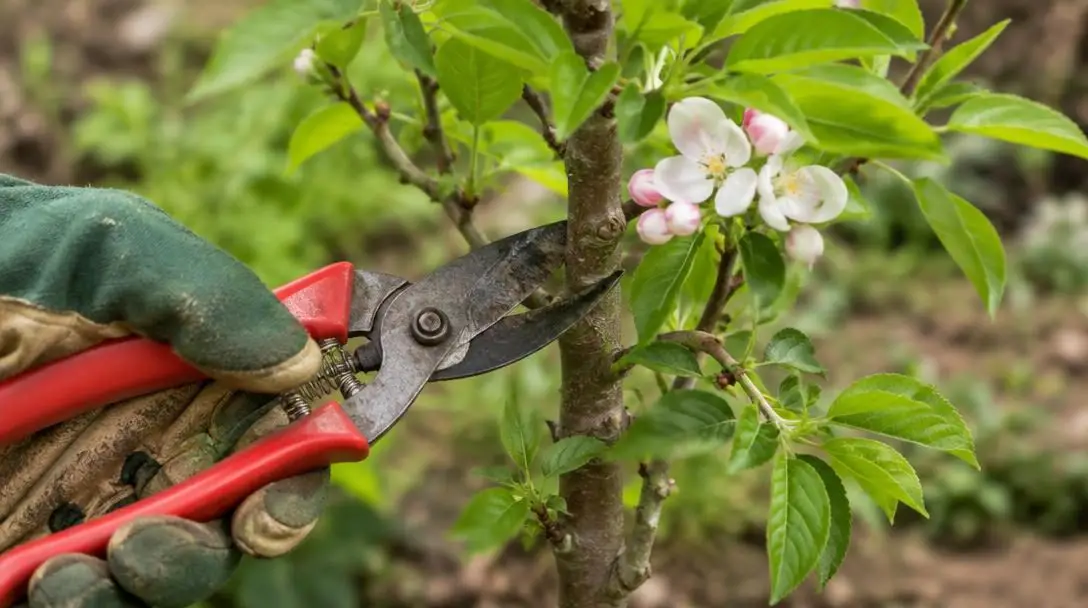
Routine pruning and branch training are equally vital tasks that should be conducted on a consistent seasonal basis. Pruning accomplishes several essential goals:
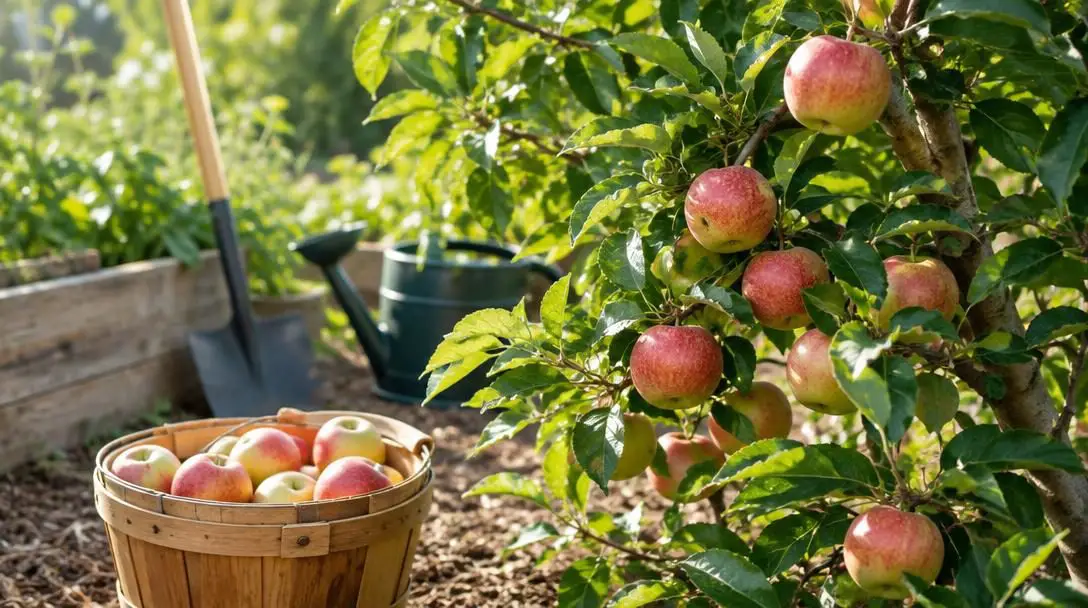
- Preserves structural shape: Guides the primary framework to support heavy mature crop weights safely without branch failure.
- Maintains vegetative-fruiting balance: Prevents excessive foliage production from diverting energy away from flower and fruit development.
- Improves canopy airflow and light penetration: Opens the central interior of the tree, allowing sunlight and fresh air to reach inner fruiting wood.
- Eliminates diseased and damaged tissue: Removes dead, broken, or infected branches where opportunistic insect pests and pathogens easily gain a foothold.
Integrated Pest and Disease Management
Left unmonitored, backyard fruit trees can succumb quickly to insect pressures and fungal or bacterial diseases. Establishing an active, preventative orchard protection program protects both tree vitality and crop yield throughout the growing season.
Routine canopy inspections serve as the foundation of early pest detection. Inspect leaf undersides, trunk crevices, developing buds, and young fruit skins frequently to identify early indicators of pest feeding or fungal leaf spotting. Catching outbreaks in their initial stages enables targeted, effective control before pathogens spread throughout the orchard.
Gardeners should prioritize planting disease-resistant cultivars bred to withstand localized pathogen pressures. When active treatment becomes necessary, apply organic pest controls or targeted remedies promptly to contain the threat. Pair these treatments with strict orchard sanitation: rake away fallen autumn leaves, gather dropped fruit, and prune out diseased twigs. Removing organic debris eliminates the primary overwintering shelters that harbor destructive insects and fungal spores through the winter months.
Harvesting Technique and Crop Preservation
Knowing precisely when to harvest ensures that fruit achieves its optimal flavor profile, sugar balance, and texture. Harvesting prematurely yields hard, starchy, or unpleasantly sour fruit that fails to ripen properly off the tree, while harvesting too late results in soft, mealy fruit that quickly rots.
While ripening timelines vary across species, ripe fruit generally displays a rich, vibrant color transformation across its skin and yields slightly to gentle thumb pressure. Taking a sample bite directly from the tree remains the most reliable method for verifying peak sweetness and proper texture.
Pick fruit with great care, twisting gently to avoid bruising or skin punctures. Post-harvest storage strategy dictates how long your harvest remains fresh:
- Short-term cool storage: Keep harvested fruit in a dry, cool space to protect surface skins from ambient moisture and mold colonization.
- Refrigerated preservation: Place fruit in cold refrigeration for long-term storage; low temperatures slow cellular respiration, delaying tissue breakdown and preserving crispness over extended periods.
- Routine quality culling: Periodically inspect stored containers and immediately discard any individual fruits showing signs of soft rot or mold so decay does not spread to adjacent produce.
Common Mistakes to Avoid in the Backyard Orchard
Beginner orchardists often encounter setbacks that stem from simple cultural errors. Avoiding these common mistakes will safeguard your investment and keep your trees productive:
- Planting at an incorrect depth: Burying the root flare too deeply suffocates feeder roots and invites fungal trunk rot, while planting too high exposes delicate roots to wind and sun desiccation.
- Over-applying synthetic fertilizer: Pumping excessive nitrogen into the soil causes rapid, weak vegetative leaf growth at the expense of blossom set and can scorch feeder roots.
- Neglecting early warning signs of pests: Overlooking early leaf discoloration or insect chew marks allows localized issues to mushroom into widespread canopy infestations.
- Rough handling during the harvest: Tossing harvested fruit into hard containers causes internal tissue bruising that triggers rapid post-harvest decomposition.
Frequently asked questions
How long does it take for a newly planted fruit tree to produce fruit?
Depending on the species, rootstock, and whether the tree was planted as a bare-root sapling or container-grown specimen, fruit trees generally begin yielding crops within two to five years. Dwarf varieties often produce fruit earlier than standard-sized trees.
Can I grow fruit trees if I only have a small suburban yard or patio?
Yes. Dwarf or miniature fruit trees are specifically bred and grafted for small backyards, tight courtyard spaces, and large patio containers, allowing you to grow fresh fruit without dedicating large tracts of land to a full canopy.
Why is soil drainage so important for fruit trees?
Fruit tree roots require oxygen within the soil pore spaces to respire and absorb nutrients. Stagnant, waterlogged soils drown root tissues and create anaerobic conditions that trigger fatal root rot and fungal decline.
What is the best way to tell if backyard fruit is ready to pick?
Look for full regional skin color development and a slight give when the fruit is gently pressed. Tasting a sample piece directly from the branch is the most dependable test of peak flavor, sweetness, and proper texture.
How does mulching around fruit trees benefit their health?
Mulch insulates the soil against rapid moisture evaporation, stabilizes soil temperatures, and blocks competing grass and weeds from stealing water and nutrients from the tree's root perimeter.
The Bottom Line
Cultivating fruit trees transforms an ordinary yard into a productive, sustainable food source that yields rewards for decades. While establishing a home orchard requires patience and thoughtful management—from selecting climate-appropriate varieties to applying sound planting techniques and regular pruning—the long-term benefits are undeniable. By providing consistent water, disciplined pest oversight, and careful harvesting, home growers can enjoy superior homegrown fruit, reduce grocery expenses, and make a tangible contribution to environmental sustainability right from their own backyards.