Growing Your Own Herbs: Tips for a Flavorful and Fragrant Garden
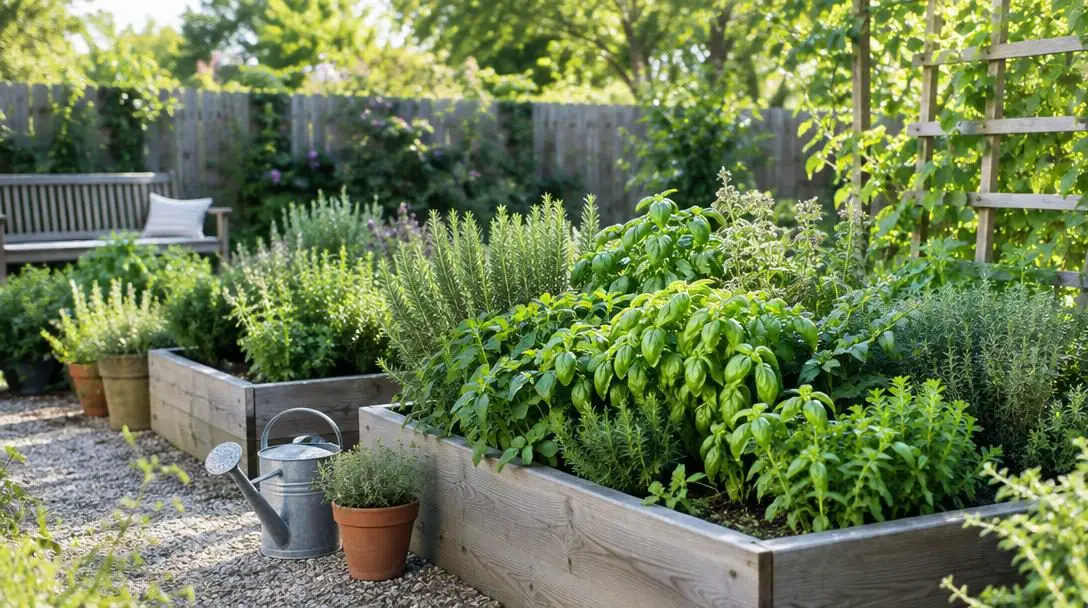
Tired of buying packaged grocery store herbs that turn limp and brown within days? Cultivating an herb garden at home offers an accessible, practical path toward culinary self-sufficiency and deeper kitchen flavor. Whether you manage expansive outdoor raised beds, a sunny patio container array, or an indoor windowsill garden, herbs adapt with remarkable flexibility to small footprints and varying microclimates.
Beyond providing quick clippings of aromatic leaves to finish soups, pastas, and roasts, herbs are exceptionally forgiving starter plants. By matching each variety to its preferred sunlight, temperature, and soil moisture conditions, you can establish an enduring supply of fragrant foliage and stems throughout the entire growing season.
Key takeaways
- Most culinary herbs require at least six hours of direct sunlight daily and soil with rapid drainage.
- Over-fertilizing with nitrogen causes rapid, bushy foliage growth that dilutes aromatic essential oils.
- Allow soil to dry out slightly between waterings, aiming for roughly one inch of water per week.
- Never harvest more than one-third of an herb plant at a single time to avoid shocking the root system.
- Pinching terminal tips prompts lateral branching, leading to bushier plants and preventing premature flowering.
Essential culinary herbs for home growers
Selecting the right herbs depends on your regional climate, available light, and the physical characteristics of your soil. While some Mediterranean species prefer moderate temperatures and lean, dry soil, other kitchen staples demand warmth and high humidity to produce vigorous leaves. Grouping plants with comparable needs ensures that no specimen is overwatered or starved for light.
Basil
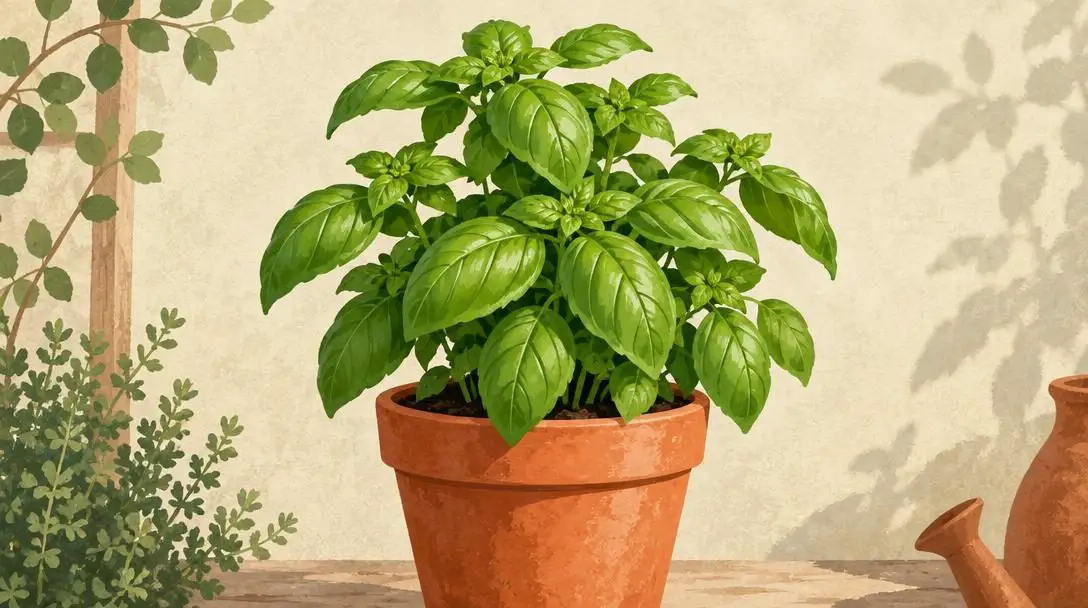
- Climate preference: Hot and humid
- Sunlight requirement: Minimum 6 hours direct light
- Flavor profile: Sweet, warm, and highly aromatic
Basil is among the most prized warm-season annuals in the home kitchen garden. It thrives when temperatures climb and humidity rises, rapidly producing broad, tender leaves rich in volatile oils. Because it is sensitive to waterlogged ground, basil must be planted in aerated, well-draining soil with plenty of organic compost to fuel its rapid leaf production.
Thyme
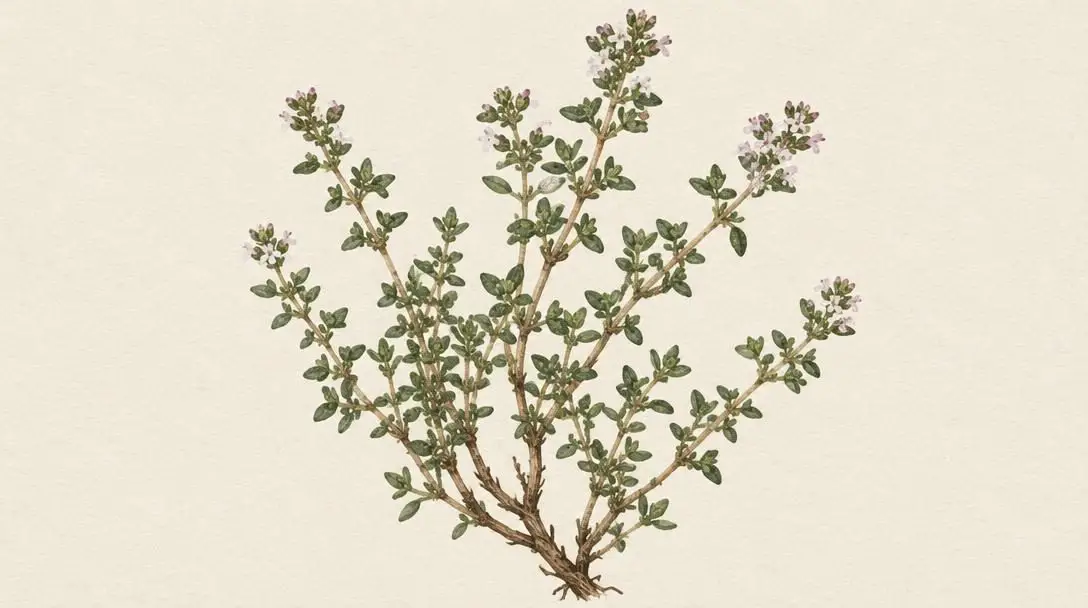
- Climate preference: Cooler to temperate conditions
- Propagation method: Stem cuttings with rooting hormone
- Moisture requirement: Prefers slightly dry soil
Thyme is a resilient perennial that flourishes in cooler climates and less fertile ground. Its tiny, wood-bound leaves pack concentrated herbal notes that withstand long simmering. Thyme roots easily from softwood stem cuttings dipped in rooting hormone, making it simple to multiply without starting fresh from seed each spring.
Rosemary
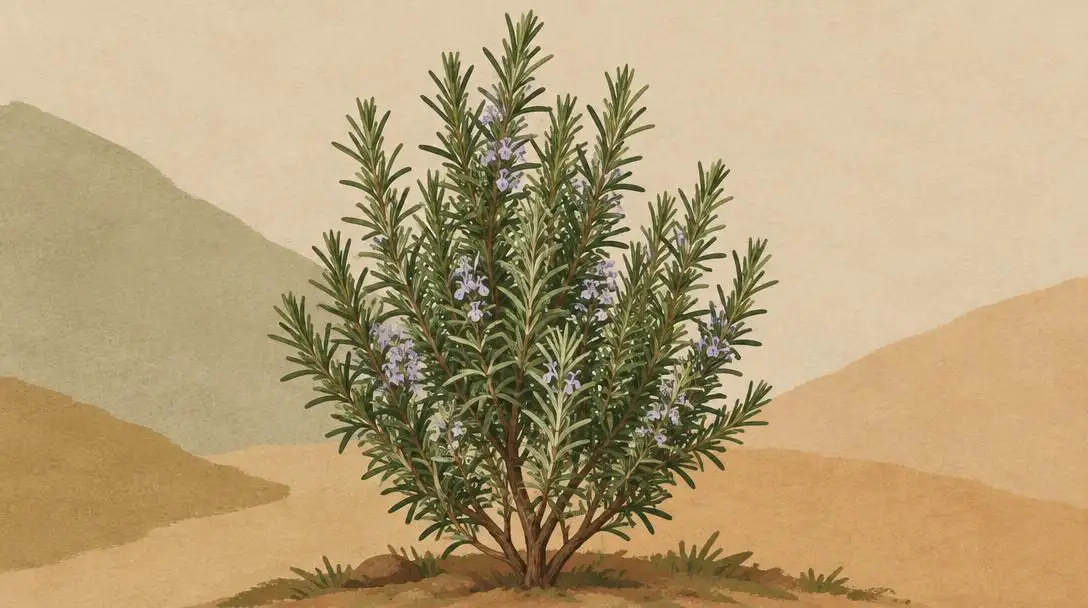
- Climate preference: Cooler to temperate regions
- Propagation method: Fresh stem cuttings
- Growth habit: Woody, drought-tolerant shrub
With its needle-like foliage and resinous pine fragrance, rosemary performs best in mild, cooler temperatures where roots are kept out of soggy earth. Like thyme, starting rosemary from a stem of fresh new growth treated with rooting powder is significantly faster and more reliable than germinating seeds.
Parsley
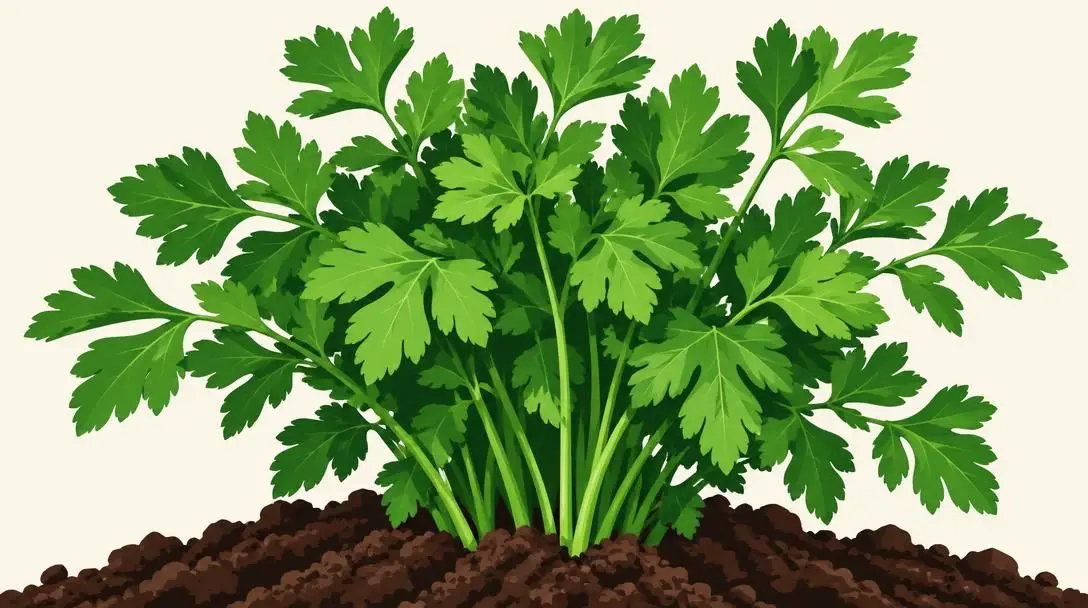
- Establishment method: Best grown from transplants
- Primary culinary use: Bright, fresh finishing herb
- Root preference: Deep, loose, well-aerated soil
Parsley is a kitchen workhorse whose subtle bitterness cuts through heavy dishes. Because parsley seeds can be notoriously slow and erratic to germinate, beginning with robust young transplants saves weeks of waiting. Keep the soil evenly moist while ensuring moisture drains away from the crown.
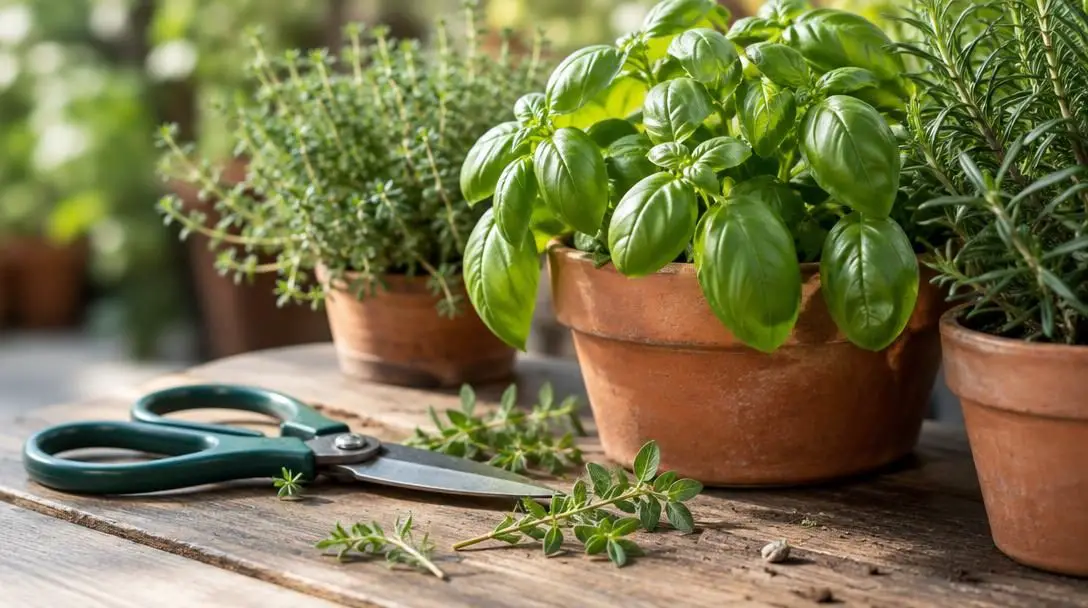
Mint
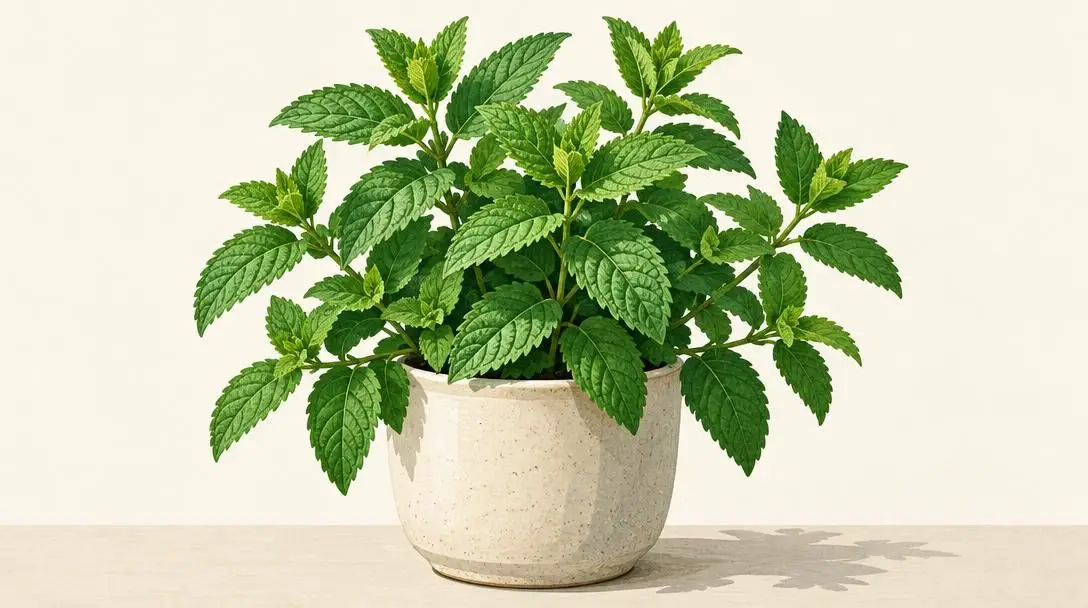
- Growth habit: Vigorous, spreading root system
- Establishment method: Transplants or rooted runners
- Moisture tolerance: Handles steady moisture
Renowned for its refreshing aroma, mint spreads rapidly via underground runners. It establishes far better from transplants than from seed. Because of its aggressive growth habit, many gardeners isolate mint in standalone pots to prevent it from outcompeting neighboring plants in shared garden beds.
Cilantro
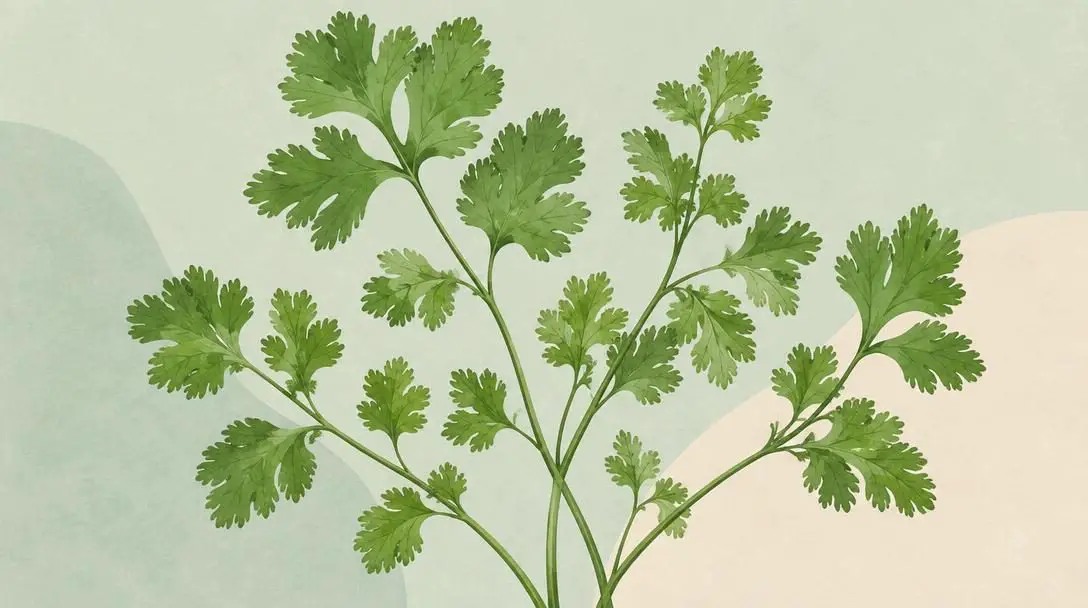
- Sunlight requirement: Full sun to light afternoon shade
- Life cycle: Fast-growing cool-season herb
- Culinary use: Fresh foliage and coriander seeds
Cilantro produces bright, citrusy leaves indispensable for salsas, curries, and marinades. It develops rapidly from seed or young starts, demanding loose, fertile soil. Cilantro must be pinched frequently to delay flowering, especially as early summer heat sets in.
Oregano
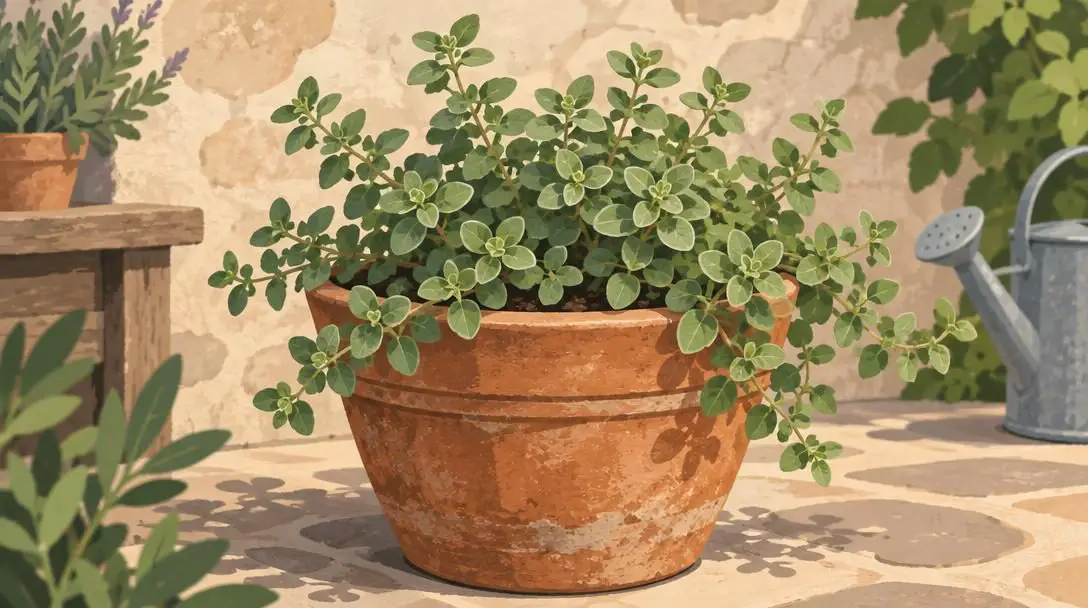
- Climate preference: Hot and humid environments
- Soil requirement: Well-drained, moderate fertility
- Flavor intensity: Robust, peppery, and earthy
Oregano relishes strong summer sun and hot, humid microclimates. It thrives on moderate neglect; soil that is too rich or wet diminishes its signature pungent bite. Plant it in elevated beds or porous containers where surplus water drains away immediately.
Herbs at a glance: Cultural needs and propagation
| Herb | Preferred Climate | Primary Propagation Method | Soil Moisture Preference |
|---|---|---|---|
| Basil | Hot and humid | Seed or nursery start | Evenly moist, sharp drainage |
| Thyme | Cooler temperatures | Stem cutting with rooting hormone | Slightly dry, gritty |
| Rosemary | Cooler temperatures | Stem cutting with rooting hormone | Drier, well-aerated |
| Parsley | Temperate | Transplants | Consistent moderate moisture |
| Mint | Adaptable / temperate | Transplants | Moist, well-draining |
| Cilantro | Cooler to moderate | Seed or transplants | Evenly moist |
| Oregano | Hot and humid | Transplants or cuttings | Slightly dry, lean |
Site selection and soil preparation
Finding the ideal location is the foundation of a productive herb plot. Culinary plants require accessible positioning: placing containers or garden plots near the kitchen door ensures you can step outside and harvest sprigs while sauces simmer. A site that receives at least six hours of direct sunlight daily is essential, as shading causes stems to stretch, weaken, and lose aromatic potency.
Soil physics and chemistry directly govern how efficiently roots absorb moisture and nutrients. Clear your intended plot of stones, weeds, and compacted debris before incorporating organic matter like compost or aged manure. Organic additions loosen dense clay, enhance natural aeration, and permit surplus water to flow through rather than pooling around fragile root crowns.
Excessive nitrogen fertilizer creates rapid, soft growth that leaves culinary herbs bushy, diluted, and noticeably lacking in flavor.
Resist the urge to treat herbs like heavy-feeding vegetables. Because essential oils develop in response to moderate environmental discipline, over-fertilizing with nitrogen encourages rapid cellular expansion at the expense of flavor. Leaner soils prompt herbs to produce concentrated aromatic compounds that deliver superior taste in the kitchen.
Practical steps to plant your herb garden
Whether you choose expansive backyard beds, raised patio boxes, or compact windowsill containers, following a structured planting sequence sets up your garden for long-term vitality.
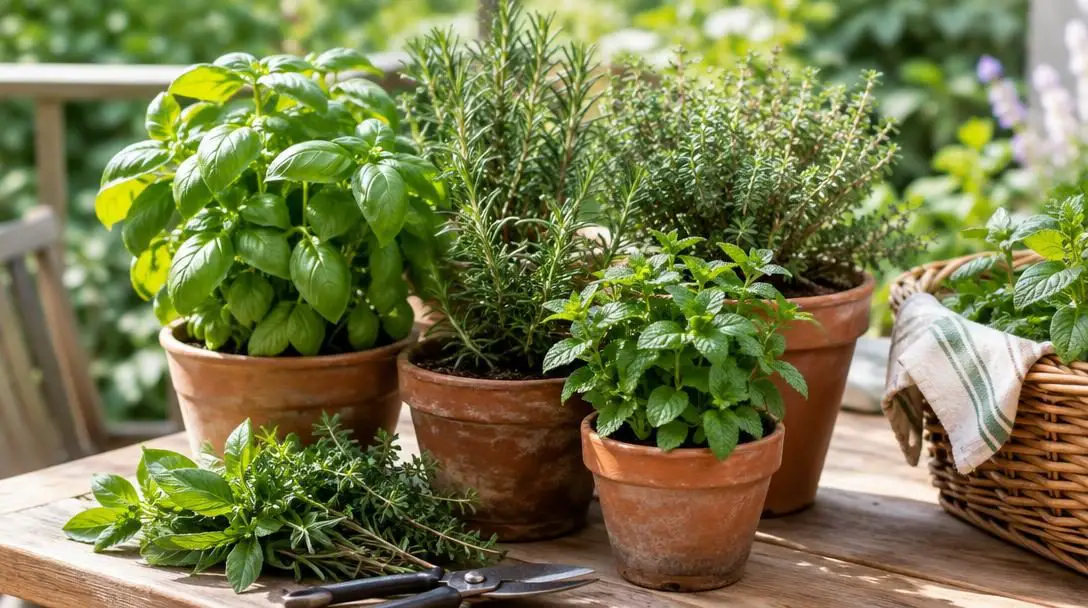
- Choose your propagation route: Decide whether to sow seeds, take fresh stem cuttings treated with rooting hormone (ideal for thyme and rosemary), or purchase established transplants (recommended for parsley and mint).
- Map your layout: Group companion plants with shared water and light requirements together. Position taller varieties where they will not cast unwanted shade on low-growing herbs.
- Prepare your growing medium: Loosen garden soil deeply with compost or aged manure, or fill containers with a lightweight, free-draining potting blend. Confirm that all pots contain operational drainage holes.
- Settle plants in place: Sow seeds to their recommended depth, or dig planting holes sized to fit root balls without crowding. Backfill gently around the base to eliminate air pockets without heavily compacting the earth.
- Deliver a thorough initial watering: Saturate the soil gently immediately following planting to settle root systems, verifying that excess moisture escapes freely through the base or surrounding earth.
Ongoing maintenance, pruning, and pest control
Culinary herbs generally prefer slightly dry soil over damp conditions. Provide approximately one inch of water per week, adjusting for rainfall and local humidity. Always check the top layer of earth with your finger before watering; letting the top inch dry slightly between waterings mimics the native Mediterranean conditions that many popular herbs prefer.
Routine pruning is vital to herb health. Pinching off growing tips stops the plant from directing energy into upward, spindly growth. The removal of terminal nodes triggers dormant hormonal signals lower down the stem, producing dense, bushy lateral branching and a significantly higher volume of harvestable leaves.
Pests and fungal issues can appear when growing conditions fall out of balance. Keep an eye out for these frequent garden threats:
- Aphids: Small sap-sucking insects that congregate under tender young leaves; manage them using natural predators like ladybugs or targeted sprays of insecticidal soap.
- Spider mites: Pests that thrive in hot, dusty, dry conditions, leaving faint stippling on foliage; mitigate with insecticidal soap and proper ambient humidity.
- Thrips: Slender insects that scrape plant tissue; control with beneficial insect releases or organic insecticidal washes.
- Powdery mildew and rust: Fungal ailments that emerge when leaves stay wet in stagnant air; prevent by providing ample plant spacing, excellent ventilation, and morning waterings.
Harvesting methods and kitchen use
Harvesting herbs correctly sustains continuous yields across the growing season. The cardinal rule of harvesting is simple: never harvest more than one-third of the plant at one time. Stripping beyond that threshold deprives the specimen of sufficient foliage for photosynthesis, weakening root systems and stunting subsequent growth.
Use sharp kitchen shears to take clean cuts right above a leaf node. Freshly cut stems can be refrigerated in a sealed container or glass of water for short-term cooking needs. For long-term preservation, hang stems upside down in a warm, dry, well-ventilated space to dehydrate for future pantry storage.
Frequent mistakes to avoid
- Overwatering: Saturating soil constantly rots roots; allow the upper soil layer to dry slightly before adding more moisture.
- Over-fertilizing: Dumping nitrogen-heavy fertilizers creates giant, watery leaves that lack fragrant culinary oils.
- Ignoring light minimums: Positioning sun-loving plants in shaded nooks leads to weak, leggy stems that struggle to survive.
- Aggressive stripping: Cutting away more than a third of the plant's canopy in a single sitting shocks the root system.
- Overcrowding pots: Packing too many root systems into small containers restricts airflow, welcoming fungal diseases like powdery mildew and rust.
Frequently asked questions
How much sunlight do herbs need each day?
Almost all culinary herbs require at least six hours of direct sunlight daily. Placing them in areas with less light results in spindly stems, pale foliage, and reduced essential oil production.
How often should I water my herb garden?
Most herbs thrive on roughly one inch of water per week, preferring soil that is slightly dry rather than consistently soggy. Always check the top layer of soil before adding water, and ensure containers have active drainage holes.
Can I grow herbs like rosemary and thyme from cuttings?
Yes. Both thyme and rosemary propagate readily from fresh softwood stem cuttings. Dip the cut end into rooting hormone and insert it into a well-draining medium to establish a new plant.
Why do my home-grown herbs look bushy but taste weak?
Weak flavor in lush, bushy plants is typically caused by over-fertilizing with nitrogen. Too much nitrogen spurs rapid vegetative growth that dilutes the concentration of natural essential oils.
How much can I harvest from a single herb plant at once?
Never remove more than one-third of an herb plant's total foliage during a single harvest. Harvesting beyond that point damages the root system and prevents vigorous regrowth.
The bottom line
Growing a fragrant, productive herb garden is one of the most rewarding steps toward elevated home cooking. By providing at least six hours of direct sun, preparing free-draining soil enriched with organic compost, and holding back on heavy nitrogen fertilizers, you establish the exact conditions herbs need to concentrate their aromatic oils. Start with a balanced mix of warm-climate favorites like basil and oregano alongside cool-weather stalwarts like thyme and rosemary, harvest lightly but frequently, and enjoy fresh, garden-to-table flavor all season long.