Growing Your Own Mushrooms: Tips and Ideas for a Delicious Harvest
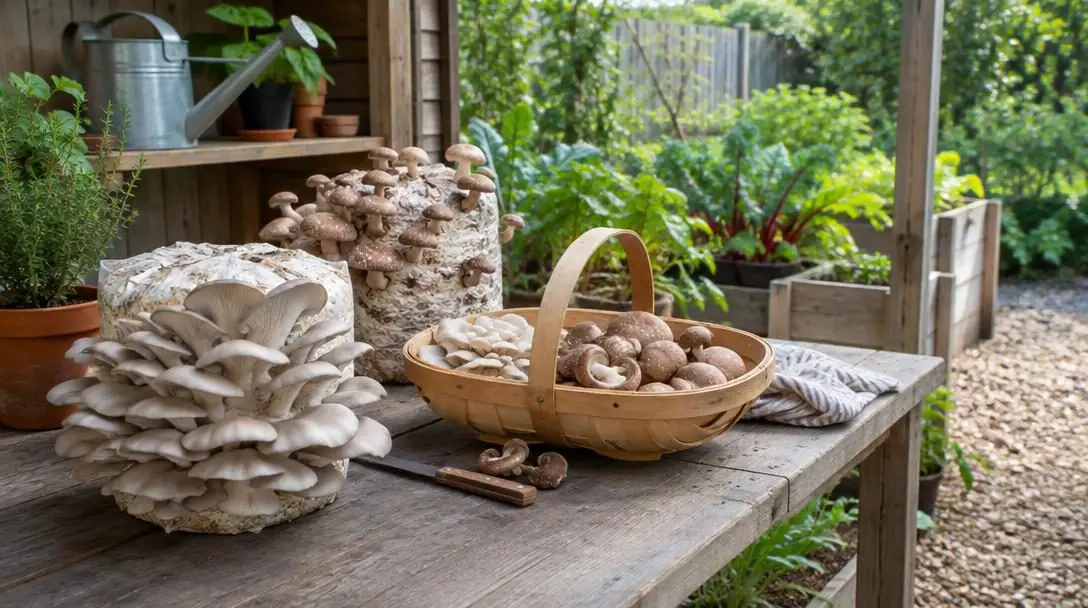
Cultivating mushrooms at home offers a deeply satisfying way to produce fresh, organic food while gaining hands-on insight into one of nature's most fascinating biological systems. Unlike traditional garden vegetables that develop from seeds and rely on chlorophyll to convert bright sunlight into energy, mushrooms belong to the kingdom Fungi and operate under entirely different rules. They require dedicated attention to humidity, substrate composition, and airflow rather than direct sun and outdoor garden beds.
Whether you want to repurpose morning coffee grounds, turn a dark closet into a high-yield food producer, or introduce children to fungal biology, home mushroom cultivation is remarkably accessible. By understanding how mycelium establishes itself, selecting the right species for your indoor conditions, and adhering to strict sanitary practices, you can turn humble organic materials into regular harvests of flavorful, nutrient-dense culinary mushrooms.
Key takeaways
- Mushrooms lack chlorophyll and obtain their energy by sending vegetative mycelium through an organic substrate rather than soaking up sunlight.
- Sterilizing your growing medium with heat eliminates competing mold spores and bacteria, giving fungal cultures the clean foundation they need to thrive.
- Maintaining high ambient humidity around 85 percent and temperatures between 60 and 70 degrees Fahrenheit creates optimal conditions for healthy fruiting bodies.
- Harvesting mushrooms before their cap edges curl upward prevents heavy spore drops and preserves the substrate for multiple subsequent flushes.
The Biological Engine: How Mushroom Cultivation Works
To produce steady mushroom flushes indoors, home growers must grasp the two primary phases of the fungal life cycle: the vegetative phase and the reproductive phase. The entire journey starts with mushroom spawn, which consists of a sterilized carrier material—such as grain, sawdust, or wooden plugs—infused with living fungal cultures. When mixed into a nutritious growing medium, this spawn awakens and initiates colonization.
During colonization, the fungus extends a vast, web-like network of microscopic threads known as mycelium. The mycelium acts as the biological engine of the organism, secreting enzymes that break down tough cellular compounds in the substrate and absorbing the unlocked nutrients. This vegetative expansion occurs completely out of sight within the growing medium, steadily turning dark sawdust or straw into a consolidated, bright-white block.
Unlike standard garden vegetables that depend on direct sunlight and soil, mushrooms thrive by transforming organic growing mediums in controlled, humid microclimates.
Once the mycelial network has thoroughly colonized the available medium, it reaches a biological tipping point. When stimulated by subtle environmental cues—such as a drop in carbon dioxide levels, introduction to indirect light, and a surge in relative humidity—the mycelium switches from vegetative expansion to its reproductive cycle. It rapidly forms condensed clusters of tissue known as primordia, or "pins," which swell into mature fruiting bodies designed to release microscopic spores into the air.
Selecting the Ideal Mushroom Variety
Choosing the right species determines the substrate you will need, the environmental controls you must maintain, and the overall difficulty of your growing project. Beginners should start with resilient varieties that colonize rapidly, while intermediate growers can venture into species that require more nuanced environmental balancing.
Oyster Mushrooms
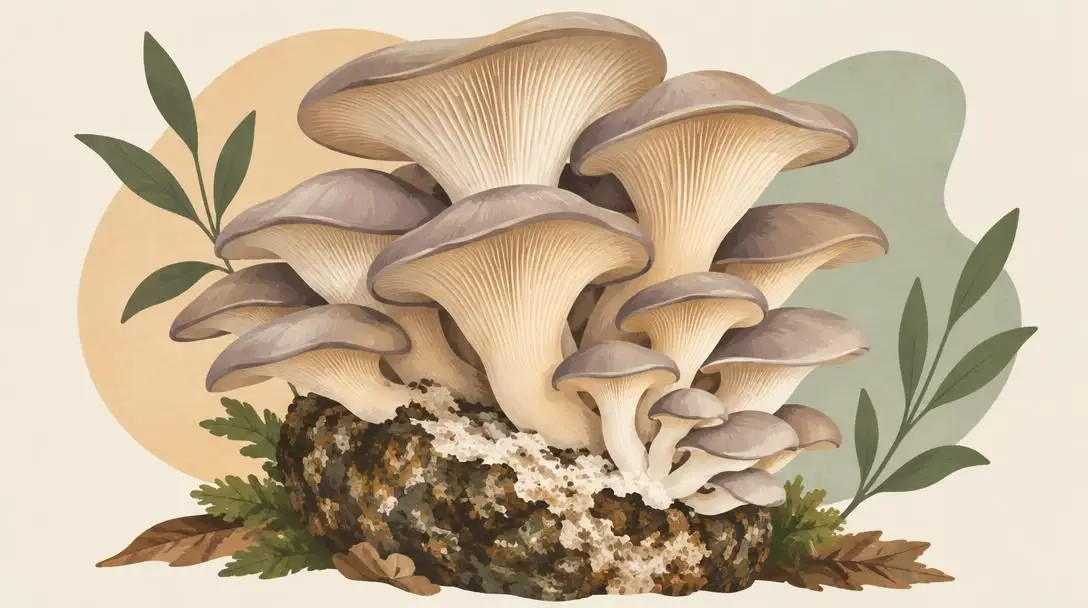
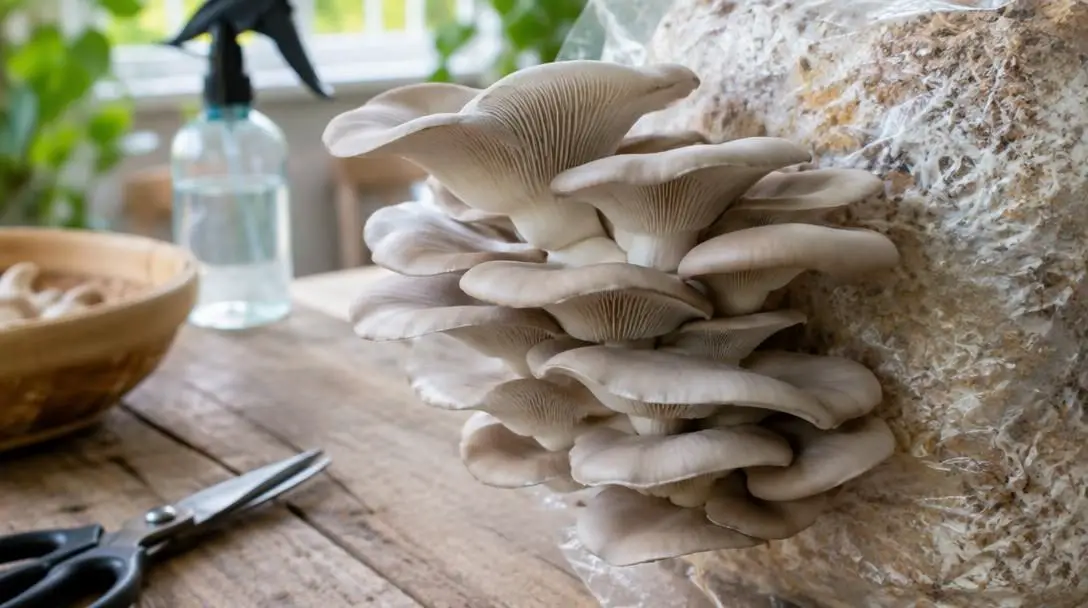
Oyster mushrooms are celebrated as the most forgiving variety for beginners thanks to their aggressive mycelial growth and strong resistance to contamination. They colonize substrates at high speed, quickly outcompeting ambient molds, and readily break down an expansive range of common household and agricultural residues, including fresh coffee grounds, chopped straw, and shredded cardboard.
Shiitake Mushrooms
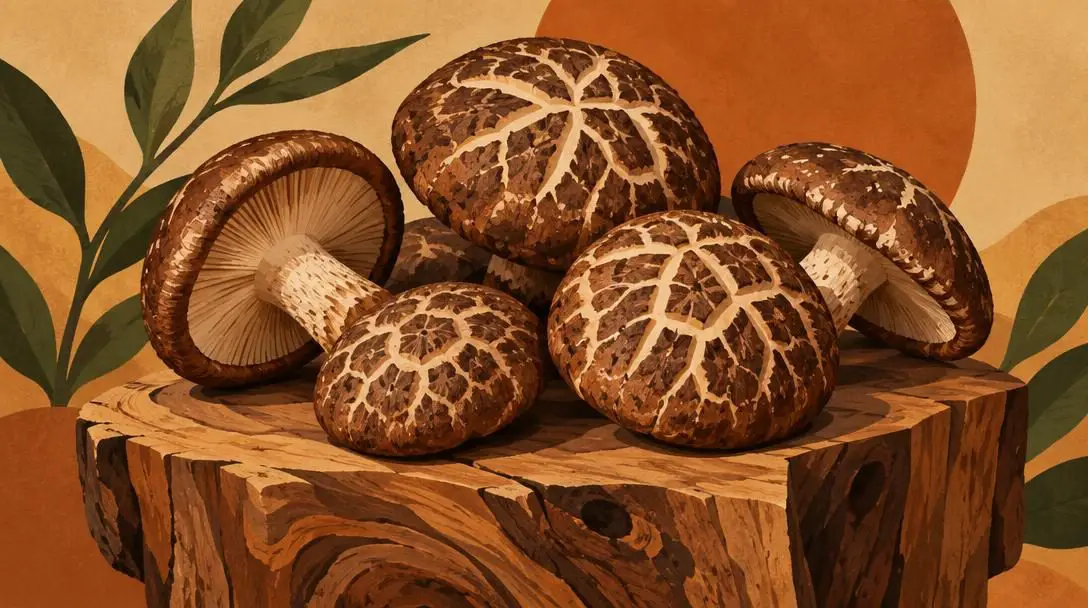
Prized globally for their deep, savory umami profile and firm texture, shiitake mushrooms require a bit more patience than oysters. They typically perform best on hardwood sawdust substrates or processed straw formulations and demand stable, moderate indoor microclimates to produce well-formed, fleshy caps.
Button Mushrooms
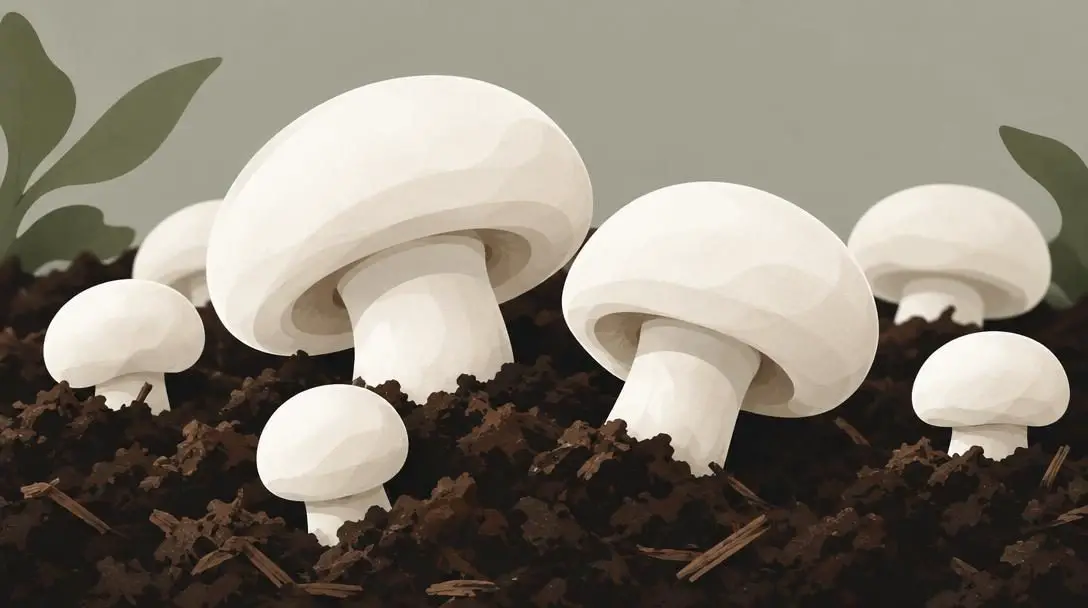
The standard culinary staple found on supermarket shelves, button mushrooms—along with their mature brown counterparts—prefer rich, decomposed organic environments. They develop best in carefully balanced composts, aged straw mixtures, or amended potting soils, requiring meticulous moisture maintenance and consistent ambient temperatures to prevent drying out.
| Mushroom Variety | Preferred Substrate | Colonization Speed | Culinary Profile |
|---|---|---|---|
| Oyster Mushrooms | Coffee grounds, straw, clean sawdust | Rapid | Delicate, mild, velvety texture |
| Shiitake Mushrooms | Hardwood sawdust, processed straw | Moderate | Rich, savory, distinctly meaty |
| Button Mushrooms | Prepared compost, potting soil, straw | Moderate to Slow | Earthy, classic, versatile |
Choosing the Best Location in Your Home
Selecting an appropriate indoor growing location is critical to keeping your mycelium healthy and your fruiting mushrooms hydrated. Because fungi do not manufacture sugars through photosynthesis, direct sunlight is unnecessary and actively detrimental, quickly parching delicate fungal caps and overheating containers.
Choose an out-of-the-way spot that remains sheltered from persistent drafts, heating vents, and air conditioners. Constant moving air strips away relative humidity, stalling pinhead development. The ideal cultivation zone maintains a stable ambient temperature between 60 and 70 degrees Fahrenheit with access to fresh air exchange. Excellent indoor locations include:
- An enclosed basement that naturally retains cool, steady temperatures.
- An under-stair closet insulated from external room drafts.
- A dedicated indoor mini-greenhouse equipped with passive humidity traps.
- A shaded corner of a laundry room or utility area with stable ambient moisture.
Essential Tools and Supplies Checklist
Launching a home fungal garden does not require expensive laboratory machinery. Most foundational supplies can be sourced from local garden centers, hardware stores, or online suppliers:
- Growing containers: Clean plastic tubs, cultivation trays, or breathable filter-patch cultivation bags that retain substrate moisture while facilitating air exchange.
- Substrate materials: Nutritious base media such as hardwood sawdust, pasteurized straw, rich compost, or repurposed coffee grounds.
- Mushroom spawn: High-quality, uncontaminated grain or sawdust spawn sourced from a reputable supplier.
- Climate monitoring tools: A combined digital thermometer and hygrometer to monitor ambient room conditions accurately.
- Moisture equipment: A clean, fine-mist water spray bottle or an enclosed clear plastic tent to trap humidity around fruiting blocks.
- Heat treatment vessel: A large pot, canning kettle, or steam chamber for sanitizing substrate materials prior to inoculation.
Substrate Preparation and Heat Sterilization
The substrate serves as both the water reservoir and the exclusive food supply for your mushrooms. If you cultivate oyster mushrooms, combining spent coffee grounds with clean hardwood sawdust provides an ideal balance of dense nitrogen and structural cellulose. For button or shiitake varieties, balanced straw blends or enriched compost provide the necessary nutritional matrix.
Raw substrate components naturally harbor millions of wild competitor spores, bacteria, and microscopic pests. If left unmanaged, these opportunistic organisms will exploit the moist, nutrient-dense medium much faster than your mushroom spawn can colonize it. To grant your chosen fungus an uncontested head start, you must sterilize or pasteurize the medium by boiling or steaming it thoroughly for roughly one hour.
Step-by-Step Cultivation Guide
Once your workspace is wiped down, your supplies are organized, and your substrate is prepared, you can initiate the growing process through five clear stages.
- Inoculate the medium: Thoroughly blend your purchased mushroom spawn into the completely cooled substrate. Distribute the spawn evenly throughout the container so the mycelium can begin establishing points of colonization from every direction.
- Maintain dark colonization: Cover the container loosely to prevent moisture loss while allowing gas exchange. Place it in a warm, dark, and humid spot for two to three weeks, letting the mycelium completely saturate the medium until it turns solid white.
- Trigger the fruiting cycle: Once the container is entirely colonized, relocate it to an area receiving gentle, indirect light. Adjust the microclimate to provide consistent humidity near 85 percent and a temperature near 70 degrees Fahrenheit.
- Monitor mushroom pin development: Over several days, small bumps called primordia will push through the surface. Continue misting surrounding tent walls daily to keep humidity elevated without spraying standing water directly onto tiny pins.
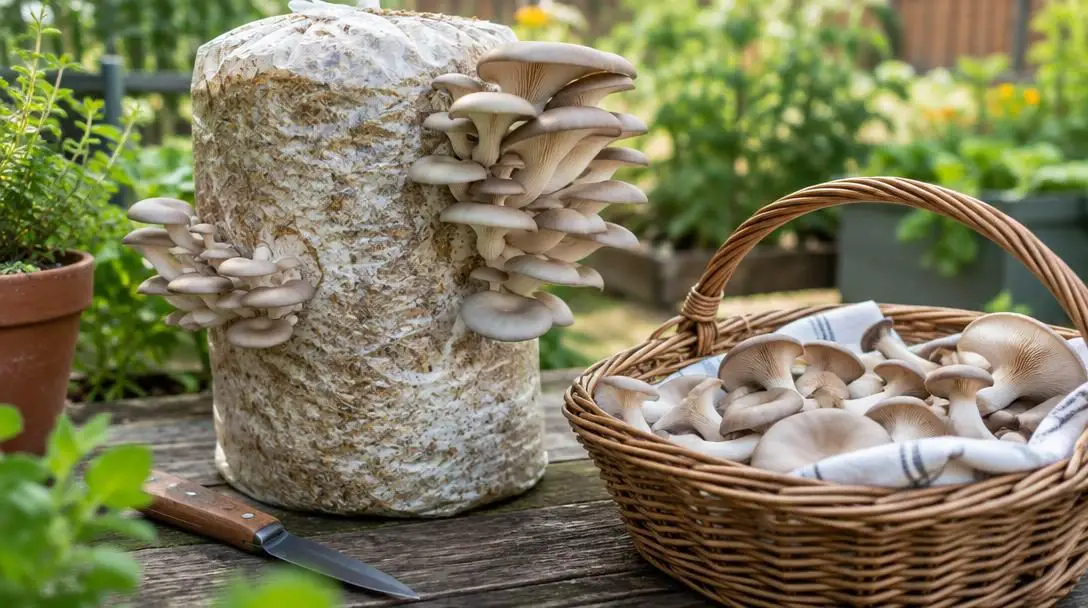
- Harvest at peak maturity: When caps fully expand but before the outer edges curl upward or crack, gently twist and pull each mushroom cluster from the base of the medium.
Troubleshooting Common Growing Pitfalls
Even conscientious indoor gardeners occasionally run into environmental bottlenecks. Recognizing the warning signs early allows you to correct imbalances before losing an entire flush.
- Contamination outbreaks: The emergence of bright green, blue, or deep black patches indicates that competitor molds have taken hold. Once wild mold sporulates, it will quickly overrun the mycelium. Severe outbreaks cannot be cured; remove and discard contaminated blocks outdoors immediately to protect your indoor growing area.
- Dehydration and shriveling: If developing pinheads stall in their growth, turn yellow-brown, or dry out into hard nubs, the surrounding air lacks adequate moisture. Increase the frequency of your misting schedule, enclose the container in a looser plastic tent, or move the setup farther away from moving drafts.
- Cluster overcrowding: If pinheads form in dense, choked clusters, caps may press against each other, trapping moisture and restricting oxygen flow. Carefully thin out crowded pins with clean shears to allow the remaining mushrooms sufficient airflow and physical room to expand.
Kitchen Preparation and Long-Term Preservation
Because freshly harvested mushrooms possess a higher moisture content and intact aromatic compounds compared to store-bought varieties that have spent days in transit, cooking with them yields exceptional flavor and texture. Sautéing your fresh harvest in butter or olive oil over medium-high heat allows the natural sugars to caramelize while driving off excess moisture, creating a browned, savory finish that elevates pastas, risottos, and egg dishes.
If a heavy harvest exceeds what your household can eat over a few days, dehydrating is the best long-term preservation strategy. Place sliced mushrooms into a dedicated food dehydrator or onto baking sheets in an oven set to its lowest possible temperature until they are brittle and snap cleanly. Store the dried pieces in airtight jars, or grind them down into a fine, concentrated mushroom powder. This shelf-stable seasoning provides an instant punch of umami to broths, braises, and roasted vegetable dishes.
Advanced Techniques: Getting the Most Out of Every Flush
A successful first harvest does not mean your project is finished. By managing the spent materials thoughtfully, you can squeeze additional value out of your setup:
- Inducing subsequent flushes: A single container of substrate contains enough stored energy to yield two or three separate waves of mushrooms. After harvesting your first batch, rehydrate the block with clean water, reset your humidity tent, and watch for a second flush to emerge within one to two weeks.
- Composting spent blocks: When the substrate finally ceases production and feels lightweight and depleted, do not toss it in the trash. Decomposed mushroom substrate makes an exceptional, biologically active conditioner for outdoor garden beds and potting soil mixes.
- Testing novel substrates: After building confidence with standard materials like sawdust or straw, experiment with alternative carbon bases such as corrugated cardboard strips or clean agricultural husks to see how your chosen species responds.
Frequently asked questions
Do mushrooms need sunlight to grow indoors?
No, mushrooms do not possess chlorophyll and cannot produce energy through photosynthesis. While mycelium colonizes best in complete darkness, fruiting bodies require only soft, indirect ambient light to signal directional growth; direct sunlight will dry out and damage developing caps.
How long does it take from inoculation to the first harvest?
Depending on the variety selected and your local indoor temperatures, the complete cultivation cycle generally takes between 2 to 6 weeks. Fast-growing species like oyster mushrooms typically produce ready-to-pick caps within a month.
Why must I heat-treat or boil the substrate before planting spawn?
Raw growing materials harbor competing mold spores, bacteria, and microscopic insects that grow faster than mushroom mycelium. Steaming or boiling the substrate for roughly an hour kills off competitor organisms, giving your spawn an uncontested environment to colonize.
What should I do if green mold appears on my substrate?
Green mold is an aggressive competitor that cannot easily be separated from mushroom mycelium. If mold patches spread across your container, discard the entire contaminated block outside, thoroughly sanitize your growing containers and tools, and restart with fresh materials.
Can I get more than one harvest from a single container?
Yes, healthy substrates routinely produce two or three distinct flushes of mushrooms. After harvesting your initial crop, maintain proper humidity and moisture levels; new pins should form within one to two weeks.
The bottom line
Growing mushrooms at home turns a simple living space into an ongoing source of culinary excitement and botanical discovery. By honoring the specific environmental preferences of fungi—protecting them from harsh direct sunlight, keeping their substrate cleanly sterilized, and surrounding them with steady moisture—you can produce abundant flushes of delicious, nutrient-packed mushrooms right on your countertop or in a quiet closet.