How Ordinary People Are Helping Fight Climate Change: Inspiring Stories
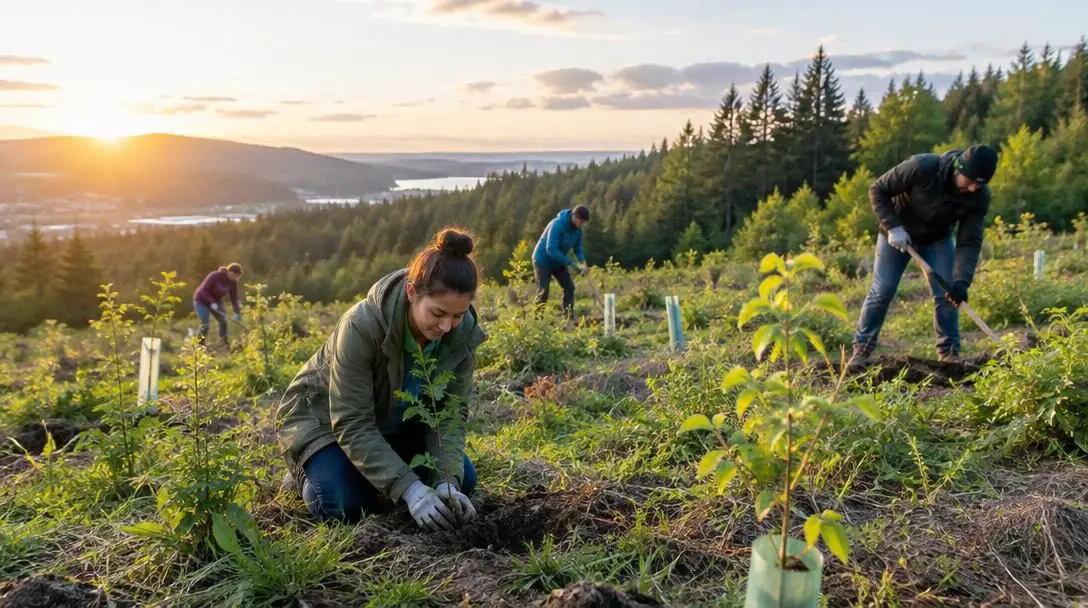
Across the globe, accelerating climate disruptions—from unseasonal temperature extremes to shifting rainfall patterns—continue to outpace formal public policy. Large governing institutions and international bodies frequently struggle to keep pace with scientific urgency, slowed down by entrenched political conflicts, procedural bureaucracy, and competing economic agendas. This institutional lag has produced a visible gap between environmental necessity and official regulation.
Rather than waiting for top-down legislation, everyday citizens are stepping into that divide. From teenage students launching organized walkouts to working professionals returning to university to engineer renewable power, grassroots advocates demonstrate that transformative environmental progress often begins without official mandates or institutional titles.
Key takeaways
- Grassroots initiatives bridge the critical policy gap left by slow-moving government institutions.
- Young advocates are redefining civic power through persistent school strikes and constitutional court battles.
- Mid-career professionals can pivot toward technical disciplines to build localized clean-energy infrastructure.
- Sustainable change relies on long-term commitment, constructive dialogue, and scalable community solutions rather than one-time events.
Pioneers of Community-Driven Climate Action
Real-world examples show how individual initiative can shift public awareness and institutional priorities. By leveraging public demonstrations, judicial challenges, and specialized technological training, ordinary people are building distinct frameworks for sustained climate advocacy.
Xiye Bastida
- Initial Action: Organized her high school's first climate strike at age 17
- Primary Method: Weekly Friday walkouts and public speaking tours
- Personal Tradeoff: Sacrificed her physical education grade due to regular Friday absences
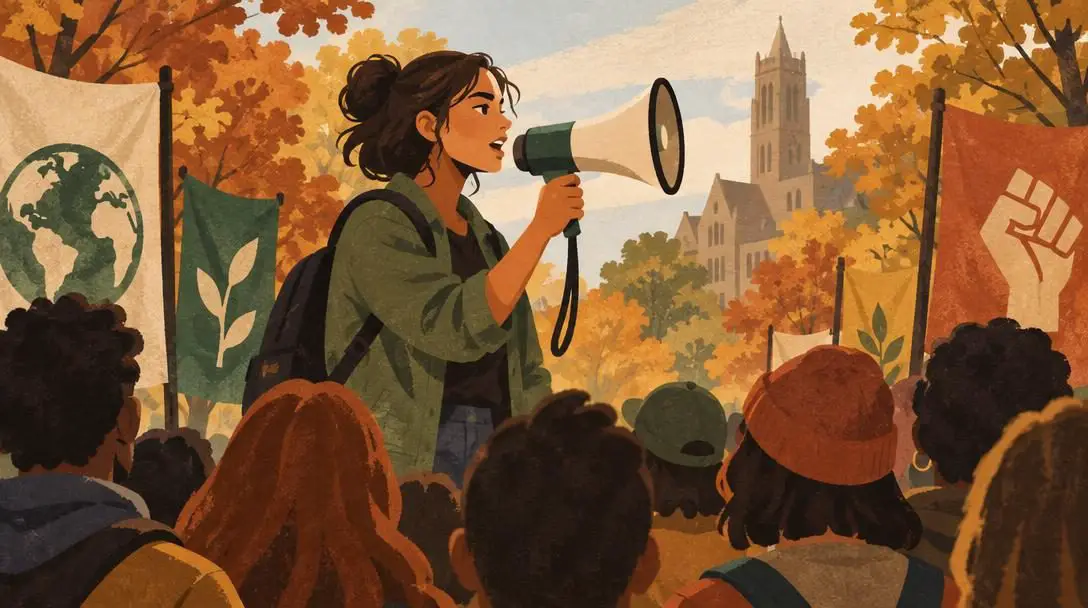
At age 17, Xiye Bastida catalyzed climate awareness in her school community by organizing its very first student climate strike. Rather than treating the initial walkout as a singular demonstration, Bastida recognized that sustained attention requires ongoing visibility. She and her classmates established a consistent weekly routine, walking out of classes on Fridays to draw public and media focus to the urgency of environmental policy reform.
Her commitment expanded beyond the grounds of her high school into broader public speaking engagements across multiple regions. This dedication came with immediate academic tradeoffs: because her required physical education classes took place on Fridays, her regular participation in strikes directly lowered her gym grade. For Bastida, confronting long-term ecological risks took precedence over a clean physical education record, proving that when youth provide a tangible mechanism for public engagement, others willingly follow.
Kelsey Juliana
- Core Strategy: Constitutional litigation against the federal government
- Key Legal Milestone: Supreme Court affirmation of standing to sue
- Systemic Impact: Dismantled stigmas surrounding youth-led judicial actions
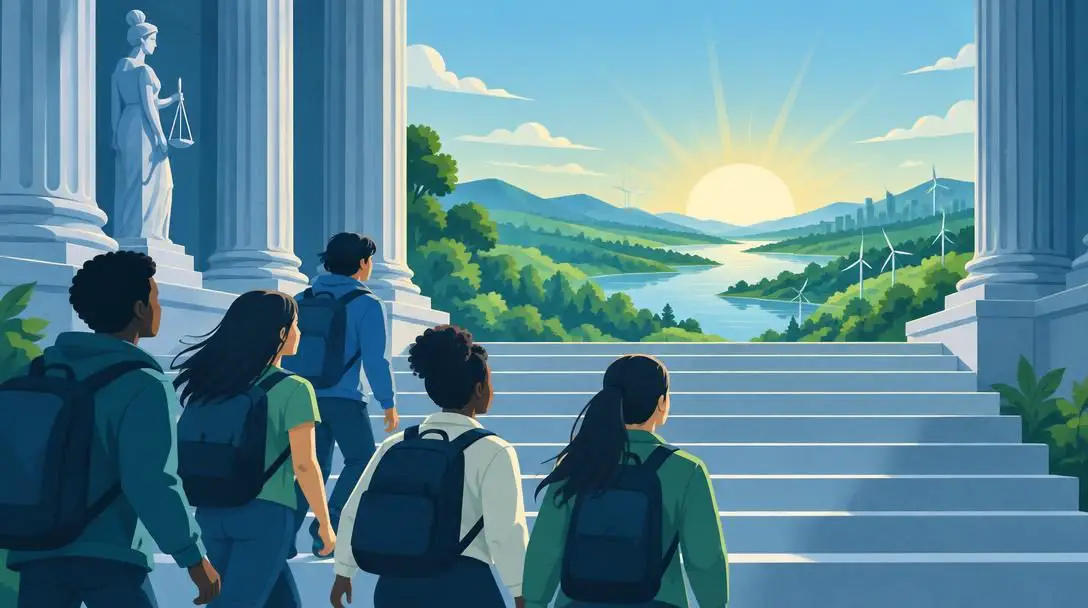
Approaching systemic change through the judicial branch, Kelsey Juliana served as the lead plaintiff in a landmark youth coalition lawsuit against the federal government. The legal complaint asserted that federal policies actively promote fossil fuel extraction, thereby violating the rising generation's fundamental constitutional right to a liveable environment. The legal battle unfolded over several years, during which federal attorneys repeatedly filed motions to dismiss the action.
Juliana and her co-plaintiffs persevered, navigating procedural hurdles until their arguments reached the highest judicial levels. The Supreme Court stood by the plaintiffs, confirming that the young activists maintained legitimate standing to sue the government over climate change policy. This landmark stance yielded two enduring impacts: it established an unprecedented legal avenue holding governing bodies accountable for multi-generational environmental harm, and it eliminated the prevailing stigma that youth lack standing to challenge official policy in court.

Phil Powell
- Mid-Career Shift: Earned a bachelor's degree in environmental science as an older adult
- Organization Founded: Gwent Energy Community Interest Company in 2009
- Tangible Outcome: Saved 4,000 tons of carbon emissions across South Wales
In the United Kingdom, Phil Powell chose an entrepreneurial and educational path after spending decades in his established career. When Powell initially sought to engage with climate advocacy, he attended public protests but discovered an environment that lacked constructive, collaborative dialogue. Recognizing his own technical limitations regarding ecological systems, Powell decided to step away from street demonstrations and invest in formal education.
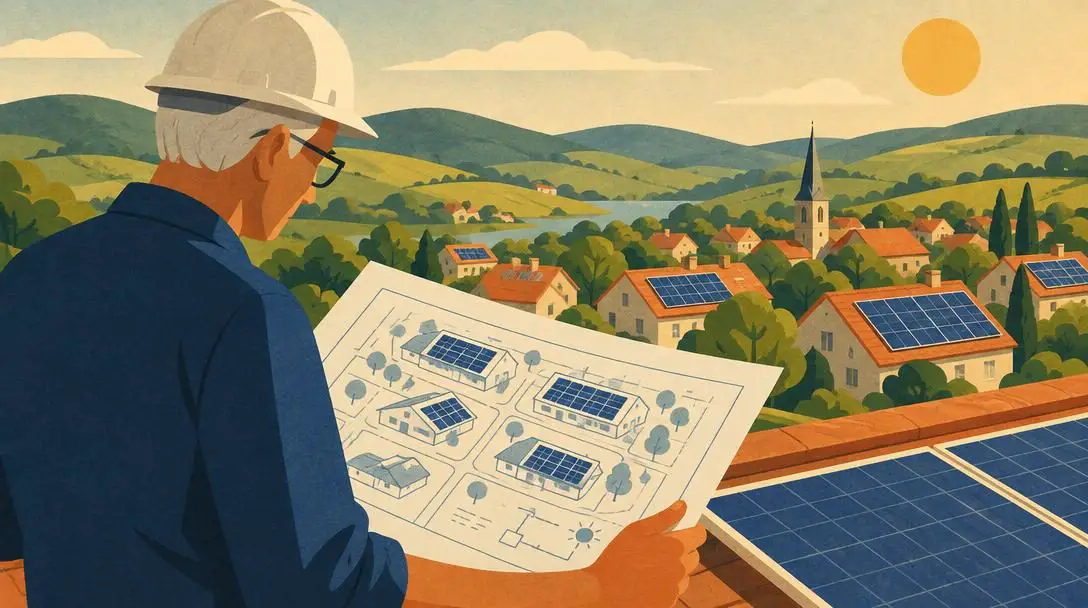
Returning to university as an older adult, Powell earned a bachelor's degree in environmental science. In 2009, he merged his technical education with deep local knowledge of South Wales to co-found the Gwent Energy Community Interest Company. The venture engineered and manufactured low-cost solar panels tailored for struggling community facilities, schools, and non-profit organizations that could not otherwise afford commercial renewable energy installations. Today, the initiative serves communities representing approximately 400,000 residents in Wales and has prevented an estimated 4,000 tons of carbon emissions.
Grassroots initiatives prove that tangible environmental progress does not require official authority, but rather persistent commitment and targeted local action.
Grassroots Climate Leaders at a Glance
The approaches modeled by Bastida, Juliana, and Powell show how differing backgrounds, methods, and resources can address climate challenges from multiple angles.
| Advocate | Primary Arena | Operational Strategy | Primary Achievement |
|---|---|---|---|
| Xiye Bastida | Youth Civic Organizing | Weekly Friday strikes and regional speaking | Built sustained youth mobilization models |
| Kelsey Juliana | Federal Judicial System | Rights-based constitutional litigation | Affirmed legal standing for youth climate claims |
| Phil Powell | Renewable Energy Technology | Community engineering and adult education | Delivered solar power to 400,000 residents |
How Grassroots Action Drives Systemic Change
Individual interventions extend far beyond single neighborhoods or demonstration sites. Grassroots climate action influences wider societal structures through several predictable mechanisms:
- Setting Repeatable Precedents: When an organizer proves that a school strike or a localized renewable installation is feasible, they provide a blueprint that peer groups in other municipalities can reproduce without reinventing the structure.
- Reframing Established Legal Doctrines: Asserting that government inaction on climate issues infringes upon fundamental civil rights forces the judicial branch to reconsider public health, intergenerational equity, and regulatory accountability.
- Constructing Decentralized Infrastructure: Deploying localized clean-energy microgrids shields community centers from energy poverty while establishing functional sustainability models that bypass slow legislative bodies.
- Democratizing Specialized Knowledge: When citizens acquire formal scientific training later in life, they bridge the communication gap between research institutions and civic planning boards.
- Normalizing Broad Participation: Breaking down barriers based on age demonstrates that neither youth nor advanced career standing should prevent an individual from taking an active civic role.
Practical Steps for Starting Local Climate Action
Launching a community-level initiative requires transforming abstract environmental concern into structured, manageable actions. Follow these operational steps to build effective local initiatives:
- Build a Foundational Knowledge Base: Study core environmental science, regional climate vulnerabilities, and local regulatory systems to prepare yourself for constructive, fact-based discussions.
- Seek Constructive Working Environments: Avoid groups that prioritize ideological confrontation over practical problem-solving; redirect your energy toward collaborative spaces dedicated to building actionable solutions.
- Conduct a Neighborhood Needs Assessment: Survey local civic facilities, non-profit offices, and schools to identify structural vulnerabilities, such as high heating costs, outdated lighting, or a lack of clean energy access.
- Assemble a Focused Coalition: Partner with neighbors, colleagues, or fellow students who bring complementary talents, ensuring work is distributed across logistics, outreach, and technical design.
- Apply Professional and Regional Strengths: Map your personal career background—whether in finance, trade crafts, project coordination, or communications—directly onto your community's practical needs.
- Prepare for Long-Term Tradeoffs: Anticipate the personal sacrifices required for sustained progress, including reprioritizing personal time, managing academic loads, or navigating procedural legal delays.
Mistakes to Avoid in Community Advocacy
Advocacy projects often face predictable obstacles that can derail progress or exhaust organizers. Staying mindful of these common missteps will help keep your community efforts viable over time:
- Overreaching Without Adequate Information: Attempting to negotiate technical environmental policy or engineering projects without understanding basic scientific or municipal concepts weakens your credibility.
- Expecting Immediate Systemic Turnarounds: Pursuing structural reform through town councils, utility providers, or the court system takes years; anticipating rapid victories produces unnecessary discouragement.
- Ignoring Practical Community Realities: Focusing exclusively on national debates while ignoring neighborhood infrastructure problems disconnects advocacy from the daily needs of the people you aim to serve.
- Lingering in Unproductive Spaces: Expending personal stamina in working groups that reject collaborative dialogue leads to burnout without generating tangible community benefits.
- Treating Interventions as Isolated Events: Organizing a single rally or public statement produces temporary headlines; sustained systemic impact demands ongoing routines and persistent follow-through.
Strategic Considerations for Long-Term Impact
Developing a sustainable path forward requires an honest appraisal of your daily routine, existing competencies, and local institutional landscapes. Because there is no single model for effective advocacy, matching your unique circumstances to the correct arena is essential for durable engagement.
Begin by evaluating whether your current life stage aligns best with public mobilization, policy challenges, or practical infrastructure development. Students and youth organizers often excel at rallying peers, establishing widespread public visibility, and challenging stagnant assumptions. Conversely, working professionals and retirees frequently hold the institutional experience, project management skills, or community relationships necessary to organize clean-energy trusts or retrofit civic buildings.
Next, identify the local organizations already operating within your target area. Community centers, local credit unions, school boards, and regional conservation trusts are frequently receptive to sustainability initiatives that reduce operating overhead. By aligning your climate objectives with the existing operational goals of local institutions, you create mutually beneficial partnerships that anchor your work within the broader community.
Frequently asked questions
Do I need a science degree to contribute to local climate solutions?
No. While formal education in environmental science helped Phil Powell design clean energy systems, grassroots initiatives rely just as heavily on organizational management, public communication, coalition building, and legal advocacy.
How can students participate in advocacy without jeopardizing their education?
While advocates like Xiye Bastida made intentional tradeoffs with their class schedules, many students build sustainability clubs, lead on-campus waste reduction efforts, or organize weekend events that do not conflict with their required coursework.
Why are youth-led lawsuits against governments significant?
Litigation such as Kelsey Juliana's lawsuit establishes that young citizens possess legal standing to protect their constitutional rights to a liveable environment, creating formal legal precedents that challenge governmental promotion of fossil fuels.
How does community-scale solar power assist low-income neighborhoods?
Initiatives like the Gwent Energy Community Interest Company design and supply affordable solar equipment to non-profits and community spaces, lowering their recurring utility bills so they can redirect limited funds into local programming.
What should I do if my local environmental group is unproductive?
If meetings lack collaborative dialogue or actionable focus, redirect your energy. Seek out working groups focused on concrete local deliverables, such as community gardens, energy cooperatives, or municipal policy research.
The bottom line
Addressing global climate change does not depend exclusively on high-level international summits or federal policy breakthroughs. The dedicated actions of individuals like Xiye Bastida, Kelsey Juliana, and Phil Powell illustrate that persistent, ordinary citizens can dismantle legal barriers, mobilize broad public support, and deliver practical green infrastructure to hundreds of thousands of people.
By identifying your community's specific vulnerabilities, committing to lifelong education, and maintaining realistic expectations regarding the pace of systemic change, you can turn personal conviction into measurable ecological progress. Meaningful environmental stewardship begins whenever an individual decides to act within their own neighborhood, school, or workplace.