How Pennsylvania is Trying to Surmount the Challenge of Educational Inequality.

Across Pennsylvania, addressing educational inequality has moved to the center of statewide policy and civic discourse. The Commonwealth presents a stark contrast: despite ranking among the wealthiest states in the nation, deep economic divides mean that public school students experience drastically different qualities of education depending entirely on their local zip codes.
Because classroom funding relies heavily on localized revenue and property wealth, economically distressed districts often lack modern learning tools, up-to-date curricula, and vital academic interventions. In response to these persistent achievement disparities, state leaders, school districts, and community partners are implementing multi-tiered reforms designed to balance classroom resources, elevate instructional quality, and provide foundational learning opportunities to every student.
Key takeaways
- Pennsylvania ranks among the country's most affluent states, yet localized school funding creates steep divides in academic opportunities between wealthy and low-income communities.
- State reform initiatives focus on expanding early childhood education, enhancing teacher professional development, and bridging digital literacy divides across urban and rural districts.
- Performance-based accountability structures combine standardized testing, teacher evaluations, and unified academic standards to maintain instructional consistency statewide.
- Overcoming educational inequality requires moving beyond device distribution and punitive testing toward sustained funding, comprehensive tech integration, and targeted teacher retention.
The Roots of Educational Disparities in Pennsylvania
The core challenge facing Pennsylvania's public education framework is the profound variance in local revenue capacity. Wealthier communities can comfortably generate substantial tax revenues to support their public schools, outfitting classrooms with cutting-edge instructional tools, advanced placement programs, and robust student support networks. In contrast, under-resourced urban and rural municipalities face constrained tax bases, leaving their neighborhood schools struggling to cover basic operational expenses.
These financial divides affect nearly every dimension of the classroom experience. When a school district operates under strict budgetary deficits, it struggles to purchase current textbooks, upgrade instructional hardware, or hire specialized interventionists for students facing academic hurdles. Over time, these resource deficits produce diverging educational trajectories, making household income and geography the primary predictors of academic achievement rather than individual student potential.
Recognizing that these divides entrench generational poverty, state lawmakers and educational leaders have initiated systemic interventions. Rather than applying superficial adjustments, Pennsylvania is attempting to realign instructional practices, improve classroom resources, and expand early intervention so that learners from all socioeconomic backgrounds can access rigorous public education.
A child's academic trajectory historically has been shaped by the wealth of their community rather than their individual potential.
Core Pillars of Pennsylvania's Educational Reform
Overcoming entrenched educational gaps requires targeted structural adjustments throughout a learner's educational progression. The Commonwealth has centered its statewide reform agenda on four coordinated pillars, each addressing a specific driver of inequality.
Expanding Early Childhood Education
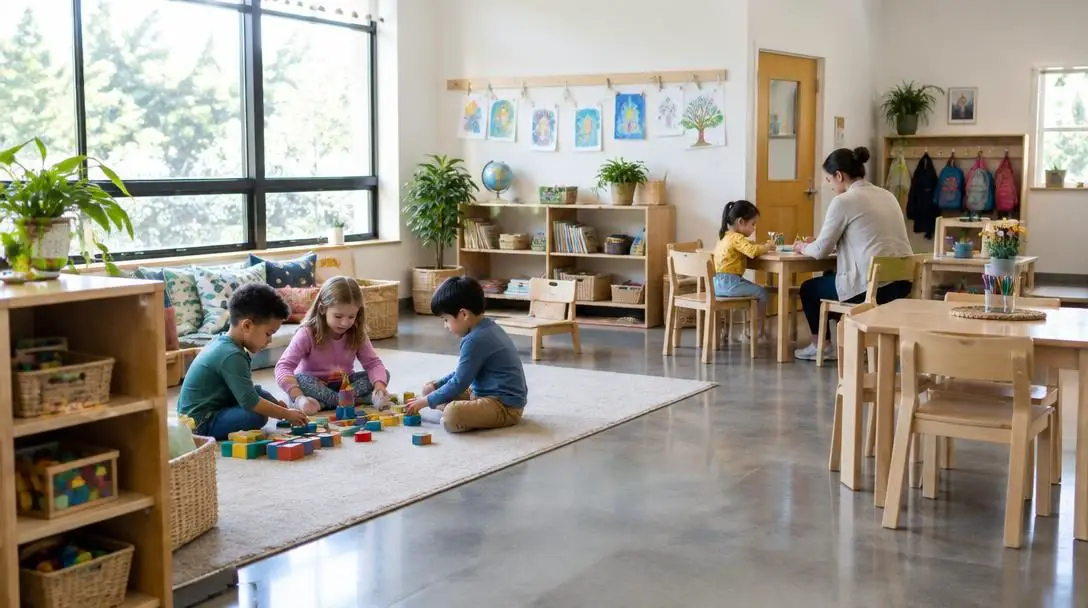
Decades of developmental research indicate that quality early learning programs are among the most dependable mechanisms for closing the academic achievement gap between lower-income students and their more affluent peers. In response to severe shortages of affordable, high-quality pre-kindergarten options, Pennsylvania has increased state financial allocations specifically targeting early learning programs in economically underserved regions.
These targeted investments expand seat capacity in communities that historically lacked early educational infrastructure. By enrolling children prior to kindergarten, programs help young learners build essential cognitive, social, and linguistic competencies. This early preparation prevents initial skill deficits from widening into severe academic delays as students advance through elementary and secondary school.
Elevating Teacher Quality and Professional Development
In-school research demonstrates that classroom educators represent the single most influential institutional factor in student achievement. To support educators in high-need learning environments, Pennsylvania has introduced measures to modernize teacher training curricula, fund ongoing professional development, and establish incentives for high-performing schools.
These initiatives equip teachers with diagnostic instructional methods, classroom management frameworks, and pedagogical strategies tailored to diverse student populations. When educators have the resources to adapt to different learning styles and address socioeconomic stresses in the classroom, instructional quality stabilizes across all participating districts.

Enacting Performance-Based Accountability Frameworks
To establish institutional accountability across all 500 school districts, the Commonwealth relies on a three-pronged performance management system designed to monitor and elevate educational standards:
- Standardized testing: Objective assessments evaluate core subject comprehension, track longitudinal academic growth, and illuminate systemic performance gaps between districts.
- Rigorous teacher evaluations: Structured evaluation rubrics promote educator accountability while pinpointing areas where instructors require coaching and instructional support.
- Comprehensive academic standards: Clear statewide benchmarks establish transparent expectations for what every student must comprehend and perform at each grade level.
Together, these interconnected mechanisms ensure that curriculum rigor remains consistent regardless of whether a school is located in a prosperous suburb or an underfunded inner-city neighborhood.
Bridging the Digital Divide in Urban and Rural Classrooms
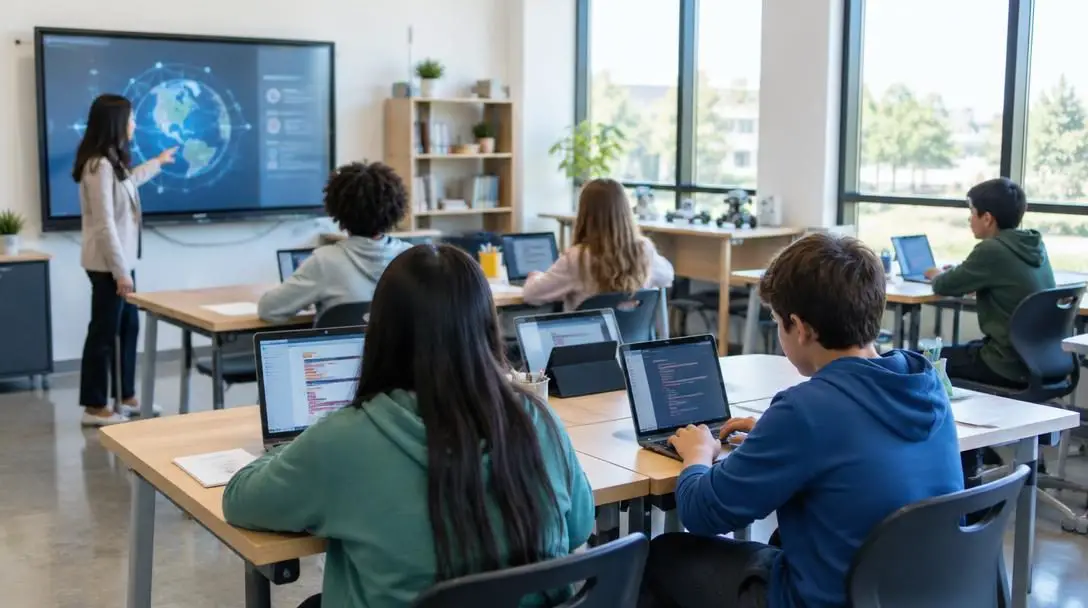
Modern academic success requires consistent access to digital devices and high-speed information networks. Yet, economic constraints frequently prevent low-income households from securing computers and dependable home internet access. Pennsylvania has responded by sponsoring initiatives that distribute affordable laptops, tablets, and digital hardware directly to disadvantaged students.
This initiative targets two critical goals simultaneously: eliminating immediate hardware shortages in underserved communities and closing the wider divide in digital literacy between socioeconomic groups. Equipping students with functional devices ensures that research assignments, online curricula, and technological skill-building are accessible to all learners.
Comparing Key Educational Equity Strategies
To visualize how these interventions operate in tandem across the Commonwealth, the table below highlights the focus areas, delivery mechanisms, and core objectives of Pennsylvania's main reform pillars.
| Strategic Pillar | Primary Mechanism | Target Population | Core Objective |
|---|---|---|---|
| Early Childhood Education | State-funded seat expansion and pre-K grants | Preschool-aged children in low-income areas | Building cognitive and social foundations before kindergarten |
| Teacher Professional Development | Instructional coaching, specialized training, and school incentives | Educators in underfunded and high-need districts | Improving instructional quality and classroom equity |
| Accountability Systems | Standardized testing, teacher rubrics, and statewide standards | K-12 schools, administrators, and classroom teachers | Maintaining consistent academic benchmarks statewide |
| Digital Access Programs | Hardware distribution, affordable laptops, and literacy initiatives | Students in economically distressed urban and rural districts | Closing digital literacy gaps and ensuring access to learning tools |
Action Plans for Districts, Communities, and Families
While state legislation establishes financial frameworks and statutory requirements, real equity gains depend on localized implementation. Closing opportunity gaps requires active collaboration among administrative leaders, civic organizations, and local families.
Action Steps for District Administrators
- Conduct comprehensive internal equity audits to evaluate how instructional materials, experienced educators, and specialized coursework are allocated across individual neighborhood schools.
- Direct expanded early learning funds into formal partnerships with community pre-K providers or establish district-operated early childhood classrooms.
- Organize professional development modules centered on diagnostic assessment, culturally responsive pedagogy, and standard-aligned instructional pacing.
- Deploy targeted distribution models for educational technology, prioritizing hardware and technical support for students without personal devices at home.
Action Steps for Community Organizations
Non-profit groups, local libraries, and philanthropic foundations serve as essential partners in reinforcing classroom instruction. Civic organizations can magnify state investments through targeted localized programs:
- Organize after-school tutoring, mentorship circles, and digital literacy bootcamps designed to reinforce classroom instruction.
- Establish neighborhood technology lending hubs where students can access computers, printers, and quiet study areas outside of school hours.
- Provide direct application assistance to help eligible low-income families navigate enrollment for subsidized pre-kindergarten and early childhood programs.
Action Steps for Parents and Families
Families play an essential advocacy role in holding educational institutions accountable and capitalizing on newly established resources. Parents can take several concrete steps:
- Enroll young learners in local pre-K initiatives as early as possible to take advantage of state-funded cognitive and social development programs.
- Communicate with district representatives regarding digital device distribution policies to secure laptops and learning tools provided under state programs.
- Attend public school board meetings, parent-teacher conferences, and budget forums to advocate for equitable resource distribution in neighborhood schools.
Critical Pitfalls to Avoid in Educational Equity Efforts
Even well-funded educational reforms can fail if policymakers and district leaders fall into predictable operational traps. Successful long-term equity work requires avoiding four common missteps.

A frequent error is assuming that distributing hardware alone solves the digital divide. Providing an economically disadvantaged student with a laptop does little good if the household lacks stable internet connectivity, digital literacy skills, or technical support when the device malfunctions. Hardware distributions must be coupled with internet access programs, home technical assistance, and structured instructional integration.
Another major mistake involves treating standardized testing strictly as a punitive lever. While objective metrics are essential for diagnosing learning gaps, relying on testing data exclusively to penalize struggling schools demoralizes educators and prompts administrators to narrow the curriculum to rote test preparation. Assessments must be used diagnostically to guide resource distribution and pedagogical coaching rather than solely as grounds for sanctions.
Districts also struggle when they treat early childhood education as an isolated phase rather than the starting point of an integrated K-12 educational continuum. Early childhood investments yield remarkable cognitive advantages, but those gains can fade quickly if early elementary curricula do not build directly upon pre-K foundations. Curriculum alignment across kindergarten through third grade is critical to prevent early academic gains from diminishing.
Finally, policymakers frequently make the mistake of overlooking the practical differences between urban and rural poverty. While both environments face economic constraints, rural schools often grapple with geographic isolation, higher pupil transportation expenses, and limited broadband infrastructure. Urban schools, meanwhile, frequently navigate severe building overcrowding and concentrated community distress. Applying a uniform, one-size-fits-all equity strategy prevents resources from addressing distinct regional obstacles.
Key Considerations for the Future of Pennsylvania Schools
As the Commonwealth works to dismantle systemic inequities, educational stakeholders must confront emerging challenges to maintain reform momentum and protect recent academic gains.
First, long-term equity requires sustainable, predictable funding streams. Expanding early childhood classrooms, updating digital infrastructure, and training instructional staff demand recurring investments. When state revenues fluctuate, under-resourced districts face budget cuts that threaten ongoing reforms. Lawmakers must design funding mechanisms that protect high-need schools from broader economic volatility.
Second, advancing classroom technology demands an expanded definition of digital literacy. As artificial intelligence, online research platforms, and collaborative cloud tools become fundamental to the modern workforce, closing the digital divide must encompass more than handing out basic laptops. Districts must evaluate whether low-income students are acquiring high-order analytical skills, coding literacies, and digital problem-solving capabilities required for post-secondary success.
Third, teacher recruitment and retention in chronically underfunded districts requires urgent attention. Offering incentives to high-performing schools is beneficial, but the state must establish robust pipelines to recruit, mentor, and retain talented educators in historically under-resourced communities. Ensuring that high-need classrooms are led by experienced, well-supported educators remains an indispensable prerequisite for eliminating the achievement gap.
Frequently asked questions
Why does educational inequality persist in an affluent state like Pennsylvania?
Educational inequality in Pennsylvania is driven primarily by the public school system's heavy reliance on local property taxes and municipal revenues. Because individual communities have vastly different tax bases, affluent districts can generate extensive funding for modern tools and advanced courses, while economically distressed districts face severe budget constraints.
How does investing in early childhood education help close the achievement gap?
High-quality early childhood education establishes essential cognitive, social, and academic foundations before children enter elementary school. Enrolling low-income learners in pre-K programs narrows early developmental gaps, preventing minor initial skill deficits from widening into severe learning obstacles in later grades.
What mechanisms comprise Pennsylvania's performance-based accountability system?
The state's accountability system relies on three interconnected elements: standardized testing to assess student comprehension and track academic progress across districts, structured teacher evaluation rubrics to identify coaching needs, and comprehensive academic standards that establish explicit grade-level performance benchmarks.
Why is distributing digital devices insufficient to bridge the digital divide?
Providing hardware like laptops or tablets does not resolve the digital divide if students lack home internet connectivity, technical troubleshooting support, or digital literacy training. Without instructional strategies that actively integrate technology into curricula, physical devices fail to translate into improved learning outcomes.
How do the educational challenges in rural Pennsylvania districts differ from urban ones?
While both experience economic hardships, rural districts face geographic isolation, high pupil transportation costs, and limited broadband infrastructure. Urban districts, by contrast, frequently deal with school overcrowding, aging urban facilities, and concentrated neighborhood distress, requiring distinct policy interventions.
The Bottom Line
Overcoming educational inequality across Pennsylvania cannot be achieved through short-term initiatives or isolated legislative fixes. The Commonwealth's academic disparities reflect deep-seated economic divisions, uneven local tax bases, and historical resource divides. By sustaining coordinated investments in early childhood education, elevating teacher development, modernizing accountability systems, and guaranteeing equitable digital access, Pennsylvania can move closer to an educational model where every student, regardless of background or zip code, has the opportunity to thrive.