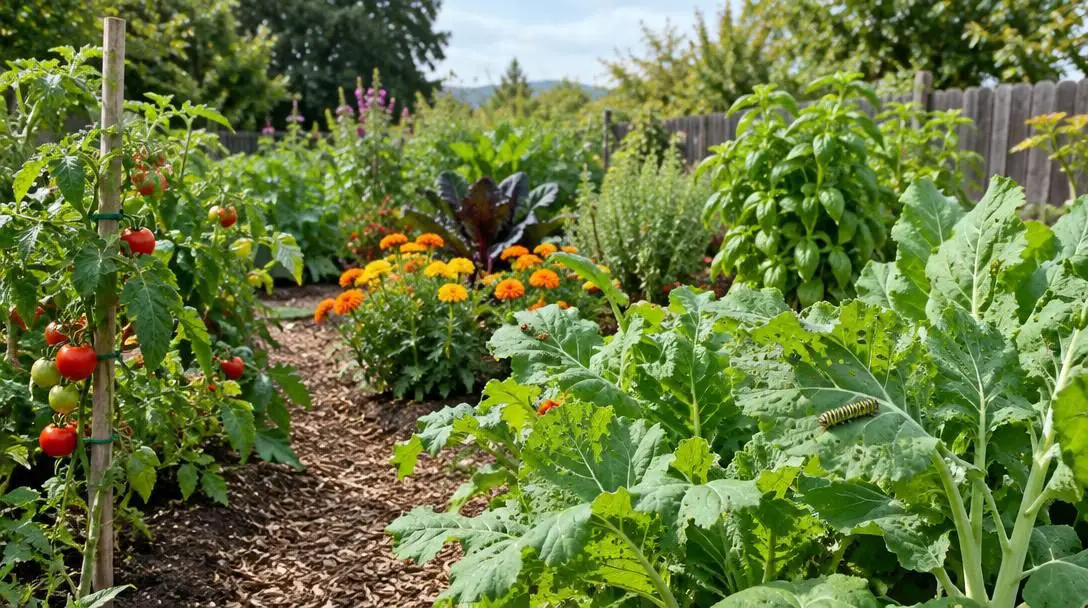
How to Attract Beneficial Insects to Your Garden: Tips and Suggestions
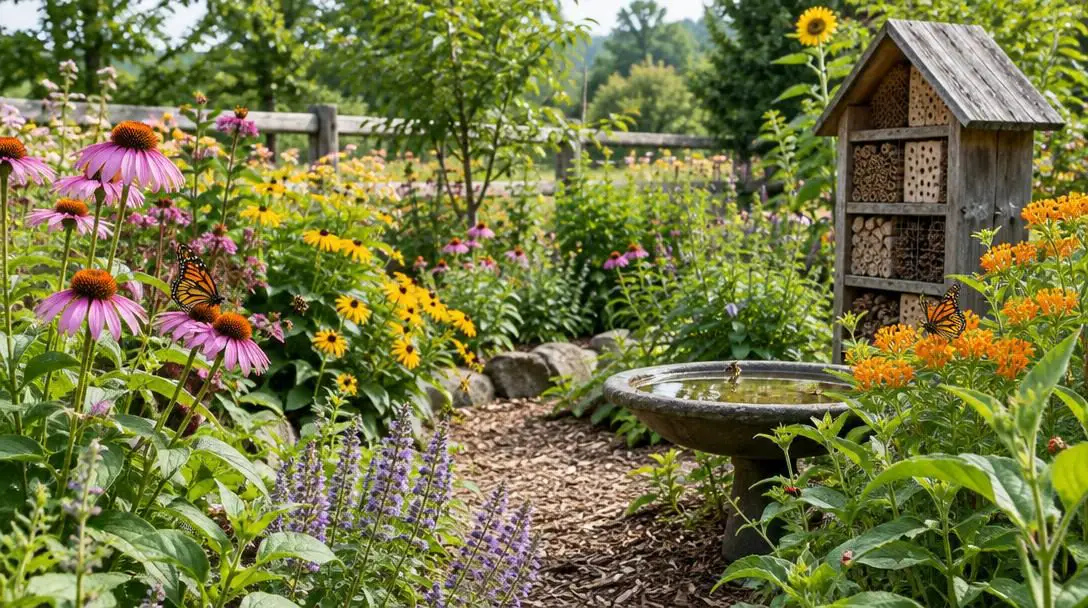
A thriving garden is the ultimate ambition for any grower, yet sustaining healthy plants often feels like an uphill struggle against relentless pests. While destructive insects pose a continuous threat to vegetables, blossoms, and ornamental plants, working alongside nature offers a potent, self-sustaining defense. Rather than depending on synthetic sprays and continuous intervention, cultivating a balanced habitat encourages beneficial insects to manage nuisance species naturally.
Every outdoor space functions as an interconnected ecosystem where living organisms interact with the soil, flora, and climate. When biological diversity is nurtured, natural checks and balances establish themselves automatically. Nuisance species multiply rapidly when their natural predators are absent, resulting in chewed foliage, weakened plants, and reduced harvests. By purposefully welcoming predatory and pollinating insects, gardeners introduce allies that suppress pests, support soil vitality, and bolster crop yields without chemical contamination.
Key takeaways
- Beneficial insects provide biological pest management and essential pollination, replacing the need for disruptive synthetic pesticides.
- Predatory insects like lady beetles, lacewings, and praying mantises target garden pests including aphids, mites, and caterpillars.
- Adult predators require non-prey nourishment, making a steady supply of nectar and pollen essential for their survival and reproduction.
- Companion planting with species such as dill, fennel, daisies, calendula, and sunflowers helps draw and sustain natural predators.
- Maintaining an effective habitat requires tolerating minor pest populations, preserving ground cover, and providing shallow water sources.
Essential Beneficial Insects for the Garden
The foundation of natural garden management starts with accurate insect identification. Recognizing which bugs are allies prevents accidental harm during routine garden maintenance and ensures you can protect established colonies. Helpful insects generally fall into two primary categories: voracious predators that devour plant-eating pests, and pollinators that ensure plants set seed and fruit.
Lady Beetles
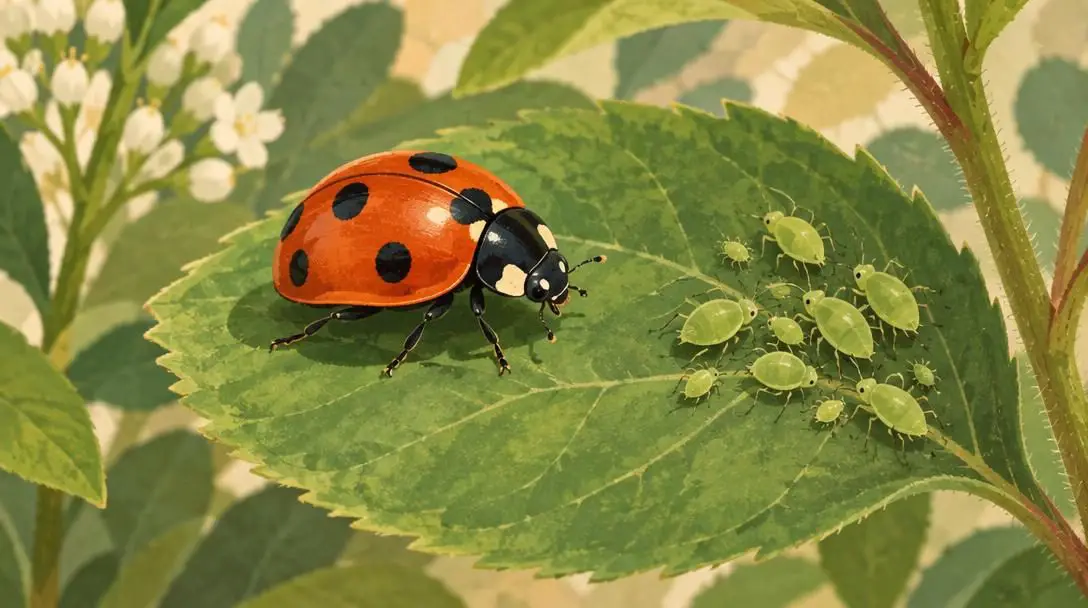
- Distinguishing Feature: Small, rounded beetles with heavily spotted wing covers
- Primary Target: Consumes up to 50 aphids daily, plus mites and small insects
- Key Attractor Plant: Daisies, sunflowers, and alfalfa
Recognizable by their bright coloration and spotted wings, lady beetles (often called ladybugs) are among the most effective predatory insects in a home landscape. Both adult beetles and their larvae hunt soft-bodied garden pests. A single lady beetle can consume up to 50 aphids in a single day, while also feeding extensively on mites and other tiny foliage-damaging organisms. Preserving these beetles provides round-the-clock defense against common horticultural pests.
Praying Mantis
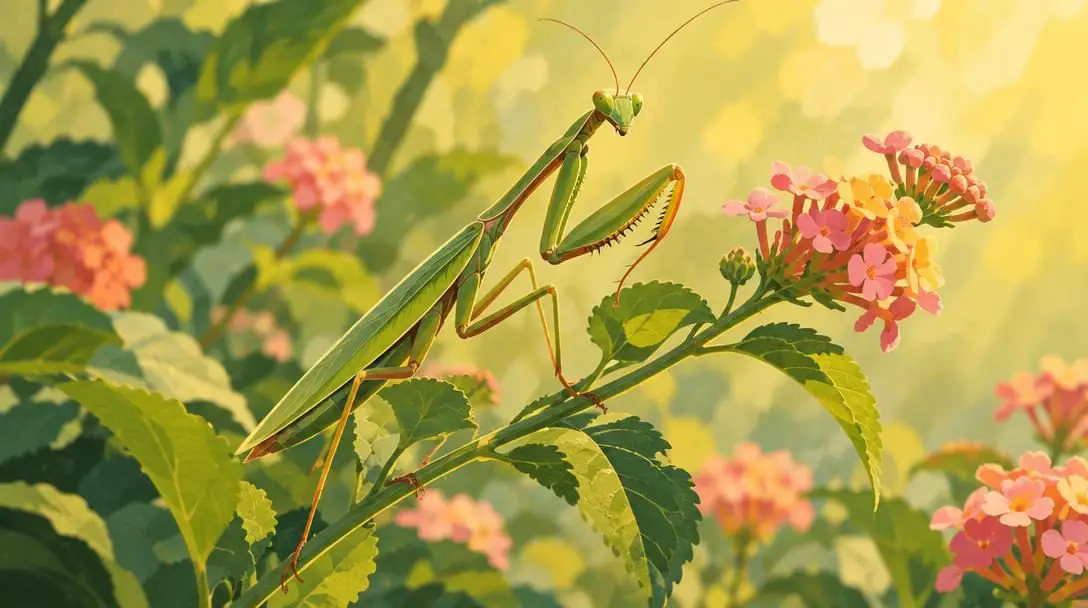
- Distinguishing Feature: Elongated, slender body with a distinctive triangular head
- Primary Target: Caterpillars, beetles, and any smaller garden insects
- Hunting Style: Patient ambush predator
The praying mantis is an exceptional ambush hunter, instantly identified by its slender body, folded front legs, and mobile triangular head. Mantises remain motionless among foliage until an unsuspecting insect approaches. Their diet is broad: they consume nearly any insect smaller than themselves, making them especially valuable for suppressing larger chewing pests like destructive beetles and caterpillars that smaller predators cannot overpower.
Lacewings
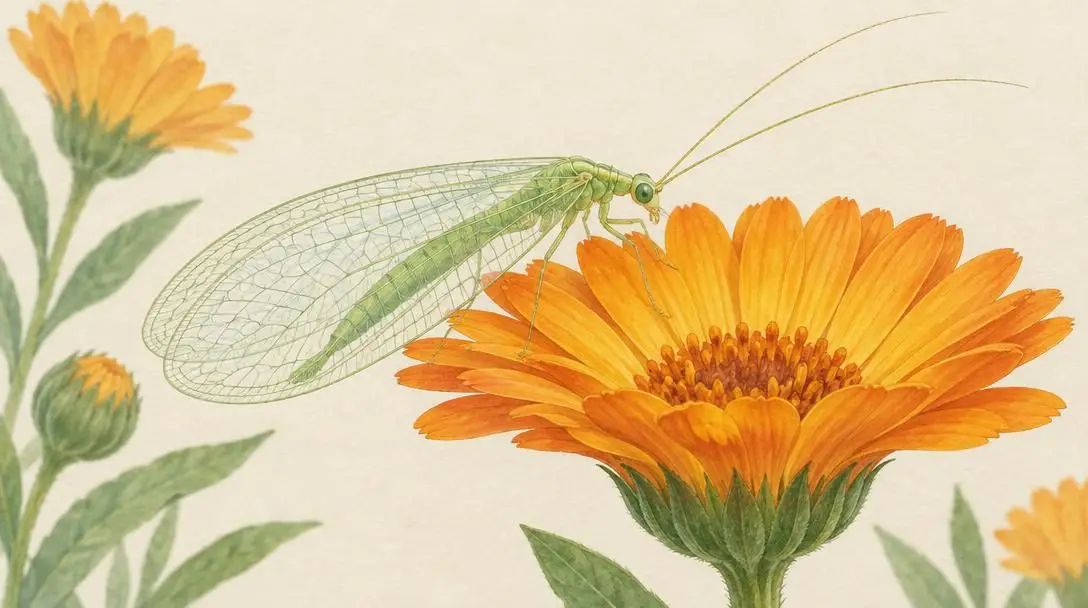
- Distinguishing Feature: Delicate, pale bodies with prominent, veined transparent wings
- Primary Target: Aphids, mites, and young caterpillars
- Key Attractor Plant: Angelica, clovers, and calendula
Despite their delicate appearance, lacewings are among the most aggressive pest predators in cultivated gardens. While the adults feed on pollen and nectar, their larvae are notorious for their voracious appetites, actively hunting down aphids, spider mites, and caterpillars. Encouraging lacewings to take up residence ensures that pest flare-ups are neutralized at the egg and larval stages before severe foliar damage happens.
Bees

- Distinguishing Feature: Hirsute bodies adapted for pollen collection and transport
- Primary Target: Flower nectar and pollen (non-predatory)
- Garden Role: Essential pollination for fruit set and reproduction
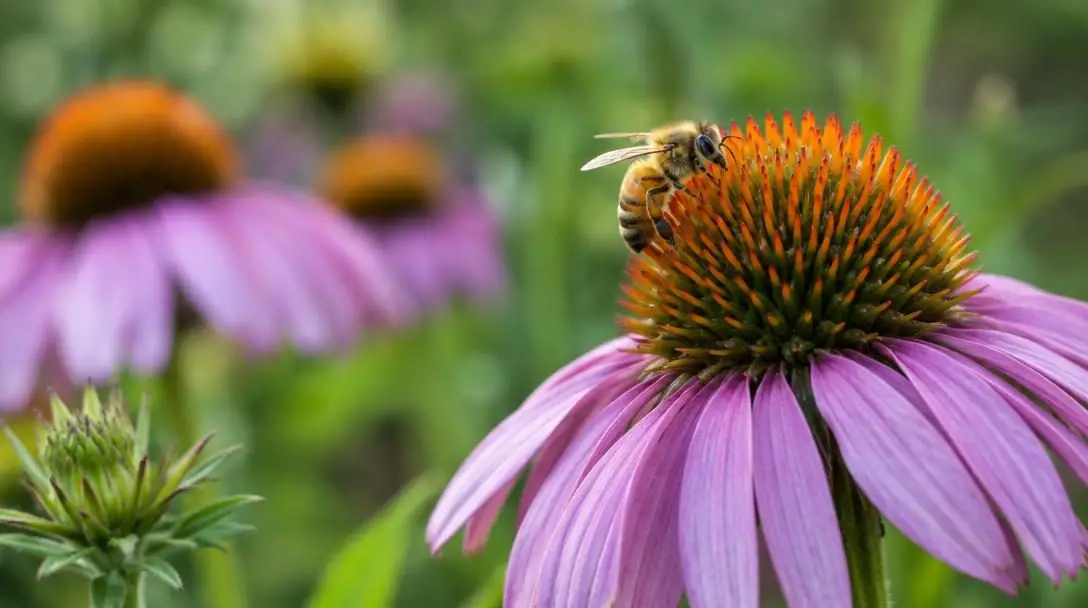
Unlike predatory insects that hunt living prey, bees serve a fundamentally supportive role by transferring pollen from flower to flower. Without effective pollination, fruiting crops such as squash, tomatoes, and berries fail to develop or yield stunted harvests. By visiting blooms for nectar and pollen, bees facilitate plant reproduction and complete the ecological circle needed for a garden to thrive.
| Beneficial Insect | Primary Garden Function | Key Dietary Targets | Preferred Attractor Species |
|---|---|---|---|
| Lady Beetles | Predatory pest control | Aphids, mites, small soft-bodied insects | Daisies, sunflowers, alfalfa |
| Praying Mantis | Generalist predatory control | Caterpillars, beetles, various insects | Dense foliage, native vegetation |
| Lacewings | Targeted larval predation | Aphids, mites, caterpillars | Angelica, clovers, calendula |
| Bees | Floral pollination | Pollen and floral nectar | Sunflowers, flowering herbs |
How Natural Pest Control Functions in the Garden
Natural pest control operates through intricate biological dynamics involving plants, herbivores, and carnivores. When left untreated by harsh synthetics, pest populations—including aphids, mites, and caterpillars—gather on succulent stems and leaves. Rather than representing an immediate crisis, these pests form the vital base of the food web for predatory insects.
When predatory insects find a reliable food source, they establish hunting territories, stabilizing pest numbers before severe plant stress occurs. However, natural predation requires more than just prey. Many predatory species do not consume other insects during every stage of life. Adult insects, including lacewings and hoverflies, depend heavily on pollen and nectar to sustain their energy reserves and fuel reproduction.
Understanding the role of beneficial species shifts the gardener's perspective from constant intervention to intentional habitat management.
When adult predators have access to flowering plants, they remain within the garden footprint to lay eggs. Once the next generation hatches, the young larvae actively hunt nearby pests, sustaining continuous biological defense. Simultaneously, pollinators like bees visit those same blossoms to gather pollen and nectar, fertilizing flowers and enabling robust fruit sets. This mutual interaction creates a resilient, balanced food web across the entire property.
Core Foundations of a Healthy Garden Ecosystem
Establishing an environment where helpful insects thrive requires sustainable management methods. A garden that supplies varied nutrition, stable nesting spaces, and protection from chemical disruption will naturally retain a resident beneficial population.
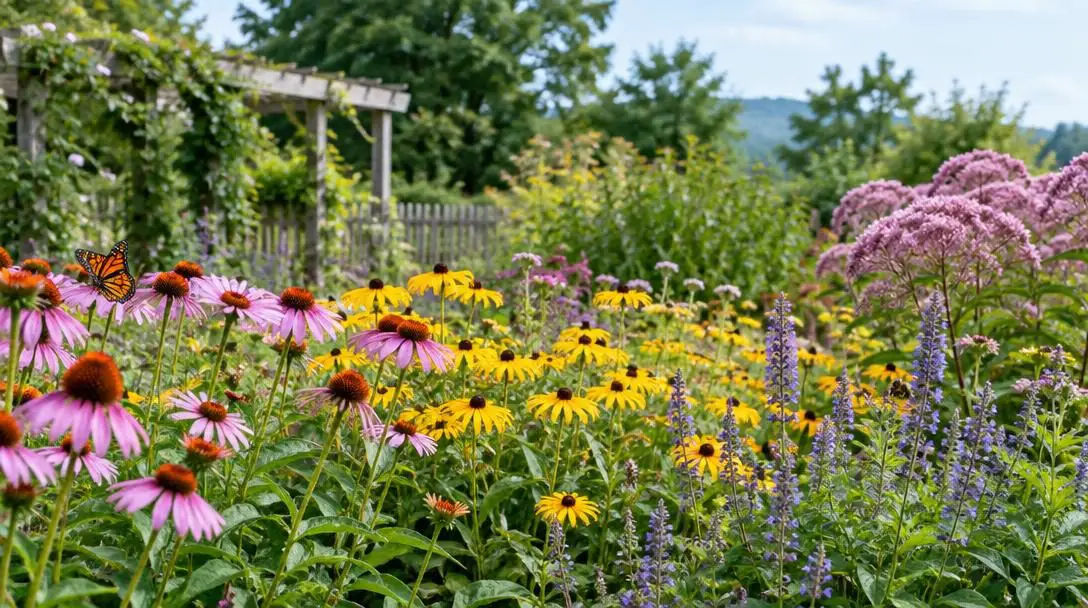
- Maximize Plant Diversity: Cultivating a single plant variety, or monoculture, fails to supply the varied resources required by diverse insect species. Planting a broad array of species—including resource-rich plants like clovers and thistles—provides ongoing nectar, pollen, and shelter across the changing seasons.
- Eliminate Chemical Pesticides: Broad-spectrum chemical sprays cannot distinguish between a plant-eating pest and a hunting lady beetle. Using harsh pesticides can collapse your beneficial insect population, leaving the landscape vulnerable to rapid pest resurgence.
- Incorporate Organic Alternatives: When intervention is essential, turn to targeted organic alternatives such as naturopathy, companion planting, or neem oil to address isolated problems without wiping out the wider beneficial insect community.
- Protect Ground Habitat and Nesting Sites: Leave dedicated patches of land planted with native species. Reduce soil disturbance and tilling to protect ground-nesting bees and overwintering pupae, and install clean water features to keep insects hydrated.
Practical Steps to Attract and Keep Beneficial Insects
Once you establish a chemical-free foundation, you can implement targeted physical and botanical strategies to draw beneficial insects into your growing beds. Following a deliberate installation sequence ensures these allies locate reliable food, nesting shelter, and hydration throughout the growing season.
- Integrate Companion Plantings: Intersperse specific flowering companions beside vulnerable vegetable beds. Plant daisies to draw lady beetles, and establish dill and fennel to attract parasitic wasps. Place clovers and calendula nearby to bring lacewings into your vegetable rows.
- Sow Targeted Attractor Crops: Plant proven botanical attractors in deliberate windows. Sowing alfalfa from mid-April through mid-August offers an ideal habitat for lady beetles and predaceous ground beetles. Add sunflowers to feed bees with pollen and lady beetles with nectar, and grow angelica to expand your local lacewing population.
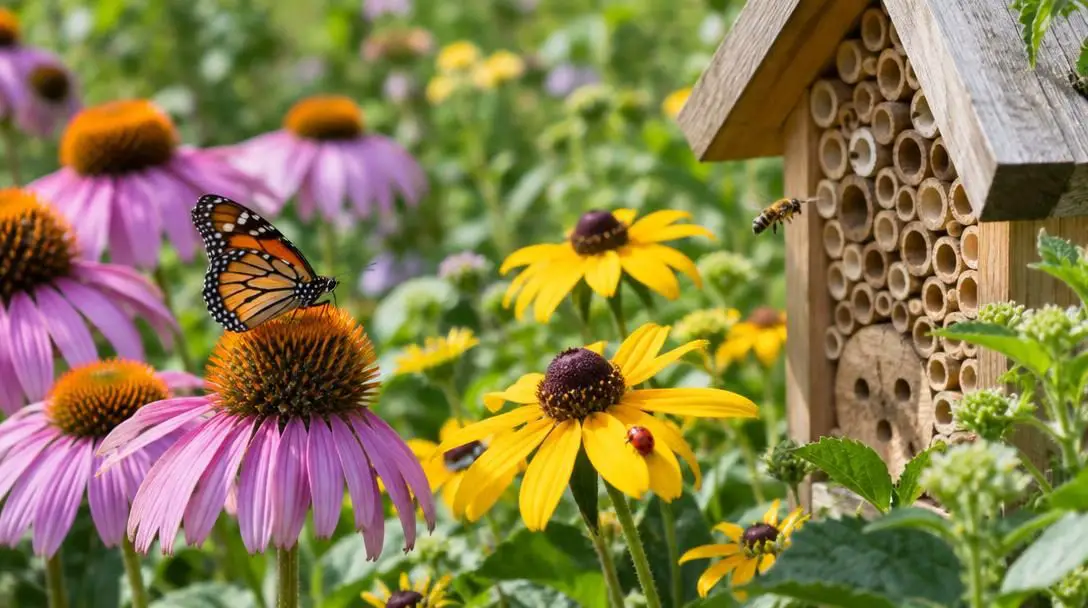
- Install Dedicated Insect Shelters: Mount commercial or handcrafted insect houses from your local garden center in calm, protected corners of the garden. Position them away from direct wind and driving rain to give beneficial species a safe space to nest and escape extreme weather.
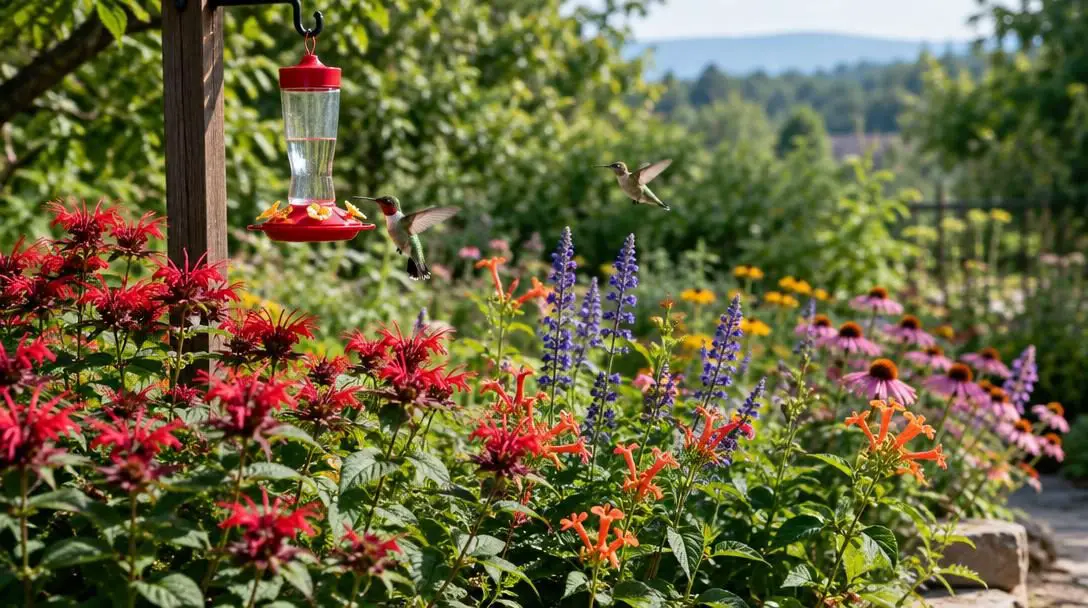
- Set Up Safe Hydration Stations: Provide shallow water features, such as bird baths filled with stones or floating corks, across the landscape. Beneficial insects require hydration daily, and shallow landing perches prevent them from accidentally drowning while drinking.
- Deploy Traps for Monitoring: Utilize pest traps targeting aphids or whiteflies selectively. When monitored correctly, these tools pinpoint initial pest outbreaks and can concentrate prey in designated zones, naturally guiding lady beetles and lacewings to the food source.
Critical Mistakes to Avoid in Beneficial Insect Care
Even conscientious gardeners sometimes adopt habits that unintentionally drive beneficial species away or disrupt the biological balance they are working to establish. Steer clear of these common missteps to keep your insect community intact:
- Demanding Zero Pests: Eradicating every single aphid or mite leaves predatory insects without a food supply. Without adequate prey, predators will abandon your garden beds in search of better hunting grounds. A minor, tolerable pest population is necessary to sustain resident predators.
- Premature Pesticide Sprays: Reaching for synthetic insecticides at the first sighting of leaf damage interrupts the biological food chain. Rely on natural predation, manual removal, or light applications of neem oil rather than wiping out an entire beneficial insect colony.
- Over-Cleaning Garden Debris: Meticulously clearing away every dead stalk, fallen leaf, and plant stem strips the landscape of essential overwintering habitats. Leaving small undisturbed patches of leaf litter and native growth ensures beneficial species survive cold winters.
- Excessive Soil Cultivation: Frequent, aggressive tilling shatters delicate underground tunnels, disturbs ground-nesting solitary bees, and destroys the pupae of predaceous ground beetles resting beneath the soil surface.
- Neglecting Water Sources: In warm, dry weather, insects can dehydrate quickly. Failing to provide accessible, shallow moisture features often drives helpful insects toward neighboring landscapes that supply reliable water.
Long-Term Considerations for Garden Ecosystem Health
Sustaining a vibrant community of beneficial insects requires looking beyond a single growing season. By planning for year-round resources, you turn temporary visits from helpful bugs into permanent, generational populations.
First, evaluate your seasonal planting windows. Beneficial insects require sustenance from early spring through late autumn. Stagger your plantings so that pollen and nectar sources remain unbroken. For example, sowing alfalfa in mid-April through mid-August ensures high-quality habitat throughout the warmest months, while early-blooming companions feed emerging predators before the main pest season begins.
Second, optimize the spatial placement of attractor species. Group companion flowers like angelica, sunflowers, daisies, dill, fennel, and calendula directly alongside delicate vegetables and ornamentals. Positioning floral resources adjacent to vulnerable crops guarantees that hunting predators like lacewings, lady beetles, and parasitic wasps remain exactly where pest pressure is most likely to occur.
Finally, embed permanent habitat structures into your overall landscape layout. Installing insect houses, establishing dedicated perennial native plant zones, and maintaining shallow bird baths ensures that beneficial insects have the environmental security needed to overwinter, reproduce, and protect your garden for years to come.
Frequently asked questions
How many aphids can a single lady beetle eat in one day?
A single lady beetle can consume up to 50 aphids in a single day, while also hunting spider mites and other small soft-bodied garden pests.
Which companion plants best attract lacewings to the garden?
Lacewings are strongly drawn to angelica, clovers, and calendula. Planting these varieties provides the nectar and pollen needed to encourage adult lacewings to lay eggs near pest infestations.
Why is alfalfa beneficial for predatory garden insects?
Alfalfa provides a protective habitat and dependable food source for lady beetles and predaceous ground beetles, especially when planted between mid-April and mid-August.
Will broad-spectrum chemical pesticides harm beneficial insects?
Yes. Chemical pesticides rarely differentiate between harmful pests and helpful predators. Using them can decimate populations of lady beetles, lacewings, and bees, frequently leading to worse pest rebounds later.
How do shallow water features help beneficial insects?
Insects require daily hydration, especially in warm weather. Shallow water features, such as bird baths fitted with stones or perches, allow insects to drink safely without the risk of drowning.
The bottom line
Relying on beneficial insects transforms gardening from an endless battle against pests into a sustainable, self-regulating ecosystem. By cultivating diverse floral companions like sunflowers, angelica, dill, and daisies, providing safe habitats and fresh water, and avoiding broad-spectrum synthetic pesticides, you empower nature's predators to defend your landscape. Welcoming these tiny allies creates a healthier, more productive garden that flourishes with minimal chemical intervention.