How to Build a Greenhouse: Tips and Ideas for Year-Round Gardening
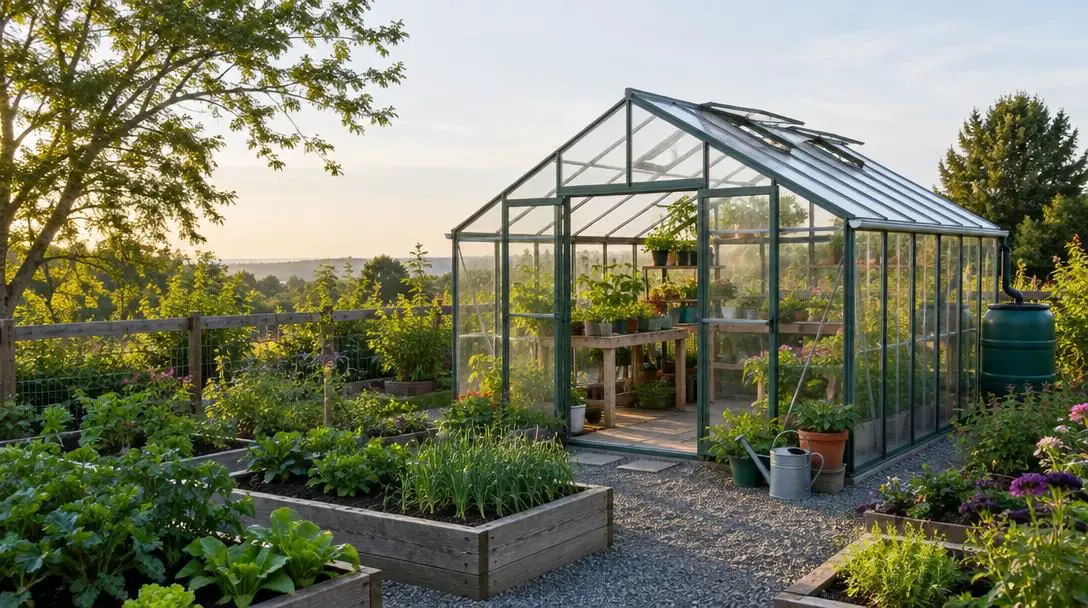
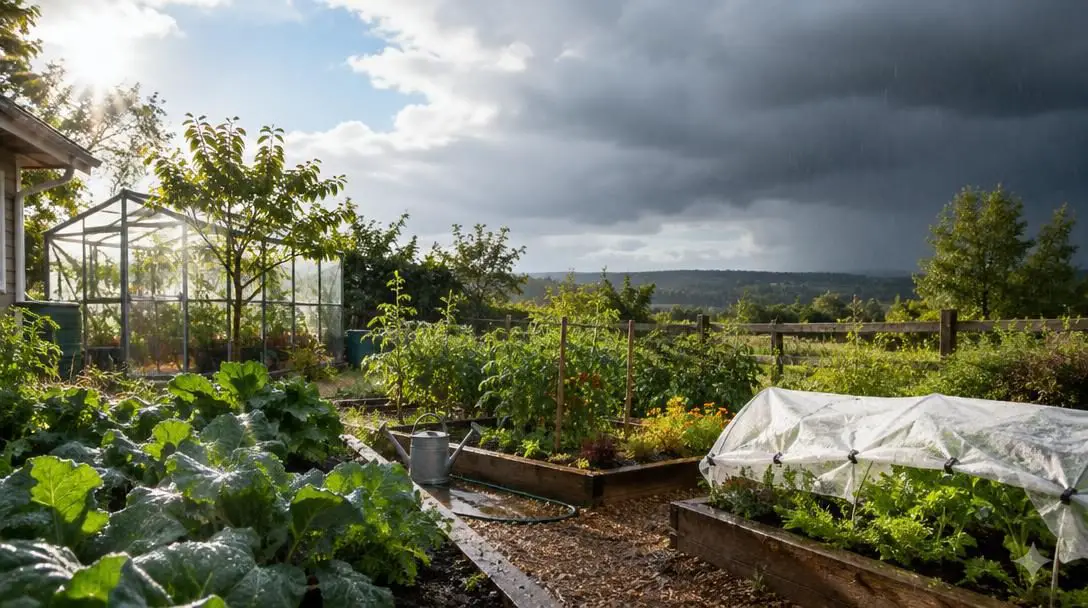
Greenhouses are a transformative addition to any home landscape, offering dedicated growers the ability to cultivate vibrant plants, fresh vegetables, and delicate flowers throughout every calendar month. For gardeners dealing with short growing seasons, unpredictable cold snaps, torrential downpours, or intense summer heat, an unprotected garden bed can feel like an ongoing struggle. Unseasonal frosts and heavy winds can wipe out months of diligent soil work in a single afternoon, leaving outdoor plots vulnerable to the whims of natural weather patterns.
Constructing a personal greenhouse bridges the gap between outdoor climate extremes and the delicate biological requirements of your crops. By establishing a sheltered microclimate, an enclosed growing area provides steady warmth, balanced moisture, and structural defense against pests and storms. While the process of engineering and building a greenhouse may feel like an intimidating endeavor at first, breaking the project down into site planning, material selection, and atmospheric management turns it into a straightforward, immensely rewarding project.
Key takeaways
- Greenhouses trap solar radiation through transparent panels while relying on vents and exhaust systems to balance interior heat and humidity.
- Choosing between free-standing, lean-to, and attached configurations depends on yard layout, sun path, and proximity to household utilities.
- Proper ground preparation, thorough leveling, and durable foundation anchoring prevent structural distortion and weather infiltration.
- Year-round horticultural success requires active monitoring using thermometers, hygrometers, and tailored ventilation strategies.
Understanding How a Greenhouse Traps and Balances Heat
At its core, a greenhouse acts as a passive solar collector designed to transform light into ambient warmth. Sunlight passes through transparent or translucent glazing panels, such as horticultural glass, multi-wall polycarbonate, or heavy-duty greenhouse film. As shortwave solar radiation penetrates the enclosure, it strikes the interior surfaces, warming the soil, plant foliage, pathway stones, and staging benches. These warmed surfaces absorb the energy and radiate it back as longwave thermal radiation, which cannot escape through the glazing as easily as it entered. This physical process—often referred to as the greenhouse effect—creates an elevated internal temperature that can remain significantly warmer than the ambient outdoor air.
Retaining thermal energy is only one half of the ecological equation; an enclosed space must also release heat and cycle fresh air. Without active airflow, sunlight can cause interior temperatures to climb to lethal levels within hours, stressing foliage, halting pollination, and rapidly drying out root systems. Furthermore, plant transpiration raises interior humidity. If moist air remains trapped, water condenses on structural trusses and leaves, creating ideal conditions for fungal pathogens, mildews, and molds.
By controlling water distribution, ambient temperature, and light levels, the gardener replaces unpredictable natural weather with steady, reliable growing conditions.
To keep the interior stable, growers use operable roof vents, wall louvers, and exhaust fans. As hot air naturally rises toward the ridge of the structure, upper roof vents allow it to escape, creating a vacuum effect that draws cooler, fresh air in through lower side vents. This continuous air exchange replenishes atmospheric carbon dioxide needed for photosynthesis, stabilizes internal humidity, and eliminates stagnant microclimates around dense leaf canopies.
Choosing the Right Greenhouse Style
Selecting the ideal architectural style requires evaluating your available property, intended plant species, budget, and access to domestic water and electrical lines. Greenhouses generally fall into three structural formats, each presenting unique advantages regarding footprint and thermal performance.
Free-standing greenhouses
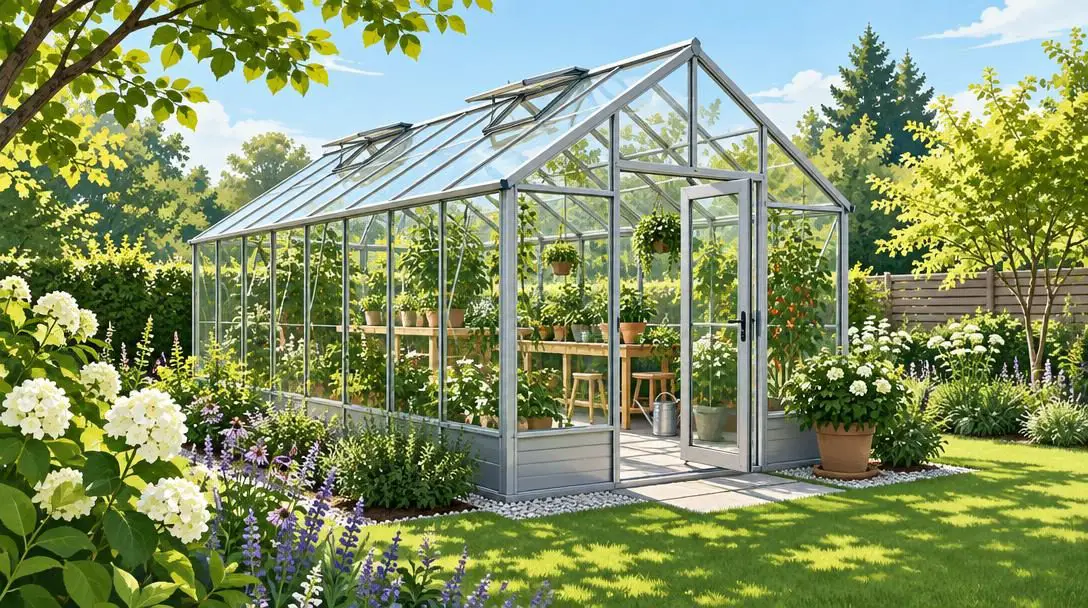
Free-standing greenhouses are completely independent structures with four exterior walls and a full gabled or curved roof. Because they do not rely on an adjacent building for support, they can be placed anywhere on a property where daylight is strongest. This independent footprint allows light to enter from all four cardinal directions, providing balanced illumination as the sun arcs across the sky. Free-standing layouts offer the greatest flexibility for interior staging, center aisles, and double-sided bench arrangements, making them the preferred choice for serious hobbyists and growers with spacious garden plots.
Lean-to greenhouses
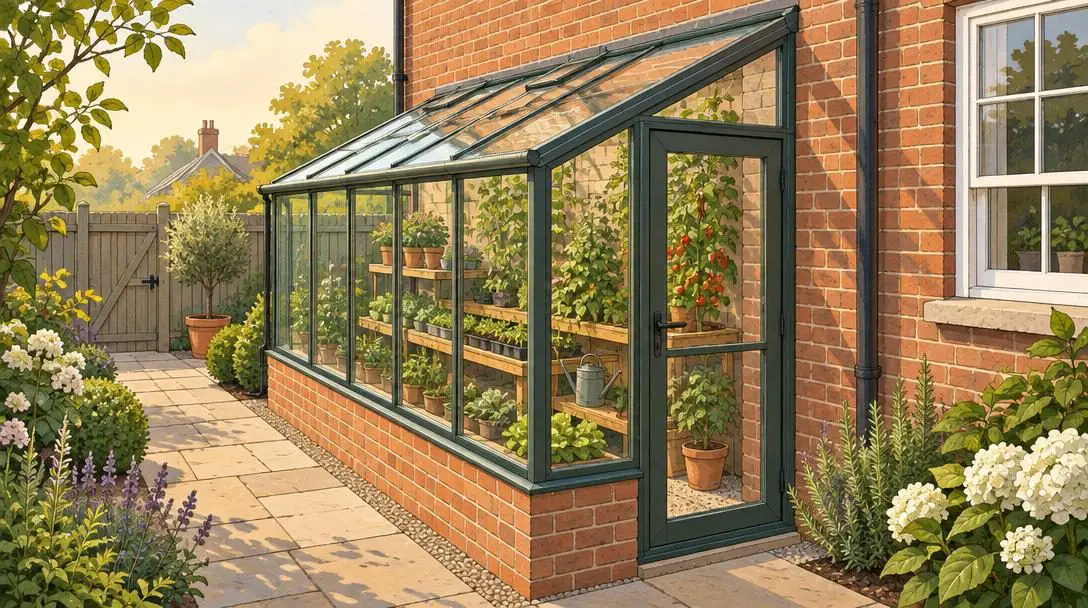
A lean-to greenhouse is supported along one of its long sides by an existing vertical barrier, such as a home exterior, garage, or masonry boundary wall. The roof slopes outward and downward from the supporting wall, creating a streamlined, asymmetrical profile. Lean-to models are an exceptional choice for gardeners navigating tight yard spaces, urban courtyards, or narrow side alleys where a wide, independent greenhouse cannot fit. They are cost-effective because the existing structure serves as an entire structural wall, reducing the amount of framing and glazing required.
Attached greenhouses
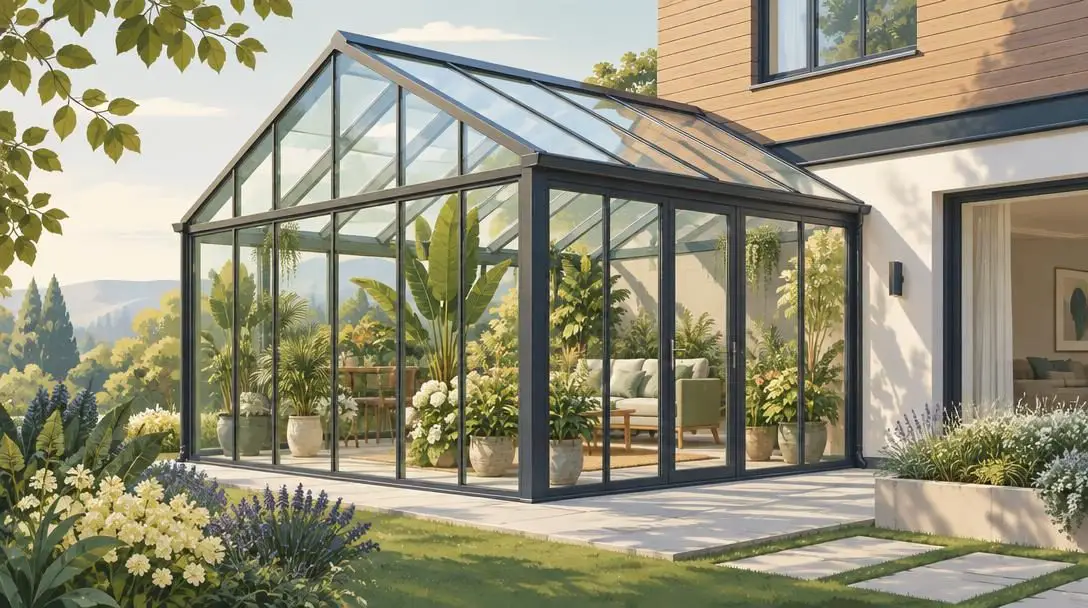
Attached greenhouses function as structural home additions, sharing a common wall and often providing direct doorway access from the home or an adjoining outbuilding. This configuration allows effortless access during inclement winter weather, simplifying daily watering, harvesting, and pest checks. Attached designs benefit directly from the thermal mass of the home wall, which absorbs indoor warmth and radiant solar heat during the day and gently releases it back into the greenhouse at night. Additionally, connecting heating conduits, plumbing taps, and electrical outlets to an attached build is substantially simpler and cheaper than trenching utility lines out to the center of a yard.
| Greenhouse Style | Structural Support | Light Exposure | Best Suited For |
|---|---|---|---|
| Free-standing | Independent self-supporting frame | All four directions (360 degrees) | Spacious yards and high-capacity planting |
| Lean-to | Existing masonry or structural wall | Three sides and single-pitch roof | Narrow side yards and compact urban spaces |
| Attached | Integrated into home or shed layout | Varies based on building orientation | Convenient utility access and winter tending |
Selecting the Best Structural Framing Materials
The durability, maintenance burden, and thermal efficiency of your greenhouse depend heavily on the framing material you select. Framing must withstand driving winds, heavy seasonal snow loads, and constant interior moisture without bowing or deteriorating.
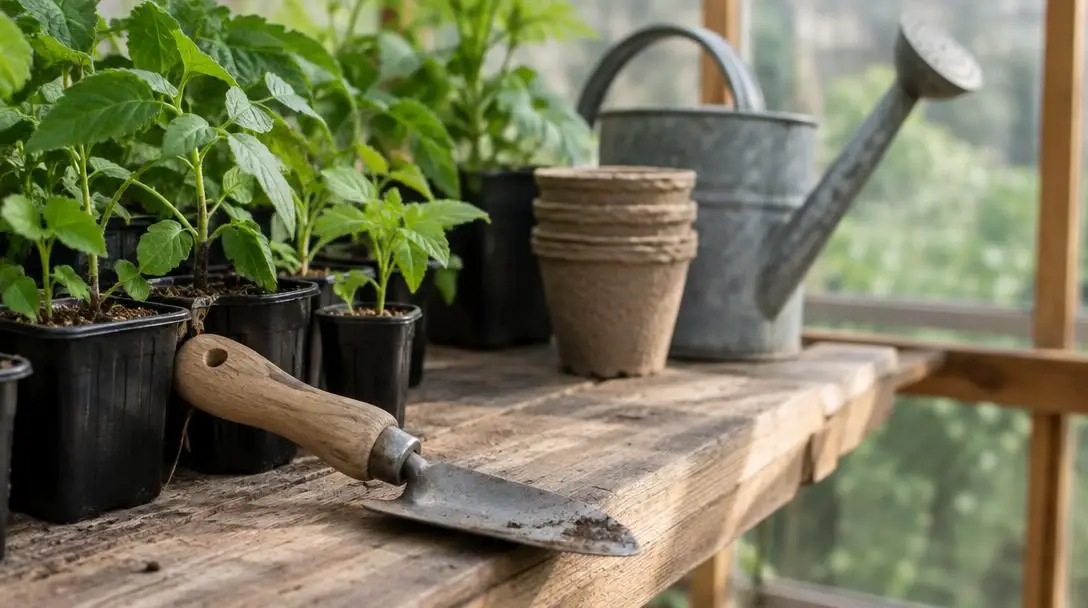
Wood
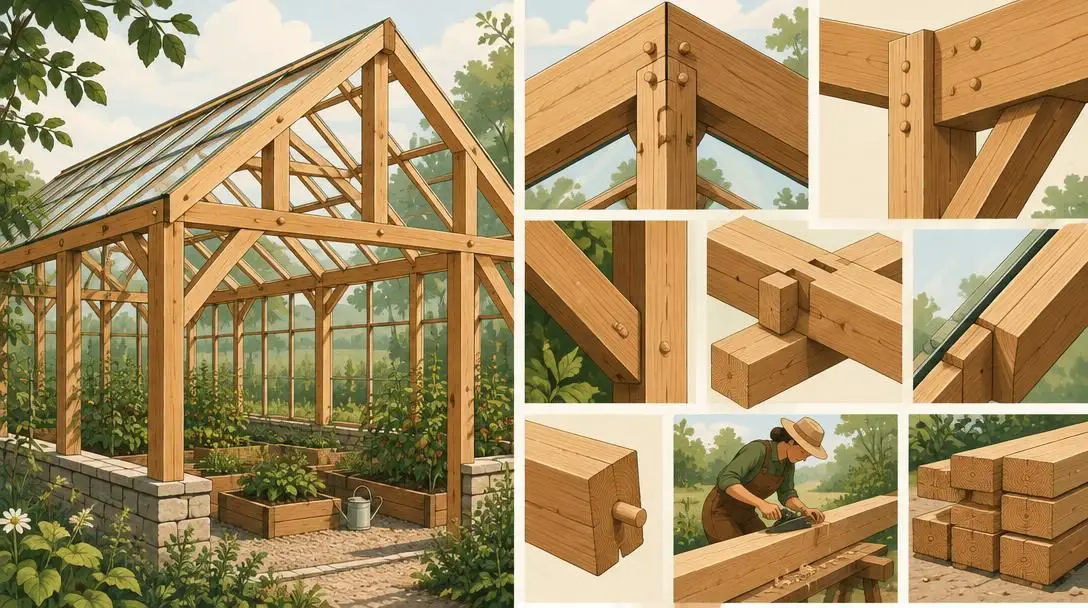
Wood remains a classic choice for traditional greenhouse construction, praised for its natural aesthetic appeal and structural strength. Timber provides natural insulating properties, helping prevent thermal bridging where heat transfers quickly through the frame to the outdoors. Wood framing is simple to cut, shape, and assemble with standard residential carpentry tools. However, timber requires weather-resistant varieties like cedar or redwood, or pressure-treated softwoods treated with protective sealants, to prevent moisture rot, mildew decay, and insect damage caused by warm, humid indoor conditions.
Aluminum
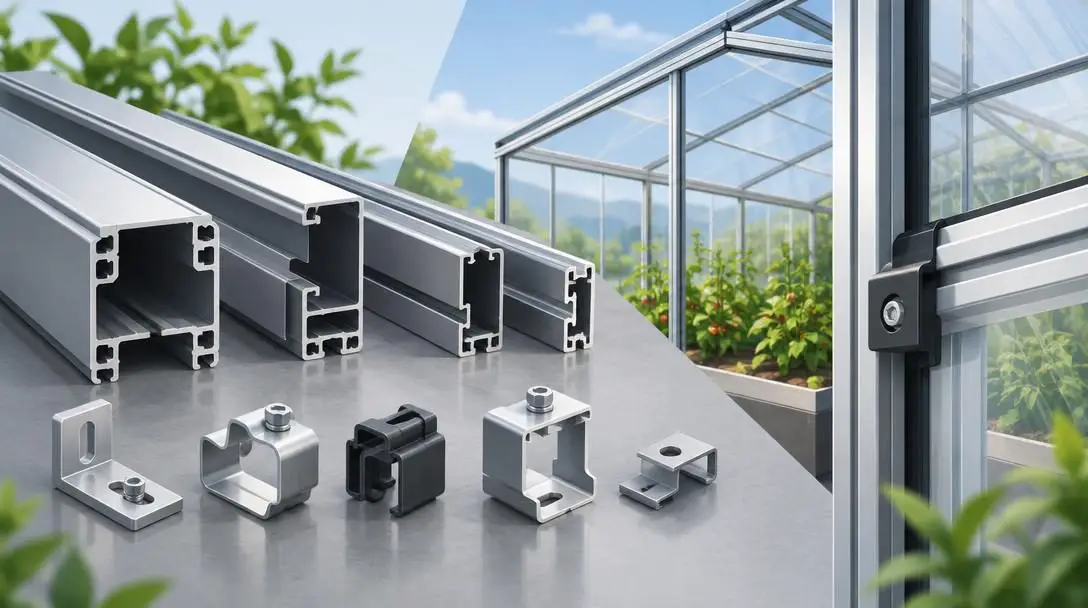
Aluminum is the most popular framing material for modern prefabricated greenhouse kits and custom assemblies alike. It is remarkably lightweight, making components easy to position, yet possesses exceptional structural rigidity against heavy winds. Aluminum is naturally impervious to rust, rot, and pest infestations, requiring virtually zero surface maintenance over decades of use. The primary drawbacks are a higher initial retail cost and a tendency to transfer heat rapidly, which can lead to localized cold spots along the framing during subzero nights.
PVC
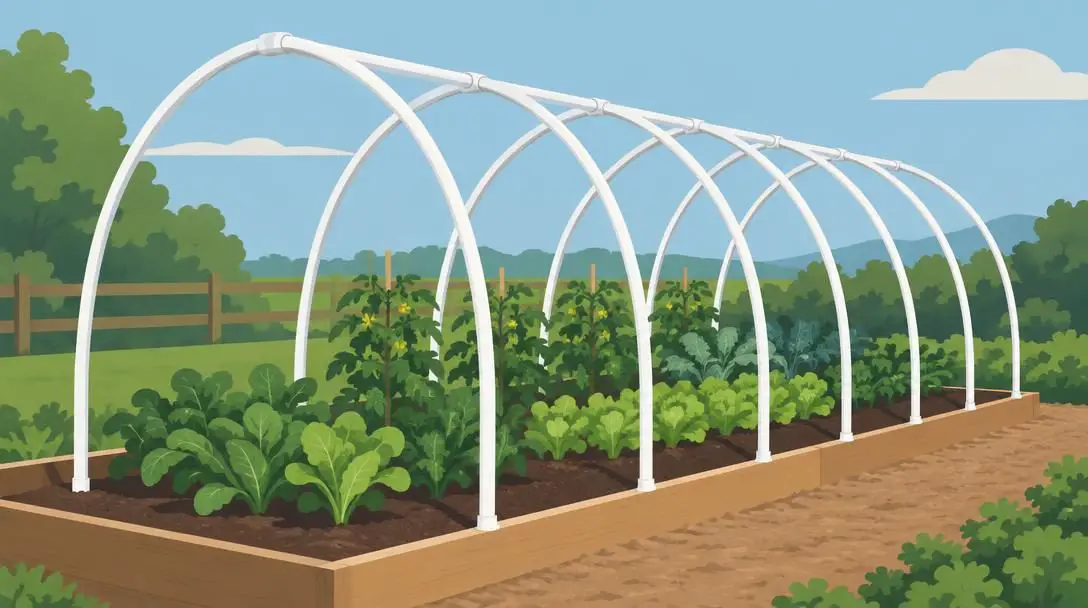
Polyvinyl chloride (PVC) piping is an economical and lightweight framing option, frequently used by backyard builders to assemble hoop houses and temporary cold frames. PVC is easy to manipulate into smooth arches, connects quickly using standard plumbing fittings, and is unaffected by water or soil chemistry. However, PVC lacks the rigid load-bearing capacity of timber or metal. Under heavy winter snow loads or sustained gale-force winds, PVC frames can flex, warp, or crack, making them best suited for three-season growing or milder climates.
Site Selection and Ground Preparation
Placing your greenhouse in an optimal location determines how much daily sunlight your crops receive and how effectively the structure sheds moisture. Observe your yard across several weeks to identify shadow patterns cast by mature trees, privacy fences, and neighboring houses, especially as the sun's trajectory dips lower in autumn and winter.
To maximize total daily illumination, orient the ridge of the greenhouse east-to-west whenever possible. This orientation directs the longest surface of the glazing directly toward the southern sky (in the Northern Hemisphere), allowing the interior to capture the maximum angle of winter sunlight. Avoid placing the structure in low-lying depressions where cold air pools or surface runoff gathers during storms.
Ground preparation must happen before taking structural components out of the box:
- Clear the area: Strip away all turf, weeds, roots, and loose rocks across the entire building footprint, extending at least two feet past the framing lines on all sides.
- Improve drainage: Excavate the top layer of organic soil and install a compacted gravel, crushed stone, or sand base. A permeable stone floor allows irrigation spills to drain into the subsoil rather than forming stagnant indoor puddles.
- Level the surface: Check ground level thoroughly using a builder's level and a straight board. Even a slight slope can cause vertical wall studs to lean, throwing door frames out of plumb and preventing glazing panels from sealing securely.
- Install a solid foundation: Anchor the structure according to local ground conditions. Practical foundation choices include ground-contact treated timber sills staked into the earth, poured concrete strip footings, or solid paver pads set atop compacted gravel.
Step-by-Step Greenhouse Construction
Once your footprint is leveled and materials are staged, systematic construction ensures the frame remains square, rigid, and ready to shed harsh weather. Always consult your municipal building department to ensure compliance with setback limits, accessory building permits, and local zoning codes before building.
- Set the foundation: Anchor your perimeter foundation securely to the leveled base using concrete footers, heavy-duty earth augers, or anchor bolts. Check diagonal measurements from corner to corner to ensure the base is perfectly square.
- Erect the structural framing: Fasten the base plates to the foundation, then raise and brace the vertical wall studs and upper corner posts. Regularly verify with a level and measuring tape that every upright post remains plumb.
- Attach roof rafters and purlins: Connect the ridge beam and join roof rafters from the wall plates to the peak. Install horizontal purlins and diagonal corner braces across the trusses to reinforce the structure against crosswinds and snow pressure.
- Install door and vent frames: Build rigid frames for entrance doors, operable roof windows, and lower wall intake louvers. Ensure all hinge points sit squarely so movable components open easily and seal flush when closed.
- Mount the glazing panels: Secure your glass panes, twin-wall polycarbonate sheets, or greenhouse films to the exterior frame. Use manufacturer-approved glazing clips, rubber gaskets, or UV-resistant exterior screws with sealing washers to secure panels without cracking them.
- Seal joints and finish trims: Apply weather-resistant caulking or EPDM rubber weatherstripping along door perimeters, roof ridge caps, and panel junctions to create a draft-free, water-tight envelope.
Essential Interior Climate Systems and Accessories
A greenhouse enclosure establishes the framework, but mechanical and horticultural accessories give you real control over the growing environment. Outfitting the interior with appropriate tools keeps plants healthy through seasonal transitions.
Thermal control requires active heating and cooling systems. During freezing winters, thermostatically controlled electric fan heaters, gas units, or thermal mass water barrels keep root systems warm and prevent frost damage. In the peak of summer, shade cloth draped over the exterior roof reduces radiant intensity, while misting lines and evaporative cooling units drop interior air temperatures. Automated drip irrigation lines ensure hanging baskets, raised beds, and seed flats receive metered water directly to their roots without splashing the foliage.
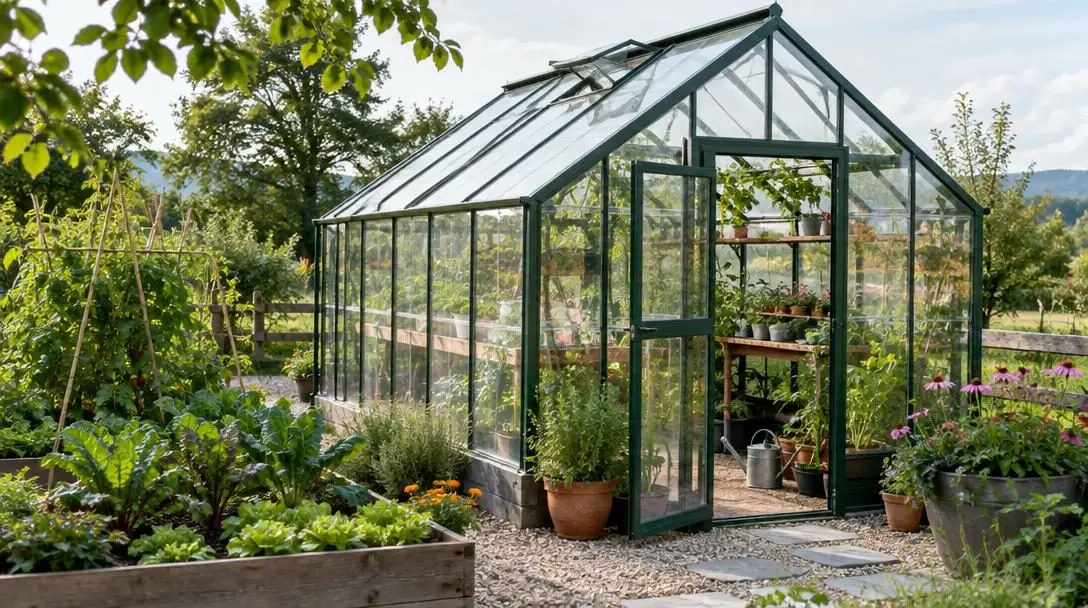
Interior layout accessories also help maximize usable square footage. Multi-tiered metal wire benches and slatted wooden shelving allow you to arrange seed flats vertically while letting air and water pass freely. Overhead supplemental grow lights extend day length during overcast winter months, promoting continuous vegetative growth and flowering.
To operate these systems efficiently, install dedicated monitoring equipment at plant height:
Thermometer
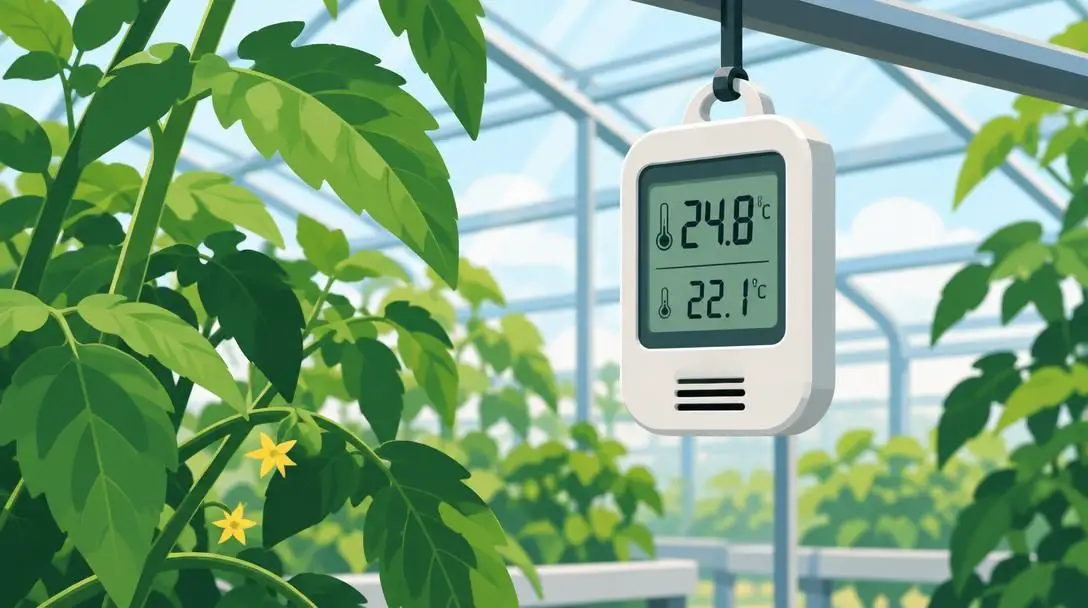
A digital minimum-maximum thermometer tracks high and low temperature spikes over 24-hour periods. This data reveals if your nighttime heating drops low enough to trigger plant dormancy or if midday heat spikes threaten delicate seedlings, allowing you to fine-tune vents and heater thresholds.
Hygrometer
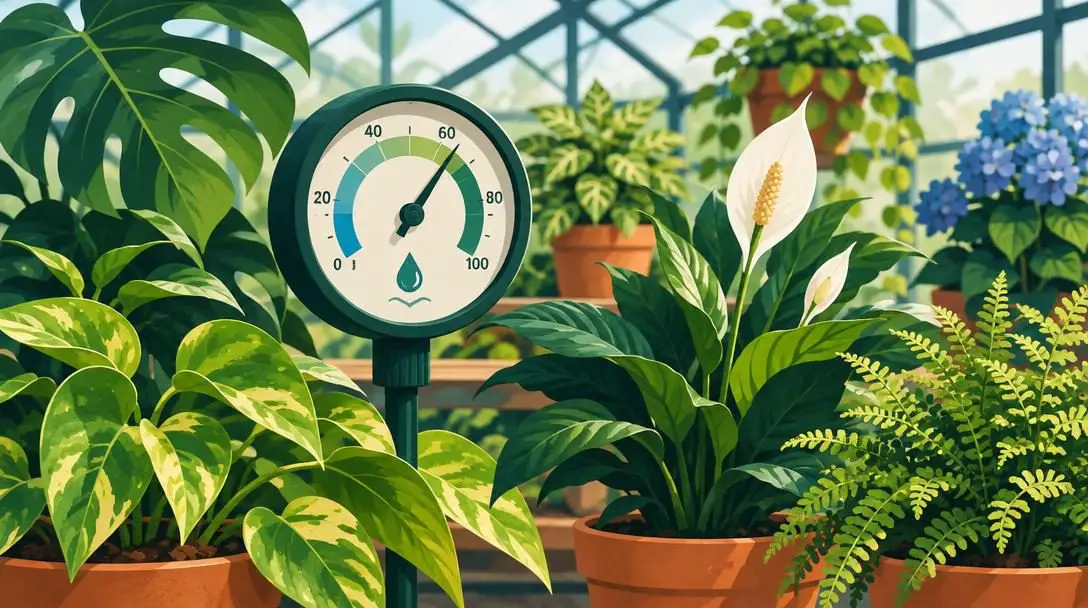
A hygrometer monitors the relative humidity of the air. By keeping humidity within an optimal range (typically between 50% and 70%), you can prevent dry air from stressing leaf tissue while stopping excessive moisture buildup from fueling powdery mildew and botrytis blight.
Light meter
A light meter measures the intensity of photosynthetically active radiation reaching your plant canopy. Measuring foot-candles or lux helps you decide when to remove shade cloth in autumn, reposition shade-loving herbs, or switch on supplemental LED grow lights during dark winter stretches.
Year-Round Cultivation Practices and Pitfalls
With an insulated, ventilated environment, your planting schedule is no longer bound to the local frost-free calendar. In early spring, the greenhouse acts as an incubator for seed trays, germinating warm-season staples like beefsteak tomatoes, sweet bell peppers, and slicing cucumbers weeks before outdoor soils warm. During summer, heat-loving crops thrive under monitored conditions, insulated from torrential summer storms. In late autumn and winter, clean the benches to make room for cold-hardy greens, loose-leaf lettuces, spinach, radishes, carrots, and sweet winter strawberries.
Because the greenhouse environment accelerates plant metabolism, regular care routines must adapt accordingly:
- Adjust watering schedules: Container soils dry out quickly under direct greenhouse sun, requiring frequent irrigation in summer. However, always scale back water delivery during cold, overcast weeks when plant transpiration drops, as damp, cold root zones invite damping-off fungi and root rot.
- Maintain soil nutrients: Frequent watering washes soluble nutrients out of potted plant media. Replenish nutrients with scheduled applications of balanced liquid fertilizers or slow-release organic amendments to prevent chlorosis and maintain vigorous foliage.
- Conduct proactive pest checks: Greenhouse conditions are just as appealing to pests as they are to plants. Without natural outdoor predators, isolated populations of aphids, red spider mites, thrips, and whiteflies can multiply rapidly. Inspect the undersides of leaves weekly, hang yellow sticky cards near benches, and introduce beneficial predatory insects or organic insecticidal soaps at the first sign of an outbreak.
- Avoid overcrowding: Grouping pots too tightly prevents airflow through the lower plant canopy and blocks low-angle sunlight. Maintain deliberate spacing between mature plants to let air circulate freely and keep foliage dry.
Frequently asked questions
Do I need a building permit to put up a backyard greenhouse?
Permit requirements depend on your municipality, the total square footage of the structure, and whether the greenhouse includes permanent concrete foundations, running plumbing, or hardwired electrical service. Many small, modular kits fall under accessory structure exemptions, but you should always check local zoning laws, setback requirements, and HOA guidelines prior to building.
Which glazing material is better: glass or polycarbonate?
Traditional horticultural glass provides unmatched clarity, superior longevity, and a classic look, but it is heavy, fragile, and offers low insulation. Multi-wall polycarbonate sheets are lightweight, impact-resistant against hail, and feature internal air pockets that deliver superior thermal insulation, making polycarbonate the more practical, energy-efficient choice for most modern growers.
Can a greenhouse stay warm in the winter without an active heater?
While an unheated greenhouse will trap warmth during sunny days, it will rapidly lose that heat overnight and drop close to the outdoor ambient temperature. Passive thermal mass, such as large dark-colored water drums that absorb solar heat during the day and radiate it at night, can prevent light freezes, but maintaining sensitive warm-weather crops through deep freezes requires an active heating system.
How much ventilation does a standard greenhouse require?
As a general rule, the total area of operable roof and wall vents should equal at least 15% to 20% of the total floor area of the greenhouse. This ratio ensures enough air movement to cycle hot air out through the roof while pulling fresh, cool air in through lower openings without generating heat traps.
How do I prevent algae and moss from growing inside the structure?
Algae and moss thrive on damp, shady framing surfaces and pooling water. You can minimize growth by keeping floor gravel well-drained, running circulation fans to reduce ambient humidity, washing interior glazing annually with a mild horticultural soap, and promptly wiping down excessive condensation from framing ledges.
The bottom line
Building a home greenhouse transforms your relationship with the natural growing calendar, turning unpredictable weather from a persistent challenge into a manageable variable. By matching the right greenhouse design and structural materials to your yard, preparing a square, level foundation, and installing balanced ventilation systems, you create a robust growing sanctuary that shields your crops across every season. Whether your goal is propagating spring seedlings early, picking fresh salad greens in January, or nurturing exotic specimens year-round, thoughtful planning and consistent environmental monitoring will ensure your greenhouse remains productive, healthy, and rewarding for years to come.