How to Choose the Right Garden Tools for Your Needs
Gardening is a deeply fulfilling and rewarding pursuit that allows people to connect directly with nature while nurturing beautiful flowers, lush foliage, and productive backyard beds. Whether you are caring for a compact patio planter or tending to an expansive residential yard, your overall success relies fundamentally on the implements you bring to the soil. Having the right tools on hand makes everyday gardening activities comfortable and manageable, preventing the quick onset of physical fatigue, hand blisters, and mechanical frustration.
Beyond comfort, selecting purpose-built garden gear noticeably enhances the quality of your outdoor space. Using the proper equipment allows you to execute essential chores more effectively, encouraging healthier root systems, improving soil aeration, and keeping plants resilient against pests and disease. Understanding how different hand and power tools operate enables you to build a practical, durable kit that matches both your property's dimensions and your physical capabilities.
Key takeaways
- Matching tools directly to specific yard tasks prevents premature physical exhaustion and improves overall plant health.
- Hand tools provide precision and quiet feedback for compact spaces, while motorized power tools save time across sprawling properties.
- Ergonomics, balanced weight, and sturdy material construction are critical factors that determine a tool's safety and long-term durability.
- Checking for at least a one-year warranty and choosing gear that is easy to sharpen and clean at home protects your investment.
Hand Tools for Precision and Detail Work
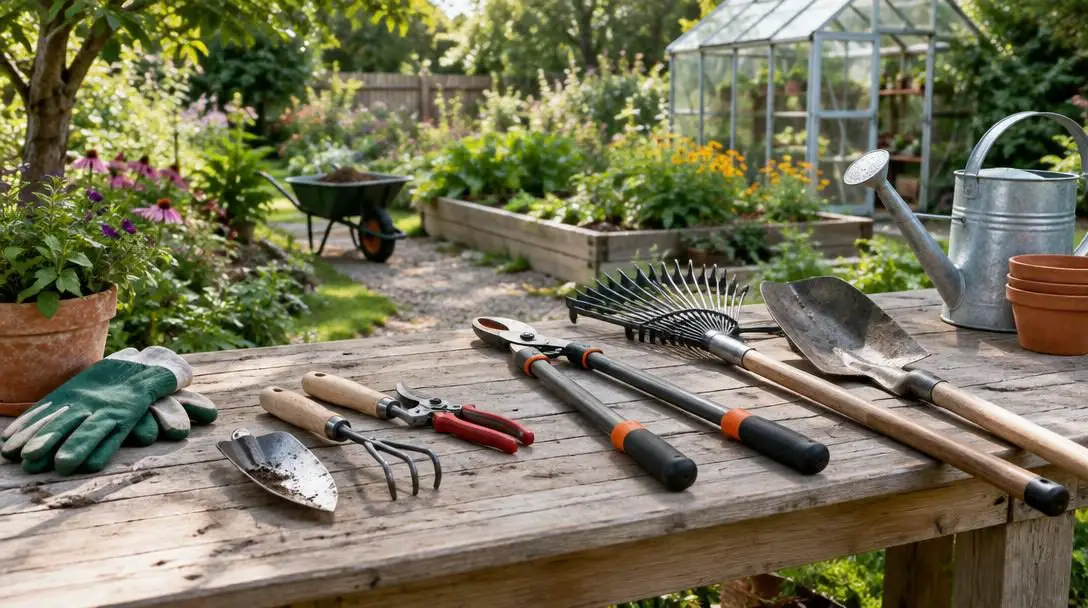
Hand tools represent the traditional foundation of horticultural work and have been relied on by growers for centuries. They are ideally suited for compact flowerbeds, container planters, and gardeners who enjoy a quiet, deliberate approach to outdoor labor. Operating without electrical cords, fuel tanks, or rechargeable batteries, hand equipment offers immediate tactile feedback and high precision across varied gardening duties.
Digging Tools
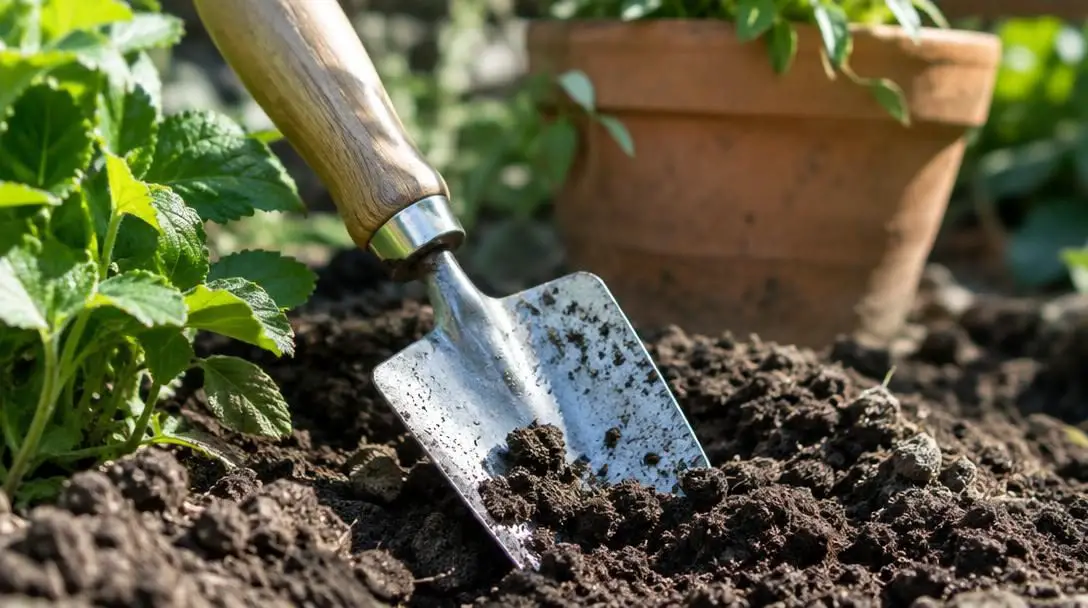
Digging implements serve as the primary gear for preparing garden soil, burying seasonal bulbs, and transplanting delicate seedlings. Common examples include trowels, spades, shovels, and hoes. A handheld trowel is indispensable for tight, close-up planting in raised beds or decorative containers. In contrast, full-sized shovels and spades provide the leverage and blade surface needed for shifting large volumes of soil, digging boundary trenches, or breaking through compacted topsoil.
Cutting and Pruning Tools
Maintaining the structure and vigor of trees, shrubs, and ornamental bushes requires dedicated cutting and pruning instruments. This group includes shears, loppers, and pruning saws. These tools are also essential for deadheading plants that have finished their blooming or fruiting cycle. Using a properly sharpened cutting implement ensures clean cuts through plant tissue rather than crushing or tearing stems, which protects the plant from unnecessary stress and fungal vulnerability.
Weeding Tools
Weeding tools are engineered to eliminate unwanted plant competitors from flowerbeds, vegetable rows, and gravel paths. Popular weeding implements include hand cultivators, specialized weeders, and hoes. These tools enable gardeners to sever taproots beneath the dirt or pry out deep-rooted invasive plants without disturbing the delicate surface roots of neighboring ornamental plantings.
Raking and Leveling Tools
Raking and leveling tools are used to clear fallen organic matter, smooth seedbeds, and level topsoil before and after planting. Key tools in this category include garden rakes, lawn rakes, and hand forks. While rigid garden rakes break down dense dirt clods and distribute soil amendments evenly, light and flexible lawn rakes sweep up grass clippings and fallen leaves without gouging the lawn surface.
Power Tools for Expansive Landscapes and Fast Results
Power tools are engineered for larger properties, demanding landscaping workloads, or gardeners who want to complete labor-intensive tasks in a fraction of the time. They are also exceptionally useful for individuals experiencing mobility limitations or joint pain, as mechanical motors absorb much of the strain that would otherwise fall on human muscles.
Lawnmowers
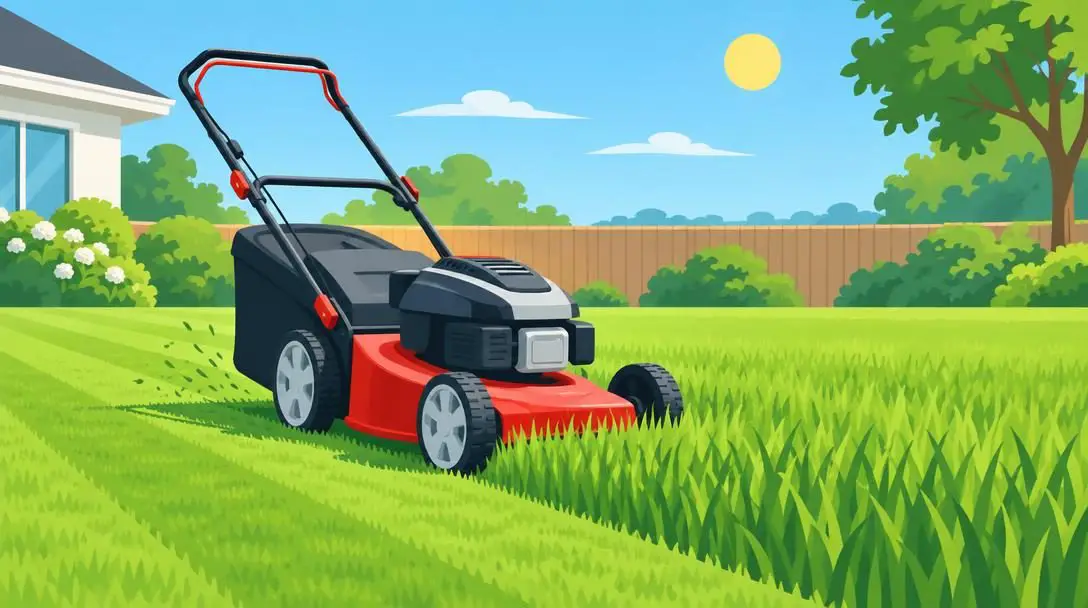
- Primary function: Cutting grass and maintaining neat, uniform turf
- Configurations: Electric corded, battery-powered, gas-powered, and manual reel
- Ideal application: Level turf, open lawns, and large residential expanses
Lawnmowers are essential for keeping turfgrass trimmed, neat, and healthy throughout the active growing season. The ideal mower configuration depends on your lawn's square footage, the slope of your terrain, and the frequency of your mowing schedule. Manual reel mowers work well on tiny, flat patches of grass, while electric and battery mowers offer quiet, emission-free operation for suburban lots. Gas-powered models deliver the extended runtime and power necessary for dense grass and sprawling acreage.
Hedge Trimmers
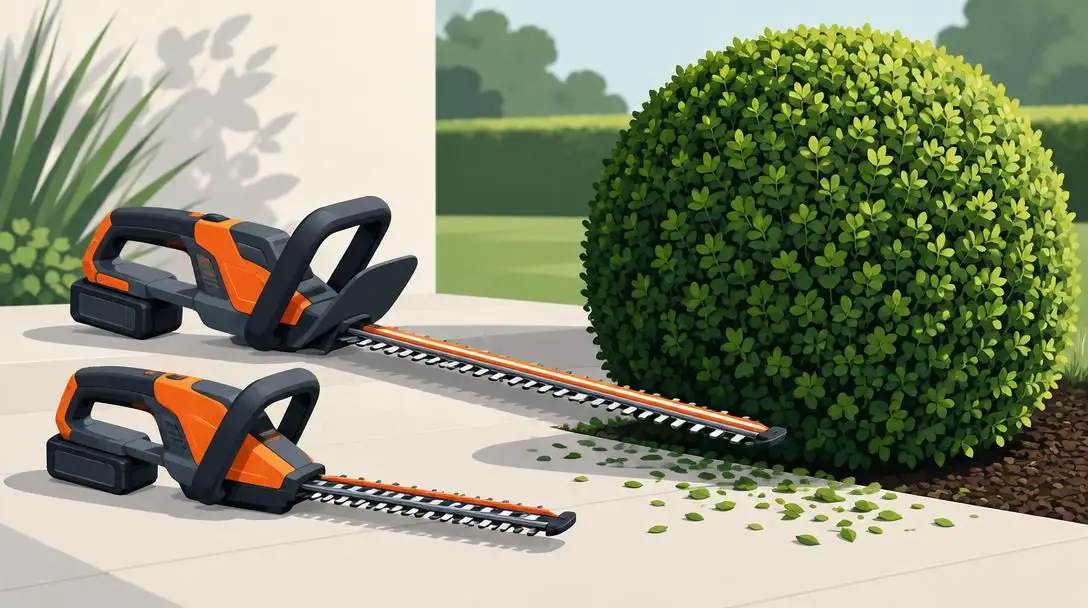
- Primary function: Sculpting, trimming, and shaping dense hedgerows and bushes
- Configurations: Electric, battery, gas-powered, and manual shears
- Ideal application: Long privacy borders, mature shrubbery, and topiary
Hedge trimmers take the exhausting work out of shaping perimeter greenery, foundation plantings, and overgrown shrubs. Powered hedge trimmers utilize two reciprocating blades lined with teeth that slide past one another at high speeds to snip stems instantly. This motorized action allows gardeners to establish clean, crisp lines across long hedges with minimal shoulder and arm fatigue compared to repetitive manual clipping.
Leaf Blowers
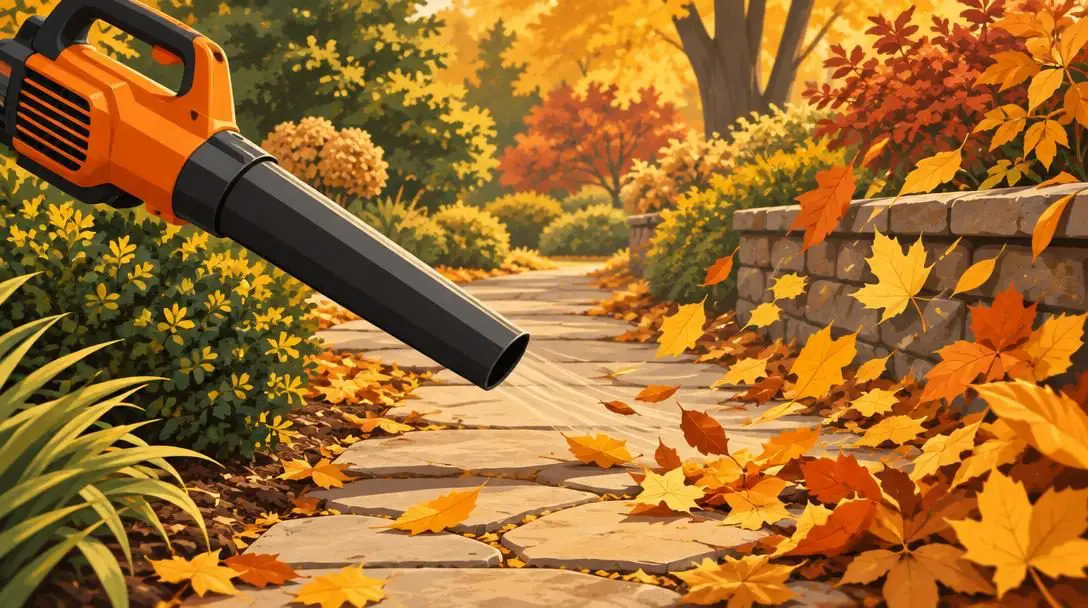
- Primary function: Clearing fallen foliage and organic garden debris
- Configurations: Electric corded, battery-operated, and gas-powered models
- Ideal application: Driveways, stone walkways, patios, and expansive lawns
Leaf blowers offer a rapid method for clearing loose autumn leaves, grass trimmings, and pathway debris. By generating focused, high-velocity airflow via an internal impeller, these tools herd loose material into manageable collection piles. Battery-powered blowers provide lightweight convenience for quick cleanup sessions around porches and walks, while gas models offer the sustained power required to displace damp, heavy leaves across extensive grounds.
Comparing Common Garden Power Equipment
Selecting the right motorized equipment requires weighing power sources, operational demands, and yard requirements. The table below outlines how common power tools compare across key practical attributes.
| Tool Type | Available Power Sources | Primary Garden Function | Key Maintenance Focus |
|---|---|---|---|
| Lawnmowers | Manual, Electric, Gas | Cutting and maintaining turfgrass | Blade sharpening, deck cleaning, engine servicing |
| Hedge Trimmers | Manual, Electric, Gas | Shaping hedges and woody shrubs | Blade lubrication, resin removal, teeth alignment |
| Leaf Blowers | Electric, Battery, Gas | Gathering leaves and surface debris | Air intake cleaning, impeller inspection, battery care |
Mechanical Principles Behind Garden Gear
Every gardening implement relies on specific structural and mechanical principles to maximize efficiency and protect the user from strain. Digging tools such as spades, shovels, and hoes operate on the mechanical principles of the lever. The length of the shaft acts as a lever arm that multiplies the physical force applied by your body, allowing you to lift heavy soil or pry up embedded rocks with manageable effort. The angle and sharpness of the blade determine how smoothly the tool cuts through packed earth and fine roots.
Cutting and pruning instruments concentrate manual force directly onto sharpened edges. Hand pruners and long-handled loppers rely on scissor or anvil configurations positioned close to a heavy pivot point. This mechanical setup increases cutting leverage, delivering sufficient pressure to slice cleanly through tough branches without twisting the stems or damaging surrounding bark.
Using the right cutting implement helps ensure clean cuts that do not crush or tear plant tissues.
Power tools replace manual force entirely by utilizing electric motors or combustion engines. In a lawnmower, an internal motor spins a hardened horizontal blade at rapid speeds to slice grass blades cleanly. In hedge trimmers, the motor powers reciprocating blades that shear foliage continuously. Leaf blowers utilize high-speed impellers to compress and direct air. Across all power equipment, the balance between tool weight, motor output, and vibration control determines how comfortably and safely you can operate the device.

Key Factors to Consider Before Buying
Investing in garden gear requires evaluating your specific landscape and physical needs to avoid wasting money on impractical tools:
- Garden Size: The physical expanse of your property dictates whether manual tools suffice or motorized tools are necessary. Compact courtyards and small urban plots rarely require heavy machinery, whereas vast yards almost always benefit from the efficiency of power tools.
- Planned Gardening Activities: Tailor your purchases to the actual work your yard demands. If you focus primarily on seasonal bedding plants, prioritize hand trowels and bypass pruners. If you manage long shrub borders or wide turf areas, invest in quality hedge trimmers and raking equipment.
- Tool Durability and Quality: High-grade tools made of sturdy, weather-resistant materials survive years of rigorous use. Inferior metals buckle under pressure or develop heavy rust after brief exposure to outdoor humidity and damp soil.
- Tool Ergonomics: Ergonomics plays an essential role in preventing repetitive stress injuries. Select equipment featuring comfortable, slip-resistant grips, balanced center-of-gravity distribution, and lightweight builds that do not strain your hands or lower back.
- Budget Planning: Garden tools range from inexpensive budget items to premium commercial-grade machinery. Establish a clear budget, but favor durable items that last rather than low-cost alternatives that break during their first season.
How to Select and Purchase the Right Tools
To avoid impulse buys and assemble a reliable set of tools, follow this methodical selection process:
- Assess your seasonal gardening tasks: Write down the chores you routinely perform, such as digging beds, cutting back woody perennials, weeding borders, or blowing lawn debris, to keep your purchases focused.
- Research models and read user reviews: Visit reputable gardening websites, review product performance feedback, and ask gardening friends for their practical opinions on reliable brands.
- Test the grip and physical balance: Hold the tool in your hand before purchasing whenever possible. Ensure the handle feels comfortable, the grip does not slip, and the implement does not feel awkward or front-heavy.
- Check the overall weight and handle length: Confirm that the tool is neither too heavy to lift repeatedly nor too short for your height, which would force you into uncomfortable bending.
- Verify warranty coverage: Look for tools supported by a manufacturer warranty of at least one year or more, providing security if structural defects arise during regular use.
- Select tools that are easy to maintain: Choose implements that feature accessible components, simple cleaning routines, and cutting surfaces that you can easily sharpen at home.
Common Tool Selection Mistakes to Avoid
Many gardeners end up with broken gear or painful muscle fatigue due to avoidable purchasing mistakes. Stay mindful of these common traps:
- Choosing low purchase prices over long-term durability: Inexpensive tools made from weak, stamped metals easily bend under pressure or snap at the neck when prying through clay soil.
- Ignoring handle ergonomics and tool weight: Heavy implements with slick, poorly shaped handles quickly cause blisters, wrist inflammation, and general body fatigue.
- Using the wrong implement for the job: Employing delicate hand shears to lop thick branches or using a light leaf rake to level heavy dirt damages both the tool and the landscape.
- Overlooking future maintenance needs: Buying tools with overly complex parts or proprietary fasteners makes routine cleaning and sharpening exceptionally difficult.
- Overbuying heavy power equipment for small spaces: Purchasing bulky gas-powered machinery for a small backyard adds unnecessary fuel maintenance, noise, and storage clutter when hand tools or compact electric models would do the job.
Long-Term Care, Storage, and Equipment Maintenance
Once you have acquired the right tools, establishing a regular maintenance and storage routine will protect your investment and keep your equipment performing at its best for years to come.
Begin by setting up an organized, dry storage location. Keeping hand tools and power equipment in a weather-protected shed or garage shields metal components from rain, morning condensation, and extreme temperature changes that encourage rust and degrade plastic housings. Hanging tools from sturdy wall hooks or pegboards prevents cutting blades from becoming blunted against concrete floors while keeping walkways safe and clutter-free.
Make cleaning a standard habit after every outdoor work session. Wipe away damp soil, vegetative sap, and plant debris using a clean cloth or stiff brush before hanging tools up. Periodically sharpen the cutting edges of your shears, spades, and mower blades with a whetstone or mill file so they continue to slice cleanly through vegetation and compacted ground. Finally, re-evaluate your collection as your yard matures; changes in tree size, garden layout, or your own physical comfort may require adding specialized weeding tools, transitioning to lightweight battery-powered devices, or replacing worn components covered by warranty.
Frequently asked questions
How do I know whether I need hand tools or power tools?
The choice between hand and power tools depends primarily on your garden's size, the volume of work, and your physical needs. Hand tools are ideal for smaller plots, raised beds, container gardens, and detail-oriented chores. Power tools are better suited for large lawns, expansive hedges, heavy debris clearing, or for gardeners with mobility challenges who need to reduce physical strain.
Why is a tool's ergonomic design so important?
Ergonomics determines how comfortably and safely a tool fits your body. Tools with ergonomic grips, proper balance, and lightweight construction reduce hand strain, minimize the risk of blisters, and prevent repetitive stress injuries during prolonged gardening sessions.
What length of warranty should I look for when buying garden tools?
It is best to choose garden tools that come with a manufacturer warranty of at least one year or more. A warranty of this length protects you against premature product failures, manufacturing defects, or broken components that occur during regular use.
How does using the wrong pruning tool harm plants?
Using the wrong cutting tool, such as attempting to cut a thick branch with small hand shears, can crush, tear, or twist plant tissue instead of creating a clean slice. Torn bark and crushed stems heal slowly and leave plants more vulnerable to pest infestations and fungal diseases.
What is the most effective way to care for tools between uses?
After each use, wipe away dirt, moisture, and plant sap with a dry cloth or brush, and store the tools in a dry, sheltered location off the floor. Periodically sharpen cutting blades and check that moving joints remain clean and properly aligned.
The bottom line
Building an effective garden toolkit does not require buying every gadget on the market. Instead, success comes from evaluating the real tasks your landscape demands, choosing durable materials over bargain prices, and selecting implements that feel balanced and comfortable in your hands. By pairing reliable hand tools for precision with efficient power tools for heavy chores, and caring for your gear through routine cleaning and dry storage, you can ensure a productive, comfortable, and rewarding gardening experience season after season.