How To Choose Your Roofing Material
Every home relies on its roof as the primary barrier against relentless weather, shifting seasonal temperatures, and natural environmental wear. Over time, constant exposure will inevitably cause even the most durable overhead structures to deteriorate. Recognizing when an existing installation is nearing the end of its useful service life is essential for maintaining the physical and structural integrity of your property.
Replacing a compromised roof delivers immediate structural protection by preventing water infiltration that can rot structural framing, ruin ceiling drywall, saturate attic insulation, and foster harmful interior mold growth. Beyond basic defense, an updated roof can enhance property resale value and potentially lower your homeowner insurance premiums, as insurers favor modern roofs that mitigate catastrophic leak claims. Selecting the ideal replacement requires evaluating different materials against your budget, local climate, and architectural style.
Key takeaways
- Replacing an aging roof protects structural framing from moisture damage, improves property resale value, and may lower homeowners insurance premiums.
- Asphalt shingles provide a dependable, cost-effective roofing solution with an average lifespan of about 20 years.
- Wooden shingles made from cedar, pine, or redwood deliver a warm, natural aesthetic but require regular maintenance and may be restricted by regional fire codes.
- Metal roofing engineered from aluminum, copper, or steel provides superior resistance against extreme weather and can endure for several decades.
- A successful roofing project depends on reviewing building codes, setting a comprehensive budget, and hiring specialized, vetted contractors.
Evaluating Common Residential Roofing Materials
A residential roof operates as an engineered moisture barrier where the visible exterior surface works in tandem with structural decking, water-resistant underlayment, sheet metal flashing, and attic ventilation systems. The primary function of your roof covering is to shed water, deflect sunlight, resist high winds, and form an impenetrable layer against heavy rain, snow, and falling debris. How successfully these functions are executed over time depends on the physical properties of the chosen material.
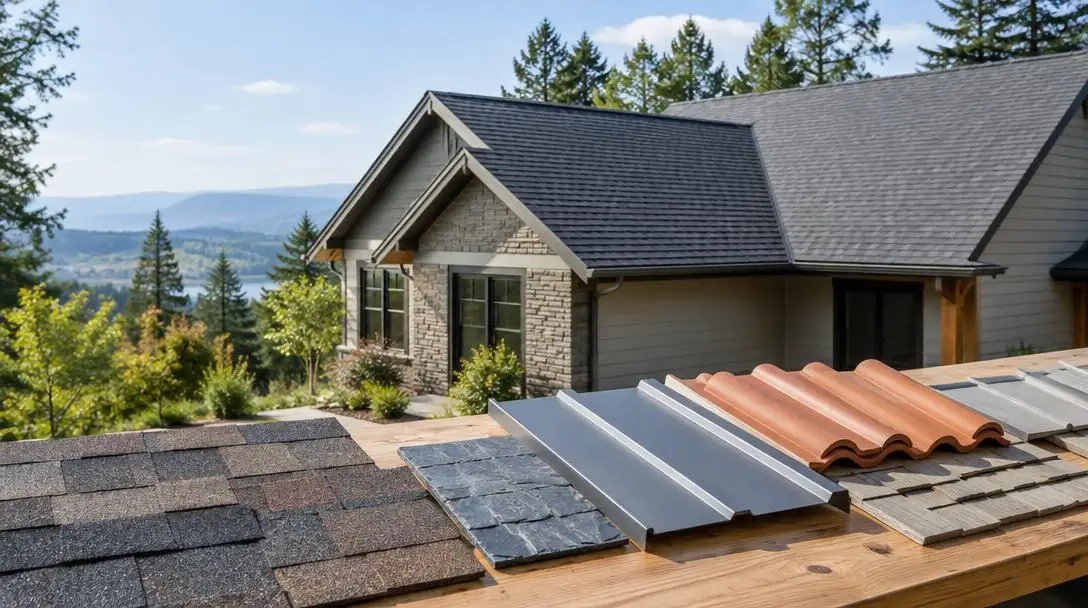
Today, homeowners can select from conventional asphalt options, rustic natural wood, or high-performance architectural metals. Deciding which material best fits your home involves comparing longevity, installation complexity, maintenance demands, and structural requirements.
| Roofing Material | Primary Composition | Typical Lifespan | Upfront Cost | Key Advantages | Important Considerations |
|---|---|---|---|---|---|
| Asphalt Shingles | Fiberglass mat, asphalt coating, mineral granules | Around 20 years | Cost-effective | Affordable, straightforward installation, versatile style | Shorter lifespan than metal, vulnerable to severe storms |
| Wooden Shingles | Cedar, pine, or redwood | Roughly 20 years | Moderate | Natural organic look, customizable stains, timeless charm | Demands ongoing care; prohibited by some local fire codes |
| Metal Roofing | Aluminum, copper, or steel | Several decades | Most expensive | Exceptional weather resistance, minimal maintenance | Complex installation requirements; highest initial investment |
Asphalt Shingles
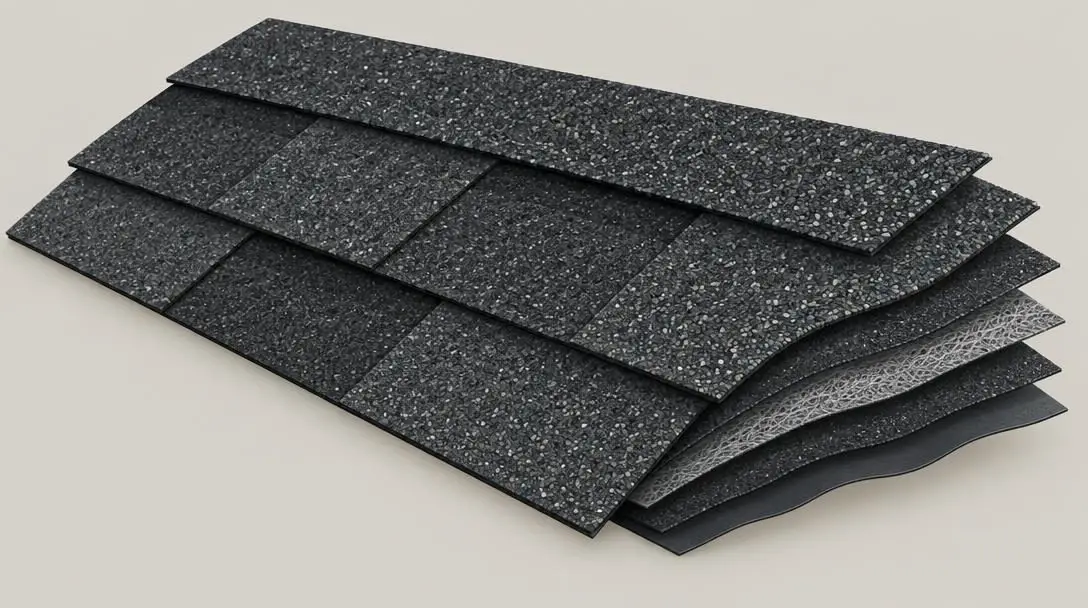
- Core Composition: Fiberglass mat core sealed with an asphalt coating and surface granules
- Average Lifespan: Approximately 20 years
- Relative Cost: Most cost-effective option
- Installation Complexity: Easiest to install
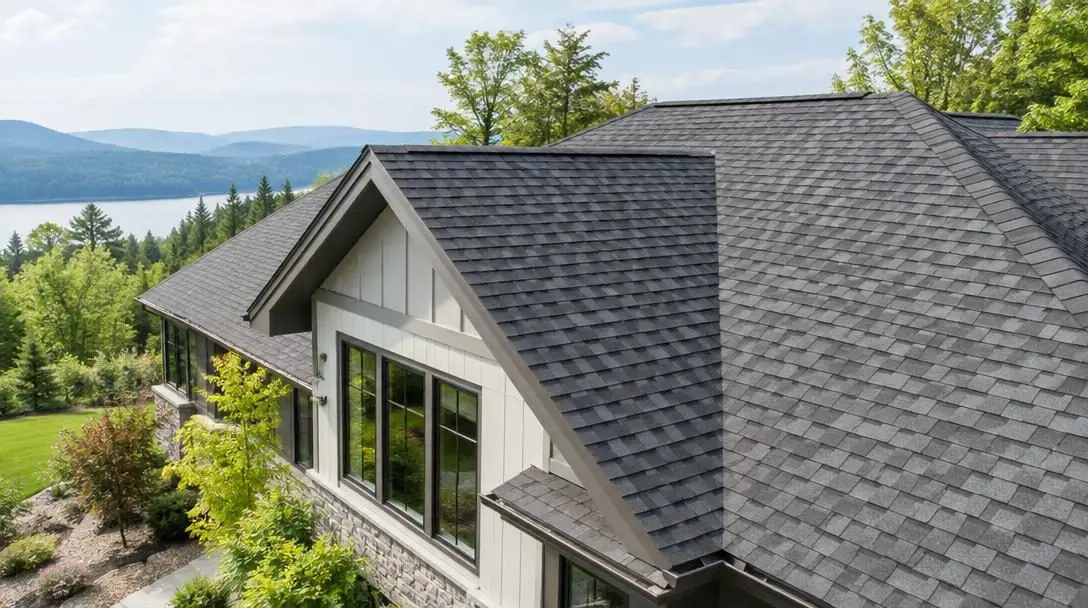
Asphalt shingles are the most common roofing material installed across residential properties today. While named for their petroleum-based binder, modern asphalt shingles are manufactured around an inner core of woven fiberglass. This fiberglass mat provides structural stability, high tensile strength, and reliable tear resistance during severe weather. An exterior coating of asphalt is applied over both sides of the mat to seal the roof against moisture penetration.
The top side of each shingle is embedded with finely ground mineral granules. These ceramic-coated granules serve as a sacrificial shield, deflecting intense ultraviolet sunlight that would otherwise degrade and dry out the underlying asphalt binder. Under standard climatic conditions, a properly installed asphalt shingle roof will last for about 20 years before physical wear necessitates a tear-off and replacement.
Homeowners frequently gravitate toward asphalt because it remains the most cost-effective and easiest material to install. The straightforward installation process lowers professional labor expenses, making asphalt an ideal choice for property owners seeking an optimal balance between low upfront expenditure and dependable residential protection.
Wooden Shingles
- Primary Species: Cedar, pine, or redwood
- Average Lifespan: Roughly 20 years under normal conditions
- Maintenance Requirement: High (needs periodic cleaning, treating, and staining)
- Code Restrictions: Often restricted in high-risk wildfire zones
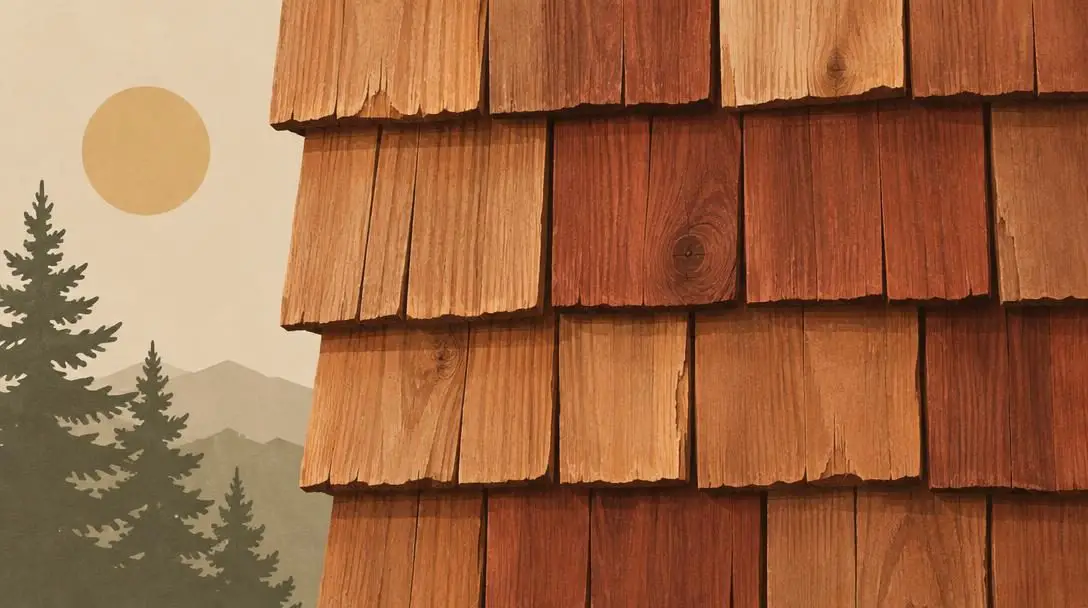
Prior to the broad adoption of manufactured asphalt products, wooden shingles served as the standard choice for home construction. Today, wood remains a classic, traditional alternative for homeowners who want to step away from synthetic surfaces. Wood shingles are valued for their organic appearance, offering distinct grain patterns, natural textures, and subtle dimensional variations that synthetic materials struggle to replicate authentically.
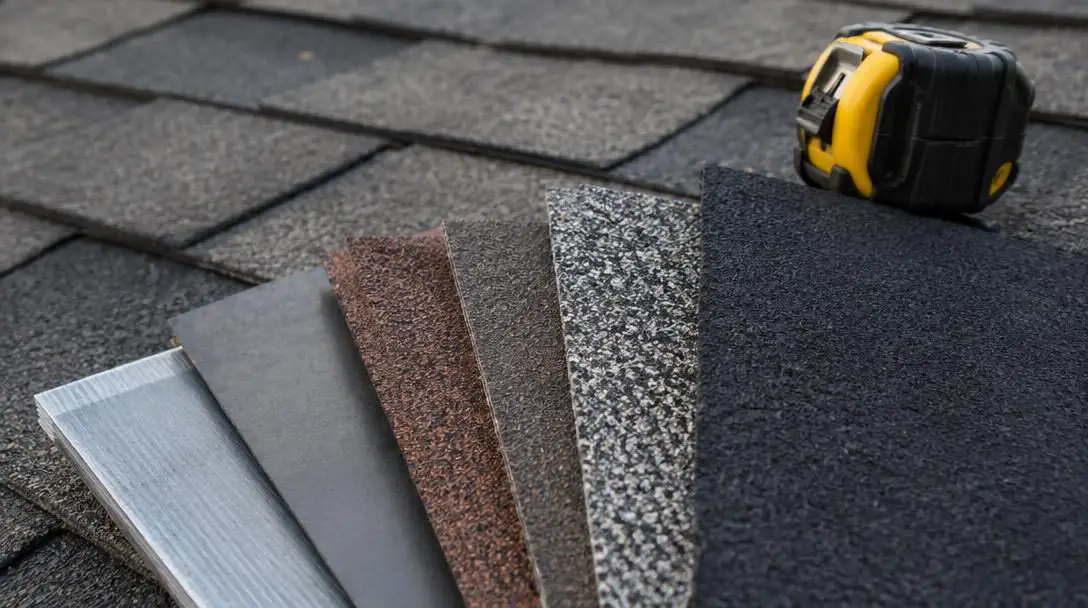
Most wooden shingles are milled from cedar, pine, or redwood due to the natural oils within these wood species that deter decay. Additionally, wood shingles can be treated with specialized stains or clear sealants to achieve custom finishes that harmonize with exterior wall siding, trim, and surrounding landscapes. When maintained under typical weather conditions, wooden shingles provide a service life comparable to asphalt, lasting roughly two decades.
However, because wood is an organic substance, it continuously absorbs and releases environmental moisture. This characteristic requires consistent maintenance to prevent moss growth, wood rot, and splitting. Furthermore, municipal building codes in areas prone to seasonal brush fires often restrict or ban wooden shingles entirely, making regulatory research mandatory before purchasing supplies.
Metal Roofing
- Available Materials: Aluminum, copper, or steel
- Average Lifespan: Several decades
- Relative Cost: Most expensive upfront option
- Installation Format: Individual shingles or broad welded panels
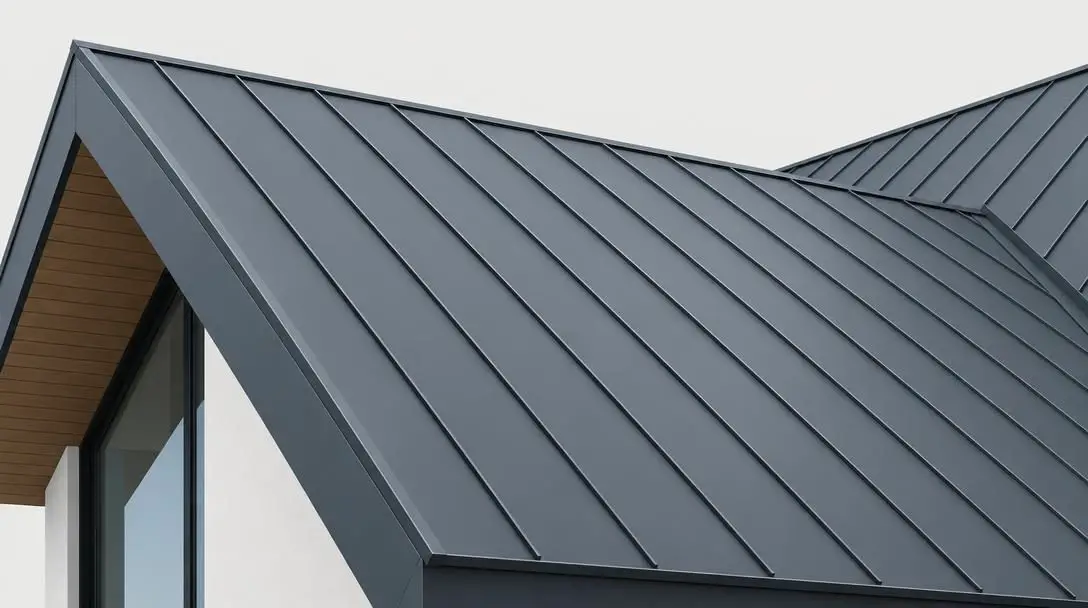
Metal roofing has surged in residential popularity due to its extreme durability and modern aesthetic. Engineered to withstand harsh environmental conditions, metal easily resists high wind lift, heavy precipitation, and intense heat waves without cracking, curling, or eroding. It is common for a professionally installed metal roof to last for several decades without requiring significant structural repairs or complete replacement.
Manufacturers produce residential metal systems primarily from aluminum, copper, or steel. Steel offers remarkable structural strength, aluminum provides exceptional resistance to corrosion, and copper develops a distinctive natural patina over time. Metal roofing is manufactured either as interlocking shingles that mimic traditional shapes or as long standing-seam panels. During panel installations, seams are carefully interlocked or welded together to form broad, continuous, impervious water barriers.
Because of its prolonged lifespan and intricate installation techniques, metal represents the most expensive standard roofing material. However, many property owners treat the substantial initial cost as a long-term investment, knowing that the roof will require negligible maintenance while providing unmatched durability throughout their homeownership.
Replacing a worn-out roof provides immediate structural benefits by protecting your home from costly water damage caused by leaks down the road.
Practical Steps for Selecting and Installing Your Roof
Managing a roof replacement requires methodical preparation, budget forecasting, and close coordination with specialized trade contractors. Following a structured series of practical steps ensures you select a compatible material and secure an installation that performs reliably for decades.
- Assess the current condition of your roof: Inspect your roofline from ground level to identify sagging planes, missing shingles, or curling edges. Examine the attic interior for active moisture leaks, light penetration, rotted structural decking, or damp insulation that must be repaired before new materials are applied.
- Evaluate your existing material: Document your current roof covering. It is usually most affordable and structurally straightforward to install the same material because the underlying trusses, decking, and flashings are already configured to support its specific weight and profile.
- Review local regulations and neighborhood rules: Consult your municipal building department to verify local code mandates, particularly regarding fire safety restrictions on wood products. Check homeowner association (HOA) covenants to ensure chosen colors, panel profiles, and textures meet community design standards.
- Determine your overall budget: Calculate your total available funds, accounting for material acquisition, tear-off fees, labor, and contingency buffers. Remember that asphalt delivers the lowest upfront cost, wood necessitates recurring maintenance funding, and metal requires the greatest initial capital.
- Consult your home insurance carrier: Contact your insurance representative to ask if specific upgrades, such as impact-rated asphalt or fire-resistant metal roofing, qualify your property for policy premium discounts.
- Source qualified contractors: Interview licensed and insured roofing companies that showcase documented experience installing your chosen material. Working with specialized crews is essential for complex installations like welded metal panels.
- Obtain detailed written estimates: Collect itemized bids that clearly distinguish labor expenses, material grades, disposal fees for the old roof, underlayment specifications, flashing replacements, and workmanship warranty terms.
- Schedule the installation: Book your replacement during a window of dry, stable weather to keep your home protected from water intrusion while the original surface is stripped down to the bare deck.
Common Mistakes to Avoid
A full roof replacement represents one of the largest capital investments a homeowner will make. Avoiding frequent missteps will safeguard your budget and guarantee the structural longevity of your house.
- Focusing only on the initial price: Opting for the lowest bid or the cheapest material without considering regional climate stressors can produce higher lifetime costs through frequent repairs, early deterioration, or premature structural replacement.
- Ignoring municipal building codes: Purchasing unapproved materials, such as untreated wooden shingles in designated fire zones, can trigger stop-work orders, costly tear-downs, and municipal fines.
- Overlooking HOA guidelines: Installing a non-compliant shingle color or industrial metal profile without neighborhood architectural approval can lead to community disputes and mandatory removal expenses.
- Neglecting maintenance demands: Installing wooden shingles without planning for periodic cleaning, debris clearing, and chemical treatments will result in rot, moss infestations, and early moisture failure.
- Attempting complex installations without proper experience: Working with welded metal panels or custom metal flashing requires specialized tooling and mechanical training. Improperly seated fasteners or unsealed seams quickly lead to hidden roof leaks.
- Hiring unvetted or inexperienced contractors: Entrusting your project to unverified laborers compromises the integrity of the weather barrier. Hiring an experienced, reputable roofing company ensures compliance with manufacturer warranty specifications.
- Failing to replace damaged decking or flashing: Nailing new shingles over water-damaged, spongy decking or deteriorated chimney flashing traps moisture against the frame, accelerating rot inside your ceilings and walls.
Long-Term Factors to Shape Your Decision
Selecting the best roof material ultimately rests on aligning your immediate budget with long-term occupancy plans and architectural preferences. Carefully weighing these broader considerations ensures satisfaction with your investment over time.
Start by evaluating the architectural harmony of your property. Standard asphalt shingles remain remarkably versatile, complementing traditional colonial, ranch, and contemporary suburban homes. Wooden shingles crafted from cedar, pine, or redwood supply a rich, rustic warmth that pairs beautifully with craftsman bungalows, historical cottages, and coastal residences. Conversely, standing-seam metal roofing delivers a clean, sharp aesthetic that enhances modern, farmhouse, or high-end architectural builds.
Next, consider your anticipated tenure in the home. If you intend to reside in the property for decades, spending more upfront on a durable metal roof will yield significant dividends through decades of low maintenance and superior weather resilience. If you plan to sell the home within five to ten years, installing fresh asphalt shingles offers an economical way to protect your structural investment, pass home buyer inspections, and boost curb appeal without overcapitalizing.
Finally, emphasize contractor verification over raw material purchasing. Even the most durable metal panel or premium cedar shingle will fail prematurely if the roof flashing is installed incorrectly or the attic ventilation is poorly balanced. Take time to obtain multiple quotes, confirm active liability insurance, inspect references, and ensure all municipal permits are pulled prior to construction.
Frequently asked questions
How do I know when it is time to replace my roof instead of repairing it?
A full replacement is generally warranted when your roof exhibits widespread shingle curling, significant granule loss, recurring leaks across multiple locations, or when the installation approaches its 20-year operational lifespan. Localized damage from a single fallen branch can often be repaired, but extensive structural wear, sagging roof decking, or widespread moisture leaks in the attic indicate the underlying system has reached the end of its useful life.
Can installing a new roof lower my homeowners insurance premium?
Yes. Insurance providers view aging, deteriorated roofs as major liabilities for water damage and interior structural claims. Installing a brand-new roof—particularly one constructed from fire-resistant and impact-resistant materials like metal—drastically minimizes the likelihood of weather-related water infiltration, leading many insurers to offer discounts on annual premiums.
Why are wooden shingles prohibited in certain municipalities?
Wooden shingles are milled from natural timber such as cedar, pine, or redwood, which makes them combustible when exposed to windblown embers or intense heat. Consequently, municipal building codes in regions prone to seasonal brush fires, wildfires, or severe dry spells frequently ban wood roofs to mitigate community-wide fire spread.
Is metal roofing worth the higher upfront cost compared to asphalt?
Metal roofing is an exceptional investment for homeowners planning to remain in their residence long-term. While asphalt shingles carry a lower initial price and last around 20 years, metal roofing withstands severe weather, requires minimal maintenance, and lasts for several decades, effectively eliminating the need for future roof replacements.
Can I install a new roofing material directly over my existing shingles?
While some local codes allow a second layer of shingles, tearing off the old roof is strongly advised. Stripping the roof down to the wooden decking allows contractors to inspect the plywood for water rot, replace damaged boards, and install modern waterproof underlayment and new flashings before the new material is applied.
The bottom line
A home's roof is its single most vital defense against moisture infiltration, thermal loss, and weather-driven structural degradation. Whether you opt for the proven affordability of asphalt shingles, the organic architectural charm of natural wood, or the multi-decade resilience of engineered metal, the right material must balance your aesthetic vision with municipal codes and practical budget limits.
By taking time to inspect your existing structure, vetting experienced trade professionals, and addressing decking and flashing repairs during installation, you ensure your replacement roof delivers reliable, worry-free protection for decades to come.