So You Have Mice – Here’s What You Need To Know
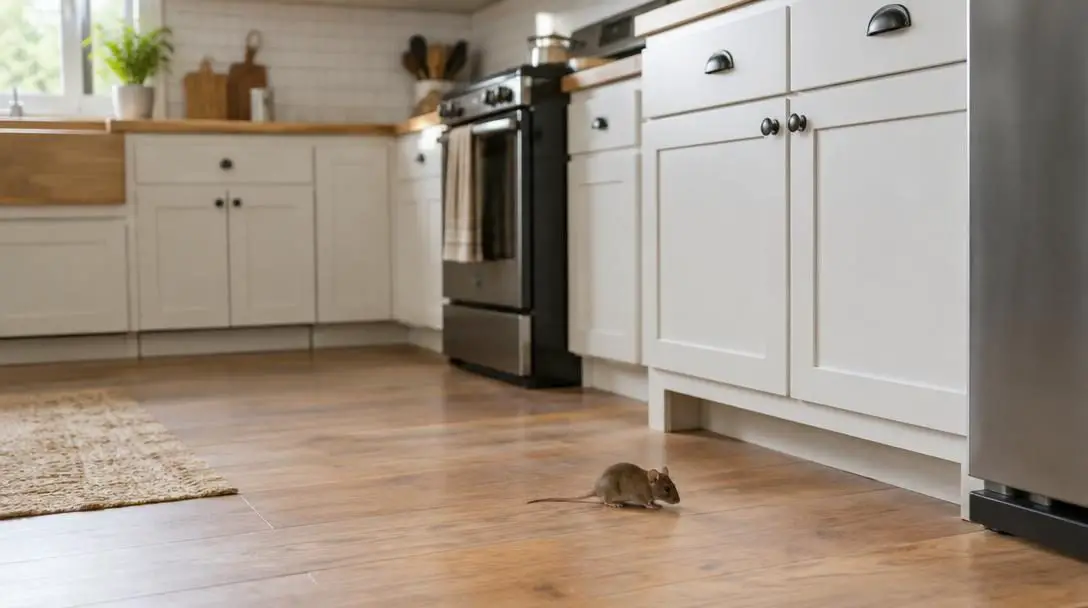
Discovering that you share your living space with mice is an unsettling experience for any homeowner. These tiny intruders can rapidly cause substantial property damage, spread serious diseases, and trigger ongoing stress and anxiety for everyone in the household. Because rodents are so small and agile, their presence easily disrupts everyday routines, contaminates surfaces where meals are prepared, and compromises structural elements throughout your residence.
When temperatures drop outdoors or natural food supplies run low, human dwellings become prime targets for curious rodents seeking protection from predators and harsh weather. Understanding what draws these creatures indoors, how they move behind your walls, and what targeted steps you can take to expel them will help you protect your home, preserve your peace of mind, and ensure a sanitary living environment for your family.
Key takeaways
- Mice enter homes in search of three primary survival resources: food, water, and nesting materials like paper and fabric.
- Concealed areas such as wall cavities, basements, and garages offer rodents undisturbed pathways and ideal nesting sites.
- Effective exclusion requires sealing exterior and interior cracks using a combination of durable wire mesh and caulk.
- Transferring pantry goods into hard plastic or glass containers removes the primary food supply that sustains an infestation.
- Long-term prevention depends on maintaining consistent sanitation, repairing plumbing leaks, and partnering with professional pest control services.
Why Mice Target Human Dwellings and Where They Settle
To address a rodent problem effectively, it helps to examine why these animals target human homes in the first place. Mice are wild creatures motivated by basic survival needs: consistent food sources, accessible water, and reliable shelter. Residential buildings provide an optimal setting because normal household routines generate food scraps, moisture, and warm, undisturbed pockets of space. When seasonal shifts bring colder weather or outdoor foraging becomes difficult, houses become refuge points offering safety from predators and climate extremes.
Once inside, mice naturally gravitate toward low-traffic zones where human interference is minimal. They frequently build their colonies inside the walls of houses, in unfinished basements, and across garages. These secluded spaces allow them to establish quiet, dark transit corridors to move between rooms without being seen. From these concealed staging grounds, rodents forage under the cover of night and retreat to safety well before daylight exposes their activity.
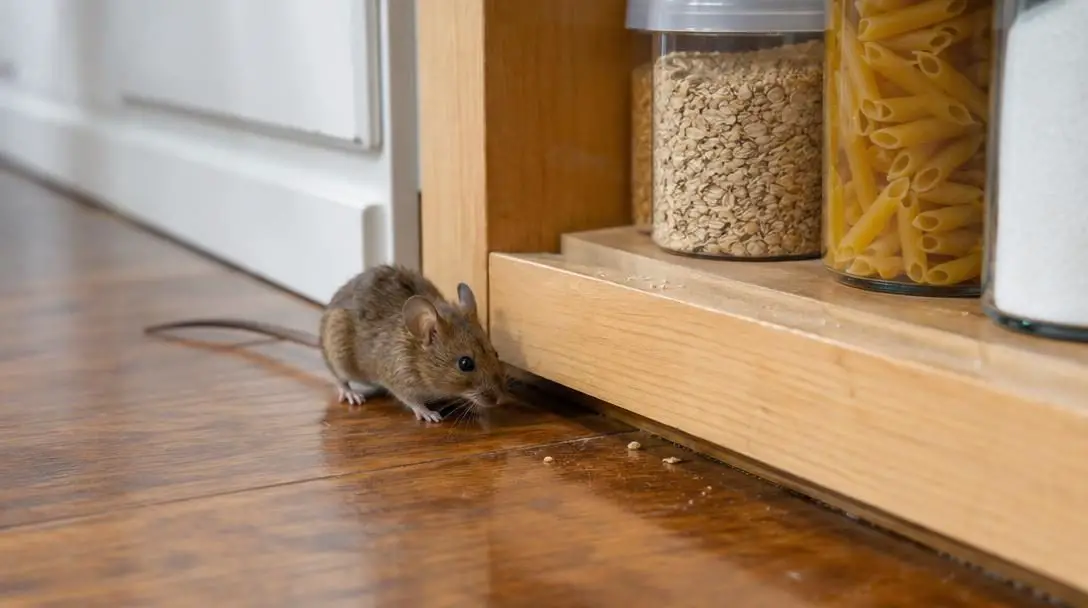
Safety is only part of the equation; mice also require abundant soft materials to construct warm nests. They seek out areas containing ample amounts of cloth, scrap cardboard, and paper. When these items sit undisturbed in storage areas such as closets, basements, and garages, female mice can quickly assemble protective nests to rear their young. Because colonies reproduce rapidly out of view, early detection and prompt intervention are vital before a minor intrusion turns into a severe infestation.
The Three Main Attractants Inside Living Spaces
Pinpointing what attracts rodents to your house is a major step toward driving them out. Mice are opportunistic scavengers capable of exploiting any overlooked resource. In typical residential environments, attractants generally fall into three distinct categories: unsealed food, available water, and readily accessible nesting materials.
| Resource Category | Common Household Sources | Rodent Exploitation Method | Recommended Countermeasure |
|---|---|---|---|
| Food | Cereal, bread, crackers, baking supplies, pet food, countertop crumbs | Gnawing through thin cardboard boxes, paper sacks, and plastic packaging | Transfer dry goods into airtight hard plastic or heavy glass storage containers |
| Water | Plumbing leaks under sinks, roof leaks, dripping faucets, pipe condensation | Lapping standing droplets and pooling moisture along hidden wall cavities | Repair household leaks, insulate sweating pipes, and inspect attic rooflines |
| Nesting Materials | Cardboard moving boxes, stacks of old newspapers, spare linens, fabric scraps | Shredding cellulose fibers and cloth into soft insulation for wall nests | Declutter storage zones and replace cardboard boxes with sealed plastic totes |
When it comes to feeding, mice are remarkably undemanding. They will consume nearly any edible item they can access, displaying a strong preference for dry pantry goods like cereal, bread, and crackers. Because their sharp incisors grow continuously, they easily chew through standard packaging materials, including cardboard cartons, paper sacks, and thin plastic films. A pantry filled with unsealed snacks or pet food bowls left out overnight provides an ongoing food supply that can support multiple generations of rodents.
Water is another essential survival factor. Although rodents obtain some hydration from the foods they consume, they actively look for damp spots, dripping household fixtures, condensation along cold pipes, and pooling moisture caused by roof leaks or plumbing failures. When persistent moisture sits close to sheltered nesting material, mice find everything necessary to remain permanently inside your living quarters.
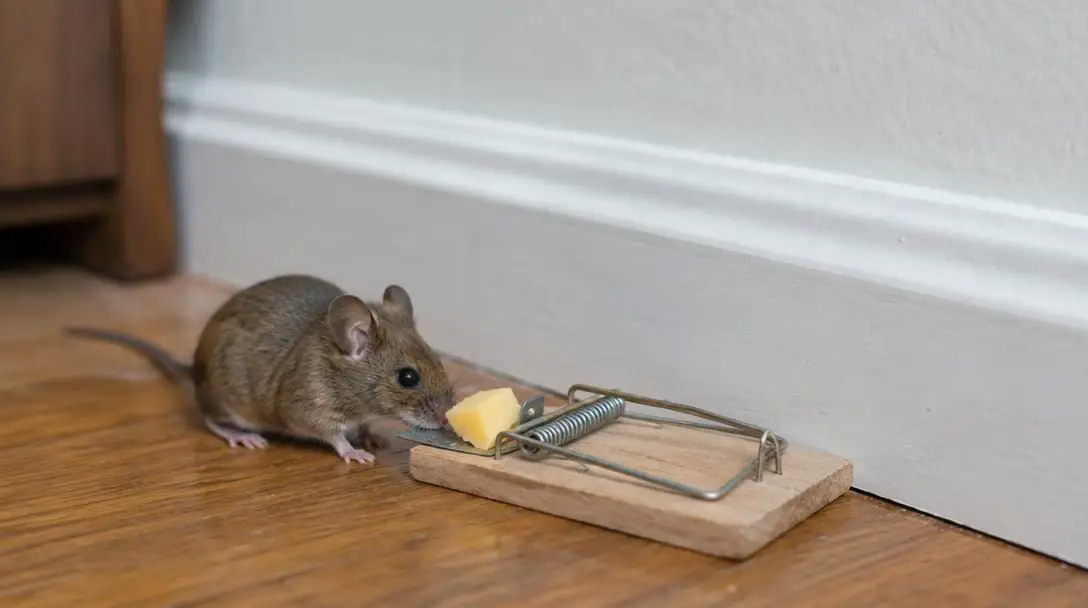
Because mouse infestations escalate quietly behind drywall and inside storage boxes, early awareness and immediate intervention are critical to maintaining a healthy home.
Understanding Rodent Behavior: Pathways and Clues
Outsmarting mice requires an understanding of how they behave and navigate inside a building. Mice are primarily nocturnal creatures that prefer roaming in complete darkness. While their visual acuity is relatively poor, their hearing, sense of smell, and tactile perception are extraordinarily sharp. As they travel, they rely on their sensitive facial whiskers to trace baseboards, interior trim, and structural framing, staying glued to vertical surfaces rather than venturing into the open center of a room.
Over time, mice create established transit routes linking their nests to feeding areas. If a family of mice nests inside a basement wall, they will trace utility conduits, gaps around plumbing pipes, or interior wall cavities to access upper-level kitchen cabinets. Along these pathways, they leave distinct physical evidence of their routines:
- Small, dark droppings scattered along baseboards, inside cabinets, or near food items.
- Greasy rub marks left on drywall and woodwork from oils and dirt on their fur.
- Piles of finely chewed paper, cardboard, or insulation left behind near foraging stops.
- Faint scratching or scurrying sounds coming from inside wall voids and ceiling spaces at night.
Because rodents are cautious, spotting a live mouse scurrying across a lit room usually means the hidden population has grown large enough that nesting areas and pathways are becoming crowded. Recognizing that their activity hugs structural perimeters allows you to concentrate your prevention and cleanup measures where they will have the greatest impact.
Vetting a Professional Pest Control Company
Working with an experienced, reputable pest control professional is often the fastest and most reliable way to clear a home of mice. Licensed technicians have the training and specialized tools needed to find secluded nesting sites, locate obscure structural gaps, and execute safe removal plans. When searching for an affordable provider in your area, interviewing prospective companies thoroughly ensures that their techniques align with your expectations, safety requirements, and household budget.
1. Treatment Costs and Transparent Pricing
Ask prospective exterminators for a clear breakdown of the total cost of treating a mouse infestation before agreeing to any service contract. Understanding baseline inspection fees, service charges, and any equipment expenses upfront allows you to compare local companies accurately and avoid unexpected billing surprises down the line.
2. Return Trips and Follow-Up Coverage
Find out whether the quoted price includes follow-up visits or if each additional trip carries an extra fee. Because rodent control frequently requires monitoring traps, tracking activity levels, and adjusting exclusion points over several weeks, clarifying return-trip policies ensures your home receives complete follow-through without escalating expenses.
3. Service Guarantees and Warranty Duration
Inquire about how long the company guarantees their treatment results. Established pest management professionals typically provide a defined warranty period during which they will return to inspect and re-treat your living spaces at no added charge if mice reappear after the initial service.
4. Local Customer References and Track Record
Request references or customer testimonials from local homeowners who have used the company for rodent elimination. Speaking with former clients or reviewing documented performance records allows you to confirm that the team works punctually, communicates clearly, and solves pest problems efficiently.
5. Child and Pet Safety Protocols
Verify that all proposed treatment methods, bait placements, and mechanical traps are fully safe for households with young children and pets. Professional technicians should be able to explain how their tamper-resistant bait stations and non-toxic exclusion methods protect non-target household members from accidental exposure.
A Five-Step Strategy to Rodent-Proof Your Residence
While an exterminator can address an active population, homeowners must take direct, hands-on steps to make the property structurally secure and environmentally inhospitable to pests. Removing resources and physically blocking entry points creates a long-term defense that drives existing rodents out and stops new ones from moving in.
- Secure all dry pantry goods in durable containers. Transfer foods packaged in bags and cardboard boxes—such as breakfast cereal, flour, sugar, bread, crackers, and dry pet food—into sturdy plastic or heavy glass storage containers fitted with tight-locking lids that teeth cannot chew through.
- Eliminate standing moisture and fix household leaks. Thoroughly inspect sinks, laundry hookups, bathroom fixtures, and basement lines for slow drips or condensation. Repair plumbing issues and fix any roof leaks that allow water to collect inside attic insulation or wall cavities.
- Seal structural gaps with wire mesh and exterior caulk. Examine the foundation, siding joints, door frames, and spots where electrical conduits or plumbing pipes penetrate walls. Pack small holes with metal wire mesh, which rodents cannot chew through, and seal the surrounding edges with exterior-grade caulk to block drafts and pests.
- Institute an uncompromising nightly kitchen cleaning routine. Wipe down dining tables and kitchen countertops, wash dirty dishes immediately after meals, sweep stray crumbs from the floor, and empty indoor trash bins every night into secure outdoor garbage cans.
- Clear clutter from storage areas and discard nesting materials. Sort through storage rooms, basements, and garages to throw away unnecessary paper piles, loose cardboard boxes, and scrap textiles. Store seasonal clothing, holiday ornaments, and keepsakes in heavy-duty plastic storage bins instead of cardboard.
Frequent Pitfalls to Avoid in Mouse Control
Attempting to resolve a mouse problem without a structured plan often leads to frustration. Homeowners frequently make mistakes that allow rodent colonies to persist and multiply undetected behind walls. Keeping these pitfalls in mind will save you time, effort, and money:
- Relying on a single tactic: Expecting a couple of snap traps or a single exterminator visit to solve the issue without improving sanitation and structural sealing rarely works. Total control demands an integrated approach.
- Skipping exclusion work: Catching mice inside the home achieves very little if exterior cracks and foundation holes remain unsealed, allowing outside rodents to take their place.
- Leaving food in original packaging: Returning crackers, cereal, and pet food to cardboard boxes after a pantry cleaning provides mice with an easy, chewable path right back to dinner.
- Overlooking hidden water sources: Focusing entirely on food crumbs while ignoring slow plumbing drips or damp crawl spaces leaves mice with the moisture they need to thrive.
- Neglecting secondary storage zones: Cleaning the primary kitchen while leaving cluttered stacks of cardboard and scrap paper inside attached garages or basements preserves prime nesting habitat.
- Ending control measures too early: Assuming the infestation is gone after a few quiet days can be misleading. Mice often adjust their foraging routes when disrupted, making ongoing vigilance essential.
Frequently asked questions
Why do mice come inside houses during cold weather?
Mice seek shelter indoors when outdoor temperatures plunge and natural food resources become scarce. Human homes provide an ideal survival environment full of food crumbs, reliable warmth, damp areas, and quiet nesting spots sheltered from outdoor predators.
Can mice chew through plastic storage containers?
While mice can gnaw through thin plastic wraps, grocery bags, and flimsy cardboard packaging, they cannot easily chew through heavy, hard plastic storage containers or glass jars equipped with secure, airtight lids.
Where do mice usually build their nests indoors?
Mice prefer building nests in quiet, low-traffic areas close to food and water. Common locations include wall cavities, crawl spaces, unfinished basements, attics, and garages where scrap cardboard, paper, and fabrics are readily available.
Why is wire mesh recommended for sealing rodent entry holes?
Mice have strong, continuously growing incisors that can chew through wood, drywall, and plastic foam. They cannot chew through metal wire mesh, making it the most durable barrier when combined with caulk to seal exterior cracks and foundation openings.
What should I ask an exterminator before signing a contract?
Essential questions include asking for the total treatment cost, whether return visits are included in the price, how long the service guarantee lasts, whether they can provide local references, and whether their methods are safe for household pets and children.
The Bottom Line
A mouse infestation is far easier to prevent than it is to eradicate once a colony has settled behind your walls. By depriving rodents of essential resources—storing food in airtight containers, repairing plumbing leaks promptly, and removing cardboard and paper clutter—you eliminate the underlying conditions that make your home appealing. Pairing diligent household sanitation with permanent structural exclusion using wire mesh and caulk builds a formidable barrier against pests.
Maintain this proactive approach by conducting seasonal walk-throughs around your foundation, roofline, and utility conduits to address new gaps as your home settles. Keep the contact information of a reputable local pest control company on hand so that if you ever spot droppings, gnaw marks, or suspicious noises, you can act immediately before a minor nuisance turns into a widespread infestation.