How To Cook The Perfect Salmon
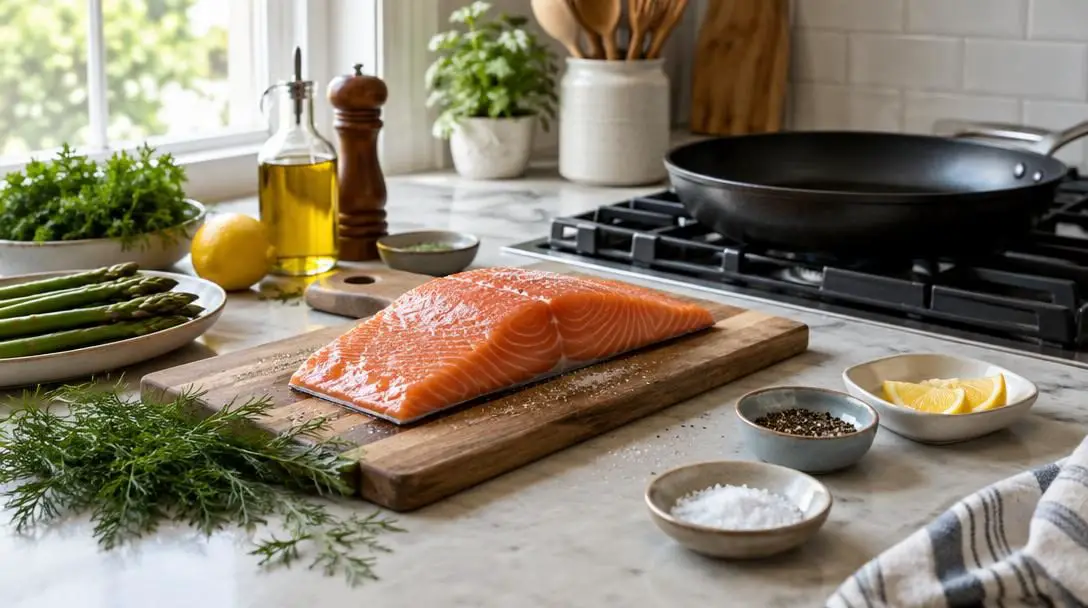
Few culinary centerpieces match the universal appeal and luscious texture of a freshly cooked salmon fillet. Celebrated in kitchens across the globe, this versatile fish can adapt to an extraordinary range of seasonings, regional flavor profiles, and culinary traditions. Yet, despite its widespread popularity on restaurant menus and dinner tables, cooking salmon at home often presents a persistent challenge for both novice and experienced home cooks.
Because fish muscle structure differs fundamentally from land-based proteins, turning a raw fillet into an exquisitely tender, succulent entrée requires a clear understanding of heat, moisture, and timing. By learning how heat interacts with the delicate composition of the fish across four foundational cooking methods, you can consistently prepare restaurant-quality salmon in your own kitchen.
Key takeaways
- Salmon proteins tighten rapidly when heated, meaning that even a few surplus minutes of cooking can squeeze out essential moisture and create a dry, chalky texture.
- Matching your preparation to the right heat source—whether ambient baking, direct top-down broiling, gentle liquid poaching, or high-heat grilling—determines the final texture and flavor profile.
- Visual cues such as a pink, opaque color and flesh that flakes gently with a fork provide the most reliable indicators of doneness.
- Proper preparation, including lining pans with foil, placing oven racks correctly, and thoroughly oiling grill grates, prevents sticking and torn fillets.
The Science Behind Cooking Delicate Salmon Fillets
To cook salmon with confidence, it helps to understand why this fish behaves so differently from beef, pork, or poultry under direct heat. The muscle fibers in salmon are relatively short, delicate, and bound by thin sheets of connective tissue known as collagen. Because fish live in a buoyant aquatic environment, their muscles do not require the dense, rugged structural connective tissues found in land animals. Consequently, delicate fish proteins denature and contract at significantly lower temperatures than mammalian meats.
When exposed to sustained heat, these fragile muscle fibers contract with considerable force. If cooking temperatures remain high or the fillet is left on the heat source for even two or three minutes too long, the contracting fibers aggressively expel bound water and natural fats. The result is a disappointing transition from a tender, buttery cut of fish to a dry, stringy, and unpalatable meal. Home cooks often observe this phenomenon when white albumin droplets emerge on the surface of the fillet, an outward sign that the internal proteins are rapidly tightening and pressing out moisture.
Compounding this protein sensitivity is the physical geometry of a standard salmon fillet. Fillets naturally taper from a thick, fleshy center loin toward a thin outer belly flap and tail section. In addition, the presence of skin along one side acts as an insulating barrier, slowing down thermal conduction from the bottom while the exposed flesh absorbs heat directly from above. Mastering salmon preparation requires adopting cooking methods that either moderate this thermal disparity or harness it to build appealing contrasts between a crisp exterior and a melt-in-your-mouth interior.
The Four Primary Methods for Cooking Salmon
Each cooking technique delivers heat to the fish through a distinct thermodynamic principle. Deciding whether to bake, broil, poach, or grill depends on your available time, kitchen setup, and desired balance of crispness, smokiness, or delicate moisture.
Baking
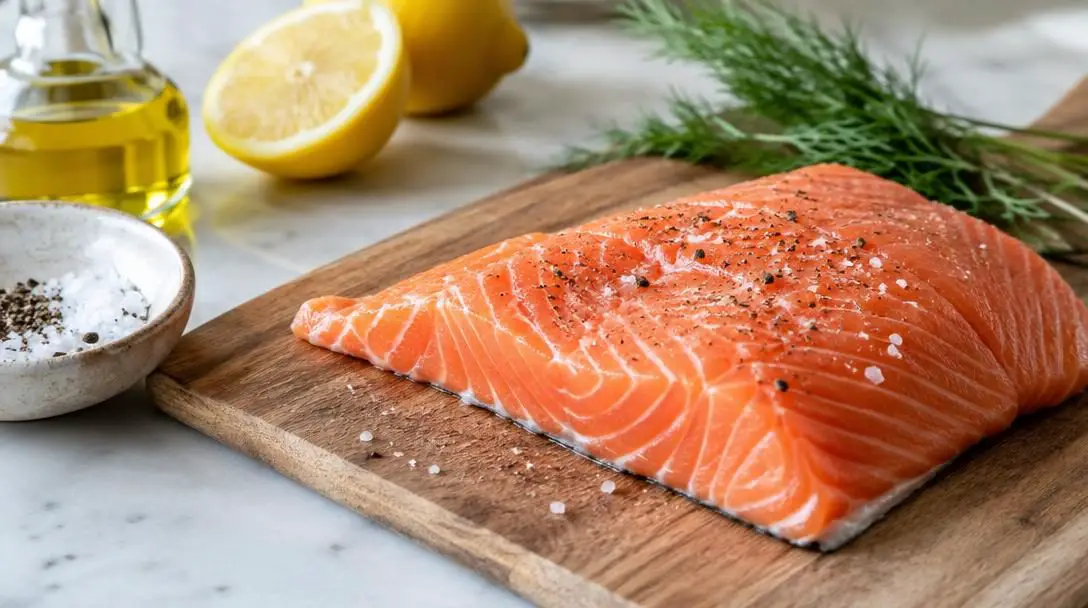
Baking relies on ambient, indirect convective heat within the enclosed space of an oven. As heated air circulates steadily around the fillet, thermal energy penetrates the fish slowly and uniformly from the outside inward. This gradual progression makes baking the most forgiving, beginner-friendly method available. The gentle environment gives aromatic toppings such as fresh herbs, minced garlic, citrus slices, and natural sweeteners ample time to infuse their flavors into the meat without scorching or burning.
- Preheat your oven to 350 degrees Fahrenheit so the temperature is fully stabilized before cooking begins.
- Line a sturdy baking sheet with aluminum foil to protect the pan, eliminate sticking, and make cleanup effortless.
- Place your salmon fillets onto the foil-lined baking sheet with the skin-side facing down.
- Season the surface of the fillets generously with complementary ingredients, such as minced garlic, lemon juice, fresh thyme sprigs, and a drizzle of honey.
- Transfer the baking sheet to the oven and bake for 12 to 15 minutes.
- Check the fillet carefully; your salmon is cooked through when the flesh appears uniformly pink and opaque throughout.
Broiling
Broiling harnesses direct, high-intensity infrared radiation generated by the upper heating element of your oven. Rather than warming the entire oven compartment, broiling functions essentially like an upside-down grill, casting concentrated heat straight downward onto the top surface of the fillet. This rapid transfer creates a lightly caramelized, savory crust on the seasoned flesh in mere minutes while leaving the center tender and moist. Broiling is the ultimate choice when you need an exceptional meal on the table with minimal wait time.
- Position your oven rack in the third notch down from the top, ensuring the fish will sit approximately 5 inches below the broiler heating coils.
- Set the oven to its broil setting to preheat the radiant element.
- Cover a baking sheet with aluminum foil or parchment paper to prevent sticking.
- Arrange the salmon fillets evenly on the lined sheet, leaving breathing room between each piece.
- Season the top surface of each fillet with salt, black pepper, and your preferred blend of herbs or spices.
- Slide the baking sheet onto the positioned rack directly beneath the heat source and broil for 5 to 8 minutes.
- Test for doneness by gently pressing a fork into the thickest part of the fillet; the fish is ready to serve once it flakes easily.
Poaching
Poaching completely departs from dry-heat cooking by utilizing gentle moist-heat conduction. By submerging salmon fillets into a gently simmering bath of liquid aromatics, heat transfers directly into the fish with exceptional efficiency while maintaining a stable, moderate temperature. Because liquid cannot exceed boiling temperature at atmospheric pressure, the delicate fish proteins are never subjected to harsh drying heat. Poaching preserves the natural moisture of the fillet better than any other technique, producing an unbeatably silky, melt-in-your-mouth texture.
- Pour 1 cup of fresh water and 1 cup of dry white wine into a wide, high-sided skillet.
- Scatter fresh culinary herbs and crushed garlic cloves directly into the liquid to establish an aromatic flavor base.
- Bring the liquid mixture to a rolling boil over high heat on the stovetop.
- Lower the stove heat immediately to establish a gentle, steady simmer.
- Carefully place the salmon fillets into the warm poaching liquid, ensuring they are partially or fully submerged.
- Cover the skillet with a tight-fitting lid to trap the rising steam and maintain uniform ambient heat.
- Cook covered at a bare simmer for approximately 10 minutes.
- Using a wide slotted spoon or a dedicated flexible fish spatula, lift the fillets gently from the hot liquid, drain briefly, and verify doneness before serving.
Grilling
Grilling combines powerful direct radiant heat from burning charcoal or gas burners with conductive contact against scorching cast-iron or stainless steel grates. The dry heat causes surface moisture to evaporate rapidly, fostering deep caramelization and infusing the fish with an intoxicating smoky aroma. While grilling produces an unmatched charred flavor and crisp skin, the intense heat requires careful management to ensure the delicate flesh does not adhere to the grates or tear apart during handling.
- Ignite your outdoor grill, close the lid, and adjust the burners to establish a reliable medium-high heat.
- Thoroughly coat the hot cooking grates with high-smoke-point cooking oil using a folded paper towel held in long grill tongs.
- Lay the salmon fillets directly onto the oiled grates with the skin-side facing downward.
- Allow the fish to cook completely undisturbed for 6 to 8 minutes, watching for the bottom half of the flesh to turn pale pink and opaque.
- Carefully slide a thin, sturdy metal spatula beneath the crisp skin and flip the fillet over.
- Grill the turned fillet for an additional 4 to 6 minutes until the fish yields gently to a fork and flakes cleanly.
Achieving the perfect balance between a tender, succulent interior and a well-cooked exterior requires careful attention to heat, timing, and moisture control.
Comparing Cooking Techniques at a Glance
Selecting the best approach depends on your weeknight schedule, the desired surface texture, and the equipment you have on hand. The following comparison highlights the core operational variables of all four methods.
| Method | Heat Type | Temperature or Distance | Cook Time | Primary Sensory Benefit |
|---|---|---|---|---|
| Baking | Indirect ambient dry heat | 350°F preheated oven | 12 to 15 minutes | Even, gentle heat that melds sweet and savory glazes |
| Broiling | Direct overhead radiant heat | Third rack notch (~5 inches from coils) | 5 to 8 minutes | Fast, savory top crust with a juicy center |
| Poaching | Gentle moist-heat conduction | Gentle simmer in wine and water | Around 10 minutes | Maximum internal moisture and delicate herb infusion |
| Grilling | Direct conductive and radiant heat | Medium-high heat grates | 10 to 14 minutes total | Smoky outdoor char and exceptionally crispy skin |
Critical Cooking Mistakes to Avoid
Because salmon is inherently lean and quick-cooking compared to mammalian cuts of meat, small procedural missteps can dramatically compromise the final plate. Understanding these recurring pitfalls will keep your fillets tender, intact, and flavorful every time you step into the kitchen.
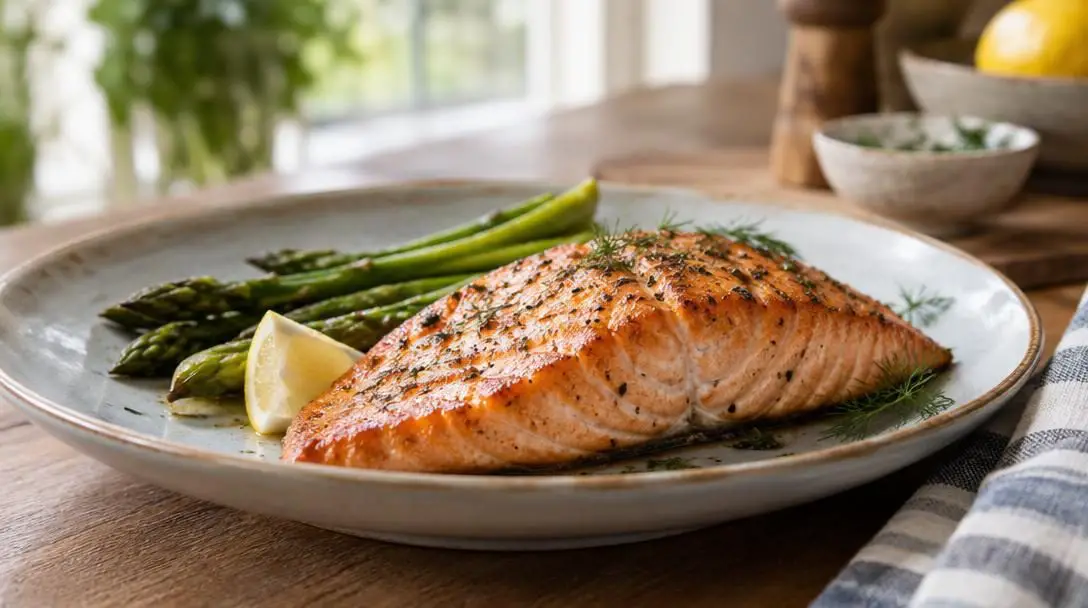
- Overcooking beyond the visual threshold: Leaving salmon exposed to high heat past the point of opacity squeezes out delicate natural fats and liquids, yielding a dry, chalky consistency. Always pull the fish the moment it turns pink, opaque, and flakes readily.
- Incorrect oven rack positioning when broiling: Placing your baking sheet on the highest rack exposes the seasonings and skin to scorching heat before the core warms through, while using a bottom rack turns broiling into basic slow baking. Keep the rack strictly in the third notch, roughly 5 inches below the heating coils.
- Omitting protective pan linings: Raw salmon skin and proteins bond tenaciously to bare sheet pans. Skipping aluminum foil or parchment paper often leads to mangled fillets and labor-intensive pan scrubbing.
- Neglecting to oil the grill grate: Placing delicate fish onto dry, unlubricated metal grates guarantees adhesion. Wipe the grates thoroughly with oil immediately before setting the fish down.
- Flipping the fillet too prematurely on the grill: Attempting to turn salmon before the bottom skin has cooked for at least 6 to 8 minutes tears the fish apart. Wait until the lower half of the fillet turns noticeably opaque; the skin will let go of the metal naturally when properly seared.
- Allowing poaching liquid to boil aggressively: While bringing water and wine to a rolling boil is necessary to wake up garlic and herbs, dropping fish into a turbulent boil batters the delicate flesh apart. Always reduce the flame to a calm, gentle simmer before adding fillets.
- Under-seasoning the flesh: Salmon possesses a robust, distinct natural profile that demands assertive seasoning. Omitting basic salt, freshly ground pepper, or bright aromatics like lemon, garlic, and fresh herbs leaves the fish tasting flat.
Building a Complete and Balanced Salmon Plate
Once you have conquered the foundational cooking methods, composing an appetizing, nutritious meal around your salmon is simple and rewarding. Salmon is not only fresh and delicious, but it is also an extraordinarily healthy centerpiece loaded with beneficial nutrients. Its rich flavor and tender texture make it a versatile center for a wide range of satisfying meals.
For an easy, nourishing dinner idea, you can add some rice and veggies to your plate. A bed of fluffy white or brown rice serves as an ideal base that readily absorbs lingering pan drippings, melted honey glazes, or herb-infused white wine juices. To provide textural contrast against the rich, buttery mouthfeel of the fillet, introduce vibrant vegetables such as:
- Tender-crisp steamed broccoli or green beans drizzled with fresh lemon juice.
- Oven-roasted asparagus spears seasoned with cracked black pepper and coarse sea salt.
- Quick sautéed zucchini or yellow squash ribbons cooked in olive oil and minced garlic.
- Crisp leafy green garden salads dressed with a sharp, bright vinaigrette to slice through the fish's natural richness.
You can also adapt your choice of technique to match your daily schedule and the changing seasons. When weeknight activities leave you with limited preparation time, broiling delivers a wholesome, restaurant-caliber main course in less than ten minutes. On relaxed, warm summer evenings, firing up the outdoor grill allows you to savor the weather while imparting distinct woodsmoke or charcoal notes to your dinner. When an elegant, subtly flavored presentation is required, poaching in wine and aromatics offers a foolproof route to pristine moisture.
Frequently asked questions
How can I tell when my salmon is completely cooked through?
Look for two primary indicators: visual opacity and physical flakiness. Properly cooked salmon changes from translucent dark coral to an opaque, pale pink. When you gently press a fork or the tip of a knife into the thickest section of the fillet, the muscle segments should separate and flake smoothly without resistance.
Why does salmon become dry and chalky when cooked?
Salmon muscle fibers are short, fragile, and sensitive to temperature. When subjected to prolonged heat or temperatures that are too high, these proteins contract tightly, squeezing natural moisture and oils out of the flesh. Once those juices are lost, the texture turns crumbly and chalky.
Should salmon be cooked skin-side up or skin-side down?
For baking, broiling, and grilling, salmon should almost always start skin-side down. The skin provides an insulating layer that shields the fragile flesh from intense direct heat while anchoring the fillet so it stays intact during cooking and plating.
What liquid makes the best poaching base for salmon?
A balanced mixture of 1 cup of water and 1 cup of dry white wine creates an outstanding poaching liquid. Enhancing this base with fresh herbs and crushed garlic infuses the meat with delicate aromatics while preserving absolute tenderness.
How do I prevent salmon from sticking to grill grates?
Thoroughly oil the clean grill grates right before placing the fish down, and ensure your grill is preheated to medium-high heat. Furthermore, leave the fish undisturbed skin-side down for 6 to 8 minutes; the skin will naturally detach from the grate once a crisp crust forms.
The bottom line
Cooking magnificent salmon at home does not require professional culinary training, but it does demand an appreciation for heat regulation and timing. By selecting the method that aligns with your timeline—whether the gentle circulation of baking, the blistering speed of broiling, the moisture retention of poaching, or the smoky char of the grill—you eliminate guesswork and protect the delicate structural integrity of the fish.
Paired with simple staples like steamed rice, crisp greens, and bright aromatics, salmon provides an effortlessly wholesome and sophisticated dining experience. Once you practice these reliable guidelines and learn to identify the visual cues of doneness, you will consistently serve succulent, tender fillets that delight family and guests alike.