How to Grow a Lush Lawn: Tips for Achieving the Perfect Grass
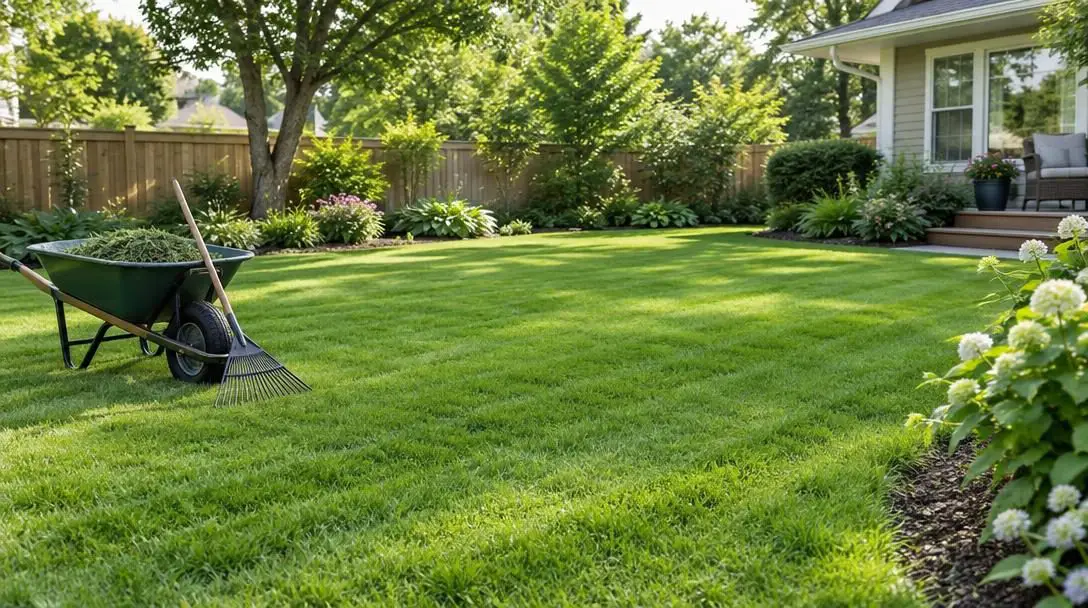
A lush, vibrant lawn serves as the centerpiece of home landscapes, offering an inviting setting for outdoor relaxation, family recreation, and elevated curb appeal. Yet, creating a dense carpet of green turf involves much more than scattering seed and turning on a sprinkler. Turfgrass functions as an active, living ecosystem where the hidden conditions below ground directly govern what grows above.
To cultivate grass that remains resilient through changing seasons, homeowners must treat turf as a perennial crop. By balancing soil chemistry, root development, nutrient availability, and seasonal maintenance routines, you can turn thin or struggling turf into a durable, thriving lawn.
Key takeaways
- Turfgrass health depends on a balanced underground ecosystem of deep roots, active soil microbes, proper moisture, and balanced soil pH.
- Deep, infrequent watering in the early morning encourages robust root systems that withstand summer heat and drought.
- Routine maintenance requires mowing with sharp blades, removing no more than one-third of the blade height in a single cut.
- Annual core aeration and autumn overseeding help counteract soil compaction, repair thinning turf, and deter opportunistic weeds.
- Sustainable practices such as applying organic amendments, topdressing with compost, and using targeted treatments preserve beneficial insects and soil ecology.
The biology of healthy turfgrass systems
Every flourishing yard relies on a dynamic biological relationship between grass leaves, root architecture, and living soil. Turf absorbs moisture and essential dissolved minerals through its root system. If the subsurface soil is compacted, waterlogged, or chemically imbalanced, the visible grass blades above will rapidly thin, lose color, and decline under environmental pressure.
Soil chemistry governs whether roots can access vital nutrition. Soil pH indicates the relative acidity or alkalinity of the ground, acting as a biological gatekeeper for plant nutrients. When soil pH shifts outside the ideal range, essential minerals become chemically locked within the dirt, rendering them inaccessible to grass roots even if supplemental fertilizer is applied generously.
- Acidic soil: Applying agricultural lime neutralizes excessive acidity and restores chemical equilibrium.
- Alkaline soil: Spreading elemental sulfur lowers the pH level, unlocking tied-up minerals in overly alkaline dirt.
- Depleted soil: Incorporating finished compost or organic fertilizers revitalizes soil structure, enriches microbial activity, and restores depleted fertility.
Plant development below the surface directly reflects maintenance above it. When grass receives deep but infrequent irrigation, moisture filters deep down into the soil profile. Grass roots actively stretch downward toward that moisture reserve, building an extensive root anchor that protects the plant during dry spells. Conversely, frequent and shallow sprinkling traps fragile roots near the surface, leaving the lawn vulnerable to heat stress and rapid desiccation.
Cutting off too much leaf surface at once shocks the root system, depleting the plant's stored energy reserves and leaving it vulnerable to decline.
Above ground, green leaf tissue conducts photosynthesis, using sunlight to generate the carbohydrates that fuel plant growth. Cutting grass blades too short strips away the plant's solar energy collectors, shocking the underground root system and exhausting vital energy reserves needed to recover from heat and foot traffic.
Essential pre-planting preparation and seed selection
Neglecting initial soil preparation is one of the most common reasons new lawns fail to establish. Rushing to spread seed across unconditioned ground typically leads to patchy germination, uneven terrain, and persistent weed infestations.
Before introducing any seed, test the native soil using an over-the-counter kit or by sending core samples to an agricultural testing laboratory for a full diagnostic readout. The resulting data highlights specific nutrient deficiencies and pinpoints the exact pH value of your property. Armed with these findings, you can work necessary amendments—such as lime, sulfur, or well-rotted compost—into the upper layers of the soil bed.
Equally critical is selecting a grass seed variety formulated for your specific geographic climate, local soil conditions, and property sunlight exposure. Seed varieties that thrive in cool, temperate zones cannot withstand relentless summer heat, while species adapted to dry conditions may decline in damp, poorly drained ground. When in doubt, consult local gardening extension specialists or reputable lawn care providers to pinpoint the optimal seed blends for your microclimate.
Core lawn care maintenance practices
Sustaining an established lawn demands consistent execution of several fundamental cultural practices. Committing to thoughtful irrigation, careful mowing, balanced feeding, and routine aeration keeps turf dense and resilient throughout the growing season.
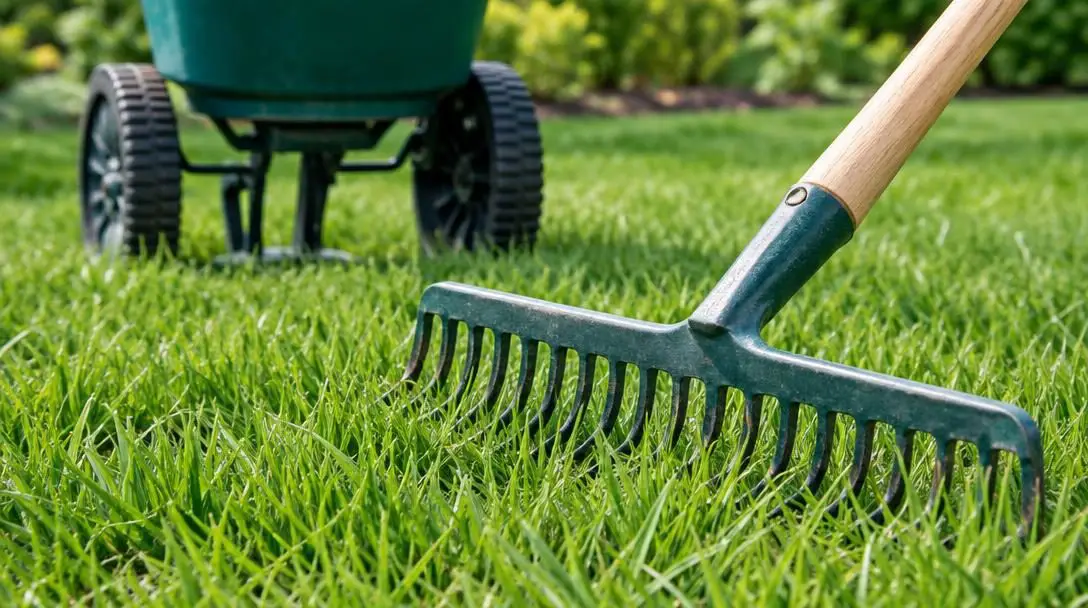
To avoid common maintenance setbacks, structure your everyday turf routine around these four primary maintenance pillars:
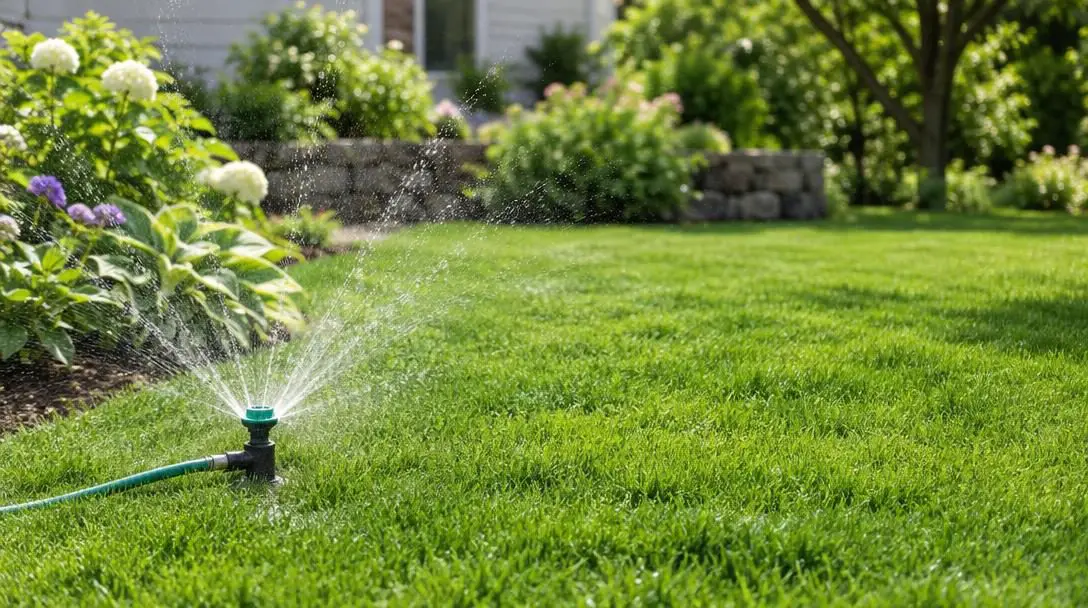
- Watering deeply and infrequently: Soak the soil thoroughly so moisture penetrates several inches below the surface, rather than wetting only the top half-inch every afternoon. Avoid irrigating during the hottest midday hours when high temperatures cause water to evaporate before roots can absorb it.
- Observing the one-third mowing rule: Never trim away more than one-third of the total blade height during a single pass. Cutting grass too short scalps the turf, suppresses root expansion, and exposes bare soil to weed seeds. Always keep mower blades sharpened; dull edges rip and shred the foliage, creating ragged leaf tips that turn brown and invite disease.
- Fertilizing with balanced nutrition: Provide supplemental plant food featuring the three primary macronutrients: nitrogen, phosphorus, and potassium. Always follow the manufacturer's labeled application rates to prevent fertilizer burn, which occurs when excess mineral salts desiccate sensitive root tissue.
- Performing regular core aeration: Heavy foot traffic, equipment use, and heavy rainfall naturally compact soil over time. Aerating once per year mechanically extracts small soil cores or punctures openings in the turf, opening direct passages for air, water, and vital minerals to penetrate compacted root zones.
Diagnosing and resolving common lawn challenges
Even well-tended yards occasionally face challenges from invasive plants, pests, fungal pathogens, and localized decline. Successfully addressing these threats requires precise identification and targeted, measured solutions rather than indiscriminate chemical applications.
Weeds compete aggressively with turfgrass for available sunlight, water, and ground minerals. For minor, sporadic occurrences, hand-pulling individual weeds—ensuring the taproot is fully extracted—remains the most effective non-chemical solution. For larger, widespread infestations, apply a selective herbicide specifically formulated for the identified weed variety. Always review safety instructions thoroughly and wear suitable protective equipment during treatment.
Destructive insects can cause severe harm by chewing through roots or feeding on tender foliage. Before taking action, examine damaged turf to accurately identify the specific insect responsible. Apply a targeted pesticide formulated specifically for that organism rather than a broad-spectrum insecticide, as non-selective treatments inadvertently eradicate predatory beneficial insects and pollinators that help preserve natural ecosystem balance.
Fungal diseases often show up as irregular patches, yellowing rings, or decaying grass blades. Identify the underlying pathogen and choose a labeled fungicide formulated to combat that specific condition. Applying fungicides strictly according to packaging directions prevents unnecessary plant stress.
When dead or discolored brown patches develop across your yard, look for environmental triggers before applying chemicals. Brown spots commonly stem from localized drought, severe soil compaction, or excessive fertilizer salt accumulation. Pinpoint the root issue—such as testing for compacted earth or evaluating watering coverage—and apply corrective cultural adjustments, like targeted aeration or adjusted watering schedules, to facilitate recovery.
Seasonal lawn care roadmap
Aligning maintenance tasks with seasonal changes ensures that every cultural practice supports the biological needs of turfgrass. Follow this step-by-step seasonal framework to keep your lawn in peak condition all year long.
- Early spring assessment: Inspect the lawn as temperatures rise. Test soil chemistry if you have not checked it recently, rake away winter debris and dead leaves, inspect thinning or compacted areas, and apply lime or elemental sulfur if pH corrections are necessary.
- Late spring feeding and weed control: Apply a balanced fertilizer containing balanced ratios of nitrogen, phosphorus, and potassium according to label recommendations. Spot-treat active weeds manually or apply selective herbicides before weeds mature and produce seeds, always wearing protective gear.
- Summer height and hydration management: Transition your irrigation to deep, early morning watering sessions to mitigate high midday evaporation rates. Raise your mower deck height to avoid removing more than one-third of the leaf blade, and keep blades sharp to ensure clean, stress-free cuts.
- Early autumn aeration: Perform annual core aeration to relieve summer soil compaction. Creating small channels across the turf bed allows oxygen, water, and nutrients to travel down into the root system before cold weather arrives.
- Late autumn overseeding and conditioning: Disperse fresh grass seed across bare or thinning sections while soil remains warm and autumn moisture is consistent. Apply a thin layer of compost or organic soil conditioners to supply sustained nutrition that strengthens root systems ahead of winter dormancy.
Advanced turf management strategies
For yards that experience high foot traffic or require revitalization, standard mowing and feeding may need reinforcement. Incorporating advanced turf techniques improves density, enriches soil structure, and restores older, worn-out grass.
Over time, individual grass plants age, and their natural reproductive rates slow down. Overseeding involves spreading fresh seed directly over established turf to boost plant density, rejuvenate thinning sections, and crowd out opportunistic weeds. Overseeding is most successful during the early autumn, when warm soil temperatures encourage rapid germination and cooler air reduces heat stress on young seedlings.
Topdressing is the process of spreading a light, uniform layer of organic matter, such as screened compost or peat moss, across the surface of the lawn. This practice enriches soil texture, provides sustained micronutrients, encourages the biological breakdown of spongy thatch buildup, and improves soil moisture retention during dry spells.
When a lawn becomes overwhelmed by severe disease, widespread weeds, or long-term neglect, complete lawn renovation may be required. Renovation involves stripping away dead or damaged vegetation, tilling and loosening the underlying native soil, adding recommended amendments, and completely reseeding the area. Carrying out full renovations during the early autumn or early spring yields the highest success rate, capitalizing on moderate temperatures and reliable moisture.
A guide to advanced turf techniques
The table below outlines how advanced turf improvement practices compare across seasonal timing, primary functions, and ideal lawn conditions.
| Technique | Optimal Timing | Primary Purpose | Recommended Scenario |
|---|---|---|---|
| Overseeding | Early autumn | Increases turf density and fills thin patches | Aging, thinning lawns with visible wear |
| Topdressing | Autumn or spring | Improves soil structure and breaks down thatch | Lawns with heavy thatch or poor soil fertility |
| Core Aeration | Early autumn | Relieves soil compaction and aids nutrient uptake | High-traffic yards with dense, compacted soil |
| Lawn Renovation | Early autumn or early spring | Completely re-establishes a fresh turf system | Severely degraded, weed-choked, or diseased turf |
Sustainable and eco-friendly lawn maintenance
Creating an attractive yard does not require heavy chemical interventions that threaten surrounding ecosystems. Implementing sustainable, environmentally conscious care methods helps safeguard local water resources, fosters fertile soil, and protects beneficial wildlife.
Using organic lawn care products—such as plant- and animal-derived fertilizers, biological pest controls, and targeted organic weed treatments—nourishes turf safely. These formulations break down gradually, minimizing harmful runoff into local storm drains and protecting beneficial earthworms, predatory insects, and visiting pollinators from toxic synthetic exposures.
Establishing an on-site composting system offers a closed-loop solution for managing yard waste. Rather than bagging grass clippings and raked leaves for the landfill, compost these organic residues into a rich, dark humus. Spreading finished compost over your lawn returns vital macronutrients, micronutrients, and beneficial microbes back into the soil naturally.
Responsible water conservation is equally vital. Avoid setting automatic irrigation systems on fixed calendar timers that run regardless of weather. Instead, mount a simple rain gauge in the yard to measure natural precipitation and supplement only when rainfall falls short. When supplemental watering is necessary, utilize efficient soaker hoses or targeted sprinkler heads that deposit water directly at the root zone without wasteful misting or overspray onto driveways.
Common lawn care mistakes to avoid
Even diligent homeowners can inadvertently damage their turf by practicing well-intentioned but flawed maintenance habits. Avoiding these widespread mistakes will keep your yard healthy and green:
- Watering lightly every day: Shallow, frequent watering keeps root systems confined to the top layer of dirt, making turf vulnerable to wilting at the first sign of summer heat.
- Scalping the grass: Cutting lower than the recommended one-third threshold removes energy-producing leaves, depletes root energy reserves, and invites weed seeds to germinate.
- Over-fertilizing the lawn: Spreading excessive fertilizer or applying it too frequently burns grass roots with mineral salts and causes scorched brown patches.
- Using dull cutting blades: Dull mower blades rip grass foliage, leaving shredded, discolored tips that sap plant vitality and serve as open pathways for fungal diseases.
- Applying non-selective chemicals: Blanketing the entire yard with broad-spectrum insecticides or non-selective herbicides destroys helpful soil organisms, predatory insects, and native pollinators.
Frequently asked questions
How often should I water my lawn to establish deep roots?
Water deeply but infrequently, scheduling sessions for the early morning hours. Providing a thorough soaking allows moisture to sink deep into the ground, encouraging roots to extend downward and developing stronger natural drought tolerance than daily shallow watering.
What is the one-third mowing rule?
The one-third rule states that you should never remove more than one-third of the total height of the grass blades in a single mowing session. Cutting beyond this threshold shocks the root system, limits photosynthetic energy production, and leaves turf susceptible to heat stress and weeds.
When is the best time of year to aerate and overseed?
Early autumn is the ideal window for aeration and overseeding. During this period, the ground remains warm enough to support rapid seed germination, seasonal moisture is reliable, and cooler ambient air temperatures reduce thermal stress on growing seedlings.
How do I know if my soil needs lime or sulfur?
Perform a reliable soil test using a home testing kit or by sending core samples to an agricultural testing laboratory. If the test reveals that your soil is too acidic, apply agricultural lime to neutralize it; if the soil is overly alkaline, spread elemental sulfur to lower the pH.
Why is my lawn turning brown in certain spots?
Brown spots typically stem from environmental or cultural issues such as severe soil compaction, under-watering, or root damage caused by over-fertilization. Rather than applying random chemical treatments, evaluate the underlying cause by testing for soil hardness and checking your watering and feeding patterns.
The bottom line
Cultivating a resilient, lush lawn is an ongoing process rooted in biological care rather than quick chemical fixes. By viewing your yard as an integrated living ecosystem, you can make informed decisions about soil chemistry, watering depth, mowing habits, and seasonal soil aeration. Adopting sustainable maintenance routines, monitoring rainfall, and applying targeted amendments preserves healthy soil biology while delivering the dense, vibrant turf you desire year after year.