How to Grow Your Own Tea Garden: A Guide to Herbal Infusions
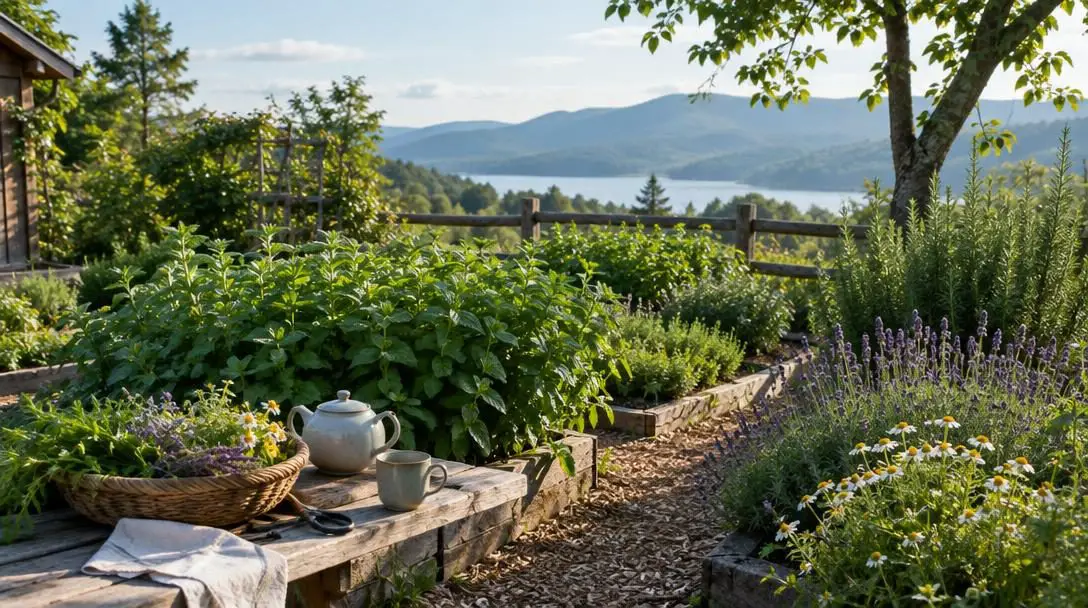
Tea has been enjoyed across cultures for centuries, valued both for its comforting, delicious taste and its wide range of health benefits. People drink it steaming hot to start the morning with clear focus, or iced to cool down during the peak of summer heat. Because it fits so seamlessly into everyday domestic routines, tea has established itself as an essential staple in households around the world. Cultivating your own dedicated tea garden transforms this common beverage habit into a direct, hands-on connection with the living botanicals that fill your cup.
Producing your own herbal infusions at home supports personal wellness and environmental sustainability by cutting out single-use packaging waste and long-distance transport. Beyond the clear ecological benefits, tending an herb plot is an engaging, creative, and therapeutic hobby that yields vibrant, flavorful ingredients right outside your kitchen door.
Key takeaways
- Herbal infusions extract essential plant qualities through hot steeping, cold water tisanes, or sustained decoctions.
- Choosing herbs tailored to your specific garden microclimates ensures resilient growth and richer aromatic compounds.
- Effective soil drainage and proper harvesting times are critical for preventing root rot and preserving delicate botanical oils.
- Drying harvests thoroughly and storing them in airtight, dark containers maintains herbal potency for months.
Understanding How Herbal Infusions Work
An herbal infusion functions by extracting the aromas, flavors, and active components of plant stems, foliage, and blossoms into a liquid medium, which is typically water. Unlike traditional true teas derived strictly from the leaves of the Camellia sinensis plant, herbal beverages draw from a broad spectrum of botanical families. The exact preparation technique you select directly influences which characteristics and essential oils are drawn into the finished drink.
Garden botanicals can be transformed into restorative drinks using three core methods:
- Teas: Prepared by steeping fresh or dried herbs in hot water for several minutes. The immediate heat unlocks delicate aromatic oils and releases subtle flavor profiles without scalding sensitive foliage.
- Tisanes: Created by steeping raw plant material in cold water over several hours. This gradual, heat-free extraction creates a smooth, naturally sweet, and refreshing drink that preserves bright botanical top notes.
- Decoctions: Made by gently simmering tough botanicals in boiling or near-boiling water over an extended duration. This sustained thermal extraction breaks down dense cellular walls to draw out deeper therapeutic and medicinal properties.
Cultivating your own dedicated tea garden transforms a common morning ritual into an intimate connection with living plants while eliminating packaging waste and long-distance transport.
Selecting the Best Plants for Your Space
Before putting a single spade in the dirt, assess your garden layout and select varieties that match both your regional growing conditions and your personal flavor preferences. Popular tea garden herbs offer distinct cultivation needs and sensory traits.
| Herb | Primary Flavor Profile | Environmental Preference | Key Garden Benefit |
|---|---|---|---|
| Chamomile | Soothing and floral | Hot and dry climates | Tolerates heat and drought spells |
| Mint | Crisp, sharp, and cooling | Adaptable; tolerates heat | Vigorous, hardy growth habit |
| Lavender | Floral and perfumed | Full sun with rich, well-draining soil | Gentle calming qualities |
| Lemon Balm | Bright, citrus-forward | Moist, fertile ground | Vibrant aromatic foliage |
| Rosemary | Earthy and pine-like | Sun-drenched, well-drained beds | Robust structure and bold blending depth |
| Ginger | Spicy and warming | Warm beds with rich organic matter | Excellent base for soothing seasonal ailments |
Chamomile
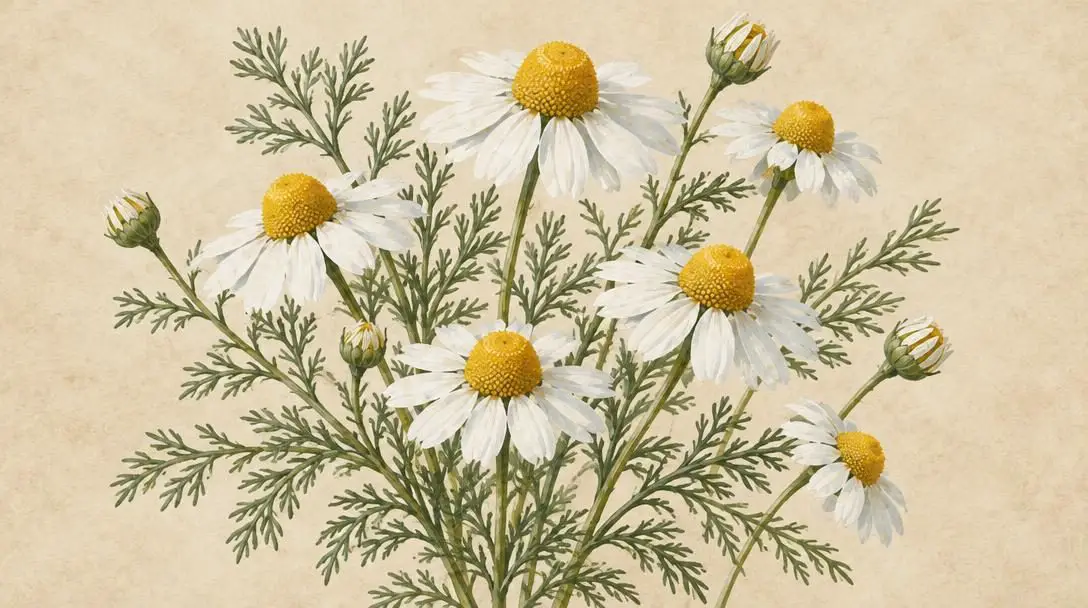
- Botanical Features: Small, daisy-like blossoms
- Flavor Profile: Soothing, mild, and relaxing
- Climate Preference: Hot and dry climates
- Hardiness: High tolerance for heat and dry spells
Chamomile is an iconic inclusion in any evening tea blend, celebrated for its soothing, relaxing properties. The plant produces delicate, daisy-like flowers that hold the bulk of its aromatic oils. Chamomile performs exceptionally well in hot and dry climates thanks to its natural resilience against drought and prolonged sunny spells, making it a reliable staple for low-water herb beds.
Mint
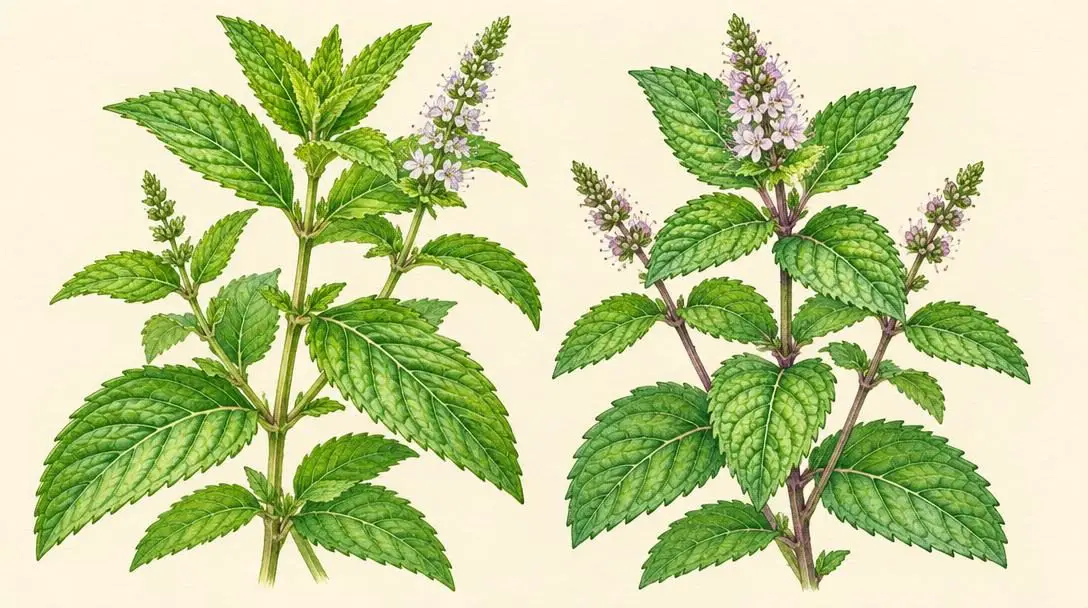
- Flavor Profile: Crisp, sharp, and cooling
- Primary Benefit: Aids digestion
- Growth Habit: Vigorous, spreading, and hardy
- Tolerance: Endures heat and drought once established
Renowned for aiding digestion and providing an intensely crisp, sharp taste, mint is among the most vigorous and hardy plants you can grow. Once its root network becomes established, mint handles heat and drought with ease. Because of its aggressive spreading habit, many growers choose to plant mint in individual pots or self-contained garden zones to prevent it from overtaking neighboring botanicals.
Lavender
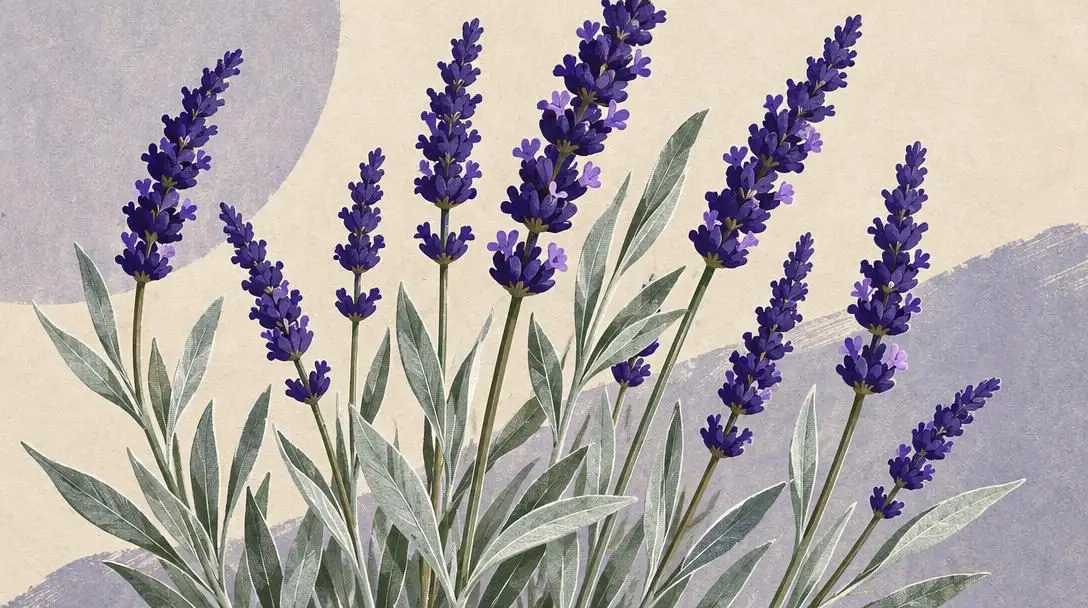
- Aroma Profile: Pronounced floral scent
- Primary Benefit: Gentle calming effects
- Sun Requirement: Full daily sunlight
- Soil Preference: Rich, well-draining garden spaces
Loved for its sweet floral scent and gentle calming effects, lavender brings ornamental beauty and aromatic luxury to an infusion garden. The plant thrives when given plenty of sun and planted in rich, loose soil that drains excess moisture freely. Stagnant moisture is lavender's greatest enemy, so elevating the planting zone is often recommended.
Lemon Balm
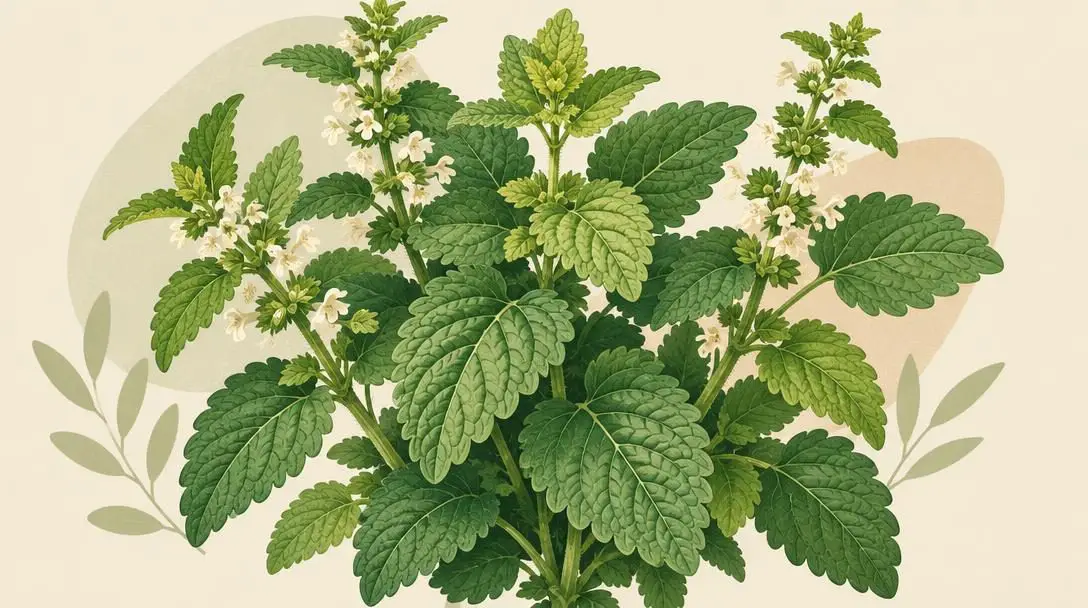
- Aroma Profile: Citrus-forward and uplifting
- Soil Requirement: Moist, fertile ground
- Foliage Use: Excellent for hot teas and cold tisanes
Lemon balm offers an unmistakable citrus-forward aroma that brightens any beverage blend. Unlike drought-loving Mediterranean herbs, lemon balm flourishes in moist, fertile ground where its leafy stems can expand rapidly. It yields heavily throughout the growing season, producing lush foliage that works equally well in hot steeps and long cold tisanes.
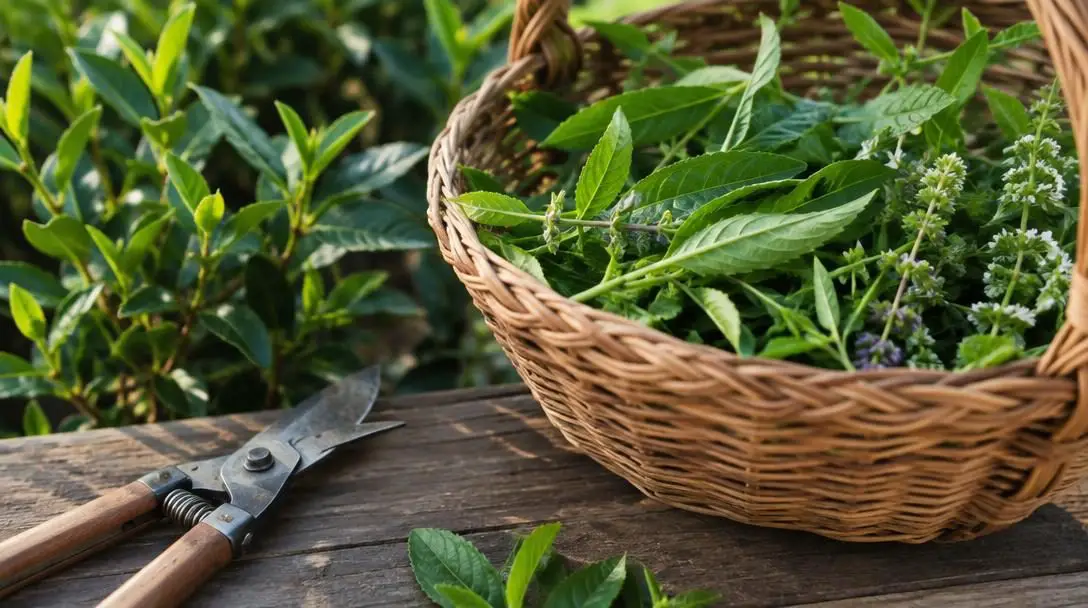
Rosemary
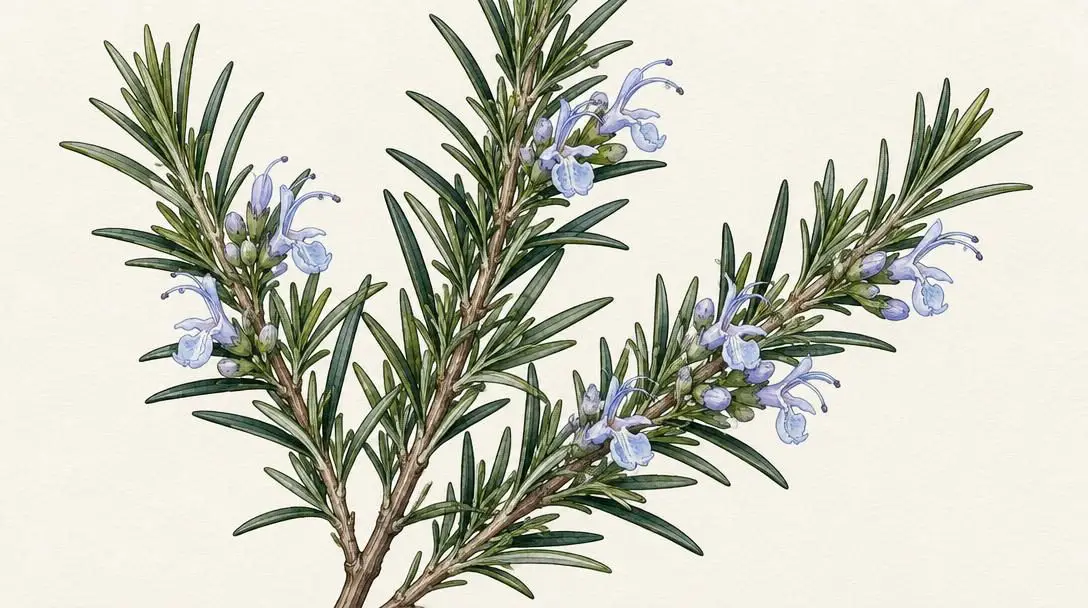
- Flavor Profile: Bold with distinct pine-like undertones
- Plant Structure: Robust, woody perennial
- Brewing Function: Adds grounding depth to infusions and blends
A robust perennial shrub carrying distinct pine-like undertones, rosemary adds grounding depth and resinous complexity to custom infusion blends. Its sturdy, needle-like foliage holds high concentrations of aromatic oils that release steadily during boiling decoctions or prolonged hot infusions.
Ginger
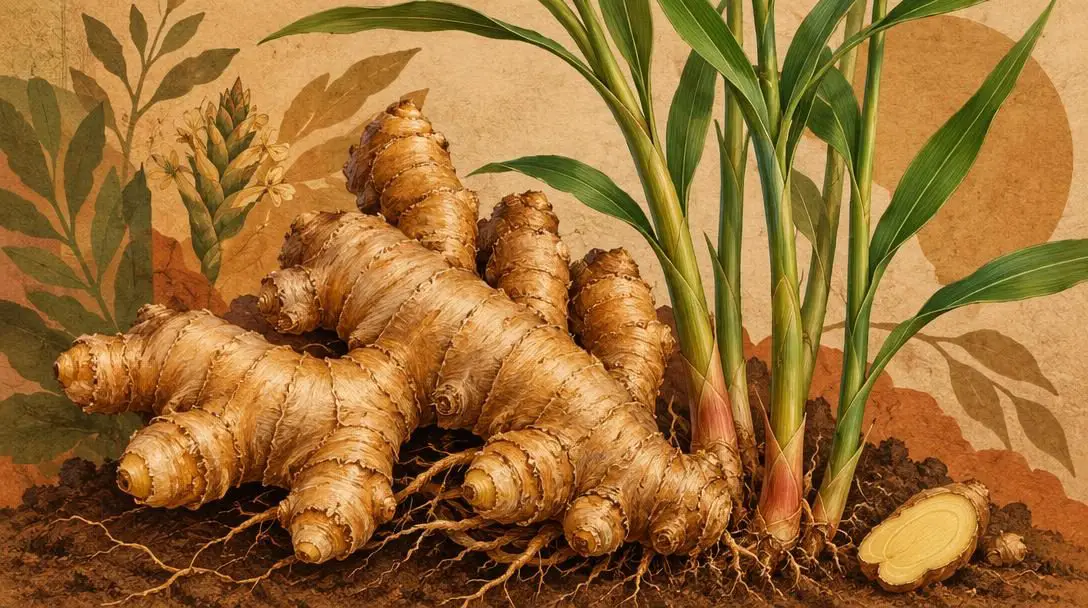
- Flavor Profile: Spicy, pungent, and warming
- Common Application: Soothing cold and flu symptoms
- Brewing Function: Pungent therapeutic base
Often turned to for soothing cold and flu symptoms, ginger produces underground rhizomes packed with spicy, pungent warmth. It provides a fiery, therapeutic foundation for home remedies and can be simmered alone or paired with mint and lemon balm for a multi-layered restorative brew.
Planning, Layout, and Necessary Tools
A flourishing tea patch relies on smart site selection and thoughtful garden design. Herbs require a sunny location that receives plenty of sunlight every day, paired with porous ground that drains water freely to prevent root suffocation. Designing your layout allows you to tailor your space to your yard's specific microclimates:
- Raised Garden Beds: These elevated wooden or stone structures allow you to manage soil composition, ensure rapid drainage, and work at a comfortable height without compacting the root zones.
- Container Gardens: Pots, troughs, and window boxes are ideal for patios, balconies, or modest yards. They also allow you to isolate vigorous growers, like mint, from creeping into adjacent beds.
- Herb Spirals: This vertical, spiraling stone or brick design creates diverse microclimates within a compact footprint, offering warm, dry ground at the peak for sun lovers and richer, moister ground at the bottom for leafy greens.
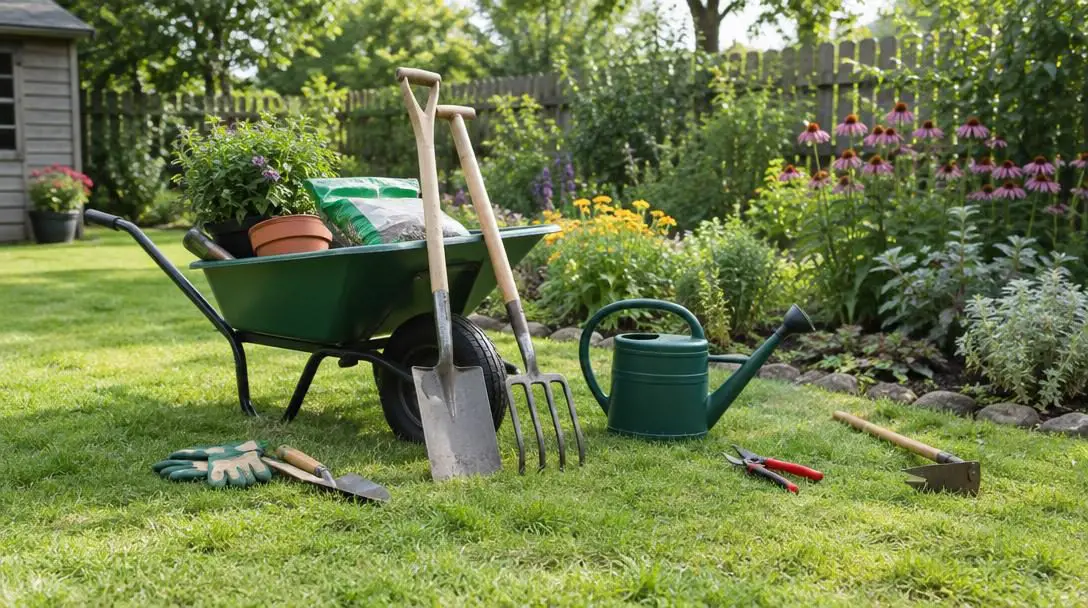
Before breaking ground, assemble the essential tools needed to plant and maintain your beds cleanly:
- A sturdy pair of gardening gloves to protect your hands from abrasions and thorny growth.
- A dependable shovel for digging planting holes, moving compost, and turning bulk materials.
- A balanced rake to smooth, level, and clear planting beds prior to seeding.
- A dedicated watering can or hose equipped with a gentle spray nozzle that hydrates without washing away delicate soil.
- A supply of organic fertilizers and amendments to build balanced ground vitality.
Step-by-Step Planting and Daily Care
To establish thriving plants, commit to thorough soil preparation and a regular maintenance routine that safeguards plant health through every stage of development.
- Prepare the Ground: Work organic matter, such as finished compost, directly into your native soil. Spread a generous layer of compost over the surface and use a garden fork or rototiller to blend it into the top layers. This process lightens dense earth, boosts microbial activity, and dramatically improves drainage. Add organic fertilizers and supplemental amendments to supply young roots with vital nutrition.
- Start Your Plants: You can start your tea garden from seed, buy young nursery starter plants, or propagate new stock by taking cuttings from mature stems and rooting them in clean water or moist seed-starting soil. If planting from seed, follow packet directions carefully for proper depth and spacing.
- Maintain a Consistent Watering Schedule: Most tea herbs prefer well-draining soil and need regular watering, particularly during hot dry spells. Check the top inch of soil; if dry, water thoroughly at the base of the plant to keep root systems hydrated without letting the bed turn swampy.
- Inspect for Garden Pests and Plant Illnesses: Regularly examine the undersides of leaves, tender buds, and lower stems. Common pests like aphids, whiteflies, and spider mites can weaken herbs by feeding on sap. Watch out for fungal infections and root rot, which often occur when moisture levels remain too high. Catching infestations or signs of sickness early protects the rest of your garden.
Harvesting, Drying, and Storing Garden Herbs
Harvesting herbs properly ensures your dried tea ingredients retain their full potency, aromatic oils, and rich flavors. Cutting stems cleanly using sharp pruning shears or household scissors avoids bruising surrounding stems. Always pick your herbs at peak vitality, typically before full flowering occurs, to capture the maximum concentration of essential oils.
Once picked, preserve your harvest using one of three effective drying methods:
- Air Drying: Tie harvested stems into small, loose bundles and hang them upside down in a warm, dry, well-ventilated area away from direct sunlight for several weeks until the leaves crumble cleanly.
- Dehydrators: Lay individual leaves in thin, uniform layers across dehydrator trays for quick, even moisture removal under gentle, controlled temperatures.
- Oven Drying: Spread clean leaves over baking sheets and dry them using your oven's lowest warming temperature, leaving the door cracked slightly and checking frequently to prevent scorching.
After your herbs are completely dry and crumble easily between your fingers, transfer them into clean, airtight containers such as glass jars or heavy resealable bags. Store the sealed jars in a cool, dark location away from heat, light, and humidity to protect delicate flavors and herbal properties over time.
Garden-Fresh Infusion Recipes
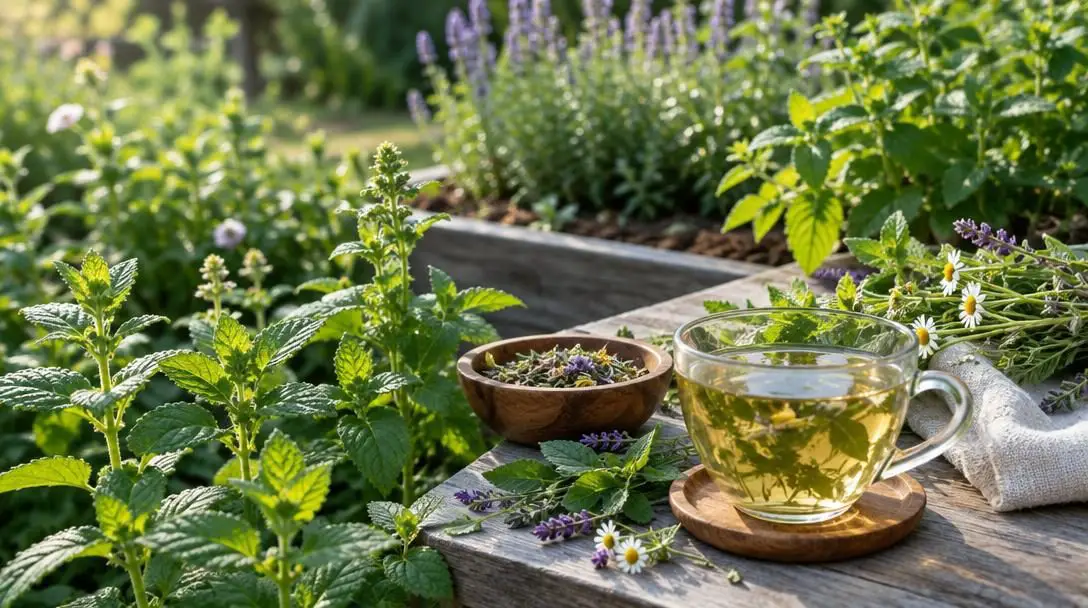
Once your herbs are dried and stored, you can brew single-herb cups or craft balanced herbal combinations straight from your pantry shelves.
Chamomile Tea
Place 1 to 2 teaspoons of dried chamomile flowers into a cup or teapot. Pour hot water over the blossoms and let steep for 5 to 10 minutes. Strain out the petals, then add honey or lemon to taste for a soothing, evening drink.
Mint Tea
Add 1 to 2 teaspoons of dried mint leaves to a mug of hot water. Steep for 5 to 10 minutes to draw out the sharp aromatic oils. Strain the leaves, then stir in honey or lemon if desired for a crisp digestive tonic.
Lavender Lemonade
Measure 1 to 2 teaspoons of dried lavender flowers into hot water and steep for 5 to 10 minutes. Strain the fragrant liquid, then mix it with freshly squeezed lemon juice, sugar or honey, and cold water for a floral, chilled beverage.
Lemon Balm Tisane
Add 1 to 2 teaspoons of dried lemon balm leaves into a pitcher of cold water. Allow the mixture to steep cold in the refrigerator for 4 to 6 hours. Strain out the leaves, pour the infusion over ice, and sweeten with honey or sugar for an invigorating afternoon cooler.
Common Mistakes to Avoid
Even dedicated gardeners encounter setbacks. Avoiding these common mistakes will help keep your tea garden productive and healthy throughout the seasons:
- Ignoring Soil Drainage: Planting in heavy, compacted ground causes water to pool around roots, creating ideal conditions for fungal pathogens and root rot. Always incorporate organic compost to loosen dense garden dirt.
- Overwatering Herbs: Many tea herbs, particularly lavender, rosemary, and chamomile, prefer moderate moisture and suffer if the soil stays wet. Water deeply, but allow the surface soil to dry out between watering sessions.
- Harvesting at the Wrong Time: Cutting leaves during the heat of the afternoon yields herbs that have lost some of their aromatic potency due to midday sun exposure. Prune your herbs when the plants are fresh and fully hydrated.
- Storing Herbs in Direct Sunlight: Placing clear glass jars of dried herbs on sunny windowsills or open countertops exposes them to light and heat, which quickly degrades their color, scent, and medicinal value. Always choose a dark pantry or closed cupboard.
- Allowing Pests to Multiply: Failing to inspect the undersides of leaves can allow small populations of aphids, whiteflies, or spider mites to explode into damaging infestations. Check plants weekly so you can address issues early.
What to Consider Next
Once your initial tea patch is flourishing, you can take your herbal hobby further by expanding your garden's scope and experimenting with advanced techniques:
- Expanding Your Plant Variety: Evaluate your garden's performance and consider planting additional companion varieties to broaden your brewing options and enhance garden biodiversity.
- Creating Custom Tea Blends: Combine dried herbs from your harvest to create tailored recipes. Try mixing mint with chamomile for digestive calm, or balancing lemon balm with rosemary to discover new flavor pairings.
- Preserving Fresh Seeds: As your plants mature, observe their natural life cycles and harvest seeds for the following season. Proper seed-saving helps maintain an ongoing, self-sufficient supply of tea herbs year after year.
- Adjusting to Seasonal Changes: Pay close attention to how changes in temperature and rainfall affect your beds. Mulch before winter to protect root crowns, or erect shading structures during extreme summer heat to keep your plants productive.
Frequently asked questions
What is the difference between a tea, a tisane, and a decoction?
A tea is made by steeping fresh or dried herbs in hot water for several minutes to release delicate aromatics. A tisane is brewed in cold water over several hours to produce a smooth, heat-free infusion. A decoction involves simmering tough plant parts in boiling water over an extended duration to break down dense cell walls and extract deep therapeutic properties.
Can mint be planted directly into an open garden bed?
While mint thrives in garden soil, it has a vigorous and aggressive growth habit that can easily overtake adjacent plants. Planting mint in containers, sunken pots, or isolated zones is recommended to keep its root system from spreading throughout your entire bed.
When is the best time of day to harvest herbs for drying?
The ideal time to harvest herbs is in the morning after the morning dew has dried, but before the heat of the afternoon sun evaporates the concentrated aromatic oils from the leaves and flowers.
How can I tell if my herbs are completely dry and ready for storage?
Herbs are ready for airtight storage when they are completely brittle and crumble easily between your fingers. If stems bend rather than snap cleanly, they still contain residual moisture that could cause mold inside storage jars.
How long do dried garden herbs maintain their flavor and potency?
When kept in airtight glass jars or sealed containers within a cool, dark cupboard away from direct heat and light, dried herbs maintain their flavor, aroma, and therapeutic properties for several months up to a full year.
The bottom line
Growing a dedicated herbal tea garden connects your daily beverage routine directly to the soil, giving you total control over the purity, flavor, and freshness of every cup you brew. By matching herbs to your local growing conditions, maintaining good drainage, harvesting before flowers open, and storing your dried leaves in a cool, dark spot, you can cultivate an abundant, sustainable supply of handcrafted infusions right in your own backyard.