How to Protect Your Garden from Common Diseases: Tips and Prevention Methods
Maintaining a flourishing garden demands an ongoing awareness of the biological pressures that affect domestic flora. Whether an experienced grower is troubleshooting yellowing leaves, bare patches in a lawn, and dying stems, or a beginner is working to cultivate a resilient vegetable patch, preventing disease is a fundamental discipline. A plant disease is a harmful physiological disruption triggered by infectious agents like fungi and bacteria, or by poor cultural conditions that impede natural development.
Microscopic pathogens exist naturally in almost every outdoor environment, yet they rarely cause visible devastation unless environmental factors work in their favor. When susceptible cultivars encounter prolonged leaf dampness, stagnant air, or depleted soil chemistry, minor infections can rapidly escalate into widespread crop failure. Cultivating an understanding of the environmental triggers that awaken dormant pathogens allows gardeners to intervene well before irreversible damage occurs.
Key takeaways
- Plant disease requires a susceptible host, an active pathogen, and a favorable environment, meaning altering environmental conditions can stop infection before it begins.
- Overhead watering encourages fungal germination by leaving standing water on foliage, whereas root-level drip irrigation keeps leaves dry and prevents soil splash.
- Sanitizing pruning tools with a mixture of rubbing alcohol and water eliminates the accidental transfer of bacteria and spores between plants.
- Targeted organic remedies—such as a baking soda spray for powdery mildew and soapy water for aphids—curb outbreaks without synthetic chemical interventions.
- Severe or fast-spreading conditions like Dutch elm disease, fire blight, and oak wilt warrant professional intervention from licensed arborists or pest control specialists.
The biological mechanics of plant infection
To design an effective prevention program, gardeners must understand the plant disease triangle. In plant pathology, an infectious ailment cannot establish itself unless three distinct variables align simultaneously: a vulnerable host plant, a viable pathogen such as a fungal spore or bacterial colony, and an environmental setting that permits infection. If any single corner of this triangle is broken, infection cannot take hold.
Most common garden ailments are fungal in origin. Fungal spores often lie dormant on organic debris or inside garden soil until ambient moisture and temperature stimulate them to germinate. A spore landing on a leaf typically requires a thin film of standing water sustained over several hours to penetrate the cellular epidermis. If the leaf remains dry, the spore fails to sprout. Likewise, soil-borne microorganisms depend on continuous root contact to colonize vascular tissue. By deliberately modifying cultivation habits—such as alternating host plants or delivering water directly to the soil—growers eliminate the ecological bridges that pathogens depend upon to complete their life cycles.
Disrupting a single corner of the disease triangle stops pathogens from colonizing vulnerable garden plants.
Recognizing common garden diseases in your beds
Early identification is essential to stopping small infestations before they run through an entire bed. Different pathogens leave distinct visual signatures across foliage, stems, and fruit.
Blight
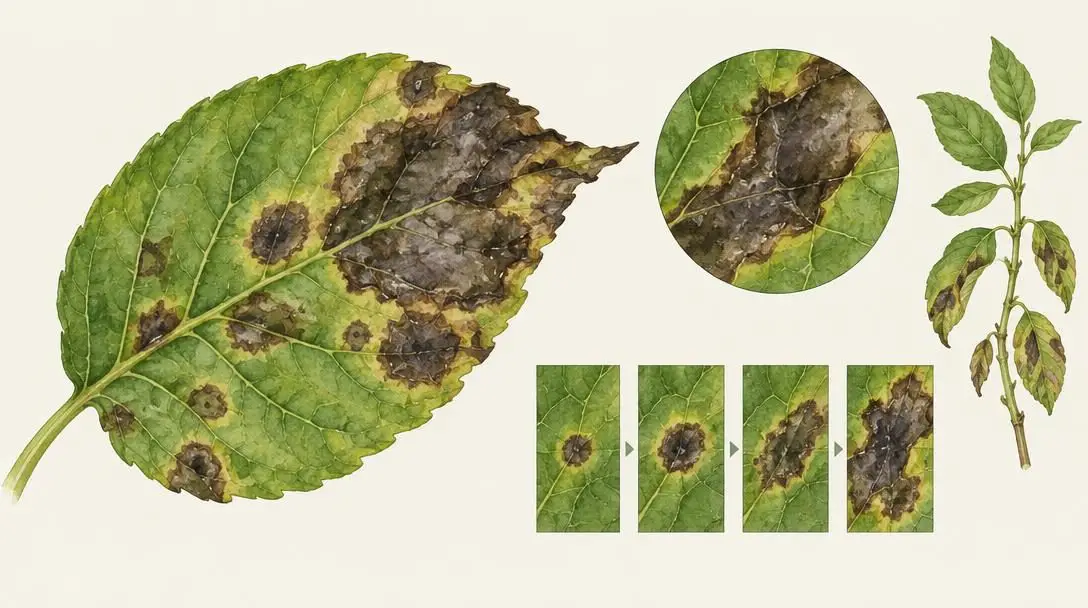
Blight is a destructive fungal condition that attacks leaves, structural stems, and developing fruit. The infection presents as dark, water-soaked lesions that expand rapidly across soft tissue. As the fungus consumes cellular moisture, afflicted areas turn brown or black, leading to swift tissue decay and total structural collapse if left unmanaged.
Powdery Mildew
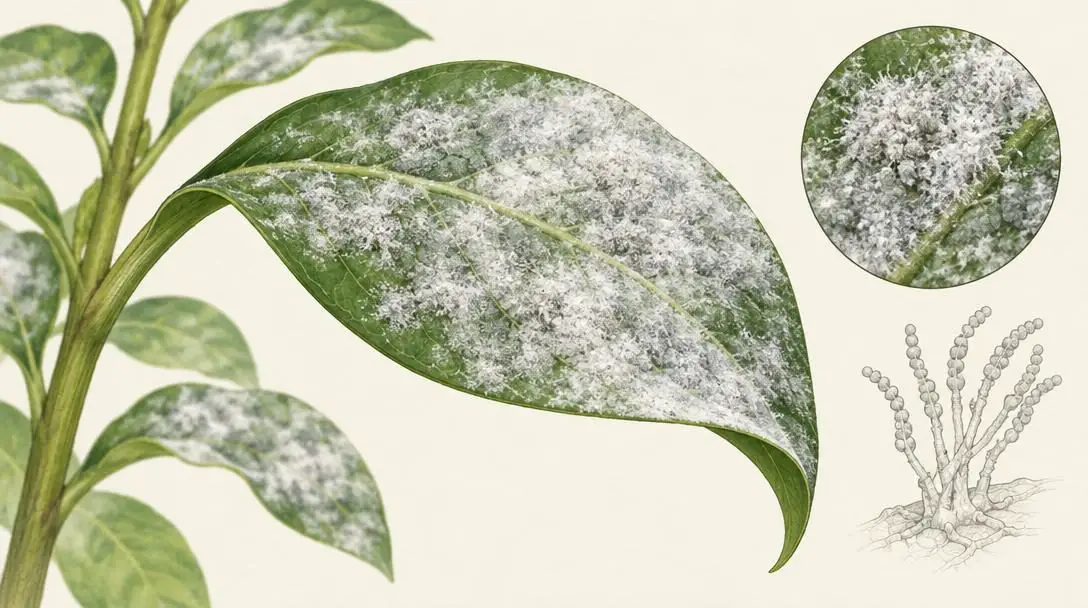
Powdery mildew is easily diagnosed by the distinctive white or ash-gray fungal coating that forms across the surface of foliage, shoots, and flower buds. Unlike many fungi that depend on persistent rain, powdery mildew flourishes in environments characterized by swinging humidity levels and stagnant air. The superficial dusting interferes with photosynthesis, causing foliage to curl, dry, and drop prematurely.
Septoria Leaf Spot
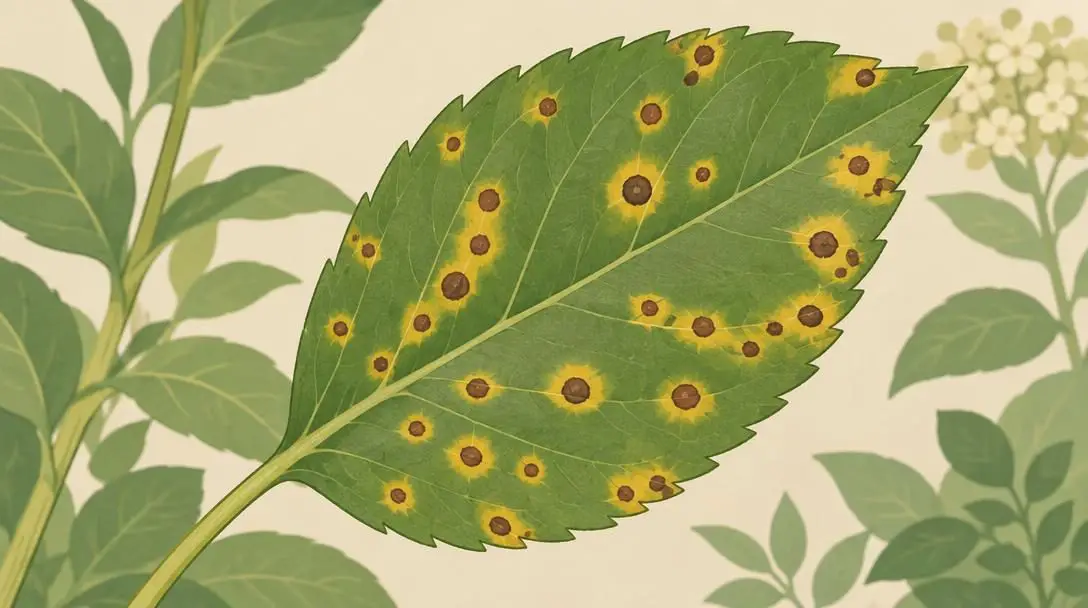
Septoria leaf spot produces a dense scattering of small, circular brown or black spots across plant foliage. As the disease advances, the tissue surrounding the dark lesions turns pale yellow. Over time, heavily infected leaves shrivel and drop from the plant, stripping the lower canopy bare and severely reducing the specimen's vigor and yield.
Verticillium Wilt
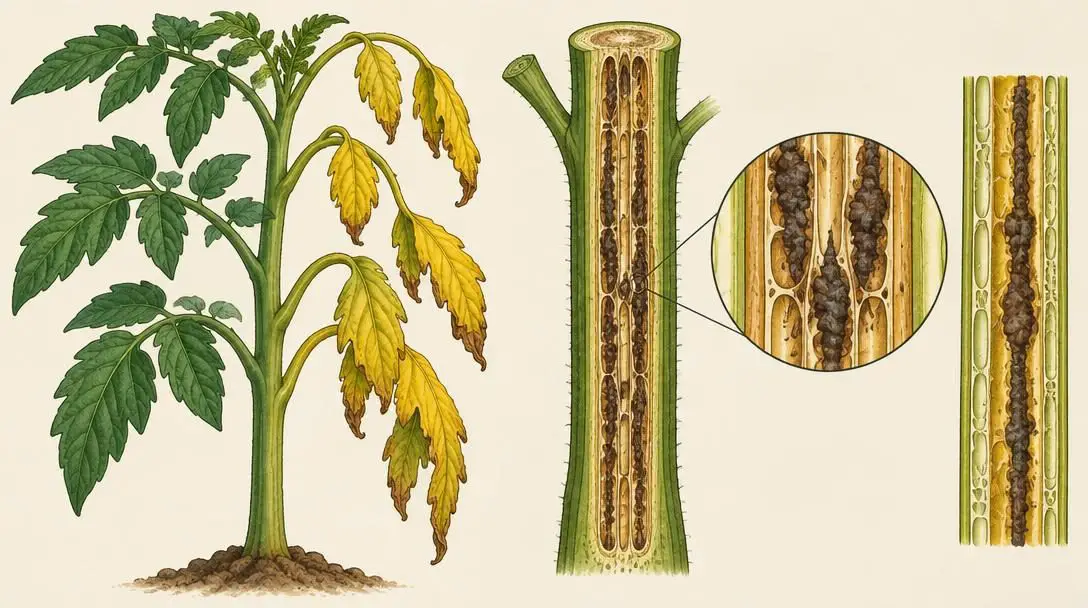
Verticillium wilt is a persistent, soil-borne vascular disorder that invades plants through their root systems. Once inside, the pathogen clogs the xylem channels responsible for moving water and essential minerals upward. Plants exhibit sudden, severe daytime wilting, followed by rapid chlorotic yellowing and complete defoliation as the internal vascular transport collapses.
| Disease | Pathogen Origin | Primary Symptoms | Target Tissues |
|---|---|---|---|
| Blight | Fungal pathogen | Dark, expanding spots and tissue collapse | Foliage, stems, and fruits |
| Powdery Mildew | Fungal pathogen | White or gray powdery coating | Leaves, stems, and blossoms |
| Septoria Leaf Spot | Fungal pathogen | Small circular dark spots with yellow halos | Foliage and lower leaves |
| Verticillium Wilt | Soil-borne pathogen | Sudden severe wilting and leaf drop | Vascular system and roots |
Proactive cultivation strategies to protect plant health
A resilient garden relies on regular cultural practices that sustain plant stamina while discouraging opportunistic microbes. Applying science-backed growing habits minimizes the need for drastic interventions later in the season.
The soil profile serves as the foundational barrier against disease. Aerated, biologically active soil supports deep root expansion and nutrient uptake, enabling plants to naturally resist infection. Regular testing of soil pH levels and nutrient profiles is essential. Unbalanced soil pH locks out critical micronutrients, while nutrient imbalances stress roots. Testing removes guesswork, allowing gardeners to amend their plots with accurate quantities of organic matter to restore equilibrium.
Choosing disease-resistant plant varieties is an equally impactful preventive measure. Seed producers and agricultural breeders develop hybrid and open-pollinated cultivars carrying genetic tolerance to aggressive infections such as blight. Incorporating these proven cultivars drastically limits the likelihood of an outbreak taking hold in your beds.
Irrigation methods require equal scrutiny. Overhead sprinklers throw water across foliage, creating prolonged leaf dampness while splashing soil particles and embedded spores onto tender lower stems. Switching to targeted drip irrigation or ground-level soaker lines directs moisture straight into the root zone. This keeps the canopy dry, starving fungal spores of the surface moisture they require for germination.
Planting identical crops in the same plot year after year allows specialized soil-dwelling microbes to multiply. Implementing a strict crop rotation schedule interrupts this build-up. By moving botanically related plant families to fresh ground each season, dormant pathogens are starved of their preferred host root systems and gradually decline.
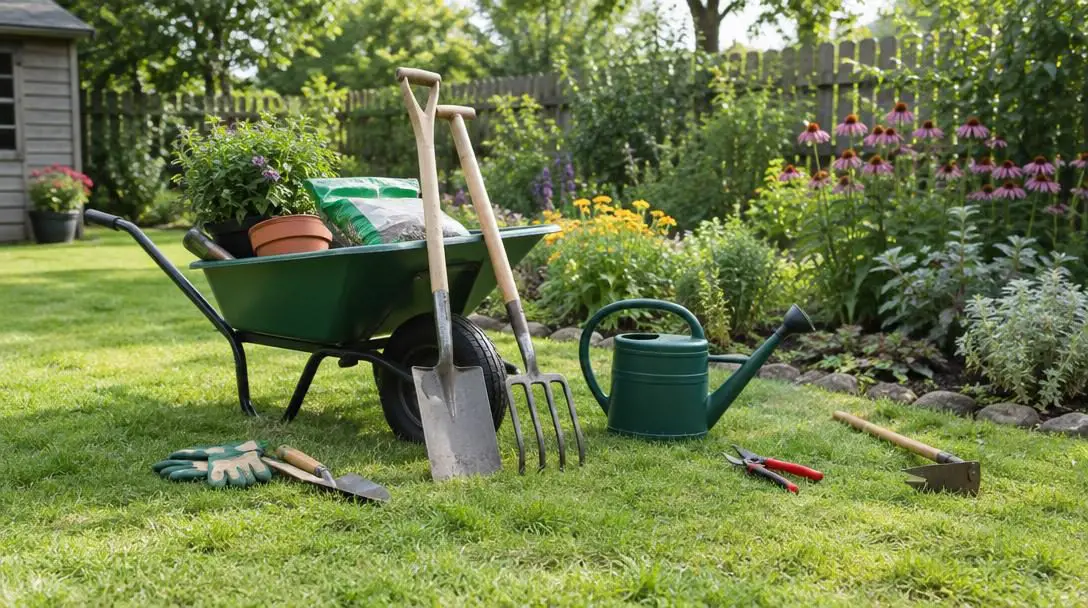
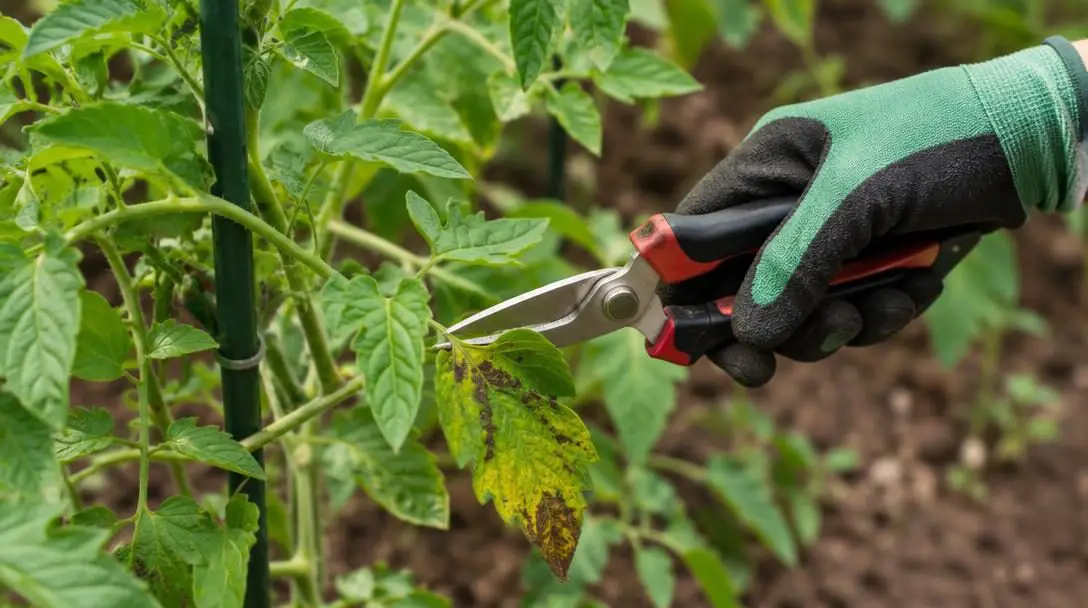
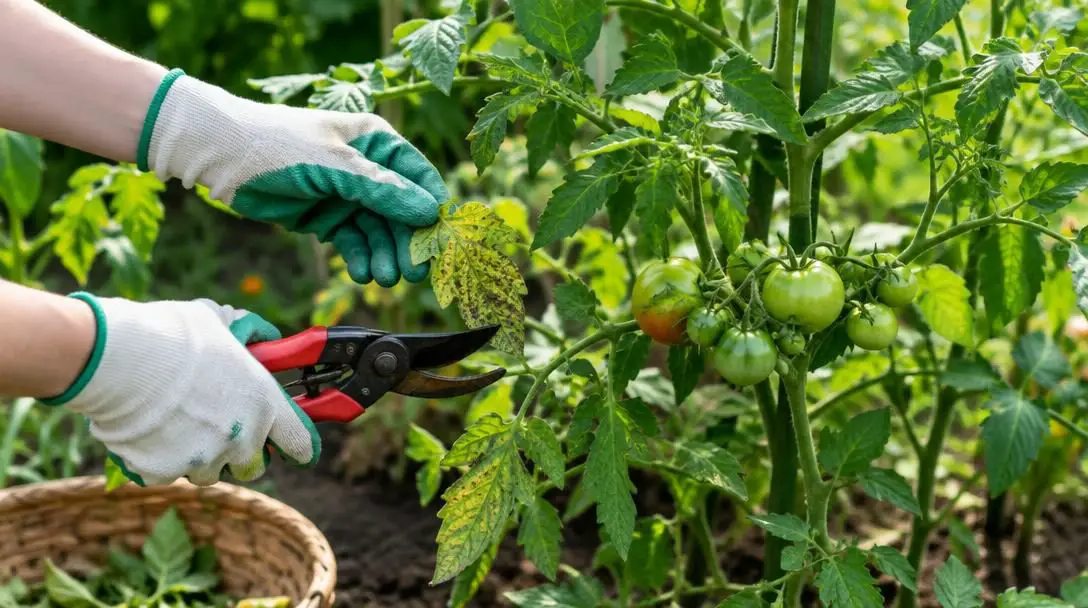
Tool hygiene is another crucial component of garden defense. Pruning shears, garden knives, and spades can transport living pathogens directly from sick tissue into clean plant wounds. Gardeners should disinfect cutting edges regularly with a mixture of clean water and rubbing alcohol after trimming plants or transitioning between beds.
Organic treatments and companion planting techniques
When localized issues emerge, natural treatments can suppress infectious agents without upsetting the broader garden ecology. Organic methods focus on boosting beneficial microbial activity and altering surface conditions to stop pathogens from spreading.
Amending garden beds with finished compost and balanced organic inputs enriches the microbial biome within the soil. A diverse community of beneficial soil organisms outcompetes harmful soil-borne fungi, shielding delicate feeder roots. Above ground, a homemade blend of baking soda, mild dish soap, and water creates an inhospitable alkaline surface that halts powdery mildew when misted onto infected leaves at the first sign of gray dust.
Insect pests frequently act as direct physical carriers for microbial ailments. Aphids, for example, pierce leaf tissues to feed on sap, leaving open entry wounds while spreading viral and fungal agents from plant to plant. A gentle spray combining clean water and mild liquid dish soap suffocates aphids on contact. Applying this soapy mixture every few days quickly reduces aphid colonies without harsh chemical residues.
Strategic companion planting offers another natural barrier against disease. Certain plant pairings create micro-environments that suppress specific pathogens or discourage visiting pests. Planting rows of pungent onions alongside delicate lettuce crops actively suppresses outbreaks of lettuce downy mildew, providing reliable organic disease management across the planting bed.
A step-by-step garden disease management workflow
When managing an active garden plot or preparing new ground, working through a structured process maintains plant vigor and limits the spread of disease.
- Assess the site and inspect foliage: Walk garden pathways weekly, checking the undersides of leaves, lower stems, and soil surfaces for unusual speckling, mildew coatings, or sudden wilting.
- Sample and adjust the soil: Collect core soil samples across your beds to evaluate current pH balance and nutrient profiles, integrating finished compost or targeted organic amendments to resolve deficiencies before planting.
- Design your layout: Map planting zones to satisfy crop rotation principles, placing vulnerable crops into beds that did not host related species during the previous cycle, and interplanting protective companions like onions.
- Irrigate at the root zone: Lay down drip irrigation hoses along plant bases, directing moisture strictly into the soil while avoiding evening waterings that leave surfaces damp overnight.
- Prune and disinfect promptly: Snip away dead, damaged, or spotted leaves using sharp bypass pruners, sanitizing the metal blades in a bath of water and rubbing alcohol between cuts.
- Apply target treatments: Spray early outbreaks of powdery mildew or aphid colonies with baking soda or soapy water preparations, repeating applications until symptoms abate.
- Clear out refuse: Rake up fallen leaves, discarded stems, and spent vines, removing them from garden borders to prevent resting fungal spores from overwintering in the soil.
Crucial mistakes that encourage pathogen outbreaks
Even diligent gardeners can make minor operational errors that invite pathogens into their landscape. Identifying these pitfalls helps protect plantings across the season.
- Overcrowding plantings: Positioning plants too closely together cuts off natural airflow. Dense canopies trap humidity and slow down drying after morning dew or rainfall, creating the perfect damp microclimate for powdery mildew and leaf spot.
- Relying on overhead sprinklers: Oscillating lawn sprinklers cast moisture broadly over the entire garden, saturating leaves and bouncing contaminated soil onto lower foliage.
- Ignoring tool sanitization: Moving directly between infected branches and healthy stems with unsterilized shears inoculates clean tissue through fresh pruning wounds.
- Overlooking soil preparation: Skipping seasonal soil tests often leads to poor pH balance and nutrient shortages that weaken plant immune responses.
- Composting severely diseased foliage: Back-yard compost piles rarely reach the sustained high temperatures needed to neutralize resilient fungal resting bodies, meaning compost made from infected vines will reintroduce pathogens back into the soil next season.
Recognizing when to call licensed plant care specialists
While DIY sprays, improved watering, and cultural adjustments successfully handle routine vegetable patch ailments, certain advanced conditions require professional arborists and licensed pest control contractors. Large ornamental trees and established landscape specimens face high-consequence vascular diseases that spread quickly through root grafts and airborne vectors.
Aggressive conditions such as Dutch elm disease, fire blight, and oak wilt cause catastrophic vascular failure in mature trees. These pathogens move quickly beneath the bark, often rendering home treatments ineffective. Arborists carry the commercial-grade systemic treatments, specialized injection tools, and diagnostic training needed to contain these infections before they destroy valuable canopy trees.
When selecting professional help, look for licensed, insured landscape contractors or arborists with proven diagnostic expertise in regional plant pathology. Check verified customer reviews, confirm state certifications, and request client references to ensure the company has successfully resolved similar outbreaks in your area.
Long-term considerations for resilient landscapes
Protecting a garden is a continuous seasonal practice. As beds evolve over successive growing cycles, incorporating several long-range habits will keep pathogen pressure low.
Maintaining a dedicated garden journal is one of the simplest and most effective long-term practices. Documenting where specific crop families were situated, recording seasonal weather patterns, and noting when foliar spot or powdery mildew emerged gives you the historical data needed to plan crop rotations and select disease-resistant seeds.
Gardeners should also stay informed about regional pathogen outbreaks. Agricultural extensions regularly track localized waves of blight or insect vectors, providing timely alerts that let you adjust planting schedules or choose resistant hybrids before the season begins. Upgrading from temporary garden hoses to automated drip lines and committing to routine soil tests every few seasons builds an enduring foundation for garden health.
Frequently asked questions
How does baking soda work to treat powdery mildew?
A gentle mixture of baking soda, clean water, and a few drops of mild dish soap alters the pH on the leaf surface, creating an alkaline environment that arrests fungal growth. Spraying this blend over affected stems and leaves stops powdery mildew from spreading.
Why is drip irrigation better than overhead watering for disease prevention?
Drip irrigation applies water directly to the soil and root zone, keeping the plant canopy dry. Overhead watering leaves standing moisture on foliage and splashes contaminated soil particles onto leaves, facilitating fungal spore germination.
Can I put plants with blight or leaf spot into my home compost pile?
No. Standard backyard compost piles rarely generate the prolonged high temperatures required to kill fungal spores and bacterial pathogens. Composting diseased material risks reintroducing the infection into your garden when the compost is applied later.
How do aphids spread plant diseases throughout a garden?
Aphids pierce foliage to feed on plant juices, which creates open physical wounds while transferring viral and fungal pathogens picked up from infected plants. Managing aphids with a soapy water spray eliminates this transmission route.
What is the best way to sanitize pruning shears between cuts?
Wiping or dipping cutting blades into a mixture of water and rubbing alcohol neutralizes fungal spores and bacteria on contact, preventing the accidental transmission of disease from infected stems to healthy cuts.
The bottom line
Preventing garden disease comes down to breaking the conditions that allow pathogens to thrive. By managing soil chemistry, choosing resistant seed varieties, watering at the root line, and sterilizing tools, gardeners can protect their beds from destructive outbreaks. While home remedies like baking soda and soapy water manage everyday foliar issues, persistent or severe tree conditions like oak wilt and Dutch elm disease require the attention of licensed professionals. Consistent garden habits and careful seasonal monitoring ensure your landscape remains vibrant, productive, and resilient year after year.