How Voter Fraud Allegations Continue to Shape American Politics
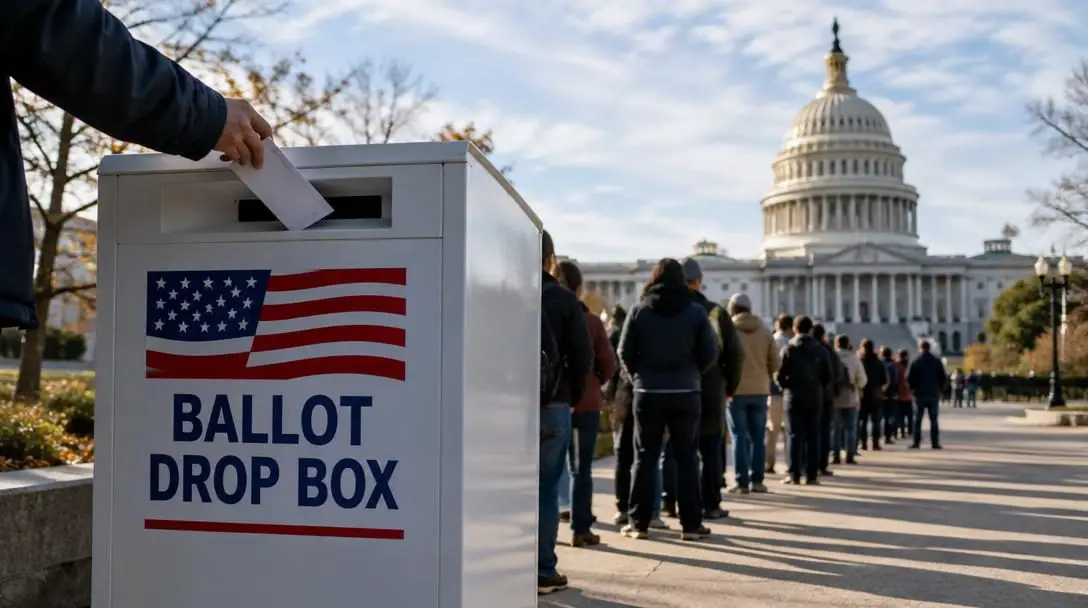
The integrity of the ballot box has stood as an enduring flashpoint in American civic discourse for decades. Across consecutive electoral cycles, claims of voter fraud emerge from various quarters of the political spectrum, igniting fierce debates over the fairness of counts, the vulnerability of voting systems, and the legitimacy of winning candidates. Far from fading once ballots are certified, these accusations leave deep, structural imprints on public psychology, statutory frameworks, and the broader conduct of representative government.
When questions arise regarding how votes are cast, secured, and tabulated, the reverberations extend far beyond the immediate campaign. The ensuing debates shape long-term attitudes toward democratic participation, motivate sweeping legislative overhauls in state assemblies, and frequently recast the terms under which citizens interact with election administrators. Evaluating how these allegations originate, propagate, and influence institutional policy is critical to understanding the modern trajectory of American elections.
Key takeaways
- Persistent accusations of voter fraud erode public trust in electoral systems and can depress long-term turnout by breeding civic apathy.
- High-profile disputes, including the 2000 Florida recount and the 2020 presidential challenges, demonstrate that contested results leave lasting partisan divisions regardless of judicial outcomes.
- Strict voter identification mandates, frequently introduced to prevent fraud, carry documented risks of disproportionately disenfranchising low-income and minority voters.
- Maintaining an enduring democratic framework requires balancing administrative security measures with inclusive policies such as automatic voter registration and expanded early voting.
Landmark Contested Elections in Modern History
Disputes over election integrity are not novel phenomena in the United States; rather, they have evolved alongside shifts in voting technologies, administrative statutes, and partisan alignments. When closely contested races encounter procedural hurdles or narrow margins, accusations of impropriety often ascend to the highest corridors of power, shifting the direction of national leadership and testing constitutional safeguards.
George W. Bush and the 2000 Recount
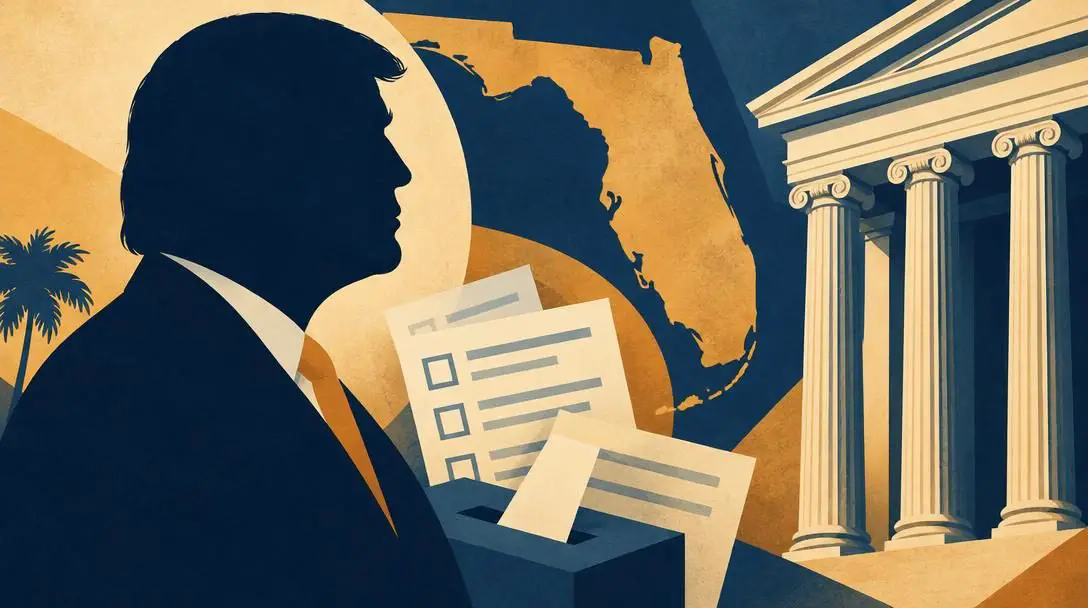
- Election contest: 2000 United States presidential election
- Focal jurisdiction: Florida
- Decisive mechanism: Supreme Court of the United States judicial intervention
- Governing consequence: Resolution awarded Bush the presidency amid lingering partisan polarization
The 2000 presidential contest between George W. Bush and Al Gore exposed the vulnerability of election systems to intense public dispute when outcomes hinge on razor-thin margins. Concentrated entirely on the state of Florida, the dispute involved protracted scrutiny over mechanical counting methods, disqualified ballots, and ambiguous voting designs. As mechanical recounts and legal challenges proliferated, the legitimacy of the entire contest hung in the balance for weeks.
The dispute ultimately reached the Supreme Court of the United States, whose historic intervention halted the statewide recounting efforts and effectively resolved the contest by awarding George W. Bush the presidency. While the judicial ruling brought finality to the certification timeline, the prolonged scrutiny of Florida's voting mechanisms demonstrated how operational challenges can generate lasting doubt. The episode reinforced partisan divisions over electoral fairness that persisted throughout Bush's presidency, showcasing the difficulty of governing when an administration begins under the shadow of contested ballots.
Donald Trump and the 2020 Challenges
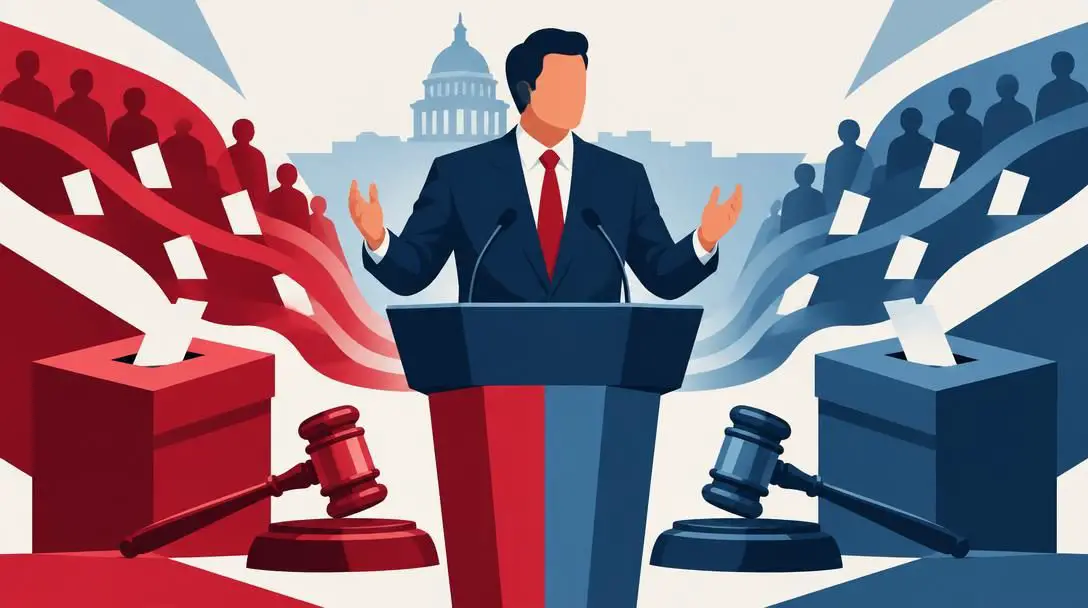
- Election contest: 2020 United States presidential election
- Core dispute: Widespread allegations of voter fraud following electoral defeat
- Judicial outcomes: Allegations widely debunked across multiple state and federal courts
- Institutional impact: Heightened civil unrest and persistent skepticism surrounding the transfer of power
Two decades after the Florida recount, questions surrounding election administration returned with unprecedented intensity following the 2020 presidential race. In the wake of his defeat, former President Donald Trump mounted a relentless campaign alleging that widespread voter fraud had compromised the balloting process. These assertions targeted numerous administrative practices, focusing heavily on expanded mail-in voting procedures and local tabulation protocols implemented across multiple battleground states.
Despite being comprehensively debunked by bipartisan election officials, federal oversight agencies, and state and federal courts across multiple jurisdictions, the fraud claims achieved extensive traction among Trump's supporters. The sustained insistence that the contest had been improperly decided fueled deep unrest and shattered the conventional, orderly perceptions surrounding the peaceful transfer of power. The aftermath of 2020 demonstrated that even when claims of misconduct lack judicial or factual support, their continued dissemination can crystallize enduring political factions and instill permanent doubts about the integrity of election infrastructure.
| Election Cycle | Key Figure Involved | Primary Administrative Arena | Judicial and Official Findings | Long-Term Systemic Impact |
|---|---|---|---|---|
| 2000 Presidential Race | George W. Bush | Florida ballot counting and recounts | Supreme Court ruling halted recounts, confirming certified victory | Highlighted administrative vulnerabilities and deepened partisan skepticism regarding judicial resolution |
| 2020 Presidential Race | Donald Trump | Multistate vote counting and certification | Widespread fraud claims systematically debunked by courts and officials | Spurred ongoing civil unrest, contested transfer of power, and sweeping state legislative actions |
Mechanisms of Electoral Impact: From Claims to Policy Changes
Allegations of voter fraud rarely exist solely as political rhetoric; they trigger a cascading sequence of psychological, behavioral, and statutory outcomes that fundamentally reshape the electoral landscape. By altering how citizens perceive the value of their individual ballots and how lawmakers regulate the voting booth, these claims create structural ripples across the entire democratic apparatus.
The primary casualty of recurring fraud accusations is public trust. When voters are consistently told that results are susceptible to manipulation, corrupt counting, or administrative interference, their confidence in institutional legitimacy erodes. This deterioration of faith creates fertile ground for voter apathy. Citizens who conclude that electoral outcomes are rigged or predetermined often decide that showing up to cast a ballot is a futile exercise. Over successive cycles, this pervasive cynicism threatens to reduce voter participation, weakening the representative character of local, state, and federal offices.
When citizens are repeatedly told that their ballots do not count, the resulting decline in trust turns healthy skepticism into pervasive political apathy.
Beyond individual voter psychology, allegations of irregular voting prompt rapid responses from state legislatures. Lawmakers facing constituent pressure often implement heightened regulatory scrutiny over election administrators. In many jurisdictions, this has translated directly into strict voter identification requirements. Proponents argue that strict photo identification laws protect the sanctity of the ballot box by preventing potential impersonation or unauthorized voting. However, these regulations introduce substantial administrative hurdles.
Because low-income citizens, students, and minority populations are statistically less likely to possess government-issued photo identification—and often face economic and logistical barriers to securing such documentation—strict ID mandates risk erecting barriers that suppress lawful turnout. The central policy dilemma therefore centers on whether preventative measures create greater risks to democratic health through disenfranchisement than the fraud they are ostensibly designed to halt.
Five Policy Solutions to Safeguard Integrity and Maintain Access
Preserving democratic institutions requires moving beyond polarized debates to implement objective administrative solutions. Policymakers and election directors can strengthen the security of the ballot box while simultaneously eliminating unnecessary barriers for eligible participants through five practical initiatives:
Automatic Voter Registration
Modernizing voter registration through automated mechanisms allows eligible citizens to be registered seamlessly whenever they interact with government agencies, such as the department of motor vehicles. By shifting the administrative burden away from individual voters, automatic voter registration ensures that voter rolls remain accurate, comprehensive, and up to date. Routine state-level updates minimize clerical errors, reduce discrepancies on polling day, and prevent eligible citizens from arriving at precincts only to find their names erroneously purged.
Expanding Early Voting Windows
Restricting balloting to a single twelve-hour window on a Tuesday creates operational bottlenecks that place severe stress on voting infrastructure and election workers. Broadening the timeframe for in-person early voting alleviates precinct congestion, decreases voter wait times, and provides flexible voting opportunities for shift workers and caregivers. Distributing turnout over several days or weeks also gives local administrators more time to process ballots systematically, dramatically reducing administrative errors that can otherwise be mistaken for fraud.
Investing in Identity Verification Technology
Rather than relying on restrictive physical document rules that exclude eligible citizens, election jurisdictions can deploy updated digital verification tools. Electronic poll books and secure verification databases allow precinct workers to validate voter eligibility instantaneously and accurately. These modern platforms prevent administrative oversights and dual registrations while eliminating the excessive hurdles associated with rigid physical identification requirements.
Upgrading Fraud Prevention Infrastructure
To detect and deter genuine irregularities, election offices must invest in robust back-end cybersecurity and data auditing architecture. Upgraded tabulators with verifiable paper audit trails, secure chain-of-custody tracking systems, and cross-jurisdictional data comparison tools ensure that any illegitimate voting activity can be identified immediately. When election infrastructure is technically sound, claims of illicit voting can be definitively evaluated and resolved with objective, empirical evidence.
Promoting Institutional Transparency
Mistrust thrives in environments where administrative procedures are obscure or hidden from view. Election administrators can cultivate public confidence by conducting ballot tabulation, machine pre-testing, and post-election audits under open observation. Providing livestreamed counting facilities, allowing credentialed observers from all parties to monitor the canvas, and publishing clear explainers of validation protocols reassure the public that votes are being counted precisely as cast.
Common Missteps in the Election Integrity Debate
Efforts to address election security and public trust often falter due to recurring strategic and administrative missteps. Recognizing these miscalculations is vital for avoiding policies that weaken rather than protect representative governance:
- Conflating administrative errors with systemic fraud: Large-scale elections naturally encounter occasional clerical mistakes, signature mismatches, or equipment glitches. Treating minor, routine administrative anomalies as proof of a coordinated conspiracy exaggerates vulnerabilities and destabilizes public faith.
- Ignoring the consequences of disenfranchisement: Enacting rigid requirements without evaluating their broader impact can exclude eligible voters from low-income and minority backgrounds. Security policies that undermine lawful access run counter to fundamental democratic principles.
- Dismissing public skepticism without evidence: When election authorities fail to proactively explain safeguards or dismiss public doubts without transparency, misinformation spreads unchecked. Clear, accessible communication is necessary to counter speculative claims.
- Permitting partisan motives to shape election administration: Designing election procedures to gain tactical partisan advantages produces volatile, contested systems that lack broad public acceptance. Rules governing the ballot must remain nonpartisan and consistent.
- Underfunding local election infrastructure: Depriving municipal and county election offices of needed personnel, equipment, and training leads to precinct delays and tabulation backlogs. These administrative slowdowns often provide the initial spark for unfounded fraud allegations.
Frequently asked questions
How do allegations of voter fraud affect voter turnout over time?
Persistent allegations of voter fraud contribute significantly to civic apathy. When citizens are repeatedly told that voting systems are corrupt, easily manipulated, or that results are preordained, many conclude that participating is futile. This cynicism leads eligible voters to stay home, ultimately depressing overall turnout in subsequent elections.
What role did the Florida recount play in the 2000 presidential election?
The 2000 Florida recount highlighted how administrative difficulties and ambiguous ballot designs can throw a close presidential contest into crisis. The dispute led to an intervention by the Supreme Court of the United States, which halted the recount and awarded George W. Bush the presidency, leaving lingering partisan debates over the outcome.
What were the findings regarding voter fraud claims in the 2020 election?
Following the 2020 contest, former President Donald Trump raised widespread allegations of voter fraud. However, these claims were systematically debunked by election officials and dismissed across numerous state and federal courts for lack of evidence, even as the narrative continued to influence public opinion.
Why are strict voter ID requirements a controversial response to fraud claims?
While proponents argue strict voter ID laws protect the integrity of the ballot, critics point out that these mandates create substantial barriers for low-income citizens and minority voters who may lack state-issued photo IDs. This dynamic creates a risk of disenfranchising legal voters in the name of stopping rare forms of fraud.
How does institutional transparency help resolve doubts about election integrity?
Institutional transparency—such as permitting bipartisan observation of ballot tabulation, conducting open post-election audits, and publishing detailed validation procedures—demystifies the counting process. When the public can see how ballots are safeguarded and tabulated, unfounded claims of misconduct lose their persuasive power.
The bottom line
The debate surrounding voter fraud touches the core of American self-governance. When allegations of electoral manipulation are amplified without substantiated evidence, they inflict measurable damage on civic health by degrading trust, fostering apathy, and complicating the orderly transfer of authority. Conversely, failing to address genuine administrative inefficiencies and security gaps leaves election systems vulnerable to legitimate criticism and political exploitation.
Strengthening democratic resilience requires a dual commitment: securing the ballot against unauthorized participation while vigorously protecting the franchise for every eligible citizen. By prioritizing automatic voter registration, flexible early voting options, modernized verification technology, and rigorous institutional transparency, lawmakers and election officials can construct an electoral system that is both fortified against bad actors and open to every American voter.