Indoor Gardening: Tips for Growing Plants in Limited Space
Indoor gardening has experienced a remarkable surge in popularity, transforming compact urban dwellings into lush, restorative retreats. Cultivating living greenery inside your home provides noticeable psychological and physical benefits, ranging from improved indoor air quality to lower everyday stress levels. Introducing vibrant botanical textures softens sterile modern architecture, grounding residents with a tangible connection to the natural living world regardless of outside weather or urban density.
For individuals residing in tight studio apartments, windowless professional offices, or residences with minimal surface room, starting a garden can seem intimidating. Many beginners assume that without expansive backyard acreage, wide greenhouse window bays, or dedicated sunrooms, plant life cannot survive. Fortunately, thoughtful plant selection, vertical spatial arrangements, and proper indoor cultural care allow anyone to cultivate a thriving, beautiful indoor botanical collection within a very modest footprint.
Key takeaways
- Compact living quarters can support thriving plant life through vertical arrangements, hanging displays, and mindful specimen selection.
- Indoor plants depend completely on the grower to manage photosynthesis, container drainage, air movement, and soil nutrient replenishment.
- Evaluating window orientation—south, north, east, or west—determines whether natural sunlight is adequate or supplemental grow lights are necessary.
- Overwatering represents the most common hazard for potted plants, requiring moisture checks before adding water.
- Repurposing everyday household vessels and mounting wall trellises keeps floor plans clear while maximizing green foliage.
The Evolution of Small-Space Horticulture
Historically, domestic gardening was viewed primarily as an outdoor endeavor. Cultivating flora meant tending wide backyard vegetable plots, turning deep garden beds, or planting formal borders along open suburban lawns. Outdoor soil offered an endless buffer for root systems, seasonal precipitation provided dependable hydration, and overhead sunlight delivered full-spectrum energy. Interior gardening was largely confined to wealthy estates with dedicated conservatories or sunny, glass-enclosed orangeries designed to keep delicate tropical species alive through freezing winters.
As modern urbanization accelerated, housing formats shifted dramatically toward high-density architecture. High-rise condominiums, multi-family duplexes, and compact downtown rental apartments became standard living spaces for millions. In these environments, private yards and open soil rarely exist. At the same time, prolonged exposure to artificial materials, digital screens, and enclosed rooms amplified the human desire for living greenery indoors. Plants became a primary mechanism for softening interiors, bringing vivid organic color into monochrome rooms, and counteracting mental exhaustion.
The horticulture industry responded by engineering tools specifically suited for enclosed environments. Specialized indoor potting soils, space-conscious self-watering pots, compact drip irrigation equipment, and efficient artificial grow lights have made indoor cultivation possible in areas once considered inhospitable to vegetation. Gardeners are no longer limited by structural floor plans or yard access; indoor cultivation has evolved into an adaptable practice suitable for any home size.
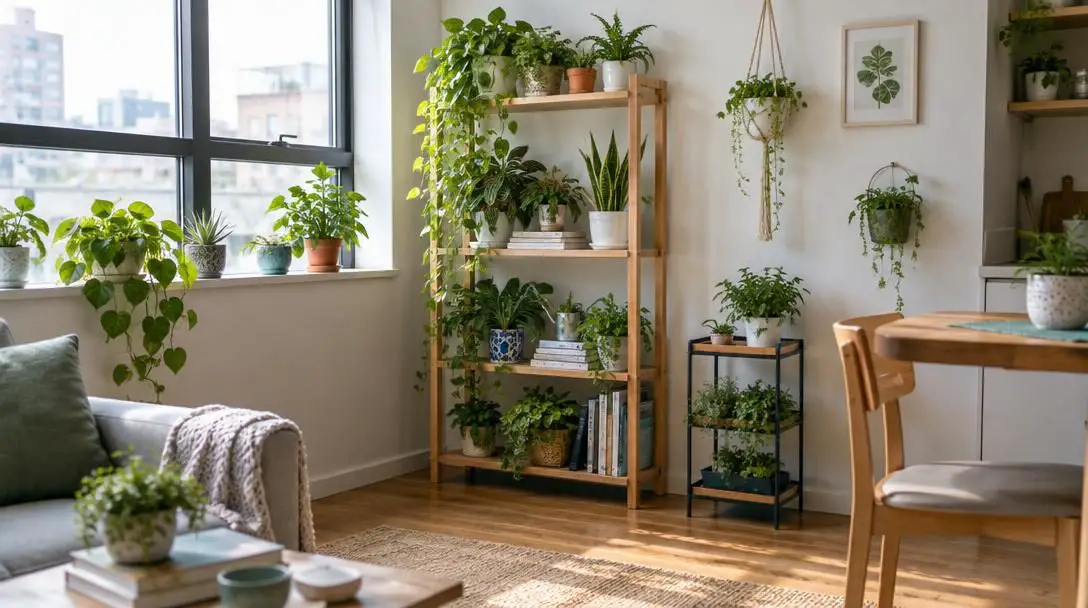
Bringing living greenery into a home transforms interior spaces, softening sharp architectural lines and improving daily wellness even in the smallest quarters.
Understanding the Indoor Botanical Ecosystem
Cultivating plants inside an enclosed dwelling requires a fundamental shift in perspective. Outside, natural ecological cycles self-regulate moisture, soil temperature, light availability, and airflow. Rain saturates the earth, subterranean organisms aerate the subsoil, and moving winds strengthen plant stems while sweeping away stagnant fungal spores. Indoors, the grower acts as the primary regulator of every biological requirement.
To keep potted specimens healthy within limited quarters, growers must carefully balance four primary environmental processes:
- Photosynthesis: Without direct outdoor exposure, indoor foliage relies on ambient daylight filtered through window glazing. The intensity and duration of this light depend heavily on window exposure. When architectural constraints limit sunlight, artificial grow lights provide the specific light wavelengths plants need to manufacture energy.
- Transpiration and Aeration: Potted specimens absorb moisture through root structures and release water vapor through microscopic leaf pores. In small, tightly sealed rooms, this vapor can gather into pockets of damp, stagnant air. Proper ventilation, periodic room airing, or natural breezes prevent mold, mildew, and fungal outbreaks on soil surfaces.
- Root Confinement: Unlike garden specimens that push taproots deep into subterranean strata, indoor plants live inside rigid containers. Roots cannot migrate away from waterlogged potting medium or seek out buried minerals. Growers must use porous container soils and drainage pathways to maintain an oxygen-rich root zone.
- Nutrient Cycling: Container soil holds a finite reserve of minerals. Without natural organic decay to refresh the medium, regular supplemental fertilizer during the active growing season prevents nutrient deficiencies and preserves vigorous foliage.
Selecting the Best Plants for Limited Space
Choosing appropriate plant varieties is the cornerstone of small-space indoor horticulture. Large, fast-growing specimens can quickly outgrow containers, crowd small living areas, and become unmanageable in tight quarters. The most successful indoor gardens feature compact species that adapt comfortably to container confinement, demonstrate modest growth habits, and tolerate variable interior environments.
| Plant Category | Light Exposure | Water Needs | Recommended Placement |
|---|---|---|---|
| Culinary Herbs | Bright, direct light | Moderate, consistent moisture | Kitchen windowsills and sunny countertops |
| Succulents | Direct to bright indirect light | Minimal; dry out between waterings | Narrow ledges, bookshelves, and desktop dishes |
| Ferns | Filtered, indirect light | Consistent moisture and higher humidity | Bathroom counters, shaded stands, and plant pedestals |
| Spider Plants | Adaptable; low to bright indirect | Moderate; allow upper soil to dry | Suspended hanging baskets and wall sconces |
Culinary Herbs
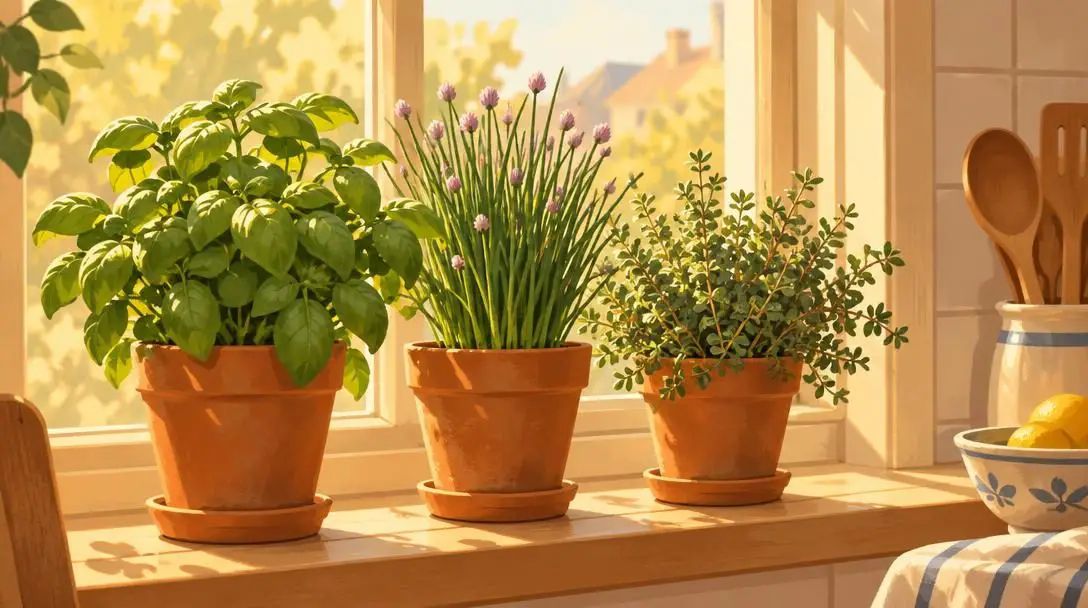
- Examples: Basil, chives, thyme
- Light preference: Sunny windowsills and bright kitchen counters
- Maintenance note: Regular harvesting controls foliage size and root footprint
Culinary herbs provide both beauty and fresh flavors for home cooking. Compact herb varieties such as sweet basil, delicate chives, and woody thyme fit neatly on narrow kitchen surfaces and sunny ledges. Their root systems adjust well to medium-sized pots, and regular leaf harvesting naturally prunes the plants, keeping their overall height and spread manageable within small living spaces.
Succulents
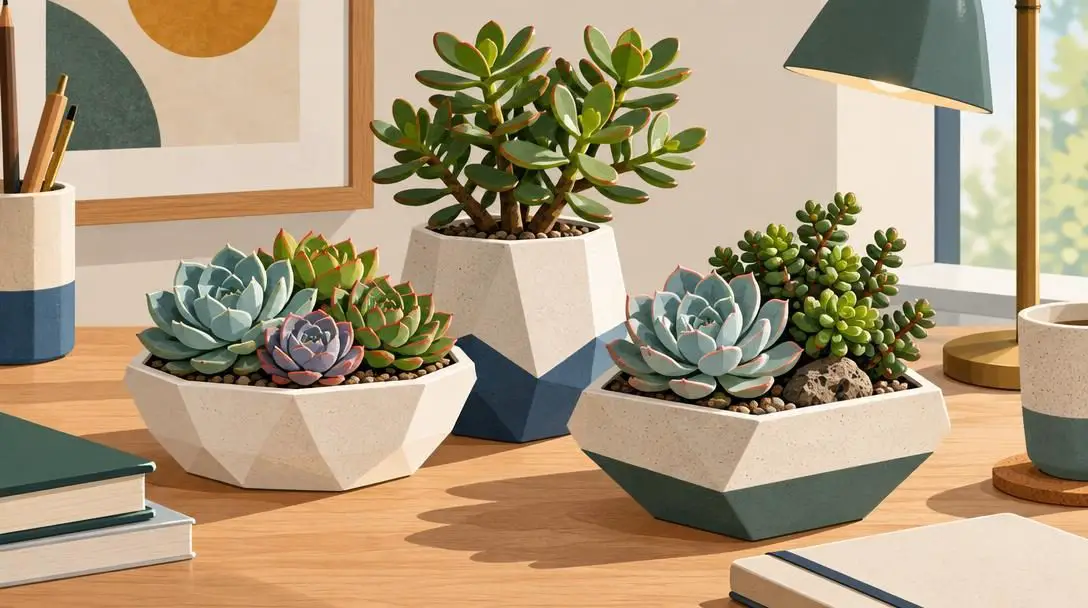
- Primary trait: Thick leaves engineered for water storage
- Water requirements: Minimal moisture needs
- Best display areas: Narrow ledges, miniature dishes, and compact tables
Succulents are well suited for limited floor plans thanks to their compact profiles and low maintenance demands. By storing water within their fleshy leaves and stems, these plants endure dry indoor air and infrequent watering routines. Because they grow slowly, succulents rarely outgrow their decorative containers, allowing growers to arrange several diverse varieties on narrow windowsills, compact work desks, or slender side tables.
Ferns
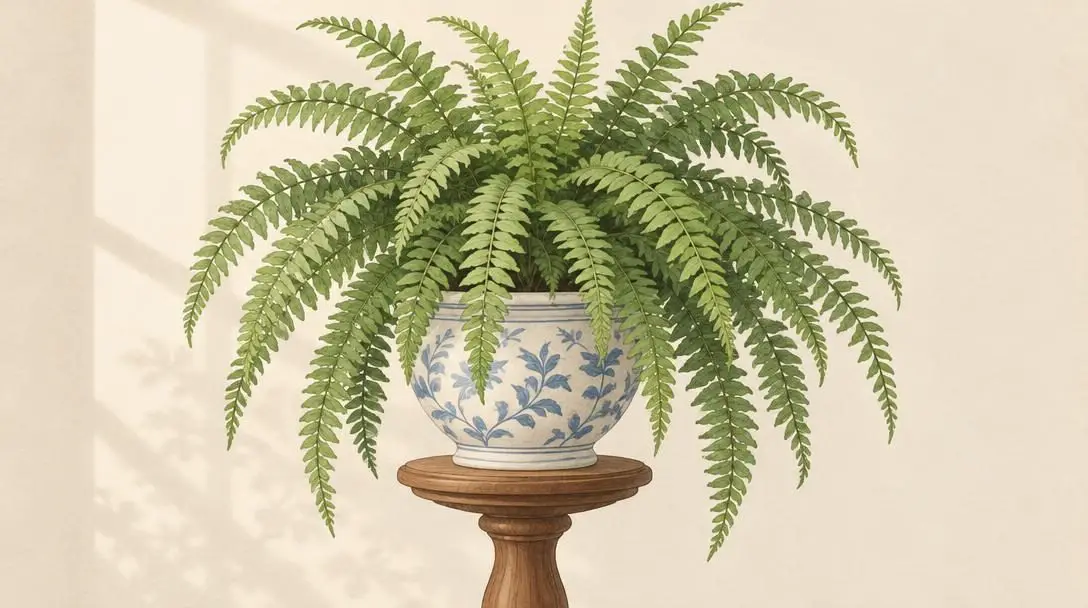
- Light preference: Moderate to indirect indoor light
- Foliage style: Lush, finely textured woodland fronds
- Ideal placement: Protected rooms, humid bathroom counters, and low-profile stands
Ferns introduce lush, arching textures reminiscent of forest floors into indoor environments. Because they naturally thrive beneath forest canopies, ferns perform well in gentle, indirect lighting, making them suitable for rooms with modest window exposure. Their preference for ambient moisture makes them an excellent decorative choice for humid bathrooms or protected living room corners away from harsh drafts.
Spider Plants
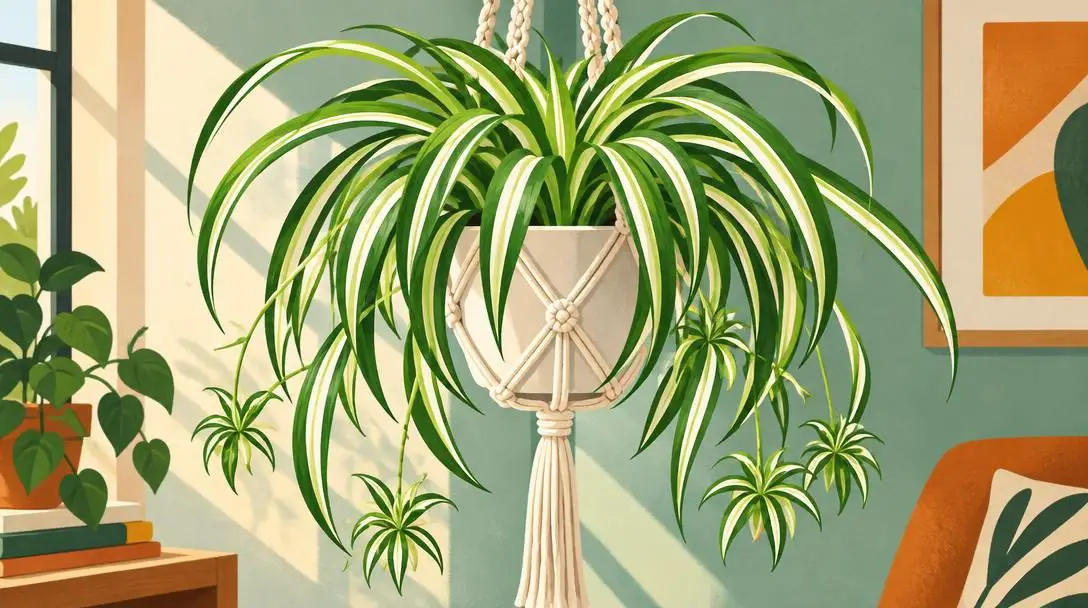
- Foliage style: Arching, ribbon-like variegated leaves
- Propagation: Produces miniature plant offshoots for repotting
- Ideal container: Ceiling-suspended hanging baskets
Spider plants are resilient indoor selections capable of adapting to varying moisture and illumination levels. Their graceful, arching blades create volume without requiring broad footprint space. Over time, mature specimens produce small offshoots suspended along slender stolons, which can be propagated to start new plants or shared with other gardeners. When positioned in hanging baskets, their cascading foliage stays well clear of usable table space.
Assessing Natural Light and Window Orientations
Proper lighting remains the single most critical factor determining indoor plant health. Before arranging plants around a small room, it is essential to map out natural light patterns throughout the day. Window direction dictates light duration, intensity, and temperature:
- South-Facing Windows: Offer the most intense, longest-lasting sunshine of the day. They provide the warm, direct rays preferred by culinary herbs and light-loving succulents.
- North-Facing Windows: Supply soft, cool, and consistent ambient light without harsh heat. These openings work well for ferns and shade-tolerant species vulnerable to scorched foliage.
- East-Facing Windows: Capture gentle morning sunlight that warms leaves without the drying heat of midday, creating a stable setting for delicate foliage.
- West-Facing Windows: Deliver strong, direct afternoon exposure with noticeable heat buildup. Plants placed along these sills must tolerate intense late-day warmth.
For residences with limited window access or exterior obstructions like neighboring buildings, artificial grow lights offer an effective solution. Modern full-spectrum LED fixtures consume little electricity, generate minimal heat, and can be mounted directly beneath kitchen cabinets, under floating shelves, or inside bookcases, turning darker corners into productive growing areas.
Essential Tools for Compact Gardening
Setting up an indoor garden in close quarters requires practical, space-conscious equipment. Having the right supplies organized beforehand keeps daily care tidy, protects home surfaces, and prevents water damage:
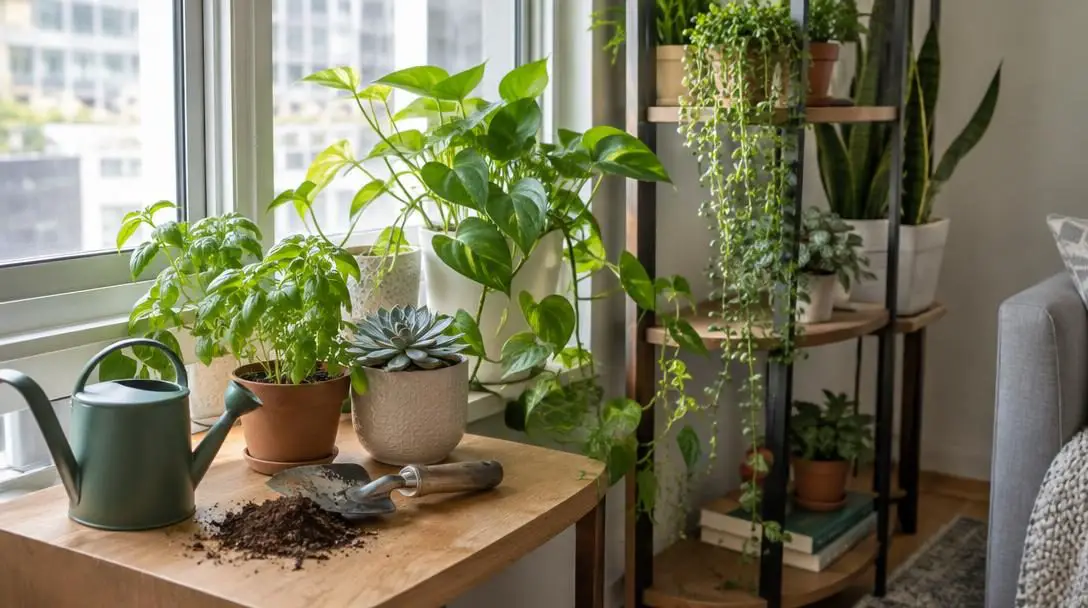
- Pots with Drainage Holes: Adequate drainage is essential for potted plants. Vessels without drainage trap standing water around roots, leading to root rot.
- Airy Potting Soil: Standard outdoor garden soil packs down inside containers, suffocating roots. Packaged indoor potting blends use peat moss, perlite, or coconut coir to preserve vital root aeration.
- Narrow-Spout Watering Cans: A slender, elongated spout directs water precisely to the plant's base, avoiding accidental spills across furniture, electronic cords, or nearby decor.
- Pruning Shears: Compact, sharp trimming shears allow clean harvesting of culinary herbs and easy removal of faded foliage without tearing delicate stems.
- Balanced Plant Fertilizers: Soluble liquid fertilizers replenish soil minerals that rinse out during regular watering, sustaining steady foliage production.
- Self-Watering Pots and Drip Systems: Self-watering reservoirs and basic indoor drip assemblies help stabilize soil hydration for busy gardeners or those who travel frequently.
Creative Strategies for Maximizing Small Spaces
When horizontal surfaces such as tables, desks, and floors are limited, gardeners must think creatively about vertical and architectural elements. Creative placement keeps living quarters uncluttered while showcasing a wide variety of plant forms.
Vertical gardening takes advantage of unused wall surfaces. Mounting a lightweight wooden or wire plant trellis against an interior wall allows climbing varieties to grow upward, creating a living green wall. Wall-mounted planting pockets and modular vertical planters turn plain drywall into verdant design statements without taking up valuable floor space.
Suspended planters offer another efficient display method. Hanging macrame holders or ceiling-mounted hooks allow trailing specimens to cascade naturally. Arranging hanging pots at varying heights creates a layered display near bright windows, drawing the eye upward and preserving open countertops below.
Repurposing everyday domestic objects as unconventional planters adds personality to small spaces. Everyday items such as mason jars, ceramic teacups, vintage metal tins, and even clean old boots can hold small indoor plants. When using containers that lack drainage holes, growers must manage water volume carefully, adding just enough moisture to hydrate roots without letting standing water settle at the base.
Step-by-Step Planting and Maintenance Routine
Establishing an indoor garden in a compact home is straightforward when approached systematically. Following a reliable potting and maintenance routine protects interior surfaces and provides your plants with a healthy start.
- Evaluate illumination and select locations: Observe where natural sunlight falls across your room throughout the day. Decide which plants match each window exposure, and plan for supplemental grow lights in low-light spots.
- Select appropriate containers: Match each plant to a container sized appropriately for its current root ball. Ensure the pot has drainage holes, and pair it with a protective saucer to catch runoff water.
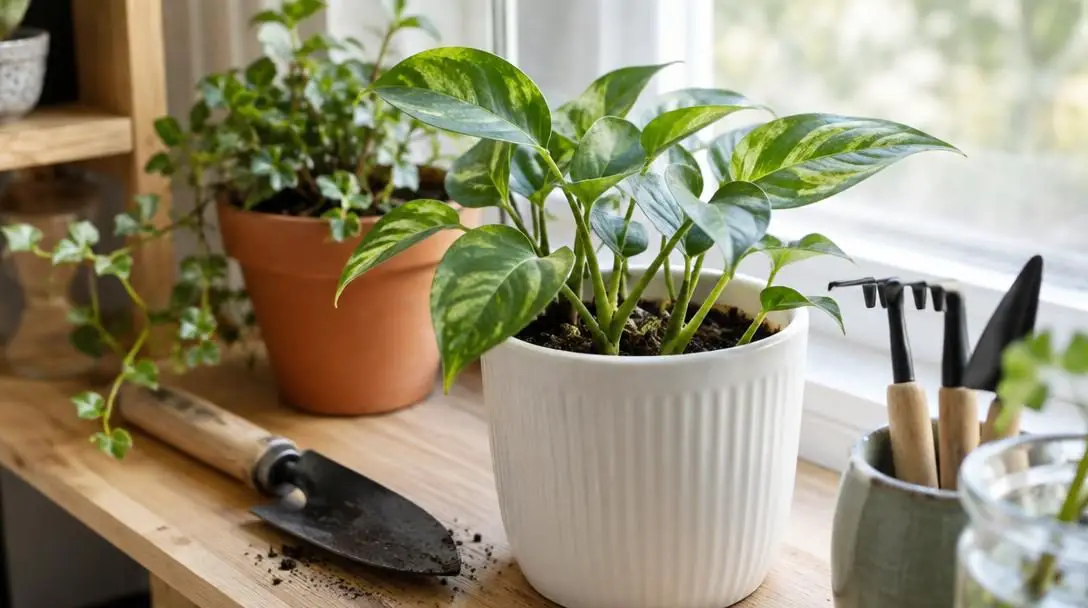
- Set up a tidy workspace: Place an old tray, towel, or potting mat on a table or kitchen counter to catch loose potting mix and make cleanup quick and easy.
- Pot the plant carefully: Add a modest base layer of indoor potting mix into the container. Gently slide the plant from its nursery container, inspect the root ball, center it in the new vessel, and fill the perimeter with soil. Leave roughly half an inch between the soil line and the pot rim to prevent water from spilling over.
- Water thoroughly and establish a care routine: Add water until moisture drains freely into the collection saucer, then empty the excess water. Place the plant in its designated location. Check the top inch of soil weekly with your finger, watering only when it feels dry, and apply diluted indoor fertilizer once a month during the active growing season.
Frequently asked questions
How can I prevent overwatering indoor plants in small pots?
Always test the soil moisture by inserting your finger into the potting medium. Water only when the top inch of soil feels dry. Using containers with built-in drainage holes and emptying the collection saucer after watering will keep the roots from sitting in stagnant water.
Can indoor plants survive in rooms without windows?
Yes, indoor plants can grow in windowless spaces if you provide artificial lighting. Compact, full-spectrum LED grow lights supply the wavelengths plants need for photosynthesis and can be mounted beneath shelving or suspended over work surfaces.
Why do indoor plants need different soil than outdoor garden beds?
Outdoor topsoil contains heavy clay and silt that easily compacts inside small containers, suffocating roots and preventing proper drainage. Indoor potting mixes use light, aerated ingredients like peat moss and perlite that maintain healthy airflow around root systems.
What is the easiest way to display plants without losing floor space?
Use vertical gardening techniques such as wall-mounted trellises, ceiling-suspended hanging planters, and narrow windowsill arrangements. These methods draw the eye upward and display lush foliage while keeping tables and floor areas completely clear.
How often should I feed my small indoor plants with fertilizer?
Apply a balanced indoor plant fertilizer once a month during the active spring and summer growing seasons. Avoid over-fertilizing during the slower winter months, as excess nutrients can accumulate in container soils and damage delicate roots.
The bottom line
Living in a compact urban apartment or small-scale home does not mean you have to forgo the beauty of living greenery. By understanding how light, water, and soil interact in an enclosed space, you can design a functional indoor garden tailored to your floor plan. Emphasizing vertical displays, choosing compact plants like culinary herbs, succulents, and ferns, and maintaining a steady care schedule turns modest spaces into thriving, refreshing green sanctuaries.