Inexpensive Decor Ideas To Elevate The Look Of Any Room
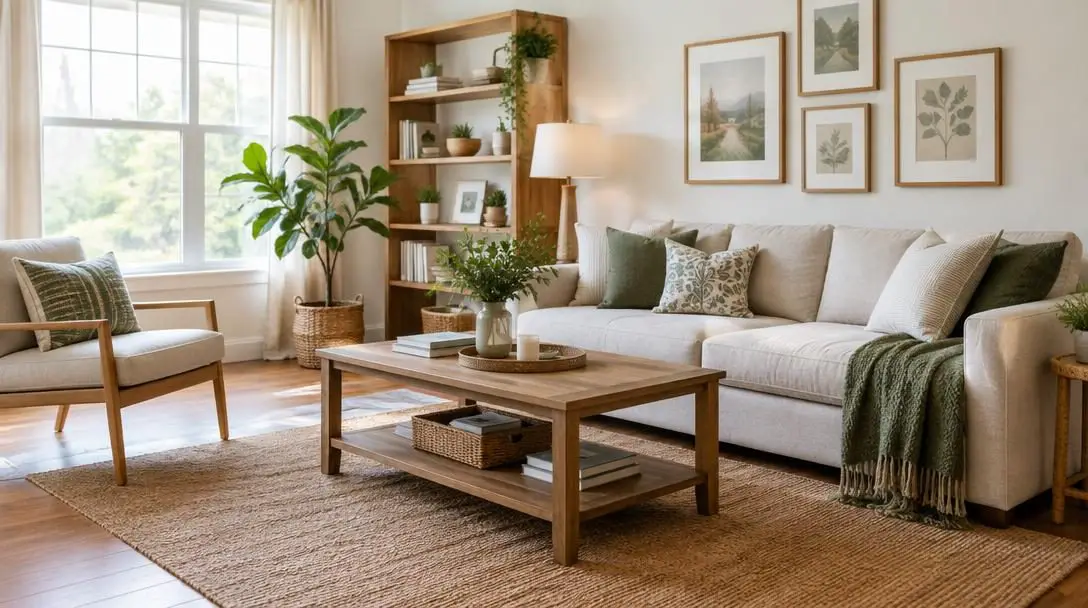
Decorating a home can easily become an expensive endeavor, but achieving a polished, high-end interior does not require high-end designer pieces or an extensive renovation budget. By making intentional decisions regarding color, texture, lighting, and layout, you can instantly transform any room into an inviting, stylish sanctuary. The secret to elevating a space lies not in completely gutting and replacing your existing furniture, but in curating thoughtful, accessible details that work together harmoniously.
Historically, interior design was viewed as a luxury trade centered around bespoke craftsmanship, expensive upholstery, and costly architectural overhauls. Today, home design has shifted toward a more democratic, hands-on discipline. Savvy homeowners and renters are finding that character, sensory depth, and visual balance matter far more than the price tag attached to an item. With a strategic approach to basic design elements, you can refresh a single bedroom, a living room, or an entire house on a modest budget.
Key takeaways
- High-impact interior updates rely on intentional curation, balanced textures, and smart lighting rather than expensive renovations.
- Repurposing vintage furniture with fresh paint or new upholstery breathes new life into sturdy, existing pieces at minimal cost.
- Grouping affordable mirrors on a single wall bounces natural daylight across the room and creates the illusion of expansive space for under $50.
- Layering low-maintenance greenery, thrifted textiles, and textured natural rugs adds sensory warmth and dimensional depth to sterile rooms.
The Mechanics of Visual Elevation: How Subtle Changes Transform Rooms
To understand why budget-friendly decorating strategies succeed, it helps to examine how the human eye interprets interior space. When walking into an uninspired room, the eye often struggles to find a natural resting point. Without a designated focal point, the environment feels disjointed or flat. Strategic design interventions create intentional anchors that draw the gaze toward deliberate highlights, giving the entire room structure and purpose.
Furthermore, an elevated interior engages multiple sensory layers. A room finished entirely in smooth, manufactured textures often feels cold and sterile. By introducing contrasting elements—pairing the smooth sheen of fresh paint with the coarse weave of a natural plant fiber, or setting a sleek reflective surface against a soft knit throw—you establish dimensional depth. Optical manipulation also plays a major role: light-bouncing reflective surfaces and carefully positioned hues trick the eye into reading compact or dimly lit areas as expansive, bright, and airy.
Visual interest and personal character matter far more than the price tag attached to an item.
Six Cost-Effective Decor Upgrades for Any Living Space
Refreshing your interior does not require purchasing an entire showroom suite. Focusing on individual, accessible adjustments allows you to incrementally upgrade your environment without straining your finances.
Repurposed Furniture
One of the most economical ways to revitalize a room is by taking outdated furniture and updating it with modern styling. Older furnishings often boast sturdy, reliable structural craftsmanship that outlasts contemporary flat-pack alternatives. When you refresh an existing piece, you retain full creative control over the final aesthetic.
A classic wooden dresser can be coated with a crisp layer of paint to fit an airy, modern scheme, while a vintage dining chair can be revived by stretching contemporary patterned fabric over its seat cushion. By updating hardware, sanding away blemishes, or applying fresh finishes, you infuse custom personality into your home while saving substantial money.
Indoor Houseplants
Living plants serve as functional, dynamic accessories that soften rigid architectural angles and sterile surfaces. Beyond their visual appeal, indoor plants help purify indoor air and naturally boost oxygen levels, contributing to a healthier living environment. They introduce an organic presence that easily complements nearly any color scheme.
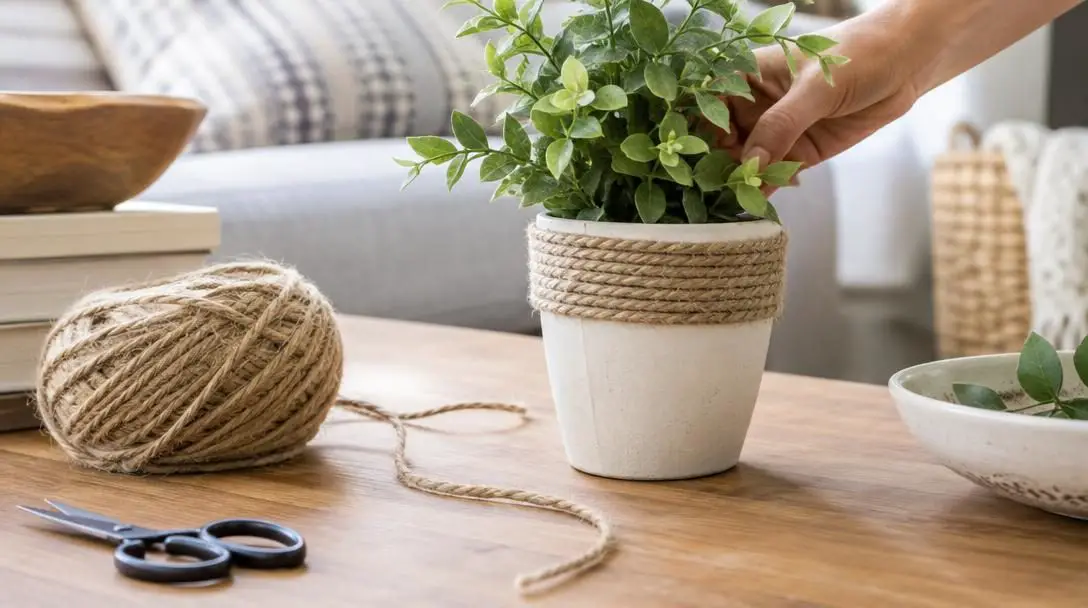
You do not need expert gardening experience to keep houseplants thriving. Hardy varieties such as succulents and cacti require minimal watering and maintenance while offering sculptural, distinct silhouettes. Placing a single cactus on a side table or grouping varied succulents along a bright windowsill breaks up monotonous planes with rich green foliage and natural texture.
Strategic Accent Walls
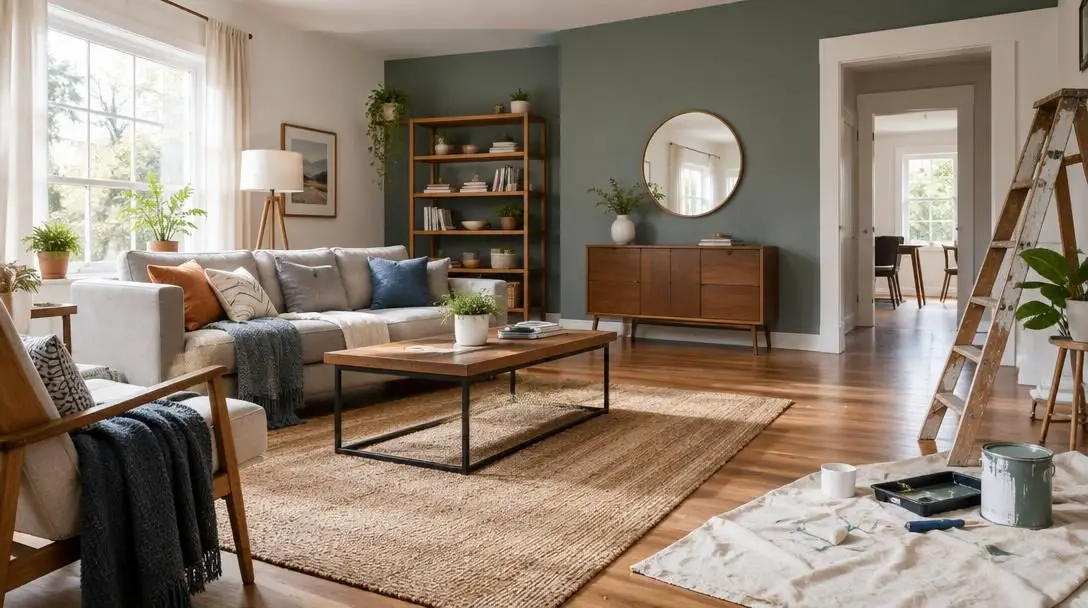
Painting an entire room requires substantial labor, multiple gallons of paint, and considerable time. In contrast, an accent wall allows you to experiment with energetic visual statements with minimal materials and fast execution. By dedicating just one wall to a bold treatment, you create an instantaneous focal anchor that draws the eye inward.
Whether you choose an intensely pigmented paint or an intricate patterned wallpaper, an accent wall gives the room immediate depth and dimension. This approach allows you to introduce dramatic hues or graphic patterns that might feel overwhelming if applied across all four walls, keeping your space balanced and your budget intact.
Hanging Wall Mirrors
Mirrored surfaces are exceptional design tools because they create the optical illusion of added square footage where space is limited. Mirrors naturally act as secondary light sources: they catch ambient daylight from windows and reflect it into darker, shadowy recesses of the room, shifting the lighting dynamics throughout the day.
Rather than investing in a massive, costly floor mirror, you can hang an arrangement of multiple smaller mirrors in different shapes and dimensions on a single wall. This clustered gallery installation can be achieved for under $50, serving as both a functional, light-multiplying architectural feature and a striking decorative art display.
Second-Hand Textiles
Soft furnishings like window curtains, throw blankets, and accent pillows are frequently overlooked, yet they can alter a room's aesthetic in minutes. If retail home stores exceed your budget, second-hand shops and thrift outlets offer an expansive variety of styles, vintage prints, and woven textures at bargain prices.
Upgrading tired sofa cushions with newly sourced pillow covers or hanging airy, lightweight curtains reshapes how natural light enters the space. Sourcing textiles second-hand also yields rare, distinctive patterns that avoid the generic feel of mass-produced decor. In addition, rotating your fabrics seasonally—swapping heavy knits for light linens—keeps your rooms feeling fresh throughout the year without requiring new furniture purchases.
Layered Textured Rugs
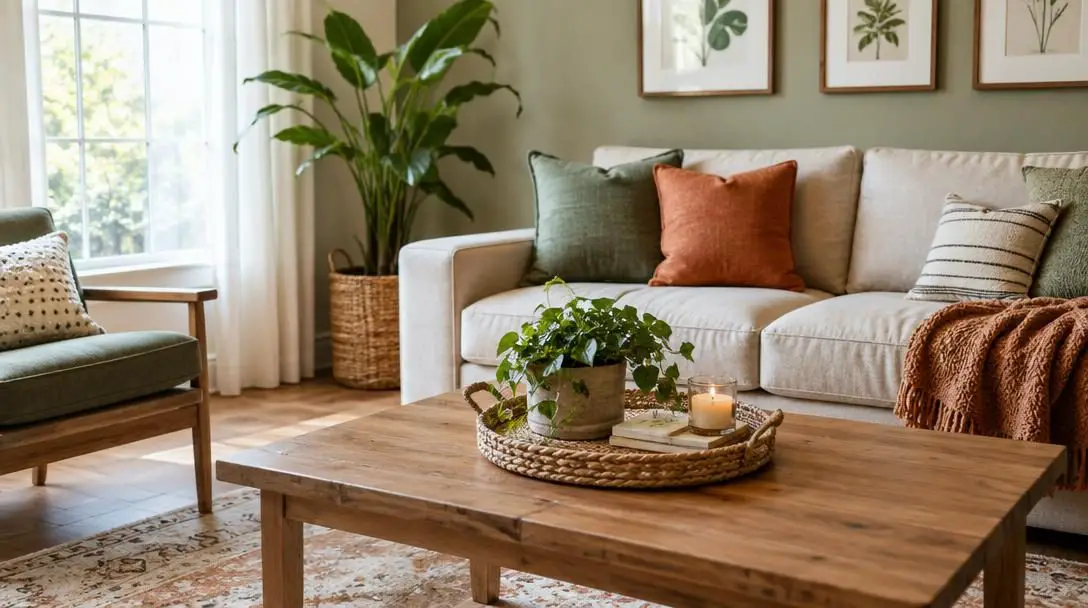
Hard flooring surfaces such as laminate, tile, and bare hardwood can leave a living space feeling cold, loud, and ungrounded. Incorporating area rugs establishes warmth, dampens sound, and clearly delineates functional zones within an open floor plan.
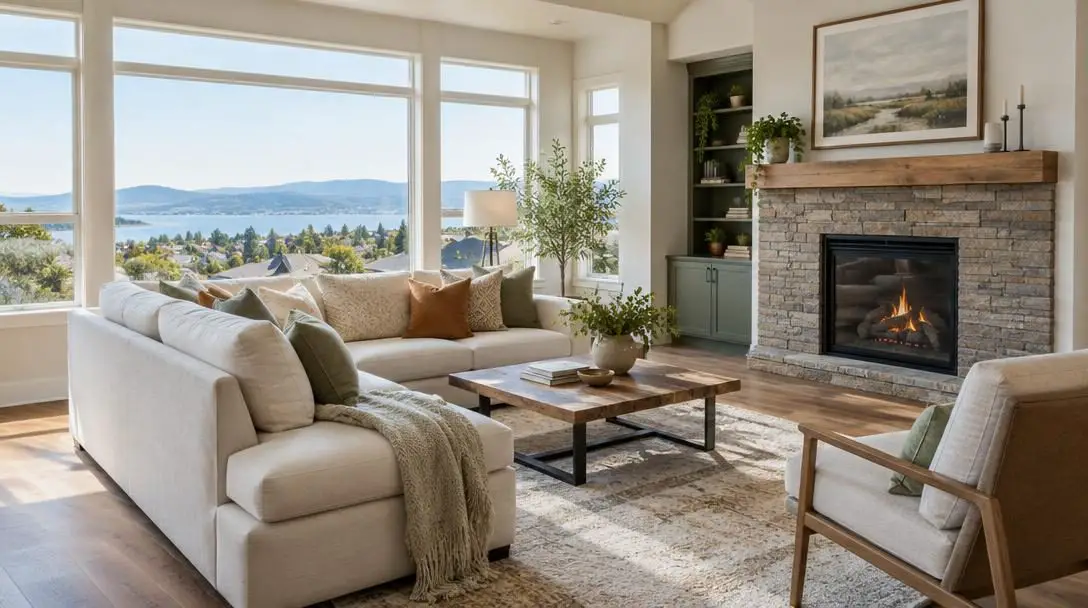
Natural plant fibers like jute and sisal offer durable, earthy appeal at accessible prices, while wool or faux fur selections introduce tactile coziness underfoot. For an elevated designer look, try layering a smaller, plush wool or faux fur rug diagonally over a larger, inexpensive flat-weave jute base. This technique introduces complex sensory depth that makes the entire room feel thoughtfully curated.
At a Glance: Comparing Budget Decorating Approaches
Every room update provides unique advantages depending on whether your primary objective is amplifying light, organizing visual flow, or introducing physical comfort. The table below outlines how these six techniques compare in terms of their visual focus, materials, and maintenance considerations.
| Decor Technique | Primary Visual Impact | Key Material or Source | Upkeep & Care |
|---|---|---|---|
| Repurposed Furniture | Adds bespoke character and custom color | Existing furniture, paint, new upholstery fabric | Requires initial prep (sanding, priming); minimal care after |
| Indoor Houseplants | Softens hard lines and injects organic color | Hardy varieties (succulents, cacti) | Occasional watering and adequate daylight access |
| Strategic Accent Wall | Establishes a strong visual focal point | Bold interior paint or patterned wallpaper | Low maintenance; wipeable surface finishes recommended |
| Hanging Wall Mirrors | Multiplies natural light and expands perceived space | Assorted small mirrors (under $50 combined) | Periodic glass cleaning to maintain reflective clarity |
| Second-Hand Textiles | Introduces seasonal patterns and tactile softness | Curtains, throws, and pillow covers from thrift shops | Initial sanitizing; seasonal laundering or fabric rotation |
| Layered Textured Rugs | Grounds seating arrangements and adds physical warmth | Jute, sisal, wool, or faux fur | Routine vacuuming; spot cleaning as needed |
A Step-by-Step Guide to Executing a Room Refresh
To avoid overspending or creating visual clutter, follow a structured process when transforming your room. Approaching the project systematically ensures that every addition has a distinct role in the overarching design.
- Survey and declutter the room: Clear out damaged, outdated, or unnecessary belongings. Removing visual clutter allows you to evaluate the true physical proportions of your room and highlights the furnishings worth keeping.
- Identify your focal anchor: Choose where you want the primary attention to land upon entering. This could be a dramatic accent wall, an artfully arranged cluster of mirrors, or a beautifully painted vintage dresser.
- Establish a cohesive palette: Decide on a unified color scheme. If you are highlighting vibrant shades on an accent wall, select complementary or subtle contrasting tones for your second-hand pillows, throws, and decorative accessories.
- Source materials mindfully: Look through your existing household items for candidate pieces to sand, paint, or re-cover. Browse thrift stores for affordable wall hangings, frames, and soft textiles before purchasing new retail items.
- Implement changes in deliberate layers: Start with the largest, foundational changes first, such as painting your accent wall and placing down large natural fiber rugs. Once those are anchored, position your refreshed furniture, hang your mirror displays, add hardy plants, and drape soft textiles.
Common Pitfalls in Inexpensive Interior Styling
While DIY decorating allows for significant creative freedom, avoiding a few critical errors will keep your interior looking sophisticated rather than haphazard:
- Skipping surface prep on furniture: Painting directly over dirty, varnished, or glossy surfaces without sanding and priming leads to peeling, bubbling, and uneven textures that look unpolished.
- Overcrowding the room: Attempting to integrate every single idea simultaneously can overwhelm your space. A room filled with excessive small knickknacks, too many competing textile prints, and cluttered plant arrangements quickly feels chaotic.
- Neglecting scale and proportion: Positioning a miniature rug in the middle of a spacious living room makes the furniture feel disconnected. Similarly, hanging a tiny mirror isolated on a vast empty wall looks unintentional. Match your decor dimensions to the room's scale.
- Selecting the wrong accent wall: An accent wall should emphasize an intuitive architectural resting place, such as the surface behind a headboard or a primary sofa. Placing it on a wall broken up by asymmetrical closet doors, hallways, or odd cutouts disrupts the room's balance.
- Ignoring plant light requirements: While succulents and cacti are exceptionally hardy, they cannot survive in windowless corners without sunlight. Ensure your plants sit where they receive adequate natural light to keep their foliage vibrant.
Frequently asked questions
How can I make a small room look larger on a tight budget?
Using mirrors is one of the most effective and affordable methods to make a compact room appear larger. An arrangement of smaller mirrors grouped on a single wall reflects natural light deep into darker corners and creates the optical illusion of greater square footage, often for under $50.
What are the easiest low-maintenance plants for indoor decor?
Succulents and cacti are ideal for beginners because they are hardy, require minimal watering, and add sculptural greenery to side tables and windowsills without demanding frequent attention.
Where can I find affordable textiles for my living room?
Second-hand stores and thrift shops are excellent sources for curtains, decorative pillow covers, and throw blankets at bargain prices. Just be sure to thoroughly clean and wash all fabrics before displaying them in your home.
What types of rugs work best for layering on hard floors?
Durable natural fiber rugs made from jute or sisal provide an affordable, structured base. Layering a smaller, soft wool or faux fur rug on top introduces rich tactile contrast and grounds furniture groupings across tile, laminate, or wood floors.
Is painting an accent wall cheaper than painting the whole room?
Yes. Painting a single accent wall requires significantly less paint and time, allowing you to incorporate rich, high-end colors or patterns without the expense and labor of covering all four walls.
The Bottom Line
Creating an elevated home does not require an extravagant budget or complete furniture replacement. By focusing on intentional adjustments—repurposing sturdy furniture, curating second-hand textiles, installing multi-mirror gallery walls, and introducing low-maintenance houseplants—you can craft an authentic, dynamic living environment. Take time to assess your room's natural light, maintain visual proportion, and build your decor in cohesive layers to enjoy a stylish, comfortable home that reflects your personal taste.