Invest in Public Education: Helping Our Kids Reach Their Potential
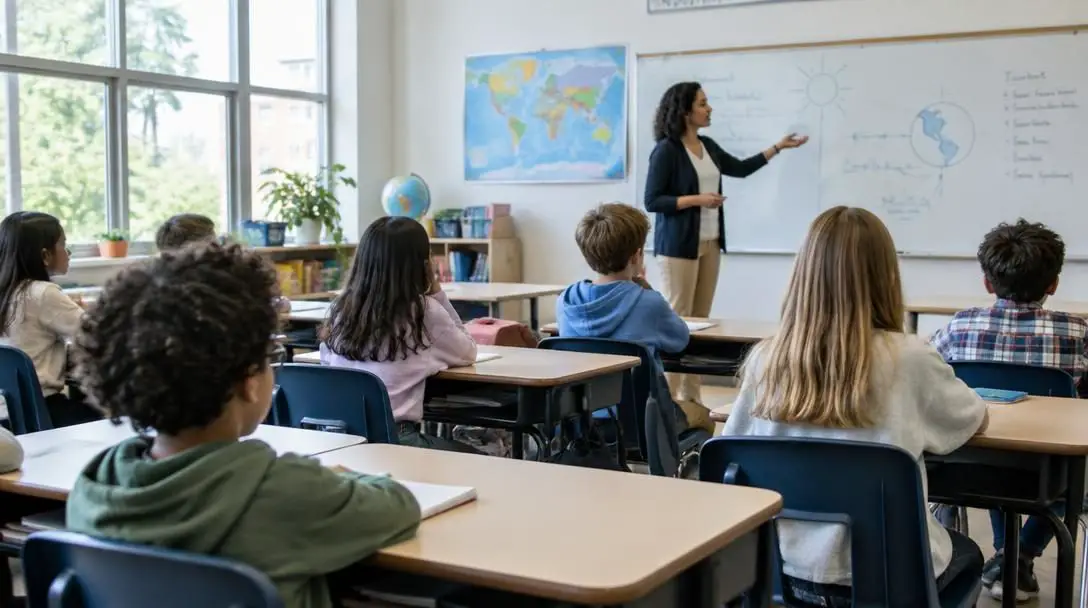
Every thriving society depends on public education to provide equitable, high-quality learning opportunities for children of all backgrounds. When communities commit resources, sustained attention, and genuine care to public classrooms, they establish the foundation for collective health, stability, and enduring social progress. Historically, public schooling shifted education away from an exclusive privilege reserved for the wealthy, creating a universal civic space where every child could build fundamental skills and participate fully in communal life.
Yet in far too many communities across the globe, public schooling remains chronically underfunded and underappreciated. When educational systems are neglected, operational budgets fail to keep pace with expanding needs, classroom resources dwindle, and educators face mounting pressure. Treating public education as an operational burden rather than an essential investment limits what young people can achieve, eroding the long-term economic and cultural vitality of society at large.
Key takeaways
- Investing in public education provides children of all socioeconomic backgrounds with essential literacy, numeracy, and broad academic foundations.
- Effective educational funding must directly support skilled teacher recruitment, modern pedagogical methods, classroom technology, and special-needs accommodations.
- High-performing schools break cycles of intergenerational poverty, bridge socioeconomic divides, and build a capable workforce that strengthens social cohesion.
- Meaningful school improvement requires systemic policy backing paired with daily, active parental engagement in home learning and extracurricular activities.
The Historical Foundation and Civic Value of Public Schooling
The creation of universal public schooling marked a profound shift in human social organization. Prior to the establishment of accessible public systems, formal instruction was largely restricted to elite and affluent households, reinforcing rigid social divisions and preventing the majority of children from accessing formal learning. By establishing learning environments open to every child regardless of family background or financial standing, public education transformed learning into an investment in collective well-being rather than a private luxury.
From its inception, public schooling was designed to offer more than rudimentary training. While basic literacy and numeracy skills serve as the indispensable bedrock for daily communication and commercial life, comprehensive public curricula quickly expanded to embrace history, science, art, and broader humanities. Instruction in science fosters analytical reasoning and helps students understand the physical world, while the study of history encourages critical examination of civic institutions and past decisions. Artistic study nurtures creative problem-solving and cultural appreciation. Together, these disciplines equip students to think independently, resolve intricate societal dilemmas, and actively shape the world of tomorrow.
Despite this enduring legacy, public schools frequently struggle with widespread undervaluation. In many regions, public institutions are reduced in public discourse to basic day-care services or administrative holding centers rather than recognized as transformative civic foundations. When communities underfund their schools, classroom materials quickly become outdated, physical spaces deteriorate, and teachers find themselves stretched thin. Reversing this trajectory requires recognizing that public schooling remains the single most important mechanism for nurturing an informed, capable, and democratic populace.
Four Core Pillars of Meaningful Educational Investment
Translating public funds into measurable educational gains requires a clear, balanced strategy. Simply distributing money without targeting the structural components of classroom life fails to produce lasting improvements. Meaningful investment operates systematically across four core operational areas.
Hiring and Supporting Skilled Teachers
Instructional quality begins with the educator at the front of the classroom. Skilled teachers possess deep subject-matter knowledge paired with the pedagogical expertise necessary to reach diverse learners. Allocating adequate financial resources allows school districts to recruit highly qualified candidates, compensate them competitively, and reduce the high turnover rates that destabilize schools. Furthermore, sustained funding ensures that educators receive ongoing professional development, allowing them to refine their techniques, adapt to emerging educational research, and maintain demanding academic standards.

Implementing Modern Teaching Methods
Curricula and instructional practices cannot remain static while the surrounding world rapidly evolves. Dedicated funding gives schools the flexibility to discard obsolete instructional practices in favor of dynamic, research-backed instructional methods. Modern teaching methods encourage interactive discussions, collaborative inquiry, and interdisciplinary problem-solving across science, history, and the arts. When instructional approaches reflect contemporary realities, students demonstrate higher engagement and develop the cognitive adaptability needed for lifelong learning.
Upgrading School Facilities and Technology
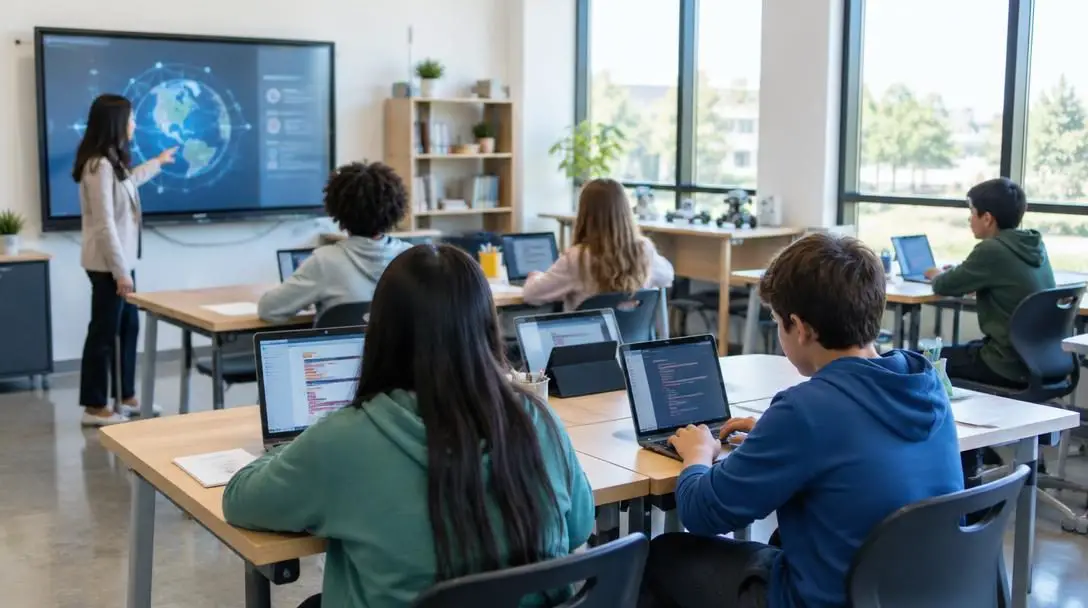
The physical condition of a school exerts a direct influence on student morale, health, and academic performance. Capital investment enables districts to address deferred maintenance, repair structural damage, maintain climate control, and ensure classrooms are clean and safe. In parallel with physical infrastructure, schools must supply reliable educational technology. Providing students and teachers with up-to-date hardware, reliable digital connectivity, and modern instructional tools ensures that children learn the digital competencies essential for higher education and modern workplaces.
Providing Specialized Resources for Diverse Learners
A just public school system must be accessible to all students, particularly those who require individualized support. Dedicated investments ensure that districts can hire speech pathologists, behavioral specialists, and special education instructors, alongside acquiring adaptive learning technologies and tailored instructional materials. When special-needs students receive appropriate accommodations within the public system, they gain the tools required to thrive academically alongside their peers, upholding the core democratic promise of universal education.
Broader Socioeconomic Benefits of Well-Funded Schools
The positive effects of investing in public education ripple far beyond classroom walls, delivering tangible socioeconomic dividends across generations. High-quality public education functions as society's most effective vehicle for breaking the cycle of poverty. When children from economically disadvantaged households receive access to rigorous coursework, advanced learning materials, and dedicated mentorship, their potential is no longer dictated by their family's income bracket. Public education bridges the gap between the rich and the poor, expanding opportunities for upward social mobility and advancing broader social justice.
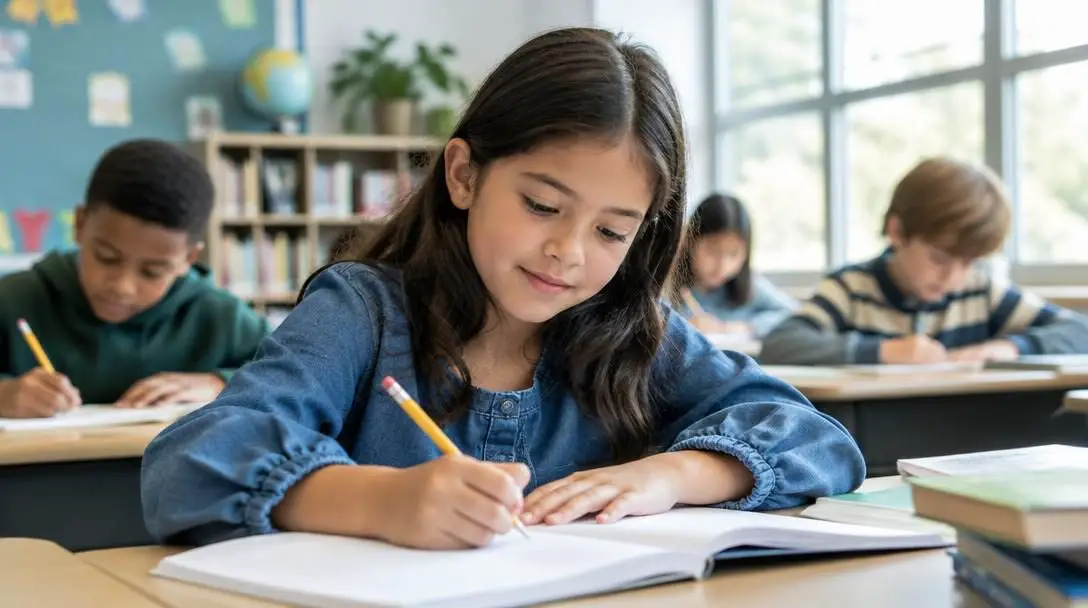
Quality public schooling serves as an effective mechanism for breaking the cycle of poverty and opening pathways for social mobility.
From a macroeconomic perspective, public education is an engine for durable economic growth. Well-resourced schools produce a skilled, adaptable workforce capable of meeting the demands of an evolving economy. Communities with robust public education systems attract enterprise, foster local innovation, and experience higher levels of civic stability. Furthermore, public schools cultivate social cohesion by bringing together children from diverse racial, cultural, and economic backgrounds under a shared educational framework, instilling mutual respect and shared civic values.
Actionable Strategies for Policy Leaders and Families
Transforming public schools into thriving institutions requires shared responsibility between governmental institutions and local families. While fiscal policy establishes essential baseline resources, the daily involvement of parents and caregivers ensures that those resources produce high achievement.
| Educational Focus Area | Government and District Responsibilities | Family and Caregiver Contributions |
|---|---|---|
| Instructional Excellence | Recruit skilled teachers and fund professional training | Maintain communication with teachers on student progress |
| Learning Environment | Modernize facilities, utility systems, and classroom technology | Establish structured, distraction-free daily study routines at home |
| Holistic Development | Fund arts, athletic programs, and music lessons | Encourage participation in extracurricular activities and sports |
| Specialized Support | Provide adaptive materials and qualified specialists | Advocate for student needs and reinforce accommodations at home |
Government and District Action Plan
Public officials and school boards must move beyond temporary fixes and implement structured policy actions that secure the future of public education:
- Dedicate stable, long-term funding allocations within public budgets to eliminate chronic resource disparities between districts.
- Direct recruitment capital toward skilled teachers and instructional aides to ensure manageable student-to-teacher ratios and equitable compensation.
- Conduct systematic audits of existing facilities to repair aging structures, upgrade digital networks, and supply modern instructional materials.
- Expand dedicated budgetary lines for special-needs education while protecting funding for holistic programs such as sports and music lessons.
The Vital Role of Families and Caregivers
Public funding creates the opportunity, but family engagement realizes its full potential. Parents and caregivers should support their child's learning journey through several consistent daily practices:
- Allocate dedicated time for daily learning: Reading books together with younger children and offering homework assistance to older students reinforces school lessons and signals that academic effort is valued.
- Urge active classroom participation: Children should be encouraged to ask questions, join discussions, and take full advantage of available academic support services.
- Promote extracurricular engagement: Urging children to join athletic teams, musical ensembles, or art clubs helps them build teamwork, discipline, physical health, and creative expression.
- Maintain transparent teacher communication: Regularly speaking with educators helps parents identify learning hurdles early and align home support with classroom expectations.
Critical Mistakes in Educational Reform
Efforts to rehabilitate struggling schools often falter due to short-sighted policies or incomplete approaches. Recognizing these recurring mistakes helps communities allocate resources more effectively and avoid policy dead ends.
- Treating education exclusively as a financial issue: While funding is non-negotiable, money alone cannot compensate for poor curriculum design, weak administrative oversight, or a lack of parental engagement. Successful education requires both financial resources and community-wide involvement.
- Cutting non-academic programs during budget crunches: Eliminating music, art, and athletic programs to save money severely undermines student development. Extracurricular activities provide essential outlets for creative expression, collaboration, and self-confidence.
- Standardizing instruction without special-needs accommodations: Forcing all students into a rigid instructional mold without funding adaptive tools or specialized educators abandons vulnerable children and lowers classroom equity.
- Ignoring physical infrastructure decay: Overlooking leaky roofs, poor ventilation, and outdated educational equipment in favor of purely administrative initiatives undermines the daily working conditions of students and teachers alike.
- Viewing public education merely as childcare: Treating schools as convenient daytime holding centers devalues the teaching profession and ignores the crucial civic role of public education in building an informed society.
Frequently asked questions
Why is investing in public education important for people without school-age children?
Public education benefits the entire community, not just parents. Well-funded public schools lower poverty rates, foster social cohesion, reduce crime, and develop a skilled workforce that drives economic growth and community stability.
How do extracurricular activities contribute to academic success?
Extracurricular offerings such as sports, music, and art cultivate teamwork, personal discipline, physical fitness, and creative problem-solving. These activities keep students engaged in school life, reinforce classroom learning, and build broad social confidence.
What is the most effective way for parents to support public schools?
Beyond advocating for fair public funding, parents make an immediate impact by establishing dedicated home study routines, reading with their children daily, maintaining active communication with teachers, and encouraging involvement in school activities.
Why is targeted funding necessary for special-needs students?
Special-needs learners often require specialized instruction, tailored materials, and adaptive technology to participate fully in academic life. Targeted funding ensures that schools can hire speech pathologists, behavioral specialists, and aides to support these learners effectively.
Can increased funding alone fix underperforming schools?
No. While adequate funding is essential to provide competitive teacher salaries, safe facilities, and modern learning materials, it must be paired with effective pedagogical methods, strong leadership, accountability, and consistent home support to achieve lasting success.
The Bottom Line
Public education represents a society's collective commitment to its rising generations. It is the primary engine of social mobility, individual opportunity, and democratic resilience. When public schools are underfunded and treated as an administrative expense rather than a vital social investment, children miss out on reaching their full human potential, and communities suffer the consequences through fractured social cohesion and economic stagnation.
Building a bright, equitable future requires a sustained partnership between public authorities and individual households. Governments must prioritize education within public budgets, recruit and honor talented educators, repair school facilities, and protect diverse academic and extracurricular programs. Simultaneously, families must reinforce these investments by creating dedicated learning routines at home and staying engaged with their neighborhood schools. By committing adequate resources and collective attention to public classrooms today, society secures a more prosperous, creative, and just world for generations to come.