Maximizing Your Garden’s Yield: Tips for Healthy Plants and Abundant Harvests
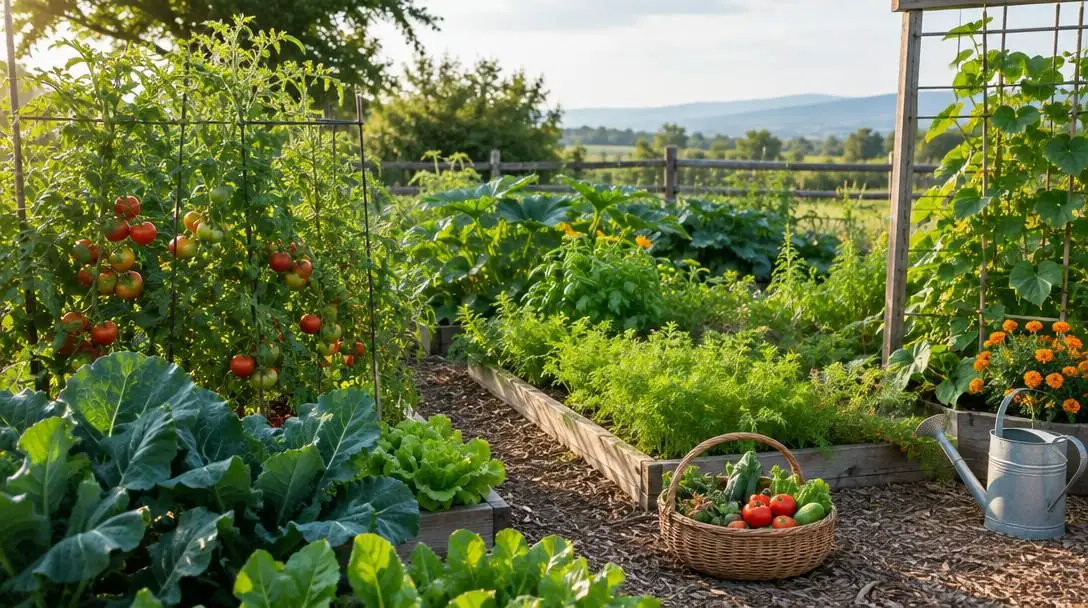
For home gardeners, few seasonal milestones rival the satisfaction of bringing in a bountiful harvest. Stepping into a vibrant, flourishing garden and filling harvest baskets with crisp vegetables and ripe fruit is the ultimate payoff for months of physical effort. However, achieving substantial yields season after season is rarely a matter of luck or simply dropping seeds into the dirt. Rather, agricultural success stems from deliberate planning, an acute awareness of environmental variables, and attentive plant stewardship throughout the life cycle of the crop.
Maximizing food production within any given footprint requires an integrated approach. By balancing the invisible physiological needs of crops—such as photosynthesis, cellular respiration, and subterranean nutrient uptake—with structured garden bed preparation and consistent maintenance, gardeners can transform modest plots into high-output growing spaces. Whether managing an expansive rural garden or a compact backyard raised bed, systematically eliminating environmental stressors allows crops to divert their energy from basic survival into abundant leaf, flower, and fruit production.
Key takeaways
- High-yield gardening begins with environmental awareness, including matching crops to your plant hardiness zone and mapping light patterns.
- Amending soil with organic matter like compost or aged manure improves structure, aeration, and moisture retention in both sandy and clay soils.
- Deep, infrequent watering—providing about one inch of water per week—trains roots to grow downward, making plants more resilient against drought.
- Organic mulches, companion planting, and proactive pest monitoring protect crops while minimizing reliance on harsh chemical interventions.
- Harvesting crops at peak maturity during the cooler hours of the day safeguards produce flavor, shelf life, and ongoing plant health.
Understanding the Garden Environment and Site Dynamics
Before turning a single shovel of earth, growers must evaluate the baseline environmental conditions of their site. Plants rely on a delicate equilibrium between photosynthesis, respiration, and root-level nutrient absorption to generate the energy required for heavy fruiting. When environmental stressors—such as inadequate light, extreme cold, or waterlogged soil—disrupt this metabolic equilibrium, vegetation redirects vital energy toward survival mechanisms rather than productive yields.
A primary factor in plant selection is your geographical hardiness rating. Consulting the USDA Plant Hardiness Zone Map enables growers to understand their regional minimum winter temperatures and average frost-free windows. Choosing varieties that match your specific zone ensures that crops have sufficient time to reach maturity without succumbing to early autumn frosts or struggling against local climatic extremes.
Solar exposure plays an equally decisive role in plant vigor. Fruiting crops typically require full sun to generate the carbohydrates required for continuous flower setting and fruit development. Conversely, certain leafy vegetables thrive in partial shade, where lower solar intensity guards against leaf scorch and keeps crops from bolting prematurely during warm spells. Tracking the sun and shade patterns across your yard throughout the day allows you to establish a logical planting blueprint that matches light availability to each cultivar's photosynthetic demands.
Soil Chemistry and Underground Ecosystems
What happens beneath the soil surface fundamentally determines the vigor of the plant canopy above. Roots must navigate a hospitable subterranean matrix capable of supplying moisture, dissolved minerals, and oxygen. Gardeners should never rely on guesswork regarding soil fertility; conducting a reliable soil test is an indispensable first step. Testing reveals critical baseline metrics, most notably the soil's pH level and existing nutrient concentrations.
Soil pH directly controls the bioavailability of nutrients. Even if soil contains abundant nitrogen, phosphorus, or potassium, an overly acidic or excessively alkaline environment chemically locks these elements away, rendering them inaccessible to root hairs. Gardeners can use home test kits purchased from local garden centers for a rapid assessment or submit samples to professional agricultural laboratories for a detailed breakdown of chemical properties and organic fractions.
Integrating organic matter modifies both dense clay and porous sandy soils. In coarse, sandy ground, organic additions function like a sponge to enhance moisture retention. In dense clay soils, decomposed organic matter separates tightly bound particles into loose, porous aggregates, introducing microscopic channels for air and water movement. This structural balance fosters beneficial soil microbial communities, which continuously decompose organic compounds into plant-available nutrients.
Healthy soil structure balances aeration and moisture retention, allowing roots to expend energy on plant growth rather than tunneling through compacted dirt.
Step-by-Step Bed Preparation and Soil Conditioning
Building an optimal growing medium requires systematic physical preparation. Compacted earth, embedded stones, and persistent weeds present physical barriers that exhaust tender young roots. Following an organized bed preparation routine ensures your garden bed provides immediate access to oxygen, water, and nutrients from the moment seeds or seedlings enter the ground.
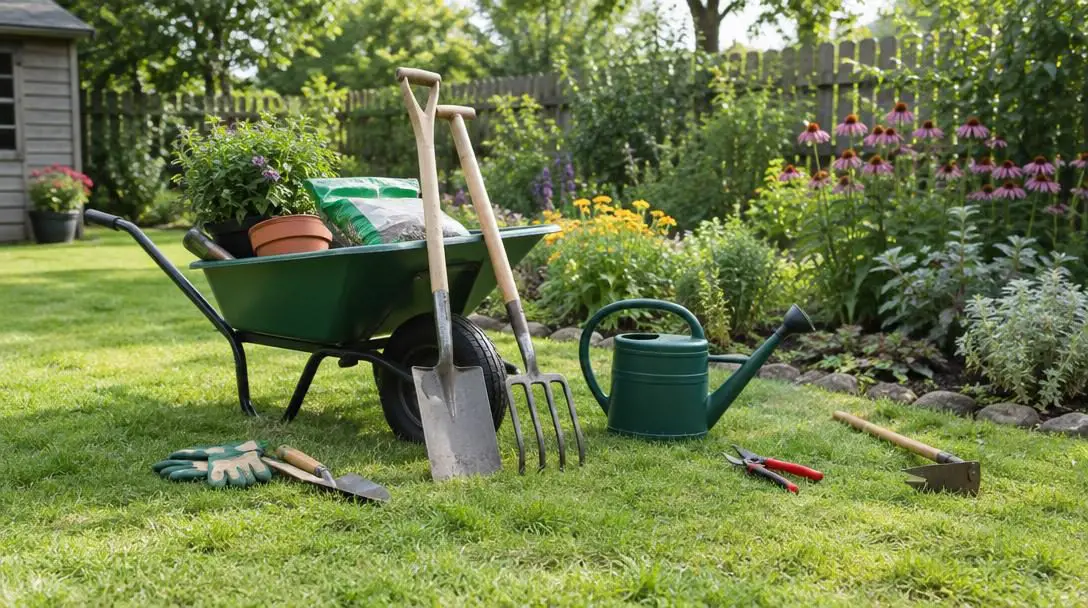
- Clear the site: Remove all rocks, debris, and existing weeds from the designated bed. If breaking new ground, carefully cut away the surface sod layer; if rejuvenating an existing garden space, clear out old root systems and lingering surface litter.
- Loosen the soil: Use a mechanical tiller or a manual garden fork to fracture hardpans and aerate the top layers of soil, creating an open, uncompacted root zone.
- Incorporate organic matter: Spread a thick layer of cured compost, aged manure, or well-rotted organic materials across the bed surface, and blend it thoroughly into the upper soil horizon to improve physical texture and fertility.
Cultural Practices for Robust Plant Health
Once plants are properly established in well-amended soil, targeted maintenance routines preserve steady growth and fend off environmental stress. Proper cultural care centers on deliberate hydration, temperature moderation, and organic fertility management.
Irrigation must be handled with precision. Most garden crops require approximately one inch of water per week, supplied either through regular natural rainfall or supplemental irrigation. Gardeners should prioritize deep, infrequent watering cycles over light daily sprinkling. Deep soakings saturate the lower root zone, which prompts root systems to extend downward toward stable moisture reserves instead of staying bunched near the rapidly drying surface. Internal water pressure, known as turgor pressure, maintains structural rigidity in plant stems and keeps leaves expanded toward incoming sunlight.
Applying an organic mulch immediately reinforces your watering efforts. Spreading a protective layer of shredded leaves or clean straw across the soil surface acts as a physical and thermal barrier. Mulch slows down surface moisture evaporation, keeps root zones cool during summer heatwaves, and suppresses competing weed seedlings that would otherwise siphon water and nutrients from your vegetables.
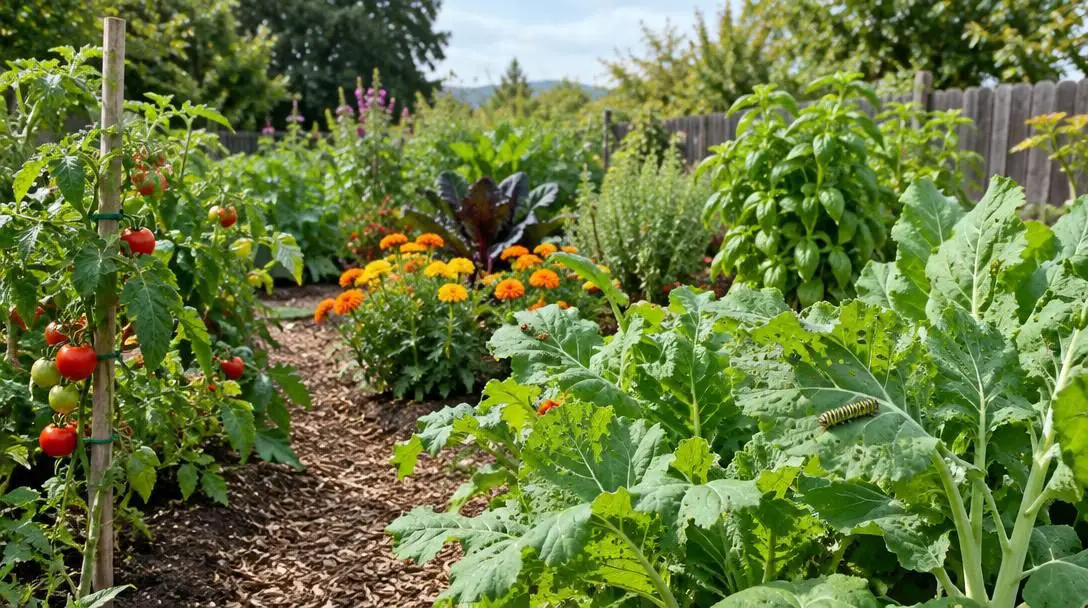
Nutrient supplementation should be managed through continuous soil building. Organic fertilizers, including cured compost and well-rotted manure, release minerals at a steady, sustainable pace while nourishing the subterranean biome. To naturally balance the garden space, gardeners can implement companion planting strategies. For example, interplanting marigolds alongside tomatoes deters damaging insect pests while supporting healthy tomato development through natural biological interactions.
Pest and Disease Management
A thriving garden requires vigilant health monitoring. Left unchecked, opportunistic pests and fungal pathogens can swiftly undermine months of work. Inspect crops frequently, examining both the upper surfaces and undersides of leaves for warning signs like foliage spots, discoloration, or yellowing leaves.
When issues arise, early identification prevents minor infestations from becoming widespread outbreaks. Emphasize targeted, biological management strategies rather than harsh synthetic chemicals that disrupt beneficial insects. Treatments like insecticidal soap and neem oil effectively suppress nuisance pests while protecting the broader balance of your garden ecosystem. Simultaneously, removing yellowed, damaged, or blighted foliage prevents fungal spores from splashing onto healthy neighboring plants.
Harvesting Techniques and Post-Harvest Handling
The final yield of your garden depends as much on harvesting practices as it does on cultivation. Gathering crops at their optimal physiological stage protects flavor, encourages continued fruiting, and prevents structural damage to the mother plant.
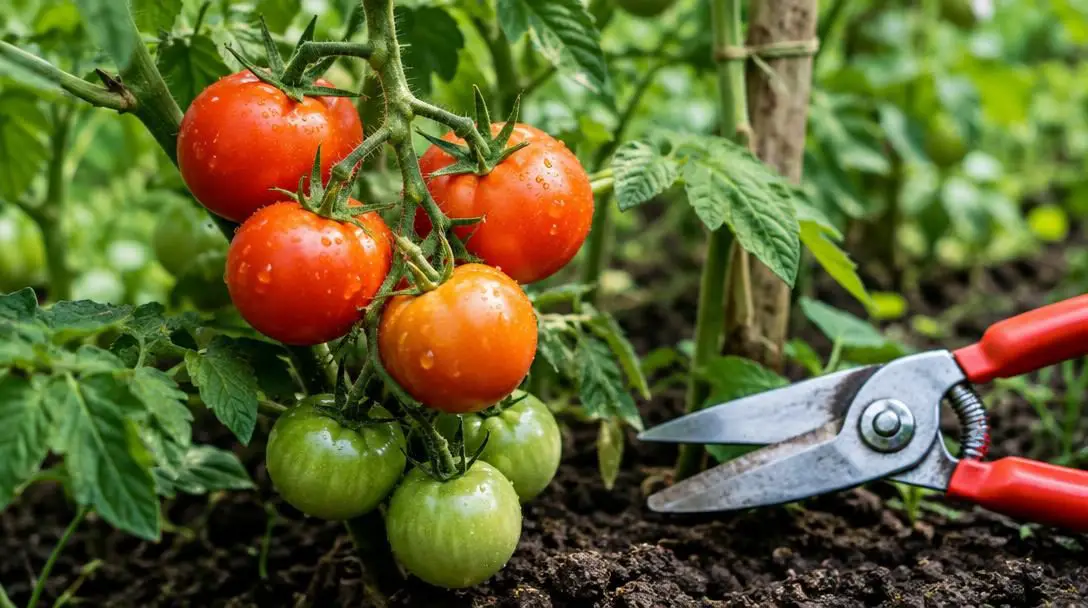
Always utilize clean, sharp tools, such as pruning shears or harvest knives, when collecting produce. Tearing or snapping stems by hand creates ragged wounds that invite fungal and bacterial pathogens into the vascular tissue. Plan your harvest for the cooler hours of the day—typically early morning—when plant tissues are fully hydrated and respiration rates are lowest.
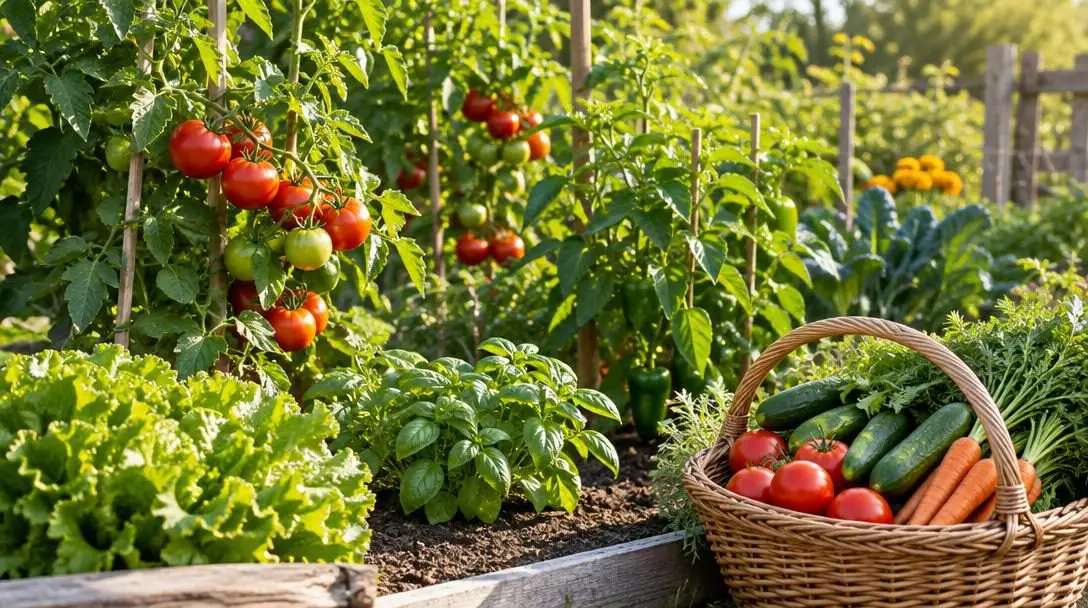
| Crop / Produce Category | Optimal Harvest Window | Recommended Storage Method | Key Handling Precaution |
|---|---|---|---|
| Tomatoes | Fully colored and ripe, yet still firm to the touch | Cool, dry room-temperature area | Avoid chilling to protect delicate flavor and texture |
| Lettuce & Leafy Greens | Leaves are young, tender, and fully hydrated | Immediate cold refrigeration | Harvest before warm weather triggers bolting |
| Cold-Sensitive Produce | Firm, mature stage appropriate to cultivar | Cool, dry, well-ventilated storage space | Keep dry to prevent post-harvest molds |
| Temperature-Sensitive Greens | Early morning while crisp and turgid | Refrigerated compartment with high humidity | Cool immediately to stop post-harvest moisture loss |
Post-harvest care protects the nutritional value and culinary quality of your hard-earned crops. Cold-sensitive produce should be kept in a cool, dry pantry setting, while tender leafy greens require immediate refrigeration to stall wilting. When your garden produces more vegetables than your kitchen can immediately consume, preserve the excess through home freezing or canning techniques to enjoy your harvest throughout the winter months.
Common Cultivation Mistakes to Avoid
Even diligent gardeners can compromise their total output by falling into conventional management traps. Recognizing and avoiding these common missteps will keep your garden productive throughout the growing season:
- Planting out of zone: Selecting cultivars without verifying your local plant hardiness zone often leads to crops being stunted by unexpected cold or failing to produce within short regional seasons.
- Misjudging sun exposure: Placing sun-loving fruiting plants in shady corners leads to weak, elongated stems and poor blossoming, while exposing delicate salad greens to harsh midday sun triggers leaf scorch and early bolting.
- Skipping soil testing: Adding random fertilizers without testing baseline pH and nutrient levels risks toxic salt accumulations and nutrient lockouts.
- Practicing shallow, frequent watering: Wetting only the top quarter-inch of soil encourages fragile, surface-hugging root networks that collapse during heatwaves.
- Leaving garden soil uncovered: Bare soil quickly crusts over, bakes in direct sunlight, loses water to evaporation, and invites aggressive weed colonization.
- Postponing pest control: Overlooking early symptoms like foliage spotting or light pest infestations allows problems to rapidly expand through the entire garden bed.
- Using dull, unsterilized harvest tools: Dull blades crush plant stems, creating jagged wounds that serve as open conduits for bacterial and fungal infections.
Long-Term Planning and Garden Recordkeeping
Sustained agricultural productivity requires looking beyond a single season. A high-yielding garden evolves as you learn the microclimates, drainage patterns, and localized quirks of your property over time. Cultivating a habit of continuous observation turns every growing season into an educational baseline for the next.
Maintaining a dedicated garden journal is an effective way to track progress. Record when seeds were started, the specific amendments blended into each bed, total rainfall against supplemental waterings, and exact dates of peak harvest. Documenting the performance of companion pairings—such as the pest deterrence observed from planting marigolds near tomatoes—creates a reliable reference guide tailored specifically to your soil.
In addition to personal journaling, consulting regional gardening resources and extension guides can help you fine-tune harvest timelines and cultivar selections for upcoming years. Maintaining a well-managed compost pile provides a dependable source of cured organic matter, ensuring your beds enter each new spring richer, looser, and more fertile than the year before.
Frequently asked questions
How do I know my local plant hardiness zone?
You can locate your specific growing zone by consulting the USDA Plant Hardiness Zone Map. This interactive resource uses local minimum winter temperatures to assign geographical zones, helping you pick plant varieties suited to your regional climate.
Why is deep watering better than watering daily?
Deep, infrequent watering saturates the lower soil horizons and encourages plant roots to grow downward toward steady moisture reserves. Light daily watering dampens only the surface, leading to weak, shallow root networks that quickly dry out in hot weather.
How does organic mulch help my vegetable garden?
Organic mulch, such as straw or shredded leaves, forms a physical buffer over the soil. It reduces water evaporation, keeps soil temperatures moderate during peak summer heat, and blocks sunlight to stop weed seeds from germinating.
What are the first signs that plants are suffering from pests or disease?
Early warning indicators include yellowing foliage, mottled or discolored spots on leaf surfaces, holes in leaves, and sudden wilting. Routine inspections of both the tops and bottoms of leaves allow you to catch these symptoms before issues spread.
When is the best time of day to harvest vegetables?
The best time to harvest is during the cooler hours of the day, particularly early morning. At this time, plants are fully hydrated and transpirational stress is low, which preserves crispness, enhances flavor, and extends the post-harvest shelf life of your produce.
The bottom line
Transforming a garden into a high-yielding food source does not depend on secret formulas or chemical shortcuts. High production is the direct result of understanding plant biology and systematically meeting each crop's foundational needs. From verifying your hardiness zone and conditioning the soil with rich compost to maintaining a disciplined deep-watering routine and harvesting with clean tools, every thoughtful action compounds over the season.
By treating the garden as an integrated ecosystem, you create an environment where crops can channel their primary energy into lush growth and abundant harvests. With attentive observation, consistent bed management, and a commitment to learning from each seasonal cycle, you can steadily increase your yields and enjoy basket after basket of fresh, homegrown food year after year.