McDonald’s Menus Across The Globe: 5 Key Differences Between The USA and France
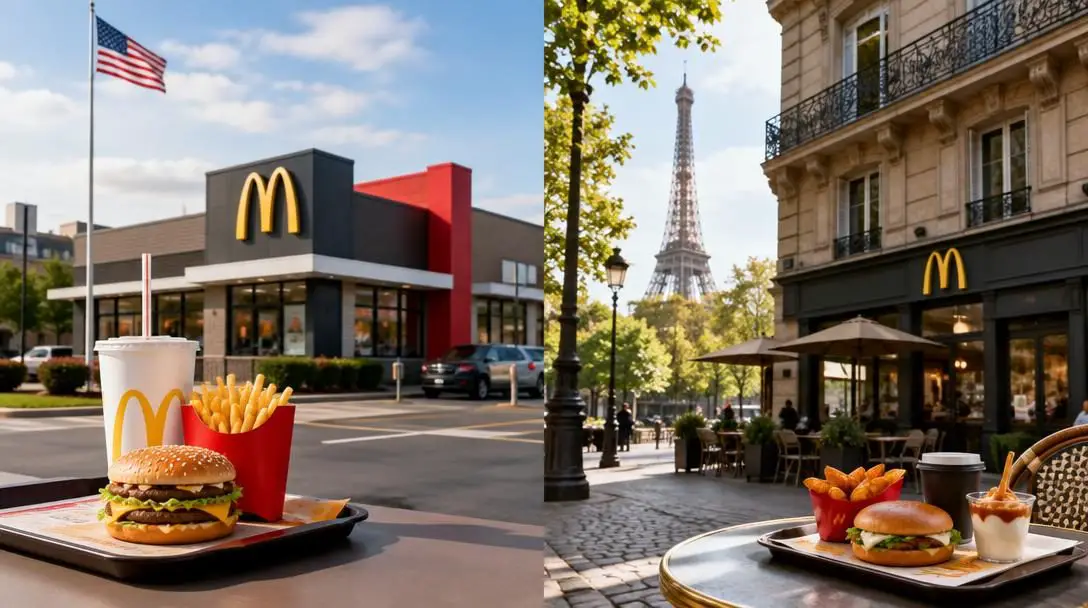
McDonald’s is the most widespread fast food chain in the world, maintaining a presence that spans tens of thousands of restaurants globally, including approximately 1,500 locations across France. When the American burger giant first entered the French market in the early 1970s, it brought classic staples that had defined the company since its 1955 founding in the United States: standard beef hamburgers, thick milkshakes, and crispy french fries. While these core items helped the brand gain traction abroad, the French menu has since evolved into something distinctly its own.
Today, France serves as one of the primary international testing grounds for McDonald’s culinary development. While only a handful of experimental items ever make their way back to American franchises, localized dishes have become permanent icons across France. Examining how the French menu diverges from its American counterpart illustrates how local food traditions, customer purchasing habits, and dietary lifestyle expectations directly influence international fast food.
Key takeaways
- McDonald’s operates roughly 1,500 locations in France after introducing its American classics to the country in the early 1970s.
- French franchises cater heavily to plant-based and gluten-sensitive diners with dedicated vegetarian patties and specialized gluten-free cheeseburgers.
- Discontinued American favorites, including chicken wings, fresh salads, and fried apple pies, remain active staples across French restaurants.
- The breakfast and dessert counters in France replace American baked goods like bagels and cinnamon rolls with traditional viennoiseries and localized McFlurry candy pairings.
The Evolution of McDonald’s in France and the United States
To understand why the menus of these two countries differ so substantially, it helps to examine their parallel histories. McDonald’s was founded in the United States in 1955, building an empire around fast, standardized, and inexpensive comfort food. For decades, American consumers prioritized consistency and speed, embracing a standard lineup anchored by beef patties, cheese, and fried potatoes. Because the American customer base remained devoted to classic fast food fare, domestic menus saw relatively few structural disruptions to their meat-heavy foundation.
When the chain expanded across the Atlantic in the early 1970s, it encountered an entirely different dining culture. France takes immense pride in its culinary identity, placing strong emphasis on freshness, ingredient sourcing, and daily dining rituals. Rather than maintaining a rigid replica of the American kitchen, French franchises gradually adapted to domestic tastes. France transformed into an innovation lab, pioneering menu items that reflected both traditional French baking customs and an early adoption of dietary accommodations.
International fast food menus succeed not by forcing uniformity, but by reshaping iconic comfort foods around the dietary habits and culinary heritage of the local culture.
Today, the divide between the two countries demonstrates how international fast food adapts to consumer expectations. While the American menu remains focused on high-volume, greasy, meaty staples, French locations present a broader spectrum of lifestyle choices, accommodating plant-based diets, gluten intolerances, and refined bakery preferences without abandoning the brand's core identity.
Five Distinct Menu Differences Between the USA and France
Comparing specific food categories side by side reveals the stark divergence between American and French McDonald’s locations. From meatless sandwiches to afternoon sweets, these five areas showcase how regional tastes have redefined the Golden Arches.
Vegetarian Options
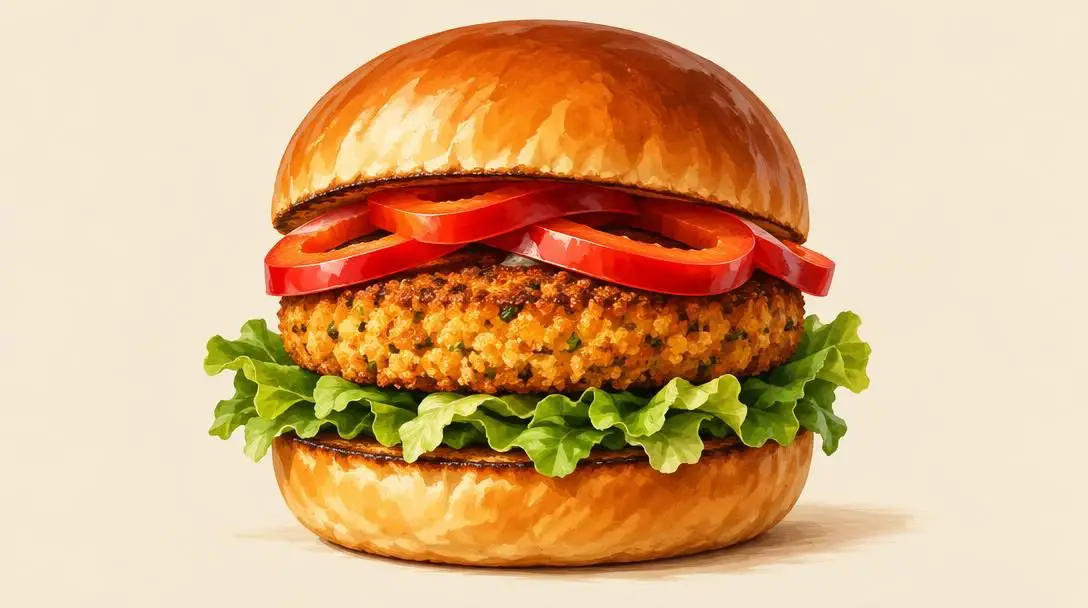
- Patty Style: Grilled or fried meat substitute
- Availability: Widespread across French franchises
- Signature Offerings: Veggie Paprika, McVeggie, Homestyle Chargrill Veggie
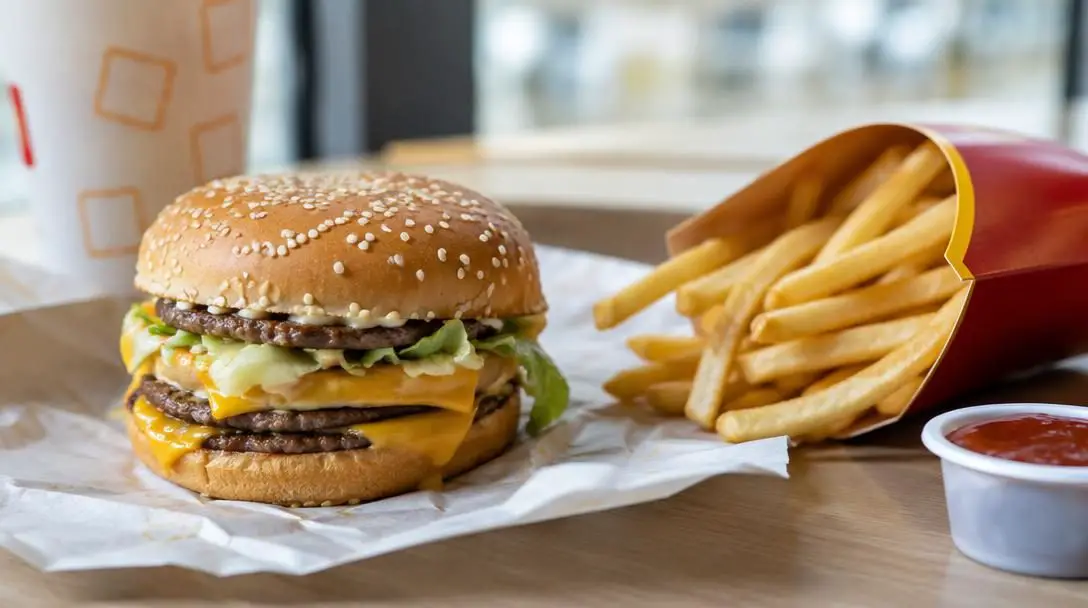
In the United States, McDonald’s has long been synonymous with traditional beef and poultry items, staying true to the greasy, cheesy burgers that popularized the chain starting in 1955. American diners seeking plant-based alternatives at drive-thrus often find minimal support, as vegetarian sandwiches have rarely gained permanent footing on domestic menus.
In contrast, McDonald’s in France provides a comprehensive suite of 100% vegetarian options built around seasoned meat substitutes. Customers can select burgers featuring either a grilled or fried meatless patty tailored with regional sauces and fresh toppings. The French vegetarian roster includes standout sandwiches such as the Veggie Paprika, the standard McVeggie, and the Spicy McVeggie. Diners looking for premium sandwiches can order from the upscale Homestyle line, which features the Homestyle Chargrill Veggie and the Homestyle Honey Mustard Veggie, as well as the Caesar Salad Veggie for those seeking leafy greens without poultry.
Dedicated Gluten-Free Selections
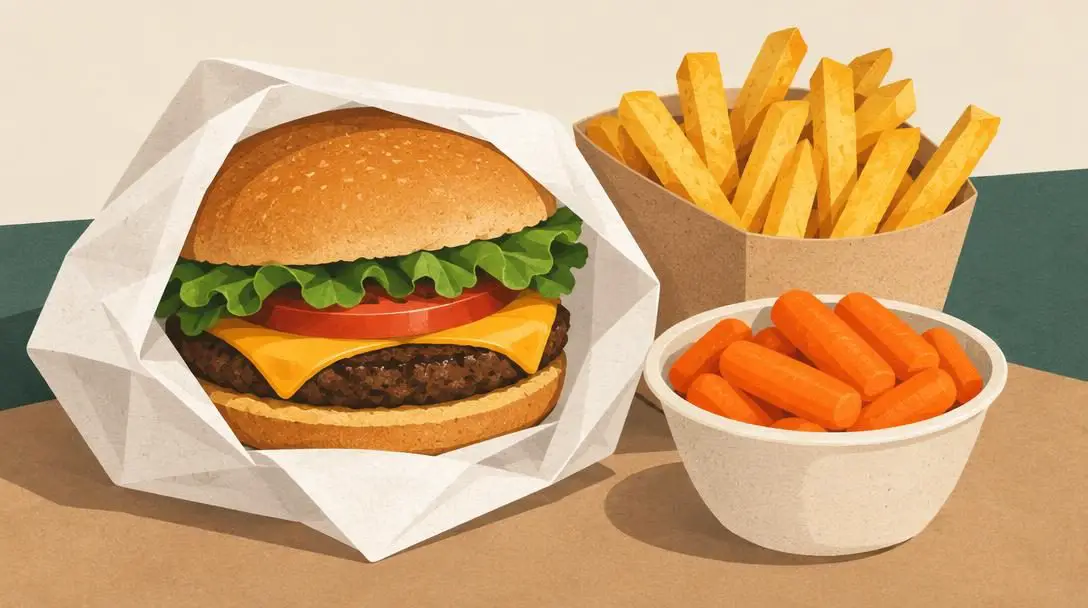
- Key Entree: Certified gluten-free cheeseburger
- Accompanying Sides: French fries and fresh carrots
- Allergen Inclusivity: Dedicated gluten-free dressings and sauces
Accommodating food sensitivities is another area where French franchises dramatically outpace their American counterparts. In the United States, McDonald’s does not offer a dedicated gluten-free menu; customers with celiac disease or gluten allergies are limited strictly to items that happen to be naturally free of gluten, often needing to discard sandwich buns entirely to avoid wheat consumption.
France takes dietary restrictions seriously by offering an official, dedicated gluten-free lineup. French diners can order fully packaged gluten-free cheeseburgers prepared with certified allergen-safe buns. Beyond the burger itself, the French menu clearly identifies safe sides and condiments, including gluten-free salads, specific dressings, sauces, standard french fries, fresh side carrots, and select ice cream-based desserts. This level of dietary transparency turns the French restaurant into an accessible option for health-conscious diners and those managing autoimmune restrictions.
Chicken Wings and McWings
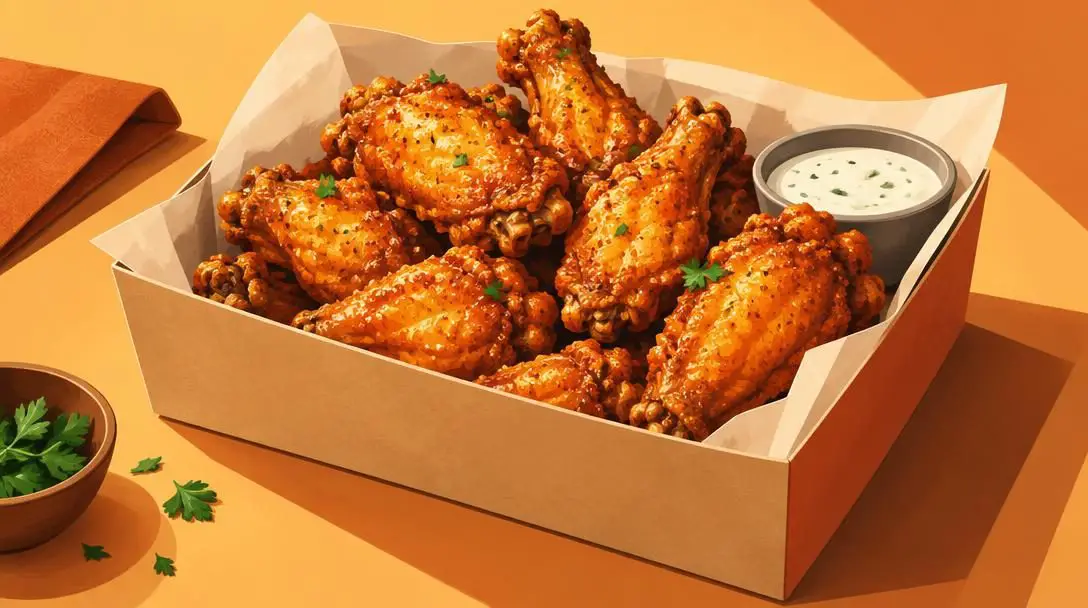
- US Product Name: Mighty Wings (discontinued)
- US Run Dates: 1990–2004, brief comeback 2013–2014
- French Product Name: McWings
American diners with long memories will recall that bone-in chicken wings once held a prominent place in domestic marketing. Introduced to the United States in 1990 under the moniker Mighty Wings, the crunchy, seasoned poultry dish became a cult favorite before vanishing from menus in 2004. McDonald’s attempted to revive Mighty Wings for domestic customers between 2013 and 2014, but the relaunch struggled. Because chicken wings were expensive to source, prepare, and purchase, cost-conscious American diners rejected the premium price point, cementing their removal from US locations.
Across the Atlantic, however, crispy chicken wings found a thriving, permanent home. Known internationally as McWings, this crunchy, savory snack remains an everyday fixture across France. French consumers proved more willing to embrace wings as an occasional side or shareable snack, allowing the item to thrive abroad long after its demise in the domestic American market.
Fresh Salads and Greens
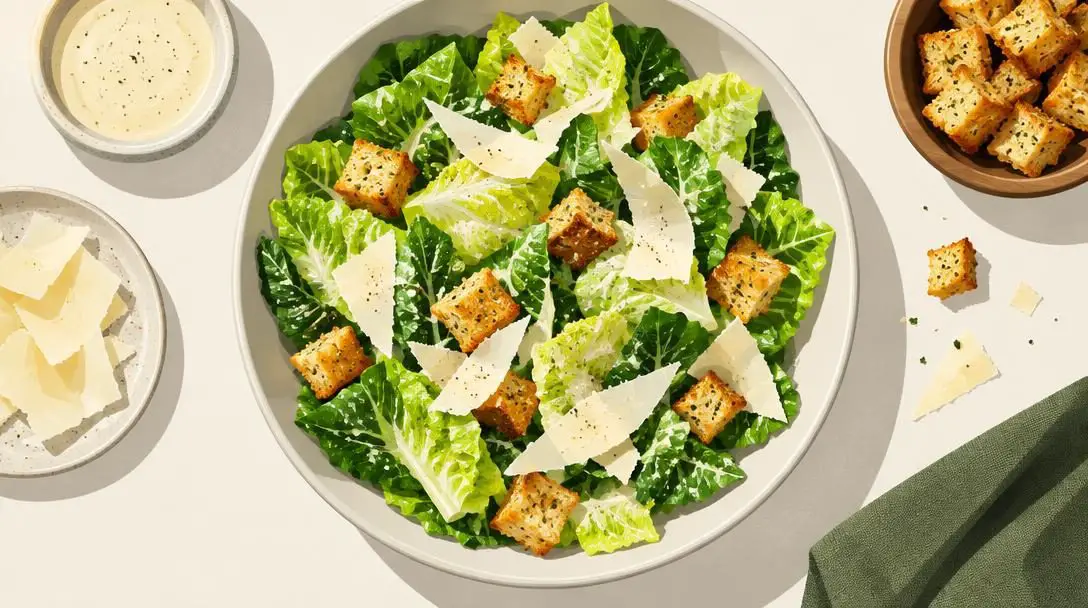
- US Status: Removed nationwide during the Covid pandemic
- French Status: Active core menu category
- Popular Varieties: Caesar salad, side salads, vegetarian chicken substitute salad
Salads were once an established fixture of American fast food, designed to give health-conscious consumers an alternative to burgers and fries. However, when the Covid pandemic introduced severe supply-chain hurdles and tightened franchise budgets, McDonald’s USA permanently discontinued salads nationwide. Managing the perishable produce required for complex salad bowls was no longer financially viable for dishes that generated comparatively lower sales volume in American dining rooms.
France took a completely different operational approach, preserving its salad supply networks throughout recent years. Today, French visitors can order a variety of freshly prepared salads, centered primarily on classic Caesar salads and crisp side salads. Catering further to inclusive eating habits, French locations also feature salad bowls topped with vegetarian chicken substitutes, giving health-oriented diners an alternative that American stores have long abandoned.
French Pastries and Regional Desserts

- Morning Pastries: All-butter croissants and pain au chocolat
- Candy Partnerships: Daim and Toblerone McFlurry mix-ins
- Hot Pastry: Traditional fried apple pie
Pastry culture is woven into the fabric of daily French life, and local fast food reflects that heritage. In the United States, breakfast and bakery display cases typically feature heavy, sugar-glazed sweets such as cinnamon rolls, pre-packaged cookies, and breakfast bagels. In France, these dense American baked items are replaced by traditional morning viennoiseries, allowing patrons to pair morning espresso with authentic croissants and pain au chocolat.
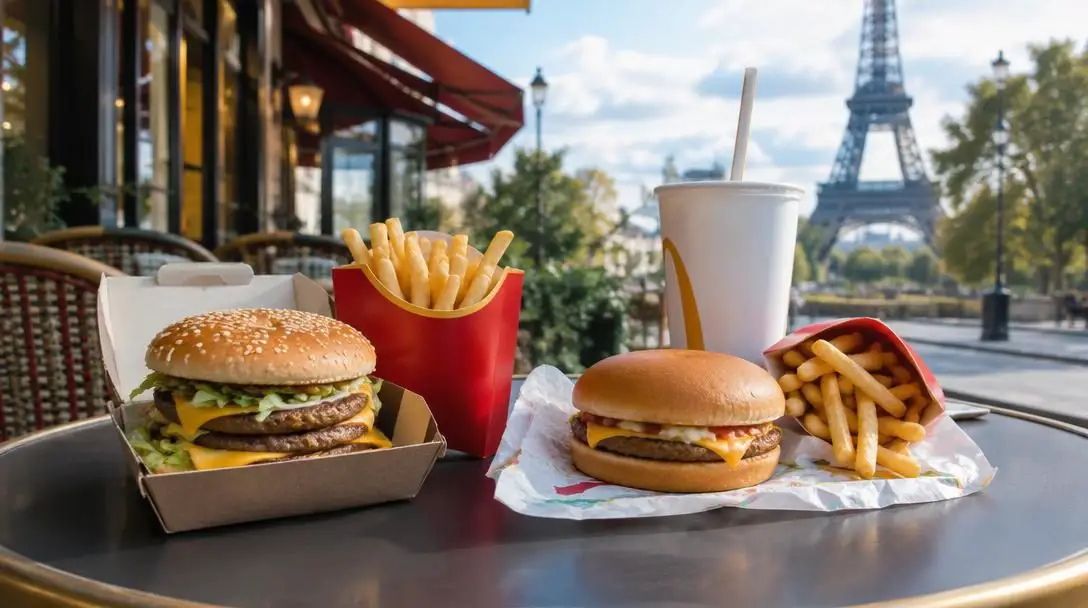
The dessert counter reveals even further regional variation. Ice cream enthusiasts in France can order McFlurries blended with European confections like crunchy Daim butterscotch bits or rich Toblerone Swiss chocolate chunks. Furthermore, while American restaurants shifted decades ago toward baked turnover-style hand pies to reduce oil content, French McDonald’s franchises still serve the bubbling, crispy fried apple pie that nostalgic American travelers deeply miss.
Menu Comparison: United States vs. France
The fundamental differences between the American and French menus illustrate distinct approaches to dietary accommodation, baking customs, and menu longevity.
tbody| Menu Category | McDonald’s United States | McDonald’s France |
|---|---|---|
| Vegetarian Options | Minimal; focused on traditional beef, pork, and chicken patties | Dedicated meat-free burgers (McVeggie, Veggie Paprika, Homestyle line) |
| Gluten-Free Dining | No dedicated gluten-free sandwiches or certified allergy protocols | Official gluten-free cheeseburgers, gluten-free sauces, dressings, and sides |
| Bone-In Wings | Mighty Wings discontinued in 2004; failed domestic revival in 2013–2014 | Permanently available under the brand name McWings |
| Salads & Greens | Completely removed nationwide during the Covid pandemic | Consistently available, including Caesar salads and vegetarian poultry toppings |
| Pastries & Desserts | Bagels, cinnamon rolls, cookies, and baked turnover apple pies | Fresh croissants, pain au chocolat, fried apple pies, and Daim or Toblerone McFlurries |
Why McDonald’s Menus Diverge Across Global Markets
The operational divide between American and French franchises highlights how global restaurant corporations manage local consumer habits. Fast food operations must continuously balance brand heritage against local market demands, adjusting to three core dynamics:
- Supply chain resilience and ingredient logistics: Maintaining fresh, perishable produce requires extensive logistical support. In the United States, keeping a wide variety of fresh greens in stock for low-margin salads proved inefficient when budgets tightened during the pandemic. French franchisees, by contrast, maintained their farm-to-restaurant networks, preserving greens and side carrots as core offerings.
- Consumer price sensitivity: The fate of bone-in chicken wings demonstrates how customer expectations dictate menu survival. Because McDonald’s in the United States built its reputation on low-cost dining, customers refused to pay premium prices for Mighty Wings, forcing the company to pull the plug. In France, fast food is viewed through a more flexible dining lens, allowing McWings to maintain commercial viability at an appropriate price point.
- Cultural relevance and everyday habits: A breakfast menu must align with the morning traditions of the community it serves. Offering bagels and dense cinnamon rolls to French diners on their way to work would conflict with morning routines centered on coffee and light, flaky viennoiseries like pain au chocolat. Adapting to local habits ensures consistent foot traffic throughout the morning hours.
Step-by-Step Guide to Ordering at McDonald’s in France
Navigating an international fast food counter can feel overwhelming if you are accustomed to the standard American ordering process. Following these structured steps will help ensure a seamless dining experience at any French location:
- Locate a touch-screen kiosk: Modern French restaurants rely almost exclusively on digital ordering terminals located near the front entrance. Touch the screen to begin your order.
- Adjust your language settings: Select the flag icon at the bottom of the interface to switch the display from French to English, ensuring you can review ingredients and allergen alerts clearly.
- Browse specialty dietary sections: If you follow a meatless diet, navigate to the dedicated vegetarian sandwich tab to choose between the Veggie Paprika, the McVeggie, or the Homestyle Veggie line. For gluten sensitivities, browse the allergy-conscious tab to select certified gluten-free cheeseburgers.
- Select localized side dishes: Instead of defaulting to standard fries, explore regional sides such as crunchy carrots or a packaged side salad with French vinaigrette.
- Review the bakery and dessert counter: Complete your transaction by adding French morning pastries like a croissant or pain au chocolat, or select an afternoon dessert featuring Daim, Toblerone, or the classic fried apple pie.
- Collect your table tent or receipt: Take your printed receipt and table number tent to find a seat; in many French locations, crew members deliver orders directly to your table.
Common Ordering Mistakes to Avoid in France
Travelers arriving in Paris or regional French towns often carry mistaken assumptions based on their experiences with American drive-thrus. Keep these common pitfalls in mind:
- Searching for American breakfast staples: Do not expect to find cinnamon rolls, cookies, or toasted bagels behind the morning bakery glass. French locations cater to domestic tastes with flaky croissants and chocolate-filled pastries.
- Assuming salads were cancelled worldwide: While American diners have not seen a salad bowl under the Golden Arches since the onset of the Covid pandemic, French locations never abandoned fresh Caesar salads or garden greens.
- Asking for Mighty Wings by their US name: Crew members will not recognize the defunct American branding from the 1990s and 2010s. Always look for the crunchy chicken snack labeled as McWings.
- Assuming burgers cannot accommodate gluten allergies: In the United States, gluten-intolerant patrons must eat burger patties without buns or avoid fast food entirely. In France, you can safely order an official gluten-free cheeseburger assembled on a specialized gluten-free bun.
- Expecting baked turnover pies: American McDonald's restaurants transitioned away from deep-fried apple pies decades ago, but ordering an apple pie in France delivers the bubbling, crispy fried classic from years past.
Frequently asked questions
Why did McDonald's USA discontinue chicken wings while France kept them?
McDonald's USA offered Mighty Wings from 1990 to 2004 and revived them briefly between 2013 and 2014, but American consumers found the item too expensive for a chain known for inexpensive food. In France, consumer demand supported the price point, allowing the snack to remain permanently under the name McWings.
Can you get dedicated gluten-free food at McDonald's in France?
Yes. Unlike American locations, which only offer foods that are naturally gluten-free, McDonald's France offers certified gluten-free cheeseburgers alongside gluten-free salads, dressings, french fries, carrots, and select ice cream desserts.
Are salads available at McDonald's restaurants in France?
Yes. While American franchises eliminated salads nationwide during the Covid pandemic due to ingredient costs and funding cutbacks, French locations kept salads on the permanent menu, serving Caesar salads, side salads, and salads with vegetarian chicken alternatives.
What kind of breakfast pastries can you buy at French McDonald's locations?
Instead of American bakery items such as bagels, cinnamon rolls, or domestic cookies, French restaurants feature authentic local viennoiseries, primarily all-butter croissants and pain au chocolat.
Does McDonald's in France still serve fried apple pies?
Yes. While American locations replaced fried pies with baked turnover pies to reduce fat content, French McDonald's franchises still serve the traditional crispy fried apple pie.
The bottom line
The differences between McDonald’s in the United States and France illustrate how international fast food thrives through thoughtful localization. Rather than forcing a uniform American menu onto European diners, the company adapted its model to align with French culinary values, offering fresh morning viennoiseries, certified gluten-free dining, robust vegetarian burgers, and enduring favorites like chicken wings and fried apple pies. For travelers and food enthusiasts alike, exploring a French McDonald's provides a fascinating look at how global commerce respects and reflects regional taste.