Perennial Plants: How to Choose and Care for Them
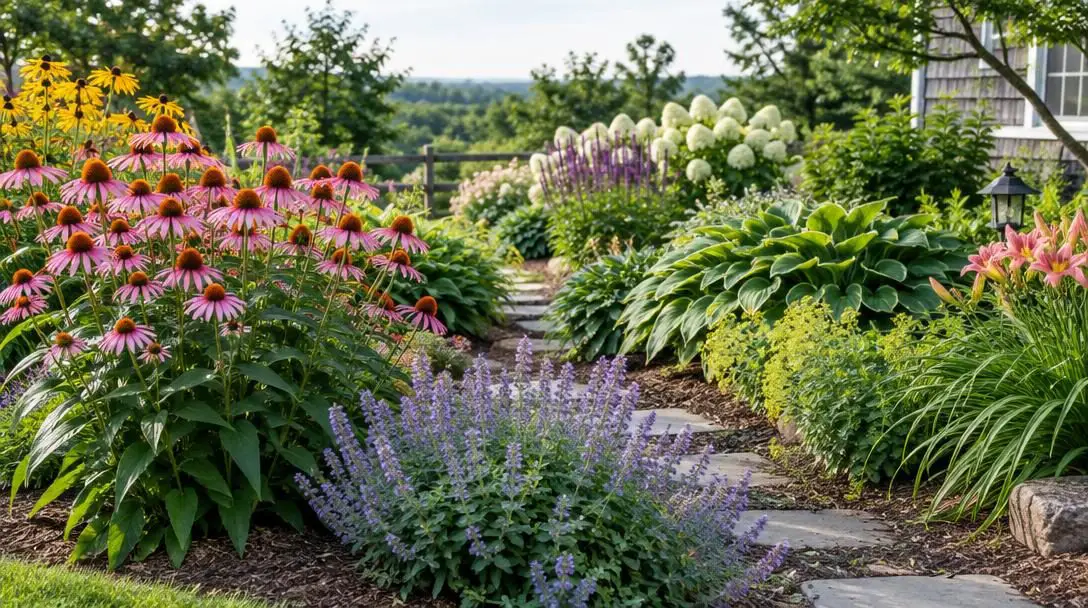
Perennial plants represent the enduring foundation of resilient, sustainable landscape design. Unlike annual plants that complete their entire life cycle in a single year and require replanting every spring, perennials persist through multiple growing seasons, weathering environmental shifts, seasonal temperature changes, and periodic dry spells once their subterranean structures are fully established.
Because these long-lived plants survive for multiple years, they form the structural and visual anchor for residential flower beds, edible plots, community spaces, and public parks. With an immense assortment of botanical forms, foliage textures, mature heights, and floral hues, perennials offer gardeners the opportunity to construct dynamic, multi-layered environments that mature in character and beauty with each passing season.
Key takeaways
- Perennials survive across multiple seasons by maintaining resilient underground root systems, crowns, or permanent woody structures through dormant periods.
- Evaluating regional climate tolerance, bloom schedules, intended garden functions, and maintenance needs is vital before purchasing and planting.
- A well-rounded perennial garden incorporates flowers, culinary herbs, productive vegetables, ornamental grasses, and structural shrubs.
- Routine maintenance hinges on testing soil moisture before watering, using slow-release fertilizers in spring and summer, and pruning dead growth in the autumn.
- Dividing congested root clumps every few years during their dormant windows rejuvenates plant vitality and prevents overcrowded centers from declining.
Understanding how perennial plants function
The fundamental factor separating a perennial from an annual is its specialized life cycle and energy conservation strategy. Annuals pour all their resources into a sprint: germinating from seed, producing foliage, flowering, setting new seeds, and dying within a single growing season. Perennials, by contrast, adopt a marathon strategy. They allocate significant metabolic resources toward building complex subterranean root networks, rhizomes, tubers, or crowns.
In temperate climates, herbaceous perennials undergo a visible transformation as freezing winter conditions approach. Their above-ground stems, foliage, and spent blooms die back entirely, giving the outward appearance of a dead plant. Beneath the surface, however, the crown and root system enter a state of dormancy. The plant safely stores starches and carbohydrates deep in the soil, insulated from sub-zero air temperatures. When warmer soil temperatures and spring rains arrive, these dormant reserves are mobilized upward to fuel a vigorous flush of fresh shoots and leaves.
Woody perennials follow a different variation of this enduring cycle. Shrubs and woody plants maintain a permanent structural framework of stems and branches above the soil line throughout the winter. Although deciduous varieties drop their leaves, their woody limbs remain alive, ready to produce fresh leaf buds and flowering stems directly from existing wood once the spring growing season resumes.
Investing in deep root systems allows perennial plantings to survive prolonged droughts, winter freezes, and environmental stress far better than shallow-rooted seasonal varieties.
Because their root systems penetrate deep into the subsoil over consecutive years, established perennials access moisture and trace minerals situated well below the reach of shallow annual roots. This subterranean architecture is what grants perennials their celebrated drought tolerance and long-term soil-stabilizing qualities.
Evaluating criteria for selecting perennial varieties
A thriving perennial landscape begins with thoughtful planning rather than impulsive buying. Because perennials remain in place for many years, planting the wrong specimen in an unsuitable location leads to chronic pest problems, poor flowering, or early plant death. Gardeners should systematically assess four primary elements before introducing new perennials into their soil.
First, evaluate your regional climate and environmental extremes. Perennial varieties have evolved to endure specific climatic ranges. Some varieties tolerate severe sub-zero winter temperatures, while others demand mild winters or intense summer heat to thrive. Checking whether a plant is suited to your area's climate prevents the heartbreak of losing an entire border to an uncharacteristic winter freeze or prolonged summer heatwave.
Second, define the plant's purpose and landscape function. Ask whether the perennial is meant to serve as an ornamental focal point, form a dense physical hedge, suppress weeds as a groundcover, provide food for your kitchen, or attract beneficial pollinators like bees and butterflies to your yard.
Third, examine the bloom time and seasonal interest. Perennials typically do not bloom non-stop from spring through late fall. Different varieties express their floral peak at distinct stages of the year. Some bloom in early spring, others hit their stride during midsummer, and certain varieties reserve their display for late autumn. Mapping bloom windows enables you to orchestrate continuous floral interest across the entire property.
Fourth, account for routine maintenance requirements. Certain perennials thrive on neglect and require minimal water, while others demand frequent pruning, staking, deadheading, and specific moisture levels. Be honest about your available gardening time and choose varieties that match your routine.
Core categories of perennial plants
Perennials encompass an extensive spectrum of botanical classifications. Incorporating diverse types into a garden design produces visual depth, sensory interest, and year-round functional value.
Perennial flowers

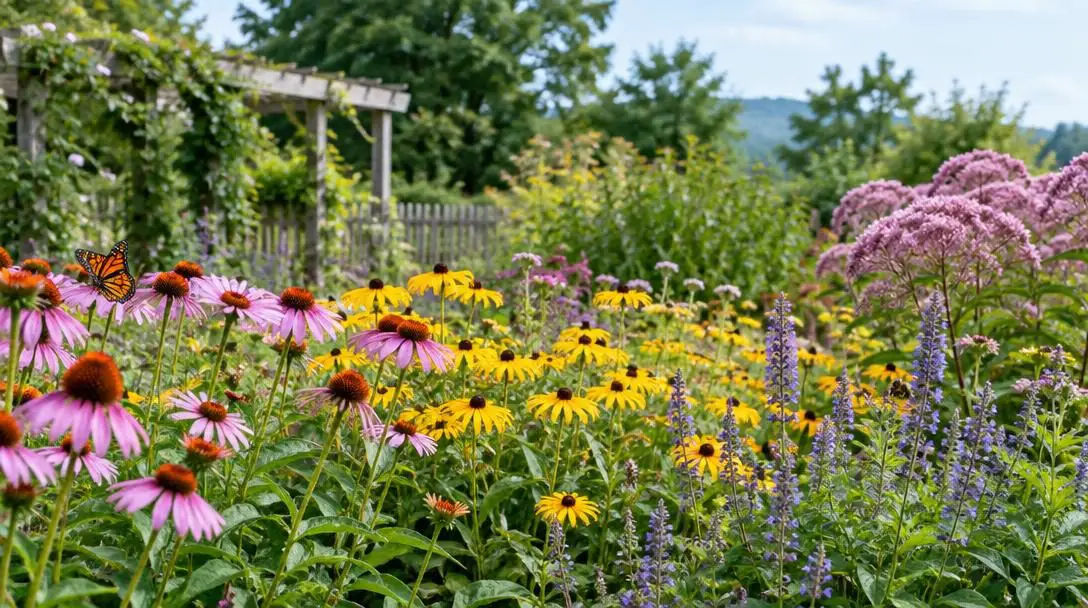
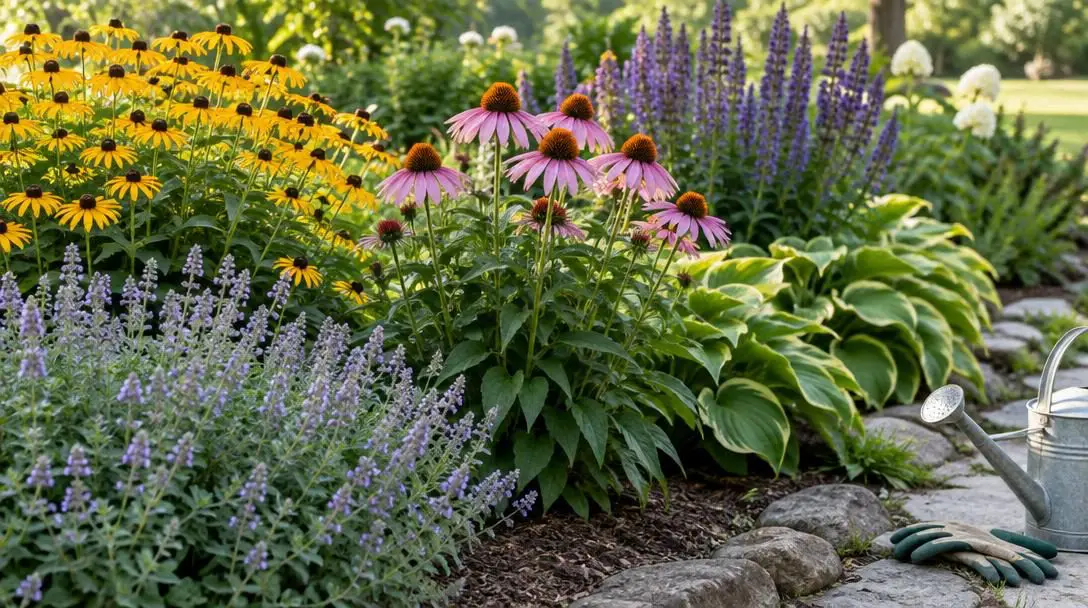
Flowering perennials are celebrated for their ability to deliver recurring color, architectural shape, and pollinator support year after year. Classic examples include daisies, lilies, and roses. These varieties form the dynamic visual core of traditional mixed borders, rock gardens, and cottage designs. Daisies provide long-lasting, cheerful blooms with minimal fuss; lilies produce dramatic, fragrant trumpet-shaped flowers; and perennial roses contribute dense floral displays along with sturdy growth habits.
Perennial herbs
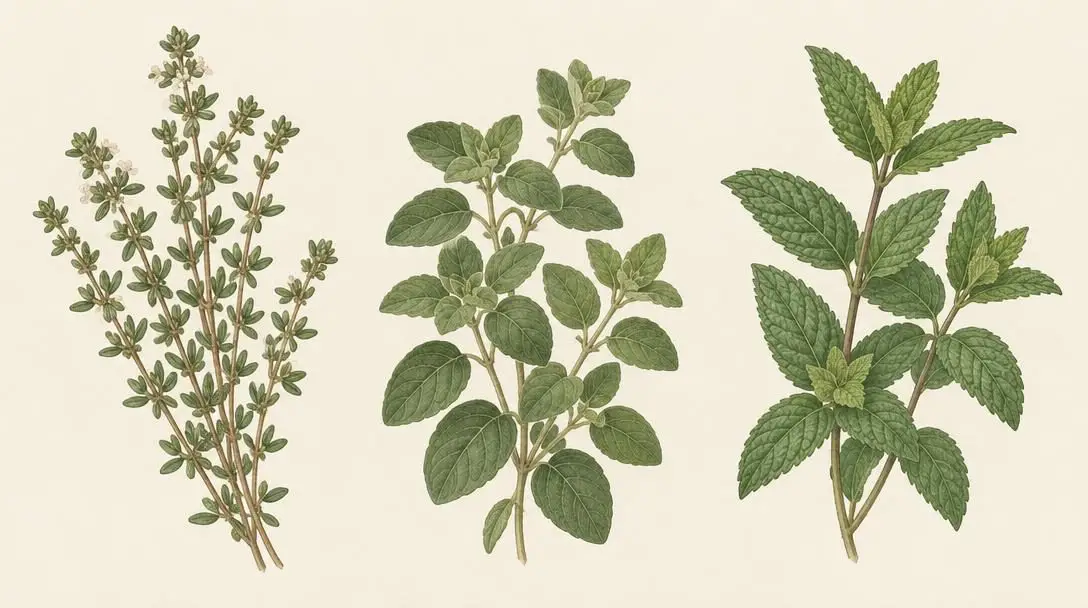
Perennial herbs combine ornamental appeal with reliable culinary and household uses. Low-maintenance varieties such as thyme, oregano, and mint return faithfully each spring, providing fragrant foliage that can be harvested fresh throughout the growing season. Thyme forms resilient, drought-resistant groundcover; oregano blankets sunny beds with aromatic leaves and delicate summer flowers; and mint yields vigorous flushes of aromatic greenery with exceptionally low care requirements.
Perennial vegetables
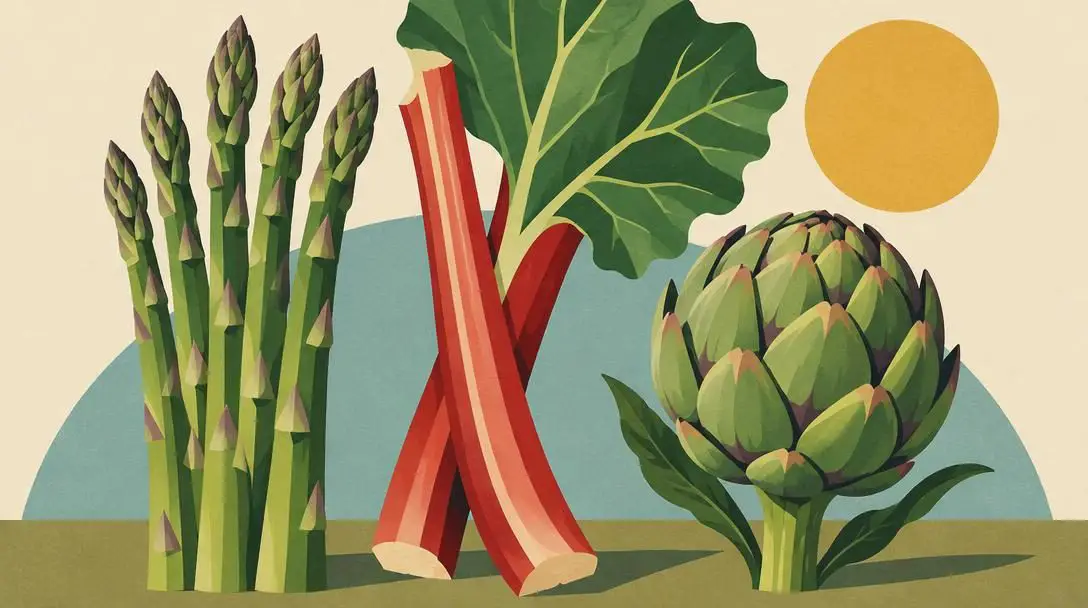
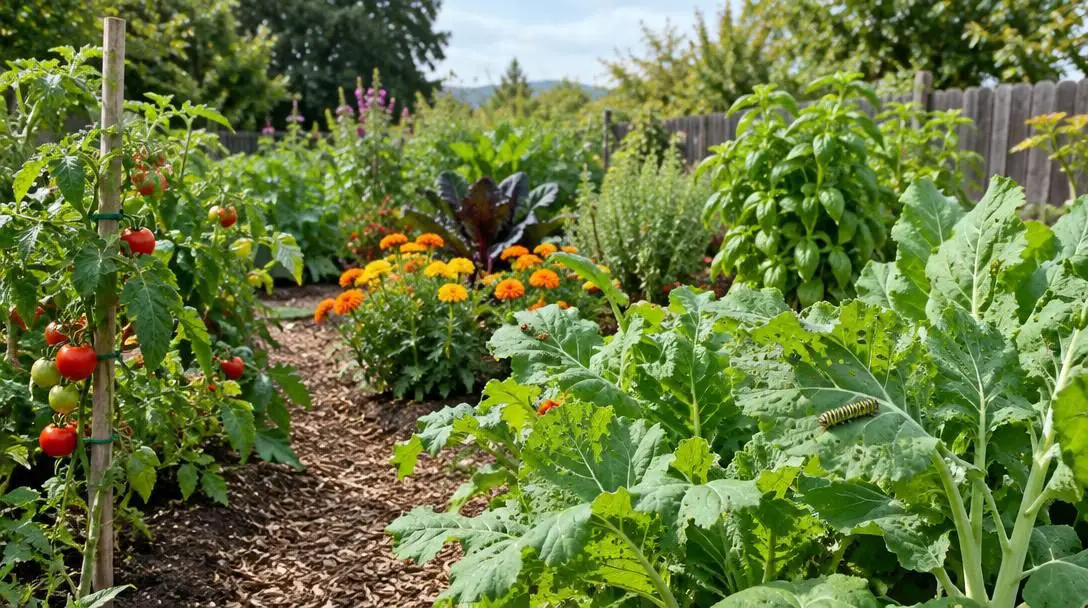
Unlike standard garden crops that must be tilled and seeded every spring, perennial vegetables yield reliable food harvests over multiple years from a single planting. Standout selections include asparagus, rhubarb, and artichokes. Asparagus crowns produce tender edible spears every spring for up to two decades once established. Rhubarb yields robust, tart stalks accompanied by massive, architectural foliage, while artichokes produce striking silvery leaves and edible flower buds that can double as spectacular ornamental features.
Ornamental grasses

Perennial ornamental grasses introduce distinctive texture, architectural verticality, and kinetic movement to garden compositions. Grasses catch gentle breezes, rustling softly and catching seasonal sunlight in ways standard broadleaf plants cannot replicate. Available in a vast range of heights, forms, and foliage colors, ornamental grasses excel when positioned as structural garden borders, massed ground covers, or dramatic focal specimens in large patio containers.
Perennial shrubs
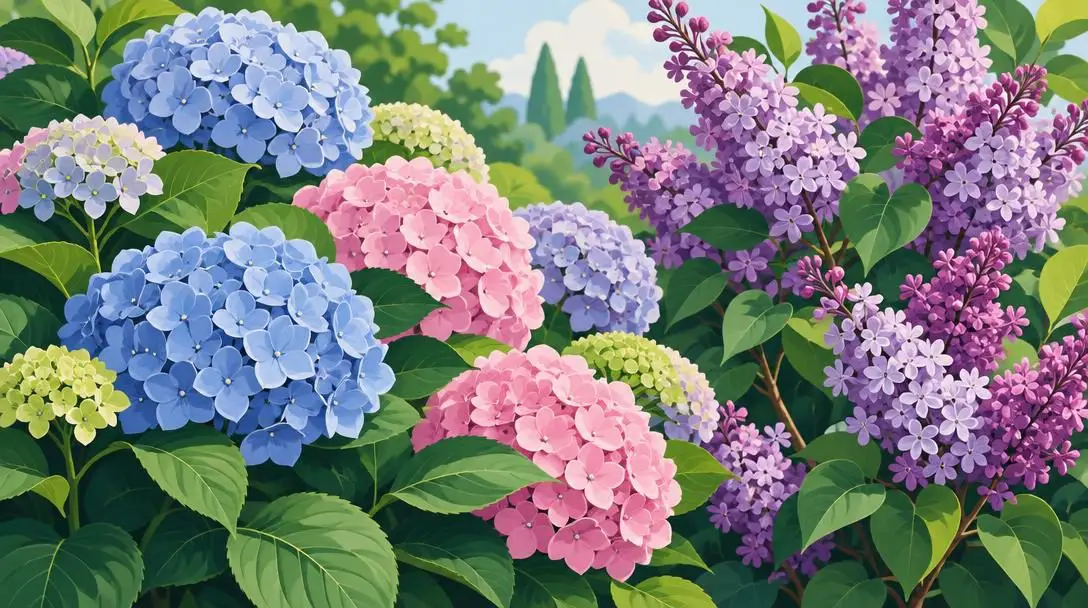
Perennial woody shrubs establish height, structural permanence, and seasonal volume within garden layouts. Popular garden anchors include hydrangeas, lilacs, and azaleas. Hydrangeas deliver massive, long-lasting flower heads and lush green foliage; lilacs fill early spring breezes with sweet floral perfume; and azaleas cover garden beds in early spring with dense blankets of vivid color. Shrubs serve as permanent garden walls, privacy hedges, and backdrop plantings that anchor smaller perennial flowers.
Comparing perennial categories at a glance
Understanding the distinct characteristics of each perennial type helps you select complementary plants that satisfy both design aesthetics and functional needs.
| Plant Category | Common Examples | Primary Function | Seasonal Care Priority |
|---|---|---|---|
| Perennial Flowers | Daisies, lilies, roses | Color, floral beauty, pollinator support | Deadheading blooms and fall cleanup |
| Perennial Herbs | Thyme, oregano, mint | Culinary harvests, fragrance, groundcover | Managing spread and pruning woody stems |
| Perennial Vegetables | Asparagus, rhubarb, artichokes | Long-term sustainable food production | Deep spring weeding and soil enrichment |
| Ornamental Grasses | Clumping and spreading varieties | Kinetic texture, sound, visual movement | Cutting back foliage in late winter |
| Perennial Shrubs | Hydrangeas, lilacs, azaleas | Landscape architecture, borders, height | Targeted pruning to encourage new flower buds |
A step-by-step care routine for thriving perennials
While perennials are inherently tough, maintaining their vigor, flower production, and structural health requires consistent, observant management across the seasons. Follow this step-by-step approach to keep your perennial beds thriving.
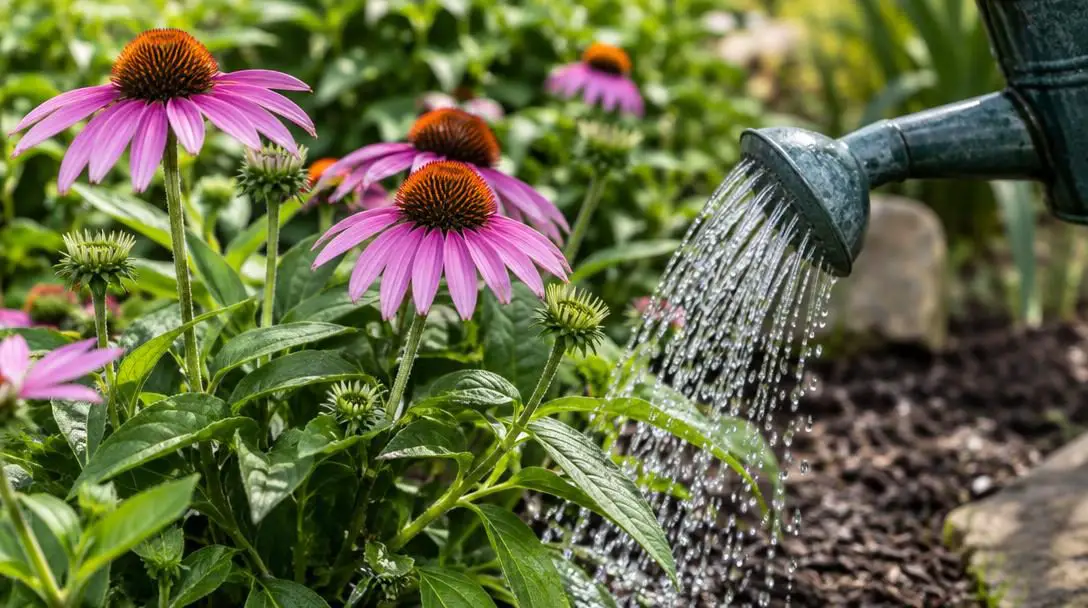
- Assess soil moisture before watering. Avoid watering on a rigid automated schedule. Test the soil around your perennials by touching the earth near the base of the stems. If the top inch or two feels dry, provide a deep, thorough soaking that penetrates the entire root profile. If the soil remains damp, delay watering to protect roots from suffocation.
- Provide balanced, slow-release nutrition in spring. As new shoots break through the soil surface in early spring, apply a slow-release fertilizer around the base of the plants. Slow-release formulas supply steady nourishment as roots awaken. Apply a second, lighter feeding in midsummer to sustain flower bud formation and root strength through the hottest months.
- Prune dead tissue and spent blooms. During the active growing period, remove faded flowers to channel the plant's metabolic energy away from seed production and into root and leaf vitality. In the autumn, when top foliage naturally yellows and collapses following the first hard frosts, prune back dead herbaceous growth to deter overwintering pests and fungal spores.
- Divide overgrown clumps during dormant seasons. As perennials mature over three to five years, their root systems expand outward, often leaving an empty, dead center while crowding neighboring plants. Lift and divide dense root masses during early spring dormancy or late autumn. Replant the vigorous outer divisions to instantly rejuvenate your plantings and generate free plants for other beds.
- Inspect plants and apply organic pest controls. Walk your garden beds regularly to check the undersides of leaves and stem joints for early signs of insect activity, mildew, or leaf spotting. Treat isolated outbreaks early using organic insecticidal soaps, horticultural oils, or targeted mechanical removal before infestations compromise plant vitality.
Common perennial mistakes to avoid
Achieving a lush, self-sustaining garden requires steering clear of standard maintenance pitfalls that undermine perennial health.
- Overwatering root systems: Saturated, waterlogged soil excludes vital oxygen from the root zone, leading to rapid bacterial and fungal root rot. Always ensure planting beds possess sufficient drainage before planting.
- Ignoring climate tolerances: Selecting plants based solely on catalog photos without confirming their regional climate suitability leads to winter die-off or heat stress collapse.
- Failing to divide mature clumps: Leaving perennials undisturbed for too many consecutive years causes congested root systems, poor airflow, diminished flower size, and thinning plant centers.
- Pruning at inappropriate times: Cutting back spring-flowering woody shrubs like lilacs or azaleas late in the season removes the dormant flower buds set for the following year, eliminating your spring bloom display.
- Overusing fast-release synthetic fertilizers: Heavy applications of high-nitrogen chemical fertilizers generate rapid, spindly foliage growth that possesses weak cell walls, making the plant highly attractive to garden pests and vulnerable to wind breakage.
Designing layered beds for continuous interest
Once you understand the basic care needs of perennials, you can combine them strategically to craft visually striking garden beds that look deliberate throughout the entire growing season. Successful perennial bed design relies on two central concepts: vertical layering and staggered bloom schedules.
Vertical layering arranges plants by their mature heights to ensure every specimen receives adequate sunlight and air circulation while creating depth. Position tall, permanent perennial shrubs such as lilacs or hydrangeas at the rear of borders or in the center of island beds. In front of these woody anchors, place mid-sized flowering perennials like roses and lilies, which form the colorful body of the bed. Finally, finish the front perimeter with low-growing perennial herbs like thyme, or compact ornamental grasses, which hide bare stems, edge the bed cleanly, and suppress unwanted weeds.
Pair this physical layering with deliberate bloom coordination. A common frustration occurs when a garden blooms magnificently in June but looks completely green and barren by August. To avoid this, balance early-season heralds like azaleas and spring bulbs with midsummer stalwarts like daisies and oregano, finishing the year with late-season bloomers and seed heads from ornamental grasses. By intertwining varied bloom schedules across all garden layers, your landscape will maintain continuous visual rhythm from early spring until the arrival of winter frost.
Frequently asked questions
How do perennials survive freezing winter conditions?
Herbaceous perennials survive cold winters by letting their exposed foliage die back while channeling stored energy into their underground root networks, crowns, or bulbs. Protected by the insulating layer of soil above them, these subterranean structures remain dormant until warming spring temperatures and rising moisture levels signal them to produce fresh growth.
What is the main difference between annual and perennial plants?
The main difference lies in their life cycle. Annual plants complete their entire biological journey—from seed germination to flowering, seed development, and death—in a single growing season. Perennials live for multiple years, returning each spring to produce new stems, foliage, and flowers from an established root system or permanent woody branches.
When is the best time of year to divide overgrown perennials?
The ideal time to divide perennial clumps is during their dormant periods, specifically in early spring just before new growth emerges, or in late autumn after the foliage has died back. Dividing during dormancy minimizes moisture stress and shock, allowing root systems to establish smoothly in their new positions.
Why should slow-release fertilizer be chosen over fast-release formulas?
Slow-release fertilizers break down gradually, providing perennials with a steady, dependable stream of balanced nutrients throughout their active growing phases. In contrast, fast-release fertilizers cause rapid bursts of weak, sappy vegetative growth that attract garden pests and leave stems brittle and vulnerable to storm damage.
How can I tell if a perennial is suffering from overwatering?
Overwatered perennials frequently exhibit yellowing lower foliage, wilting stems despite damp soil, stunted growth, and a foul, swampy odor around the base caused by decomposing roots. Checking soil moisture depth with a finger or trowel before irrigating helps avoid these root rot conditions.
The bottom line
Perennial plants are the cornerstone of a sustainable, cost-effective, and visually captivating landscape. By investing the time to select varieties matched to your local climate, incorporating diverse plant forms from herbs to woody shrubs, and practicing thoughtful seasonal care—such as sensible watering, timely division, and strategic pruning—you can cultivate an outdoor space that returns with greater vigor, beauty, and resilience with every passing year.