Preventing Exploitation by Educators: What Schools Can Do to Protect Students
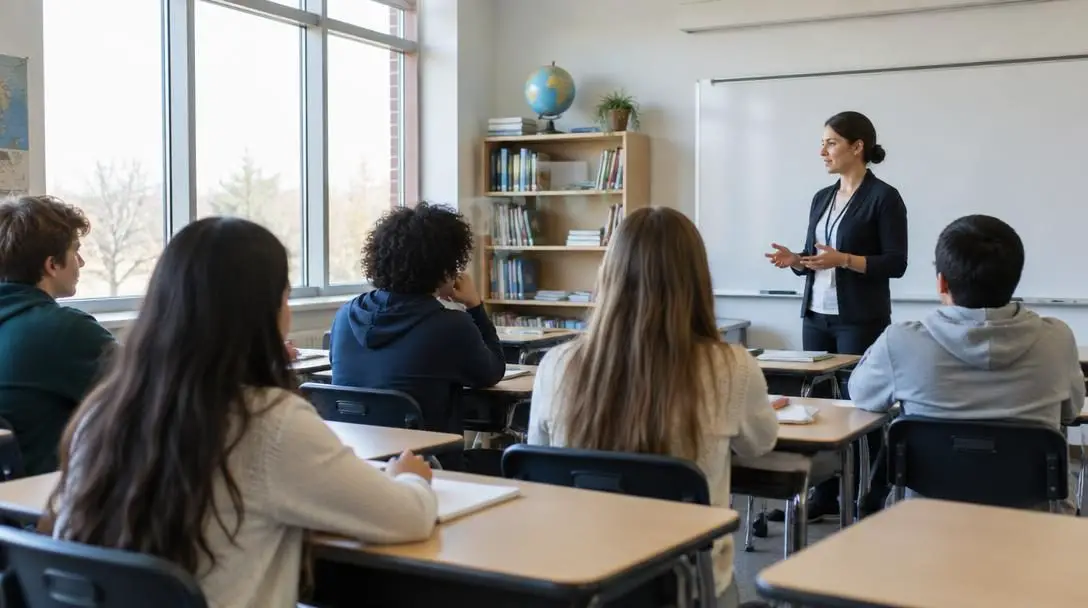
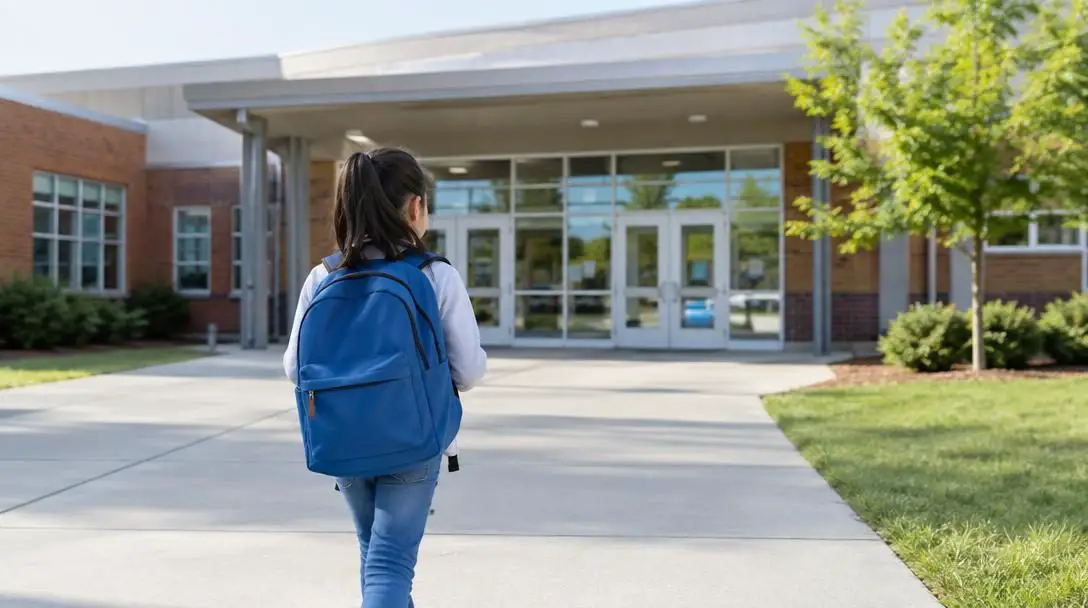
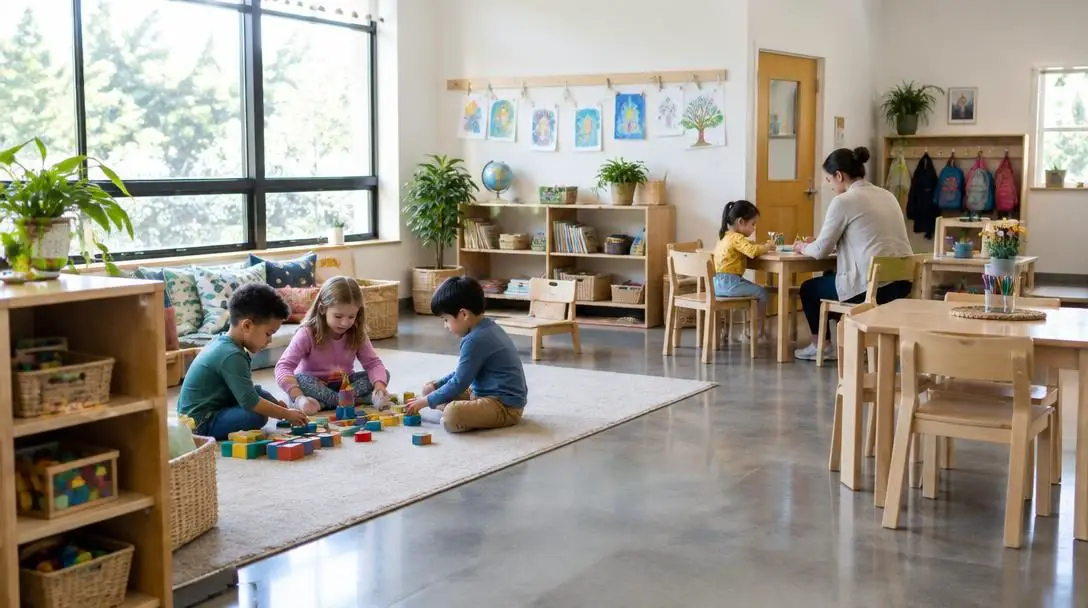
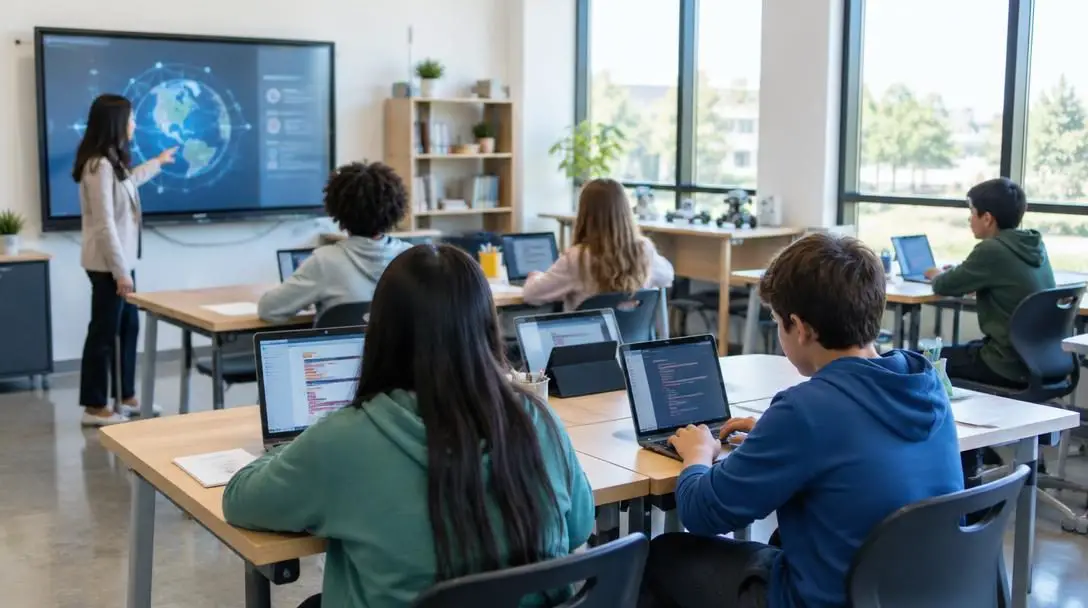
Parents and families place immense trust in teachers, administrators, and educational support staff to cultivate a secure, welcoming, and productive environment for their children. When students enter a school building, their families expect that their physical safety, emotional well-being, and mental health will be actively protected. Sadly, cases of educators exploiting students continue to reveal devastating consequences for victims, their households, and the broader school community.
The fundamental obligation to safeguard children falls directly upon educational institutions. To prevent abuse and mistreatment, schools must develop, execute, and consistently maintain robust operational safeguards. Without clear, enforceable boundaries and vigilant institutional oversight, power imbalances between adults and minors can leave young people vulnerable to manipulation, abuse, and long-term trauma.
Key takeaways
- Educational exploitation thrives on inherent power imbalances between adults and minors when professional boundaries are not strictly regulated and enforced.
- Proactive institutional safety relies on rigorous pre-employment vetting, recurring background checks, and active monitoring of professional digital conduct.
- Eliminating private channels, such as closed-door meetings and unmonitored personal messaging, removes the isolation that perpetrators use to groom students.
- Schools must build transparent, non-intimidating reporting mechanisms that encourage early disclosures without fear of disbelief, retaliation, or peer stigmatization.
- Sustainable student protection demands active partnerships between schools, vigilant families, and law enforcement agencies to ensure permanent accountability.
The dynamics of educator exploitation and power imbalance
Exploitation in an academic setting takes several destructive forms, including sexual abuse, physical abuse, and emotional abuse. In every educational environment, an inherent power imbalance exists between adult authority figures and the minors in their charge. Educators hold evaluative power, social authority, and institutional credibility. When an educator begins to blur professional boundaries, young students often lack the developmental maturity, confidence, or vocabulary to understand, resist, or report what is occurring.
This structural power differential creates fertile ground for manipulation and psychological conditioning, often referred to as grooming. Misconduct rarely occurs overnight; perpetrators frequently test limits gradually, gauging a student's vulnerability, isolating them from their peers, and eroding institutional boundaries under the guise of mentorship, special favoritism, or personalized academic assistance. If an educational facility relies merely on informal trust rather than structured oversight, these predatory behaviors easily pass unnoticed by colleagues and parents alike.
The harm resulting from boundary violations does not dissipate when inappropriate contact ends. Victims and their immediate families frequently suffer profound, lingering trauma that disrupts educational progress, undermines family stability, and causes lasting psychological distress. Historically, the absence of rigid conduct codes, inadequate pre-employment vetting, and poor communication between educational institutions and households have allowed abusers to operate without detection. Protecting students requires moving past assumptions of goodwill toward concrete, enforceable accountability standards.
Protecting students requires schools to move beyond informal trust and establish concrete, enforceable standards of conduct, vigilance, and institutional accountability.
Core operational safeguards: vetting, monitoring, and training
Preventative safety begins long before an individual is granted access to a classroom or school hallway. A reliable safety architecture requires institutions to execute a comprehensive vetting process applied universally across all personnel, including full-time teachers, substitute educators, athletic coaches, administrative staff, and volunteer workers.
A functional institutional safeguard framework must integrate several non-negotiable operational components:

- Universal mandatory background checks: Rigorous background checks serve as a non-negotiable baseline for all incoming personnel. These checks verify criminal records, reference histories, and any past red flags across municipal, state, and federal registries.
- Thorough misconduct investigations: Beyond simple automated checks, hiring committees must rigorously investigate any prior claims or formal penalties. Glossing over administrative discipline or unresolved grievances from previous school districts leaves children vulnerable to repeat offenders who move between institutions.
- Systematic social media monitoring: School administrations should regularly monitor staff members' public-facing social media accounts. This ongoing review ensures educators are not engaging in questionable public behavior, expressing improper personal interests regarding students, or maintaining unmonitored digital relationships with enrolled youth.
- Standardized, recurring training programs: Professional development must include mandatory, recurring training covering boundary definitions. Staff need detailed instruction on strict lines that must never be crossed, alongside instruction on how to recognize the clinical signs of sexual, physical, and emotional abuse in children.
- Mandatory internal reporting obligations: Training curricula must empower teachers and staff to identify and report suspicious conduct, questionable interpersonal dynamics, and unauthorized private meetings immediately, rather than waiting for formal complaints from victims.
Comparing proactive school safeguards with common operational mistakes
Educational institutions frequently fall into predictable administrative traps that compromise student safety. Evaluating the difference between effective institutional protocols and widespread operational vulnerabilities illustrates where schools must concentrate their resources.
| Operational Domain | Proactive Institutional Protocol | Common Administrative Mistake |
|---|---|---|
| Staff Screening | Comprehensive criminal history, past misconduct investigations, and continuous behavioral oversight. | Relying on a single initial background check completed at the time of hiring without follow-up reviews. |
| Student Meetings | Transparent, visible interactions in open areas or rooms with clear windows and open doors. | Allowing closed-door, one-on-one sessions in isolated classrooms, offices, or athletic facilities. |
| Digital Communication | Mandating centralized, audited school platforms for all academic and extra-curricular dialogue. | Permitting staff to text, private message, or call students using personal phones and private social apps. |
| Boundary Instruction | Mandatory, recurring training clarifying grooming indicators, boundary lines, and reporting duties. | Assuming professional boundaries are universal common sense that does not require formal training. |
| Reporting Systems | Direct, accessible, non-punitive channels ensuring protection from retaliation or peer stigma. | Bureaucratic, intimidating procedures that place heavy burdens of proof on reporting students. |
Concrete protocols for establishing safe daily school operations
Eliminating opportunities for exploitation requires educational institutions to implement structured, verifiable steps that dictate daily campus interactions, establish clear lines of communication, and remove the isolation that abusive adults exploit. School leaders must execute clear policies that address both physical and digital contact.
- Enforce clear rules for in-person meetings: School policy must strictly forbid educators from conducting one-on-one sessions behind closed, unobservable doors. All physical meetings between educators and individual students must take place in transparent, visible settings or spaces where other staff members can easily see and observe the interaction.
- Ban private digital communication channels: Educational districts must prohibit teachers, coaches, and staff from maintaining private digital correspondence with minor students. Texting, direct messaging through social media platforms, and private phone calls must be strictly forbidden. All electronic communication must flow exclusively through authorized, school-managed platforms accessible to administrators and parents.
- Establish a secure, accessible reporting system: Schools must develop streamlined, accessible reporting channels for students, families, and concerned peers. This reporting mechanism must be free from intimidation, ensuring students can come forward without fear of social retaliation, administrative skepticism, or peer alienation.
- Conduct prompt, objective administrative investigations: The moment a report or suspicious dynamic is flagged, school administration must immediately launch a thorough internal investigation. Administrators must prioritize student safety above institutional reputation, implementing immediate administrative separation while facts are established.
- Engage and welcome parental oversight: School leadership must foster an open-door environment that encourages parents and guardians to participate actively in their child's academic life. Inquiries or concerns raised by families should be met with transparency and respect rather than defensiveness or dismissal.
- Provide immediate victim and family support services: When boundary violations or abuse occur, the educational institution must provide immediate, comprehensive support to the victim and their family, including facilitating access to professional trauma counseling and academic accommodations.
- Coordinate transparently with law enforcement authorities: School leadership has a clear duty to cooperate fully with law enforcement agencies during any criminal inquiry. Transparent collaboration ensures offenders face appropriate legal consequences and prevents abusive individuals from quietly transferring to other educational systems.
Critical pitfalls: common institutional mistakes schools make
Even well-intentioned institutions can inadvertently leave children vulnerable if their operational procedures contain oversights, inconsistencies, or enforcement gaps. Identifying these structural weaknesses allows school boards and administrators to repair institutional fractures before catastrophic harm occurs.
One widespread institutional error is relying exclusively on initial screenings. Administrators sometimes assume that a clear background check performed five or ten years prior guarantees permanent suitability. Without ongoing monitoring of conduct, digital engagements, and professional behavior, emerging grooming tactics and predatory patterns can be entirely overlooked.
Another systemic failure involves allowing unregulated communication between educators and students. Permitting teachers to communicate informally through personal phone numbers, gaming platforms, or social media networks breaks down professional barriers. These unmonitored digital conduits provide perpetrators with private, unrecorded access to minors, making grooming efforts virtually invisible to outsiders.
Schools also create severe safety hazards by failing to regulate physical meeting spaces. Permitting teachers, counselors, or coaches to hold closed-door sessions in isolated offices, empty classrooms, or private athletic facilities strips students of the protection afforded by casual public observation. Isolation is the single most critical environmental factor enabling abuse to take place.

Furthermore, institutions frequently stumble by treating boundaries as self-evident common sense. Assuming that every adult educator naturally grasps acceptable physical, emotional, and social boundaries without ongoing instruction invites subjective interpretation. Regular professional development addressing the subtle dynamics of emotional, sexual, and physical boundaries is essential for maintaining uniform institutional standards.
Finally, the most damaging operational failure occurs when an administration doubts or blames the reporting victim. When a student manages the courage to report inappropriate conduct, subjecting that student to suspicion, hostile questioning, or administrative disbelief causes devastating secondary trauma. Such reactions silence other prospective whistleblowers and signal that the institution values its own public reputation over the welfare of its children.
Sustaining vigilance and accountability within the community
Preventing educator misconduct cannot be treated as a static administrative checklist or an annual training requirement. It demands ongoing institutional discipline, structural transparency, and active community participation. School boards must consistently audit their internal reporting channels, evaluate the responsiveness of administrators, and ensure staff training reflects evolving digital communication methods.
Institutions must also honor their broader ethical obligation to the public. When an educator crosses boundaries or commits abuse, the school must not only support the victim and cooperate transparently with law enforcement, but it must also take decisive action to ensure that the individual is permanently barred from working with minors. The practice of allowing problematic staff members to quietly resign—enabling them to seek employment in neighboring districts or states—perpetuates harm and constitutes an unacceptable failure of institutional duty.
Ultimately, keeping schools safe depends upon an informed, assertive community. Parents, guardians, and civic leaders must actively observe how local schools implement their protection policies, verify that digital communication bans are maintained, and insist on transparent reporting avenues. When families and educational systems work in vigilant partnership, schools can fulfill their foundational purpose as safe, nurturing environments where all students can learn and thrive.
Frequently asked questions
Why is informal digital communication between teachers and students dangerous?
Private digital communication through personal texting, private social media messaging, or gaming channels removes external oversight and provides an unmonitored environment where boundary violations and grooming behaviors can occur without detection.
How can schools ensure physical meetings between students and teachers remain safe?
Schools must enforce strict policies requiring all one-on-one meetings to take place in observable, transparent settings, such as open classrooms or rooms with clear viewing windows, strictly prohibiting closed-door, isolated interactions.
What should a school administration do immediately after receiving a report of abuse?
The administration must immediately take steps to protect the student, separate the accused staff member from the student population, initiate a thorough administrative investigation without delay, and coordinate directly with law enforcement agencies.
Why are initial pre-employment background checks not sufficient on their own?
A pre-employment background check only captures documented past offenses; it cannot predict future actions or capture emerging boundary violations without recurring checks, ongoing behavioral monitoring, and active social media oversight.
How does the power imbalance in schools affect a student's ability to report misconduct?
Educators hold authority, academic leverage, and adult credibility, making it difficult for minors to recognize grooming, resist improper advances, or feel confident that their reports will be believed over an adult's word.
The bottom line
Ensuring that educational facilities remain safe harbors for young learners requires continuous institutional discipline and uncompromising accountability. Preventing educator exploitation cannot be achieved through passive assumptions of professional goodwill; it demands clear, non-negotiable boundaries, universal pre-employment vetting, transparent physical and digital protocols, and an open reporting culture that values student welfare above institutional reputation. By establishing robust operational safeguards and fostering active partnerships with families and law enforcement, schools can effectively protect their students from abuse, eliminate predatory isolation, and maintain a truly secure educational community.