Romance And Love In Comics

Comic books remain one of the most distinctive artistic mediums in modern literature, combining dynamic sequential artwork with scripted dialogue to tell expansive, emotionally resonant stories. While superhero battles, cosmic crises, and villainous confrontations often dominate the covers, the true narrative foundation of graphic literature frequently rests on romance and love. Creators use panel layouts, color theory, and nuanced character writing to transform romantic partnerships into emotional anchors that keep readers invested across decades of ongoing publication.
From foundational mid-century partnerships that endured cosmic tragedies to contemporary romances exploring modern queer identities and polyamory, comic storytelling has consistently pushed the boundaries of interpersonal drama. As creative teams evolve and cultural landscapes shift, comic books continue to showcase how affection, heartbreak, and devotion drive character development just as powerfully as any superpowered brawl.
Key takeaways
- Romance functions as a crucial emotional anchor in comics, balancing fantastical plots and high-stakes superhero conflict.
- Visual storytelling techniques such as panel framing, body language, and color palette design communicate romantic tension without relying solely on dialogue.
- Long-standing serialized relationships continuously bend through cycles of separation and reunion to sustain ongoing narrative momentum.
- Modern graphic literature has expanded romantic representation to reflect diverse LGBTQ+ bonds, cross-cultural dynamics, and polyamorous partnerships.
Five iconic relationships shaping graphic literature
Across decades of publishing, several standout relationships have established the creative paradigms for love in sequential art. Whether bound by moral tension, cosmic sacrifice, or groundbreaking diversity, these partnerships represent the medium's capacity for complex romantic storytelling.
| Partners | Key Milestone or Debut | Publisher / Universe | Core Narrative Dynamic |
|---|---|---|---|
| Batman and Catwoman | Recent engagement arc | DC Comics | Vigilante moral code tested by a master thief |
| Scott Summers and Jean Grey | 1960s X-Men origins | Marvel Comics | Enduring devotion through death and resurrection |
| Kate Bishop and America Chavez | Young Avengers #12 | Marvel Comics | Interracial LGBTQ+ partnership balancing fiery and grounded traits |
| Aqualad and Dolphin | Aquaman #33 | DC Comics | Cross-cultural romance bridging distinct undersea and surface worlds |
| Wiccan, Hulkling, and Loki | Young Avengers #9 | Marvel Comics | Groundbreaking polyamorous dynamic within a young superhero team |
Batman and Catwoman
- Characters: Batman (Bruce Wayne) and Catwoman (Selina Kyle)
- Key Milestone: Portrayed as an engaged couple in recent comic storylines
- Central Tension: Conflicting moral beliefs and divergent lifestyles
The decades-spanning connection between Batman and Catwoman represents one of the most enduring dichotomies in graphic storytelling. On one side stands a grim vigilante bound to a rigid, uncompromising moral code; on the other is an agile master thief who routinely operates outside the boundaries of Gotham City's legal systems. Despite this philosophical gulf, their mutual respect and magnetic attraction have anchored numerous creative runs.
Their recent relationship reached unprecedented emotional heights when the pair became an engaged couple, confronting the realities of shared vulnerability and personal sacrifice. Although conflicting duties and personal philosophies regularly create narrative friction, their bond endures because they recognize a kindred soul behind the mask, proving that opposites can sustain a compelling romantic core across generations of serialized conflict.
Scott Summers and Jean Grey
- Characters: Scott Summers (Cyclops) and Jean Grey (Marvel Girl / Phoenix)
- History: Central romantic staple of the X-Men franchise since the 1960s
- Defining Arc: Jean's tragic death and cosmic resurrection as the Phoenix
Introduced in the foundational era of mutant storytelling during the 1960s, Scott Summers and Jean Grey established how romantic drama could operate within the pressurized environment of an ensemble team book. Scott's disciplined, hyper-focused tactical mind found its counterpart in Jean's telepathic empathy and inner fortitude. Their devotion quickly became the emotional heartbeat of the entire X-Men line.

Their relationship weathered monumental trials, most notably the high-stakes cosmic trauma surrounding Jean's corruption, demise, and subsequent rebirth as the Phoenix. Rather than dissolving under the weight of catastrophic galactic events and personal losses, their love demonstrated the resilience of classic serialized romance, showing readers that personal affection can withstand cosmic scale and profound grief.
Kate Bishop and America Chavez
- Characters: Kate Bishop (Hawkeye) and America Chavez (Miss America)
- Milestone Issue: First introduced in Young Avengers #12
- Significance: One of Marvel's earliest high-profile interracial LGBTQ+ pairings
Representing a modern evolution in comic storytelling, the relationship between Kate Bishop and America Chavez brought fresh perspective and representation to superhero team dynamics. Introduced in Young Avengers #12, their connection stood out as an influential interracial LGBTQ+ romance within mainstream comics, capturing the authentic rhythms of youthful intimacy and shared responsibility.
Their dynamic thrives on complementary personal energy: Kate brings a pragmatic, grounded approach shaped by her archery mastery, while America possesses an assertive, fiery confidence backed by multiversal strength. Together, they illustrate how contemporary creators weave romance into superhero field operations, allowing character interactions to foster mutual trust, wit, and emotional security amid high-energy adventures.
Aqualad and Dolphin
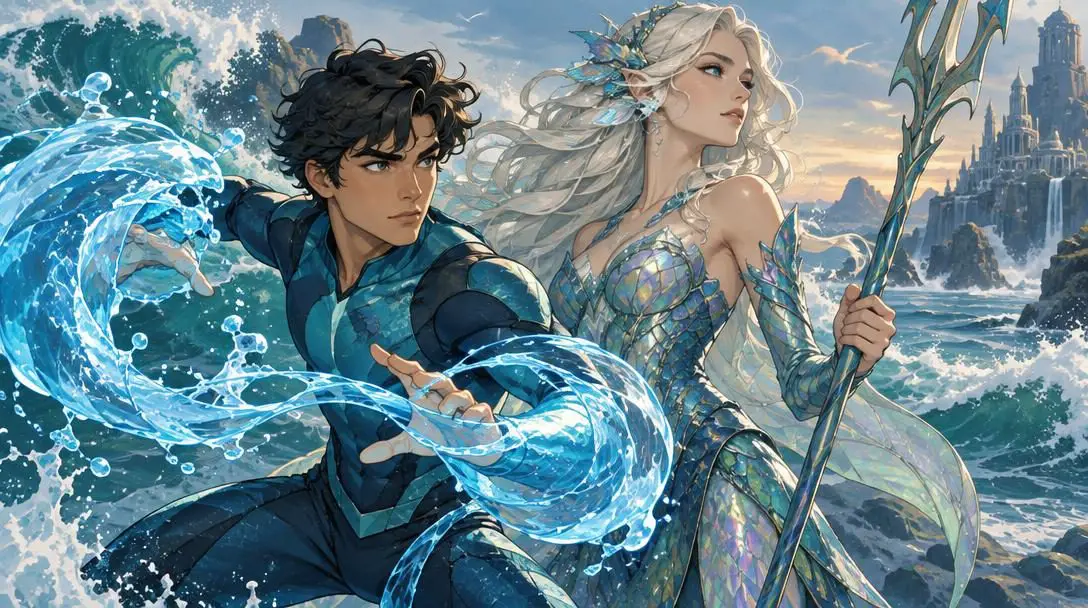
- Characters: Jackson Hyde (Aqualad) and Dolphin
- Milestone Issue: Introduced in Aquaman #33
- Significance: Groundbreaking DC storyline examining cross-cultural LGBTQ+ connections
Debuting in Aquaman #33, the romantic storyline connecting Jackson Hyde (Aqualad) and the Atlantean warrior Dolphin marked an important milestone as one of DC's notable LGBTQ+ relationships. Their bond explores the intricate difficulties of forging a genuine romantic connection across disparate worlds, backgrounds, and distinct underwater subcultures.
Jackson's dual heritage and surface perspectives contrast with Dolphin's subterranean life and Atlantean origins, introducing physical and social hurdles to their courtship. By highlighting how these two heroes overcome environmental obstacles and cultural miscommunications, the narrative emphasizes empathy and shared protection, demonstrating that romantic affection can bridge profound social divides.
Wiccan, Hulkling, and Loki
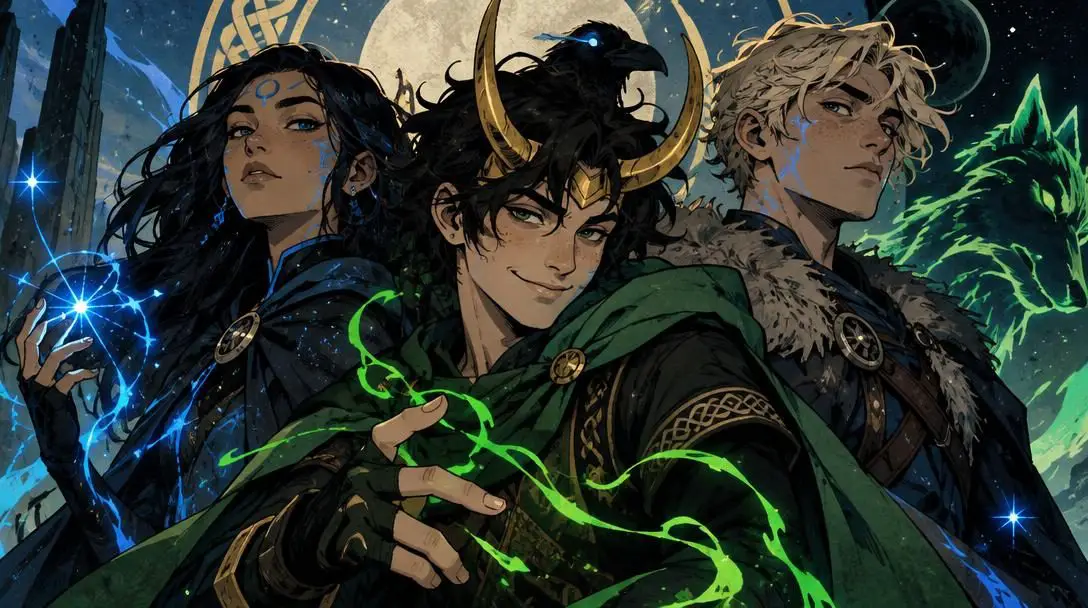
- Characters: Wiccan (Billy Kaplan), Hulkling (Teddy Altman), and Loki
- Milestone Issue: Introduced in Young Avengers #9
- Relationship Format: High-profile polyamorous relationship dynamic
Pushing graphic storytelling beyond traditional monogamous conventions, the connection involving Wiccan, Hulkling, and their boyfriend Loki debuted in Young Avengers #9. The storyline gained significant acclaim as one of the most widely recognized polyamorous relationships in mainstream comic history, reflecting the diverse complexities of modern queer dating.

By exploring multi-partner dynamics within a high-stakes, magical, and intergalactic context, the creative team demonstrated that romance in comics need not adhere to rigid mid-century templates. The triad's interactions showed that mutual trust, open communication, and emotional complexity can flourish across multifaceted relationship structures without distracting from epic adventure.
Romantic arcs in sequential art serve as the essential emotional anchor that balances high-stakes conflicts, dramatic cliffhangers, and fantastical settings.
How visual mechanics drive romantic comic storytelling
While prose novels rely on internal monologues and film leans on vocal cadence, comic books communicate romantic chemistry through the visual language of sequential panel design. Artists construct emotional intimacy by choreographing subtle shifts in posture, line work, and composition across the page.
- Body language and character proximity: Placing two characters close within a tight panel boundary conveys warmth and comfort, while forcing empty negative space between them visualizes sudden emotional alienation.
- Pacing through panel variation: Creative teams frequently use rapid sequences of small panels to simulate witty, flirtatious banter, followed by an expansive splash page to punctuate a pivotal romantic confession or reunion.
- Artistic framing of non-verbal cues: Subtle glances, lingering hand gestures, and tilted head positions convey unspoken longing long before characters verbalize their feelings in dialogue balloons.
- Color design and palette synergy: Colorists often blend or contrast the signature hues of romantic partners, visually signaling when two distinct individuals have achieved harmonious alignment on the page.
Step-by-step guide to exploring comic book love stories
Given the immense volume of continuous issues, reboots, and cross-title events, following a specific romantic arc can sometimes feel daunting. Readers seeking the most compelling love stories can streamline their reading journey using a systematic approach.
- Select foundational team runs and eras: Focus on celebrated creative periods rather than attempting to read every continuous issue since the 1960s; this keeps sprawling storylines like Scott Summers and Jean Grey approachable and cohesive.
- Identify pivotal milestone issues: Target key benchmark issues where major dynamic shifts occur, such as Young Avengers #9 for the introduction of polyamorous themes or Young Avengers #12 for new LGBTQ+ partnerships.
- Prioritize dedicated character miniseries: Choose concentrated, self-contained story arcs—such as dedicated Batman and Catwoman engagement storylines—that explore relationship dynamics without the interference of unrelated crossover disruptions.
- Examine cross-cultural narrative runs: Seek out issues like Aquaman #33 to experience how creative teams tackle cultural differences, distinct environments, and world-building through the lens of romance.
- Invest in collected trade paperbacks: Read trade collections and graphic novels that assemble multi-issue romantic arcs in sequential order, preserving artistic continuity and dramatic flow.
Common mistakes readers make with comic romances
Appreciating the nuance of graphic romance requires understanding the conventions of serial storytelling. Readers often encounter frustrations when applying expectations from other media formats onto comic pages.
- Expecting static happily-ever-afters: Serialized comics thrive on continuous motion. Assuming an engagement or reconciliation permanently ends dramatic friction ignores the fact that creative conflict keeps ongoing narratives vibrant.
- Dismissing romance as mere filler: Treating love stories as secondary distractions from action overlooks how personal relationships shape a hero's tactical choices, moral boundaries, and core motivations.
- Ignoring visual clues in favor of text: Focusing exclusively on dialogue balloons causes readers to miss vital storytelling delivered through expressive facial pencils, eye contact, and panel framing.
- Applying conventional tropes to modern dynamics: Reading diverse, multi-partner, or cross-cultural relationships through outdated narrative formulas obscures the nuanced modern themes creators intend to convey.
- Divorcing romantic plots from adventure stakes: Isolating character affection from surrounding crises—such as cosmic battles or citywide peril—diminishes the emotional weight of their mutual sacrifices.
Frequently asked questions
Why are romance and love so prominent in superhero comic books?
Romance serves as a critical narrative engine and emotional anchor in graphic storytelling. It balances fantastical superpowered adventures and cosmic crises with relatable human stakes, giving readers a familiar emotional center to invest in across decades of continuous publication.
How do comic artists show romantic intimacy without dialogue?
Artists rely on visual storytelling mechanics, including physical proximity within panel borders, prolonged eye contact, subtle body language, and expressive facial details. In addition, contrasting or complementary color palettes visually reinforce romantic harmony or tension.
What makes the relationship between Batman and Catwoman unique?
Their connection thrives on a persistent moral divide. Batman is bound by an unyielding vigilante code, while Catwoman operates outside the law as a master thief. Despite opposing lifestyles and philosophies, their emotional bond and mutual attraction have endured through multiple iterations, culminating in their engagement.
Which issues introduced Marvel's modern diverse relationships in Young Avengers?
The polyamorous dynamic involving Wiccan, Hulkling, and Loki was first introduced in Young Avengers #9, while the groundbreaking interracial LGBTQ+ relationship between Kate Bishop and America Chavez made its debut in Young Avengers #12.
Why do classic comic romances go through repeated breakups and reconciliations?
Because comic books operate as ongoing serialized stories spanning decades under multiple creative teams, relationships must continually adapt to provide fresh dramatic stakes. Periodic separations, philosophical debates, and reunions allow characters to grow without breaking their iconic connections permanently.
The bottom line
Romance has always stood at the very core of comic books, transforming costumed heroes into vulnerable, deeply relatable characters. From the enduring mid-century bonds of Scott Summers and Jean Grey to the groundbreaking inclusivity of Kate Bishop, America Chavez, Jackson Hyde, and the triad of Wiccan, Hulkling, and Loki, love stories provide graphic literature with its true emotional resonance. As narrative techniques and visual styles continue to evolve, the medium will keep finding new ways to explore the triumphs, heartbreak, and boundless power of human affection.